Artwork
Sir Uvedale Price, Baronet (1747–1829)
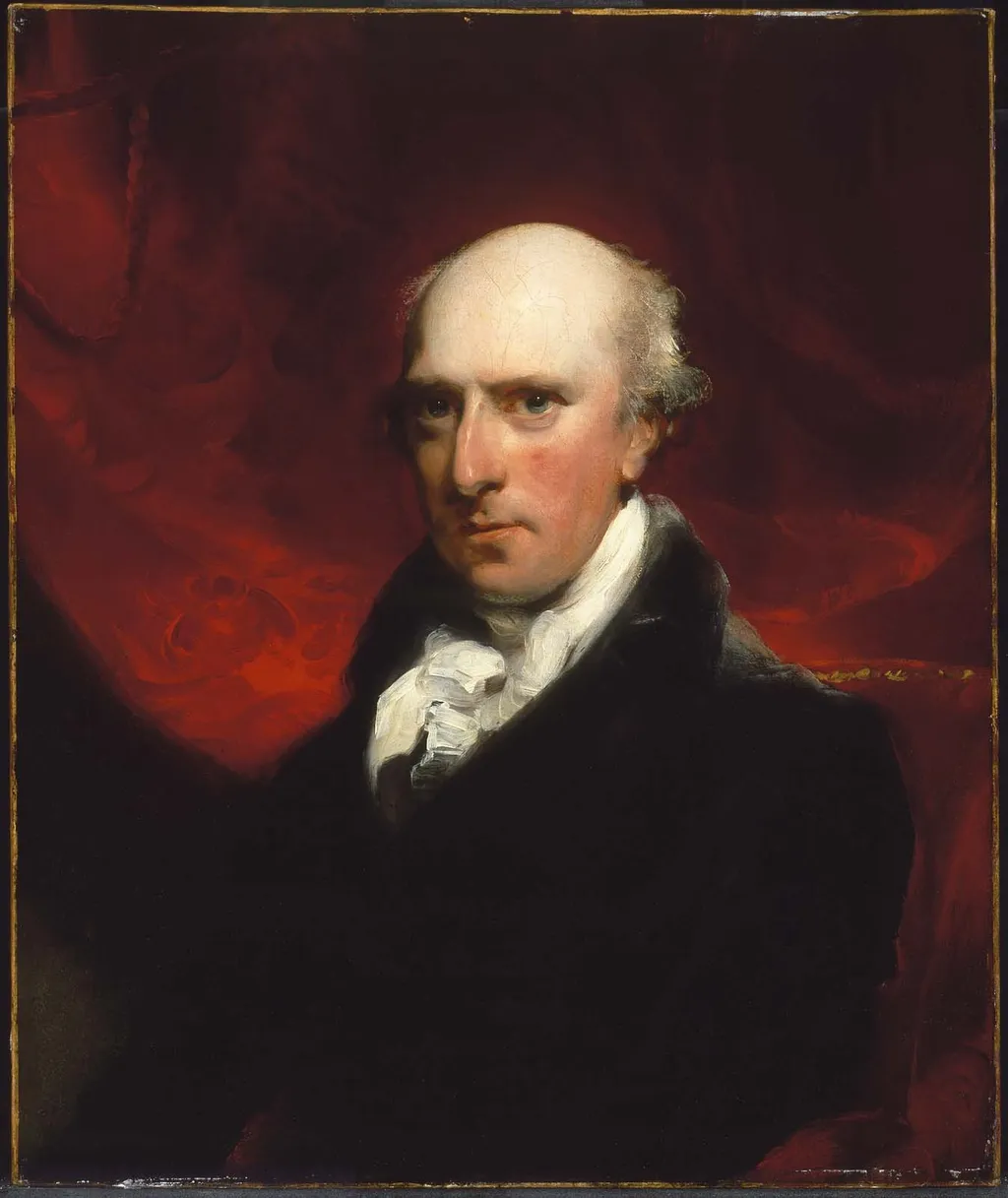
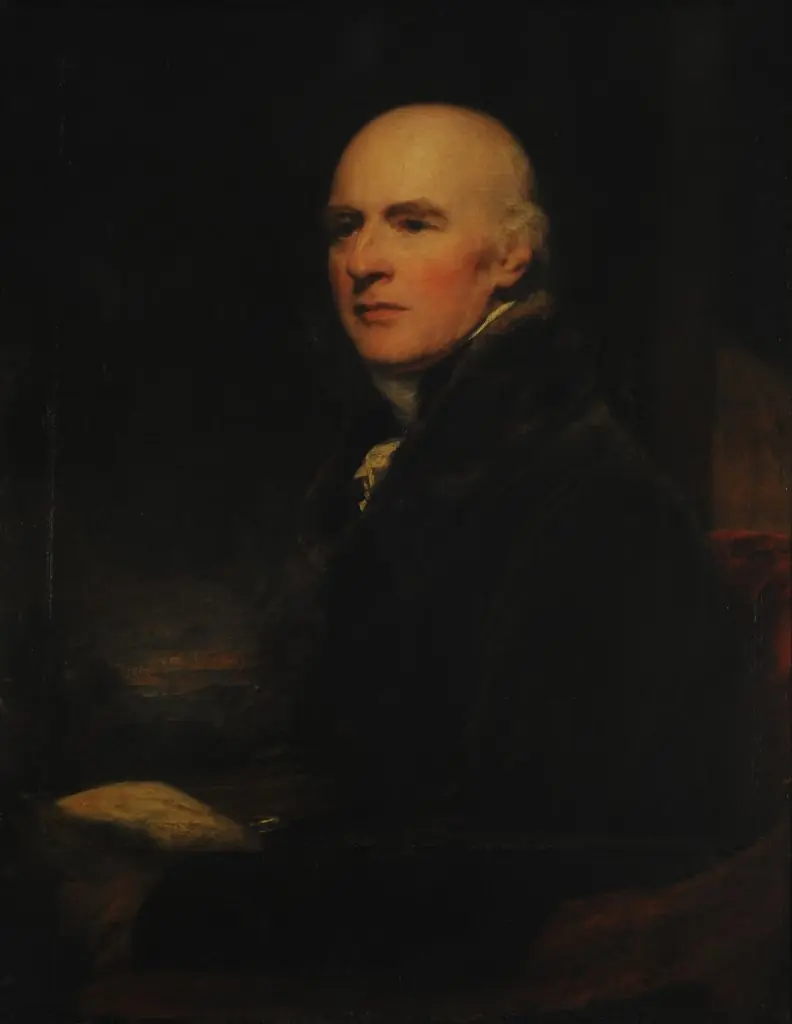
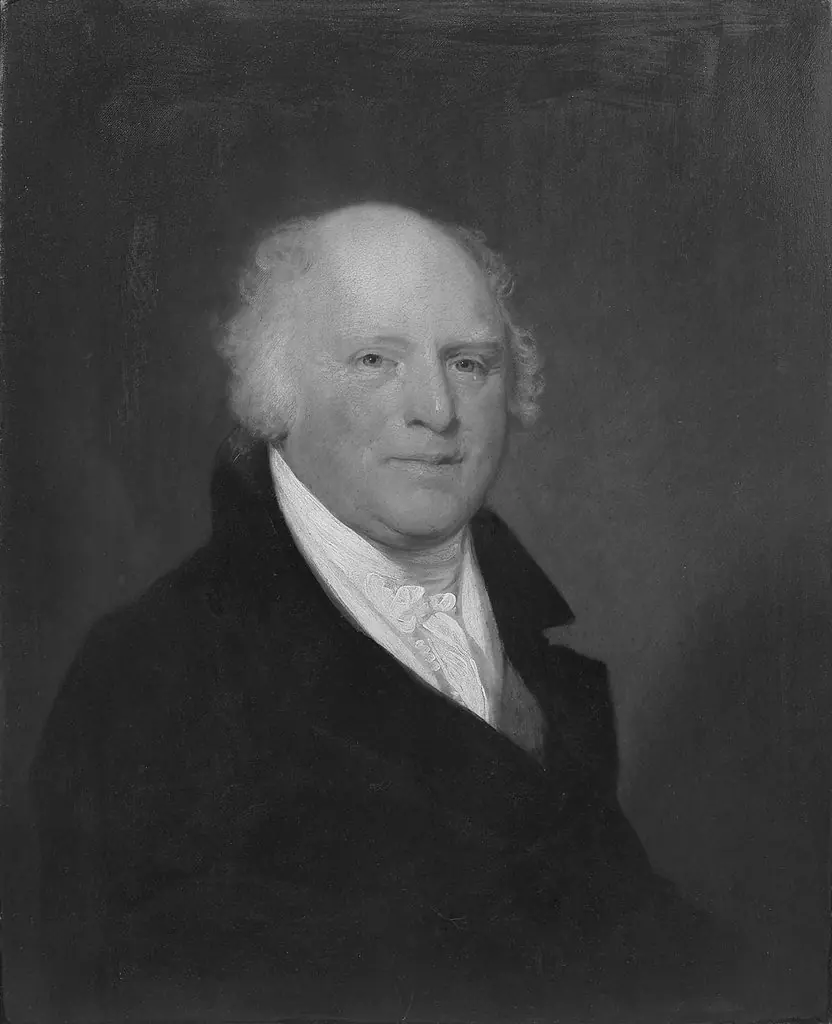
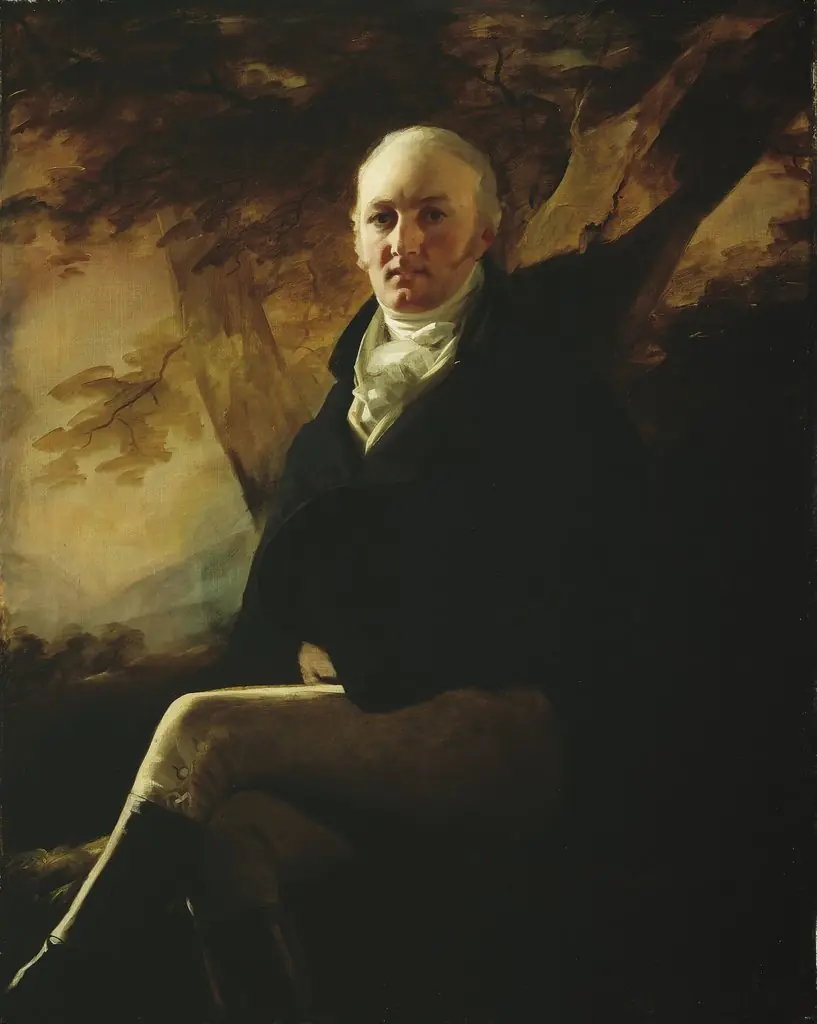
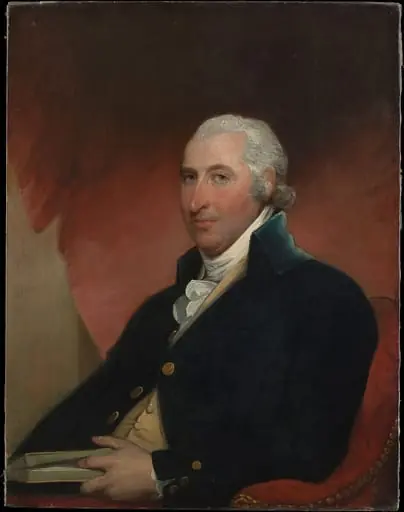
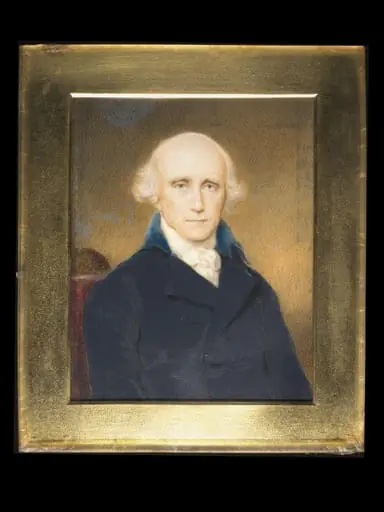
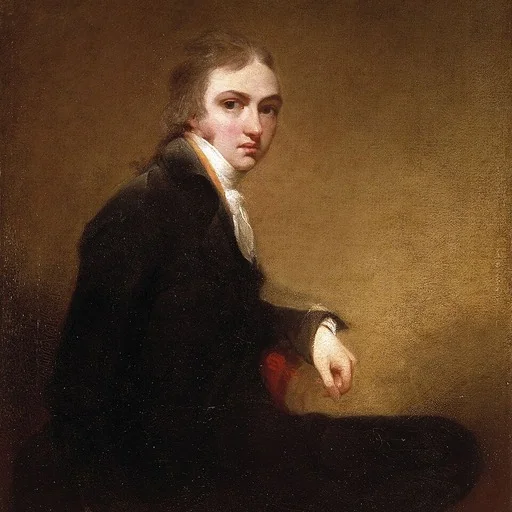
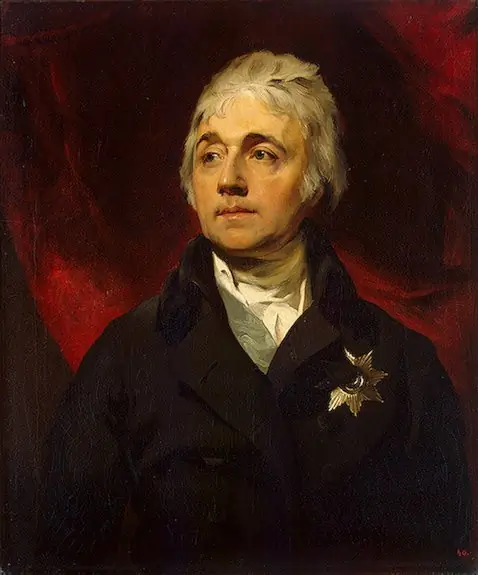
Sir Uvedale Price, Baronet (1747–1829) is an oil painting by Thomas Lawrence. It dates from 1800 and is held in the collection of the Museum of Fine Arts Boston.
About this work
Overview
The work reflects Lawrence’s reputation for capturing both physical presence and social identity through refined technique and psychological nuance.
Painted in 1800 by Thomas Lawrence, this oil portrait depicts Sir Uvedale Price, a baronet and influential writer on landscape theory. Lawrence, then at the height of his career as a portraitist, rendered Price in a composed, seated posture against a richly colored backdrop. The work reflects Lawrence’s reputation for capturing both physical presence and social identity through refined technique and psychological nuance.
Subject & Meaning
Sir Uvedale Price was known for his writings on the picturesque in landscape design, positioning him as a thinker engaged with aesthetics and nature. The portrait’s solemn expression and direct gaze suggest introspection, aligning with his intellectual profile. His attire—dark coat, white cravat—conveys quiet dignity rather than ostentation, reinforcing his identity as a man of letters rather than mere aristocrat.
Technique & Style
Lawrence employed chiaroscuro to model Price’s face with subtle gradations of light and shadow, enhancing three-dimensionality. The brushwork is precise yet fluid, particularly in the rendering of fabric and hair, where texture emerges without overt detail. The deep red background isolates the figure, focusing attention on his expression and posture, while minimizing distractions to emphasize psychological presence.
History & Provenance
Commissioned during Lawrence’s peak years as a portraitist to the British elite, the painting entered the collection of the Museum of Fine Arts, Boston, in the early 20th century. Its acquisition reflects the museum’s broader interest in British portraiture of the late 18th and early 19th centuries. No significant alterations or reworkings are documented in its history.
Context
In early 19th-century Britain, portraiture served not only as personal representation but as a marker of cultural authority. Lawrence’s sitters often included intellectuals, politicians, and landowners whose influence extended beyond social circles. Price’s inclusion among them underscores the period’s convergence of aesthetic theory and elite identity, with portraiture affirming both status and intellectual engagement.
Legacy
The portrait remains a representative example of Lawrence’s mature style—elegant, psychologically attuned, and technically assured. While not widely exhibited, it contributes to scholarly understanding of how British portraiture conveyed intellectual character. Its preservation in a major American institution highlights the transatlantic circulation of cultural artifacts from this era.
Artist & collection
Artist
Sir Thomas Lawrence (13 April 1769 – 7 January 1830) was an English painter who served as the fourth president of the Royal Academy.

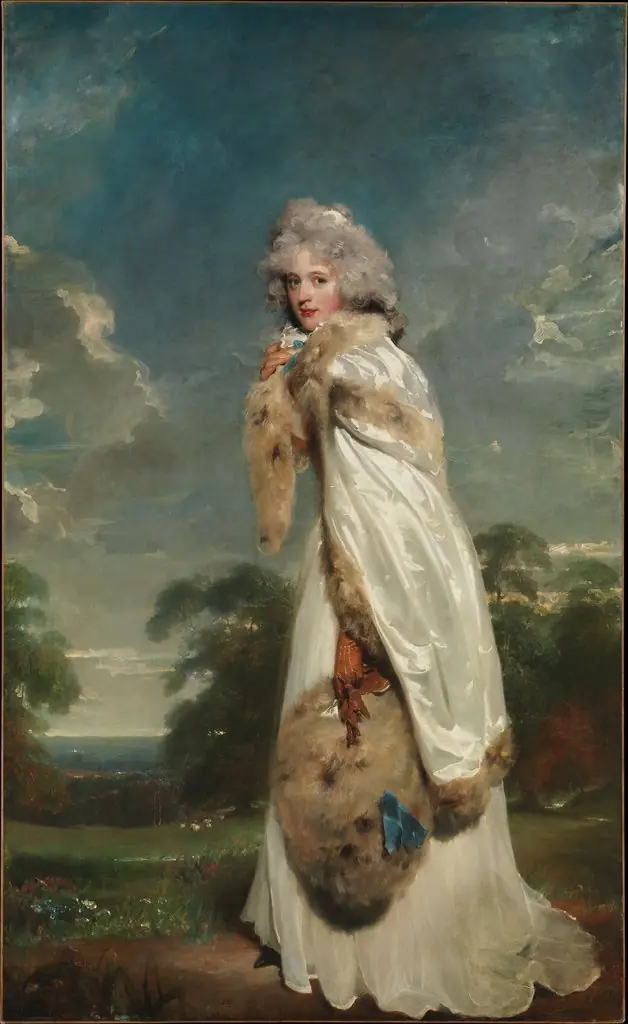 Elizabeth Farren (born about 1759, died 1829), Later Countess of Derby
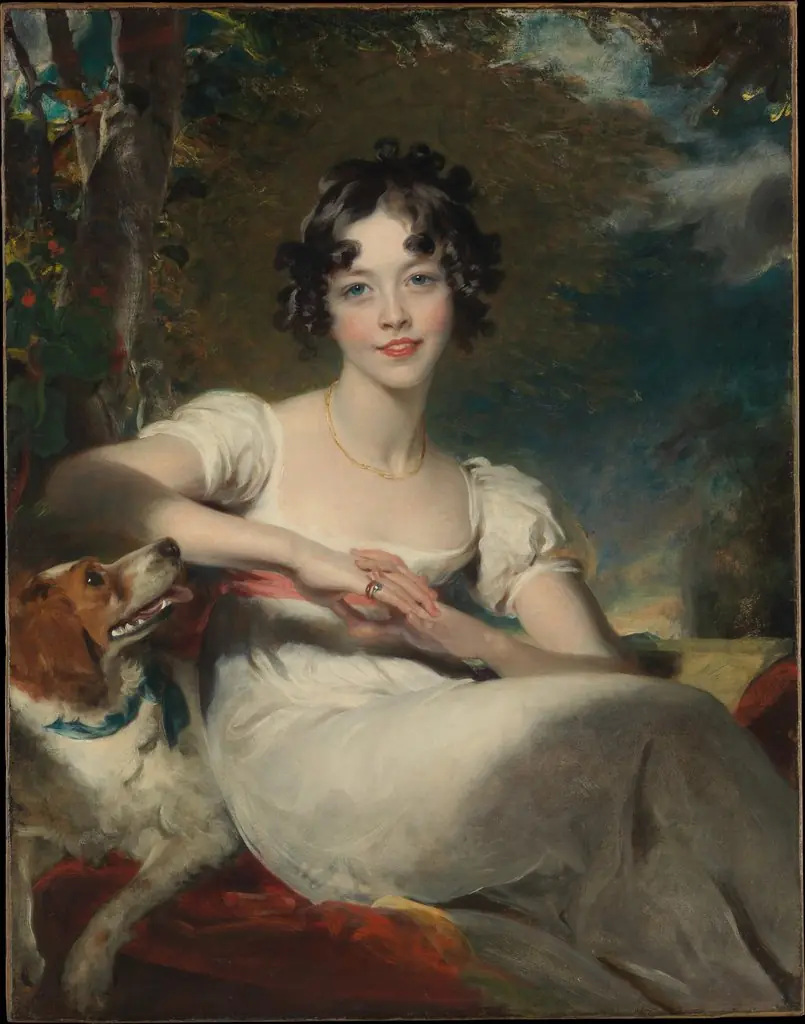 Lady Maria Conyngham (died 1843)
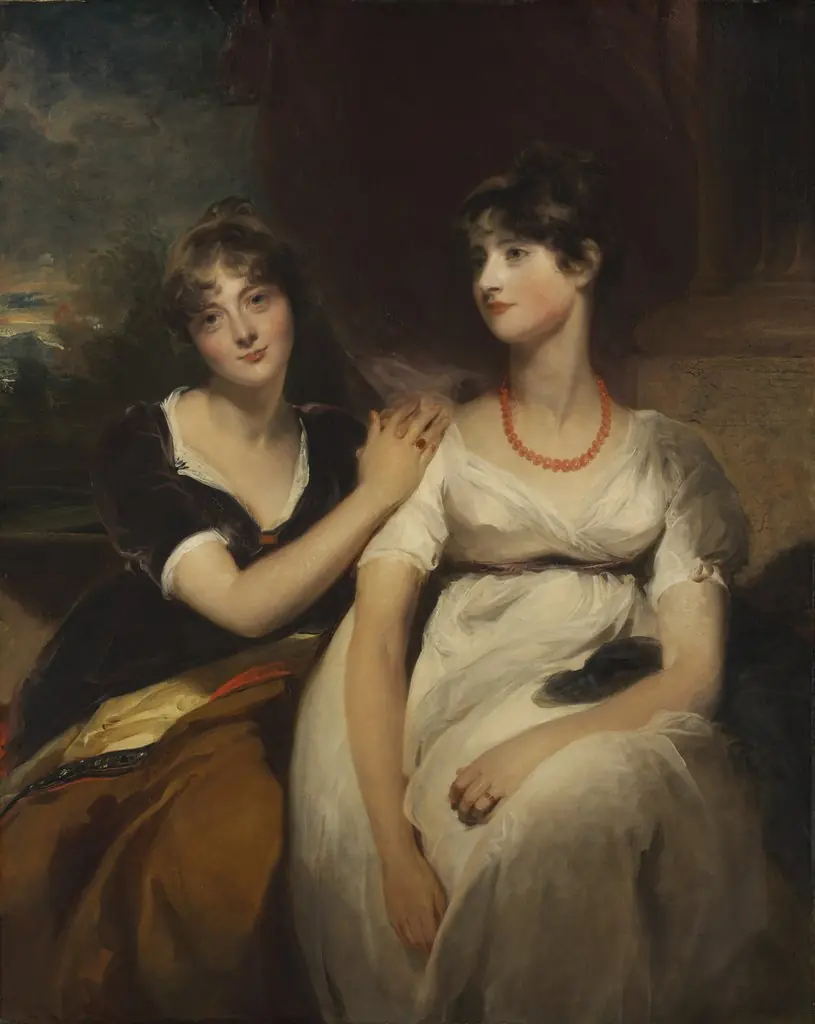 Portrait of Charlotte and Sarah Carteret-Hardy
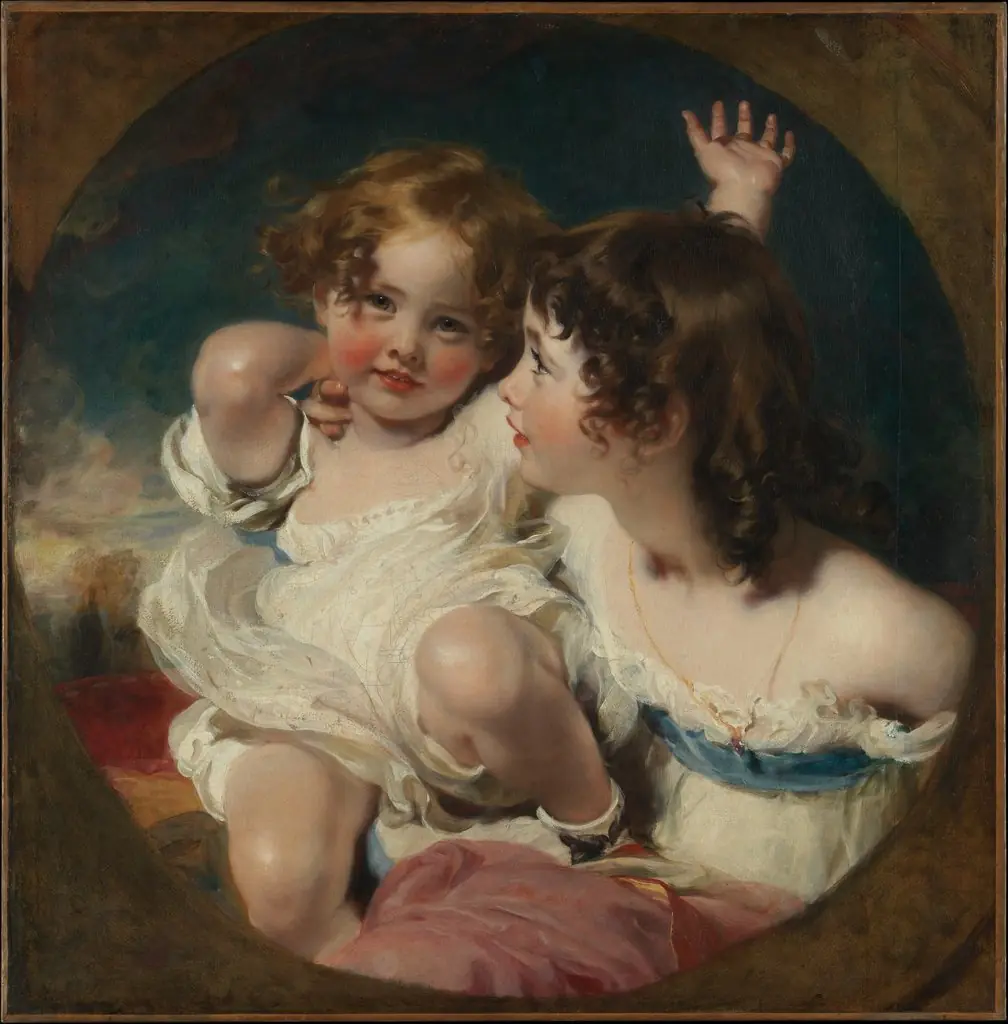 The Calmady Children (Emily, 1818–?1906, and Laura Anne, 1820–1894)
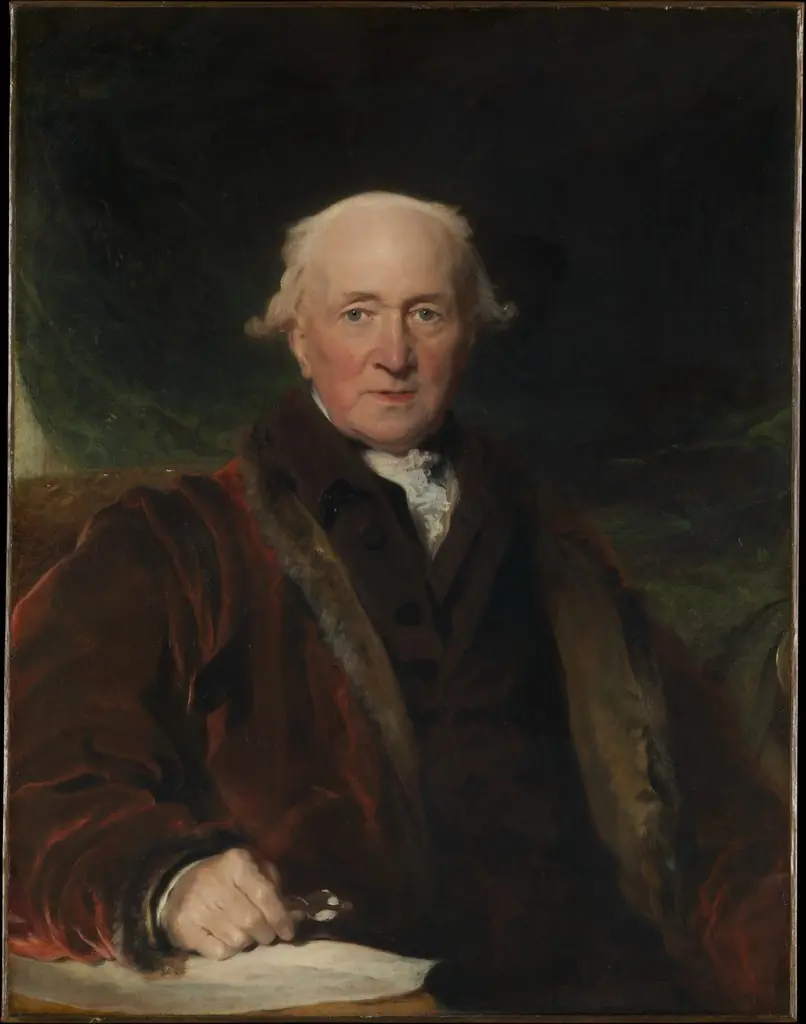 John Julius Angerstein (1736–1823)
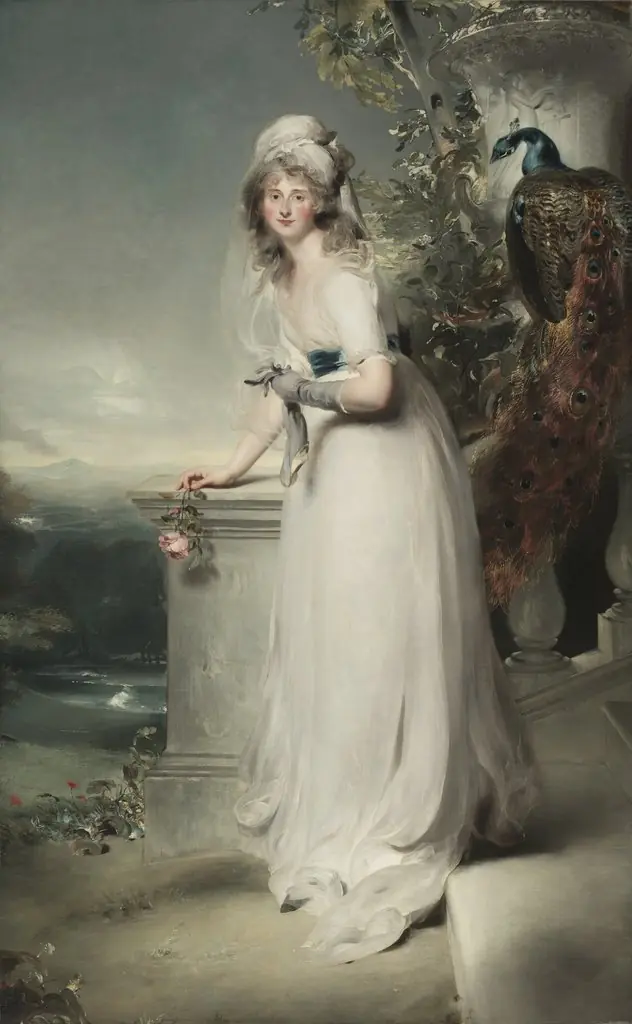 Portrait of Catherine Grey, Lady Manners
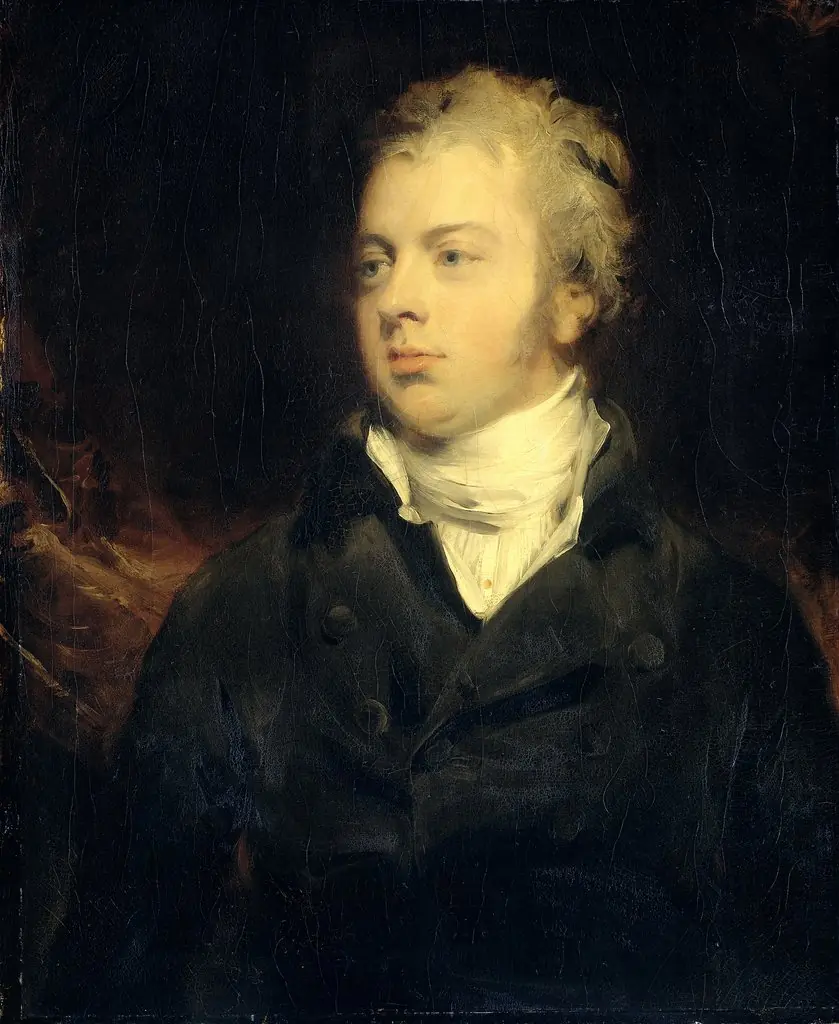 Portrait of Willem Ferdinand Mogge Muilman, President of the Dutch Central Bank
 Portrait of Count Semyon Vorontsov (1744-1832)