Artwork
John Amory, Jr.
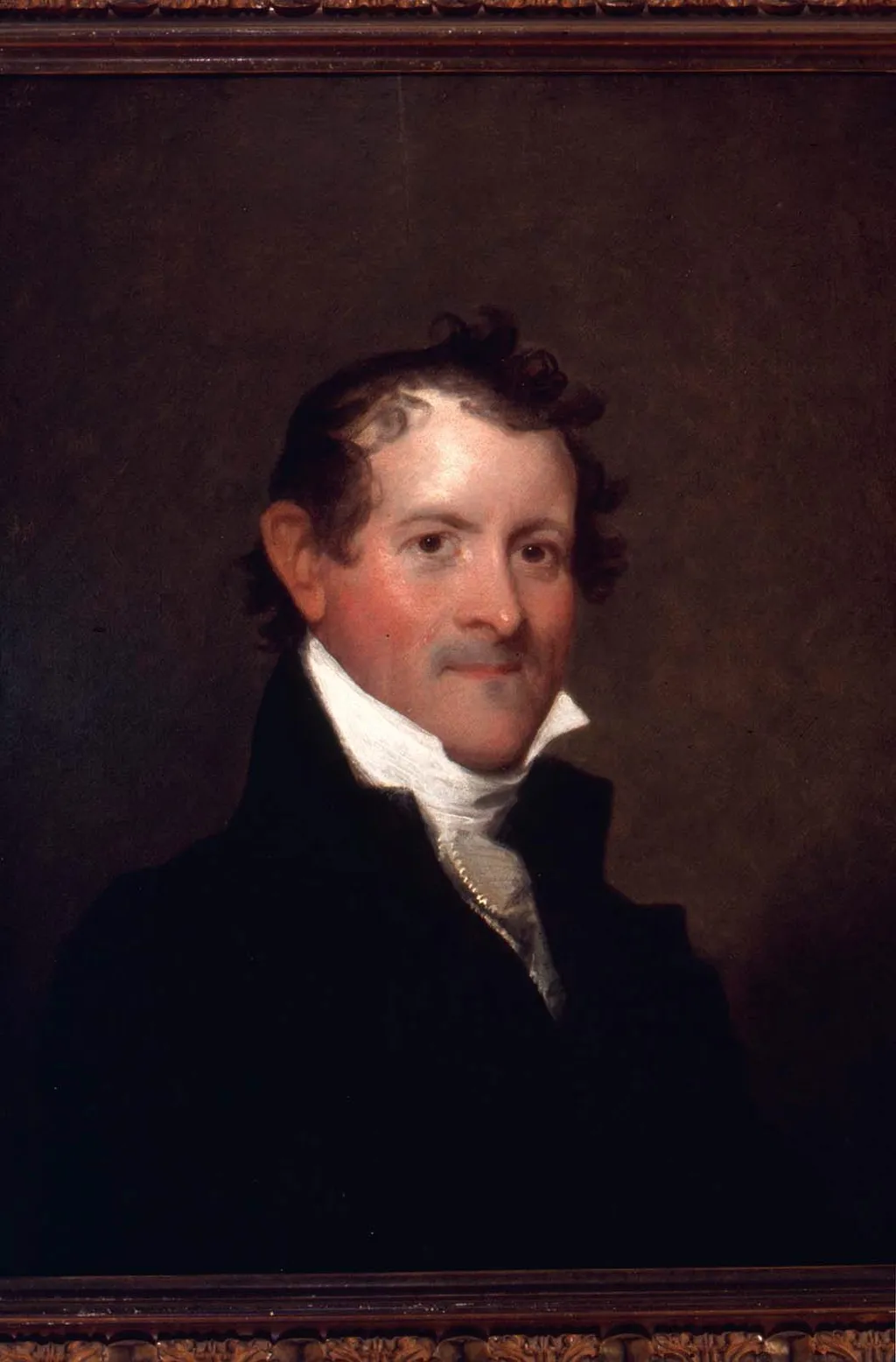
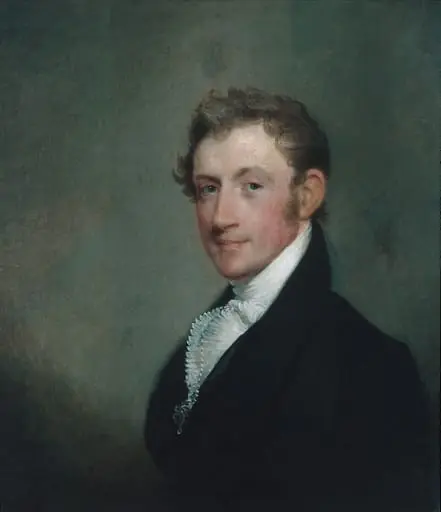
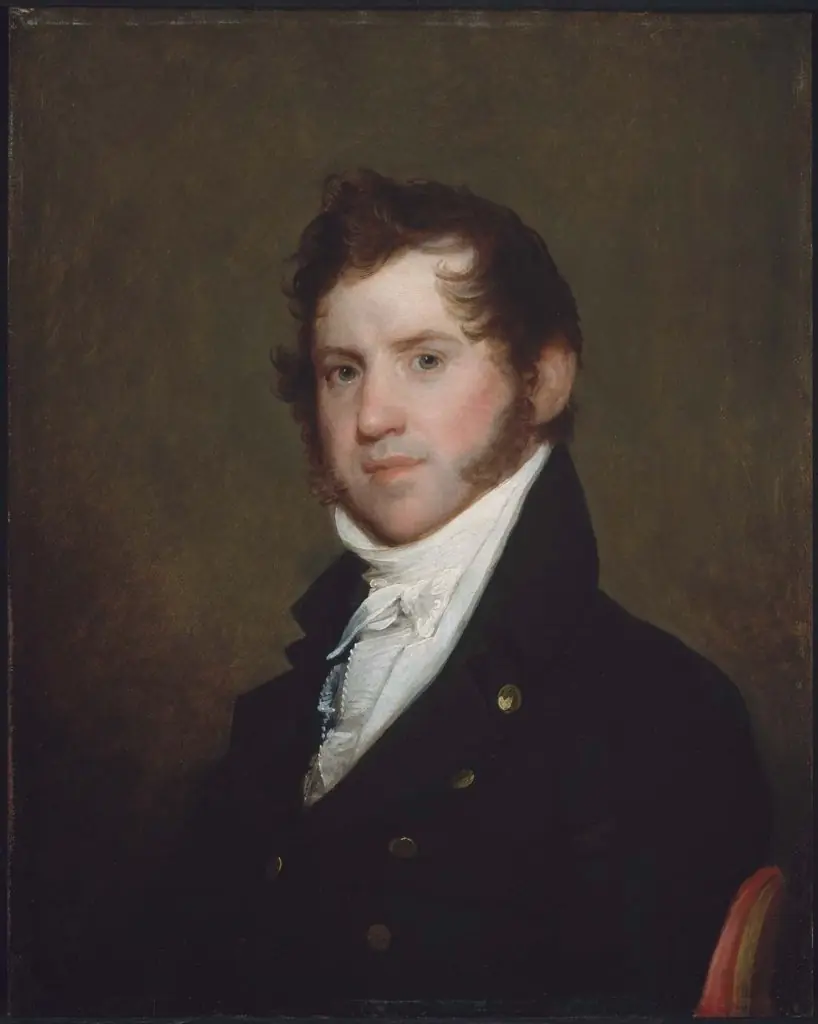
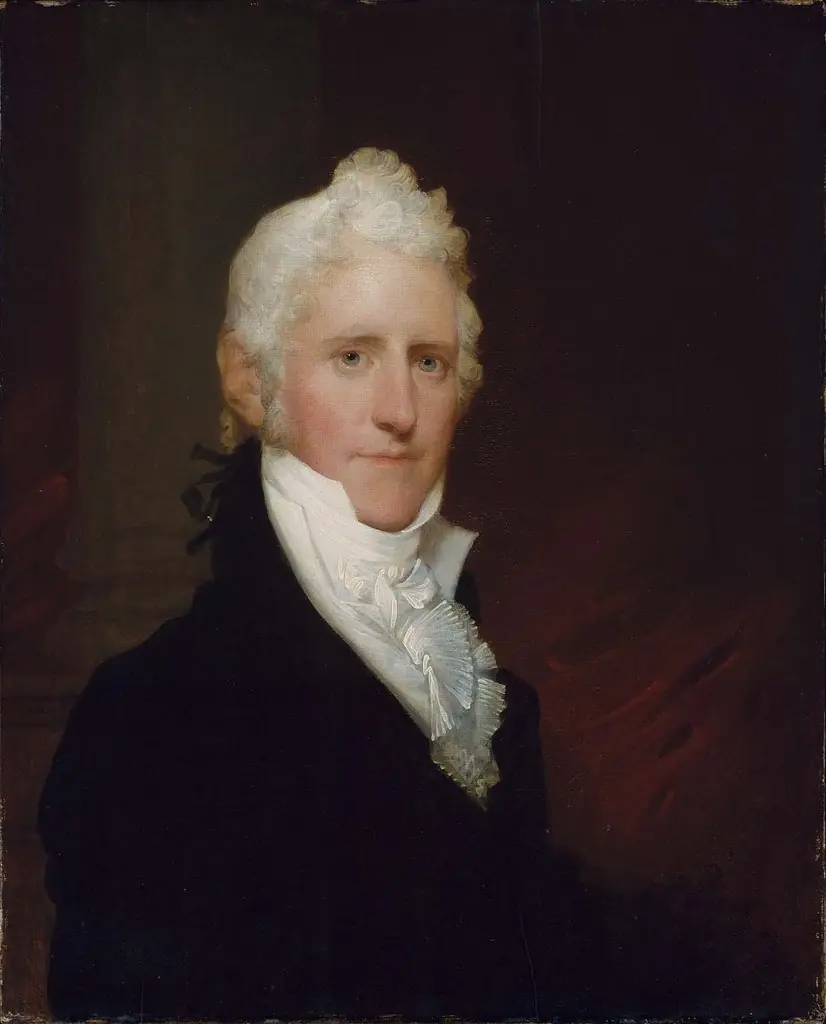
John Amory, Jr. is an unspecified painting by the American Impressionist artist Gilbert Stuart. It dates from 1806 and is held in the collection of the Museum of Fine Arts Boston.
About this work
Overview
Stuart, trained in Europe and known for his psychological depth in portraiture, executed the work during the height of his career.
Painted in 1806 by Gilbert Stuart, this portrait captures John Amory, Jr., a Boston merchant and member of a prominent New England family. Stuart, trained in Europe and known for his psychological depth in portraiture, executed the work during the height of his career. The painting resides in the Museum of Fine Arts, Boston, as part of its collection of early American likenesses. Its restrained composition reflects Stuart’s mature style, emphasizing presence over ornamentation.
Subject & Meaning
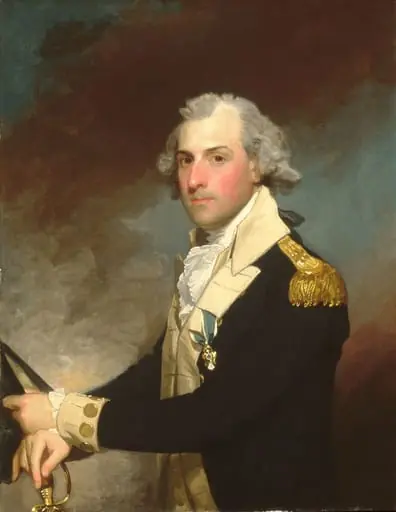
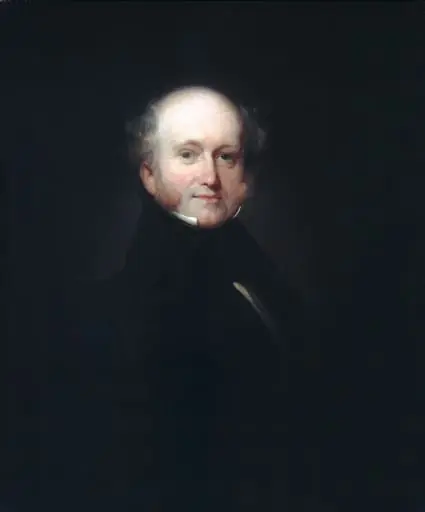
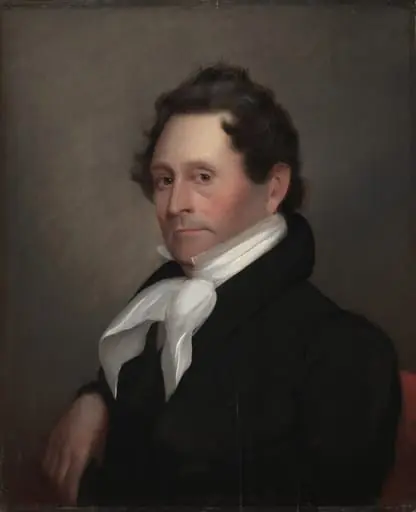
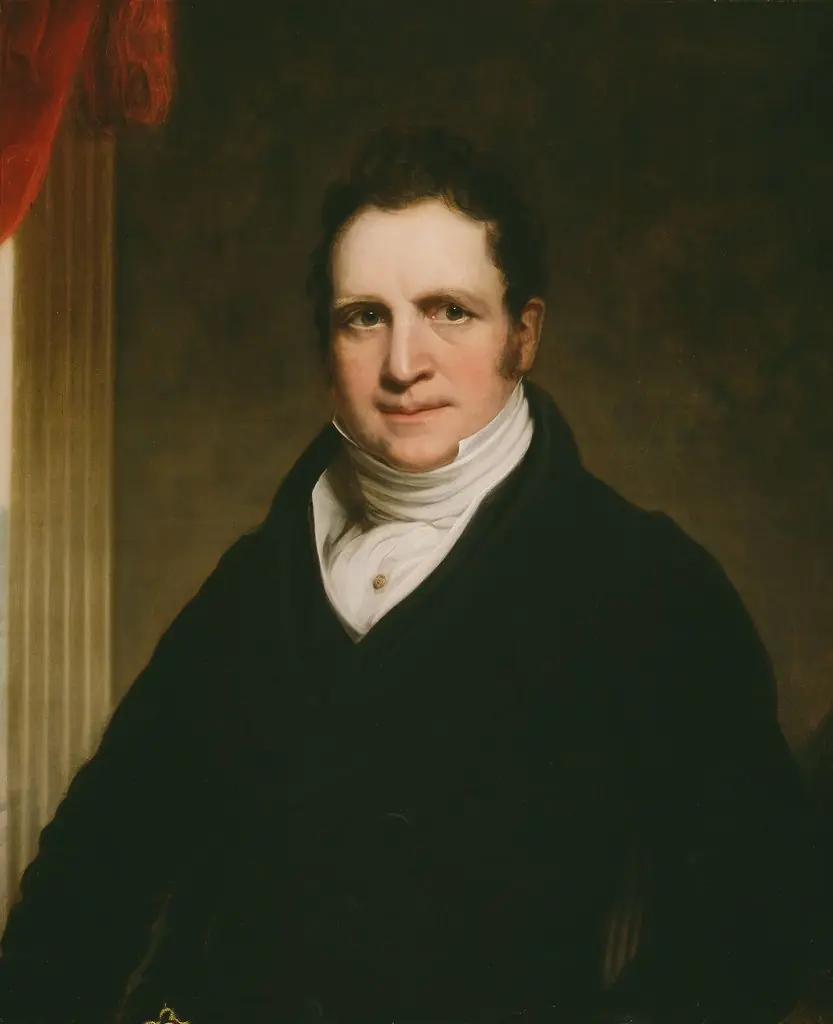
John Amory, Jr. is portrayed as a composed, affluent gentleman of the early republic. His dark coat and crisp white cravat signal social standing without ostentation. The calm, slightly smiling expression suggests quiet confidence rather than theatricality. The plain, dark background isolates the figure, directing attention to his demeanor and the subtle details of his grooming—curled hair, trimmed facial hair—indicating a cultivated self-image aligned with elite Bostonian ideals of the era.
Technique & Style
Stuart employed loose, fluid brushwork to render texture and light, particularly in the fabric of the coat and the sheen of the cravat. His handling of the face is precise yet sensitive, capturing the softness of skin and the faintest turn of expression. The dark background enhances the three-dimensionality of the figure through chiaroscuro, a technique Stuart refined from European traditions. The portrait avoids decorative elements, focusing instead on psychological presence and naturalistic detail.
History & Provenance
The portrait was commissioned by the Amory family, likely for private display in their Boston home. It entered the Museum of Fine Arts, Boston’s collection in the late 19th century, alongside other works by Stuart that documented the city’s mercantile elite. Its provenance remains well-documented, with no evidence of significant alteration or reworking after its completion in 1806. The painting has been consistently exhibited as an example of Stuart’s later portraiture.
Context
In 1806, the United States was consolidating its cultural identity apart from Europe. Portraits like this one served as records of civic leadership and personal dignity among the merchant class. Stuart, though born in the colonies, absorbed European academic traditions and adapted them to American subjects. His depictions of figures like Amory helped define a visual language of American gentility—one that valued restraint, clarity, and individual character over aristocratic grandeur.
Legacy
Though less famous than Stuart’s Washington portraits, works such as this exemplify his enduring influence on American portraiture. The painting’s understated realism and psychological nuance set a standard for later artists. It remains a key reference for understanding how early American elites wished to be seen: composed, respectable, and quietly authoritative. The portrait continues to inform scholarly discussions on identity, class, and representation in the young republic.
Artist & collection

Artist
Gilbert Stuart (né Stewart; December 3, 1755 – July 9, 1828) was an American painter born in the Rhode Island Colony who is widely considered one of America's foremost portraitists.