Artwork
Maria Bartlett (Mrs. Joseph Hall, Jr.)
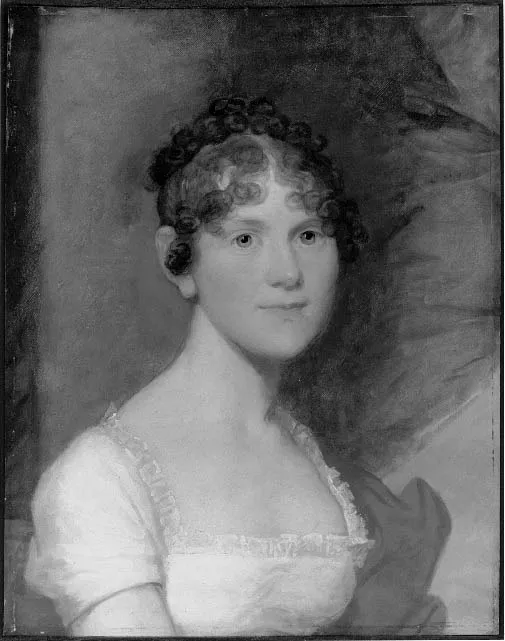
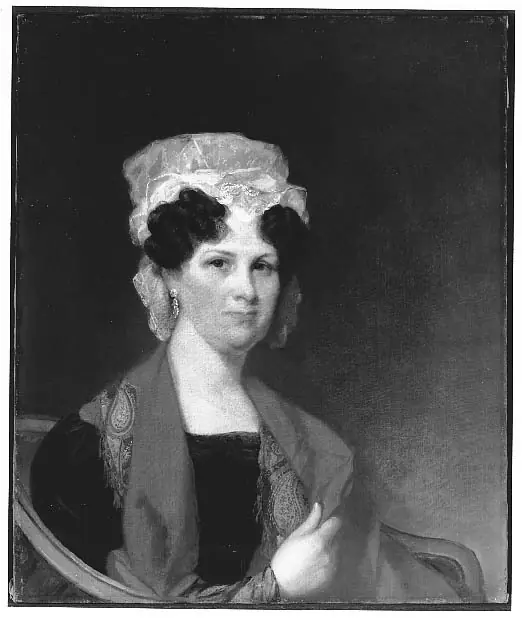
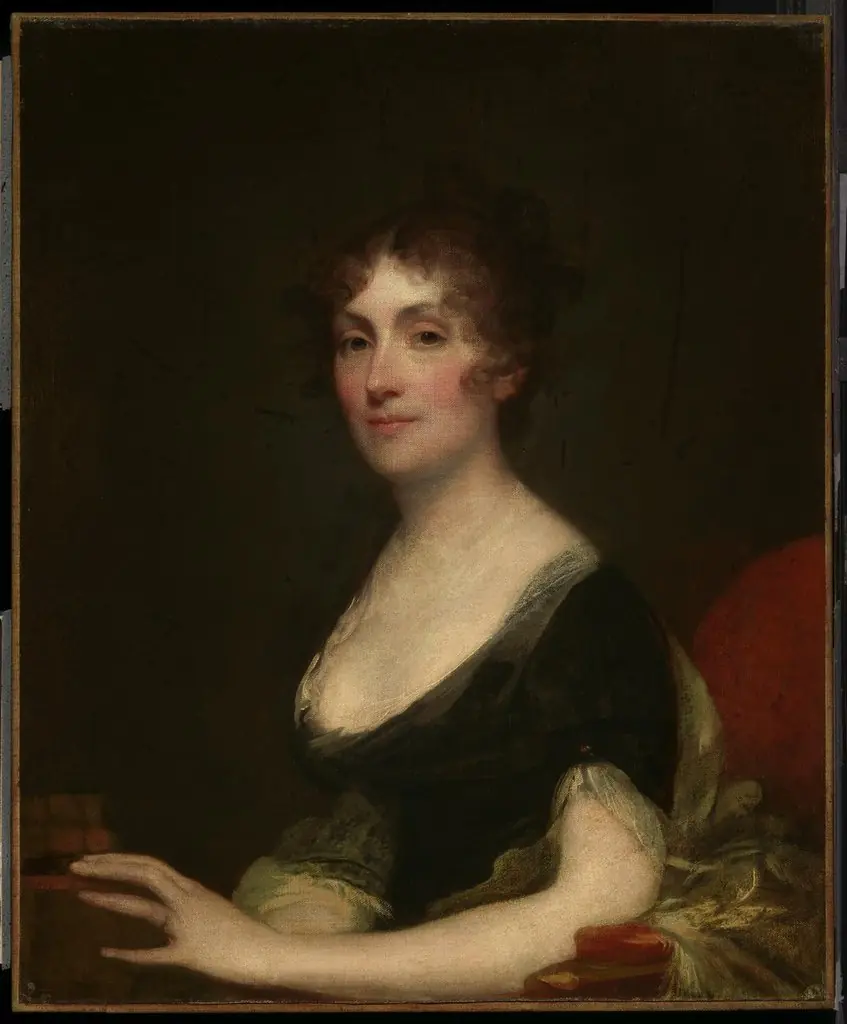
Maria Bartlett (Mrs. Joseph Hall, Jr.) is an unspecified painting by the American Impressionist artist Gilbert Stuart. It dates from 1814 and is held in the collection of the Museum of Fine Arts Boston.
About this work
If you're interested in learning more about the artist's work, you might want to look up Gilbert Stuart.
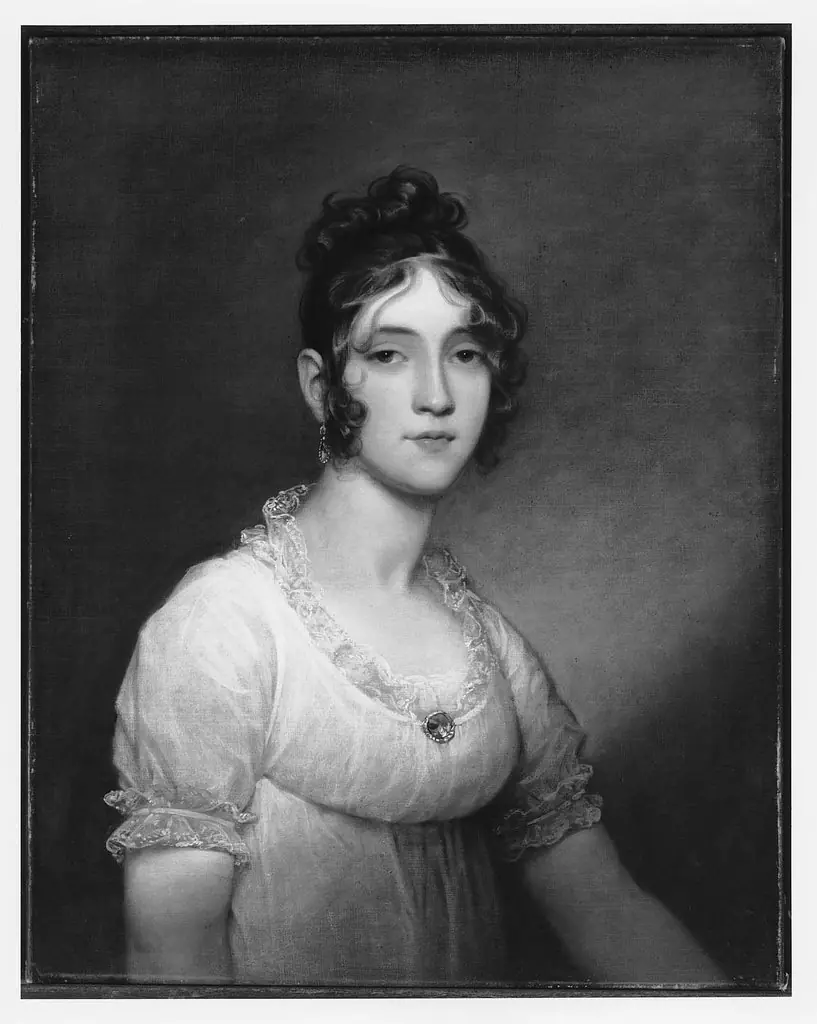
This painting is a portrait of a woman. She is shown from the chest up, facing the viewer with a neutral expression. Her curly hair is pulled back, and she wears a white dress with a low neckline and short sleeves. The background is dark and shadowy.
The woman's dress and hairstyle suggest that the painting was created in the early 19th century. The artist's use of chiaroscuro, a technique that uses strong contrasts between light and dark to create a sense of volume and depth, adds to the overall mood of the painting.
The painting is a great example of the artist's skill in capturing the subtleties of human emotion. If you're interested in learning more about the artist's work, you might want to look up Gilbert Stuart.
Overview
Painted in 1814 by Gilbert Stuart, this portrait depicts Maria Bartlett, wife of Joseph Hall Jr., as a poised figure in early 19th-century attire. Stuart, a prominent American artist known for his psychological depth in portraiture, rendered her with quiet realism. The work is part of the Museum of Fine Arts, Boston’s collection and reflects his mature style, developed after years of painting elite sitters across the young republic.
Subject & Meaning
Maria Bartlett is portrayed with restrained dignity, her neutral gaze and composed posture conveying social grace rather than theatrical emotion. Her simple white dress and neatly gathered hair reflect contemporary ideals of modesty and refinement among New England’s merchant class. The absence of ornate accessories or symbolic props suggests an emphasis on personal presence over status display, aligning with emerging American values of sincerity in portraiture.
Technique & Style
Stuart employed chiaroscuro to model the sitter’s form with subtle gradations of light and shadow, enhancing the three-dimensionality of her face and shoulders. The dark, undefined background isolates her figure, directing focus to her expression and texture of fabric. His brushwork is precise yet fluid, particularly in the rendering of lace trim and the soft fall of her sleeves, revealing his command of surface detail without overt embellishment.
History & Provenance
Commissioned during Stuart’s later years, the portrait was likely painted in Boston, where he maintained a steady clientele among the city’s affluent families. After passing through private hands, it entered the Museum of Fine Arts, Boston’s collection in the 19th century. Its preservation reflects early institutional interest in American portraiture as a cultural record, separate from European traditions.
Context
Painted a decade after Stuart’s famous Washington portraits, this work emerged during a period when American artists sought to define a national visual identity. While European neoclassicism still influenced composition, Stuart’s focus on individual character over idealization marked a shift toward psychological realism. The portrait aligns with rising civic pride and the growing importance of domestic life in post-Revolutionary society.
Legacy
Though less famous than his presidential likenesses, this portrait exemplifies Stuart’s enduring contribution to American art: the ability to capture quiet humanity with technical precision. It remains a reference point for scholars studying early 19th-century portraiture, illustrating how personal identity was visually constructed in a nation still defining its cultural norms.
Artist & collection

Artist
Gilbert Stuart (né Stewart; December 3, 1755 – July 9, 1828) was an American painter born in the Rhode Island Colony who is widely considered one of America's foremost portraitists.