Artwork
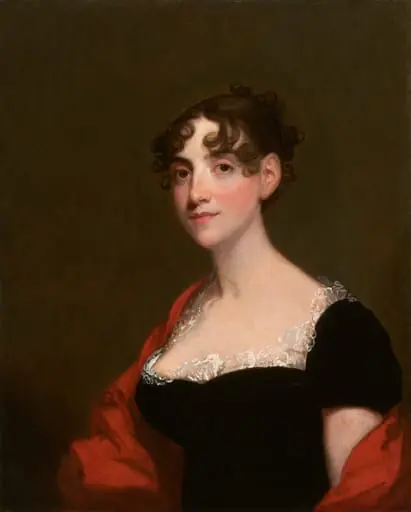
Mrs. Charles Stewart (Delia Tudor)
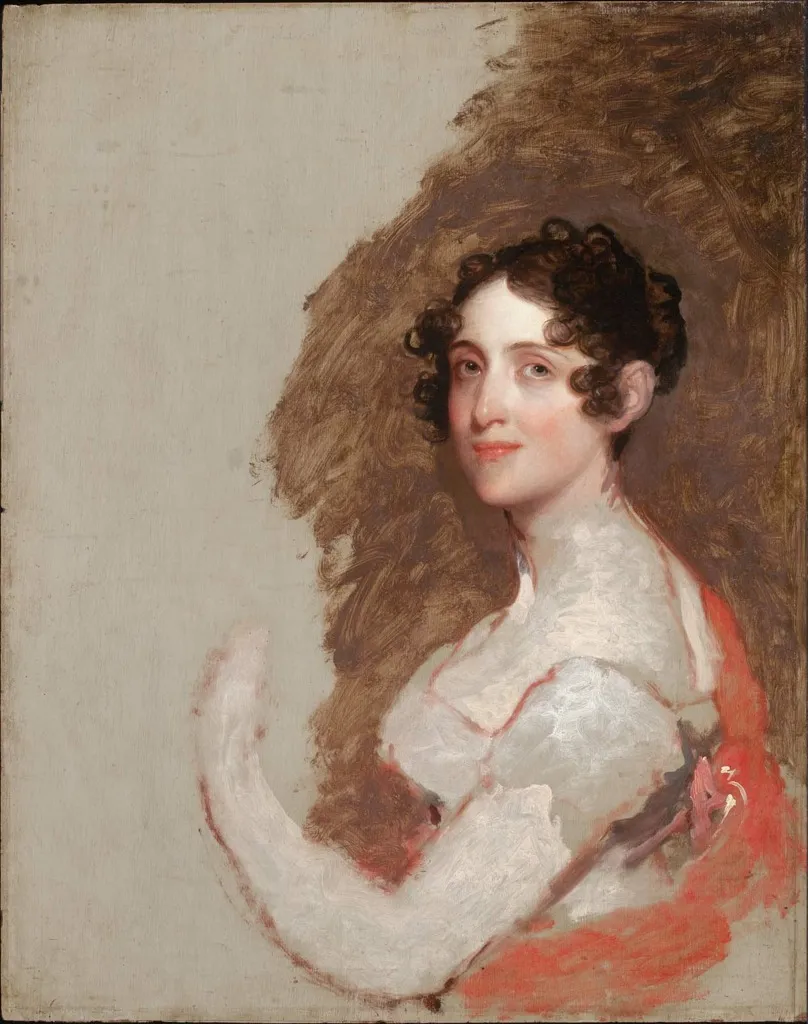
Mrs. Charles Stewart (Delia Tudor) is an oil painting by the American Impressionist artist Gilbert Stuart. It dates from 1815 and is held in the collection of the Museum of Fine Arts Boston.
About this work
Overview
Stuart, a prominent American artist of the early 19th century, was known for his ability to render subtle facial expressions and refined textures.
Painted in 1815 by Gilbert Stuart, this oil portrait depicts Delia Tudor, wife of Charles Stewart. Stuart, a prominent American artist of the early 19th century, was known for his ability to render subtle facial expressions and refined textures. The work reflects his mature style, emphasizing naturalism over theatricality. It remains part of the Museum of Fine Arts, Boston’s collection, where it is valued for its quiet dignity and technical precision.
Subject & Meaning
Delia Tudor is portrayed in a composed, introspective pose, glancing over her shoulder with a calm expression. Her white dress and red sash suggest modest elegance, consistent with the social norms of early American elite women. The absence of overt symbolism or elaborate setting directs focus to her presence and character. The portrait functions less as a statement of status and more as an intimate record of an individual’s demeanor.
Technique & Style
Stuart employed oil paint with a soft, blended brushwork that captures the luminosity of skin and fabric. The background, composed of muted tones, recedes gently to enhance the figure’s presence. Light falls subtly across the dress and hair, modeling form without harsh contrasts. His approach avoids the theatricality of European portraiture, favoring a restrained realism that emphasizes psychological presence over grandeur.
History & Provenance
Commissioned in 1815, the portrait remained within the Stewart family before entering the Museum of Fine Arts, Boston’s collection. Its documented lineage supports its authenticity and reflects the patronage networks of Boston’s merchant class in the early 1800s. Unlike Stuart’s more famous Washington portraits, this work was not widely reproduced, preserving its status as a personal commission rather than a public icon.
Context
Created during a period when American artists were establishing a distinct visual identity, Stuart’s portraits offered a model of quiet authority. While European traditions influenced his technique, his subjects—often local elites—reflected a new national consciousness. This portrait aligns with the era’s preference for understated elegance, contrasting with the more ornate styles still common in Europe.
Legacy
Though less celebrated than Stuart’s presidential portraits, this work exemplifies his skill in capturing individuality without idealization. It contributes to the understanding of early American portraiture as a medium for personal and social expression. Its preservation in a major museum underscores its role in documenting the lives of women in the nation’s formative decades.
Artist & collection

Artist
Gilbert Stuart (né Stewart; December 3, 1755 – July 9, 1828) was an American painter born in the Rhode Island Colony who is widely considered one of America's foremost portraitists.

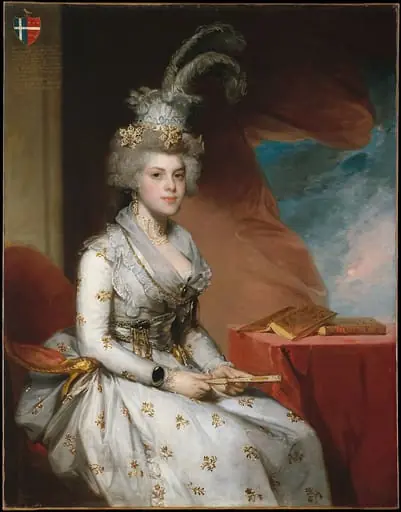
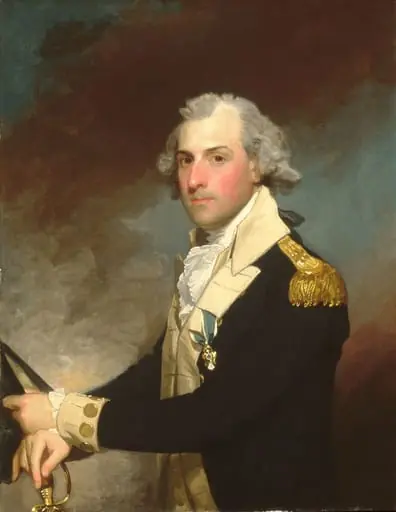
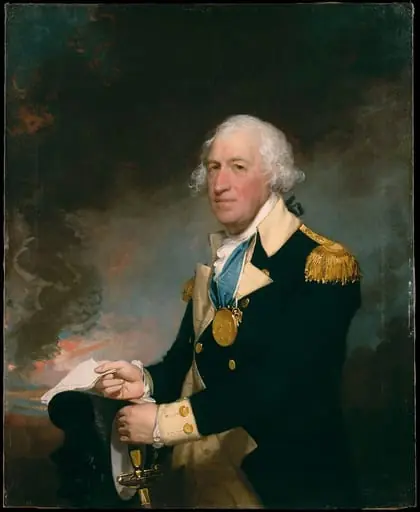
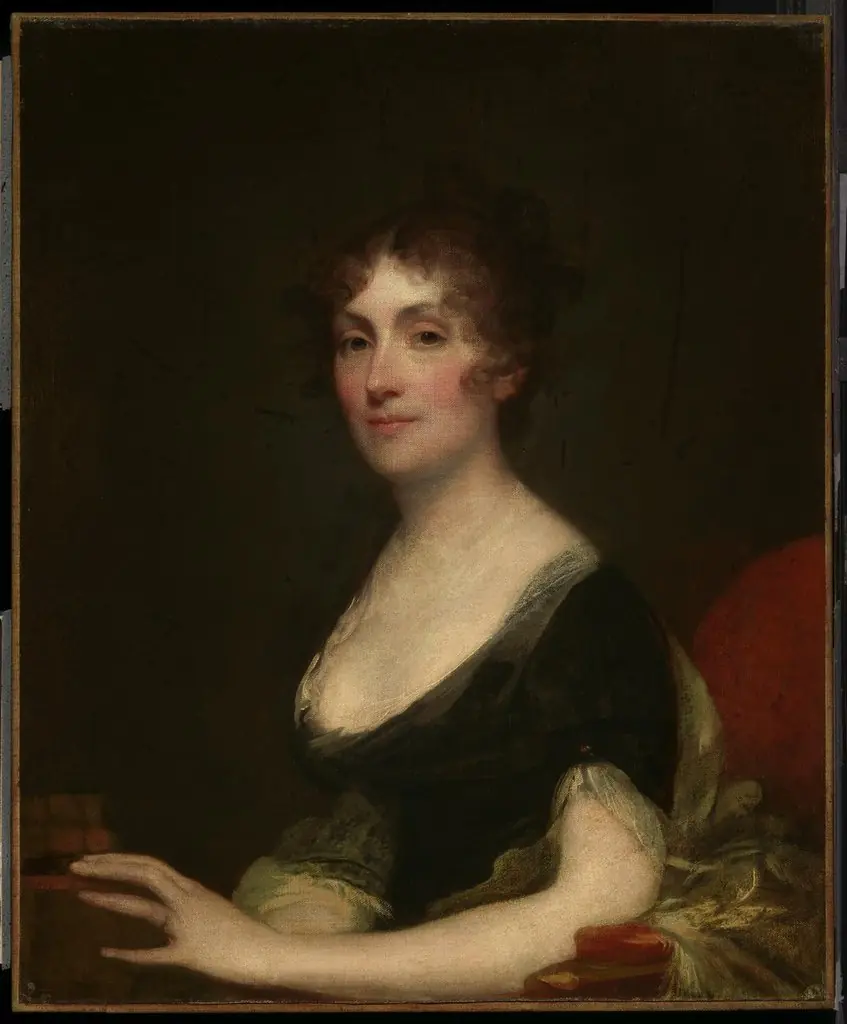 Mrs. Perez Morton (Sarah Wentworth Apthorp)
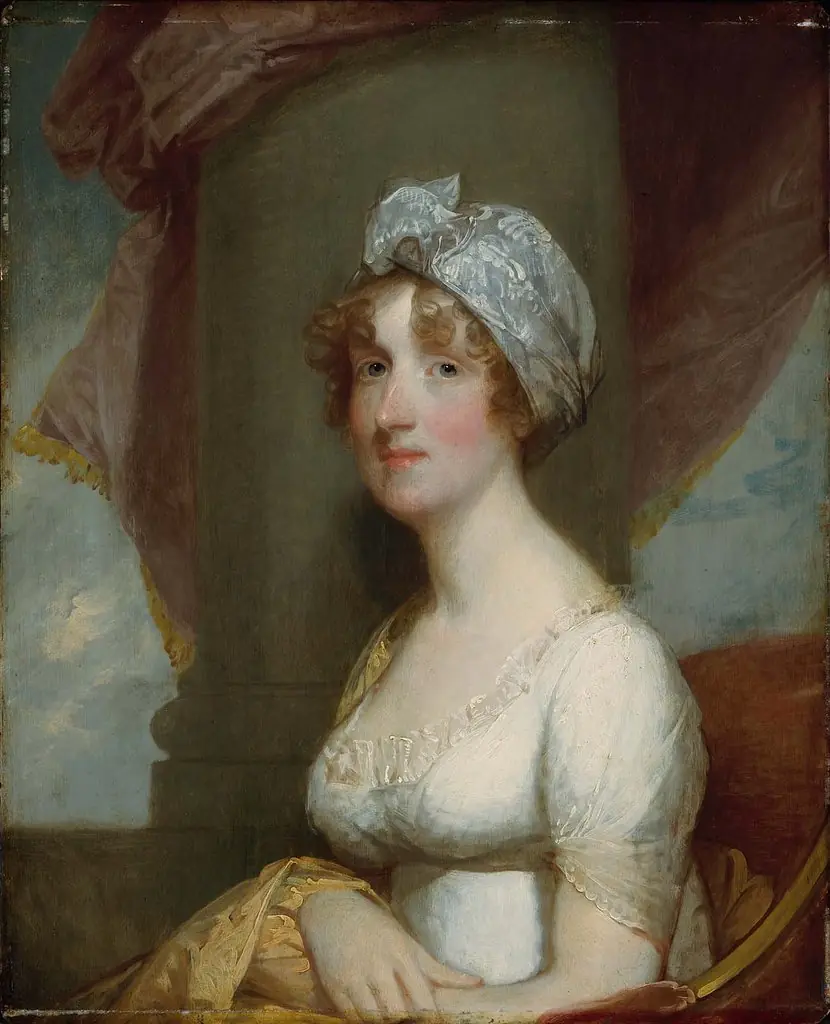 Mrs. Thomas Bartlett (Hannah Gray Wilson)
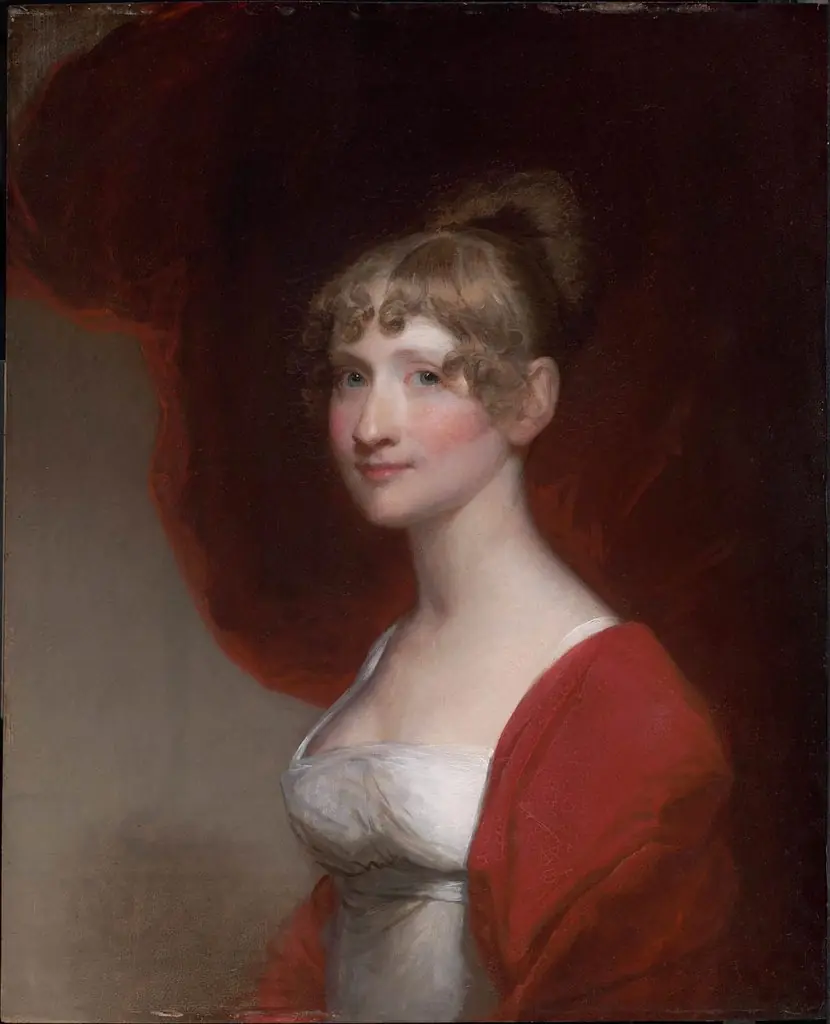 Mrs. John Clarke Howard (Hepzibah Swan)
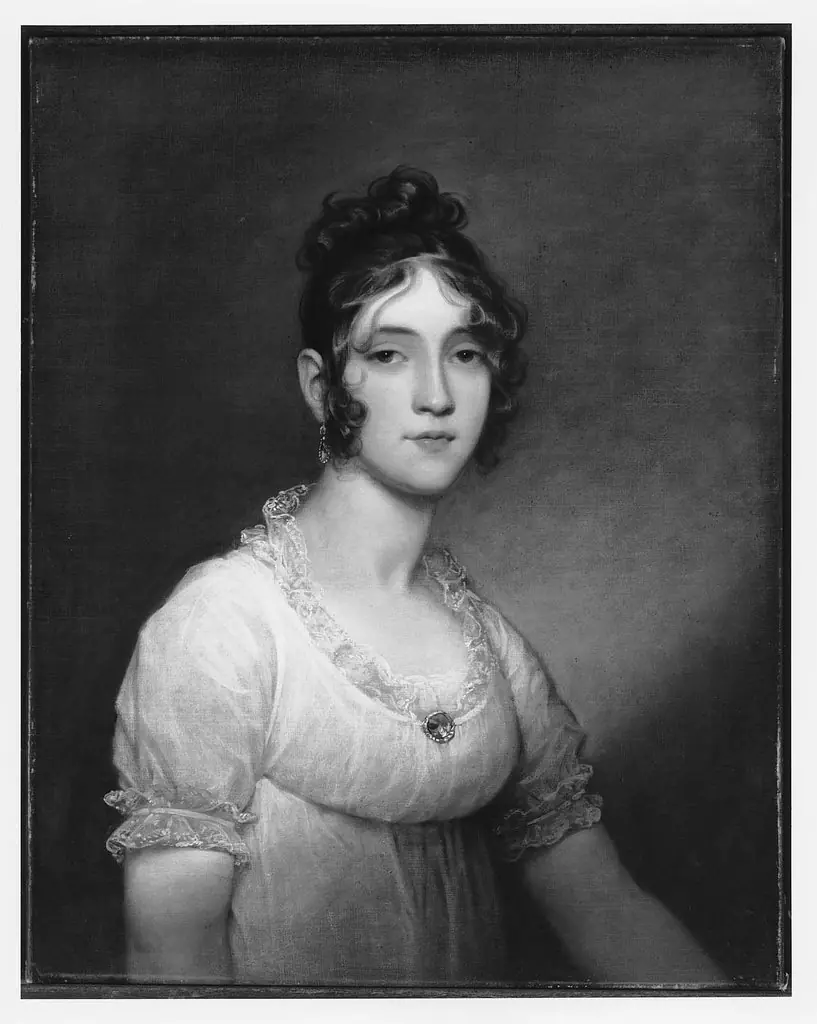 Mrs. Stephen Minot (Sally Minot)
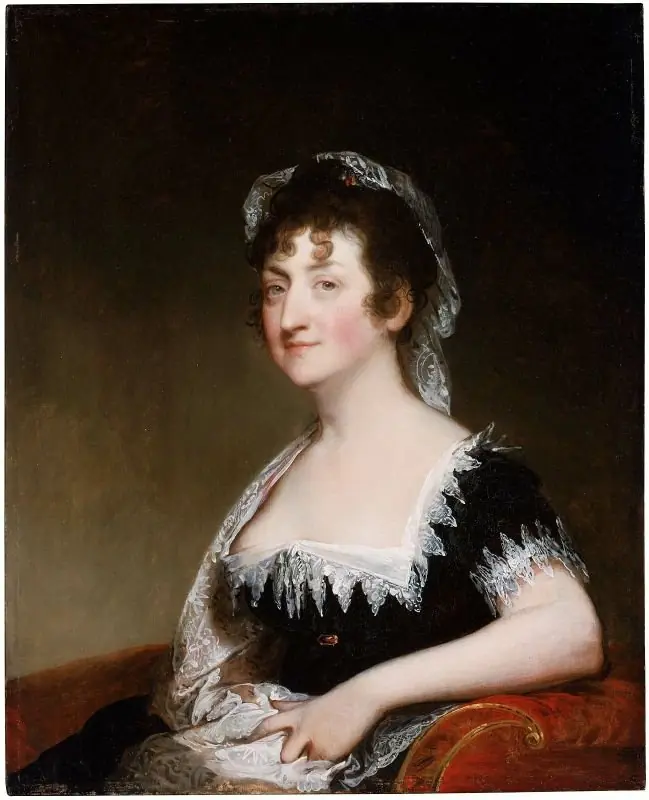 Mrs. James Swan (Hepzibah Clark).
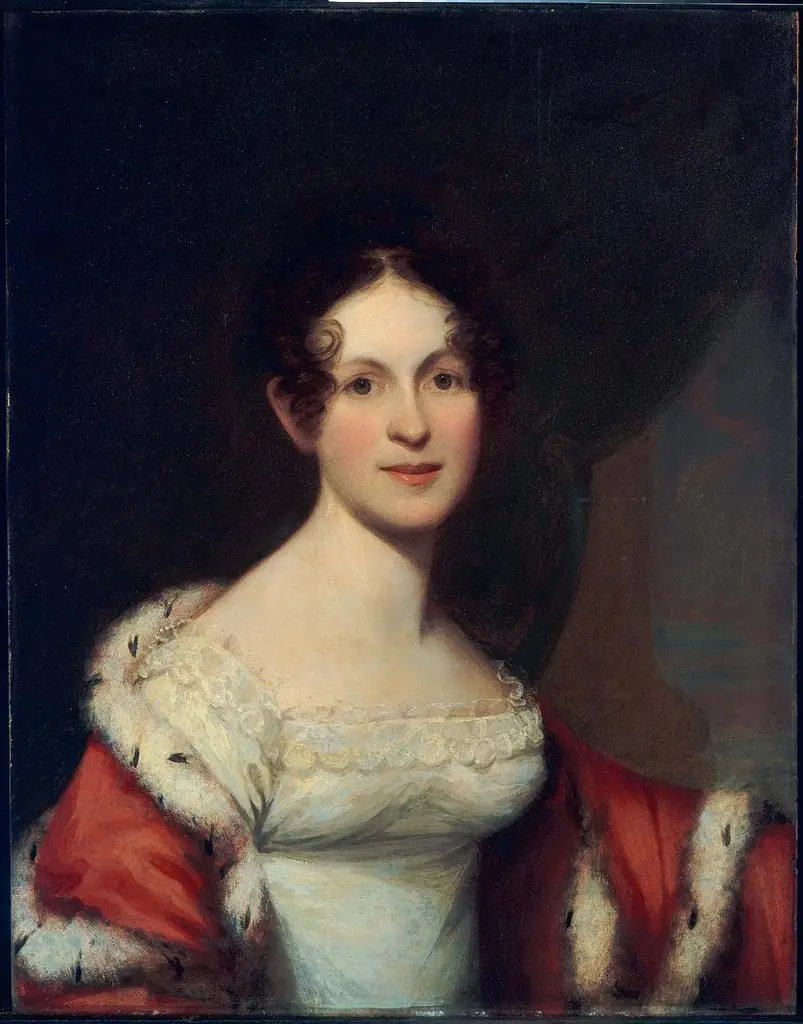 Mrs. Nathaniel West, Jr. (Mary White)
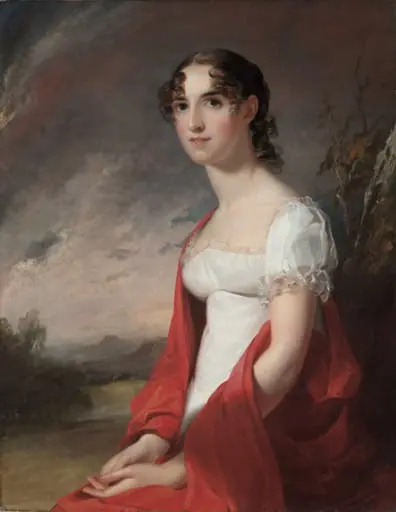 Portrait of Mary Sicard David
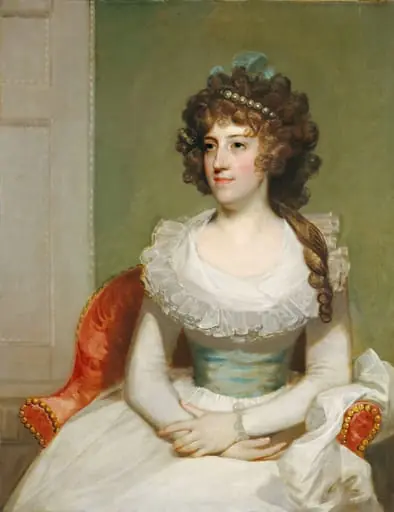 Matilda Caroline Cruger
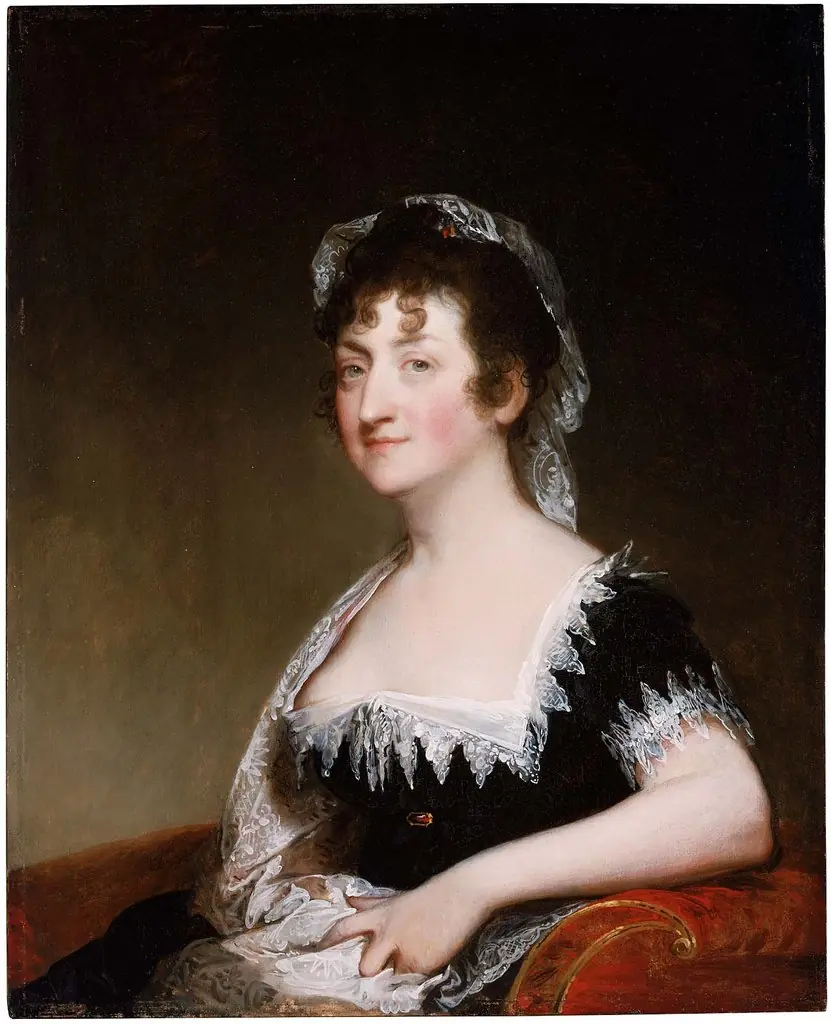 Mrs. James Swan (Hepzibah Clarke)
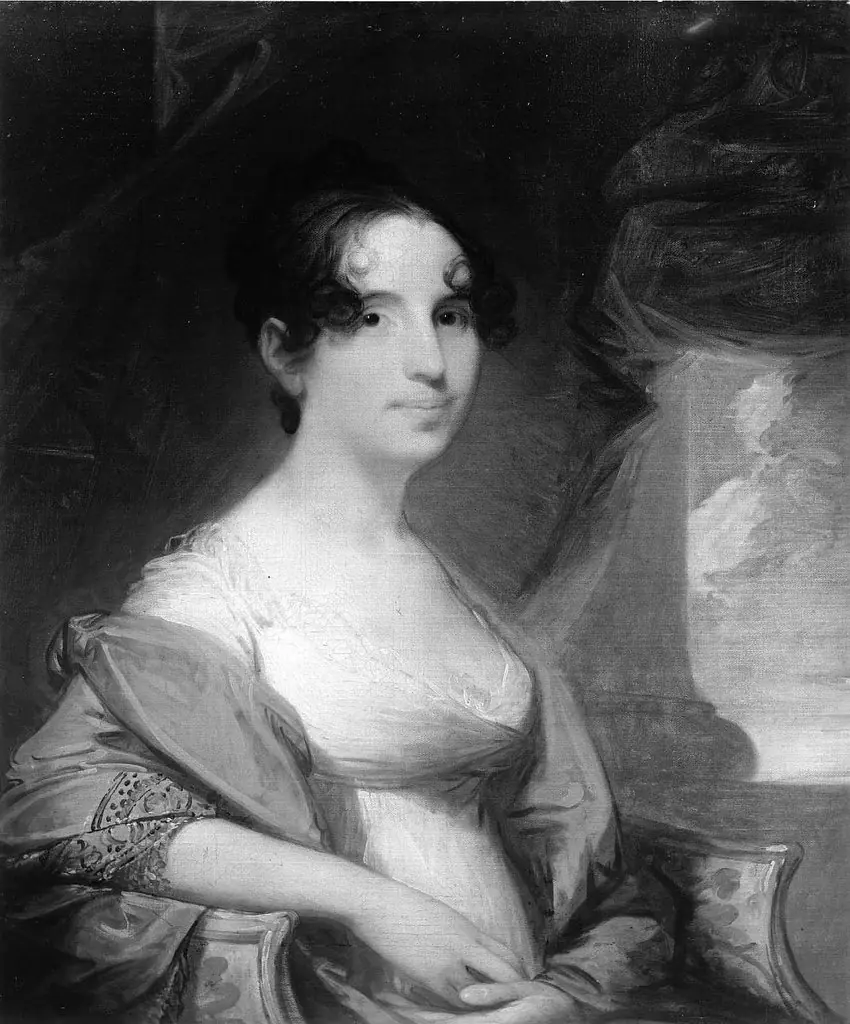 Mrs. John Gore (Mary Babcock)
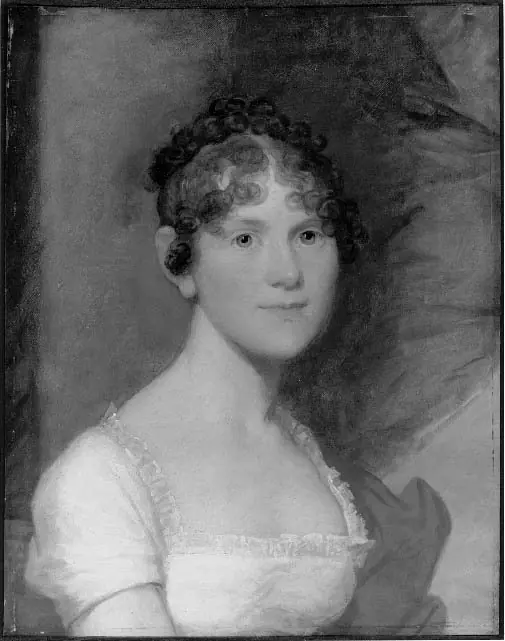 Maria Bartlett (Mrs. Joseph Hall, Jr.)
 Ann Calvert Stuart Robinson (Mrs. William Robinson)