Artwork
Catherine Roberts, Gwraig Robert Roberts
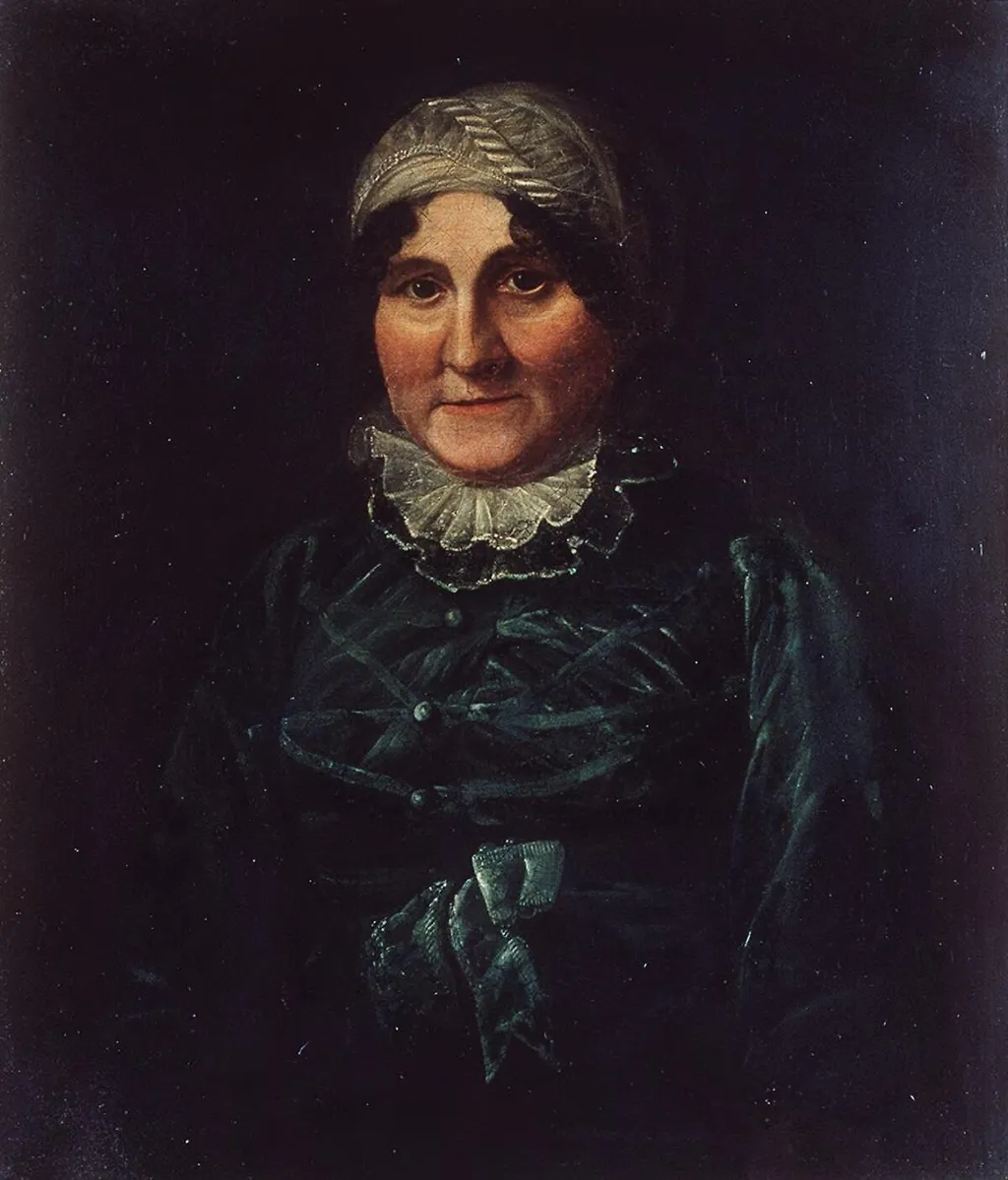
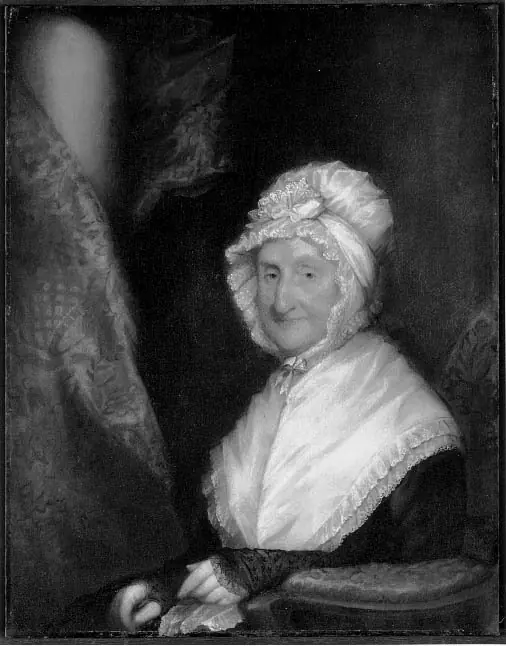
Catherine Roberts, Gwraig Robert Roberts is an oil painting by the British Romanticist artist Unknown. It dates from 1850 and is held in the collection of the National Library of Wales.
About this work
The artist's use of chiaroscuro, a technique that emphasizes contrasts between light and dark, adds depth and dimension to the portrait.
The painting features a woman with dark hair, dressed in a dark-colored dress and a white ruffled collar. She wears a headscarf and has a serious expression on her face. The background of the painting is dark, which helps to focus attention on the subject. The woman's attire and hairstyle suggest that the painting was created in the 19th century. The artist's use of chiaroscuro, a technique that emphasizes contrasts between light and dark, adds depth and dimension to the portrait. The painting is a well-crafted representation of a woman from the past.
Overview
Catherine Roberts, Gwraig Robert Roberts is an oil painting portraying a woman in 19th-century attire, characterized by a somber, dark-colored dress, white ruffled collar, and headscarf, set against a dark background that accentuates her serious expression.
Subject & Meaning
The subject, identified by her Welsh-language title as Catherine Roberts, wife of Robert Roberts, is presented in a straightforward, unromanticized manner, suggesting a focus on individual representation over narrative or symbolic depth.
Technique & Style
The artist employed chiaroscuro to create depth and dimension, leveraging strong contrasts between light and dark areas to draw attention to the subject's features and attire.
History & Provenance
While the painting's style and subject's attire date it to the 19th century, specific details regarding its creation date, artist's background, and ownership history are not provided.
Context
The work reflects 19th-century portraiture conventions, emphasizing the sitter's social status through clothing and the artist's technical skill through the use of chiaroscuro, common in European painting of the time.
Legacy
Assessed as a 'well-crafted representation,' the painting's significance lies in its accurate depiction of a 19th-century individual, though its broader impact or influence on the art world is not highlighted in available information.
Artist & collection

 Domestic Scene
 Giacomo and Cardinal Marco, investing Andrea, Abbot of San Zeno, with his Benefice
 The Nymph of Fontainebleau
 Portrait of a Woman
 Madonna and Child with Saints in the Enclosed Garden
 Venus and Minerva
 Family Group of Four on Sofa
 Wall painting from Room H of the Villa of P. Fannius Synistor at Boscoreale
 Jane Roberts (Garn Fawr)
 Mrs. Joseph White (Elizabeth Stone)
 Portrait of a Middle-Aged Lady
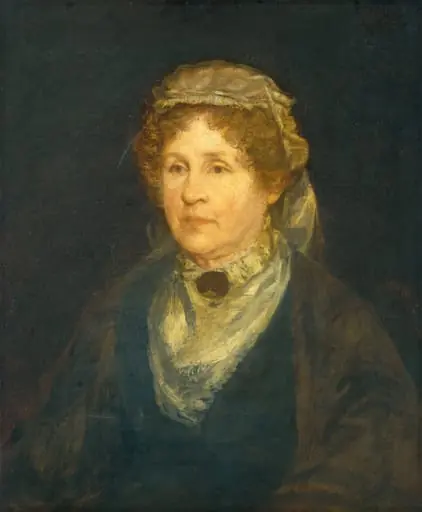 Agnes Gordon Cochran Higginson (Mrs. Stephen Higginson)
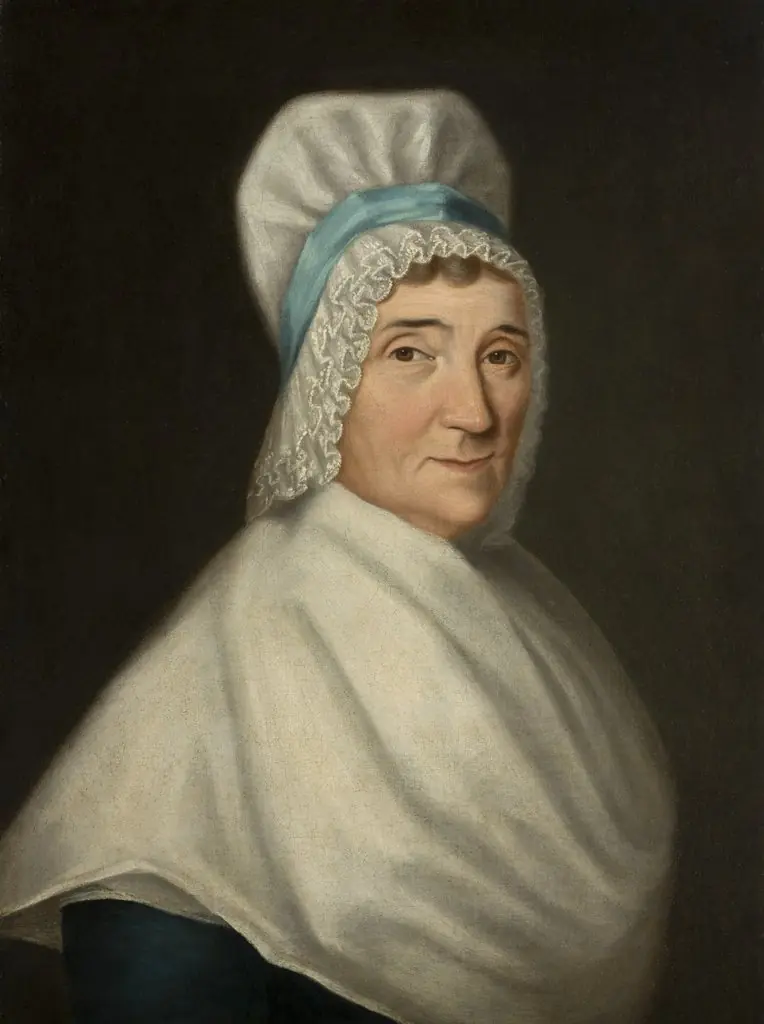 Madame Gabriel Cotte
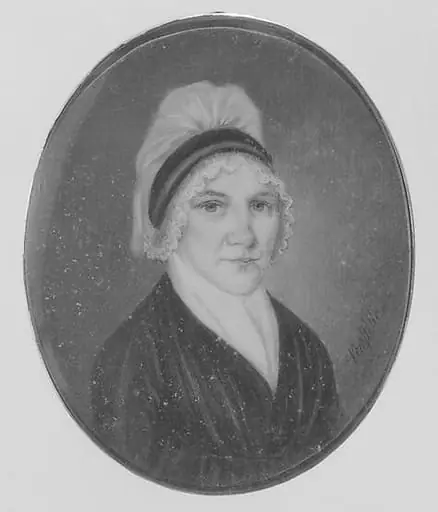 Mrs. Anstis Stone
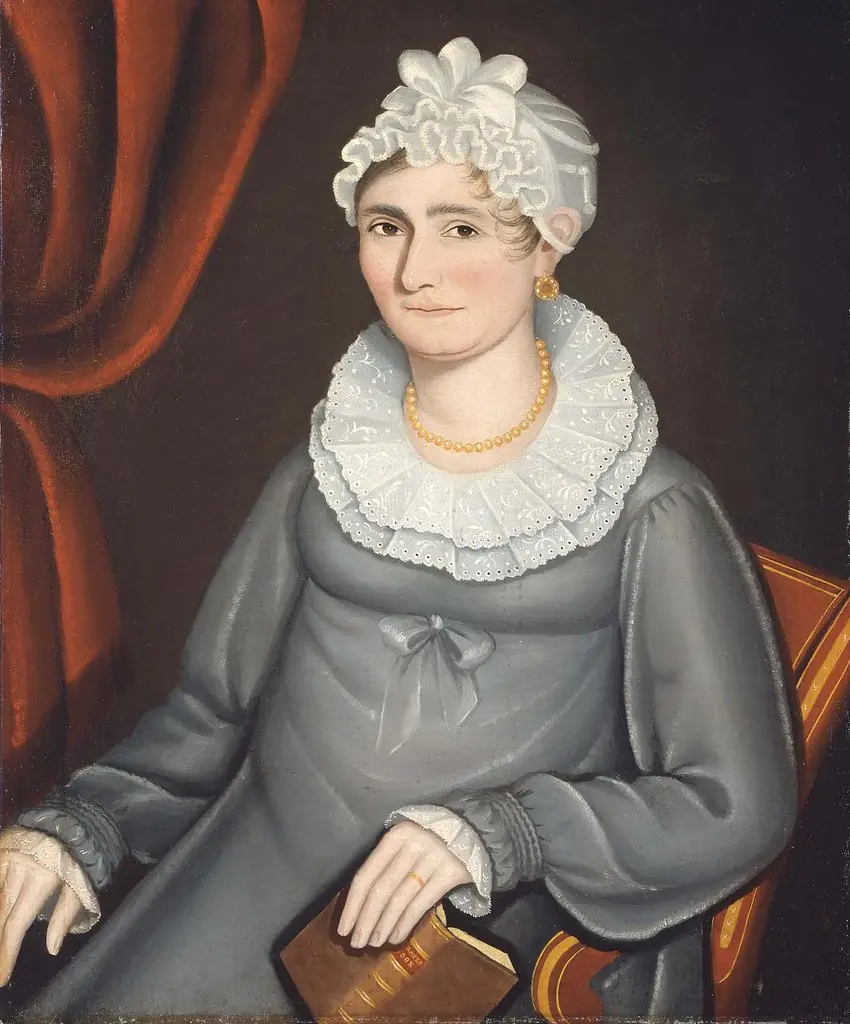 Jane Daney Smith
 Mrs. Daniel Strobel Jr. (Anna Church)
 Portret van Isabella van Lutsenborgh, echtgenote van Jacobus Dumery
 Portrait of a Lady
 Margaret Thomas, Lammas St, Carmarthen
 Mrs. George Williams (Lydia Pickering)