Artwork
Theodore Sedgwick
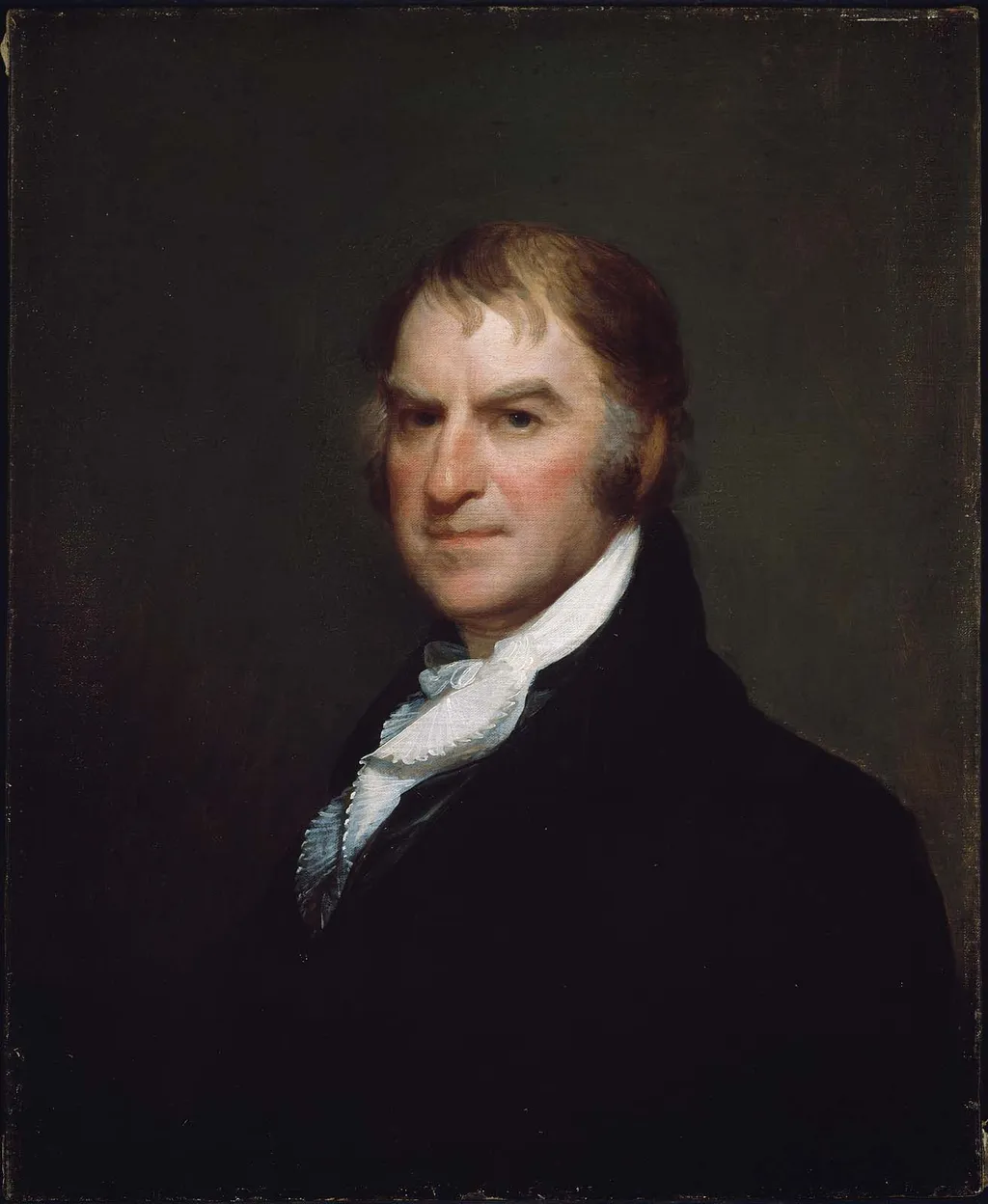
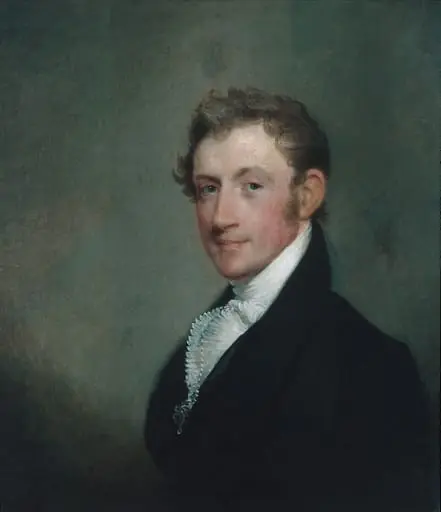
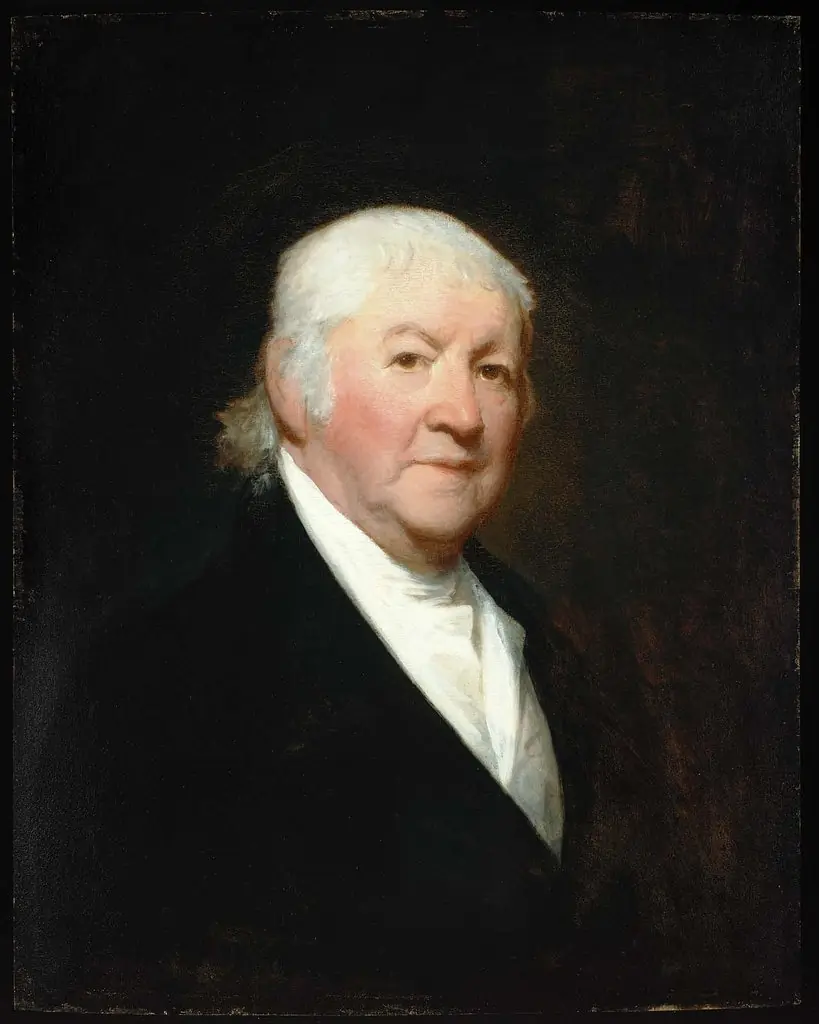
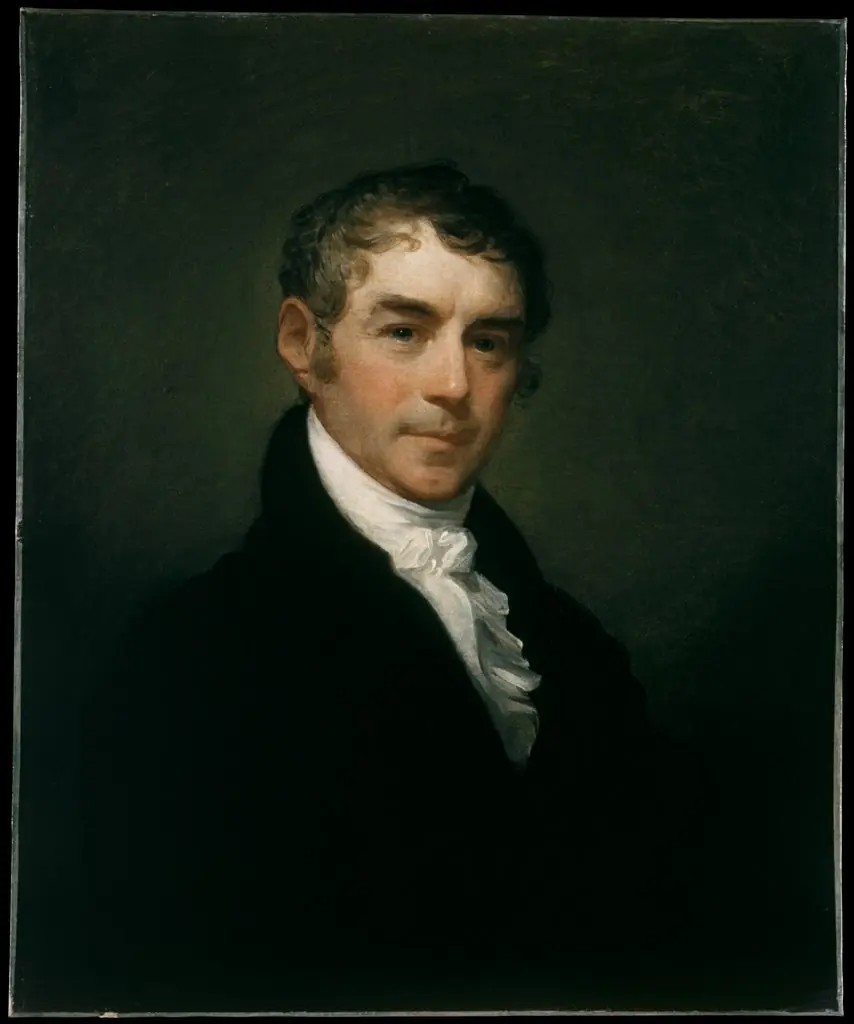
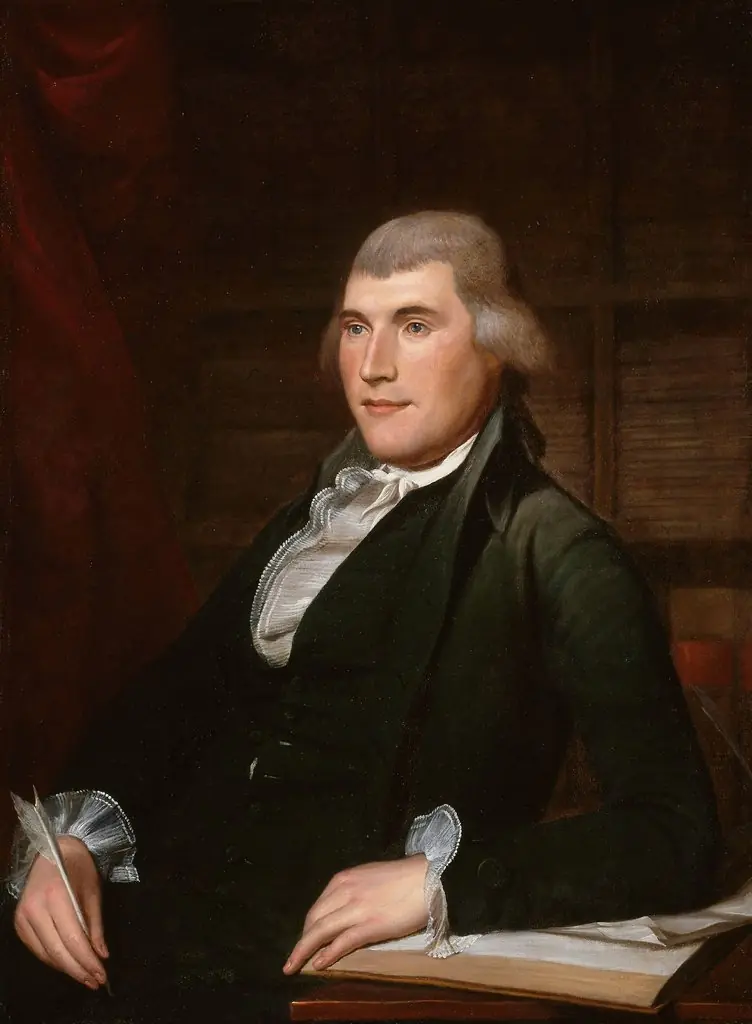
Theodore Sedgwick is an oil painting by the American Impressionist artist Gilbert Stuart. It dates from 1808 and is held in the collection of the Museum of Fine Arts Boston.
About this work
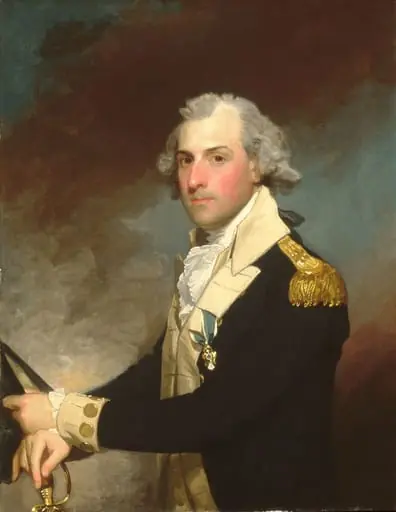
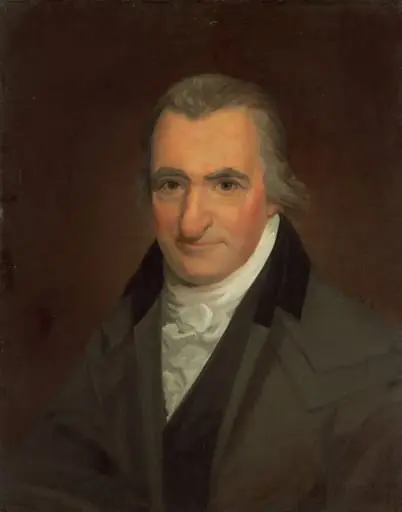
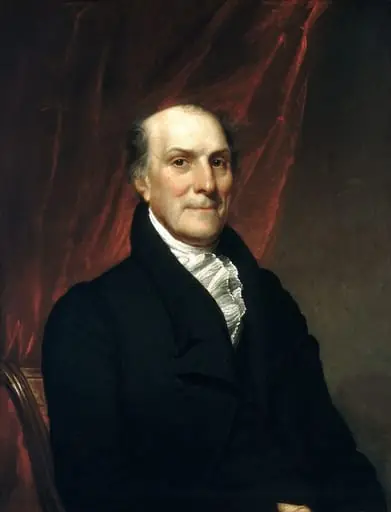
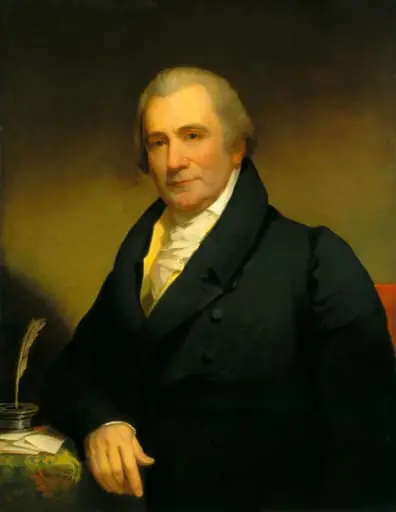
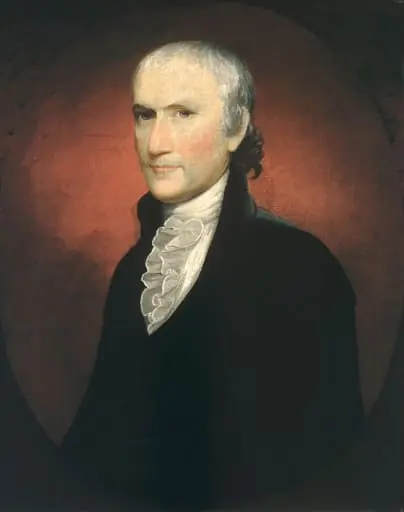
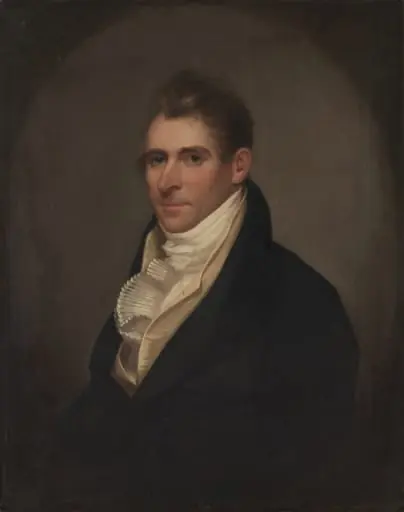
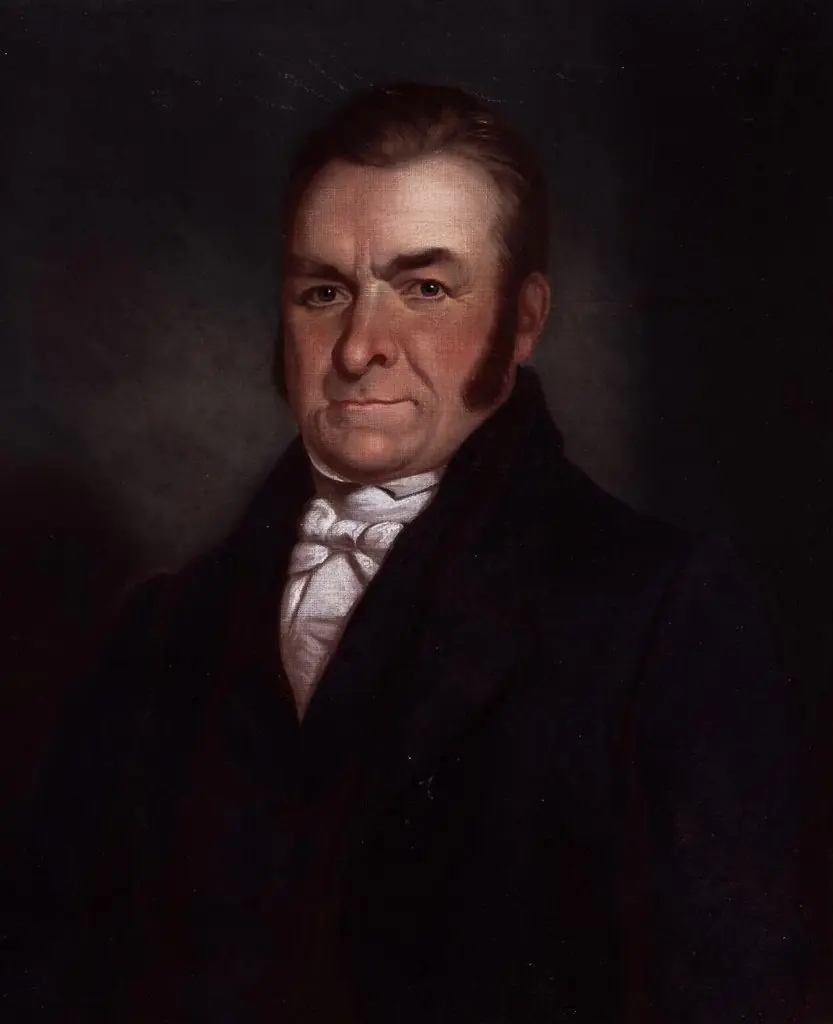
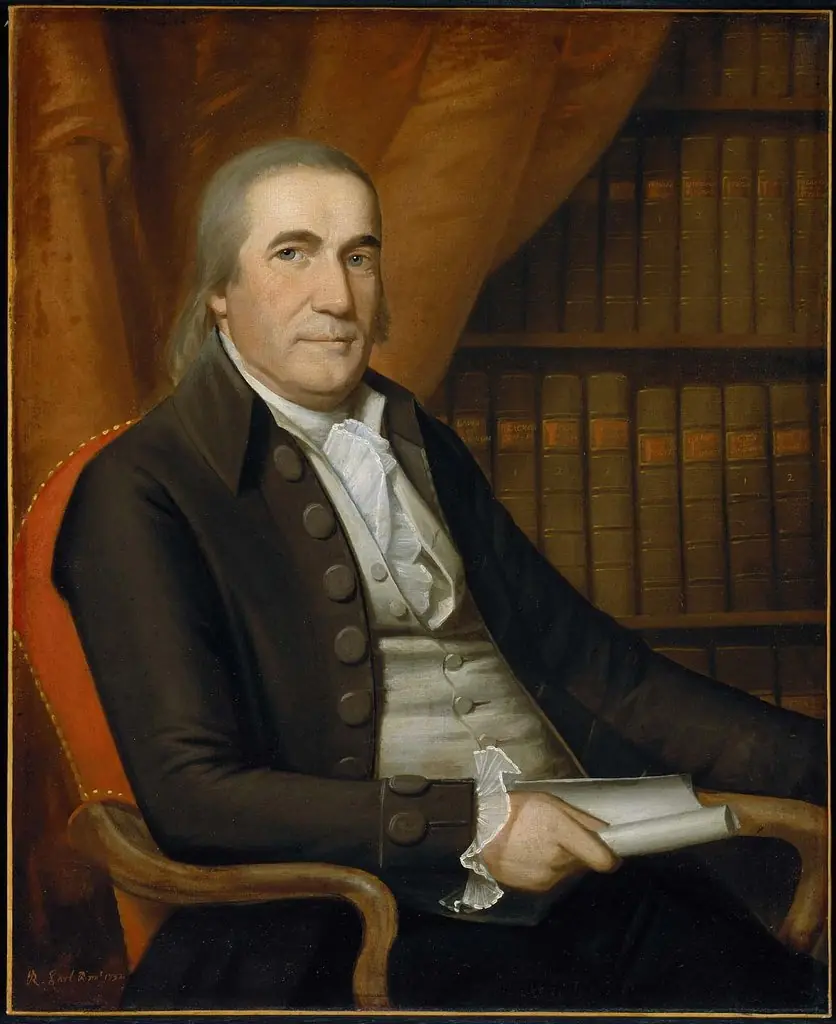
This portrait depicts a man with short, light-brown hair, dressed in a black coat with a white shirt and a white cravat.
This portrait depicts a man with short, light-brown hair, dressed in a black coat with a white shirt and a white cravat. The background is a dark, muted color.
The subject's attire and hairstyle suggest a formal setting, possibly from the early 19th century. The artist's use of chiaroscuro creates a sense of depth and dimensionality in the painting.
The level of detail and realism in the portrait indicates a high level of skill and craftsmanship. To learn more about the artist's techniques and style, explore the work of Gilbert Stuart.
Overview
Gilbert Stuart painted Theodore Sedgwick in 1808 using oil on canvas. A prominent American portraitist of the early republic, Stuart was frequently commissioned by political and social elites. This work is part of a broader body of portraiture that helped define visual representations of American leadership in the decades following independence. The painting resides in the Museum of Fine Arts, Boston.
Subject & Meaning
Theodore Sedgwick, a Massachusetts lawyer and federal legislator, is depicted in formal attire befitting his public standing. His dark coat, white cravat, and neatly styled hair reflect the restrained elegance of early 19th-century male civic dress. The portrait conveys dignity and composure, aligning with the values of the emerging American political class. No overt symbolism is present; the focus remains on character and presence.
Technique & Style
Stuart employed subtle chiaroscuro to model Sedgwick’s face and hands, lending volume and realism without theatricality. Brushwork is precise yet fluid, particularly in the rendering of fabric and hair. The dark, neutral background isolates the figure, directing attention to his expression and posture. The technique reflects Stuart’s training in European portraiture, adapted to American tastes for understated authority.
History & Provenance
Commissioned during Sedgwick’s later years, the portrait was likely intended for private or familial use before entering institutional collections. It was acquired by the Museum of Fine Arts, Boston, in the late 19th or early 20th century. Its preservation reflects the museum’s early commitment to documenting the visual culture of the nation’s founding generation.
Context
Painted during a period of national consolidation, the portrait reflects the growing importance of individual identity in American political life. Stuart’s sitters included many figures instrumental in shaping the republic’s institutions. This work stands alongside other portraits of jurists and legislators, contributing to a visual archive of early American governance.
Legacy
Stuart’s portraits of political figures became benchmarks for American portraiture, influencing how leaders were visually represented for generations. While not as widely reproduced as his Washington images, the Sedgwick portrait exemplifies his ability to capture quiet authority. It remains a reference for understanding the aesthetics of civic identity in the early United States.
Own this work as a print
Artist & collection

Artist
Gilbert Stuart (né Stewart; December 3, 1755 – July 9, 1828) was an American painter born in the Rhode Island Colony who is widely considered one of America's foremost portraitists.