Artwork
Garland of Fruit Surrounding a Cartouche Opening onto a Landscape
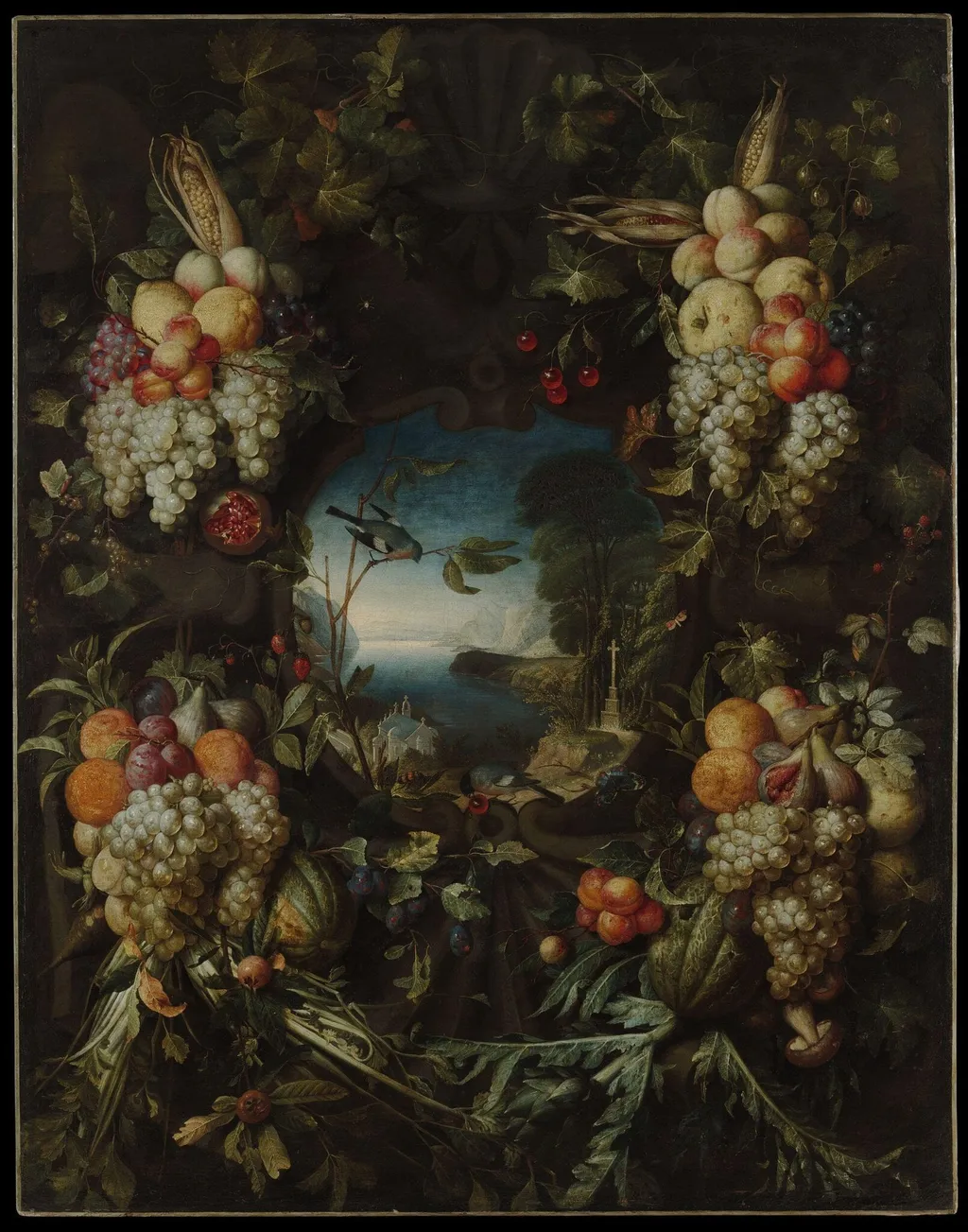
Garland of Fruit Surrounding a Cartouche Opening onto a Landscape is an oil painting by the Flemish Baroque painting artist Jan Pauwel Gillemans. It dates from 1650 and is held in the collection of the Victoria and Albert Museum.
About this work
Overview
Jan Pauwel Gillemans the Elder, active in Antwerp between 1618 and 1675, was a still-life painter whose life remains poorly documented.
Jan Pauwel Gillemans the Elder, active in Antwerp between 1618 and 1675, was a still-life painter whose life remains poorly documented. Born to a goldsmith, he spent his entire career in the city, likely engaging with the artistic circles around Jan Davidsz. de Heem. His work fits within a regional tradition of ornate fruit and floral garlands framing central scenes, a format popular among Antwerp artists of the mid-seventeenth century.
Subject & Meaning
The painting features a dense arrangement of ripe fruit and foliage encircling an empty cartouche, within which a miniature landscape unfolds—rolling hills and a distant castle. The contrast between the lush, tangible garland and the distant, quiet scene suggests a contemplative separation between earthly abundance and idealized nature, a common thematic device in Flemish still life of the period.
Technique & Style
Gillemans employed glazing techniques to achieve the deep, luminous tones of the fruit, building color through multiple thin, transparent layers of oil paint. The rendering of textures—glossy skin, dewy surfaces, and crisp leaves—demonstrates close observation and meticulous brushwork. His style closely aligns with that of de Heem, particularly in the naturalism and compositional balance of the floral elements.
History & Provenance
No detailed records of the painting’s early ownership or exhibition history survive. Gillemans’s oeuvre is limited, and attributions are often based on stylistic comparison with known works by him and his contemporaries. His son, Jan Pauwel Gillemans the Younger, followed in his footsteps, continuing the family’s involvement in still-life painting into the next generation.
Context
This work belongs to a distinctive Antwerp genre initiated by artists like Jan Brueghel the Elder and Daniel Seghers, who fused floral still life with figurative or landscape elements within decorative cartouches. These compositions catered to elite collectors’ tastes for intricate, symbolic arrangements that blended naturalism with allegorical suggestion, reflecting broader Baroque interests in harmony and transience.
Legacy
Gillemans’s contribution lies in his refinement of a well-established format, extending its visual language through heightened realism and subtle tonal modulation. Though his name is less recognized than his peers, his work exemplifies the technical precision and quiet elegance characteristic of Antwerp’s still-life tradition during its peak in the mid-seventeenth century.
Artist & collection
Artist
Dutch still-life painter Jan Pauwel Gillemans filled ornate frames with overflowing piles of grapes, peaches, and plums, their skins catching light next to cooler silver platters.

 Still Life with Flowers and Fruits
 Forest floor still life with fruit, fish and a bird's nest
 The Virgin with the Child inside a festoon of fruit
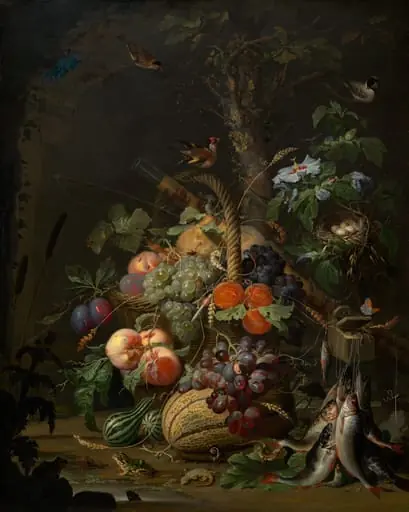 Still Life with Fruit, Fish, and a Nest
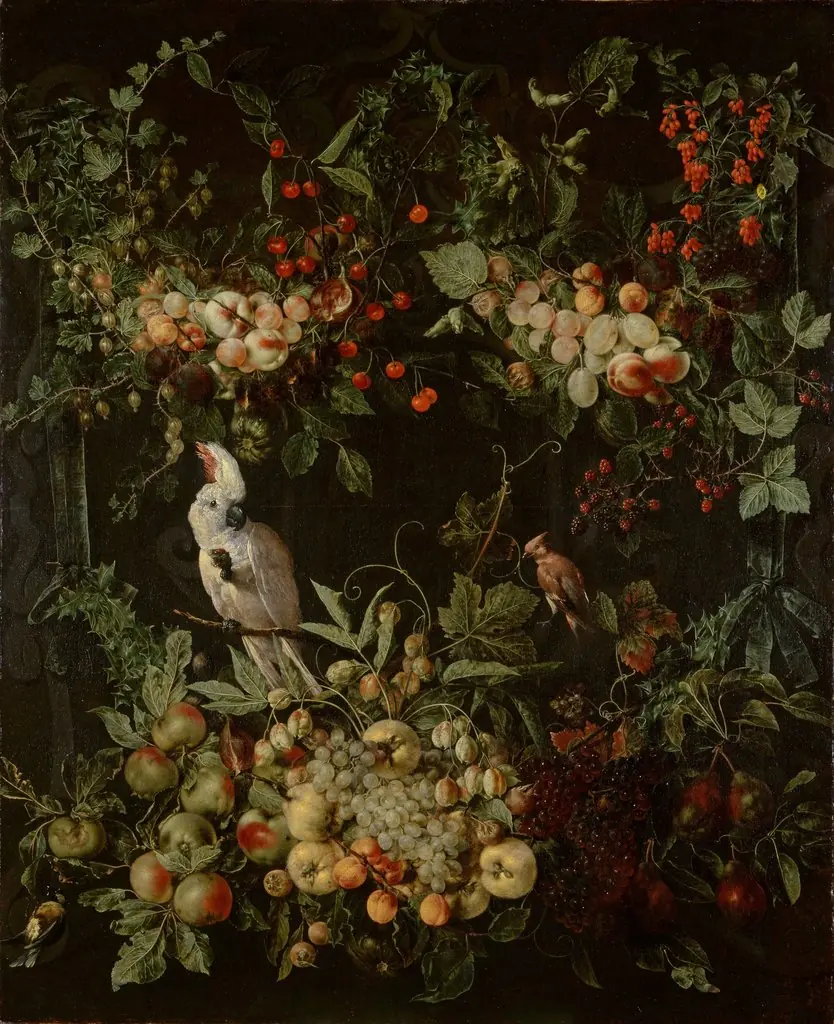 Swags of fruit and flowers surrounding a cartouche with a sulphur-crested cockatoo
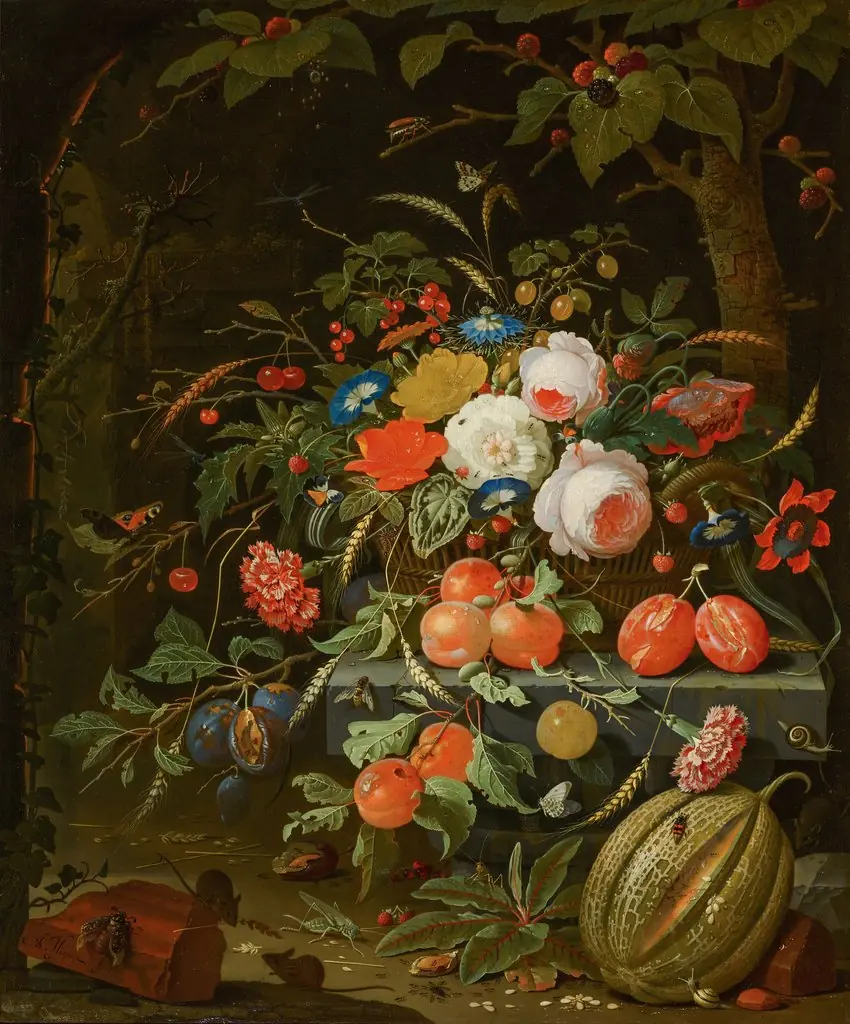 Flowers and Fruit
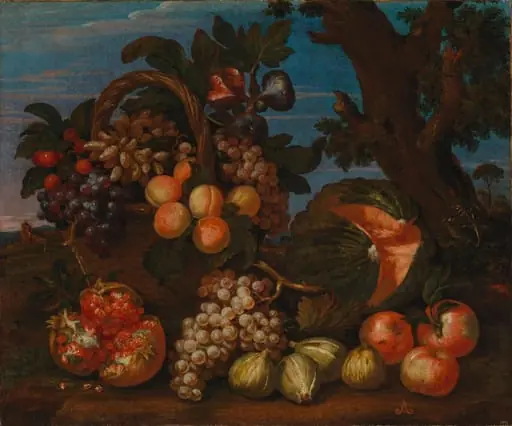 Hedelmäasetelma
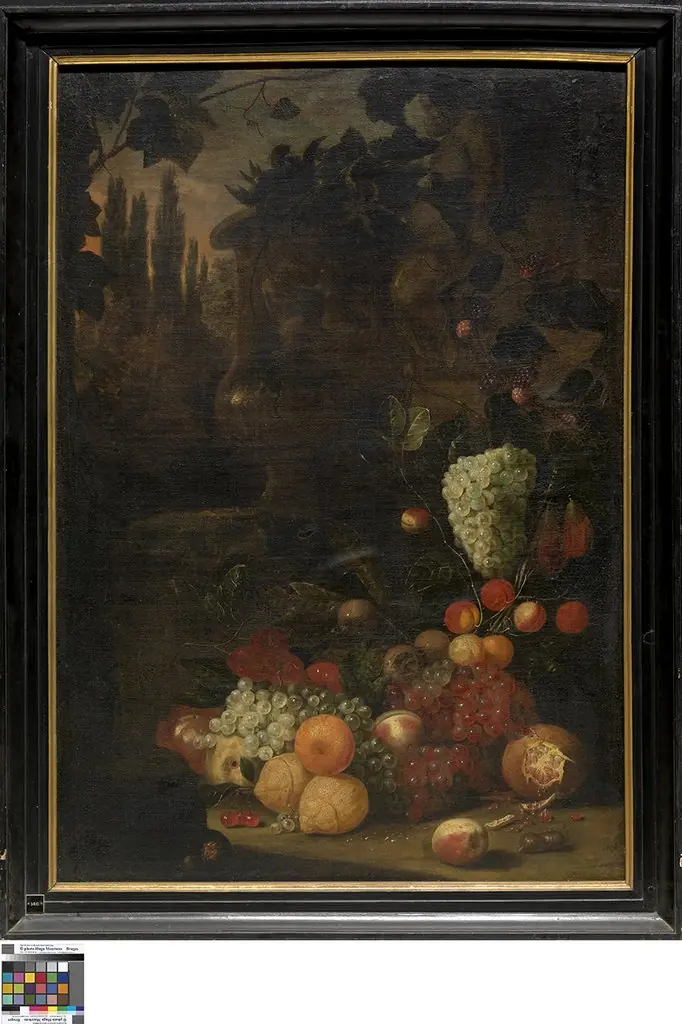 Stilleven met fruit
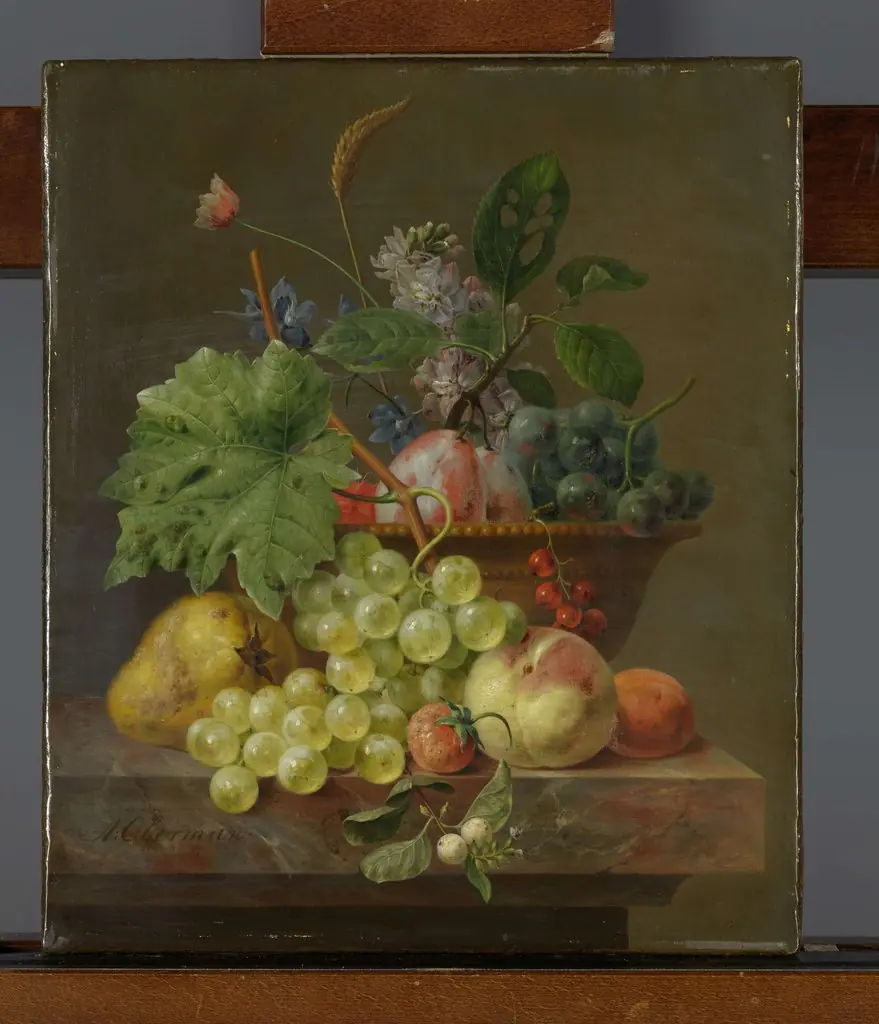 Still Life with Fruit in a Terracotta Dish
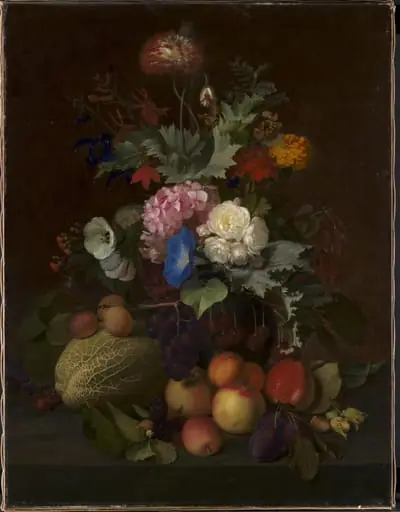 Still Life with Fruit and Flowers