Artwork
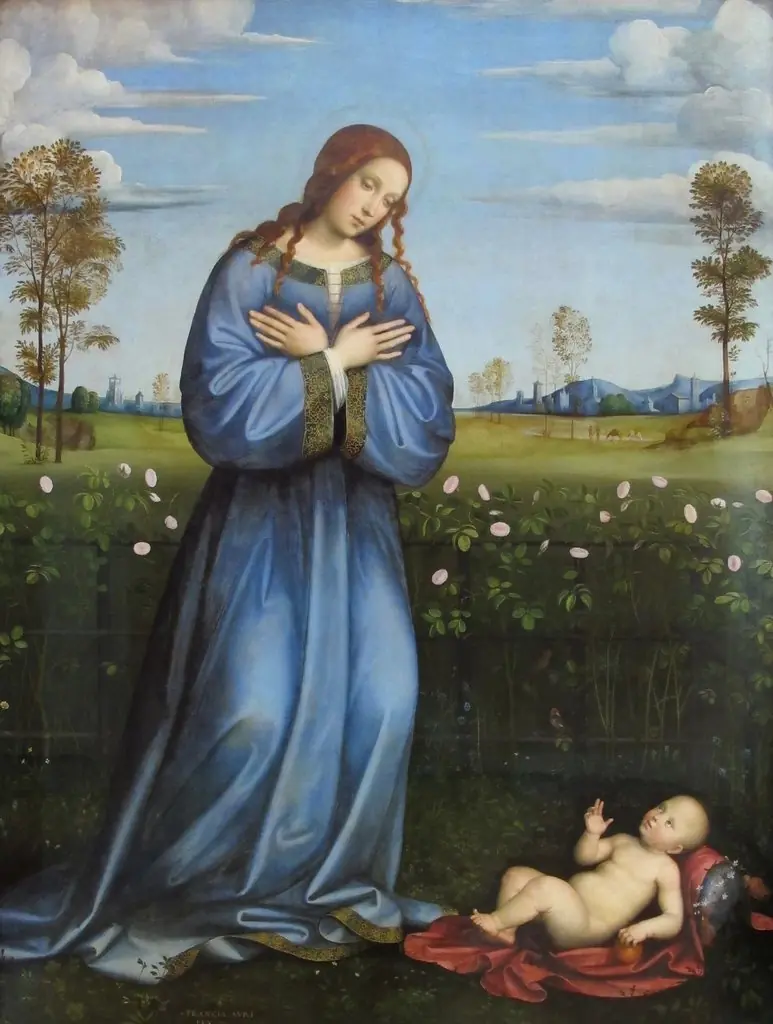
Mary adoring the child
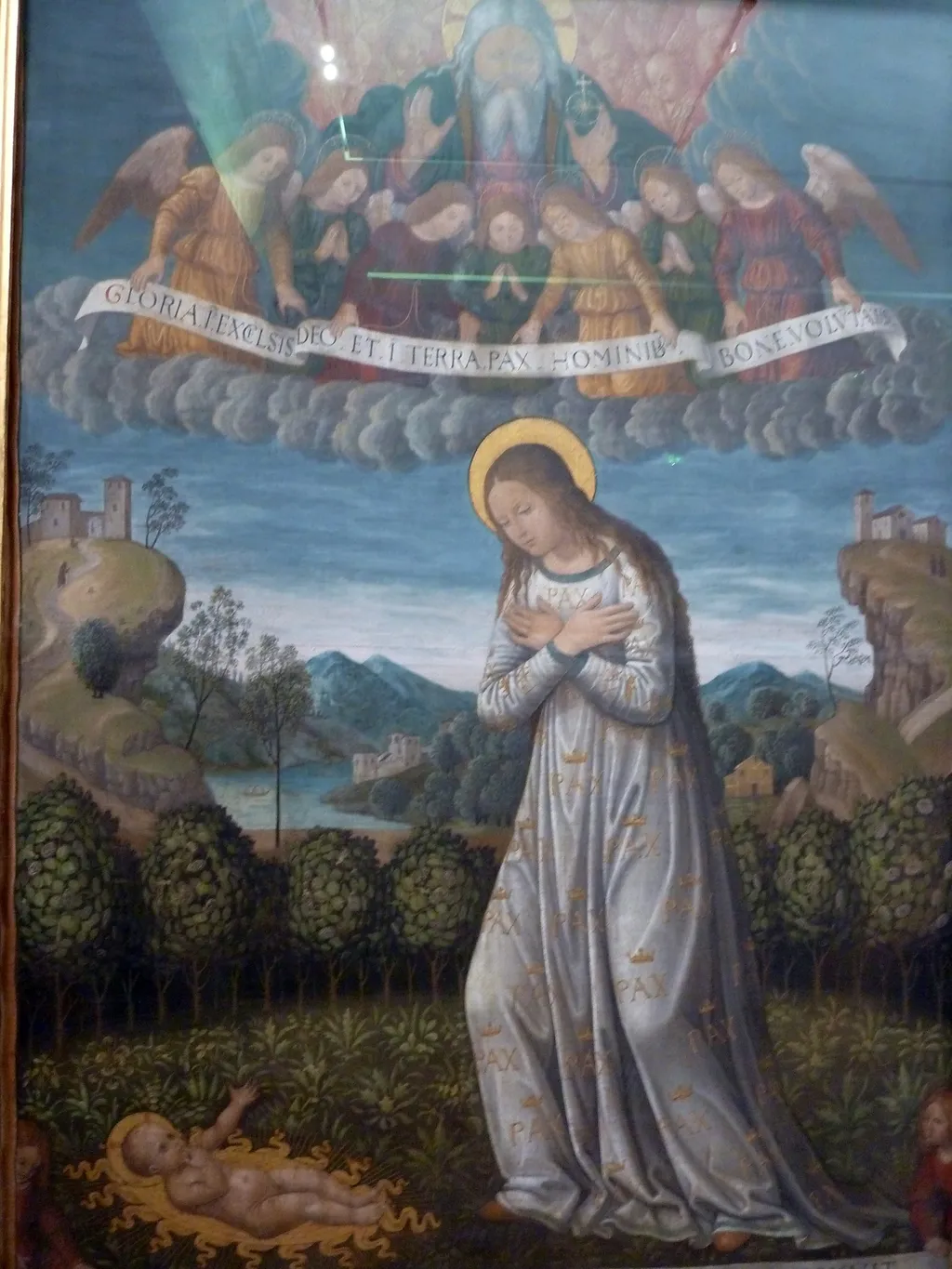
Mary adoring the child is an unspecified painting by the Early Renaissance artist Giovanni Ambrogio Bevilacqua. It dates from 1505 and is held in the collection of the Gemäldegalerie Alte Meister.
About this work
Overview
Mary adoring the child is a 1505 painting by Giovanni Ambrogio Bevilacqua, a Lombardy-based artist active during the transition from late medieval to early Renaissance styles.
Subject & Meaning
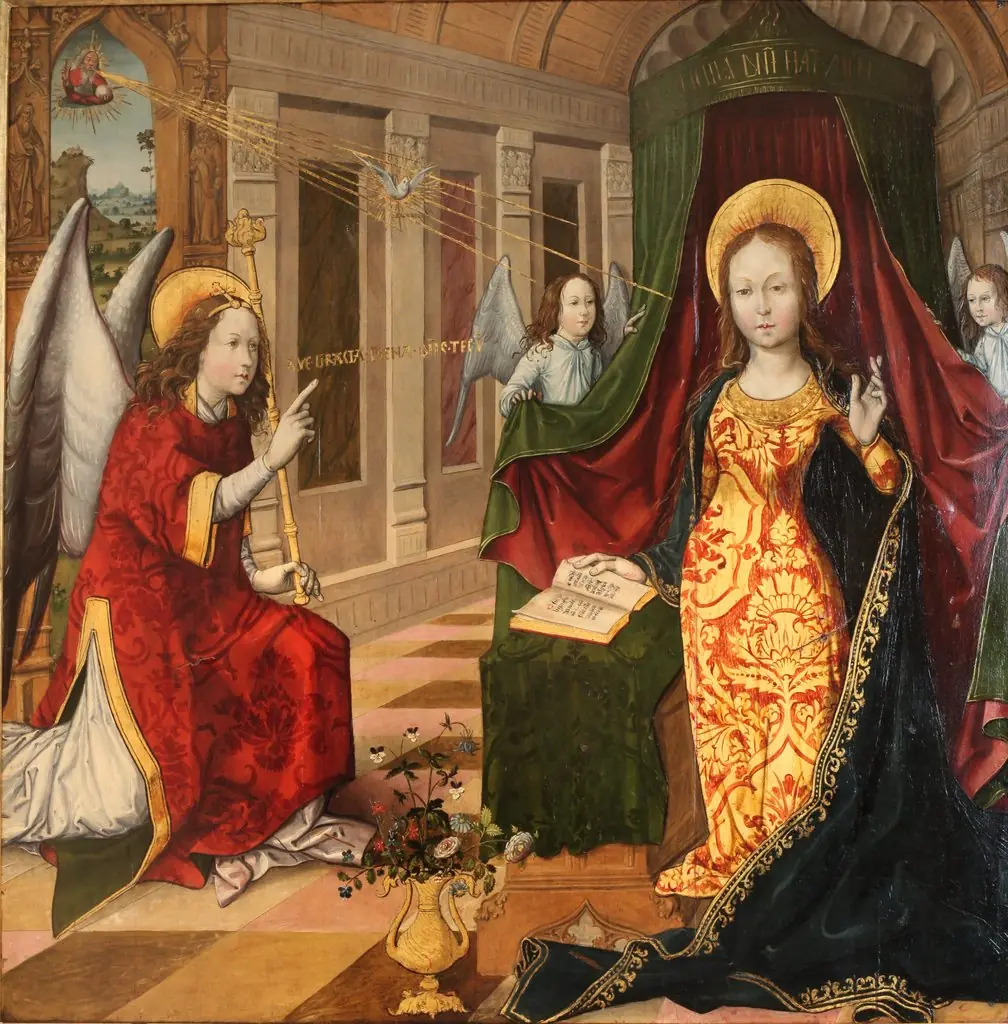
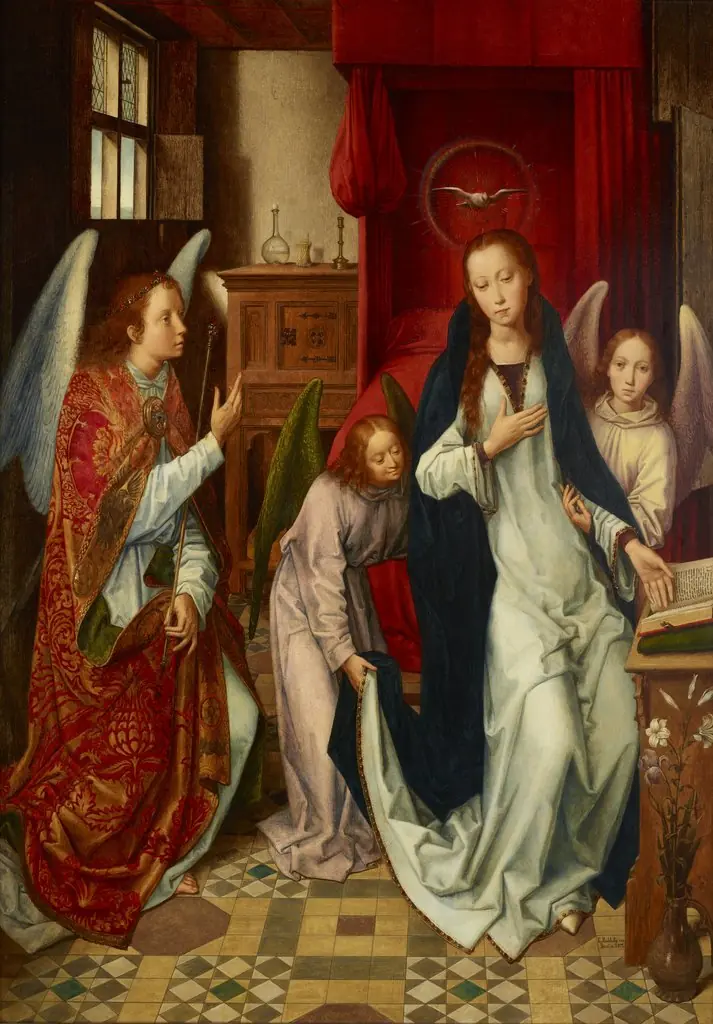
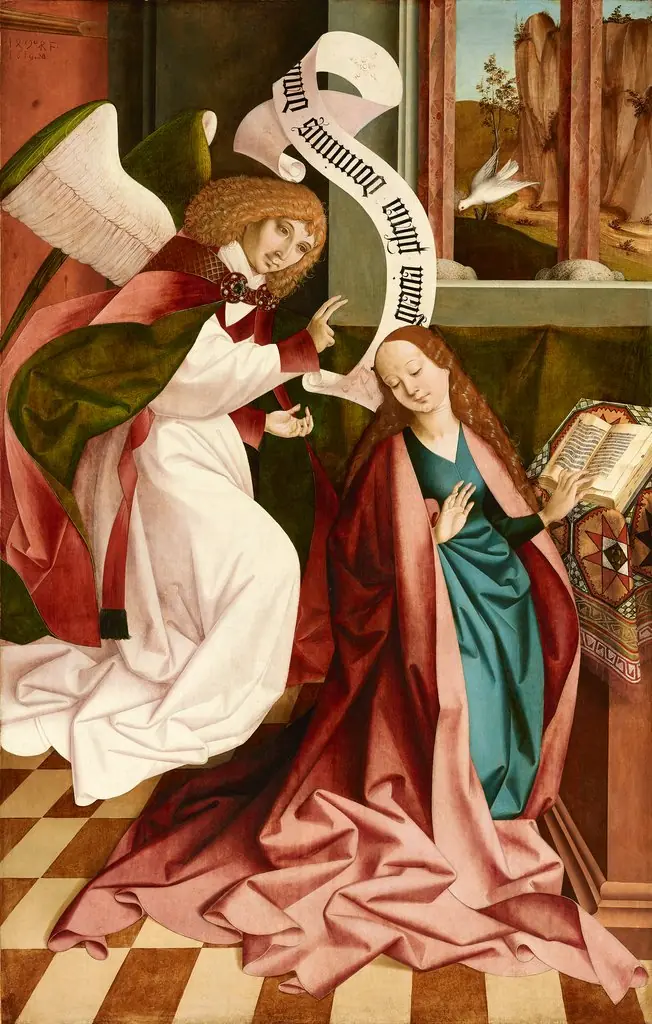
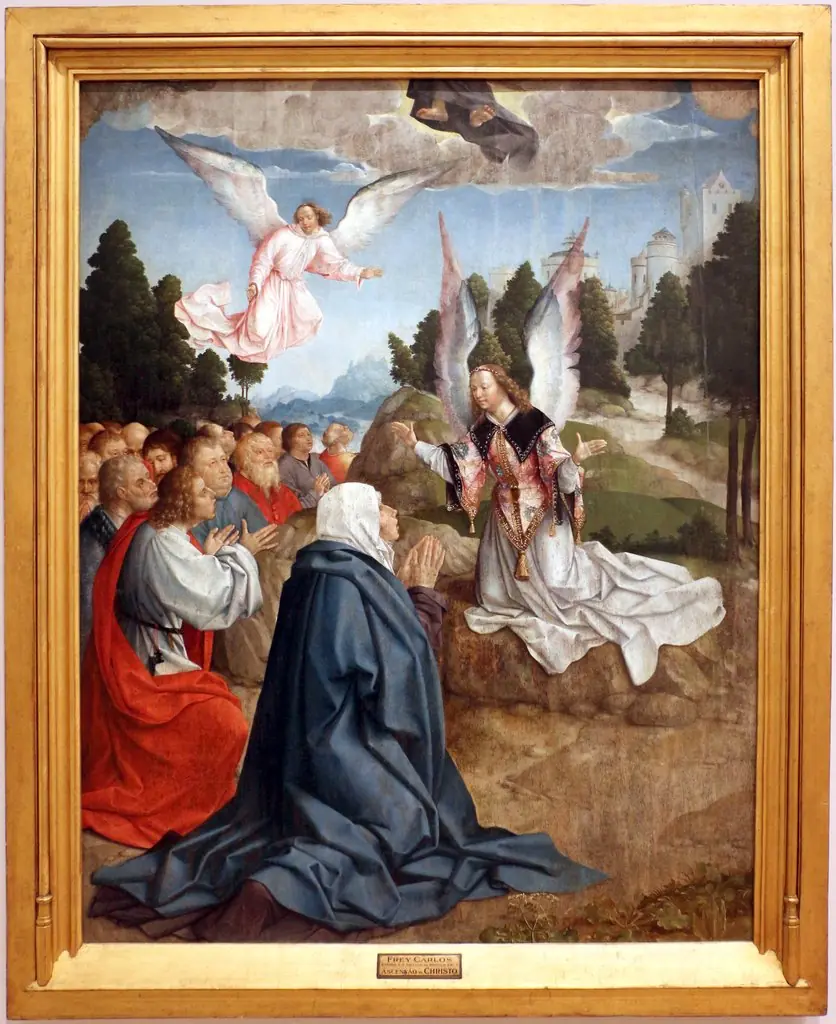
The painting depicts a serene scene of devotion, with the Virgin Mary standing in prayerful adoration of the infant Jesus, surrounded by symbolic elements including a banner with Latin text, a heavenly bearded figure, and lush natural scenery.
Technique & Style
Bevilacqua's style, influenced by his teacher Vincenzo Foppa, utilizes thoughtful color choices and compositional balance to achieve a sense of depth and harmony, characteristic of the transitional period between medieval and Renaissance art.
History & Provenance
The work is part of the Gemäldegalerie Alte Meister collection, with its creation date of 1505 marking it as a product of Bevilacqua's activity in Lombardy during this stylistic transition.
Context
Created during a time of artistic evolution, the painting reflects the blending of late medieval devotional themes with early Renaissance compositional and naturalistic elements.
Legacy
While specific lasting impacts of 'Mary adoring the child' on broader art historical trends are not prominently documented, it remains a notable example of Bevilacqua's contribution to the early Renaissance in Lombardy.
Artist & collection
Artist
Giovanni Ambrogio Bevilacqua, also known as il Liberale Bevilacqua (active by 1481 to at least 1512) was an Italian painter active in Lombardy in a late-medieval or early Renaissance style. He was a pupil of Vincenzo Foppa of Milan.