Artwork
Colonel Richard Wogan Talbot, 2nd Baron Talbot de Malahide (c.1766-1849)
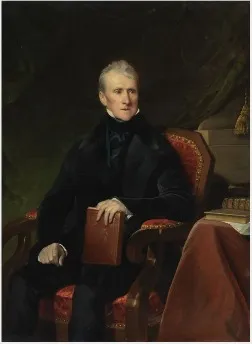
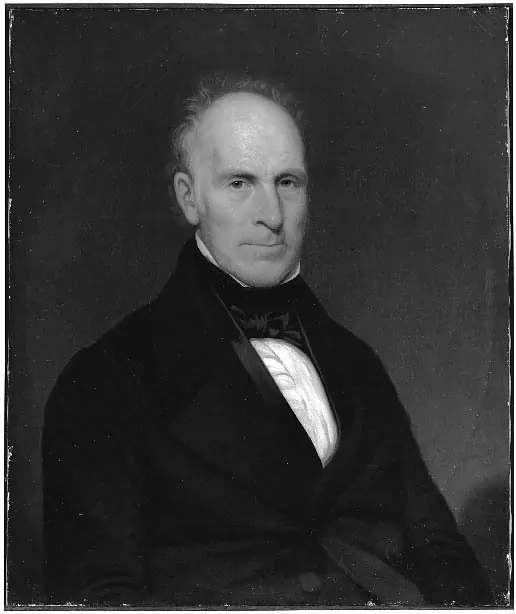
Colonel Richard Wogan Talbot, 2nd Baron Talbot de Malahide (c.1766-1849) is an oil painting by Giovanni Battista Cassevari. It dates from 1840 and is held in the collection of the National Gallery of Ireland.
About this work
Overview
This 1840 oil portrait depicts Colonel Richard Wogan Talbot, the second Baron Talbot de Malahide, painted by Italian artist Giovanni Battista Cassevari.
This 1840 oil portrait depicts Colonel Richard Wogan Talbot, the second Baron Talbot de Malahide, painted by Italian artist Giovanni Battista Cassevari. The work is part of the National Gallery of Ireland’s collection. It presents the subject in a formal seated pose, rendered with careful attention to texture and light. The composition emphasizes stillness and dignity, characteristic of early 19th-century portraiture in Ireland’s Anglo-Irish elite.
Subject & Meaning
Talbot is portrayed as a man of intellect and authority, seated with a book in hand, suggesting scholarly engagement. His direct gaze and composed posture convey quiet confidence rather than ostentation. The absence of military regalia, despite his rank, shifts focus from status to personal character. The book may symbolize his interests beyond public duty, hinting at private contemplation amid his role as a landowner and colonial administrator.
Technique & Style
Cassevari employs chiaroscuro to model the figure against a dark, undefined background, enhancing the three-dimensionality of Talbot’s form. The red and gold upholstery of the chair contrasts subtly with the muted tones of his suit, drawing attention to his seated presence. Brushwork is precise in facial features and fabric folds, while the background remains softly blurred, reinforcing the subject’s centrality without decorative distraction.
History & Provenance
Commissioned in 1840, the portrait likely originated within the Talbot family’s Malahide Castle estate in County Dublin. It remained in private hands until entering the National Gallery of Ireland’s collection, where it has been preserved as part of the nation’s artistic heritage. Its provenance reflects the cultural patronage of the Anglo-Irish aristocracy during the early Victorian period.
Context
Painted during a time of political and social change in Ireland, the portrait reflects the enduring influence of the Protestant Ascendancy. Though Talbot held colonial administrative roles, the image avoids overt political symbolism. Instead, it aligns with broader European trends in portraiture that favored introspection and restrained elegance over grandeur, signaling a shift toward personal identity over inherited privilege.
Legacy
The portrait endures as a quiet testament to the visual culture of Ireland’s landed class in the 1840s. It contributes to the understanding of how Anglo-Irish elites presented themselves through art—emphasizing intellect and composure over military or political display. Cassevari’s restrained technique ensures the work remains a thoughtful record of its subject’s demeanor, not merely his title.
Artist & collection
Artist
Giovanni Battista Cassevari (1789–1876) was an artist, born in Genoa.

 Portrait of Mr Cottingham
 Portrait of H. Lazarev
 Portrait of Professor Lorenz Ferdinand Ewers
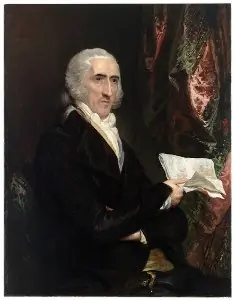 Portrait of Dr. Enoch Edwards
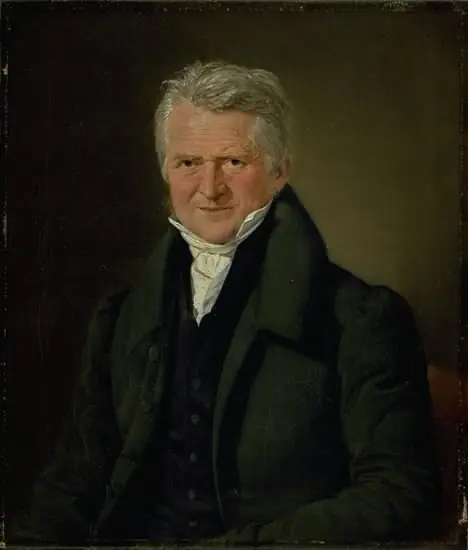 The Painter C.W. Eckersberg
 Portrait of James Kenney (1780-1849), Dramatist
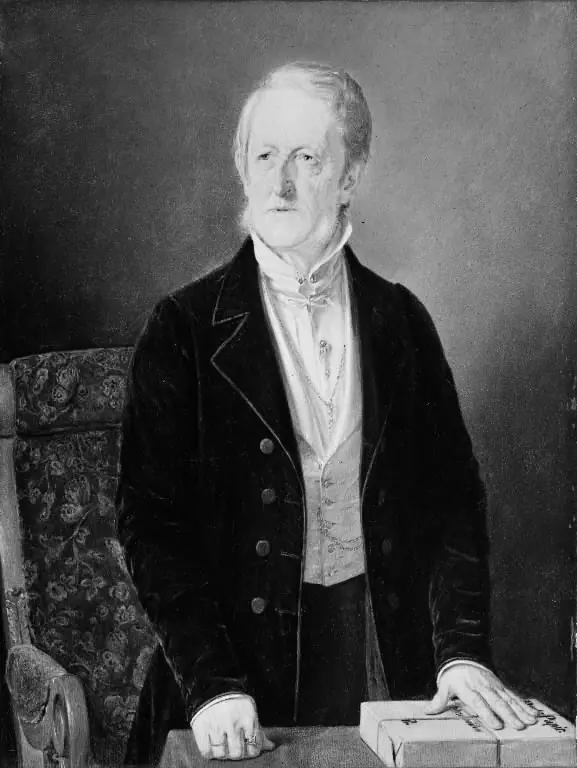 Industrimanden og politikeren I.C. Drewsen
 Captain Fisher of Milton
 Charles Carnan Ridgely
 Hilaire de Gas
 John McLean of Ohio
 Alderman Jabez Ellis