Artwork
Hilaire de Gas
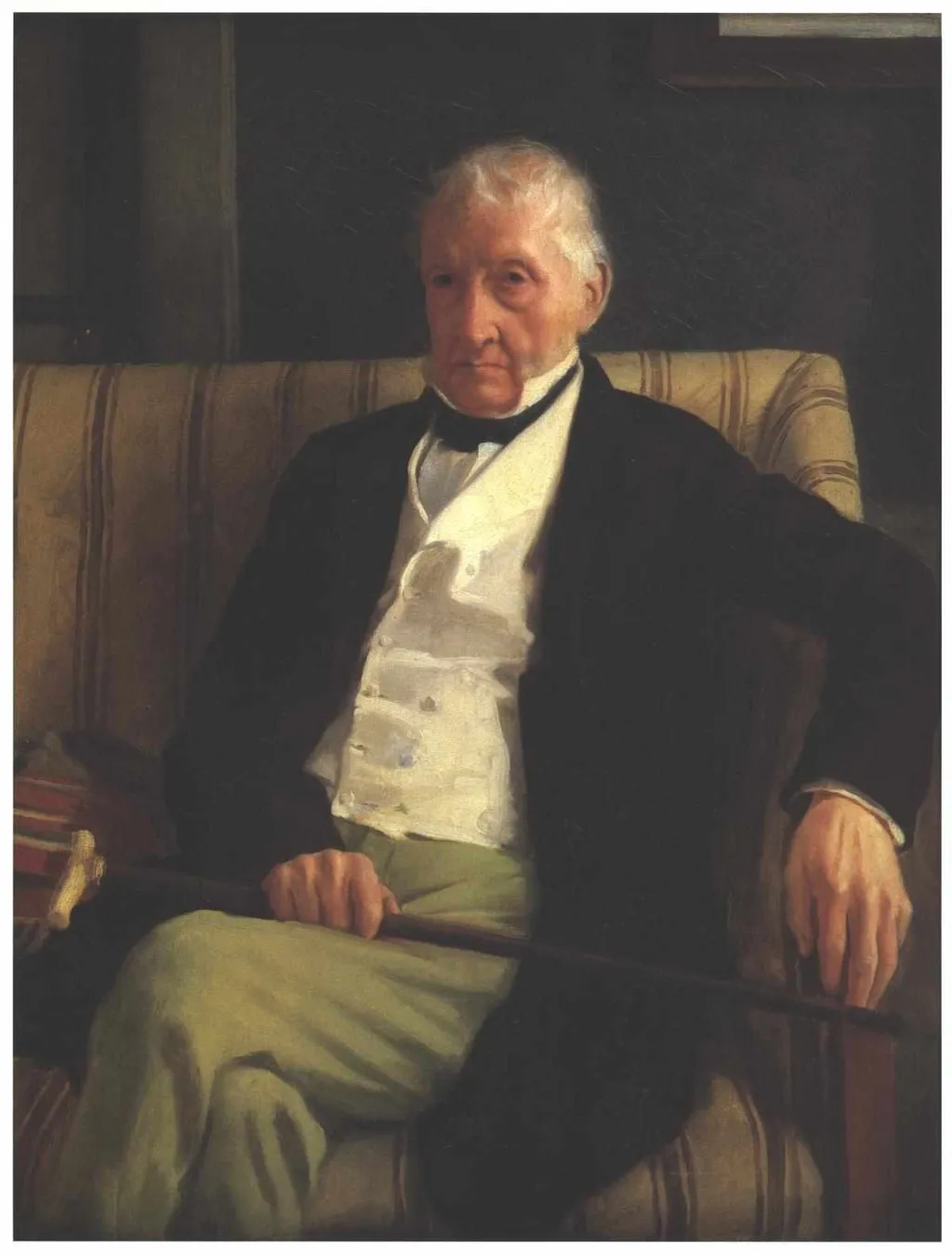
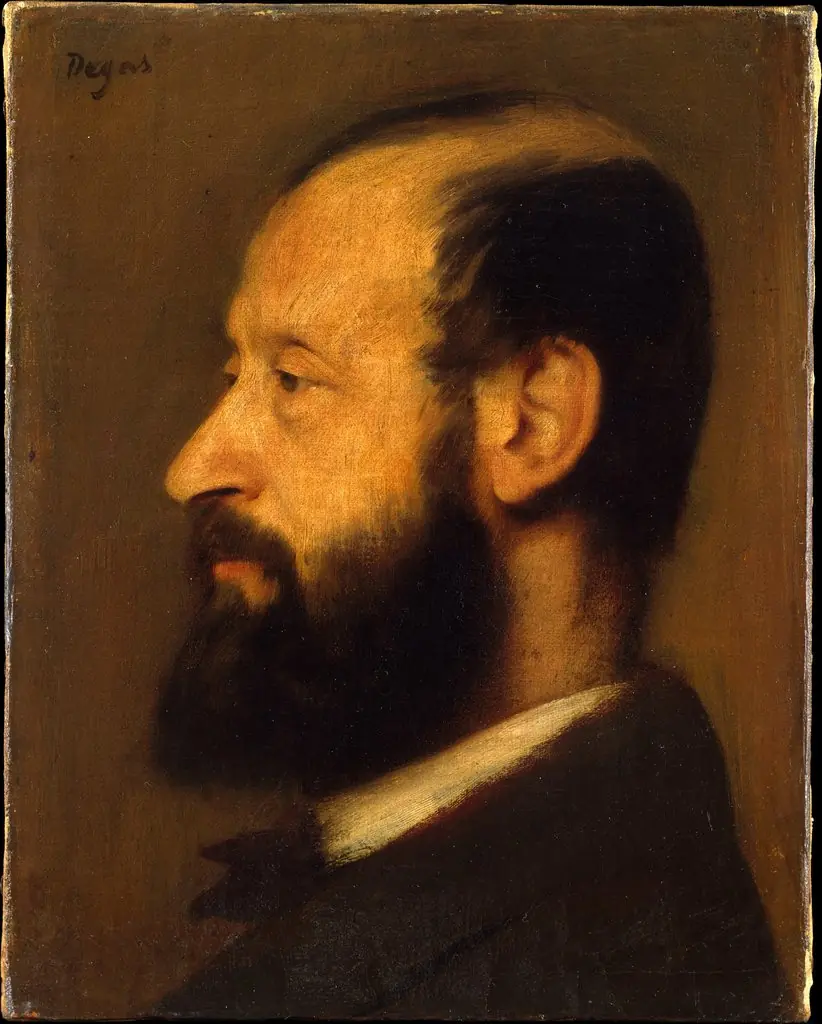
Hilaire de Gas is an oil painting by the Realist artist Edgar Degas. It dates from 1857 and is held in the collection of the Musée d'Orsay.
About this work
Overview
Painted in 1857, this oil portrait by Edgar Degas captures his father, Hilaire de Gas, seated in quiet repose.
Painted in 1857, this oil portrait by Edgar Degas captures his father, Hilaire de Gas, seated in quiet repose. The composition is tightly focused on the figure, set against a muted, shadowed background. Degas renders the subject with restrained detail, emphasizing posture and expression over ornamentation. The work belongs to the Louvre’s collection, representing one of the artist’s earliest known portraits.
Subject & Meaning
The subject is Hilaire de Gas, Edgar Degas’s father, portrayed in later life. His seated posture, cane in hand, and composed gaze suggest a man accustomed to stillness and reflection. The absence of narrative context invites contemplation rather than storytelling. The bow tie and formal attire hint at social standing, while the cane implies age and physical vulnerability, framing the portrait as an intimate study of dignity in aging.
Technique & Style
Degas employs chiaroscuro to model the figure with subtle gradations of light and shadow, enhancing the three-dimensionality of the face and hands. Brushwork is controlled but not polished, allowing texture to emerge in the fabric of the jacket and the softness of white hair. The dark background isolates the subject, focusing attention on his expression and the quiet tension between stillness and presence.
History & Provenance
Executed in 1857, the portrait was likely painted during Degas’s formative years, shortly after his return from Italy. It remained in the family until entering the Louvre’s holdings. Its early date places it among the artist’s first serious attempts at portraiture, predating his better-known depictions of dancers and racehorses. The painting’s provenance reflects its personal significance to the artist.
Context
In mid-19th century France, portraiture often served to affirm social identity. Degas, however, approached the genre with psychological nuance rather than flattery. This work aligns with academic traditions he studied, yet its intimacy and lack of idealization mark a departure from conventional bourgeois portraiture, foreshadowing his later interest in unposed, authentic moments.
Legacy
Though overshadowed by Degas’s later works, this portrait remains a key early example of his observational rigor. It reveals his emerging sensitivity to character and mood, laying groundwork for his mature style. As one of the few portraits of his father, it offers insight into the personal influences shaping his artistic development before he turned to public scenes.
Artist & collection
Artist
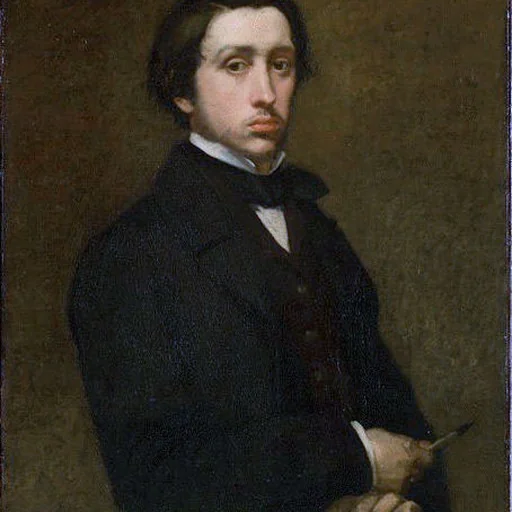
Born Hilaire-Germain-Edgar De Gas on 19 July 1834 in Paris, Edgar Degas came from an affluent banking family with aristocratic roots and spent his childhood among the cultivated circles of the French capital.

 Wendell Phillips
 Ebenezer Cooper, Llangollen
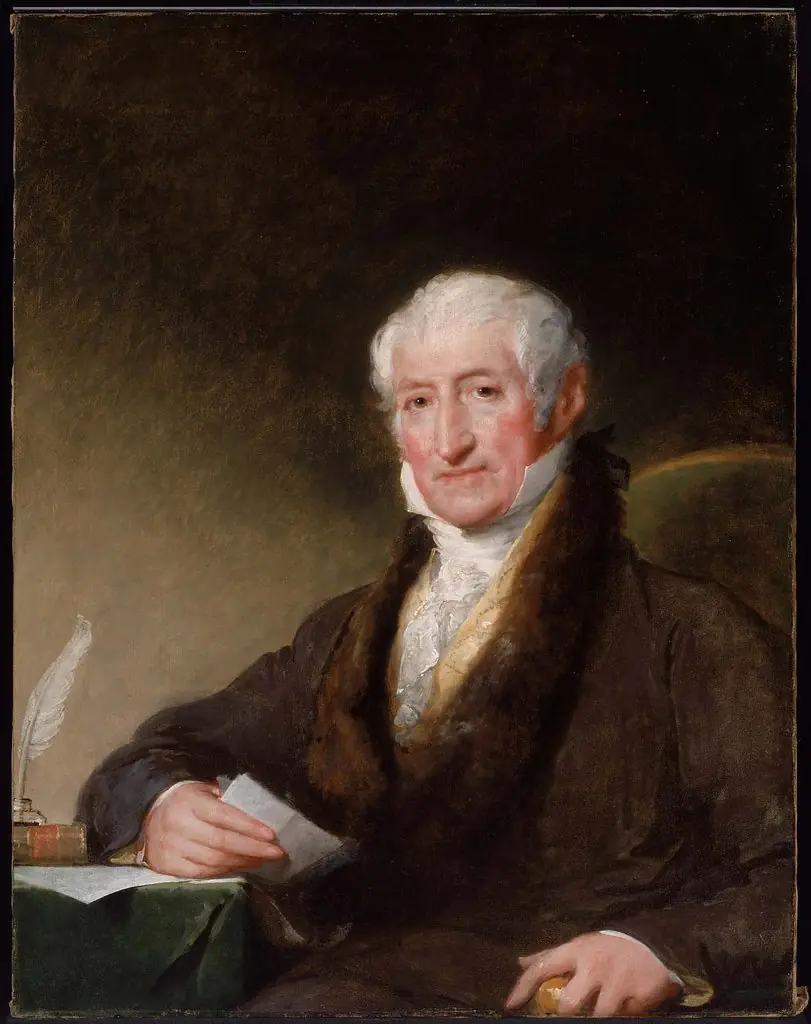 Ward Nicholas Boylston
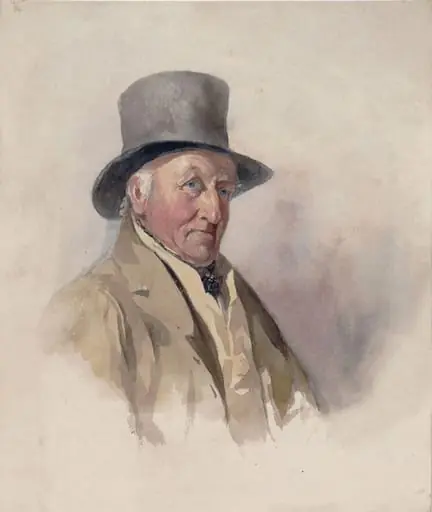 Thomas Worley, Bailiff at Ashurst, at the age of 83
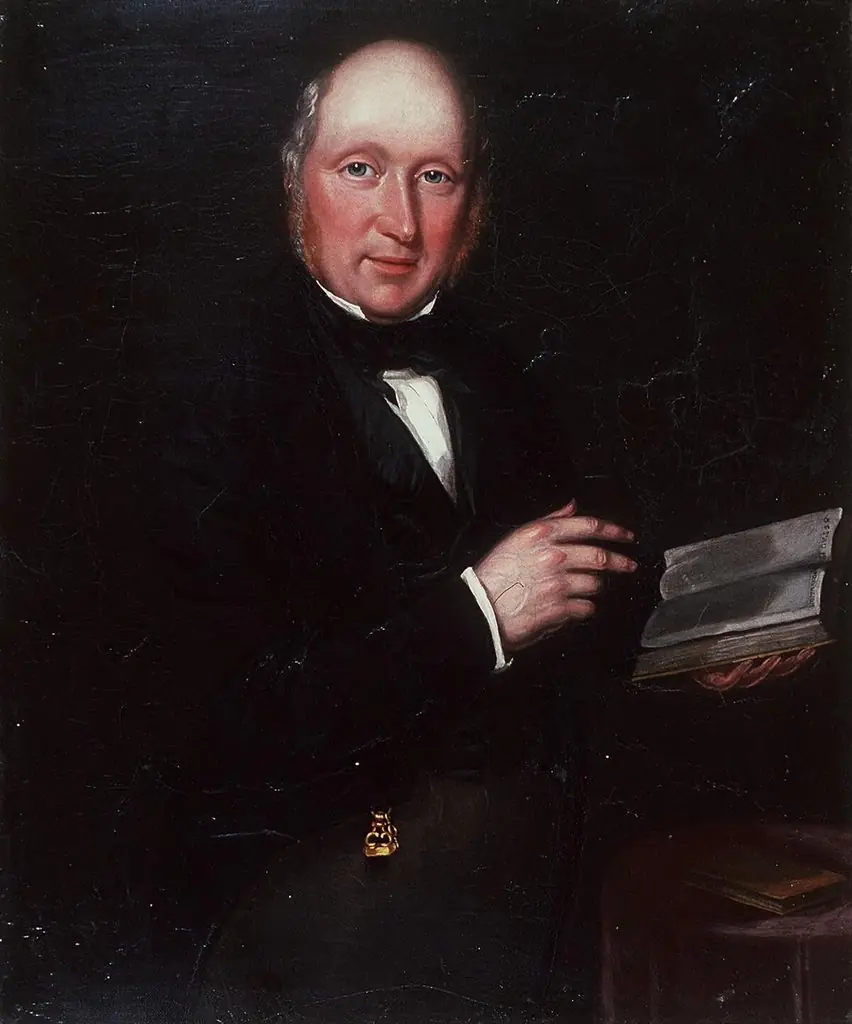 Portrait of an unidentified cleric
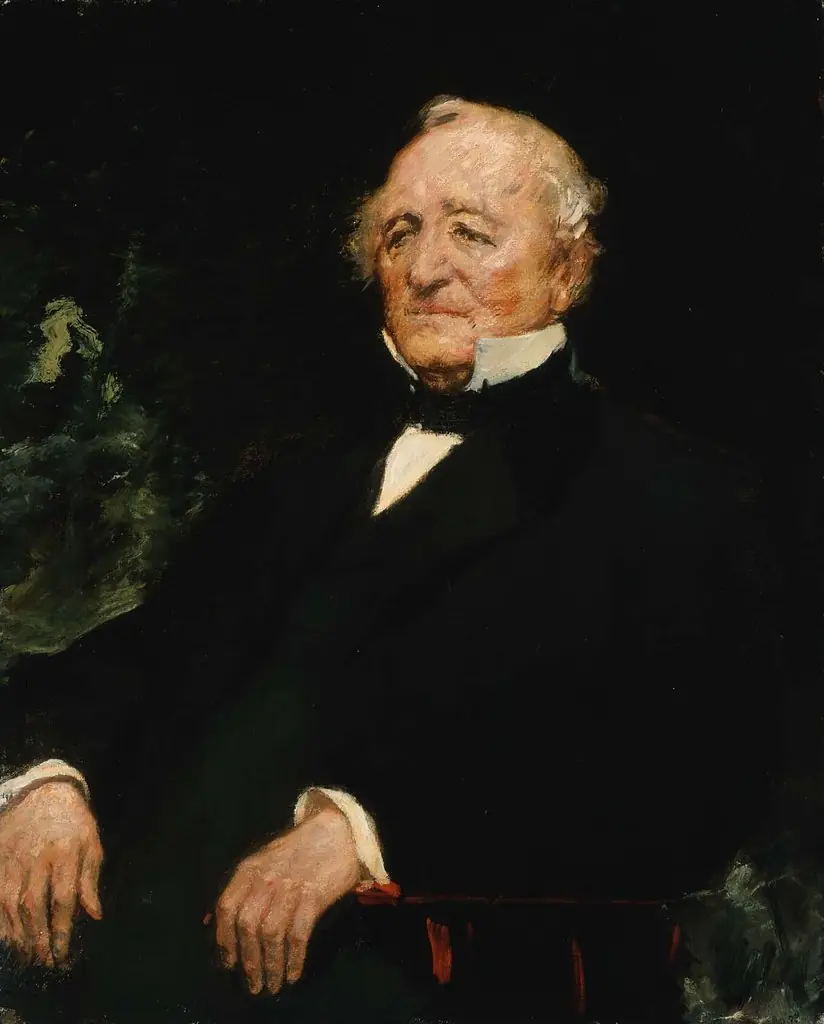 Senator Charles Sumner
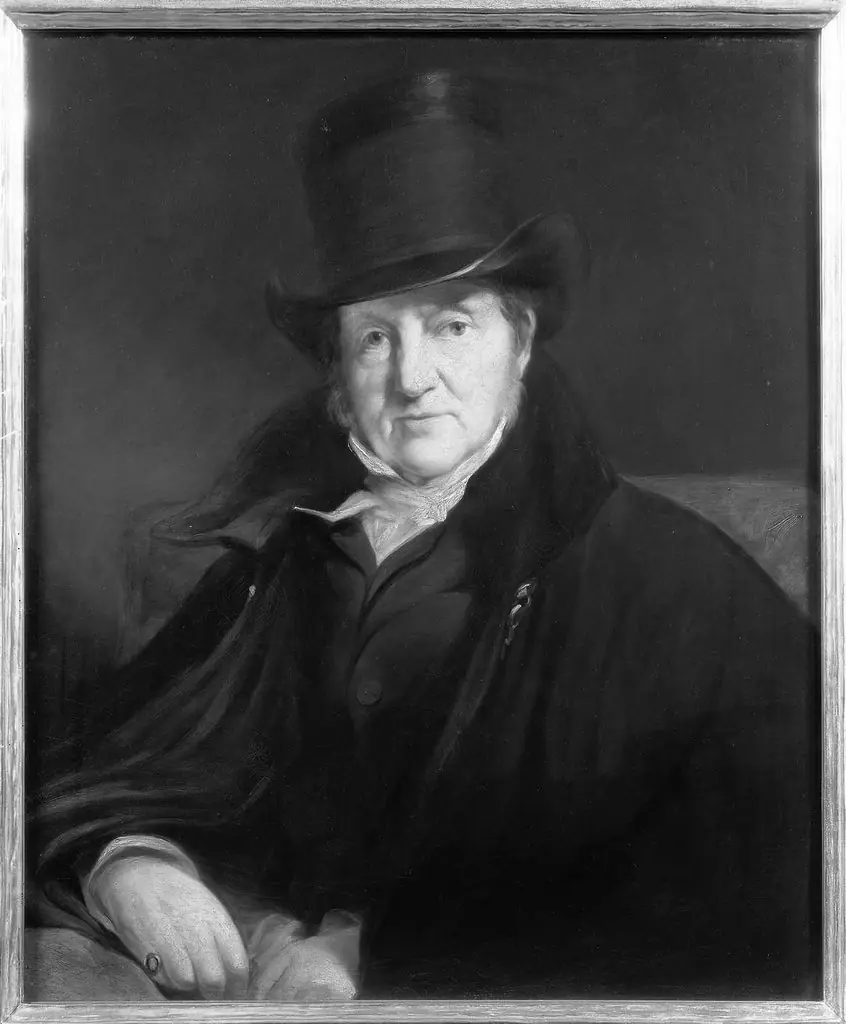 Sir William Beechey
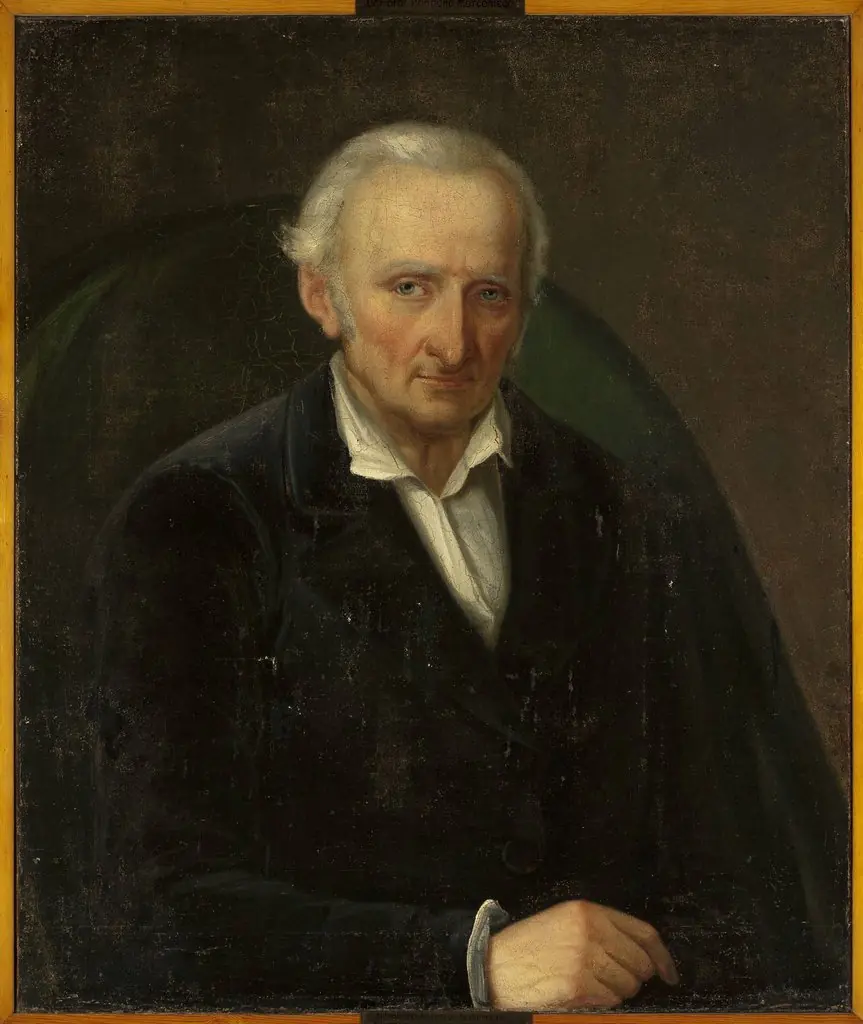 Self-portrait
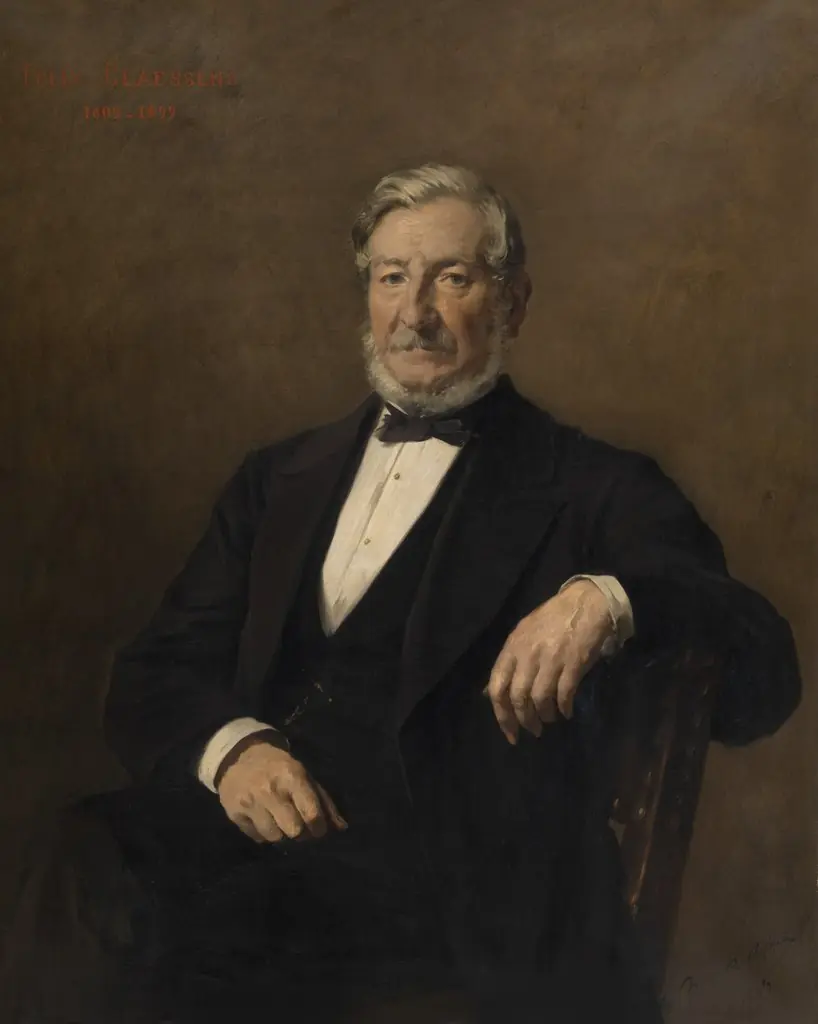 Felix Claessens, the painter's uncle
 Portretul lui Christian Miess
 Reverend genltleman
 Dr Lewis Edwards