Artwork
Portrait of the sculptor Alessandro Vittoria
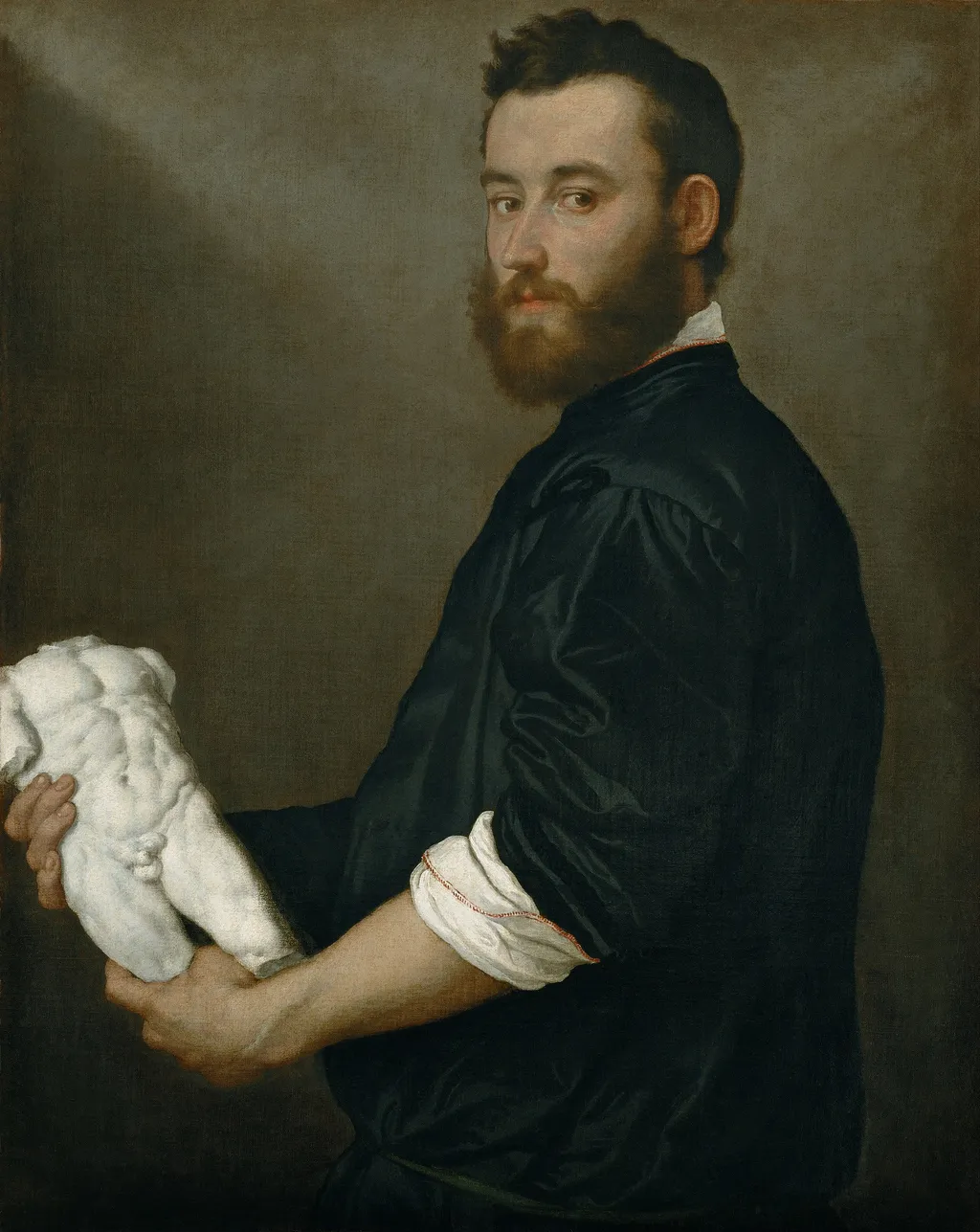
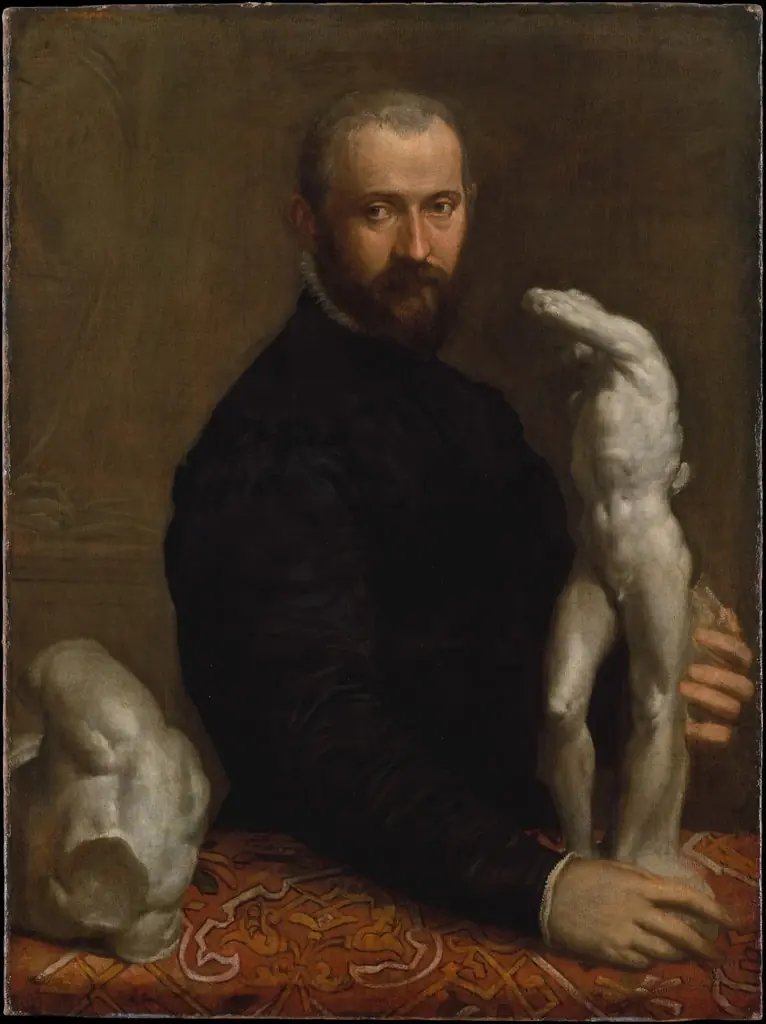
Portrait of the sculptor Alessandro Vittoria is an oil painting by the Mannerist artist Giovanni Battista Moroni. It dates from 1552 and is held in the collection of the Kunsthistorisches Museum.
About this work
Overview
He wears a somber black robe with crisp white cuffs and a high collar, a attire typical of the mid-sixteenth century that conveys dignity and seriousness.
Painted in 1552, Giovanni Battista Moroni's Portrait of the Sculptor Alessandro Vittoria is a seminal work of the Italian Renaissance that captures the artist and sculptor Alessandro Vittoria in a moment of professional contemplation. The composition centers on Vittoria, depicted from the waist up against a neutral, dark background that isolates his figure and emphasizes his psychological presence. He wears a somber black robe with crisp white cuffs and a high collar, a attire typical of the mid-sixteenth century that conveys dignity and seriousness. His dark beard and short hair frame a face marked by an intense, direct gaze that engages the viewer. In his hands, he holds a white plaster or marble model of a face, a sculptural fragment that serves as a direct reference to his vocation. This inclusion transforms the image from a standard likeness into a statement of artistic identity, highlighting the intellectual status of the sculptor. The work is notable for Moroni's precise realism and his ability to render textures, from the softness of the skin to the smooth surface of the sculpture. Created early in Moroni's mature period, the portrait exemplifies his skill in capturing the character of Bergamo's elite and stands as a significant example of the genre of the artist portrait in the Cinquecento.
Subject & Meaning
The sitter is the noted sculptor Alessandro Vittoria, identifiable by his dark beard, short hair and the miniature bust he cradles—a representation of his own craft. His direct gaze and solemn expression convey the dignity of an artist at work, linking painter and sculptor through shared artistic identity.
Technique & Style
Moroni employs a restrained palette of deep blacks, whites and muted browns, allowing the figure to emerge from the background. The rendering of fabric folds and the marble surface demonstrates his skill in depicting material qualities, while the subtle chiaroscuro models the face and hands with a naturalistic clarity.
History & Provenance
Created in the mid‑sixteenth century, the portrait entered the Austrian imperial collections and is now displayed at Vienna’s Kunsthistorisches Museum. Its documentation traces a continuous ownership within the Habsburg holdings, reflecting the work’s longstanding appreciation by connoisseurs.
Context
The painting belongs to Moroni’s series of realistic portraiture that documented the rising professional class in Lombardy. By portraying Vittoria, a prominent sculptor of the Venetian school, Moroni underscores the interconnected networks of artists operating in northern Italy during the late Renaissance.
Own this work as a print
Artist & collection
Artist
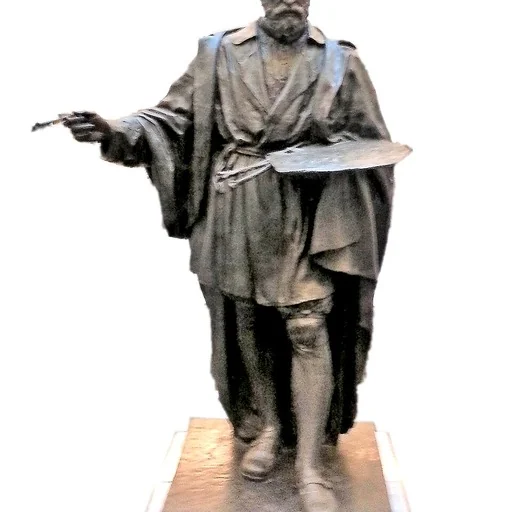
Giovanni Battista Moroni, also known as Giambattista Moroni was an Italian painter of the Mannerist school.

 Portrait of a Man
 Portrait of Vincenzo Guarignoni
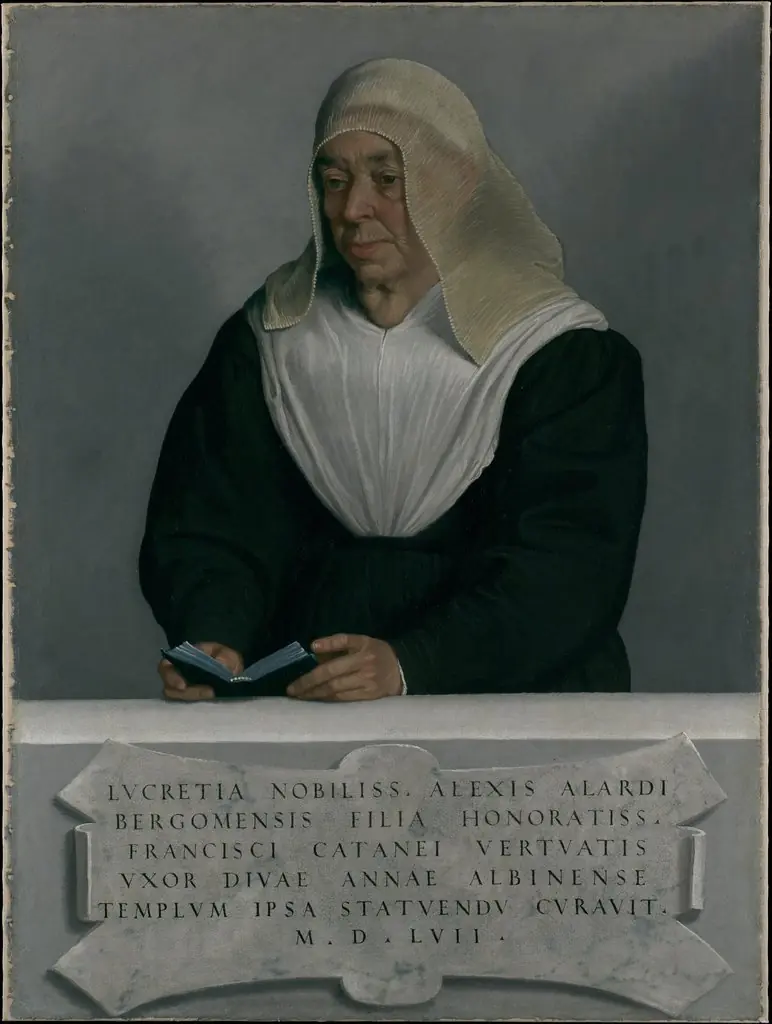 Abbess Lucrezia Agliardi Vertova (1490?–1558)
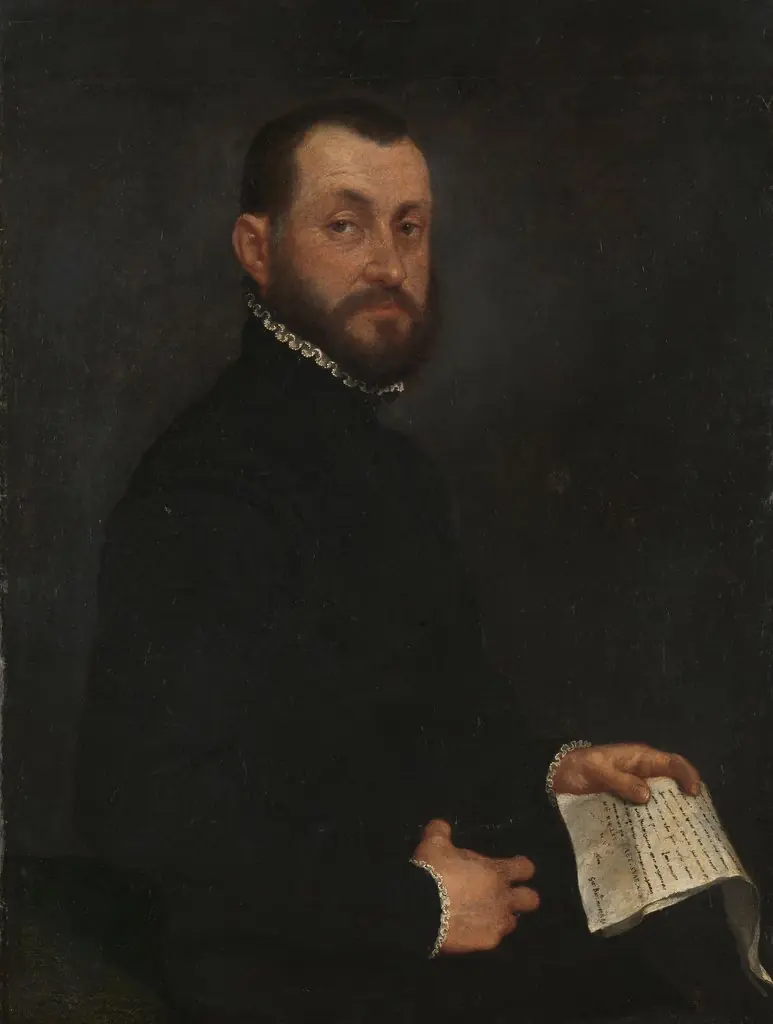 Portrait of a Man
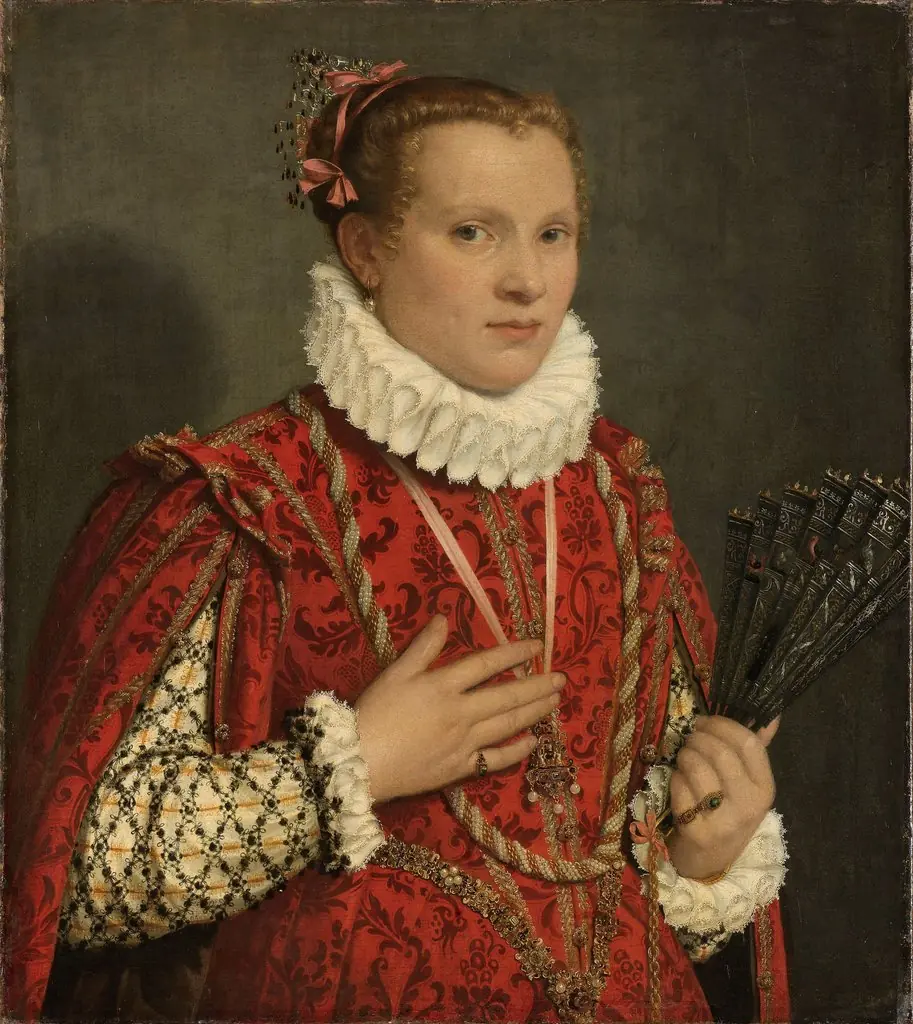 Portrait of a young Woman
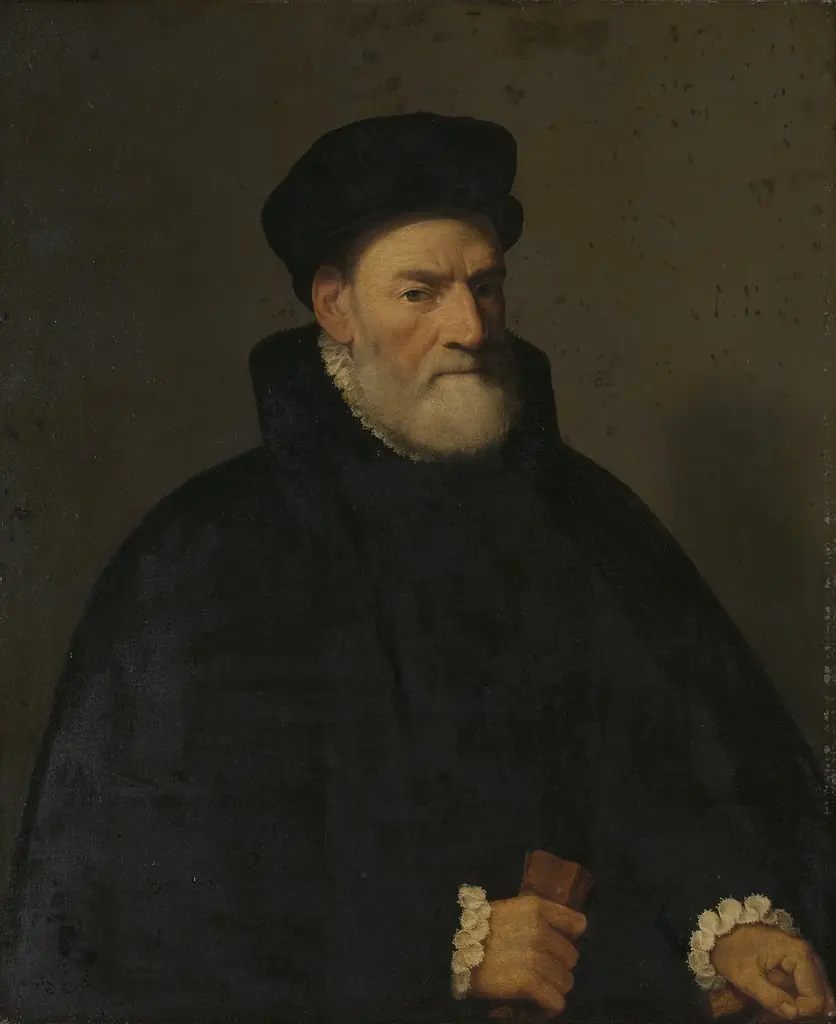 Portrait of an Old Man, probably Vercellino Olivazzi, Senator from Bergamo
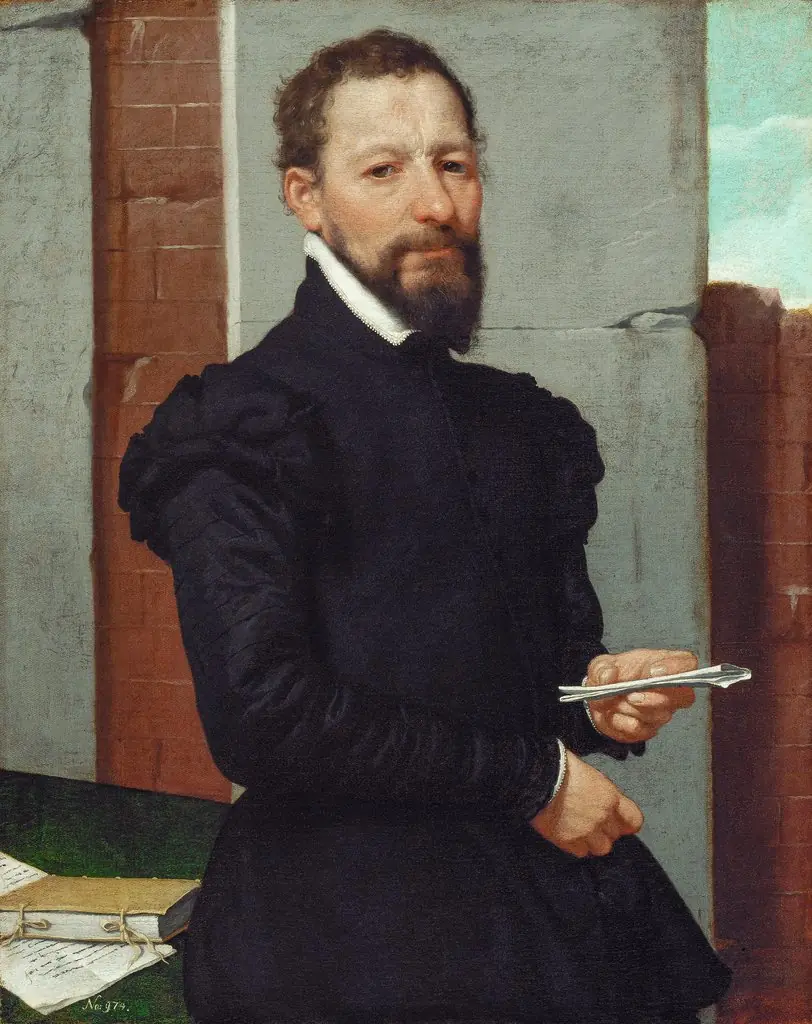 The Orator Giovan Pietro Maffeis (?) (1533-1603)
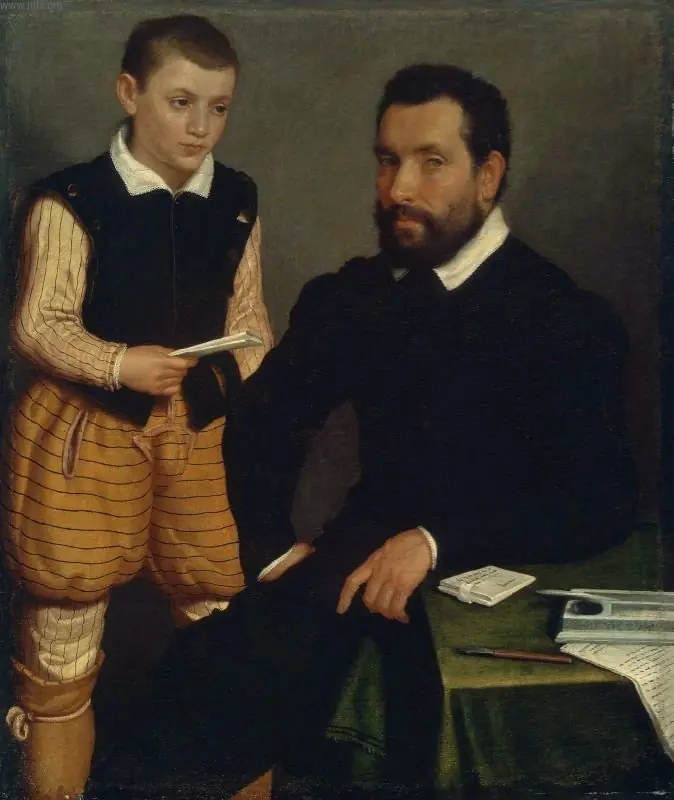 Portrait of a Man and a Boy (Count Alborghetti & Son)
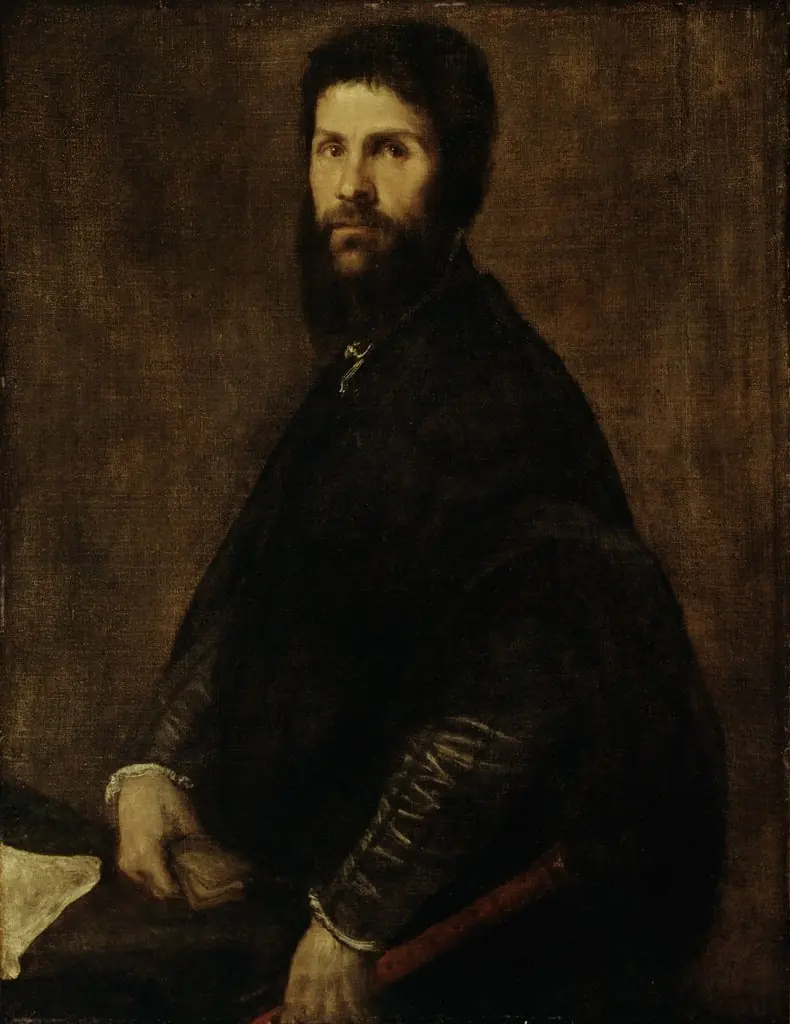 Man Holding a Flute
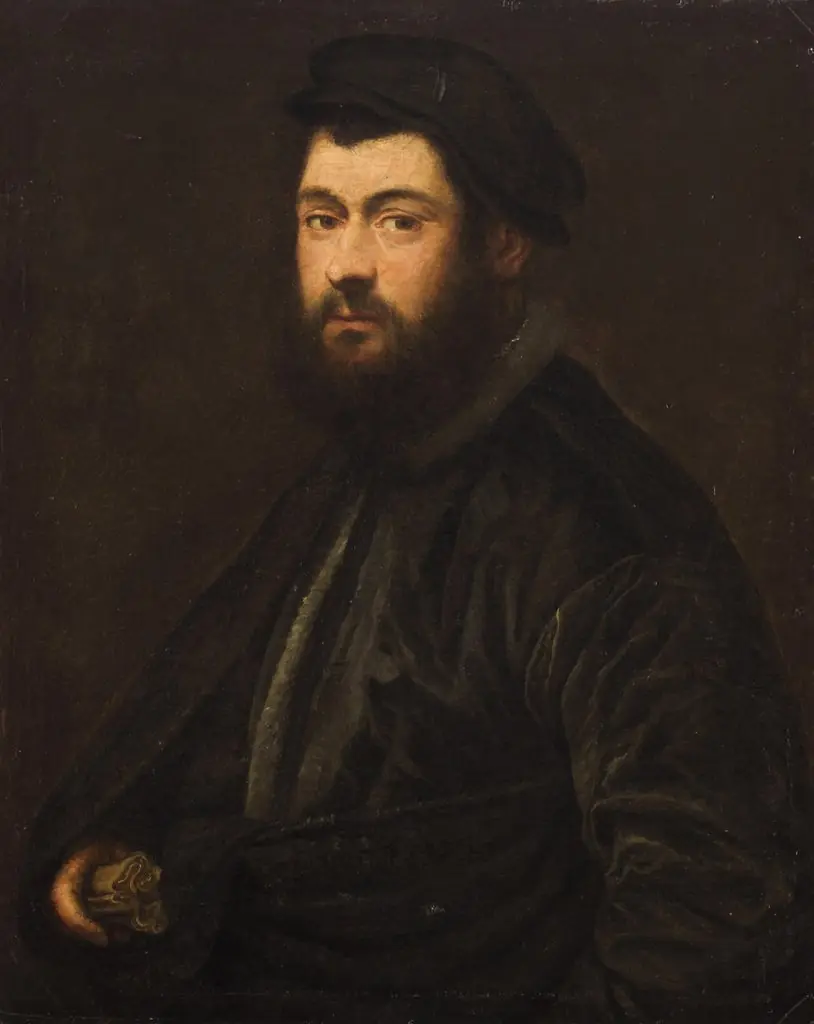 Bildnis eines bärtigen Mannes mit Barett
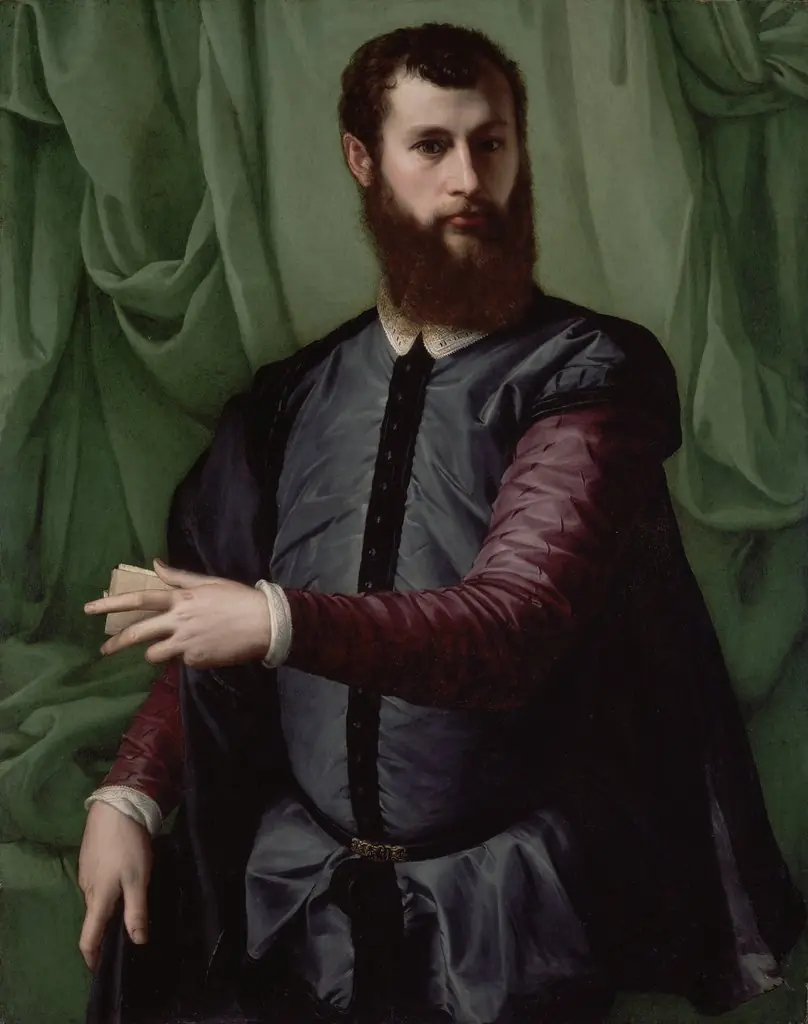 Portrait of a Man
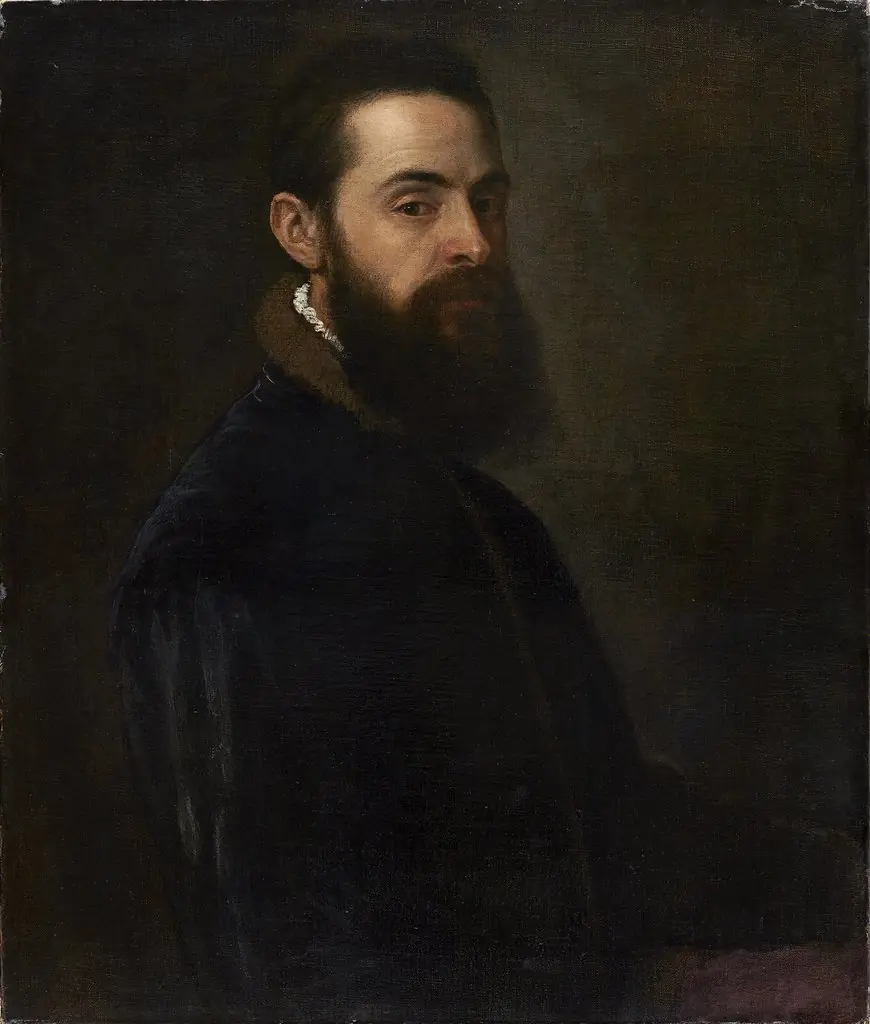 Portrait of Antonio Anselmi
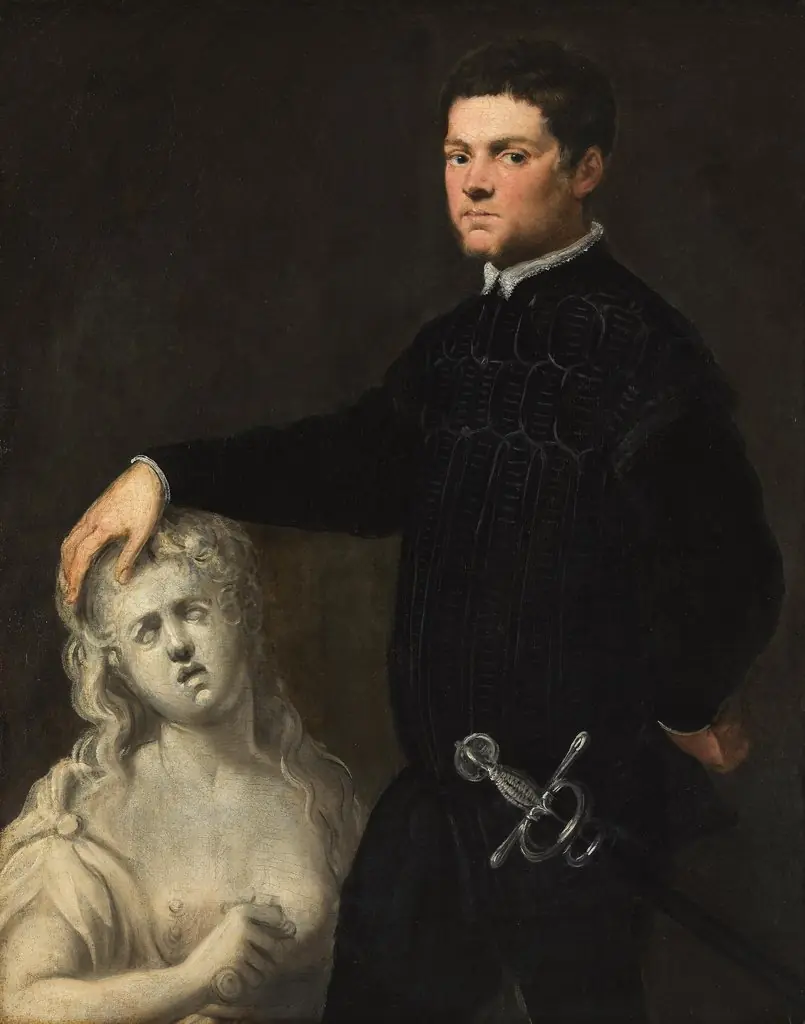 Portrait of a young man with a sculpture of Lucretia - Tintoretto
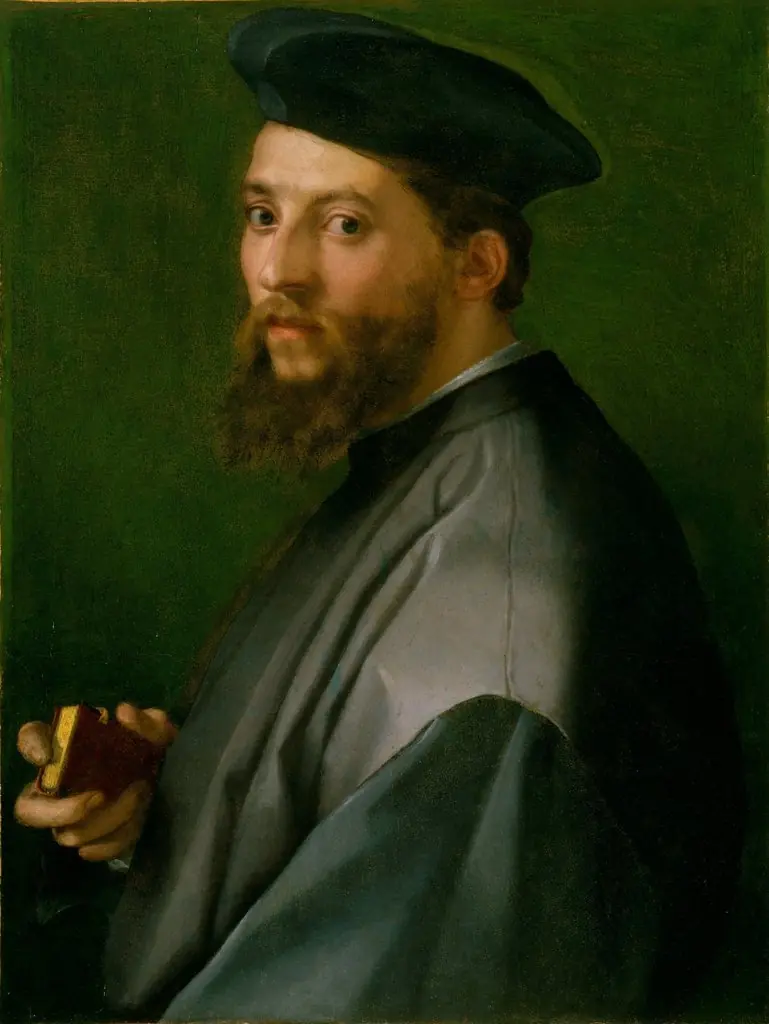 Portrait of a Man
 Portrait of a Man
 Portrait of a Man in a Fur-Trimmed Coat
 Portrait of a young bearded man
 Man with a Golden Lace
 Portrait of a Gentleman
 Alessandro Vittoria (1524/25–1608)