Artwork
The Orator Giovan Pietro Maffeis (?) (1533-1603)
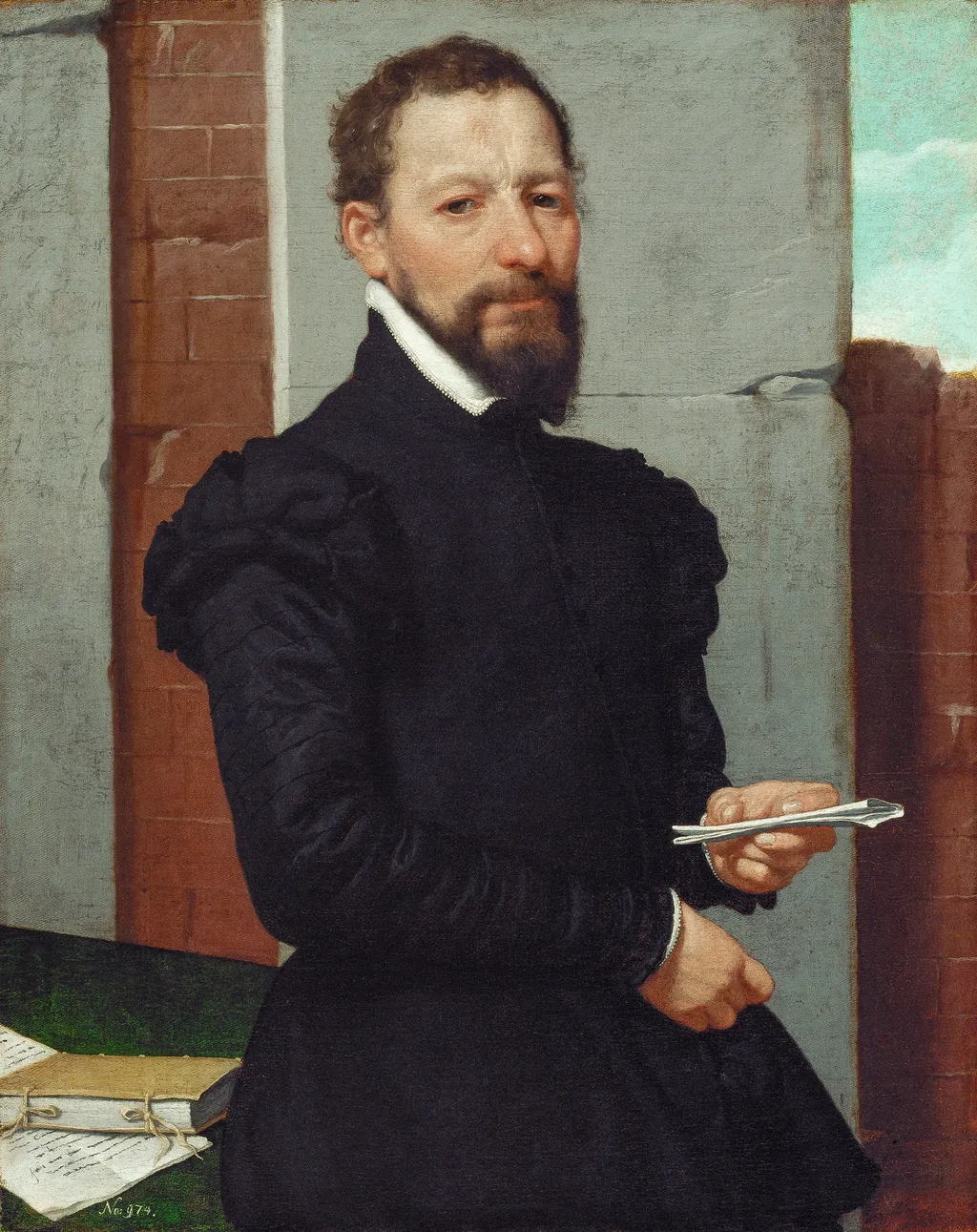
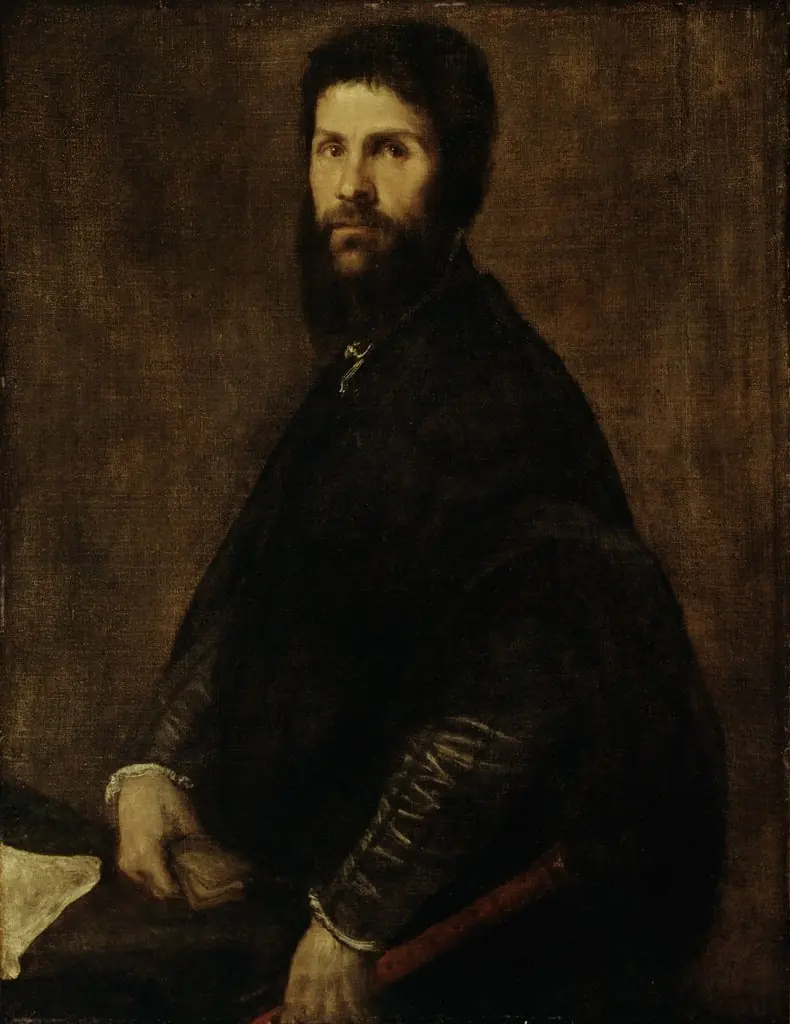
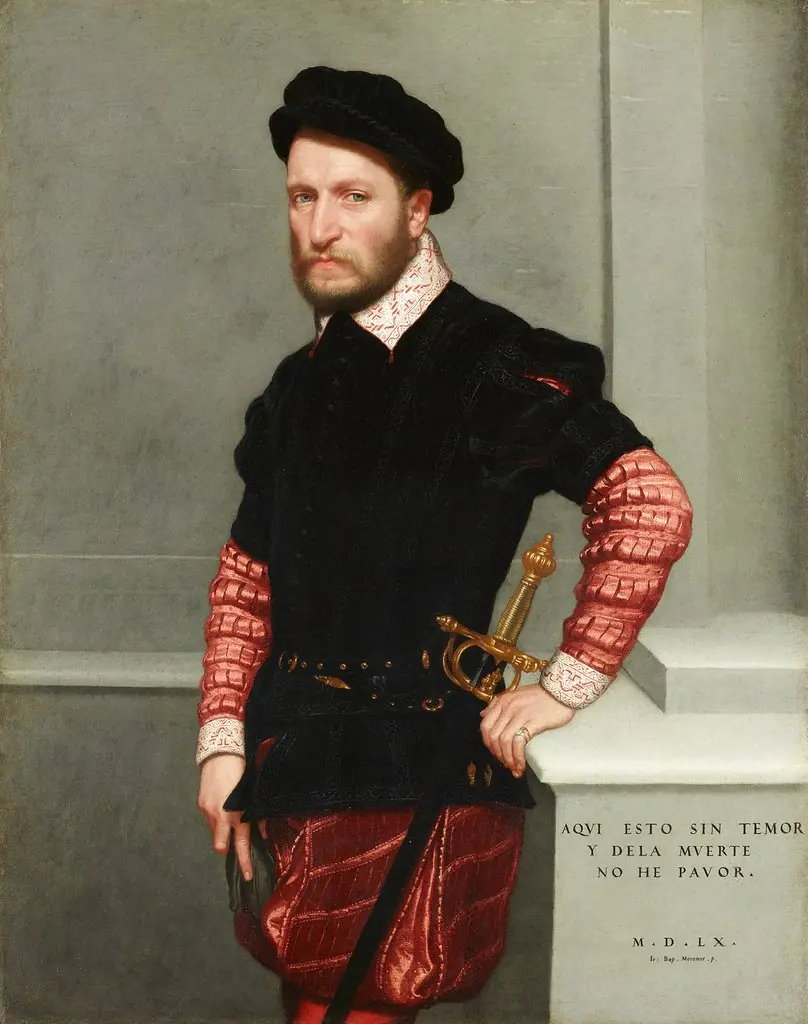
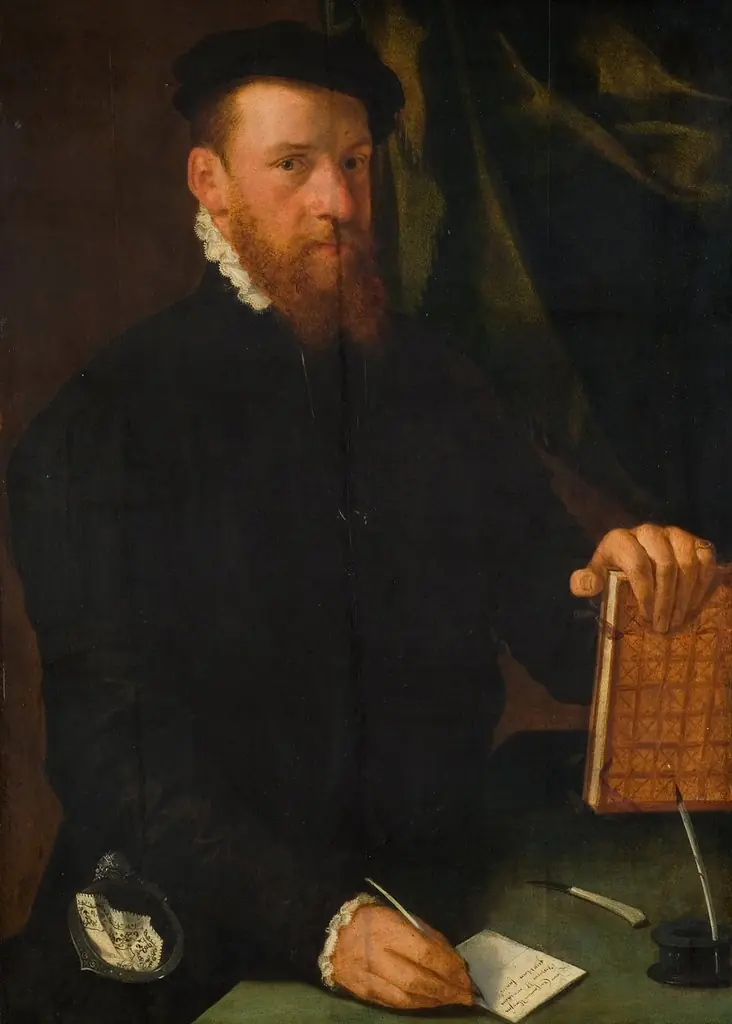
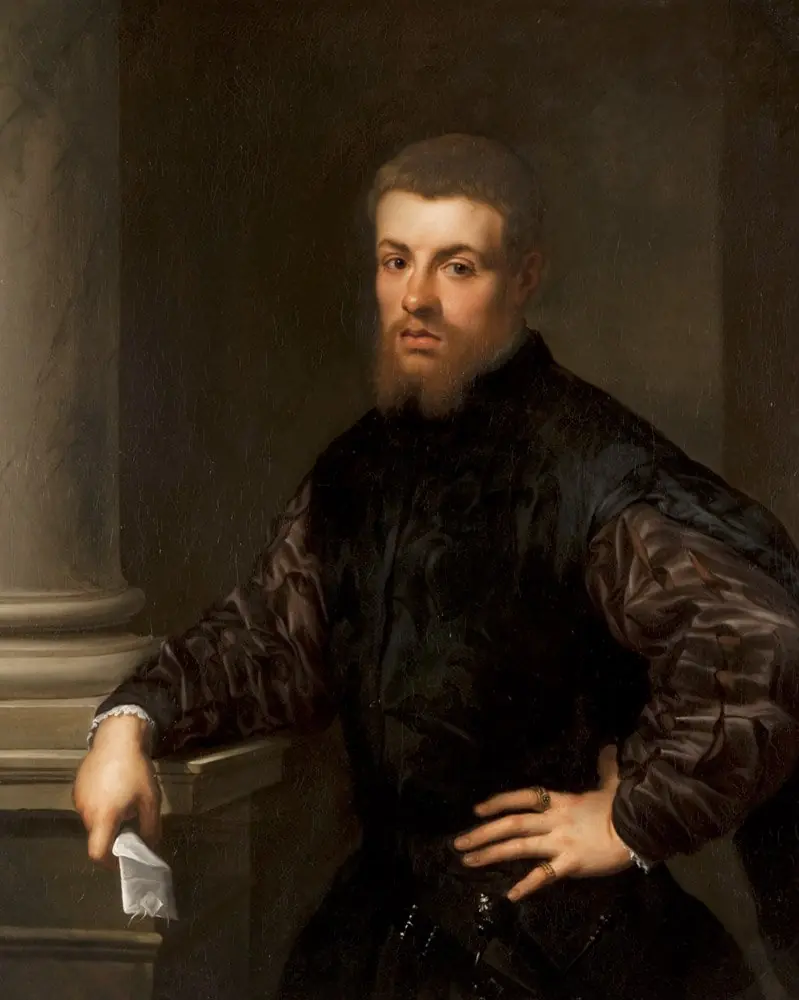
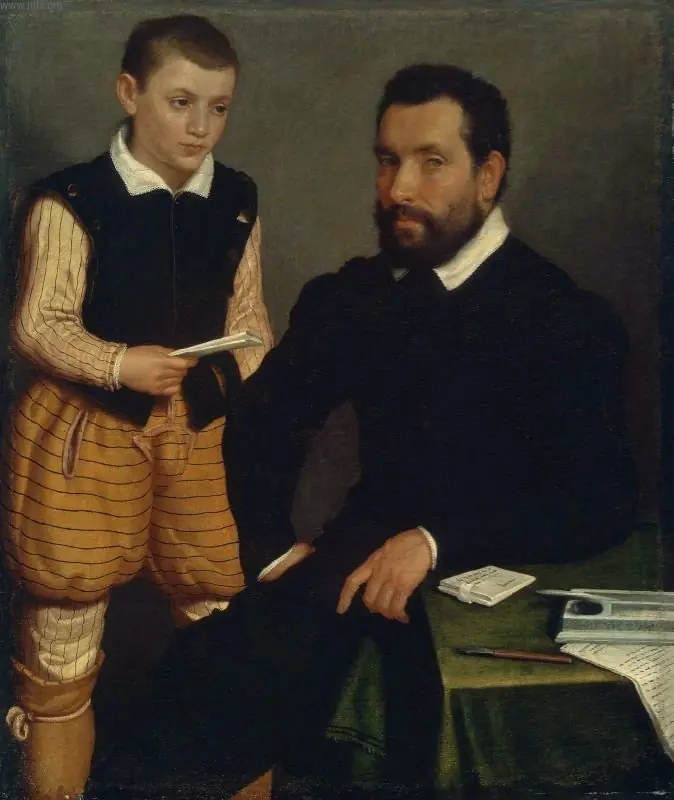
The Orator Giovan Pietro Maffeis (?) (1533-1603) is an oil painting by the Mannerist artist Giovanni Battista Moroni. It dates from 1563 and is held in the collection of the Kunsthistorisches Museum.
About this work
Overview
The sitter holds a letter in his right hand, while books and papers rest on the floor to his left, symbols of his intellectual and legal profession.
Painted in 1563 by Giovanni Battista Moroni, The Orator Giovan Pietro Maffeis is a definitive example of the artist's mature portraiture, characterized by psychological depth and precise realism. The half-length composition depicts a bearded man in a black robe with a stark white collar, standing against a rough stone wall with a window revealing a pale blue sky. The sitter holds a letter in his right hand, while books and papers rest on the floor to his left, symbols of his intellectual and legal profession. Moroni renders the textures of the fabric and the weathered stone with meticulous attention, avoiding idealization to present a dignified, unembellished likeness. The work exemplifies the Lombard school's focus on individual character and social status, capturing the subject's serious demeanor and the quiet authority of a learned man. Created during the height of Moroni's career in Bergamo, the painting reflects the Counter-Reformation era's preference for sober, truthful representation over Mannerist artifice. The inclusion of specific attributes like the letter and books anchors the portrait in the sitter's daily life, offering a glimpse into the identity of a 16th-century Italian orator.
Subject & Meaning
Maffei is shown with a dark beard, white clerical collar and black robe, holding a folded document that suggests his role as a speaker or scholar. The presence of scattered books and papers on the floor reinforces his literary activity, while the solemn expression conveys the gravitas associated with public discourse in mid‑sixteenth‑century Italy.
Technique & Style
Moroni employs a pronounced chiaroscuro, lighting the sitter’s face from the left to model his features against a dark, stone‑wall background. The contrast between illuminated flesh and deep shadows creates a sense of volume and immediacy, a hallmark of Moroni’s naturalistic portraiture that balances realism with a subtle theatricality.
History & Provenance
The painting was executed in 1563, likely commissioned by Maffei or his patrons to commemorate his scholarly achievements. It entered the Austrian imperial collection in the 18th century and was transferred to the Kunsthistorisches Museum, where it has remained on public display since the museum’s foundation.
Context
Moroni’s portrait aligns with the broader trend of Northern Italian court portraiture that emphasized individual character over idealized symbolism. By portraying Maffei in a modest interior rather than an elaborate setting, the work reflects the humanist emphasis on personal merit and intellectual labor prevalent in the post‑Council of Trent era.
Own this work as a print
Artist & collection
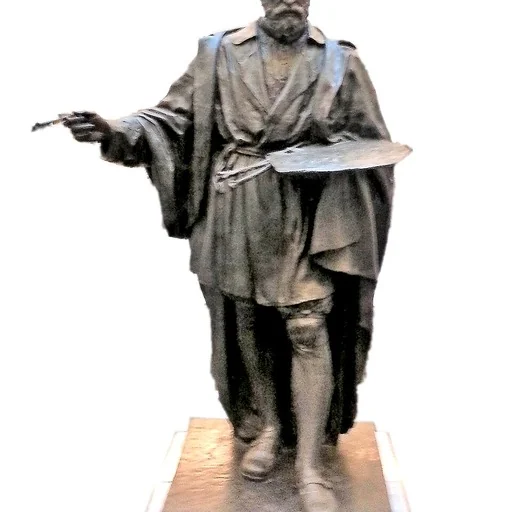
Artist
Giovanni Battista Moroni, also known as Giambattista Moroni was an Italian painter of the Mannerist school.

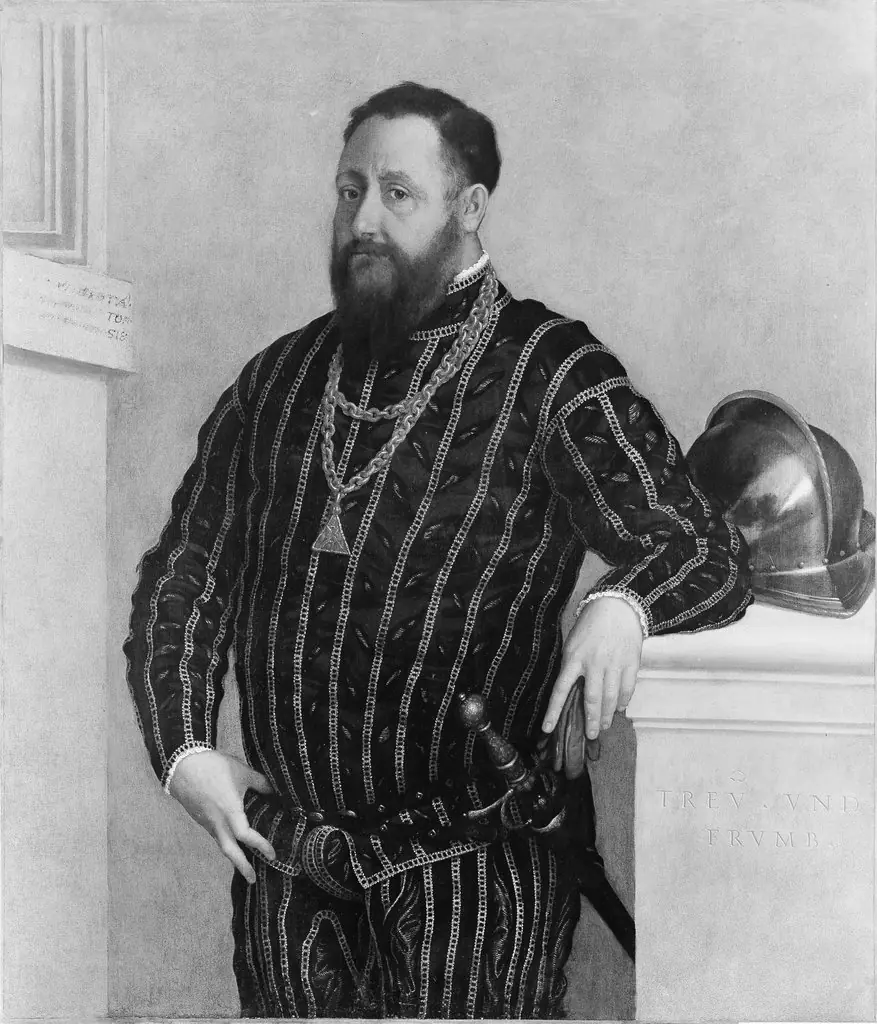 Portrait of a Man
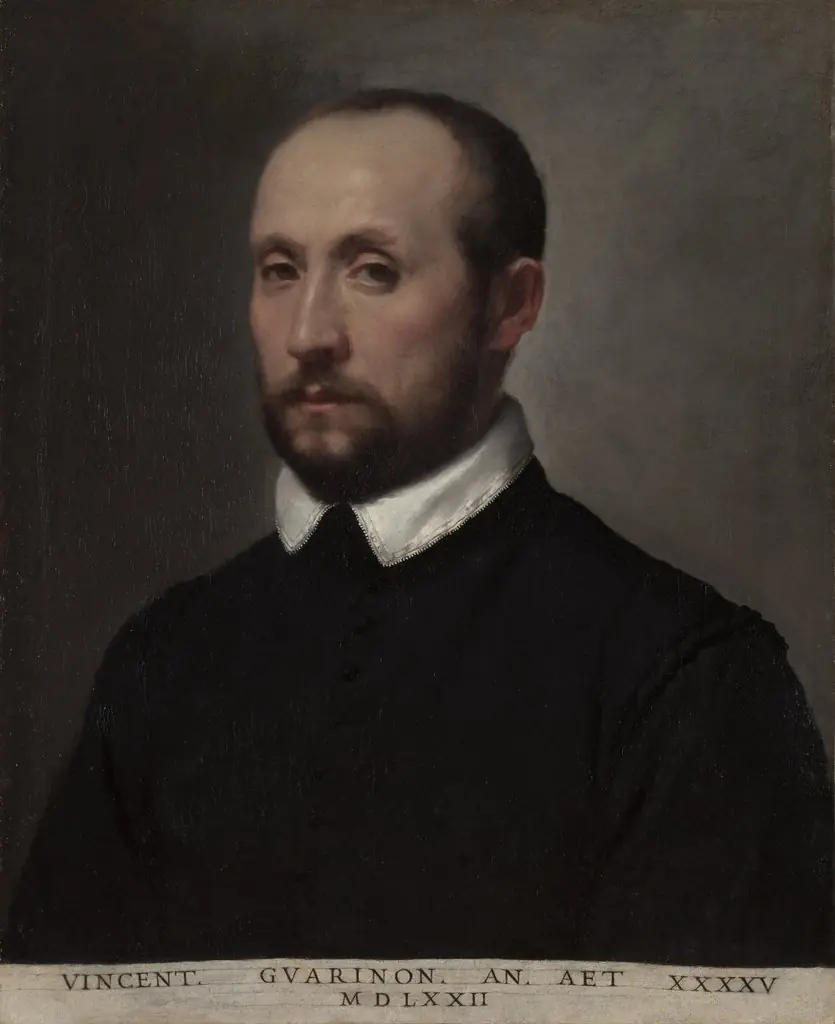 Portrait of Vincenzo Guarignoni
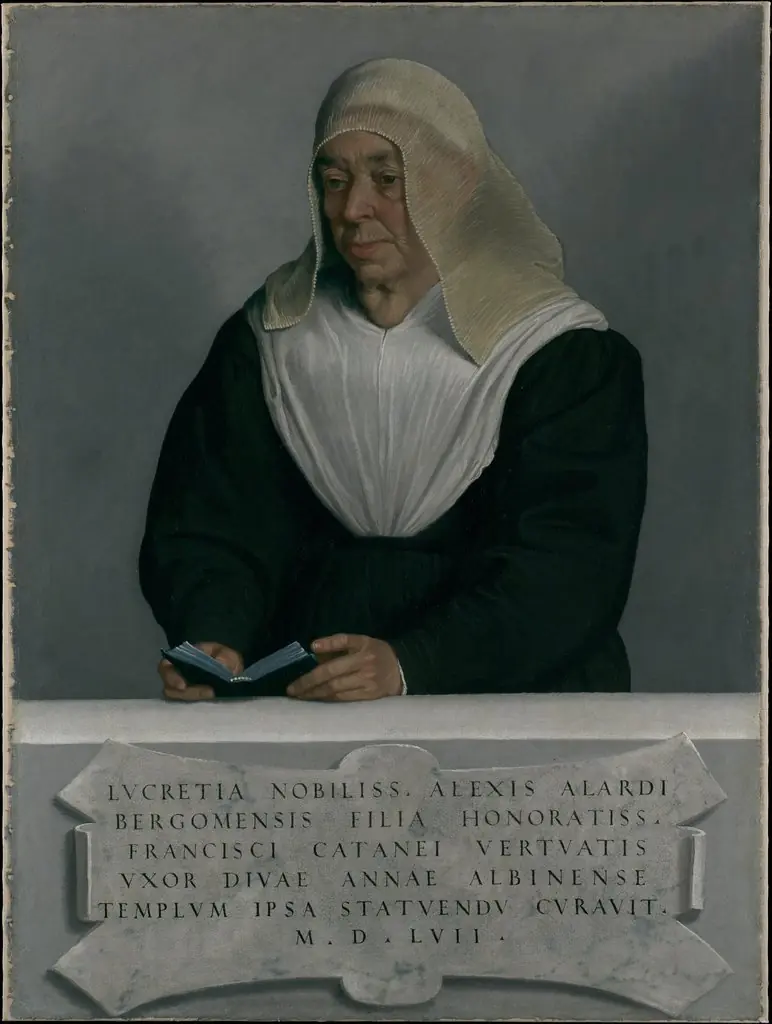 Abbess Lucrezia Agliardi Vertova (1490?–1558)
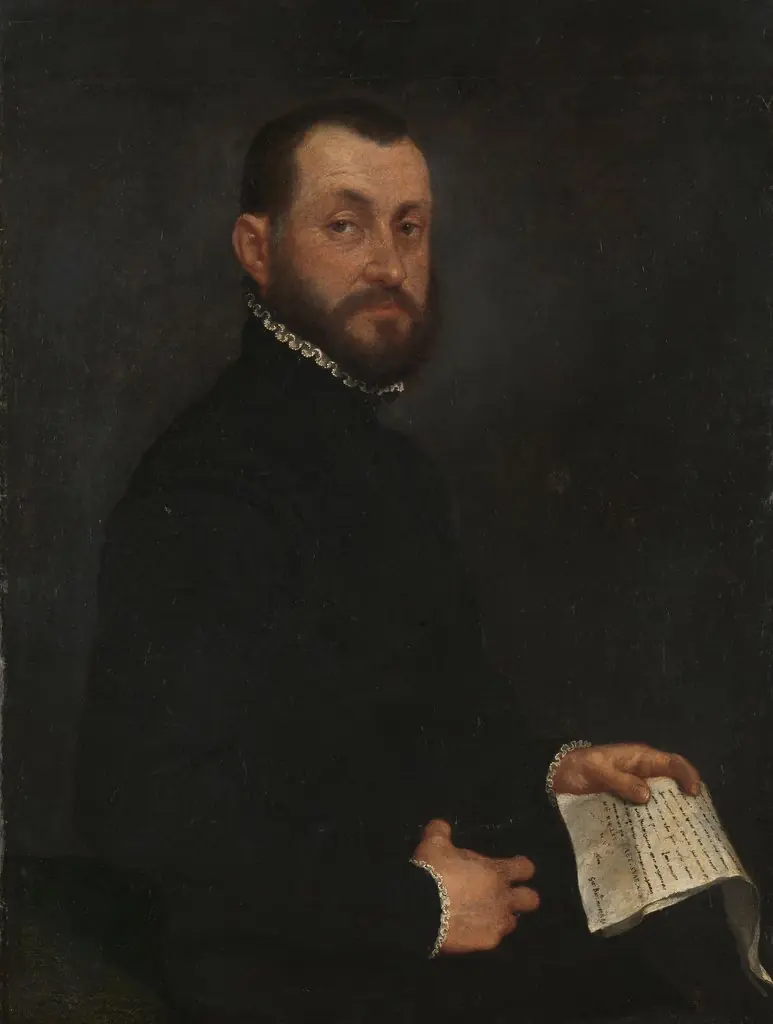 Portrait of a Man
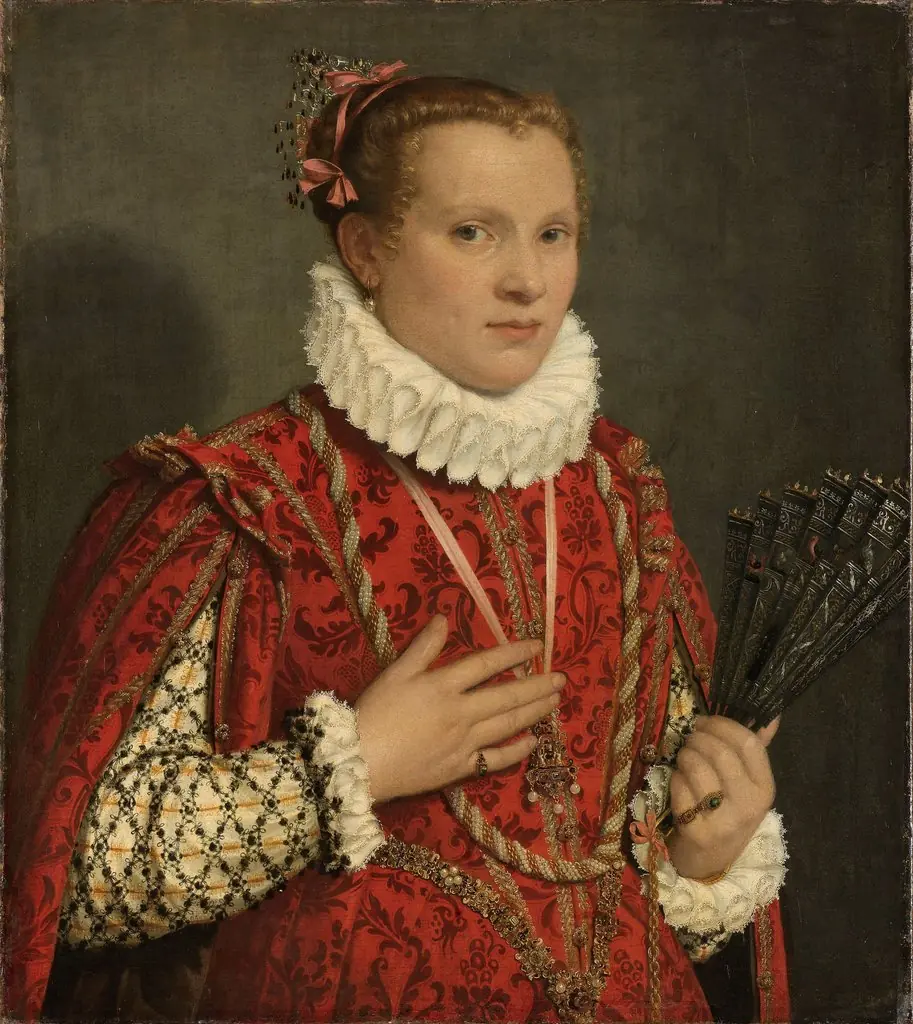 Portrait of a young Woman
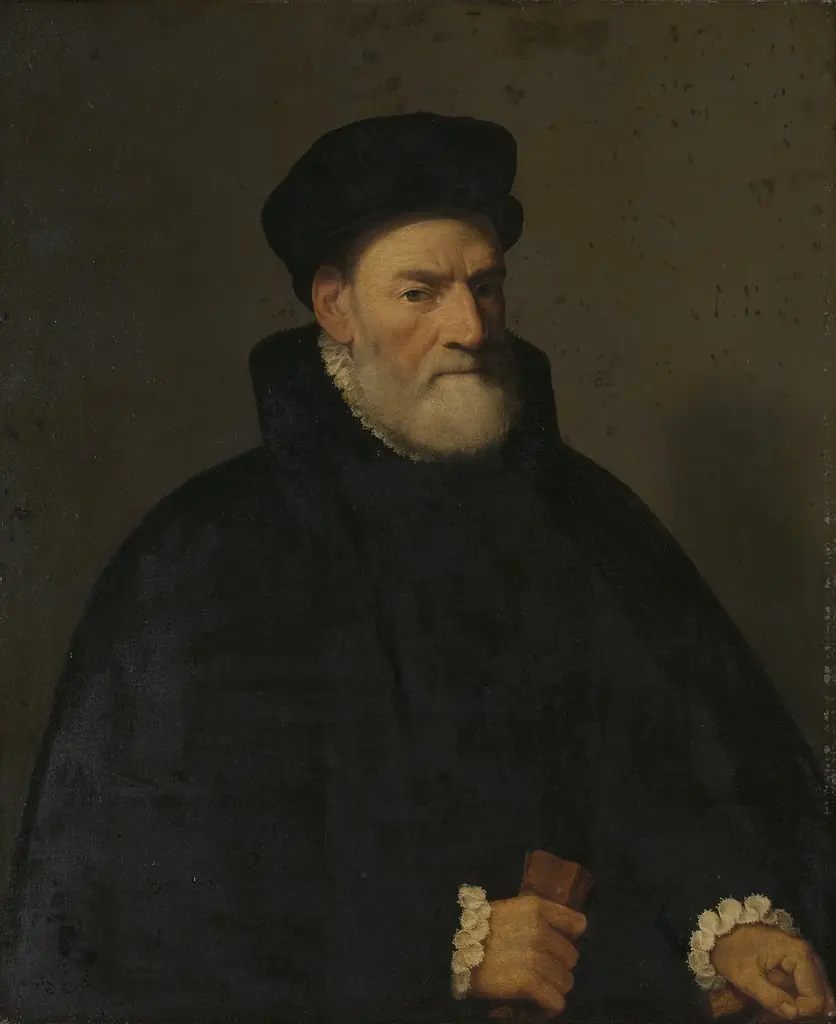 Portrait of an Old Man, probably Vercellino Olivazzi, Senator from Bergamo
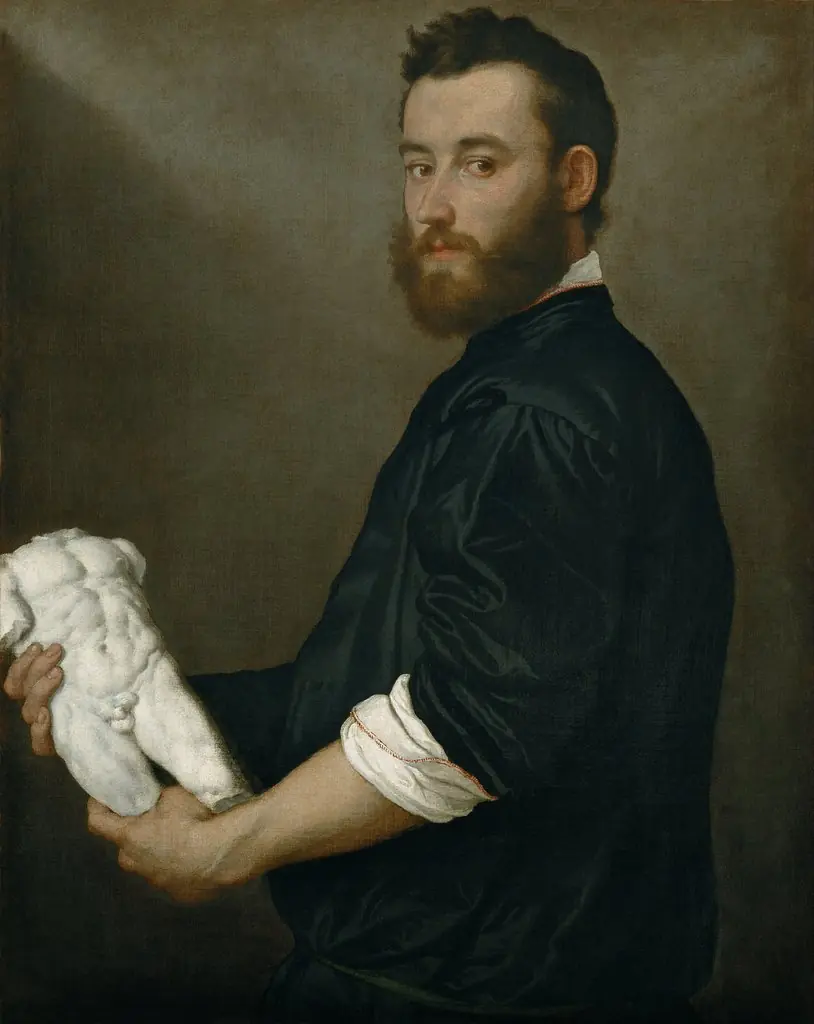 Portrait of the sculptor Alessandro Vittoria
 Portrait of a Man and a Boy (Count Alborghetti & Son)