Artwork
Salvator Mundi
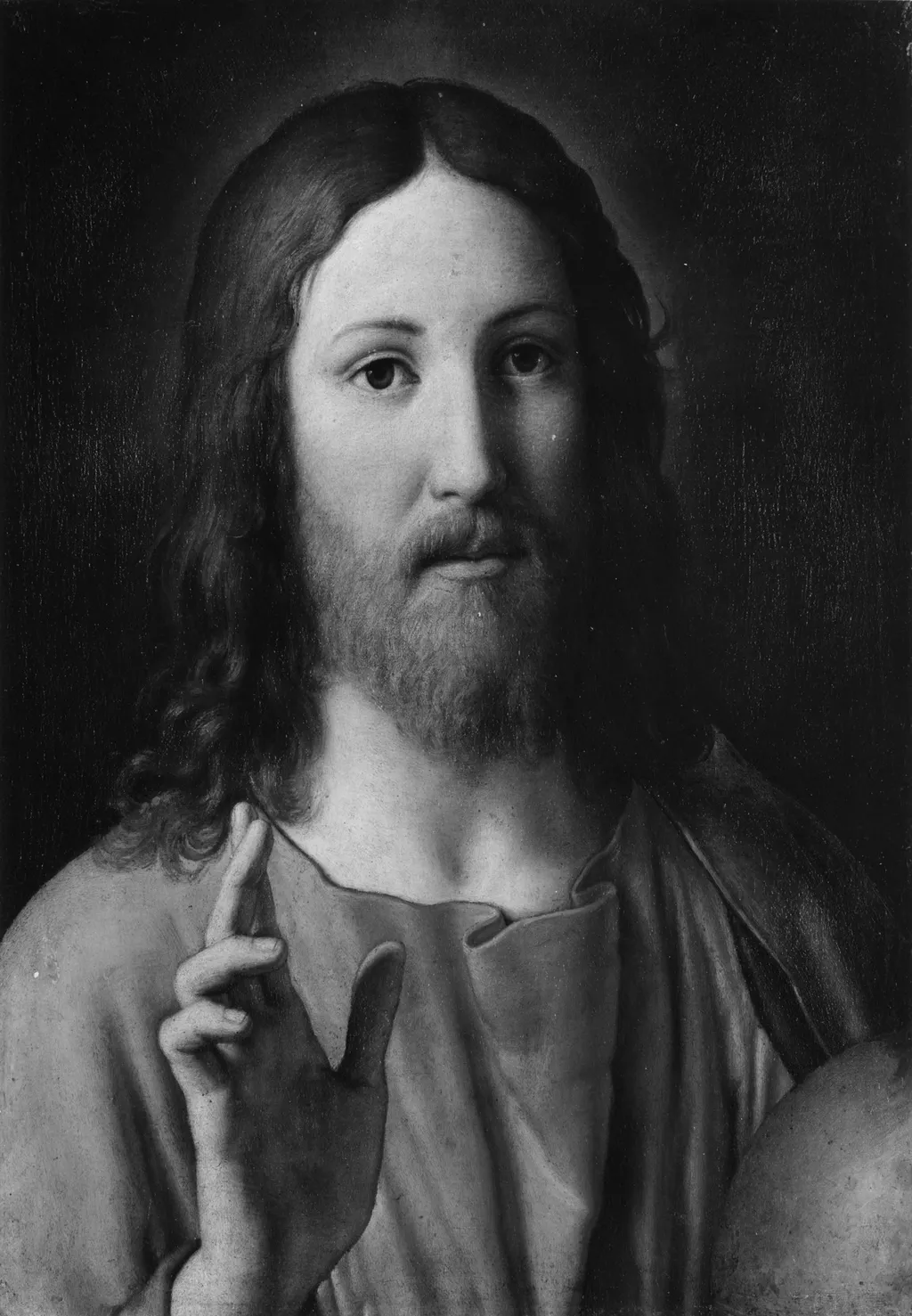
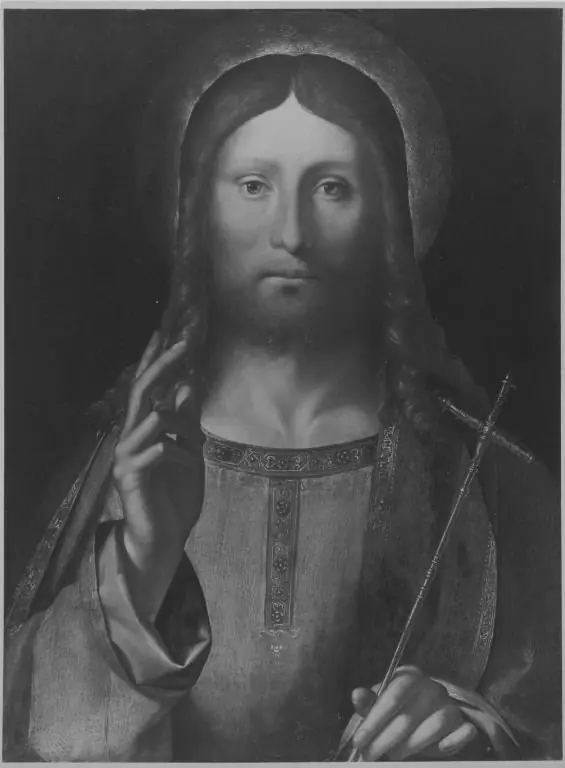
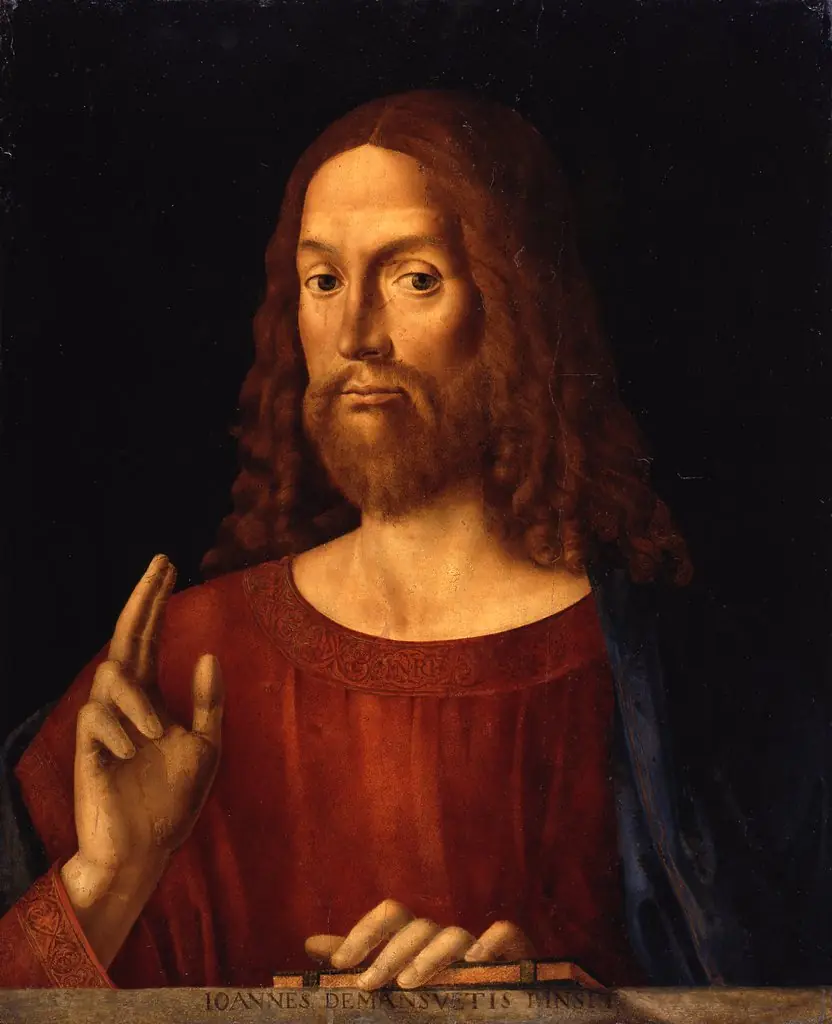
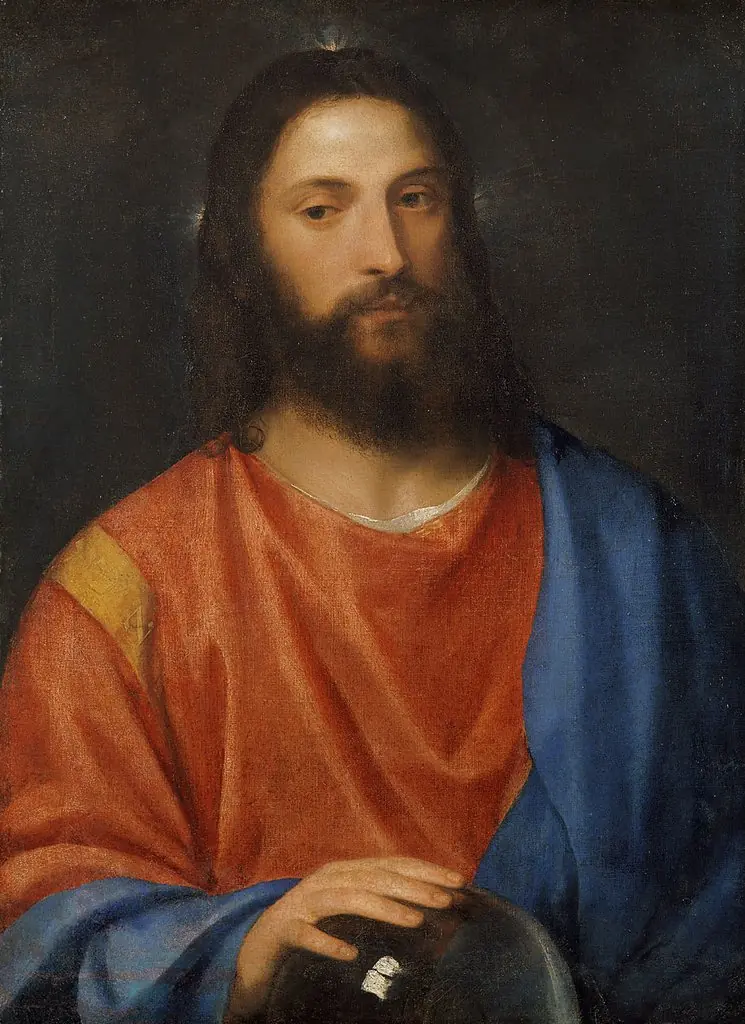
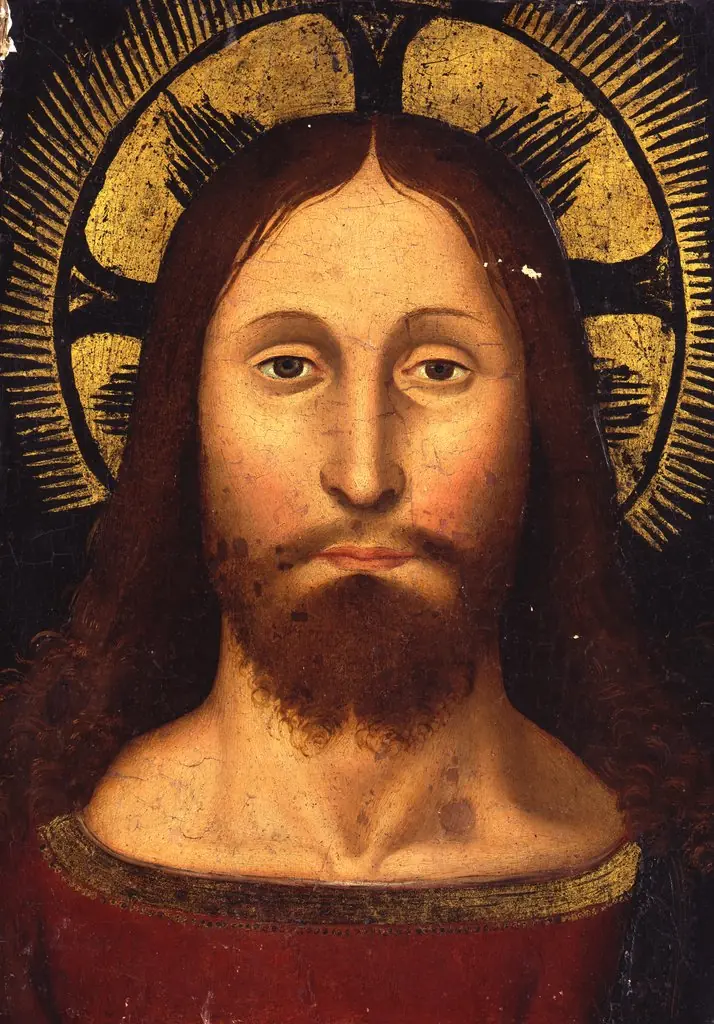
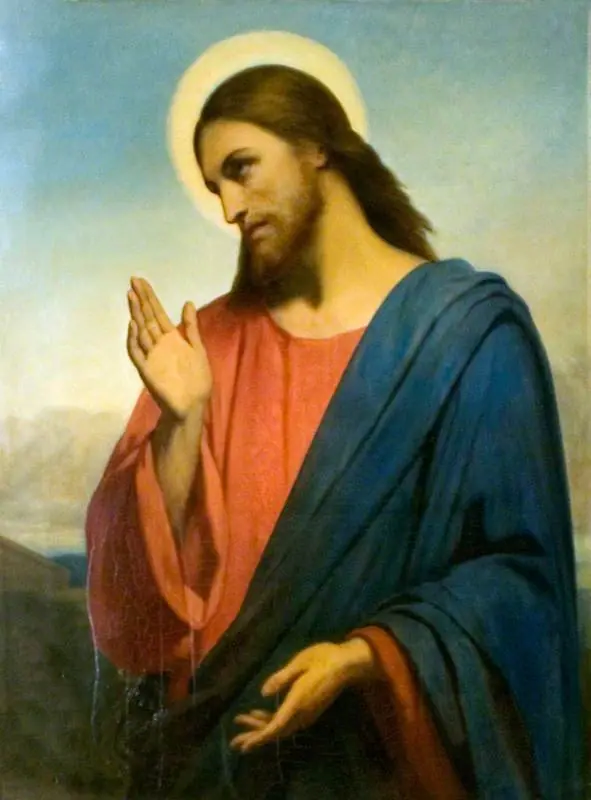
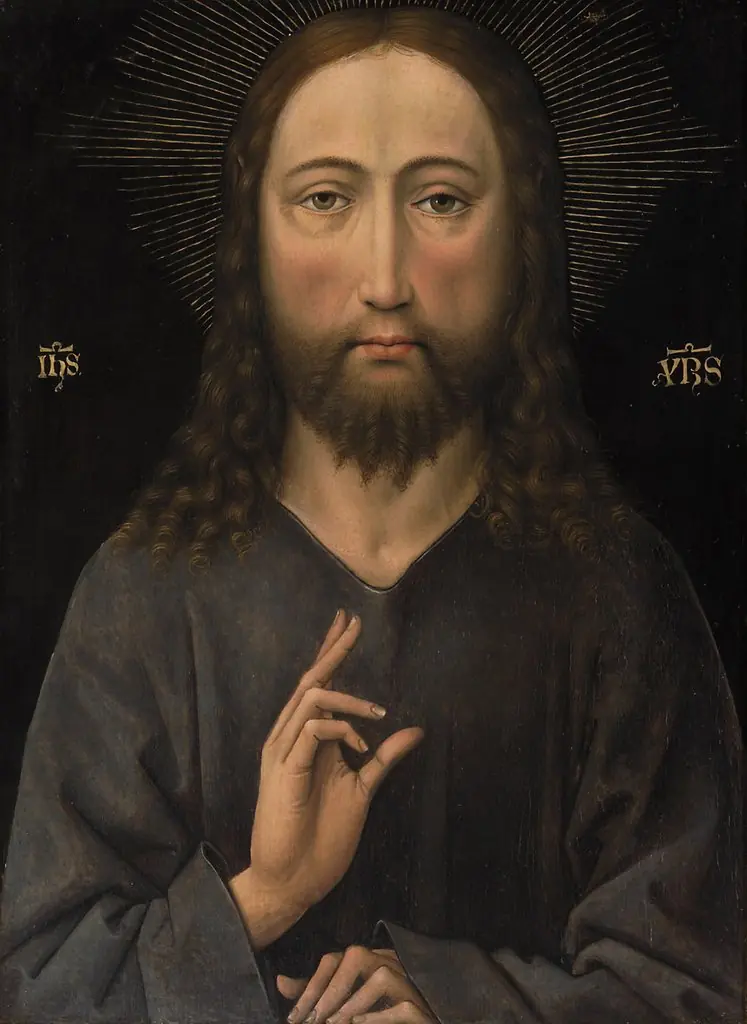
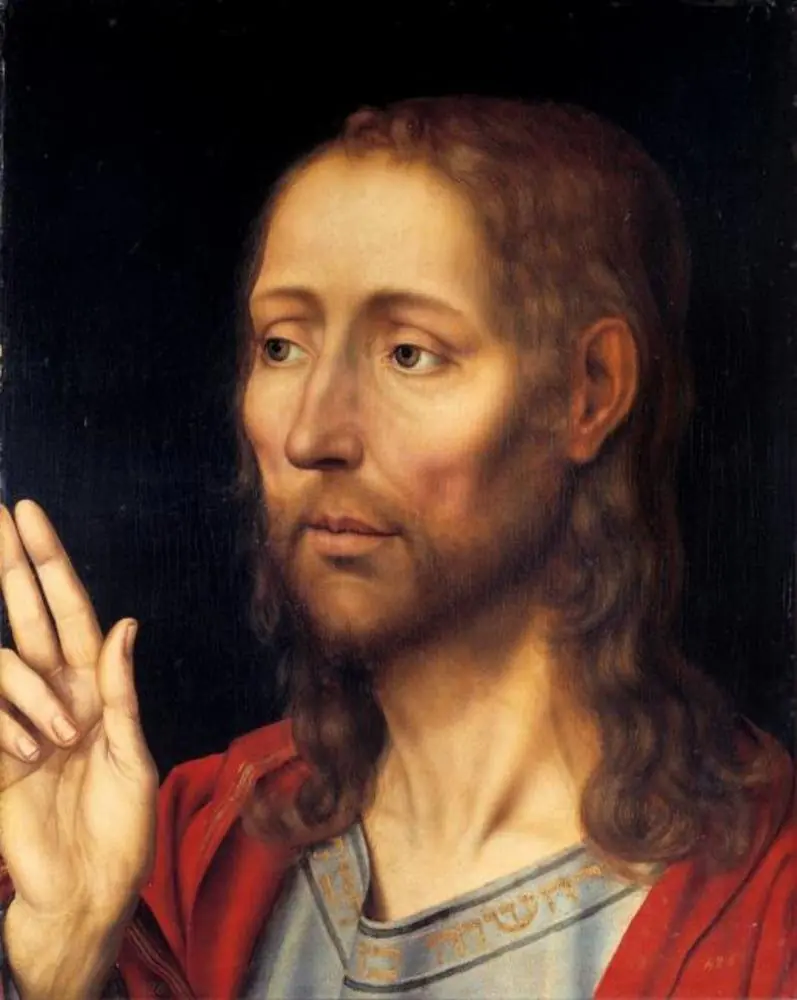
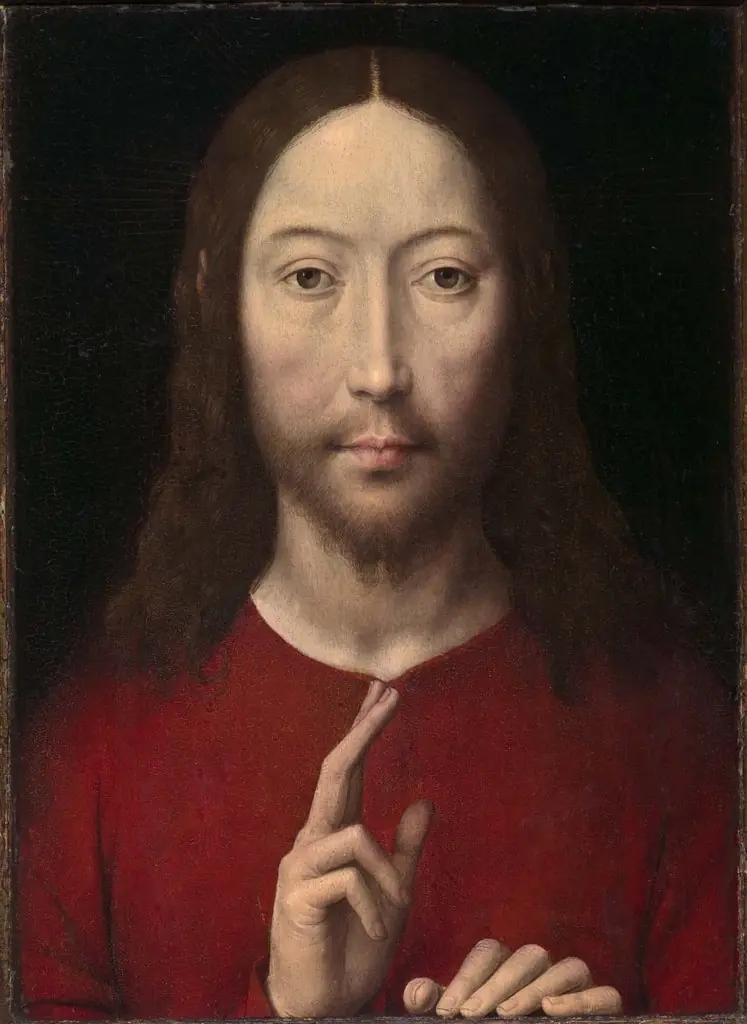
Salvator Mundi is an oil painting by the High Baroque Italian artist Giovanni Battista Salvi da Sassoferrato. It dates from 1650 and is held in the collection of the Walters Art Museum.
About this work
Overview
Executed in the High Baroque era, the painting reflects the artist’s deep engagement with Renaissance ideals, particularly the serene compositions of Raphael.
Painted around 1650 by Giovanni Battista Salvi da Sassoferrato, this oil-on-canvas work presents Christ as Salvator Mundi, or Savior of the World. Executed in the High Baroque era, the painting reflects the artist’s deep engagement with Renaissance ideals, particularly the serene compositions of Raphael. It is part of the Walters Art Museum’s permanent collection, where it continues to be studied for its devotional tone and refined technique.
Subject & Meaning
The figure of Christ is depicted from the chest upward, bearded and with long, flowing hair, embodying traditional iconography of the divine ruler. His right hand is raised in blessing, while his left cradles a crystal globe, signifying dominion over the earthly realm. The calm expression and direct gaze invite quiet contemplation, reinforcing the painting’s purpose as an object of private devotion rather than public spectacle.
Technique & Style
Salvi employed subtle chiaroscuro to model Christ’s face and hands, lending them a soft three-dimensionality against a dark, undefined background. The brushwork is smooth and precise, avoiding dramatic contrasts in favor of gentle transitions. The drapery of the robe is rendered with delicate folds, echoing Raphael’s classical harmony. Color is restrained, dominated by muted earth tones and a pale, luminous skin tone that enhances the figure’s stillness.
History & Provenance
The painting was created during Salvi’s mature period in Italy, when he focused almost exclusively on religious subjects in a mannerist-Renaissance idiom. It entered the Walters Art Museum’s collection in the early 20th century, having passed through private European hands. Its attribution has remained consistent, with no evidence of significant alteration or restoration beyond normal aging of the varnish and paint layers.
Context
In mid-17th-century Italy, religious imagery remained central to artistic production, even as Baroque drama gained prominence. Salvi stood apart by rejecting theatricality, instead reviving the calm, idealized forms of the early 16th century. His work appealed to collectors seeking spiritual quietude amid the era’s growing complexity, positioning him as a conservative voice within a dynamic artistic landscape.
Legacy
Salvi’s *Salvator Mundi* exemplifies a sustained reverence for Raphael’s legacy in post-Renaissance Italy. Though less celebrated than his contemporaries, his quiet, devotional style influenced smaller-scale religious works in monastic and domestic settings. The painting endures as a testament to the persistence of classical ideals in an age increasingly defined by movement and emotion.
Own this work as a print
Artist & collection
Artist
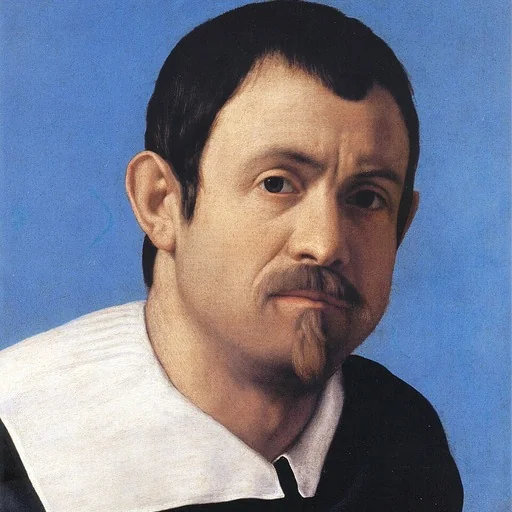
Giovanni Battista Salvi da Sassoferrato
Giovanni Battista Salvi da Sassoferrato (25 August 1609 – 8 August 1685), also known as Giovanni Battista Salvi, was an Italian Baroque painter, known for his archaizing commitment to Raphael's style.