Artwork
St. Joseph with Child Jesus
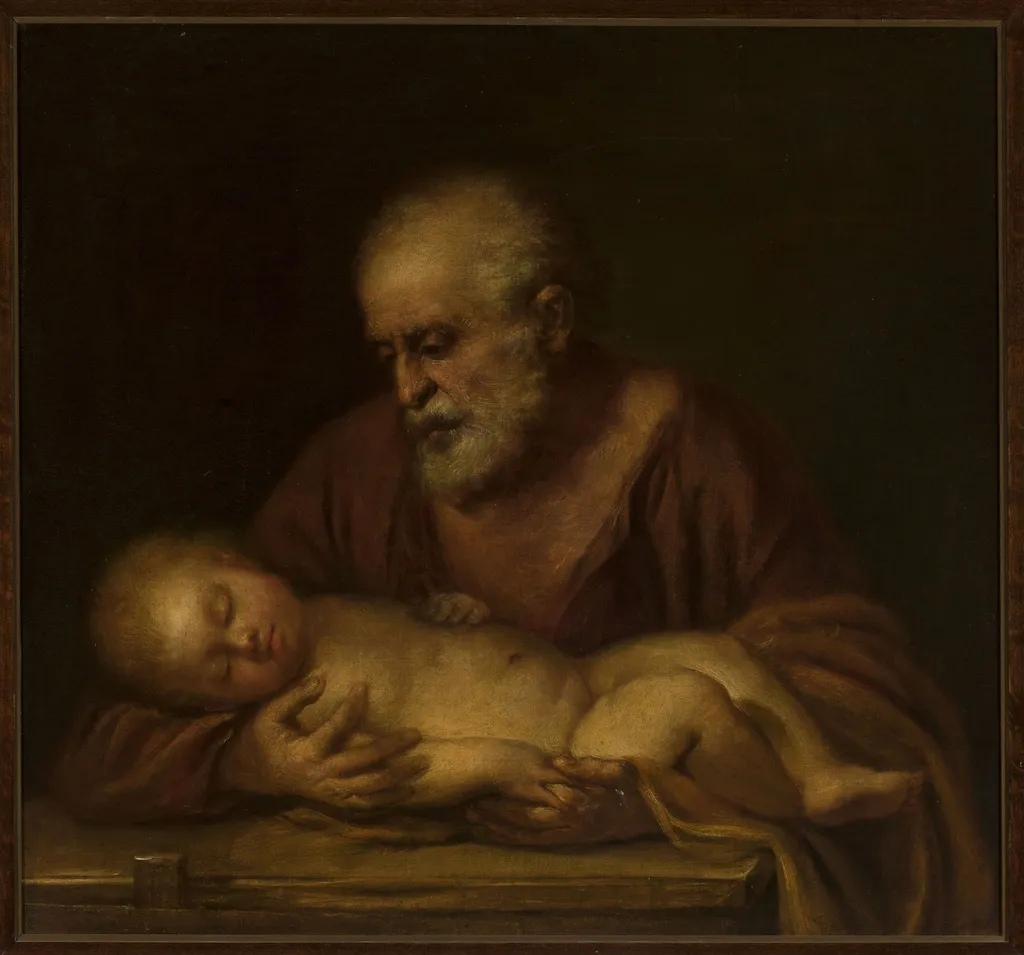
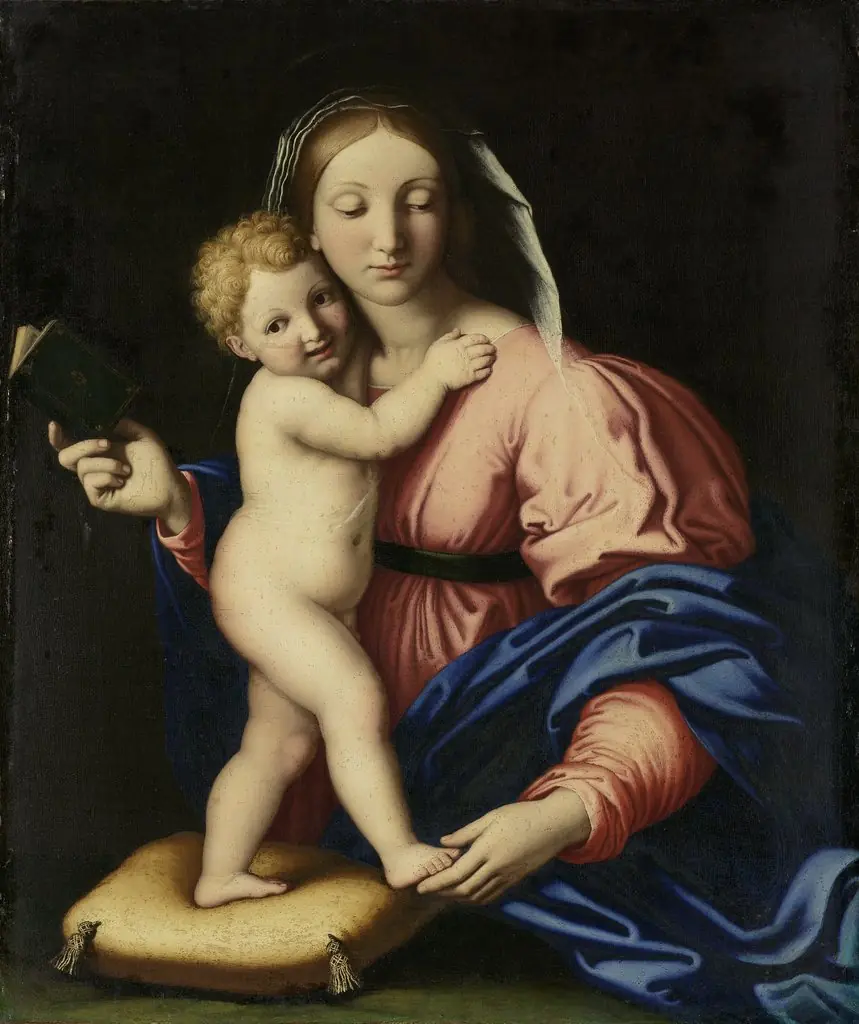
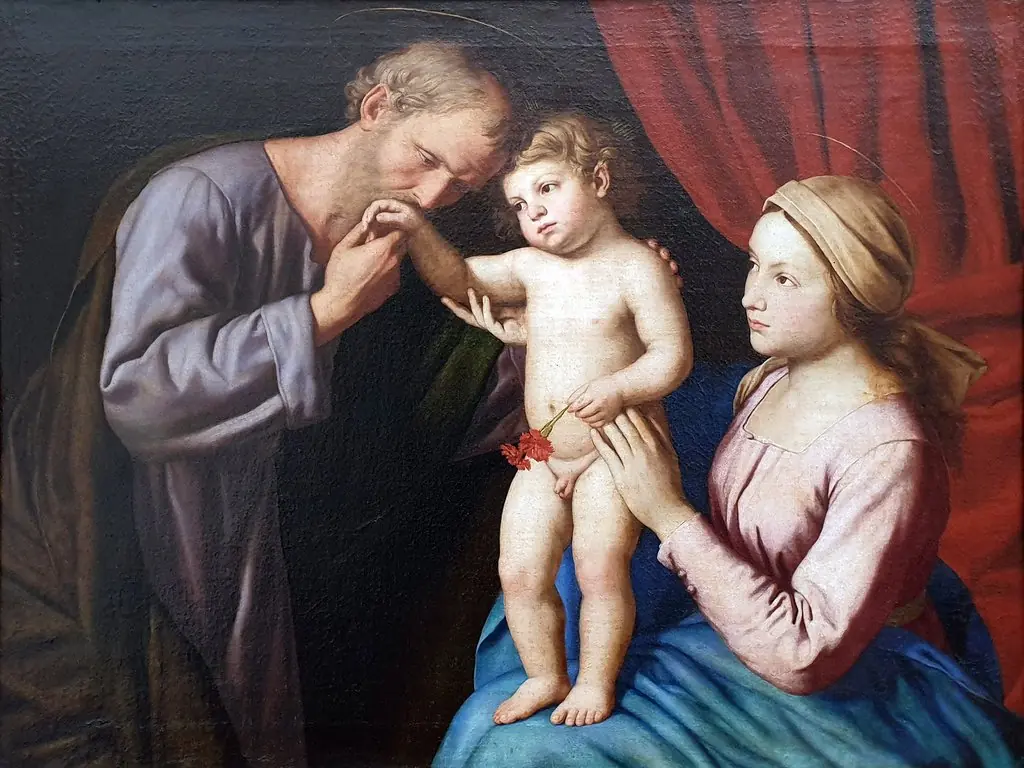
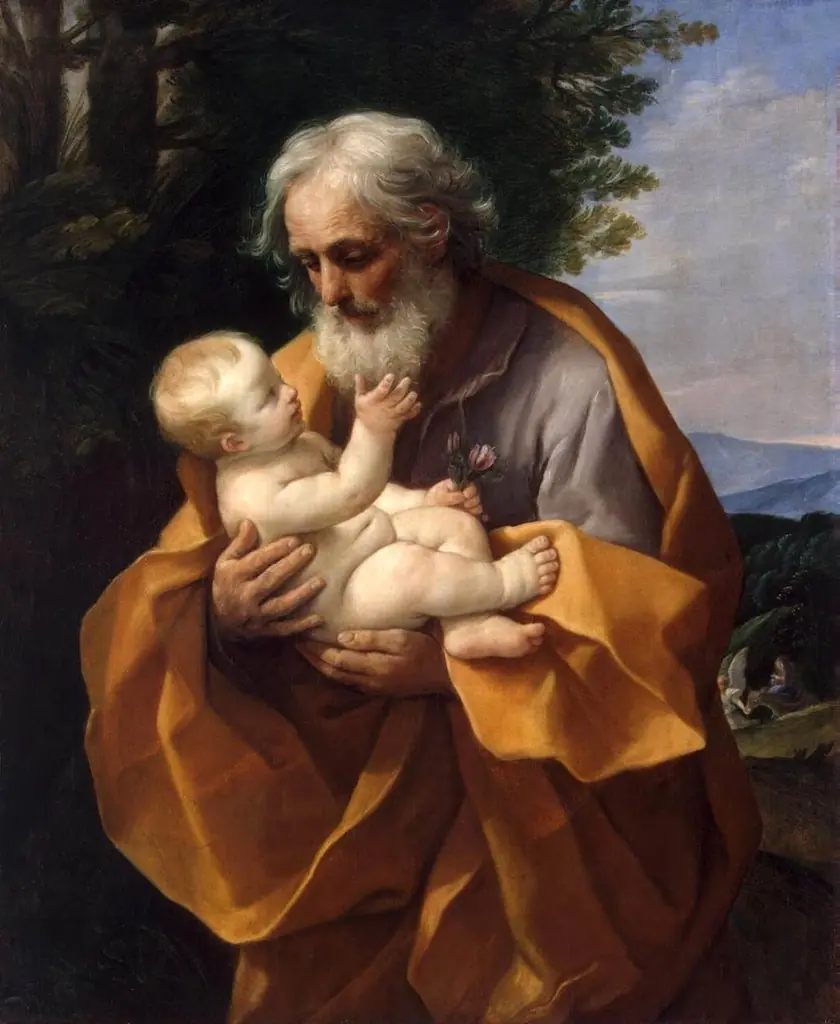
St. Joseph with Child Jesus is an oil painting by Giovanni Battista Salvi da Sassoferrato. It dates from 1657 and is held in the collection of the National Museum in Warsaw.
About this work
Overview
Painted around 1657 by Giovanni Battista Salvi da Sassoferrato, this oil-on-canvas work portrays Saint Joseph cradling the infant Jesus.
Painted around 1657 by Giovanni Battista Salvi da Sassoferrato, this oil-on-canvas work portrays Saint Joseph cradling the infant Jesus. Known for his deliberate revival of High Renaissance aesthetics, Sassoferrato avoided the theatricality of his Baroque contemporaries. The painting’s quiet composition and restrained emotion reflect his preference for classical harmony over dramatic intensity. It resides today in the National Museum in Warsaw.
Subject & Meaning
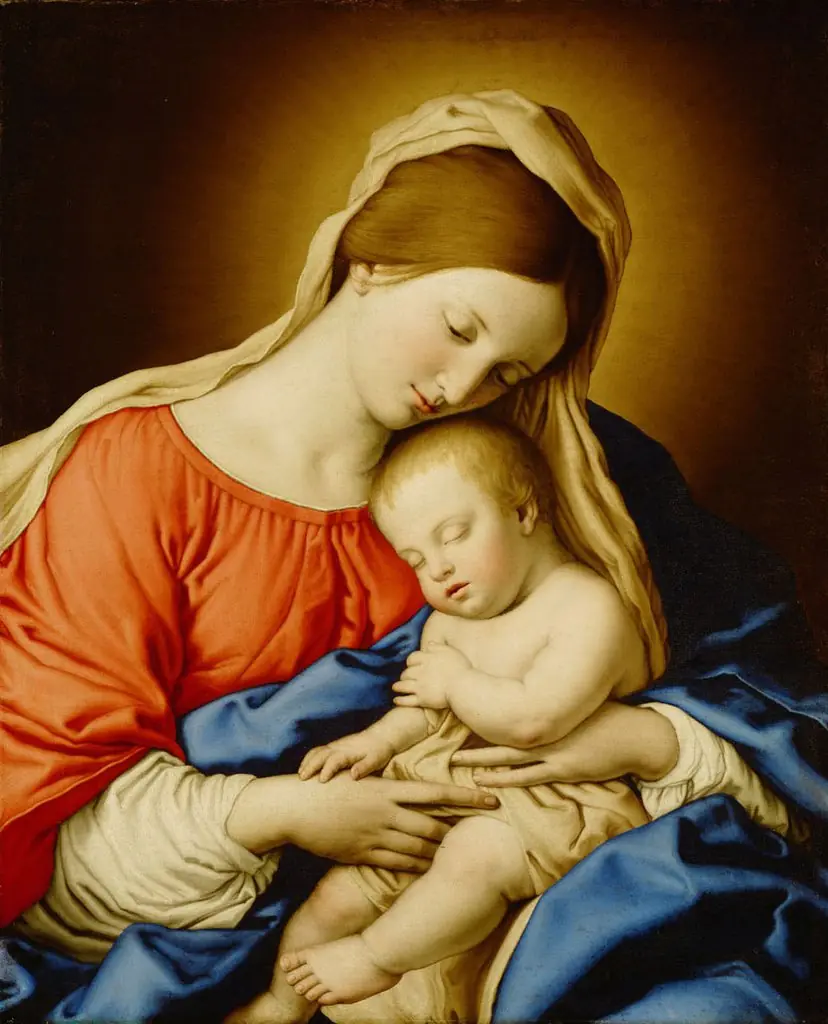
The scene captures a private, contemplative moment between Joseph and the sleeping Christ Child. Joseph’s aged face and gentle grip convey protective devotion, while the child’s relaxed posture suggests innocence and vulnerability. The absence of traditional symbols—like halos or attributes—focuses attention on the human bond between father and son, emphasizing tenderness over theological narrative.
Technique & Style
Sassoferrato employed chiaroscuro to model the figures with soft, sculptural volume, using subtle gradations of light to define form against a dark, indeterminate background. His brushwork is smooth and precise, avoiding visible texture in favor of a polished surface reminiscent of Raphael’s early works. The restrained palette and controlled lighting enhance the intimacy of the scene, aligning with his archaizing aesthetic.
History & Provenance
The painting entered the National Museum in Warsaw’s collection in the 19th century, though its earlier ownership remains undocumented. It was likely acquired during a period of increased interest in Italian Renaissance and post-Renaissance devotional art. Sassoferrato’s reputation as a faithful interpreter of Raphael’s style contributed to its preservation and recognition among collectors of classical-leaning religious imagery.
Context
In mid-17th century Italy, many artists embraced the dynamism of the Baroque, but Sassoferrato turned instead to the serene ideals of the early 1500s. His work appealed to patrons seeking spiritual stillness amid religious turmoil. This painting reflects a broader counter-current in Catholic art—valuing quiet devotion over spectacle—particularly in devotional settings where contemplation was encouraged.
Legacy
Though overshadowed by more flamboyant Baroque figures, Sassoferrato’s oeuvre influenced later 18th-century collectors and artists drawn to classical restraint. His *St. Joseph with Child Jesus* remains a representative example of his consistent return to Renaissance models. Today, it stands as a quiet testament to an artistic philosophy that prioritized emotional sincerity over theatrical effect.
Artist & collection
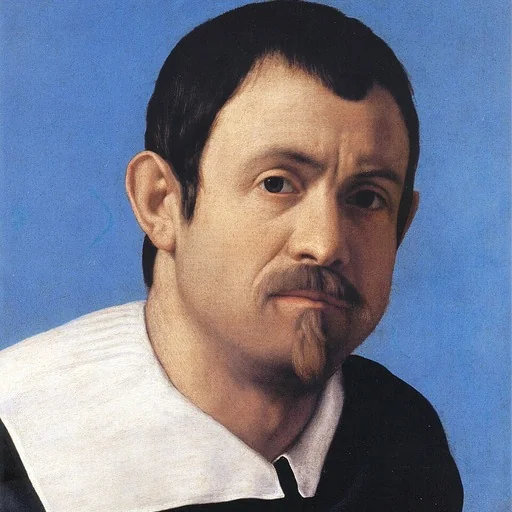
Artist
Giovanni Battista Salvi da Sassoferrato
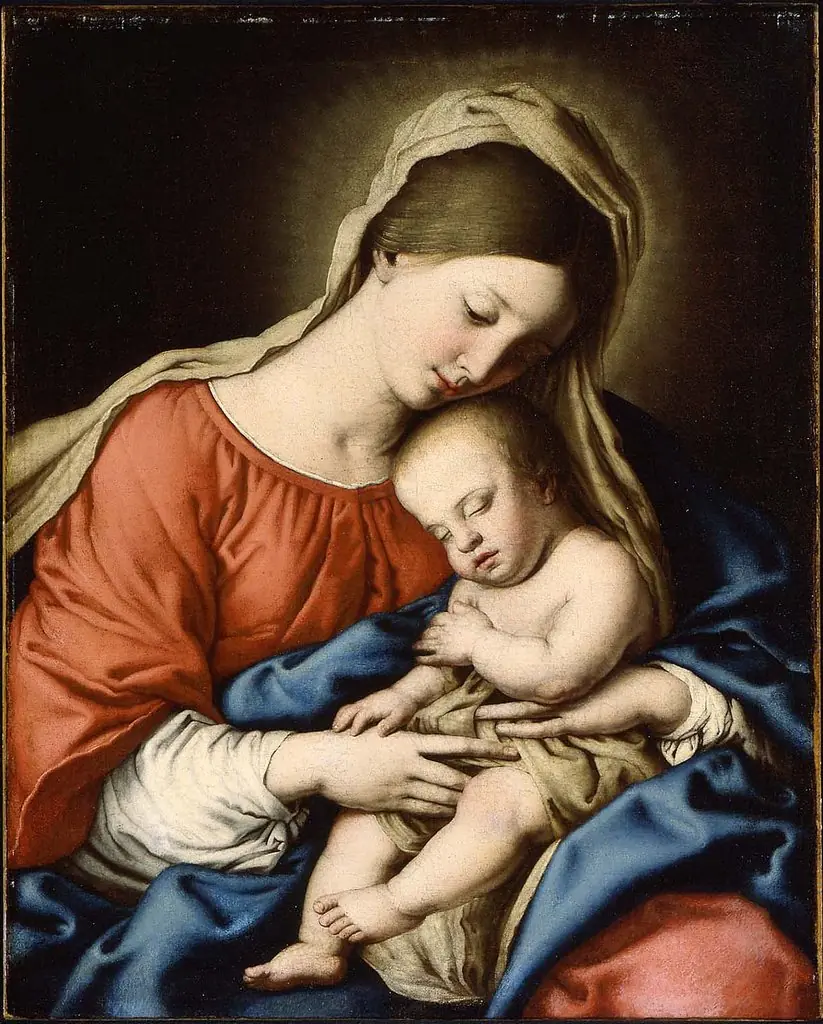
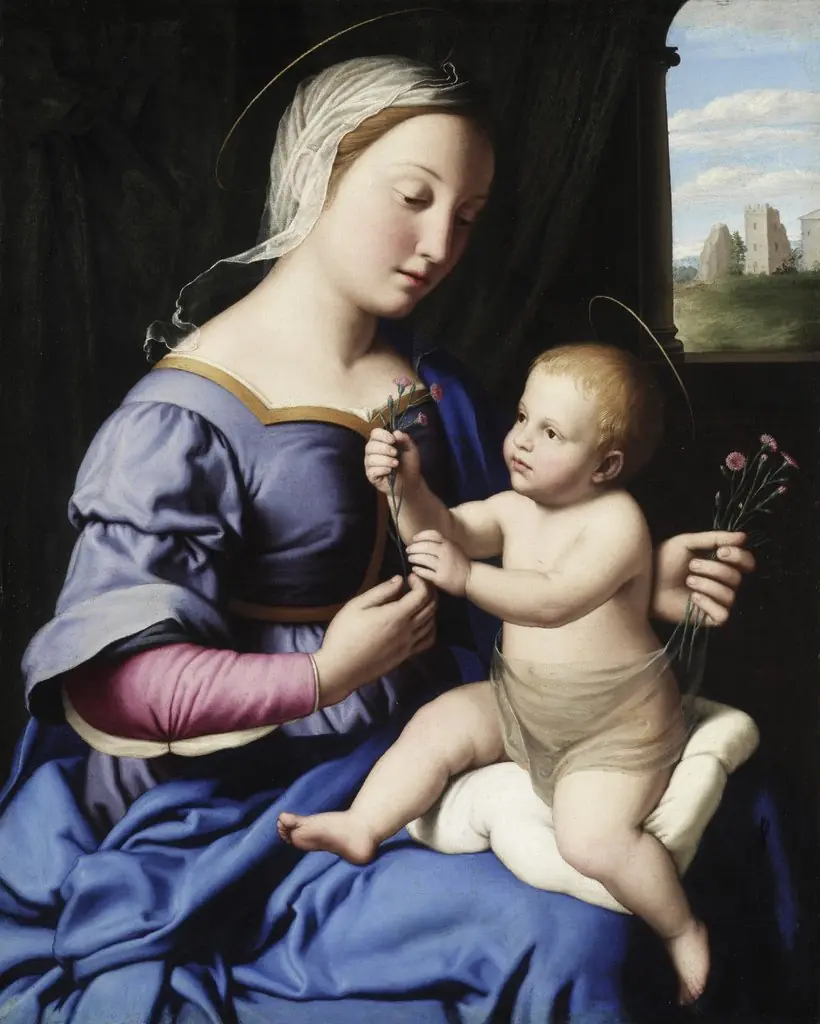
Giovanni Battista Salvi da Sassoferrato (25 August 1609 – 8 August 1685), also known as Giovanni Battista Salvi, was an Italian Baroque painter, known for his archaizing commitment to Raphael's style.