Artwork
Virgin and Child
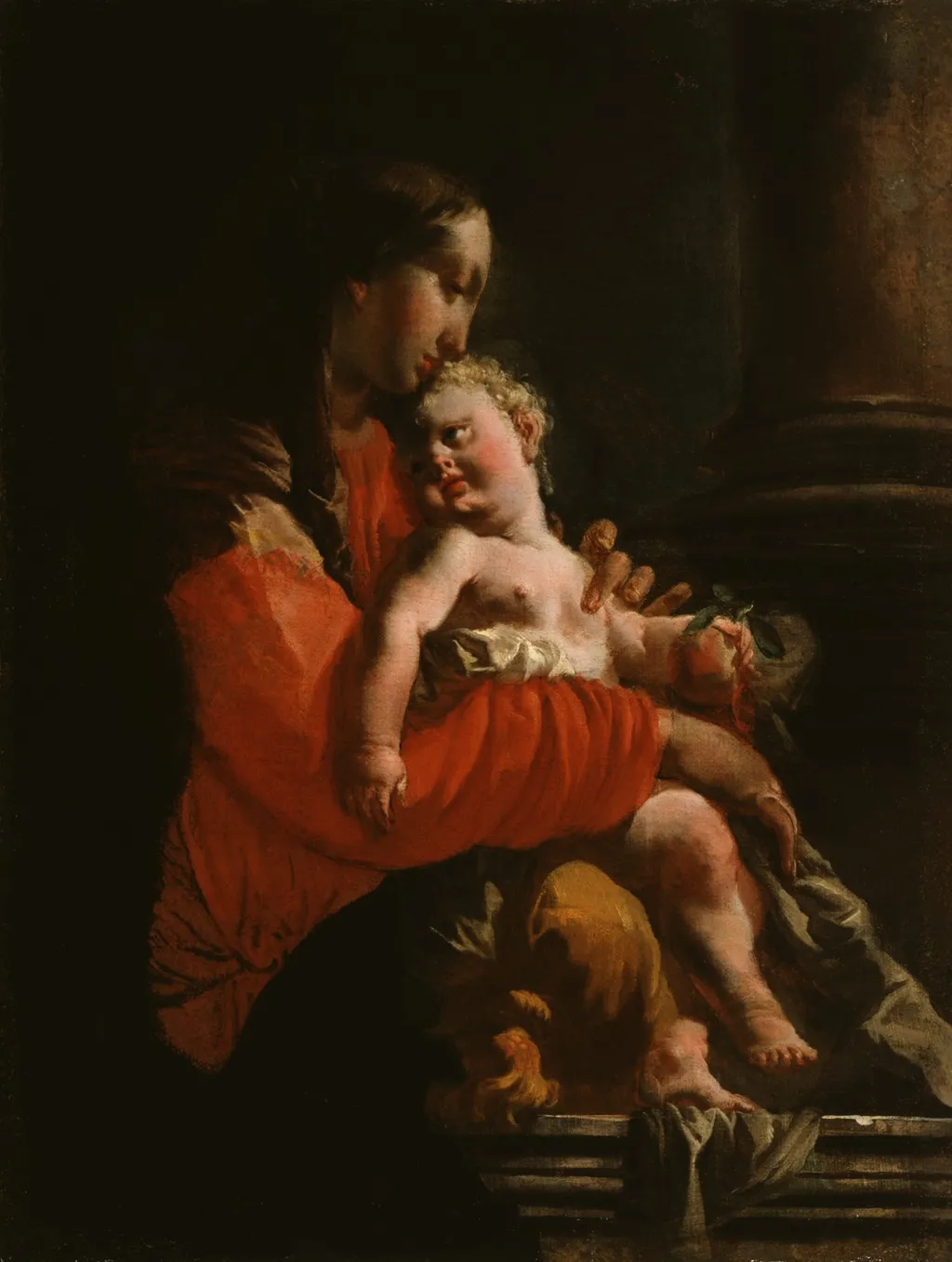
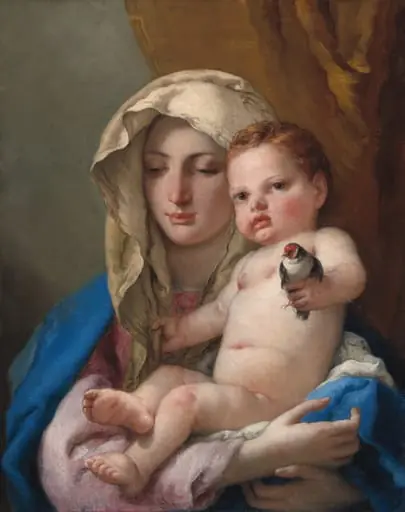
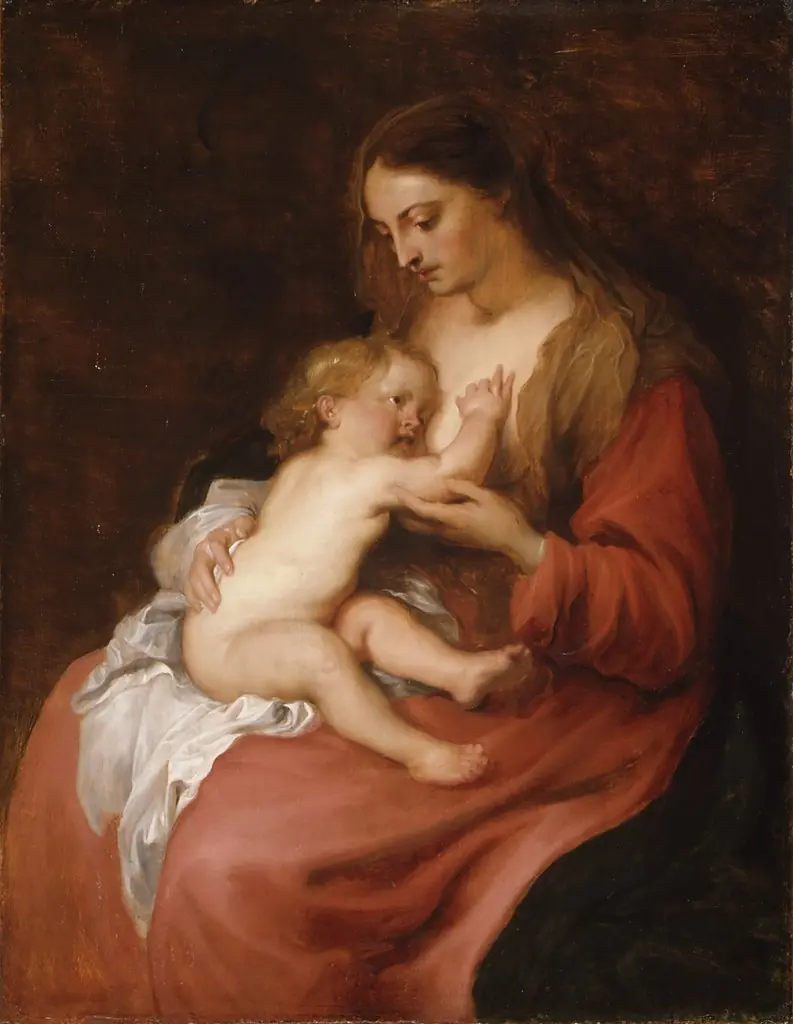
Virgin and Child is an oil painting by the Baroque artist Giovanni Battista Tiepolo. It dates from 1720 and is held in the collection of the Walters Art Museum.
About this work
Overview
The painting is part of the Walters Art Museum’s collection, where it is displayed as an example of early 18th-century Venetian devotional art.
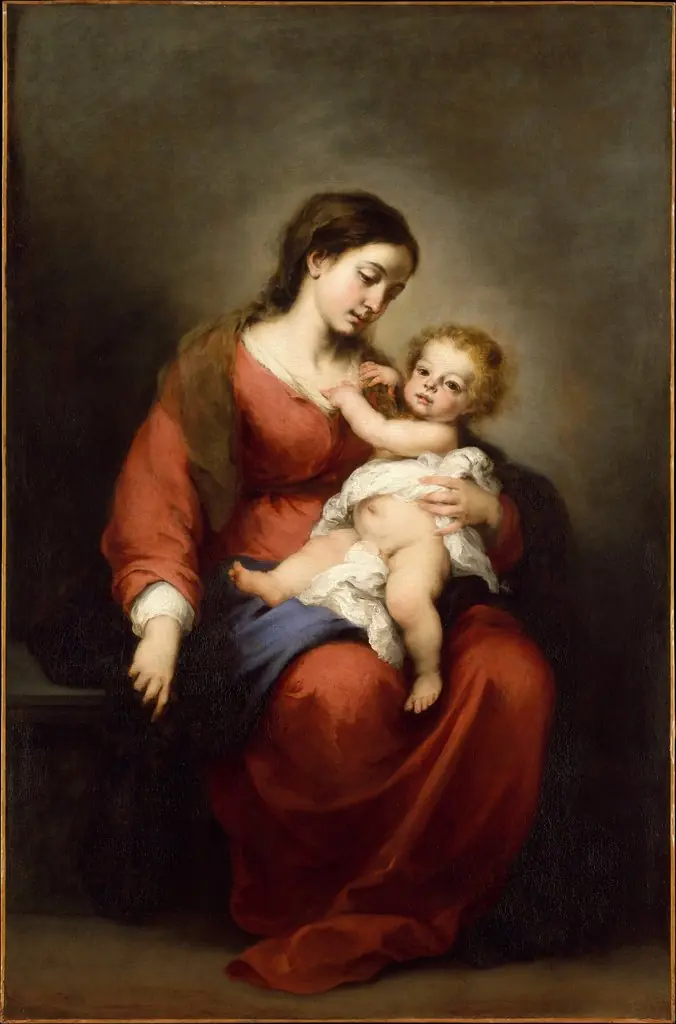
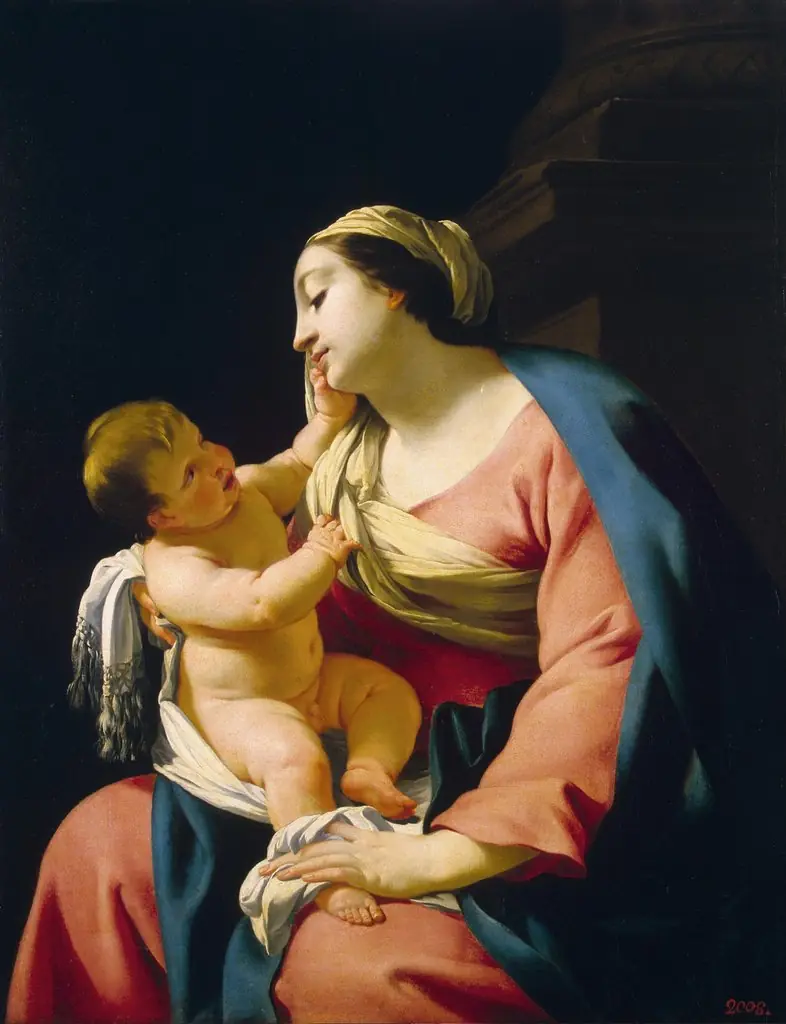
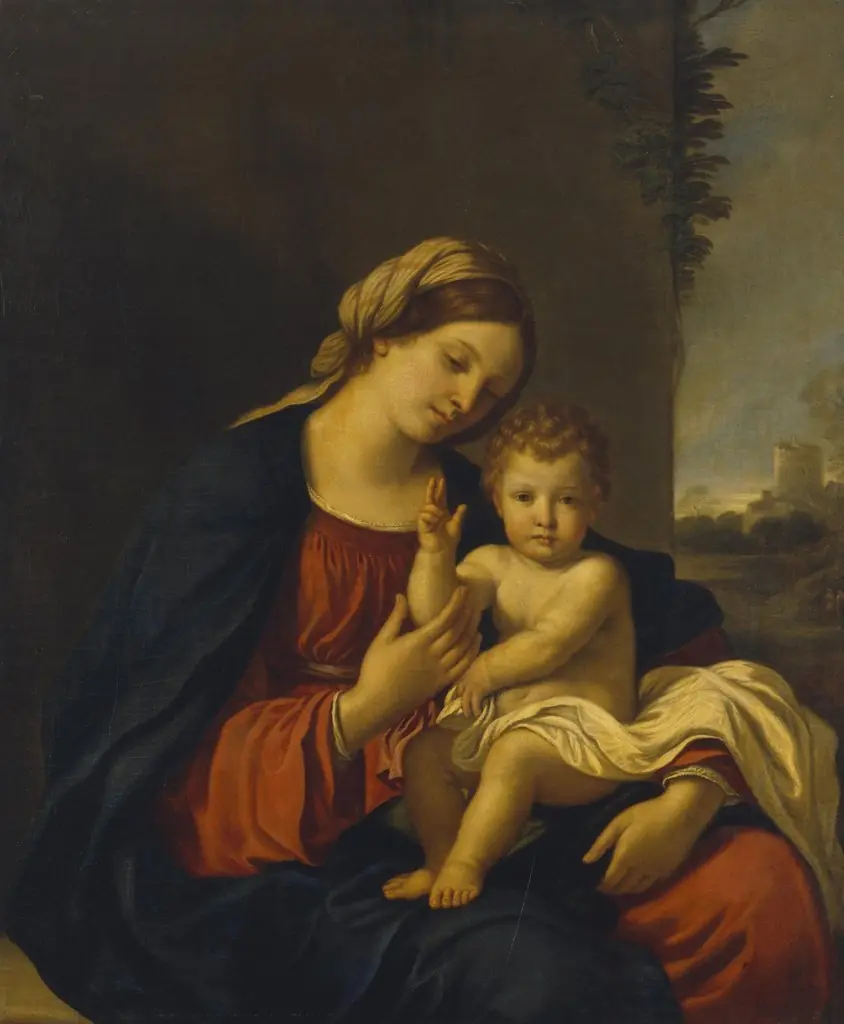
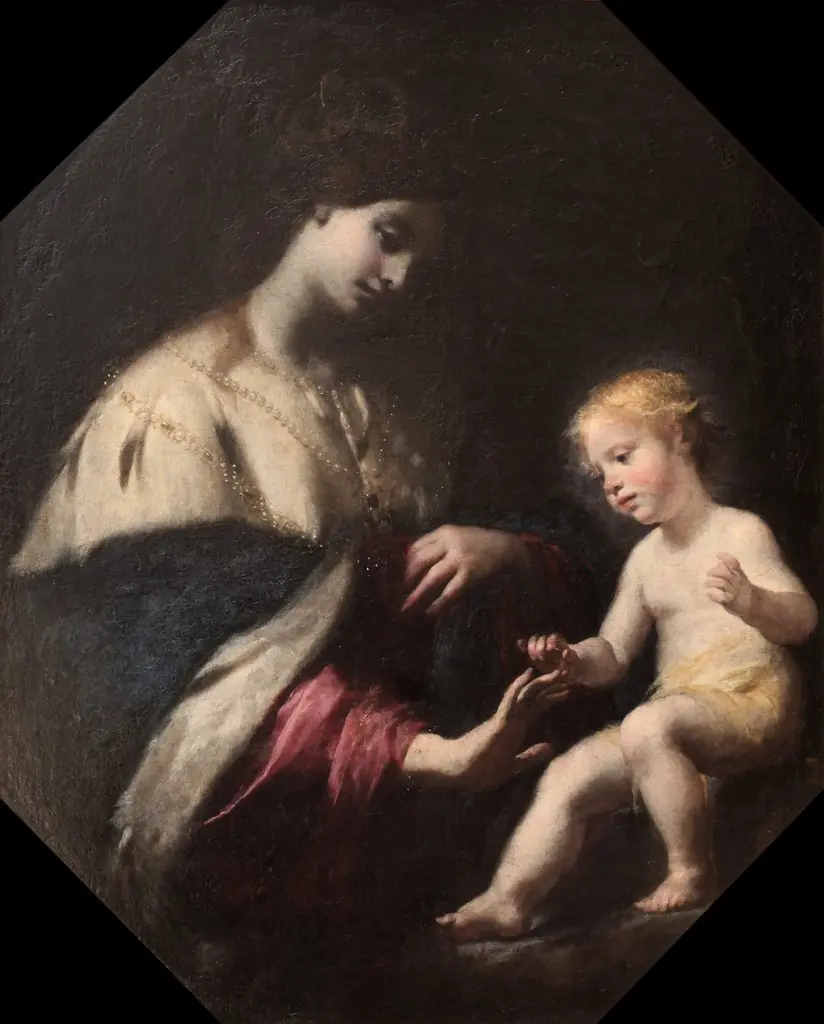
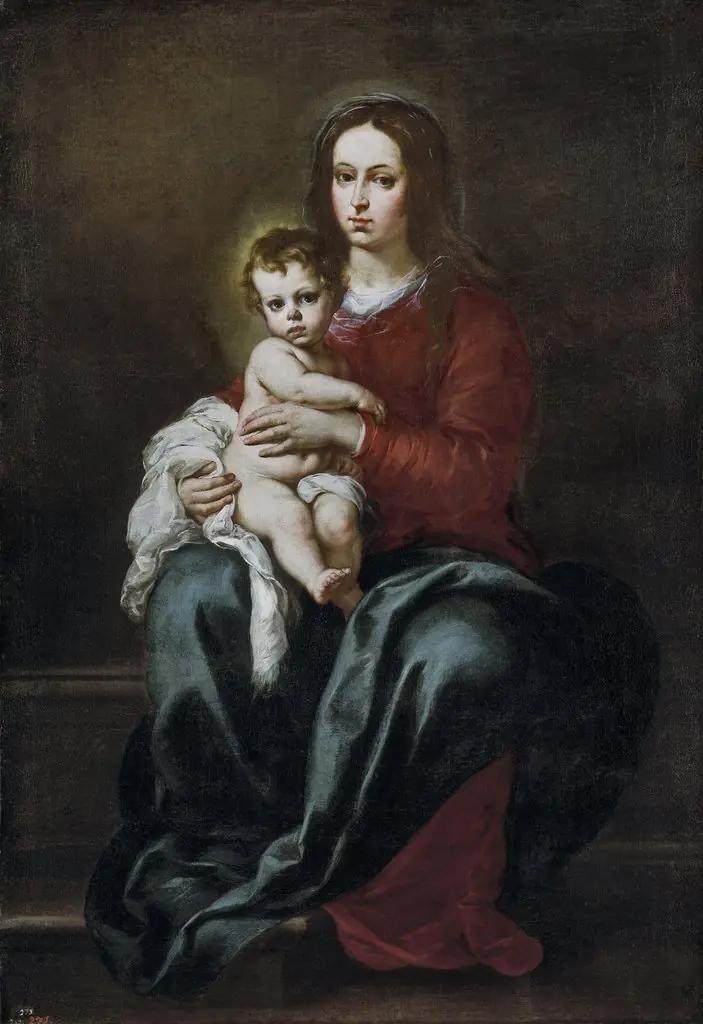
Painted in 1720 by Giovanni Battista Tiepolo, this oil on canvas work presents a quiet domestic moment within a sacred context. The composition centers on the Virgin Mary holding the Christ Child, with a secondary figure—a young boy—observing from the periphery. The painting is part of the Walters Art Museum’s collection, where it is displayed as an example of early 18th-century Venetian devotional art.
Subject & Meaning
The scene portrays the Virgin Mary and the infant Jesus in an intimate, non-ceremonial setting, emphasizing tenderness over grandeur. The presence of a second child, likely Saint John the Baptist, introduces a narrative of spiritual anticipation. The quiet gaze between the figures suggests a moment of contemplative connection, grounding divine themes in human emotion and familial warmth.
Technique & Style
Tiepolo employs chiaroscuro to define form and direct attention, contrasting the Virgin’s vivid red garment against the deep, shadowed interior. The soft modeling of the Christ Child’s skin and the muted tones of the background create a sense of depth and realism. Brushwork is fluid yet controlled, balancing naturalism with the elegance characteristic of Venetian painting of the period.
History & Provenance
The painting entered the Walters Art Museum’s collection in the early 20th century, acquired as part of Henry Walters’ broader effort to assemble a comprehensive survey of European art. Its origins prior to this are not fully documented, but its style aligns with Tiepolo’s early ecclesiastical commissions in Venice, suggesting it may have been intended for private devotion.
Context
Created during the early phase of Tiepolo’s career, this work reflects the transition from Baroque solemnity to the lighter, more intimate devotional imagery favored in 18th-century Venice. While religious subjects remained central, artists increasingly emphasized emotional resonance and domestic realism, appealing to private patrons seeking personal spiritual connection.
Legacy
Though not among Tiepolo’s largest or most celebrated works, this painting illustrates his early mastery of psychological nuance and atmospheric lighting. It contributes to the understanding of how sacred subjects were reimagined for private contemplation, influencing later generations of artists who prioritized emotional authenticity over hierarchical grandeur.
Own this work as a print
Artist & collection

Artist
Giovanni Battista Tiepolo, also known as Giambattista Tiepolo, was an Italian painter and printmaker from the Republic of Venice who painted in the Rococo style, considered an important member of the 18th-century Venetian school.