Artwork
Virtue and Abundance
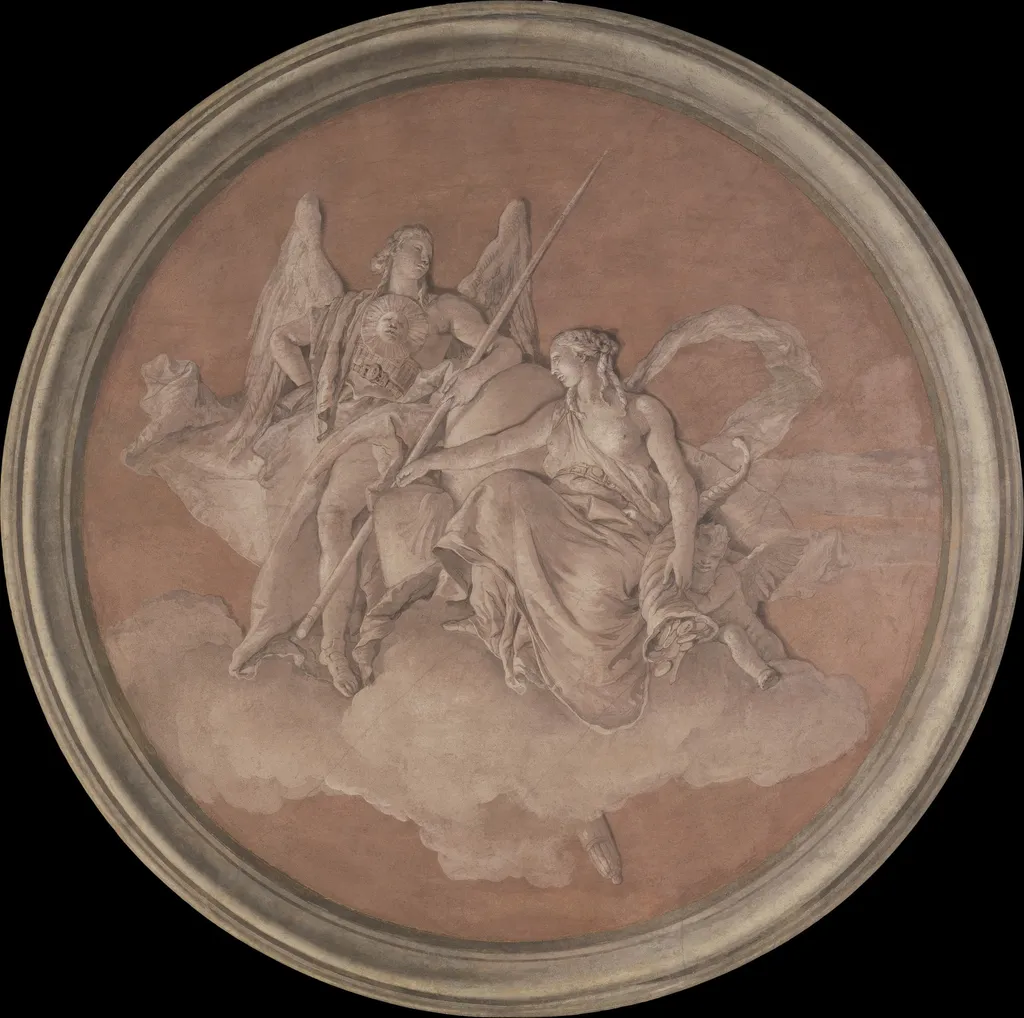
Virtue and Abundance is an unspecified painting by the Rococo painting artist Giovanni Battista Tiepolo. It dates from 1760 and is held in the collection of the Metropolitan Museum of Art.
About this work
Overview
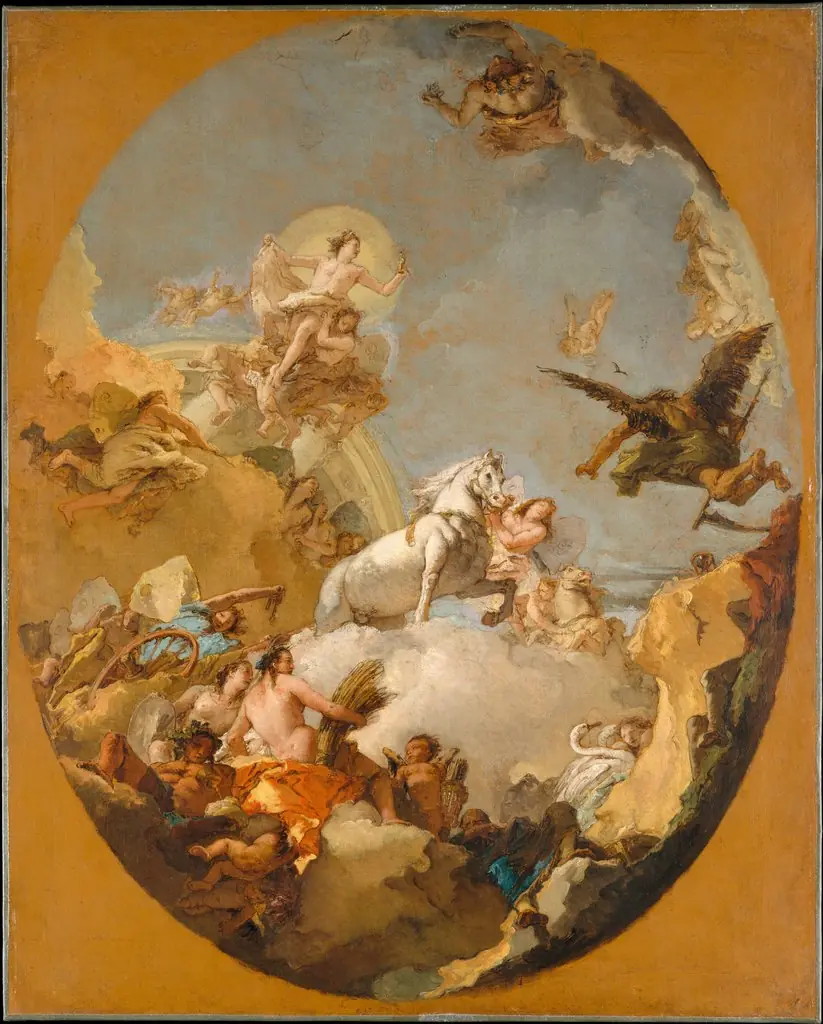
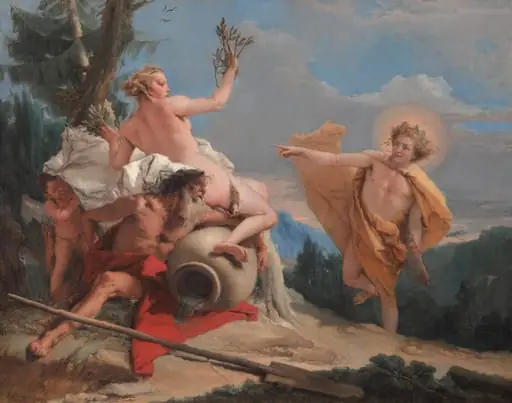
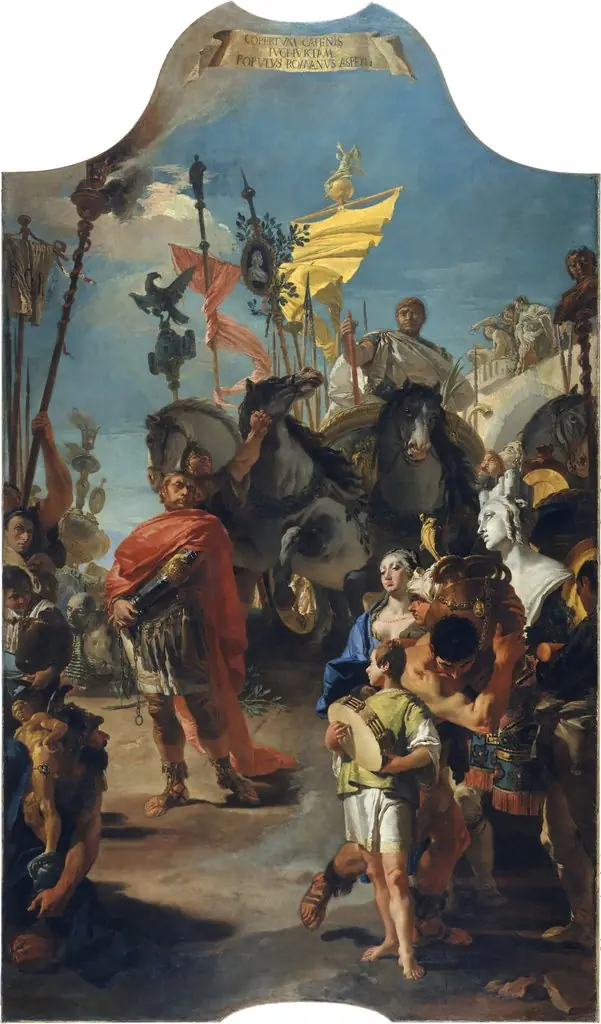
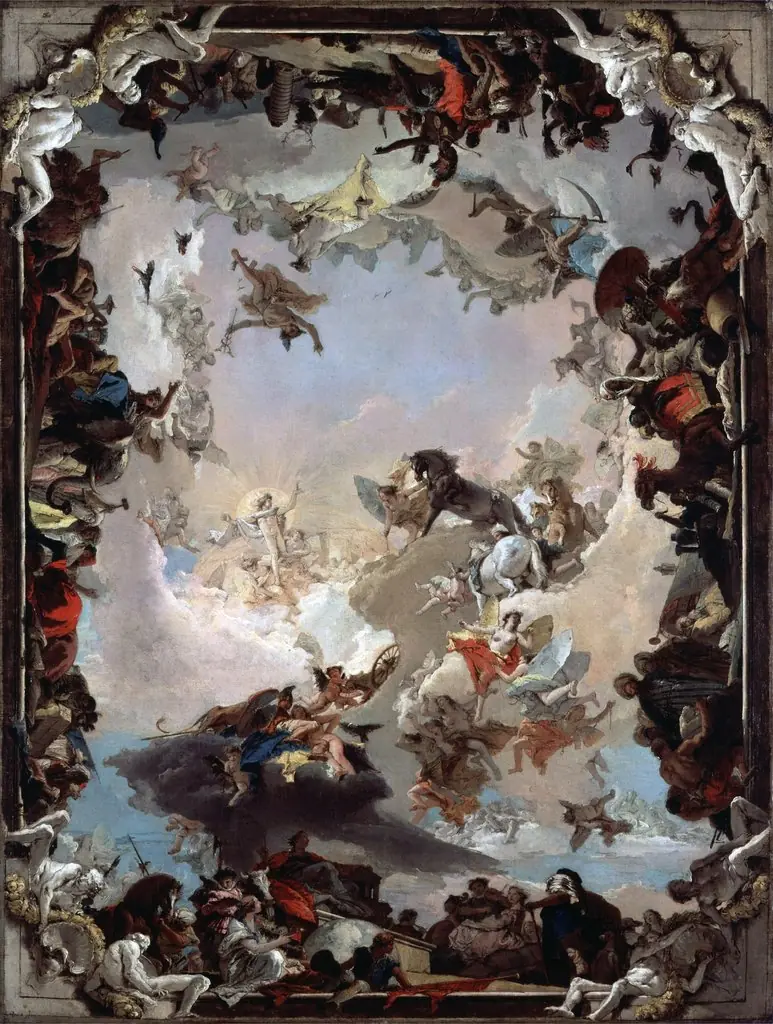
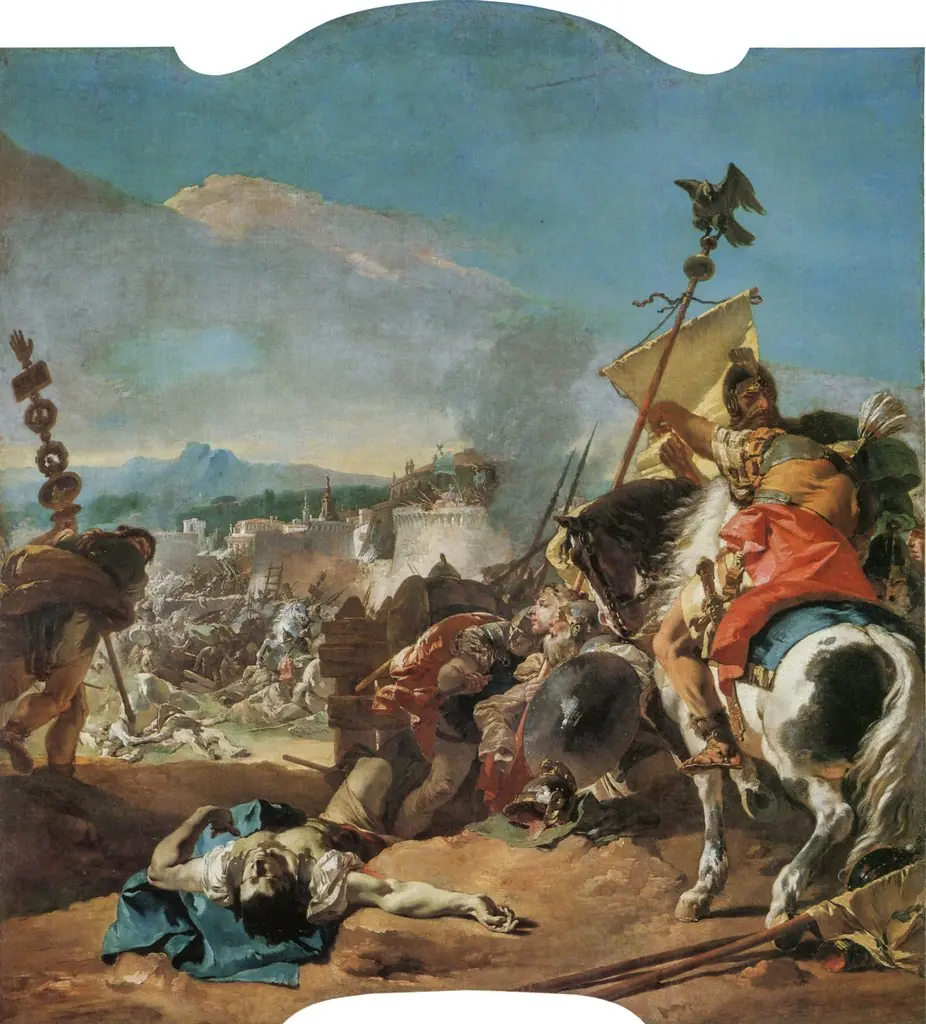
Giovanni Battista Tiepolo's painting, Virtue and Abundance, completed in 1760, is housed at The Metropolitan Museum of Art. This allegorical work features two primary winged figures, accompanied by a putto, rendered in a style characteristic of the Rococo movement. The composition suggests a symbolic narrative, inviting viewers to interpret the interaction between the personifications depicted.
Subject & Meaning
One figure, likely personifying Virtue, holds a spear and a banner emblazoned with a sun symbol, suggesting divine light or sovereign power.
The painting presents two ethereal, winged figures floating amidst clouds. One figure, likely personifying Virtue, holds a spear and a banner emblazoned with a sun symbol, suggesting divine light or sovereign power. The other, representing Abundance, is seated with a basket overflowing with fruit, accompanied by a small winged child. Their serene expressions and the symbolic attributes collectively convey themes of prosperity and moral strength.
Technique & Style
Tiepolo's Virtue and Abundance exemplifies the Rococo aesthetic through its light palette and graceful composition. The figures are depicted with flowing drapery and relaxed postures, set against a backdrop of soft, airy clouds. The artist employs delicate brushwork and subtle transitions of light and shadow, contributing to a dreamy and ethereal atmosphere. This approach creates a sense of effortless movement and celestial beauty.
Artist & collection

Artist
Giovanni Battista Tiepolo, also known as Giambattista Tiepolo, was an Italian painter and printmaker from the Republic of Venice who painted in the Rococo style, considered an important member of the 18th-century Venetian school.