Artwork
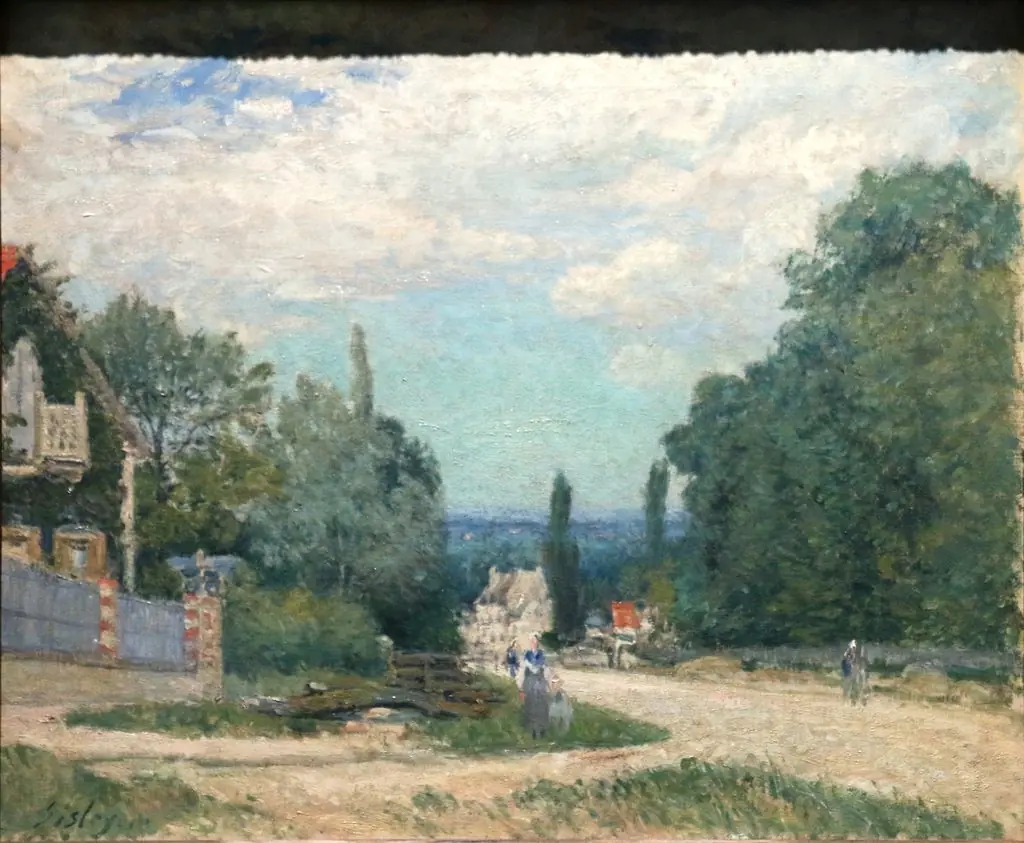
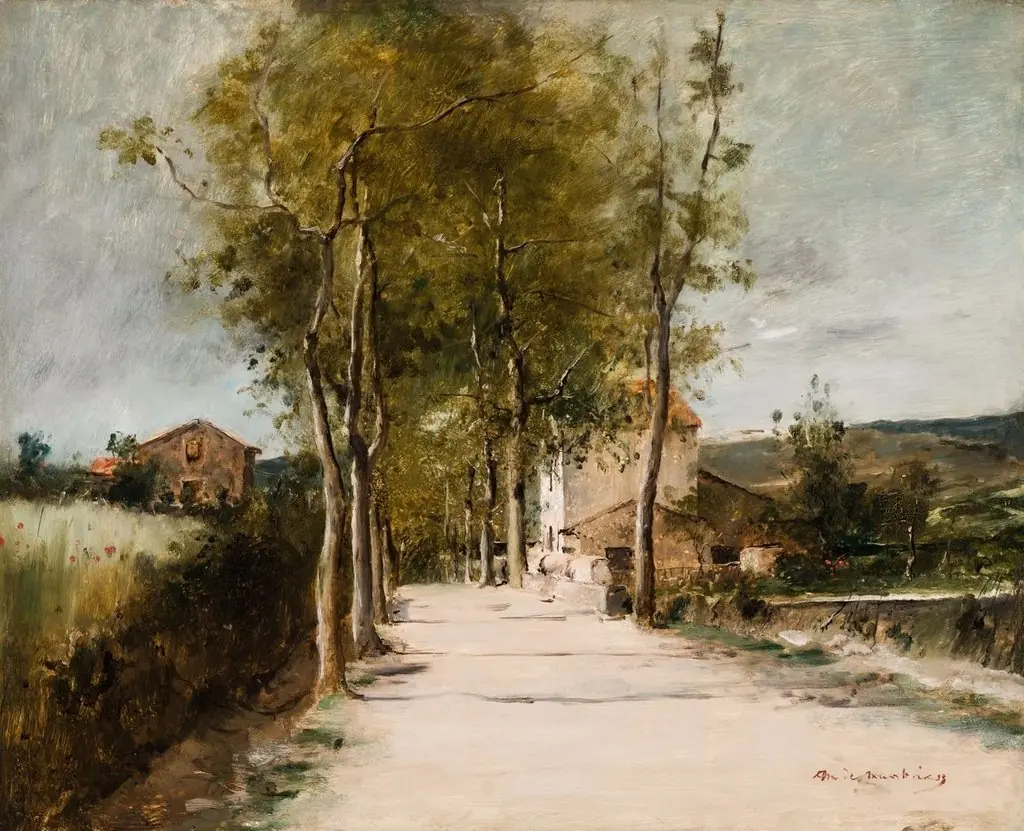
Highway of Combs-la-Ville
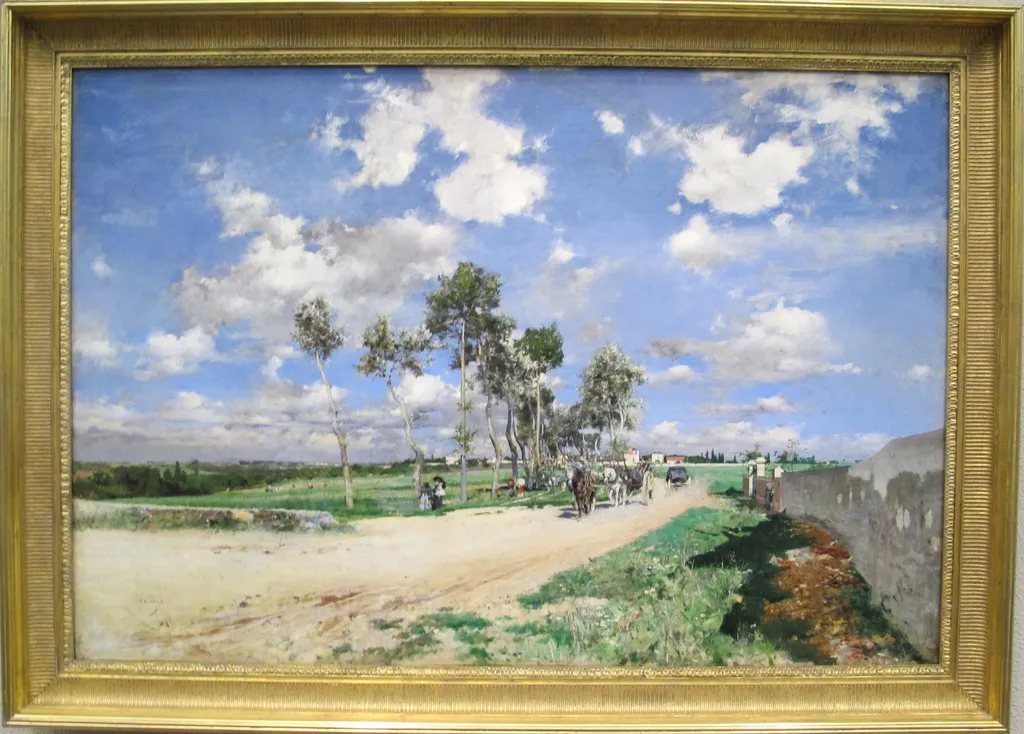
Highway of Combs-la-Ville is an oil painting by the Impressionist artist Giovanni Boldini. It dates from 1873 and is held in the collection of the Philadelphia Museum of Art.
About this work
Overview
Though best known for his portraits, this landscape reflects his early engagement with the French countryside during his time in Paris.
Giovanni Boldini painted *Highway of Combs-la-Ville* in 1873 using oil on canvas. Though best known for his portraits, this landscape reflects his early engagement with the French countryside during his time in Paris. The work captures a quiet rural road in the commune of Combs-la-Ville, situated southeast of the city. It is now part of the Philadelphia Museum of Art’s collection, representing a lesser-known facet of Boldini’s artistic development.
Subject & Meaning
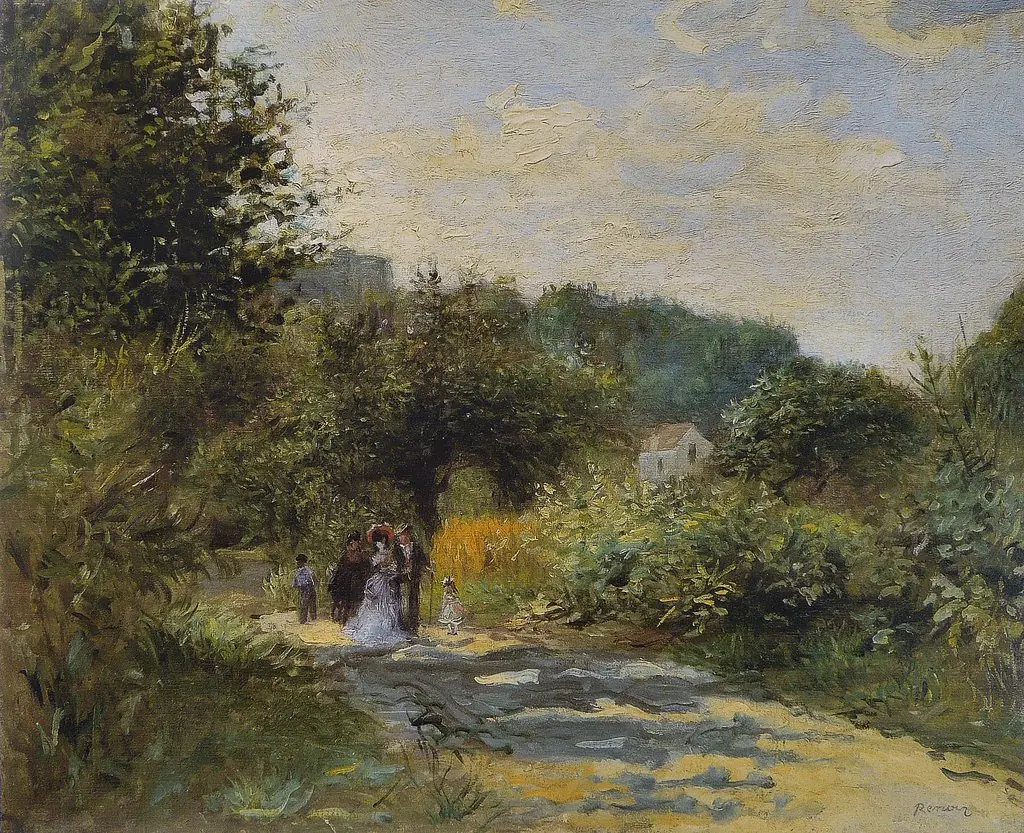
The painting portrays a modest country lane winding through open fields, bordered by trees and a low stone wall. A distant carriage moves along the road, while a solitary figure stands near the trees, suggesting quiet observation rather than narrative action. The scene conveys no dramatic event, instead emphasizing stillness and the rhythm of daily rural life. The absence of human urgency lends the image a contemplative, almost meditative tone.
Technique & Style
Boldini employed loose, fluid brushwork to render the landscape, with soft transitions between sky and earth, and delicate modulation of light across the field. The blue sky, dotted with clouds, is rendered with quick, airy strokes, while the foliage and road surface suggest texture without detailed definition. Though aligned with Impressionist concerns for natural light and atmosphere, the composition retains a structural clarity uncommon in more radical works of the movement.
History & Provenance
Painted during Boldini’s formative years in France, the work reflects his transition from academic training to direct observation of nature. It remained in private hands until acquired by the Philadelphia Museum of Art, where it entered the collection as part of a broader effort to represent international Impressionist influences. Its provenance is documented but unremarkable, lacking notable exhibitions or ownership histories prior to its institutional acquisition.
Context
In 1873, Boldini was immersed in the Parisian art scene, where artists were increasingly turning to outdoor subjects and transient effects of light. While contemporaries like Monet and Pissarro pushed toward radical fragmentation of form, Boldini’s approach remained more restrained, blending observational realism with a lyrical sensitivity. This painting aligns with regional landscape traditions in France, particularly those focused on the outskirts of Paris.
Legacy
Though Boldini later gained recognition for his elegant portraits and dynamic brushwork—later dubbed the 'Master of Swish'—this early landscape reveals his foundational engagement with light and place. *Highway of Combs-la-Ville* stands as a quiet testament to his versatility and his ability to capture the subdued beauty of ordinary rural life, offering insight into the evolution of an artist more widely known for urban sophistication.
Artist & collection
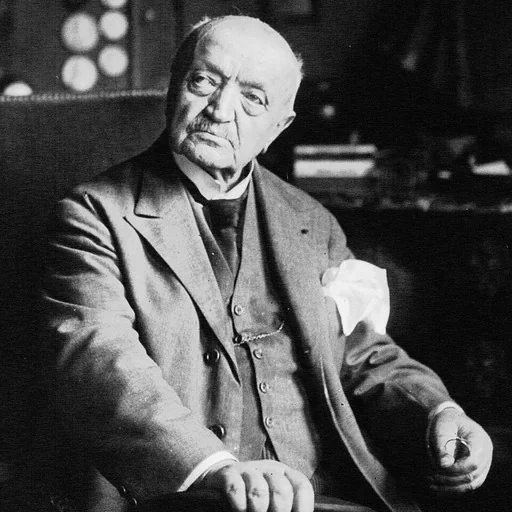
Artist
Giovanni Boldini (31 December 1842 – 11 January 1931) was an Italian genre and portrait painter who lived and worked in Paris for most of his career.

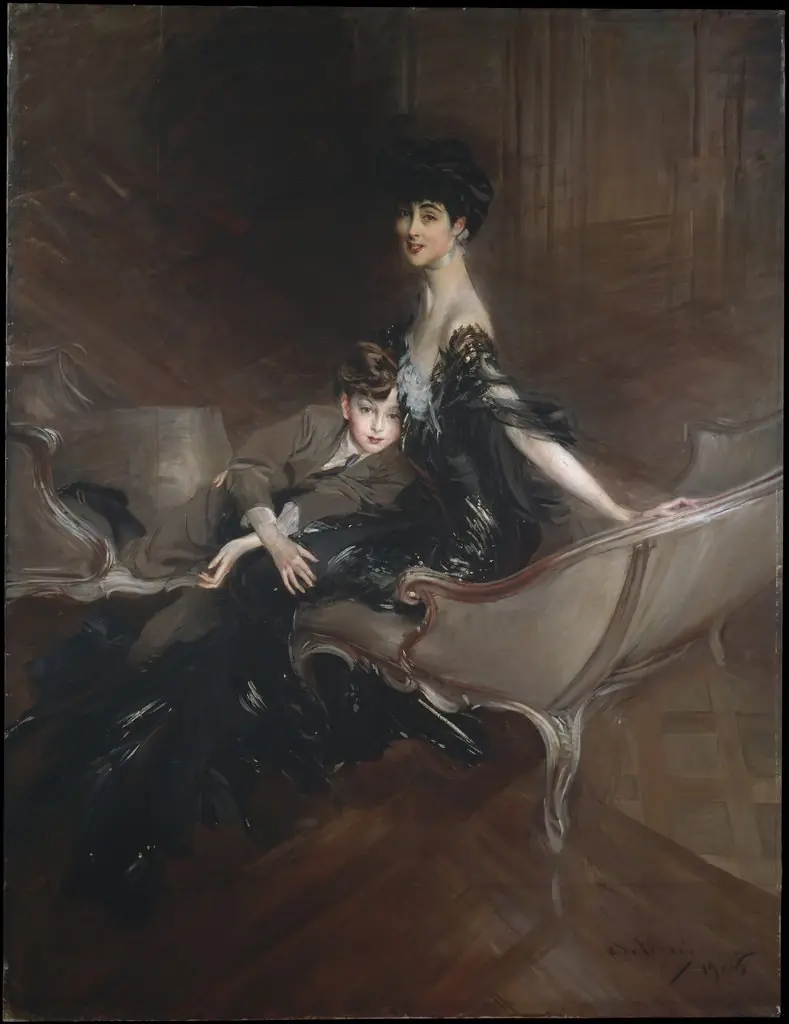 Consuelo Vanderbilt (1876–1964), Duchess of Marlborough, and Her Son, Lord Ivor Spencer-Churchill (1898–1956)
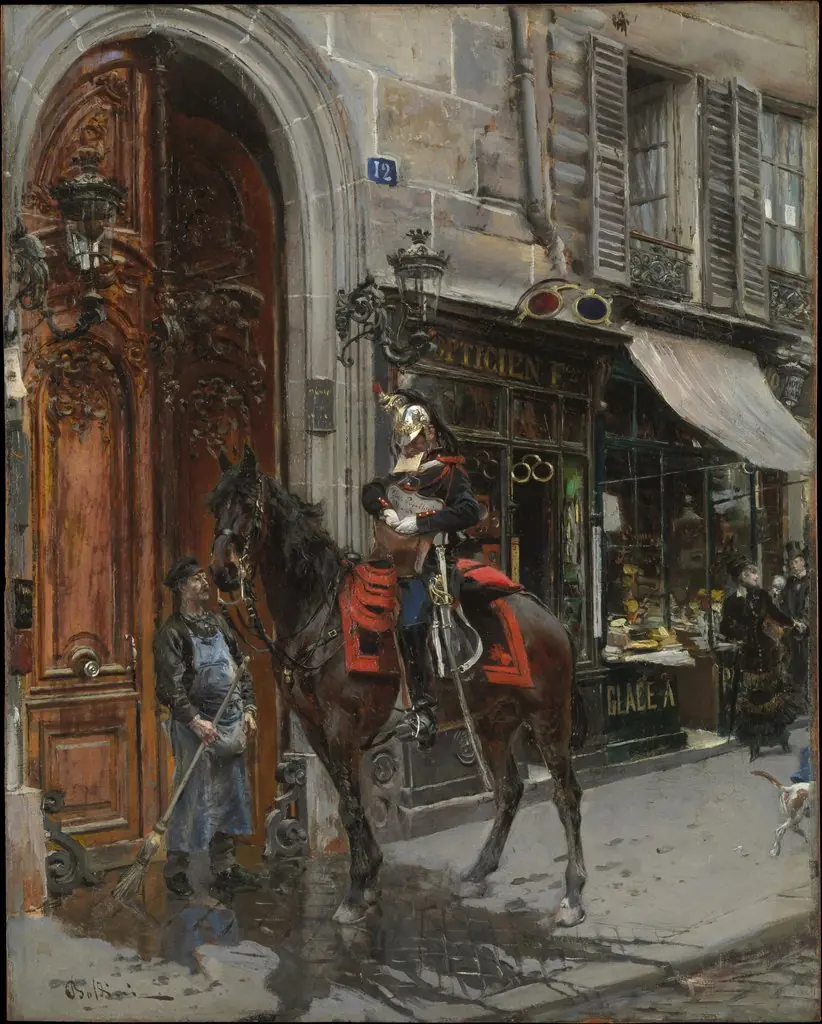 The Dispatch-Bearer
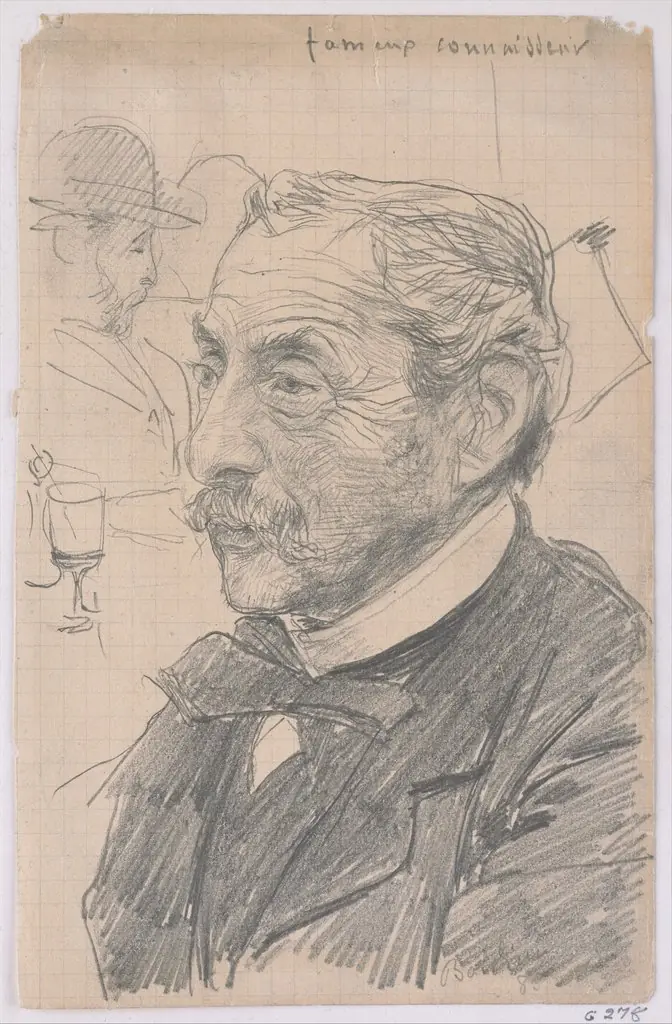 Famous Connoisseur (Fameux Connaisseur)
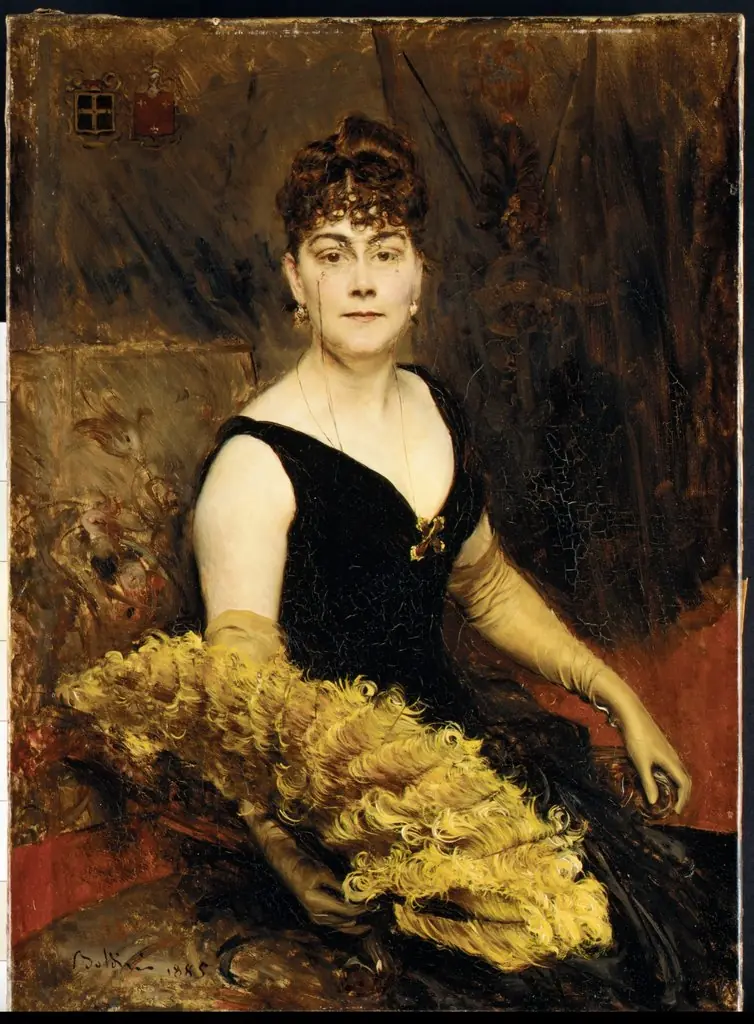 Mrs. Charles Warren-Cram (Ella Brooks Carter, 1846–1896)
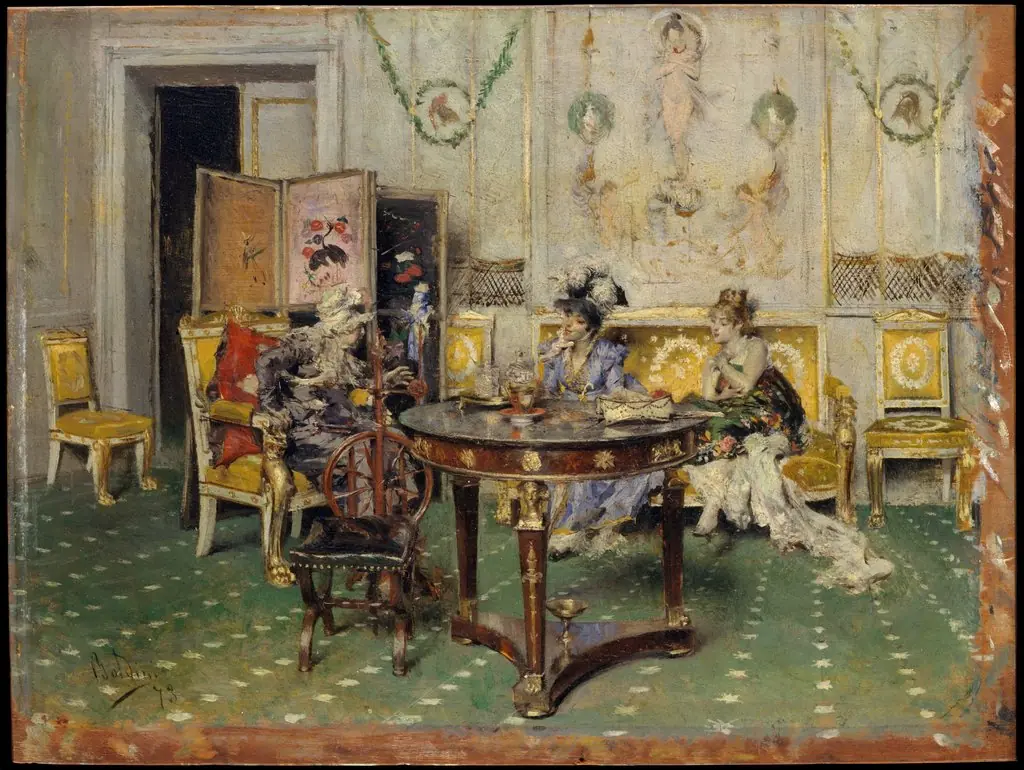 Gossip
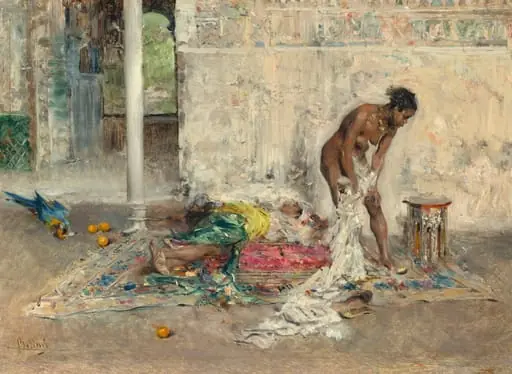 After the Bath
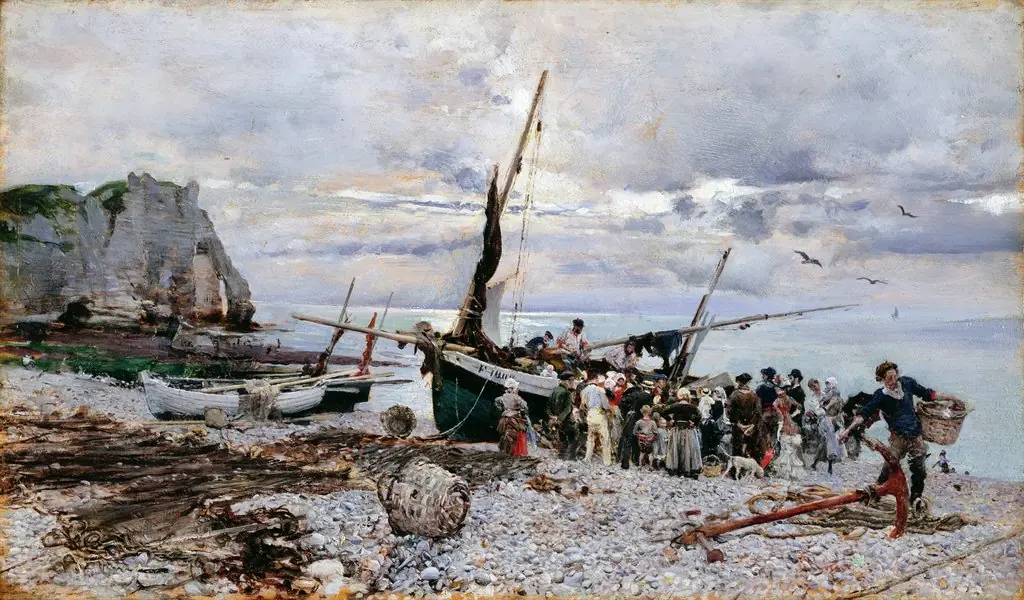 The Return of the Fishing Boats, Étretat
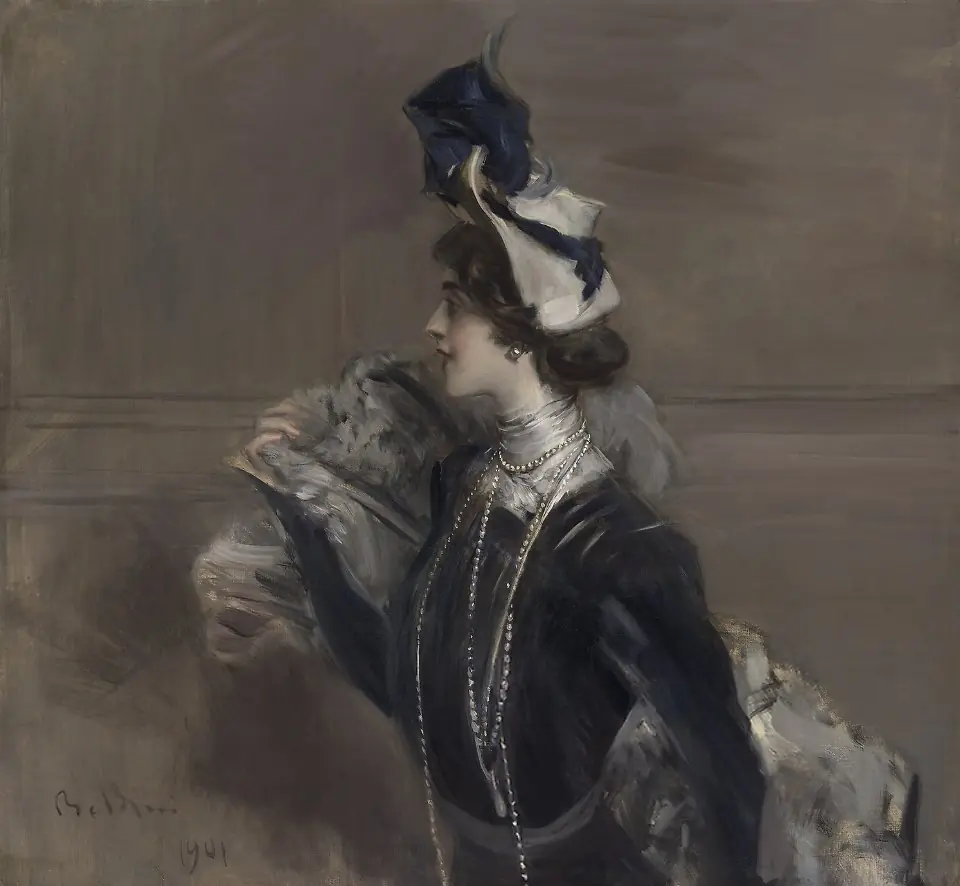 Portrait of Mme. Lina Cavalieri