Artwork
Saint John the Baptist in a Landscape
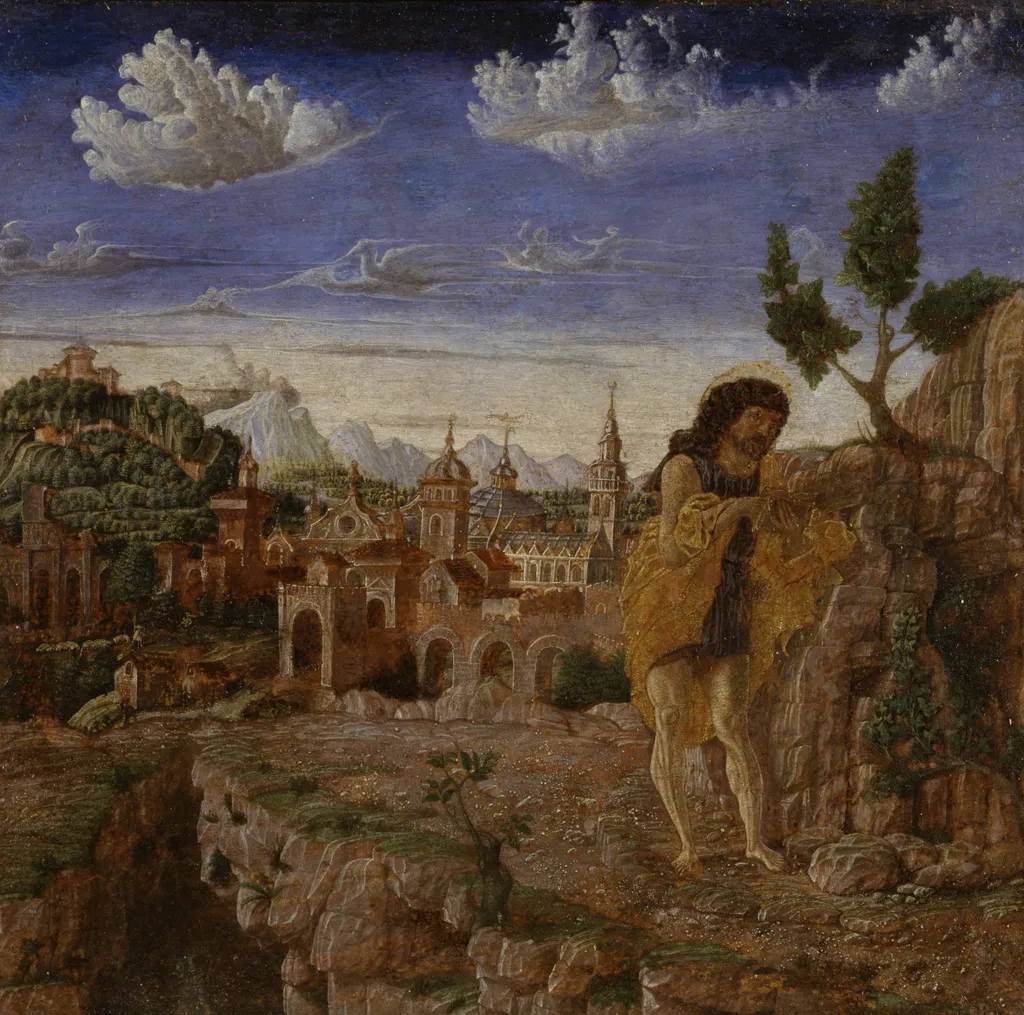
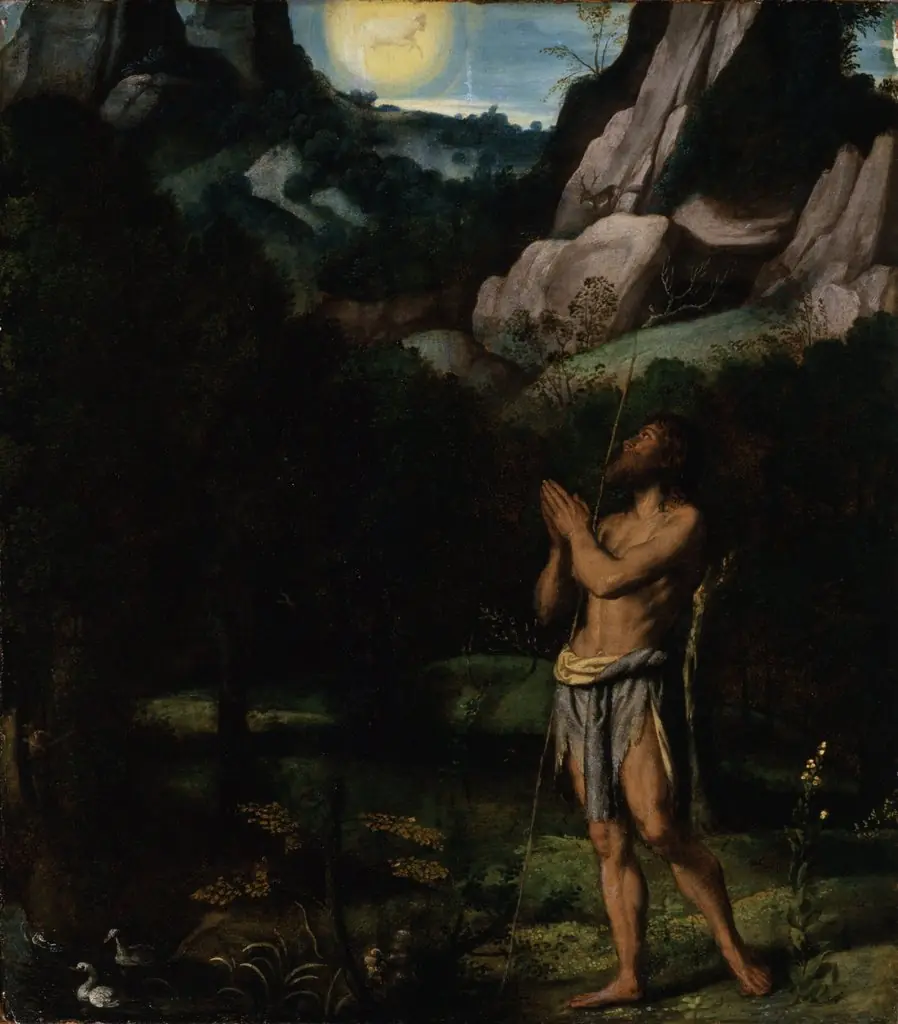
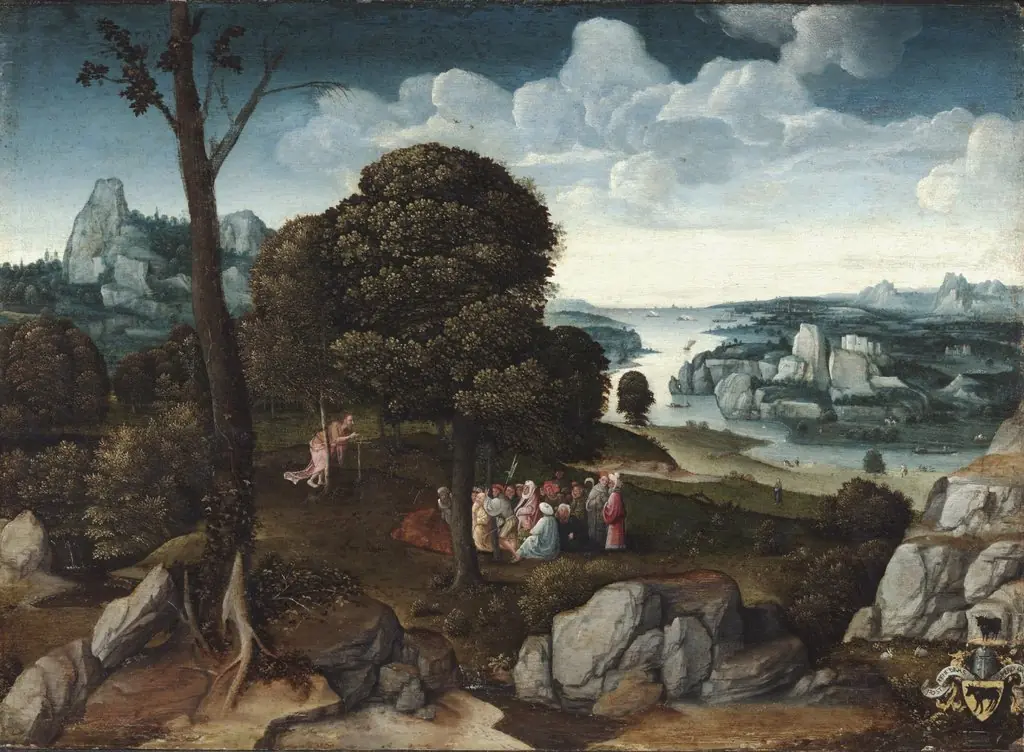
Saint John the Baptist in a Landscape is an unspecified painting by the Early Renaissance artist Giovanni Corenti. It dates from 1490 and is held in the collection of the Walters Art Museum. Painted around 1490, this work presents Saint John the Baptist within a naturalistic landscape.
About this work
Overview
The painting reflects early Renaissance concerns with spatial depth and observed nature, though the artist’s broader oeuvre remains poorly documented.
Painted around 1490, this work presents Saint John the Baptist within a naturalistic landscape. Attributed to Giovanni Corenti, it is part of the Walters Art Museum’s collection. The composition centers on the figure of John, framed by geological formations and distant architecture, suggesting a quiet contemplative mood. The painting reflects early Renaissance concerns with spatial depth and observed nature, though the artist’s broader oeuvre remains poorly documented.
Subject & Meaning
Saint John the Baptist is depicted as a solitary ascetic, clad in a rough tunic and holding a staff, traditional symbols of his role as a prophet and forerunner of Christ. Positioned before a rocky outcrop and a modest tree, his isolation emphasizes spiritual withdrawal. The distant cityscape may allude to the world he renounced, reinforcing themes of penitence and divine calling common in late medieval and early Renaissance devotional imagery.
Technique & Style
The painting employs subtle gradations of color and atmospheric perspective to suggest depth, with cooler tones receding into the background. Details in the rocks, foliage, and architecture are rendered with careful observation, reflecting Renaissance ideals of naturalism. The figure’s form is modeled with soft shadows, avoiding dramatic contrasts, and the overall handling suggests a methodical, quiet approach to composition and light.
History & Provenance
The painting’s early history is undocumented, and its attribution to Giovanni Corenti rests on stylistic analysis rather than archival evidence. It entered the Walters Art Museum’s collection in the early 20th century, likely through a private acquisition. No records confirm its original commission or location, leaving its intended context—private devotion or chapel decoration—uncertain.
Context
Created during the late 15th century, the work aligns with regional trends in northern Italian painting that blended devotional subjects with increasingly naturalistic landscapes. While not tied to a major artistic center, its approach echoes influences from Lombard and Venetian traditions, where landscape elements began to assume greater narrative and symbolic weight alongside religious figures.
Legacy
Though Giovanni Corenti is not a widely recognized name in art history, this painting contributes to understanding the evolution of devotional imagery in Renaissance Italy. Its quiet integration of saint and landscape reflects a broader shift toward immersive, contemplative scenes, paving the way for later developments in landscape painting as an independent genre.
Own this work as a print
Artist & collection
Artist
A 15th-century Italian painter, Giovanni Corenti made detailed religious scenes in soft colors.

 The Penitent St Jerome in the Wilderness
 Saint John the Baptist
 Saint John in the Desert
 St. John the Baptist in the Wilderness
 Coastal Landscape with two Men Fighting
 Landscape with Bathsheba
 Landscape with Latona and the Lycian Peasants
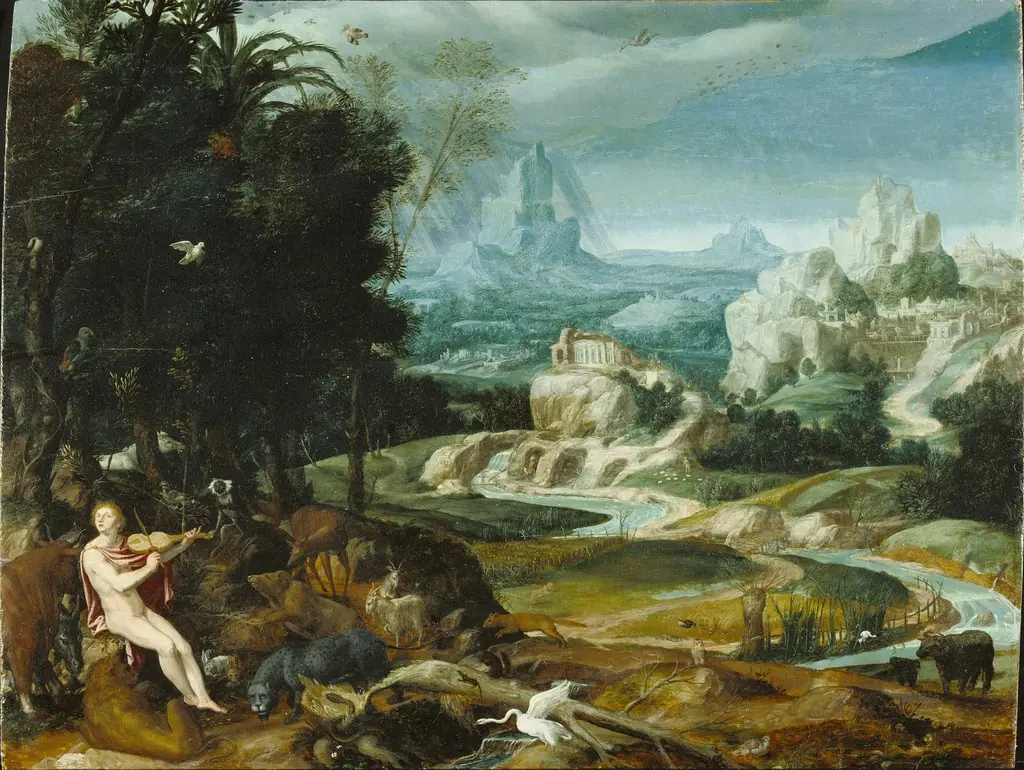 Landscape with Orpheus
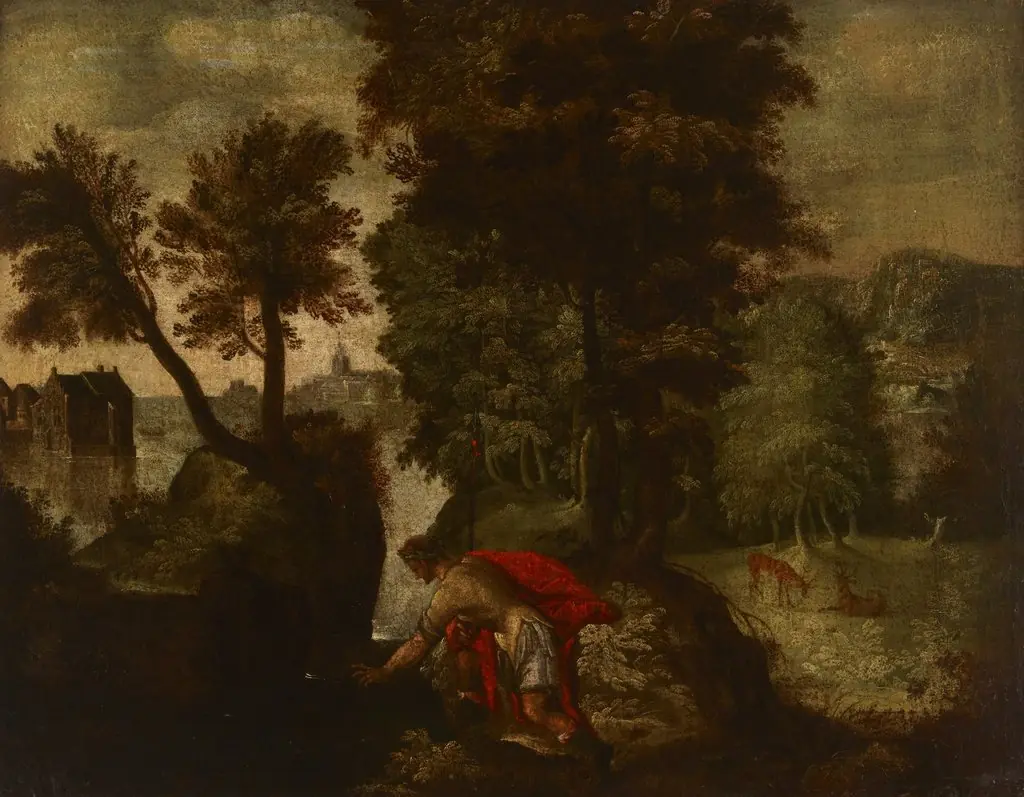 Landscape with a Kneeling Knight (Theseus?)
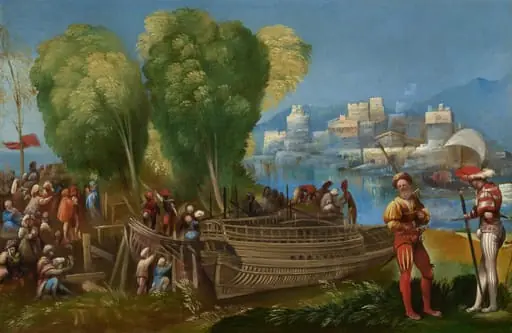 The Trojans Repairing Their Ships in Sicily
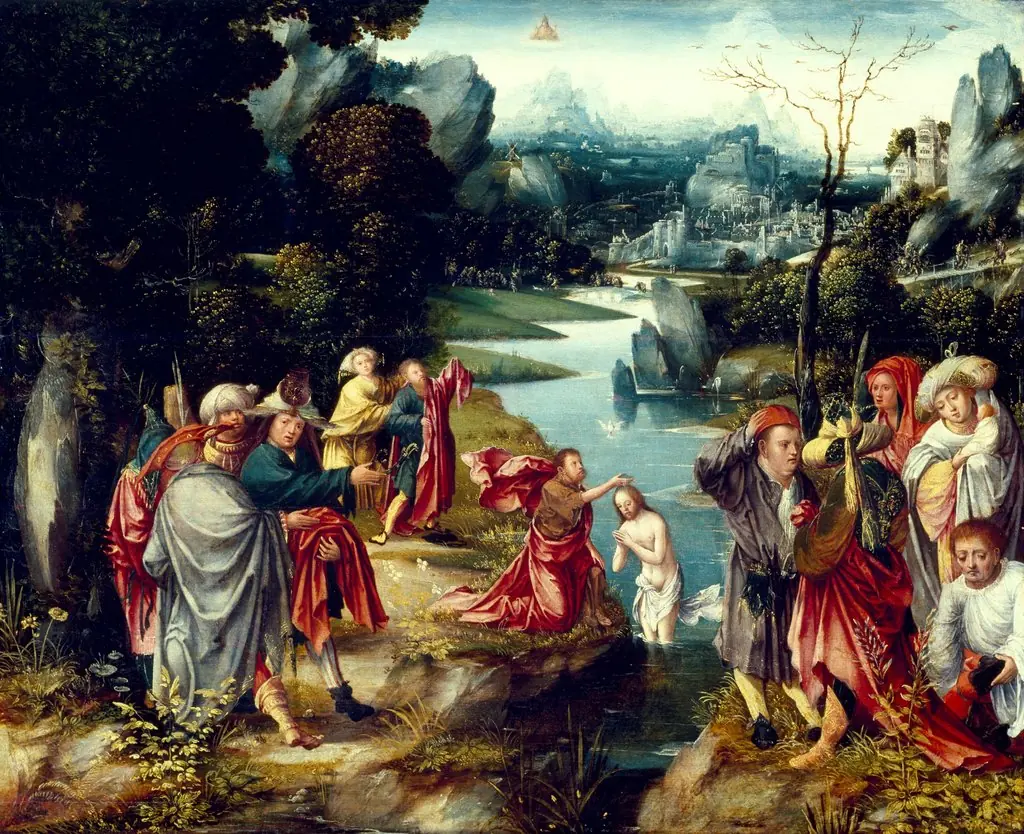 The Baptism of Christ
 Landscape with Saint John the Baptist Preaching