Artwork
Landscape with a Kneeling Knight (Theseus?)
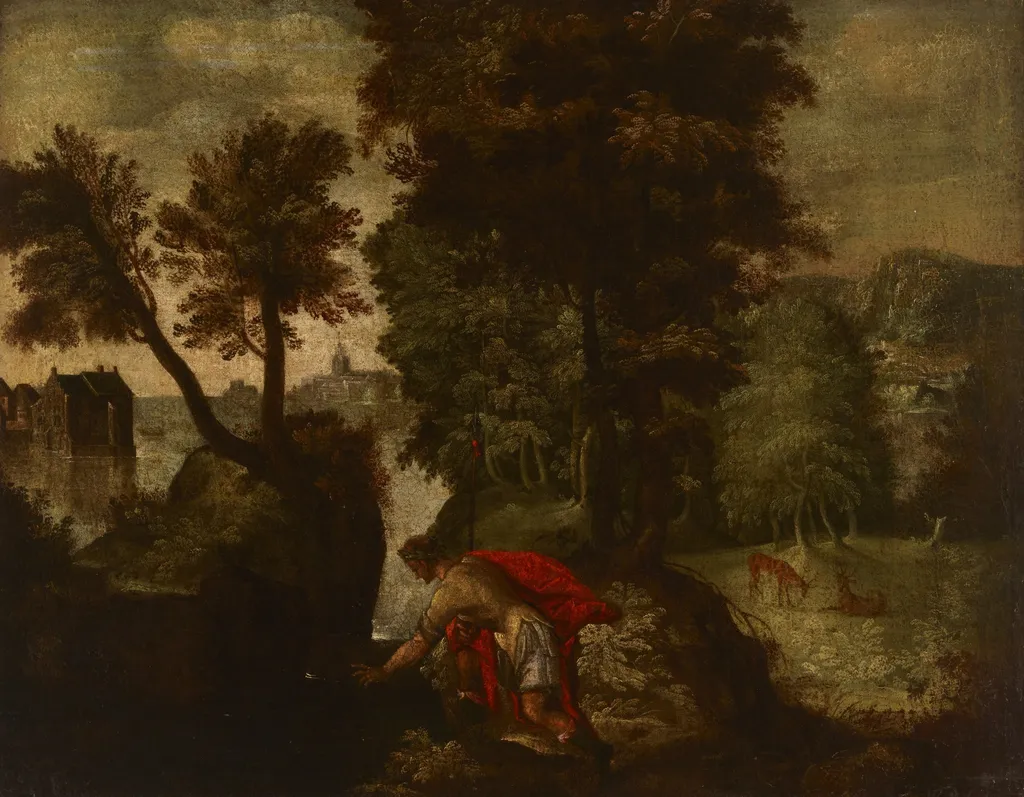
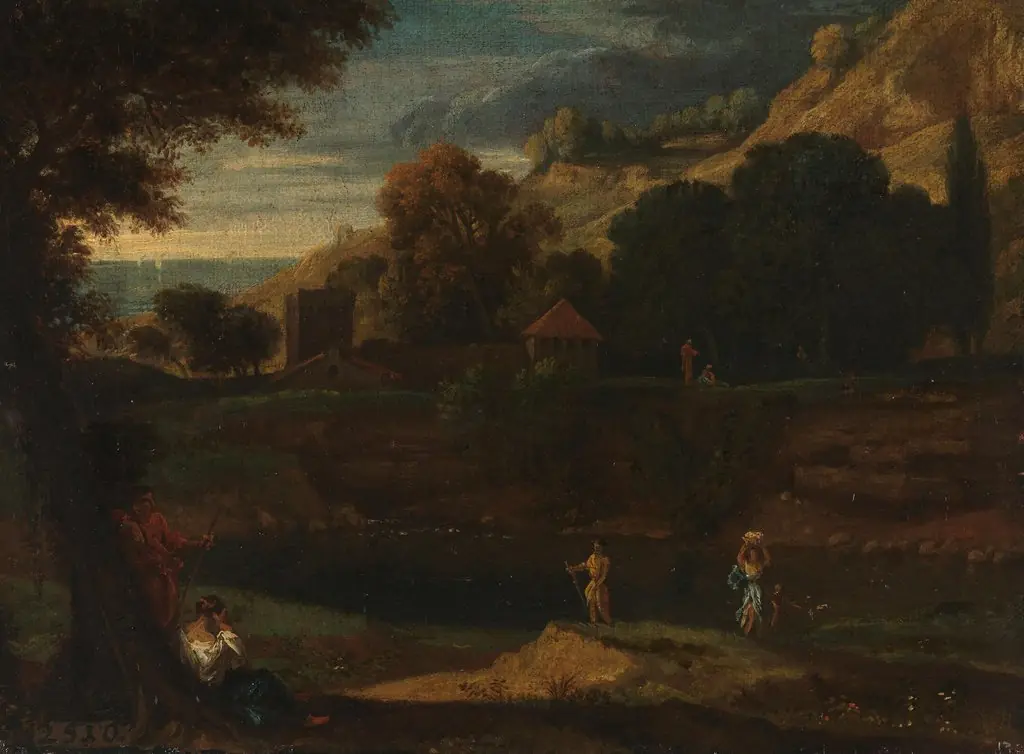
Landscape with a Kneeling Knight (Theseus?) is an oil painting by the Dutch Golden Age artist Unknown. It dates from 1650 and is held in the collection of the National Museum in Kraków. This oil painting depicts a solitary knight kneeling in a verdant landscape, framed by dense trees and a distant settlement.
About this work
Overview
This oil painting depicts a solitary knight kneeling in a verdant landscape, framed by dense trees and a distant settlement.
This oil painting depicts a solitary knight kneeling in a verdant landscape, framed by dense trees and a distant settlement. The figure, clad in armor and a crimson cloak, rests with sword nearby, suggesting a moment of pause or reverence. The composition employs chiaroscuro to model form and draw attention to the knight, while the natural surroundings are rendered with careful attention to texture and atmospheric depth.
Subject & Meaning
The identity of the knight remains uncertain, though his posture and regalia invite speculation about mythological or chivalric narratives. His kneeling stance may imply submission, prayer, or contemplation, possibly referencing figures like Theseus in moments of transition. The absence of overt action or companionship emphasizes introspection, aligning the figure with themes of solitude and moral reflection within nature.
Technique & Style
The artist uses chiaroscuro to define the knight’s form against the shadowed forest, enhancing three-dimensionality. Brushwork varies between fine detailing in the armor and looser, textured strokes in the foliage and sky. The palette is muted yet rich, with earth tones and deep greens contrasting the knight’s red cape, guiding the viewer’s eye through the layered landscape without overt dramatization.
History & Provenance
The painting’s origins are undocumented in public records, with no clear attribution to a known artist or documented ownership prior to modern collections. Its style suggests a Northern European origin, possibly from the late 16th or early 17th century, but without inscriptions or archival references, its creation and early history remain speculative.
Context
During the period when this work likely emerged, depictions of solitary knights in landscapes reflected broader cultural interests in chivalric literature and moral allegory. Artists increasingly turned to nature as a setting for psychological depth, moving away from purely religious or courtly themes. This painting aligns with a trend of introspective figures embedded in expansive, atmospheric environments.
Legacy
Though not widely exhibited or studied, the painting contributes to a quieter tradition of narrative landscape painting that prioritizes mood over spectacle. Its restrained composition and emphasis on naturalism influenced later artists exploring the emotional resonance of solitary figures within the natural world, though it remains outside mainstream art historical discourse.
Artist & collection

 Domestic Scene
 Giacomo and Cardinal Marco, investing Andrea, Abbot of San Zeno, with his Benefice
 The Nymph of Fontainebleau
 Portrait of a Woman
 Madonna and Child with Saints in the Enclosed Garden
 Venus and Minerva
 Family Group of Four on Sofa
 Wall painting from Room H of the Villa of P. Fannius Synistor at Boscoreale
 Landscape with Latona and the Lycian Peasants
 Forest
 Mountain landscape with staffage
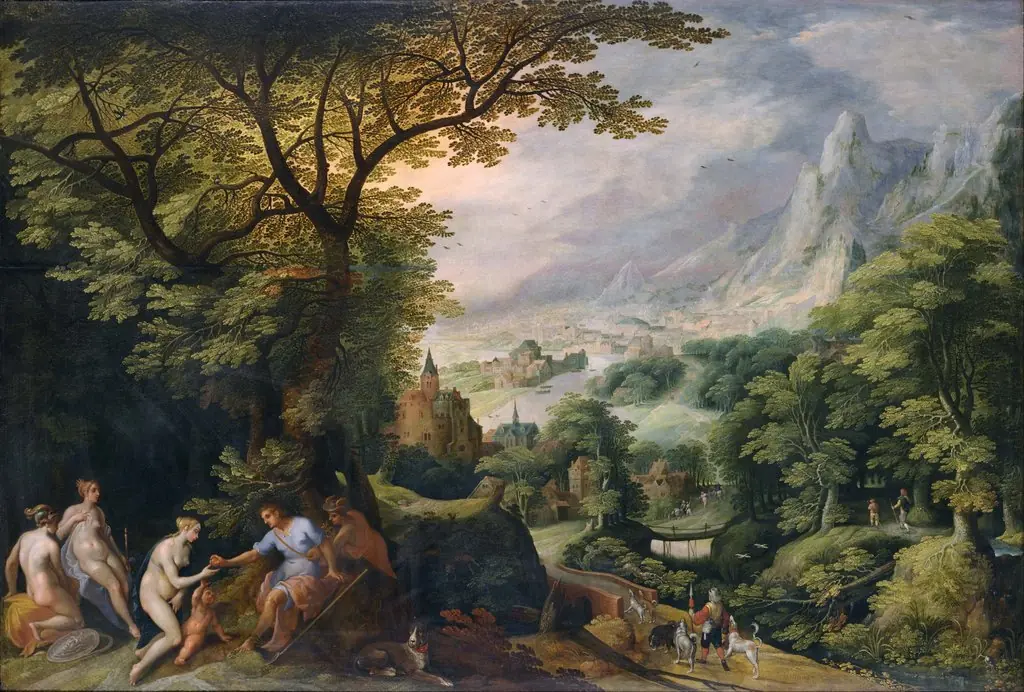 Landscape with the Judgement of Paris
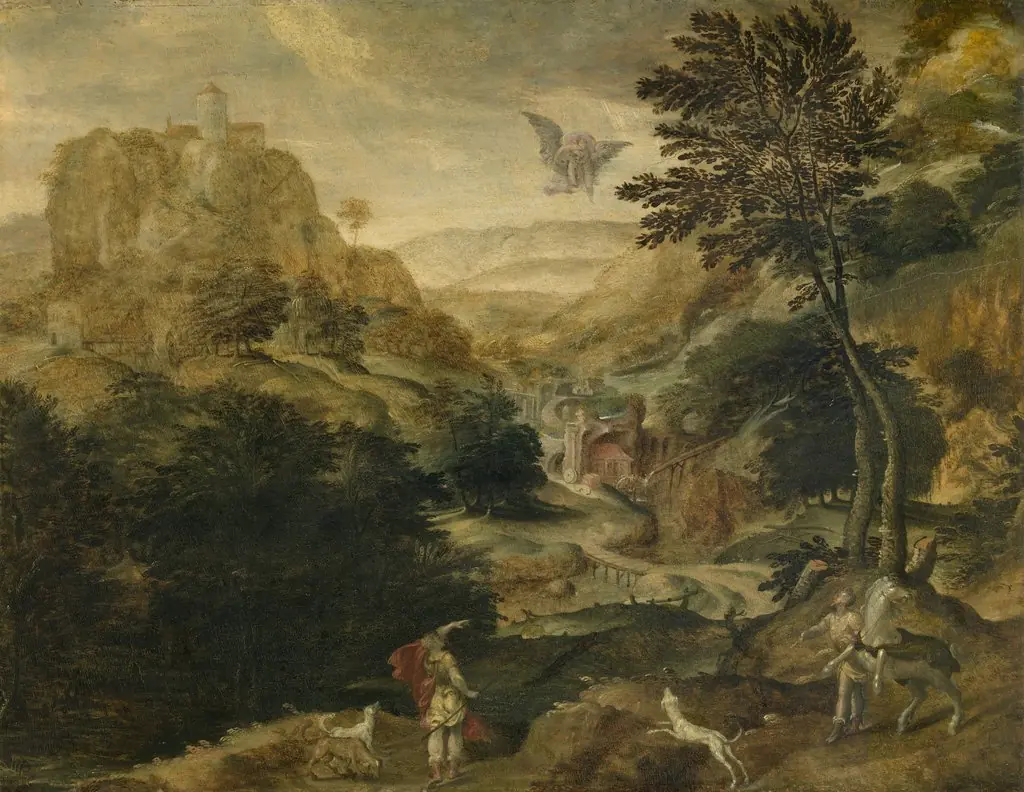 Abduction of Ganymedes
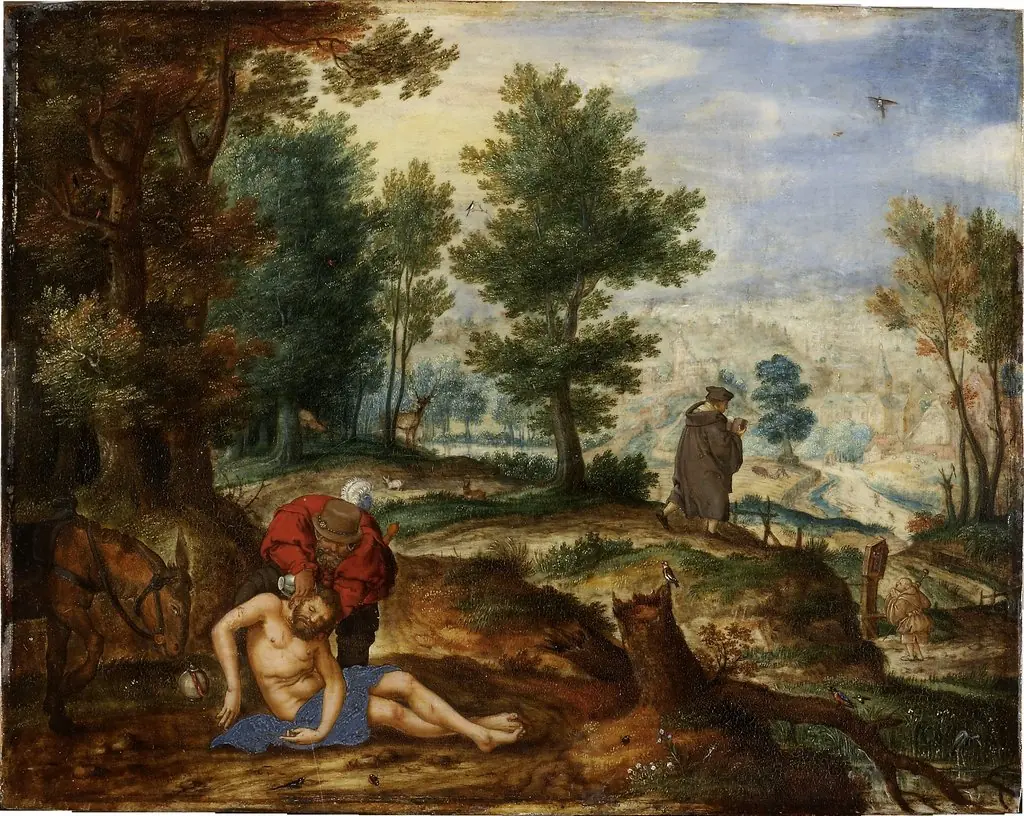 Landscape with the Good Samaritan
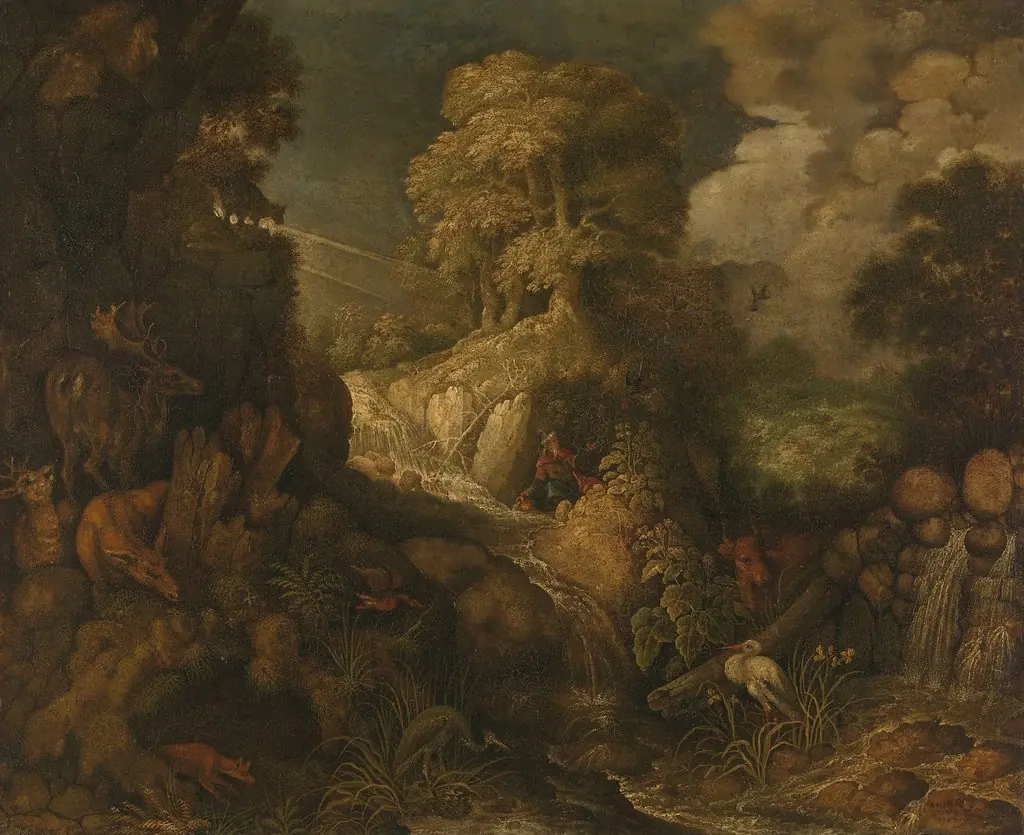 Elijah fed by the ravens
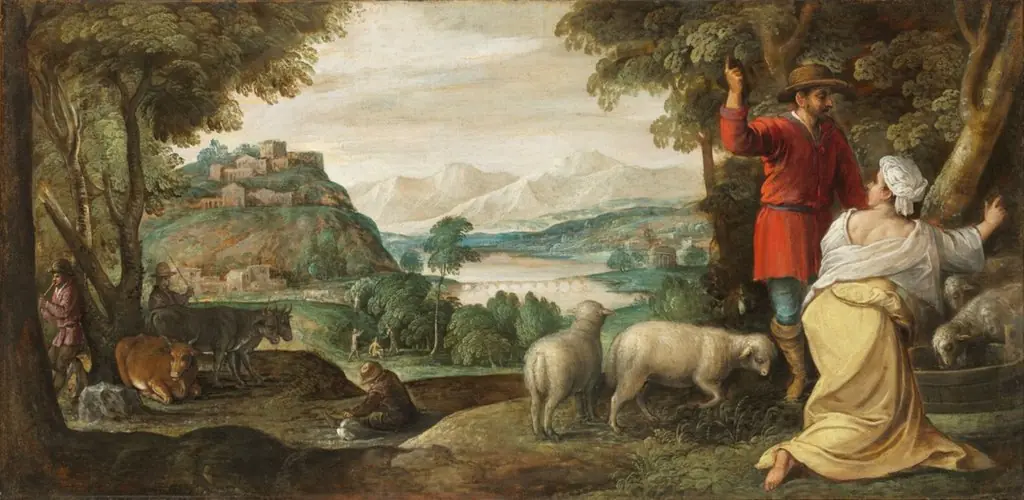 Jacob meeting Rachel at the Well
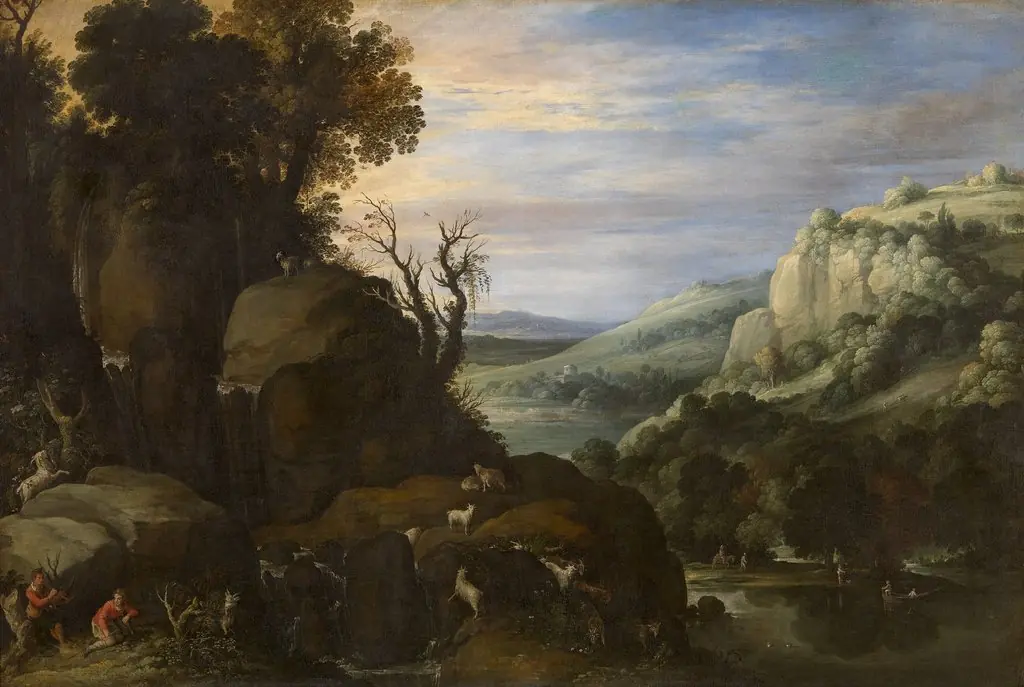 Landscape
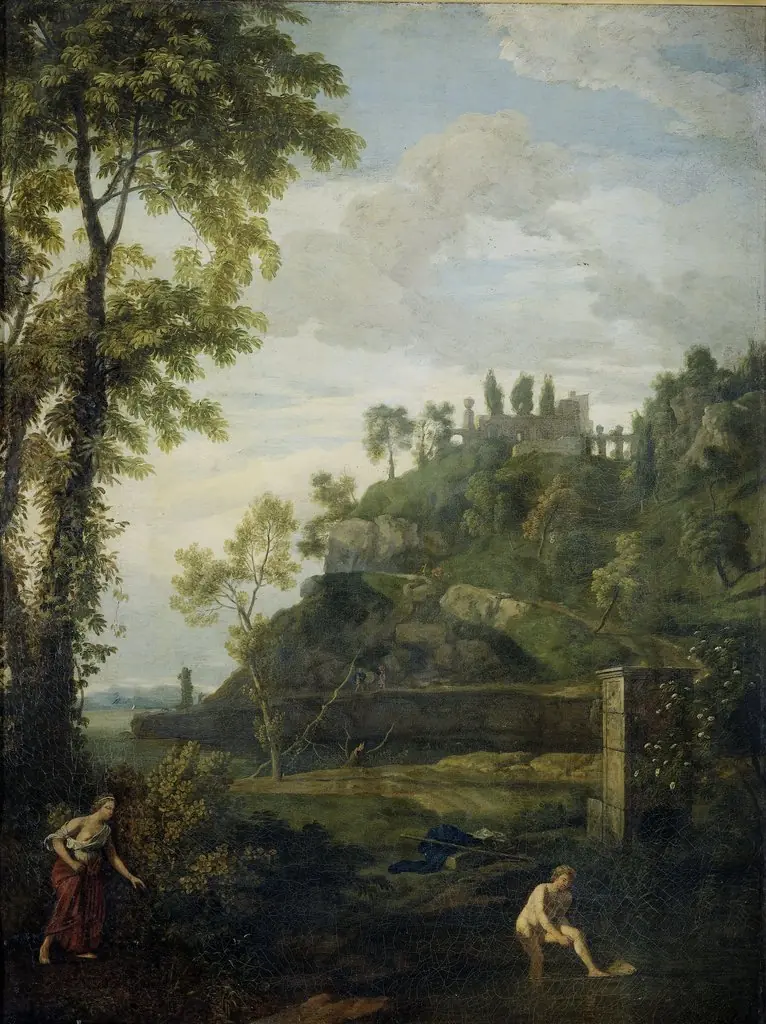 Arcadian landscape with Salmacis and Hermaphroditus
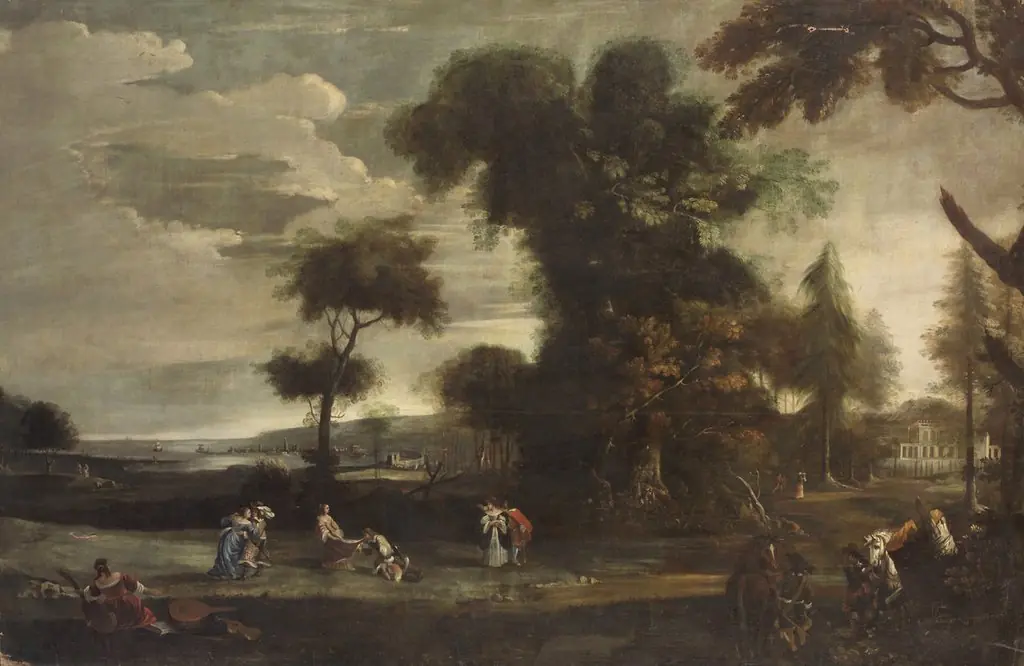 Landscape with love couple
 Klassische Landschaft (Umkreis)