Artwork
Ecce Agnus Dei
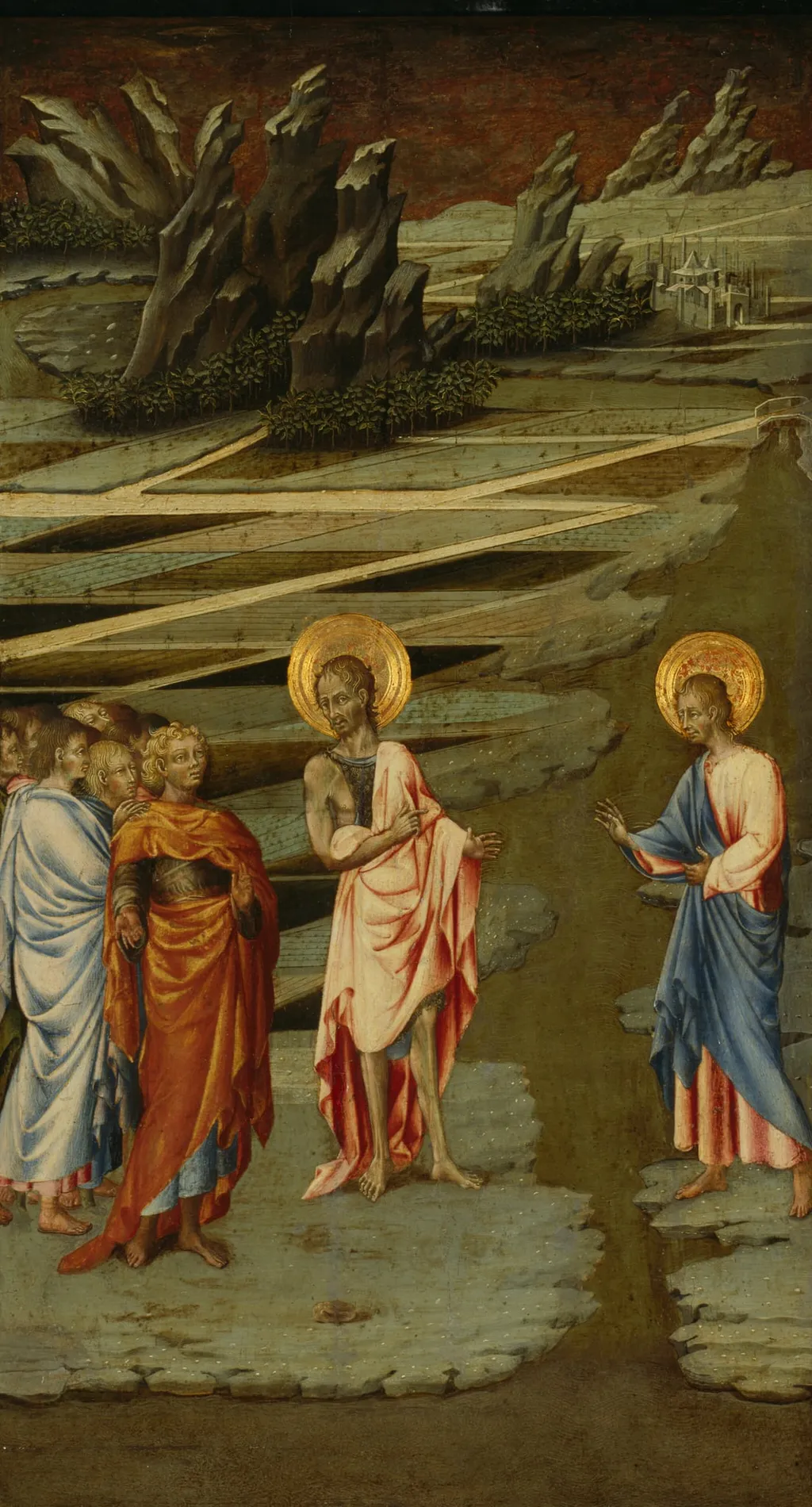
Ecce Agnus Dei is a tempera painting by the Early Renaissance artist Giovanni di Paolo. It dates from 1458 and is held in the collection of the Art Institute of Chicago.
About this work
Overview
Ecce Agnus Dei is a tempera on panel painting, one of six surviving panels from a original set of 12 that likely adorned the doors of a reliquary shrine dedicated to Saint John the Baptist.
Subject & Meaning
The painting depicts John the Baptist, a thin figure in a camel-hair robe, pointing to a lamb on a book, symbolizing his announcement of Jesus as the Agnus Dei (Lamb of God), emphasizing his prophetic role in Christianity.
Technique & Style
The work features expressive, stylized figures against a gold leaf background, which was designed to illuminate in candlelight, evoking a heavenly aura. Giovanni di Paolo's imaginative settings and repeated character depictions convey narrative movement.
History & Provenance
Originally part of a 12-panel set for a reliquary shrine, this painting is now one of six in the Art Institute of Chicago's collection, having been separated from its complete narrative sequence.
Context
As part of a larger narrative series, Ecce Agnus Dei is contextualized by other panels depicting John's life, from his ascetic wilderness life in a hair shirt to his imprisonment and execution by Herod.
Legacy
While the full set's dispersal limits its original impact, the painting remains significant as a surviving example of Giovanni di Paolo's work and 15th-century religious art, with its stylistic and thematic contributions to the Saint John the Baptist narrative cycle.
Artist & collection

Artist
Giovanni di Paolo di Grazia was an Italian painter, working primarily in Siena, becoming a prolific painter and illustrator of manuscripts, including Dante's texts.

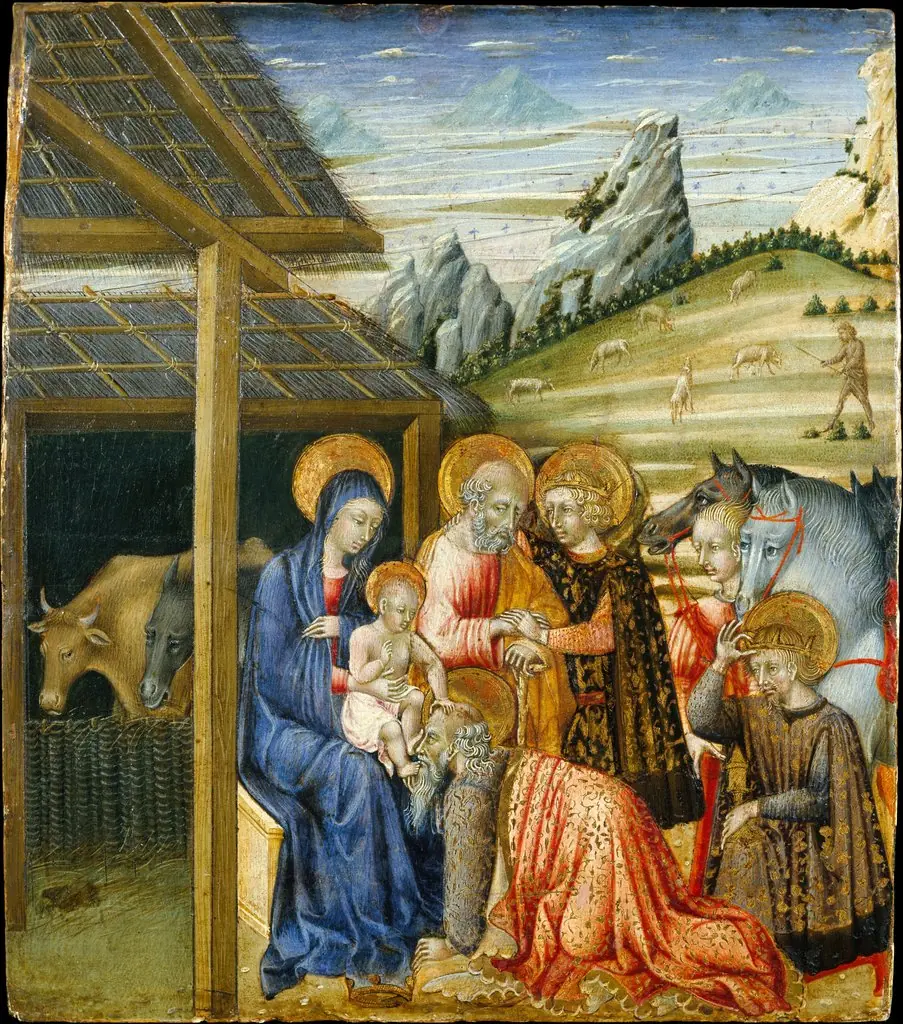 The Adoration of the Magi
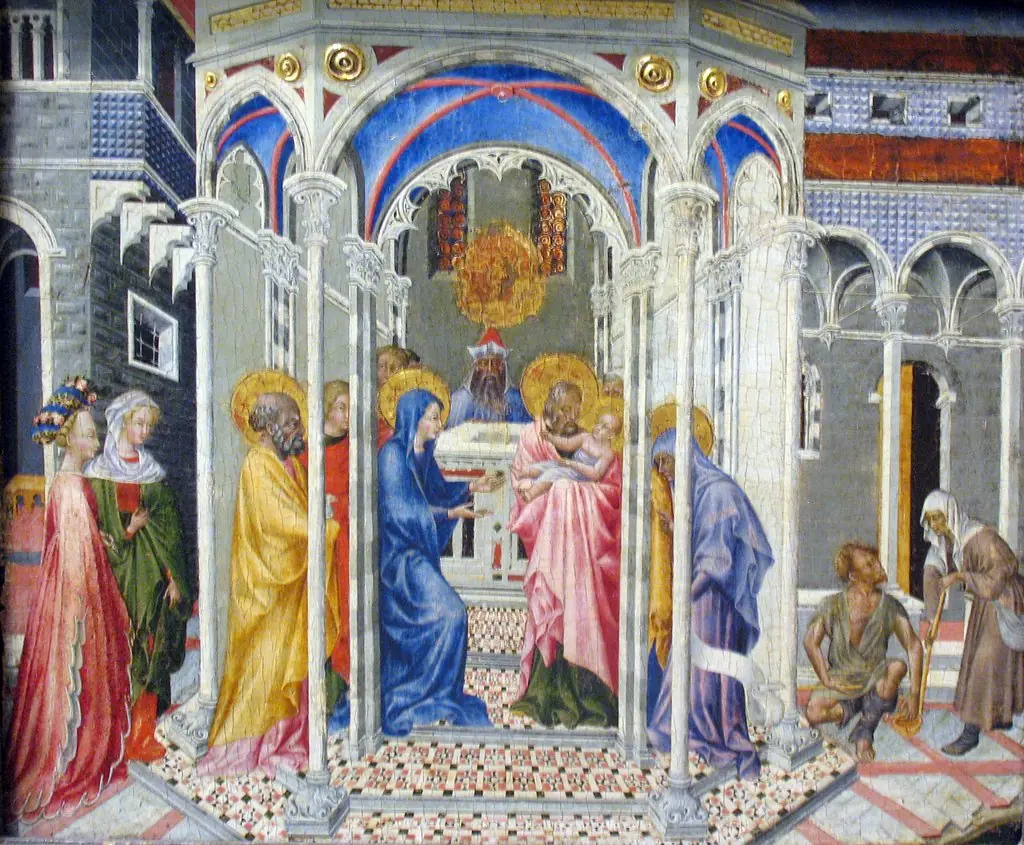 The Presentation of Christ in the Temple
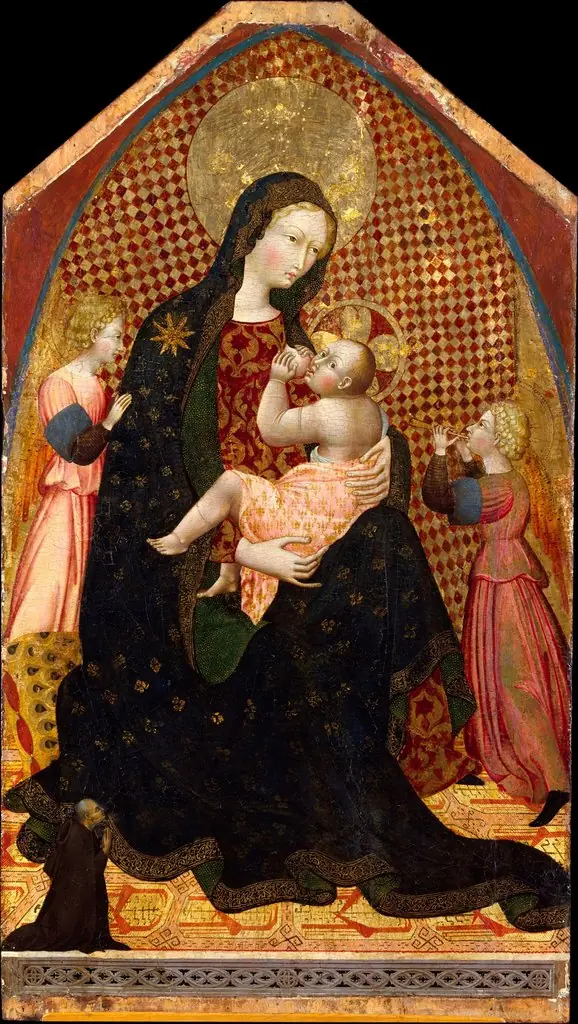 Madonna and Child with Two Angels and a Donor
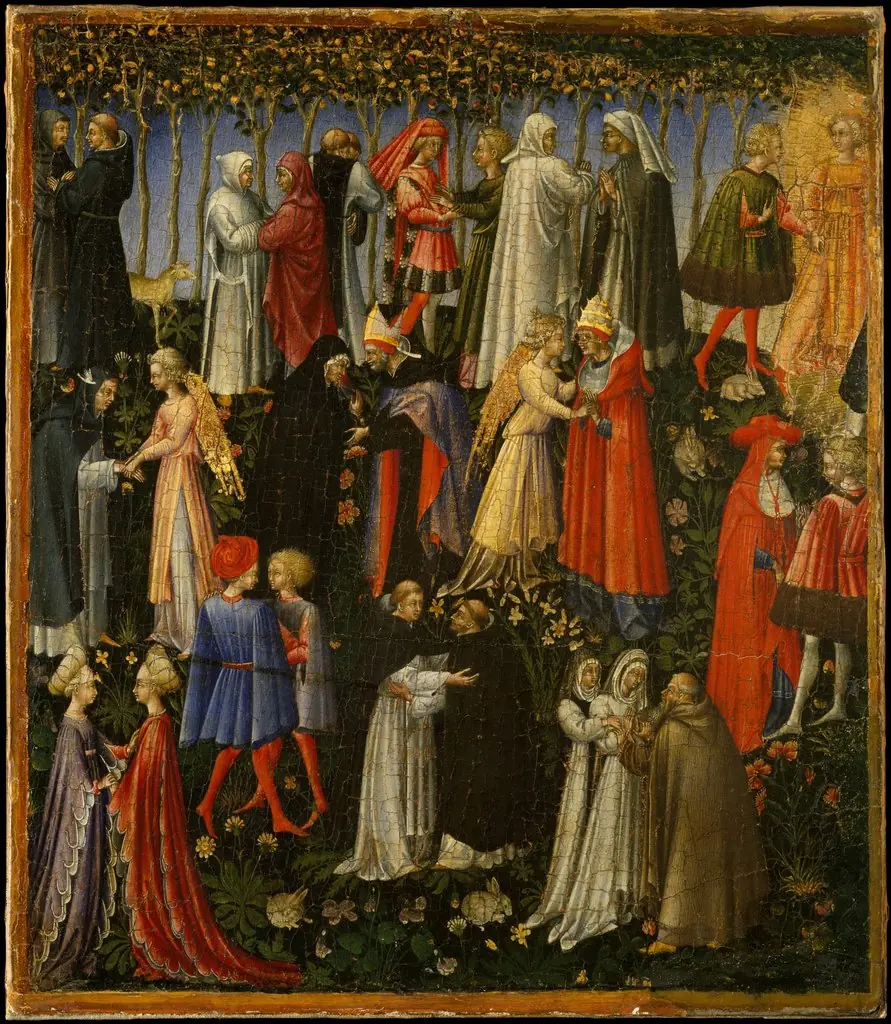 Paradise
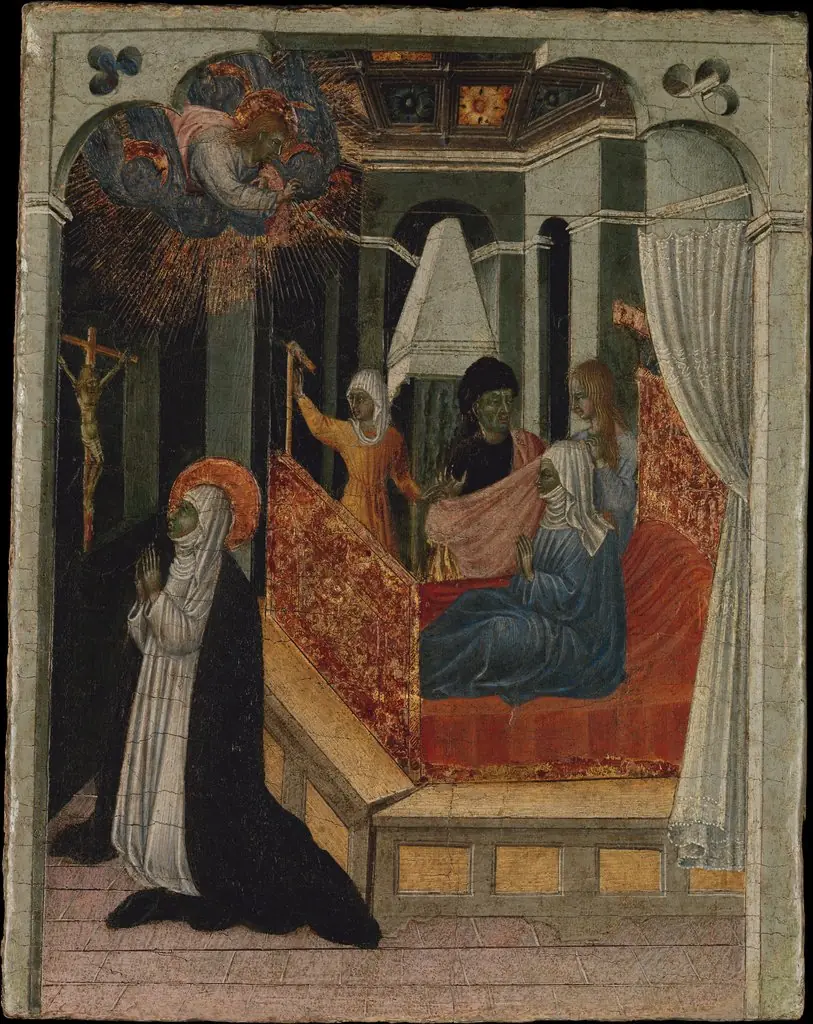 Saint Catherine of Siena Beseeching Christ to Resuscitate Her Mother
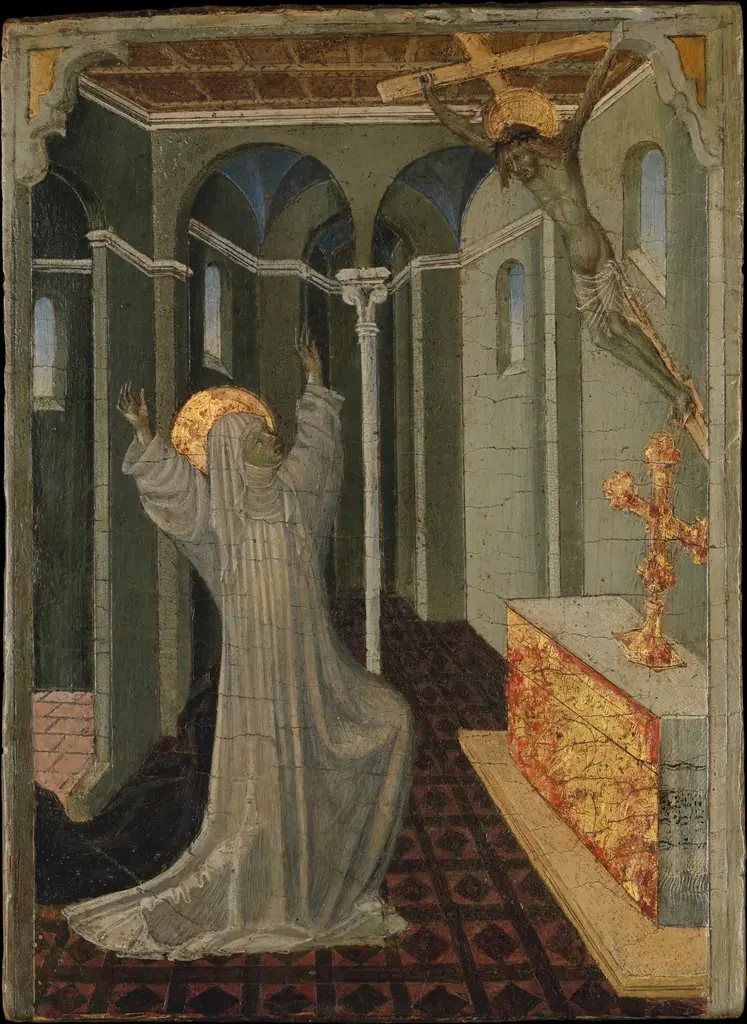 Saint Catherine of Siena Receiving the Stigmata
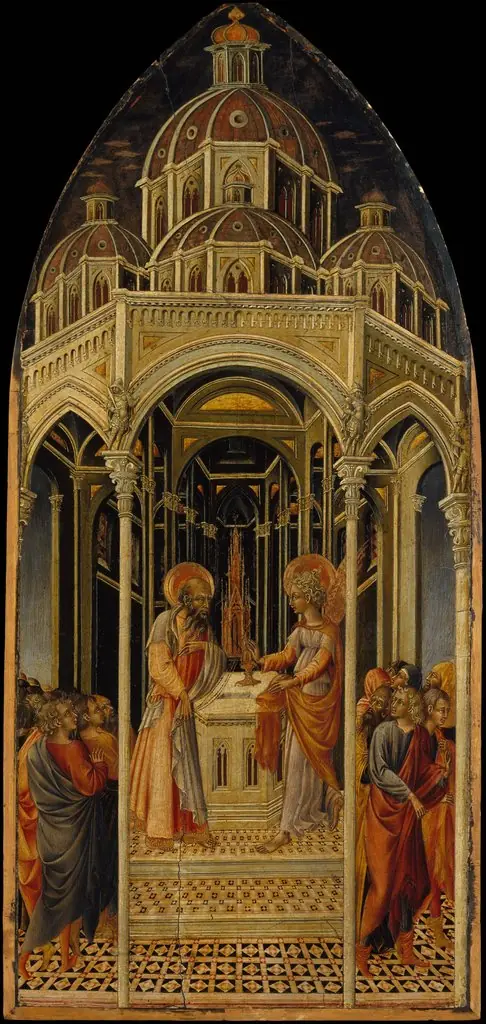 The Annunciation to Zacharias; (verso) The Angel of the Annunciation
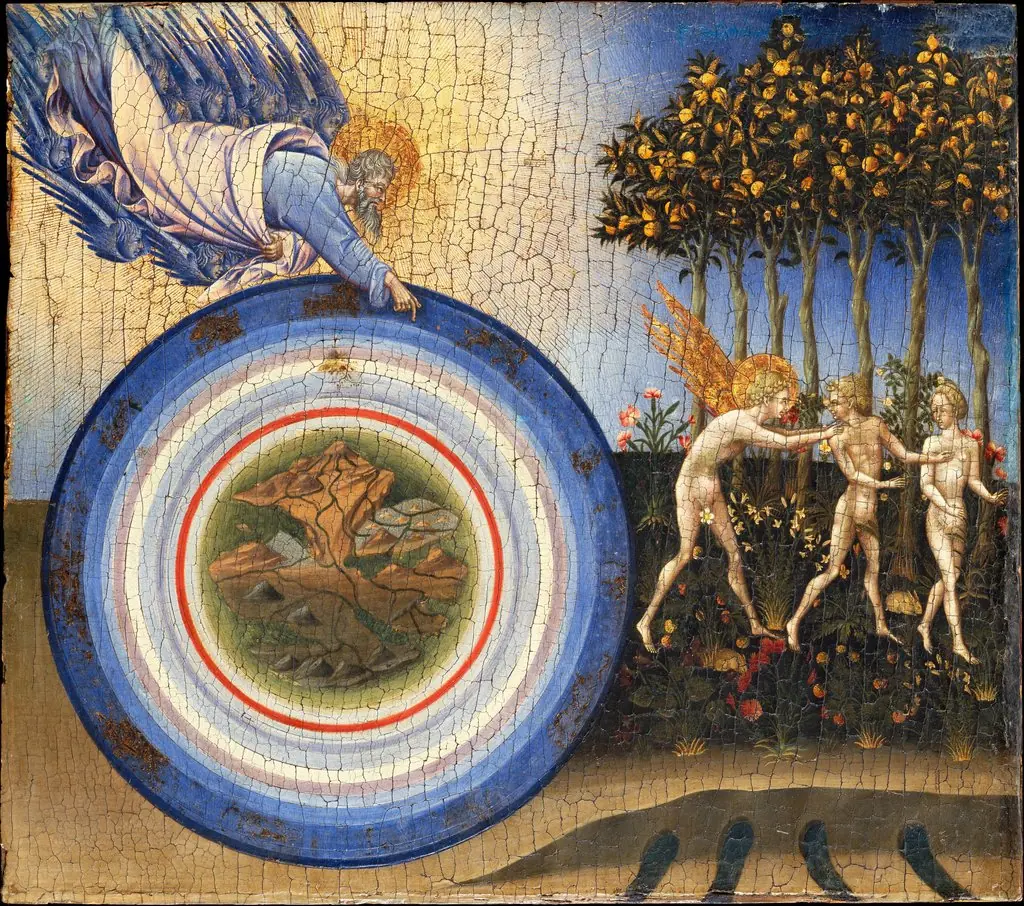 The Creation of the World and the Expulsion from Paradise
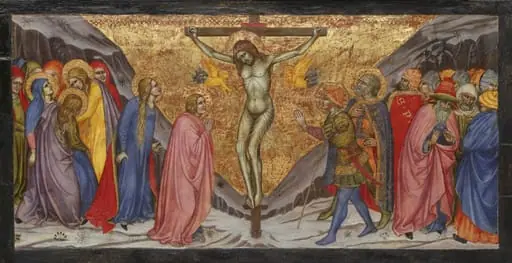
![Scenes from the Passion of Christ: The Descent into Limbo [right panel], by Andrea di Vanni](https://artifactworldgallery.com/img/andrea-di-vanni--scenes-from-the-passion-of-christ-the-descent-into-limbo-rig--9eb5d32175c31b6f-w320.webp)