Artwork
Ecce Agnus Dei
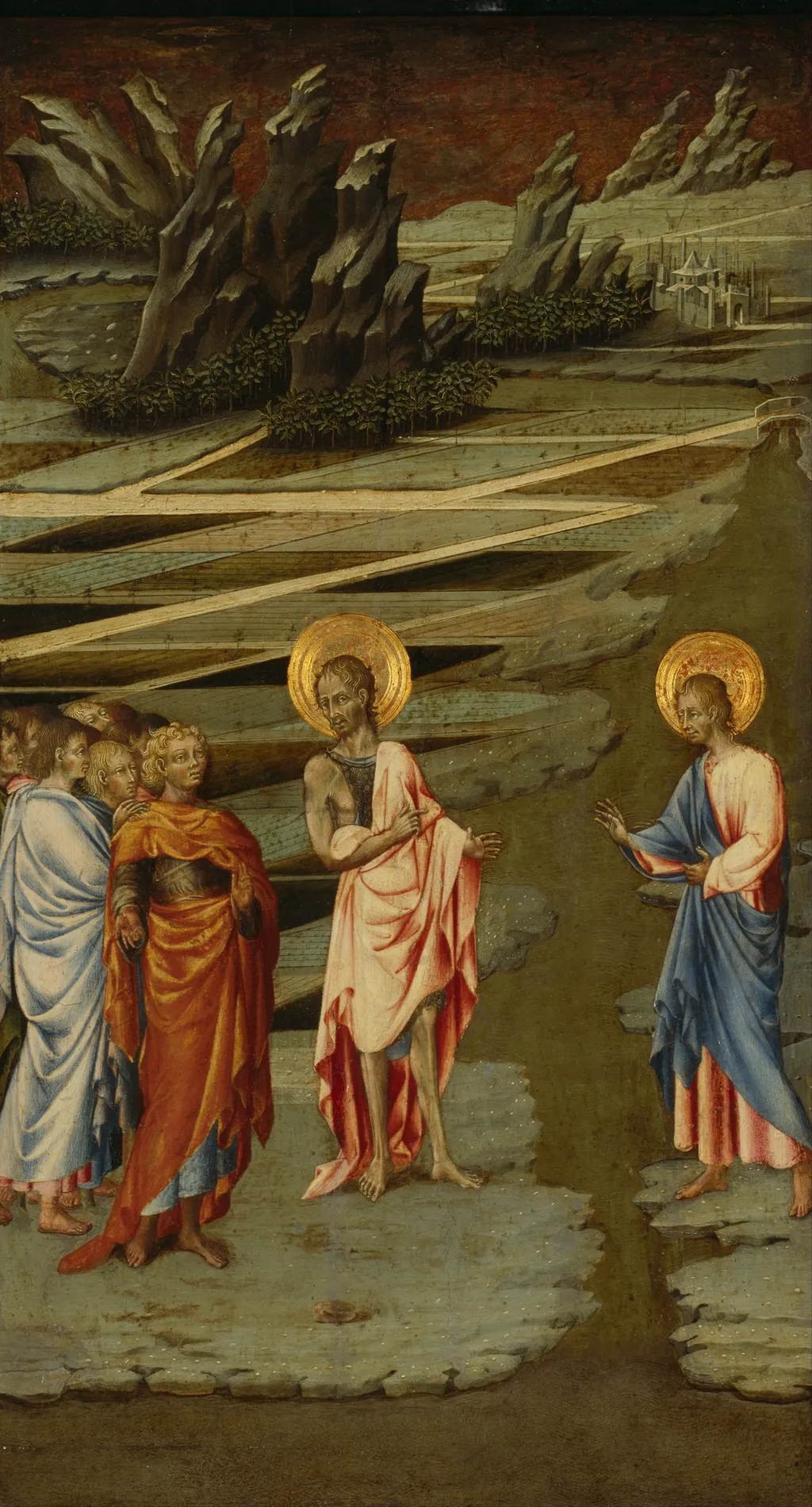
Ecce Agnus Dei is a tempera painting by the Early Renaissance artist Giovanni di Paolo. It dates from 1457 and is held in the collection of the Art Institute of Chicago.
About this work
Overview
Ecce Agnus Dei is a 1457 tempera painting by Giovanni di Paolo, currently housed at the Art Institute of Chicago.
Subject & Meaning
The painting depicts five haloed figures, barefoot and robed, in a symbolic rocky and wooded setting. The central pair, dressed in contrasting simple robes (pink/red and blue), are flanked by three figures in flowing, vibrantly colored attire (blue, orange, white), suggesting a hierarchical or narrative significance.
Technique & Style
Executed in tempera, the work features bright yet muted colors, contributing to a solemn atmosphere. The style is characterized by jagged, expressive tree silhouettes against a dark, uneven ground, emphasizing the figures' prominence.
History & Provenance
Created in 1457 by Giovanni di Paolo, the painting's history prior to its acquisition by the Art Institute of Chicago is not detailed here.
Context
As a religious work from the 15th century, Ecce Agnus Dei reflects the devotional practices and artistic traditions of its time, with the use of halos and bare feet signifying the figures' sacred nature.
Legacy
While specific influences or subsequent artistic impacts of Ecce Agnus Dei are not highlighted, it remains a notable example of Giovanni di Paolo's oeuvre and 15th-century religious art.
Artist & collection

Artist
Giovanni di Paolo di Grazia was an Italian painter, working primarily in Siena, becoming a prolific painter and illustrator of manuscripts, including Dante's texts.

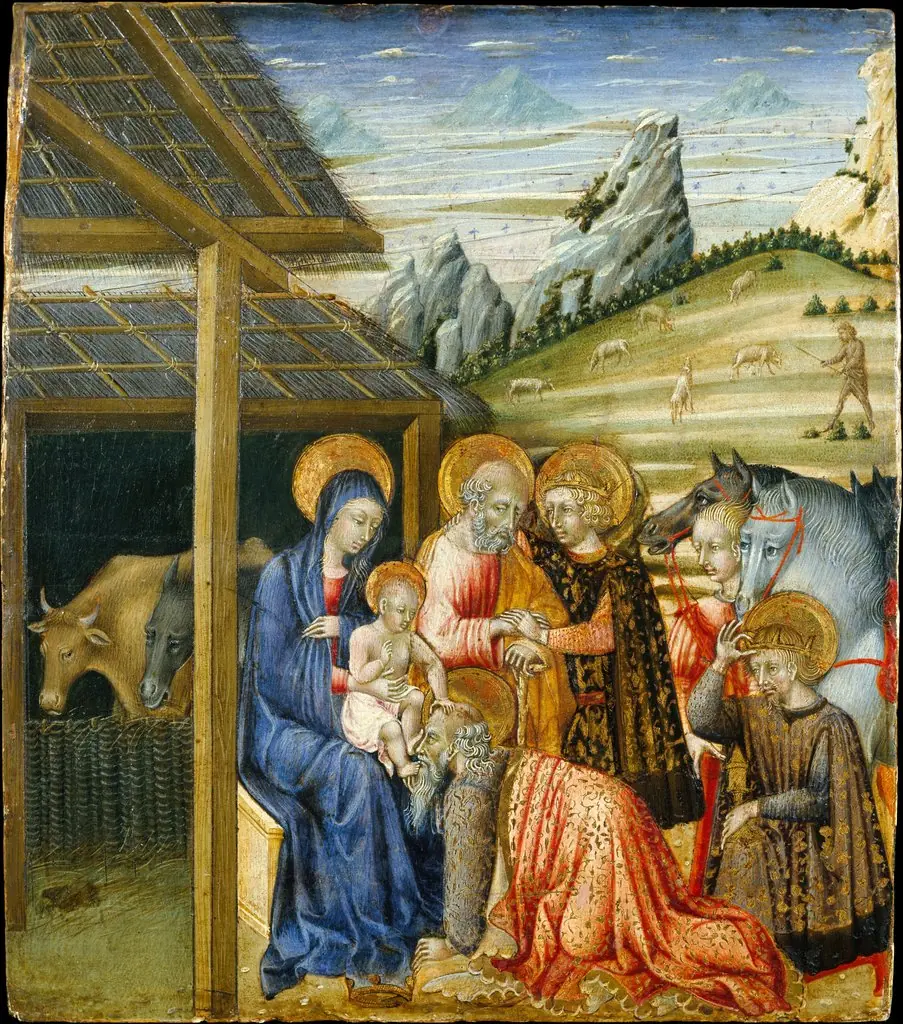 The Adoration of the Magi
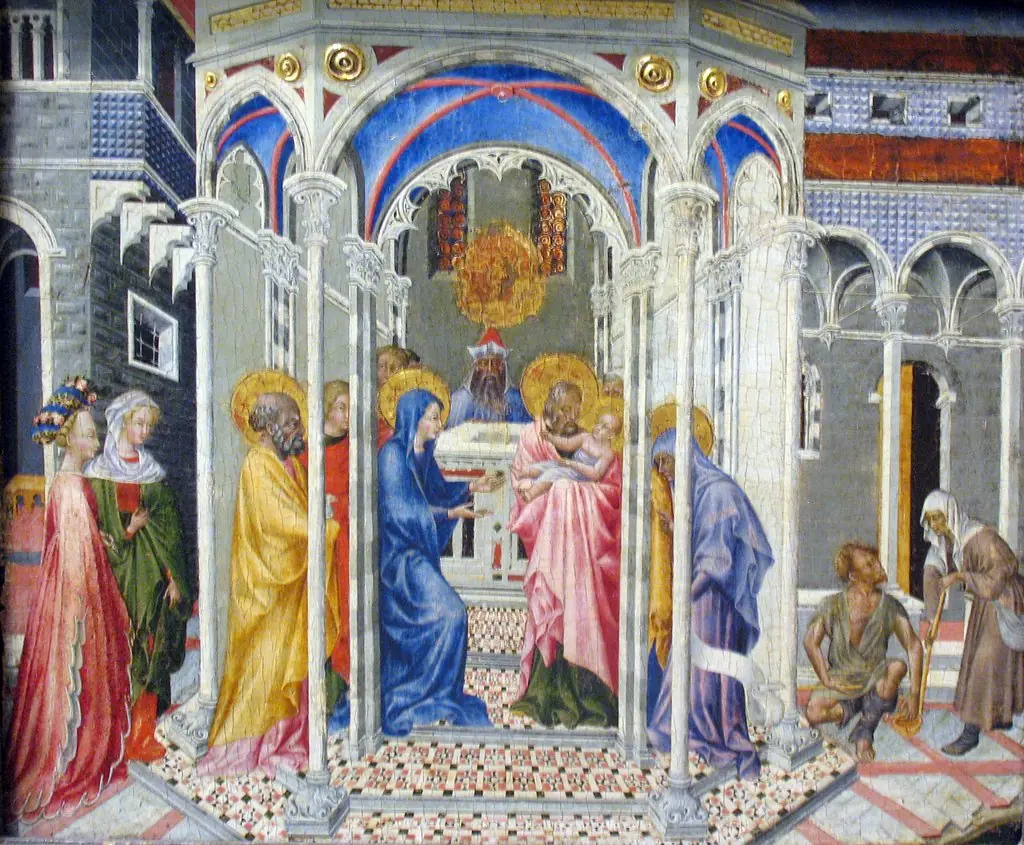 The Presentation of Christ in the Temple
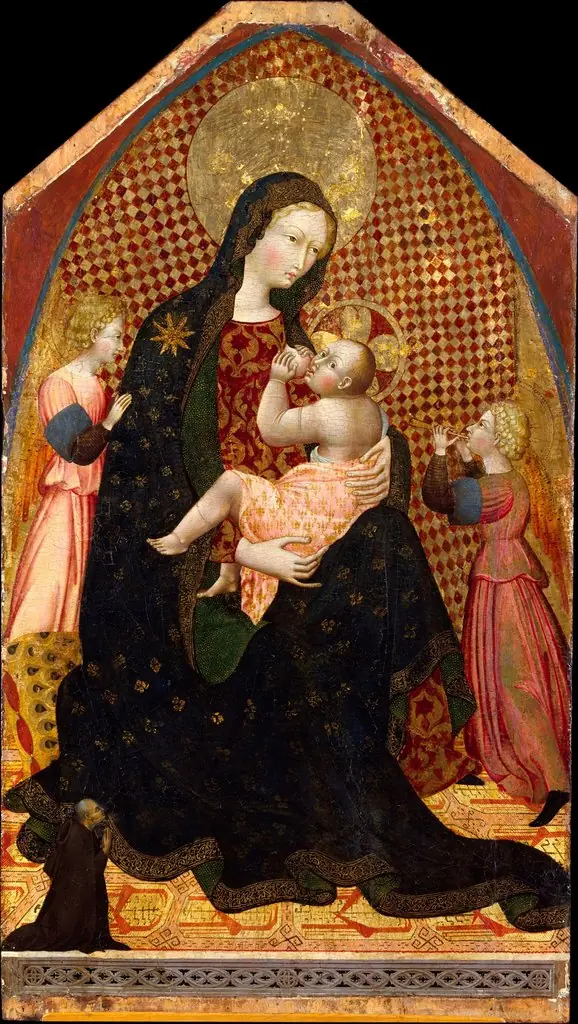 Madonna and Child with Two Angels and a Donor
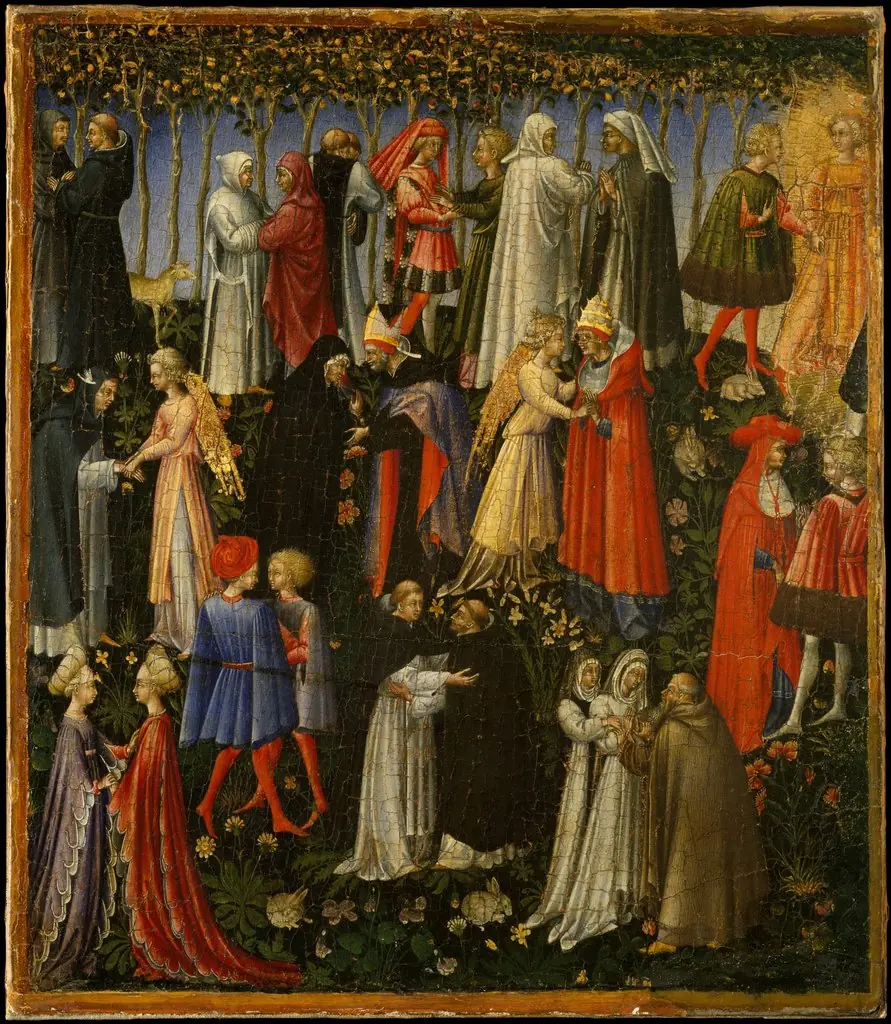 Paradise
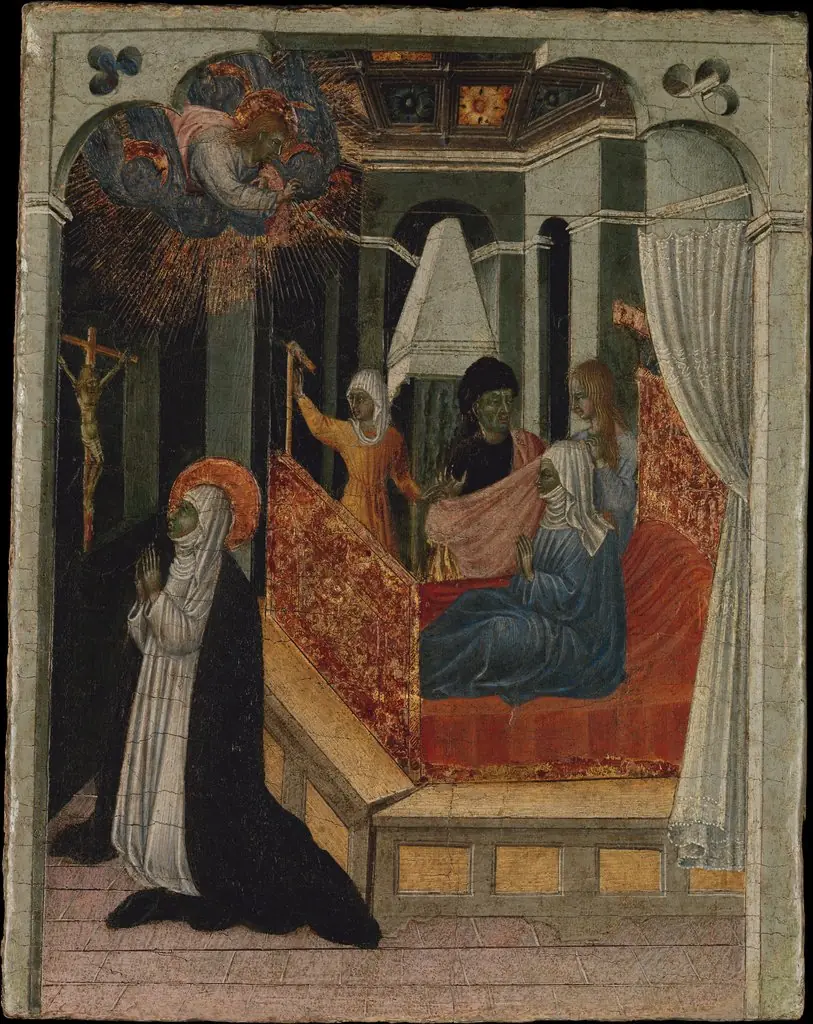 Saint Catherine of Siena Beseeching Christ to Resuscitate Her Mother
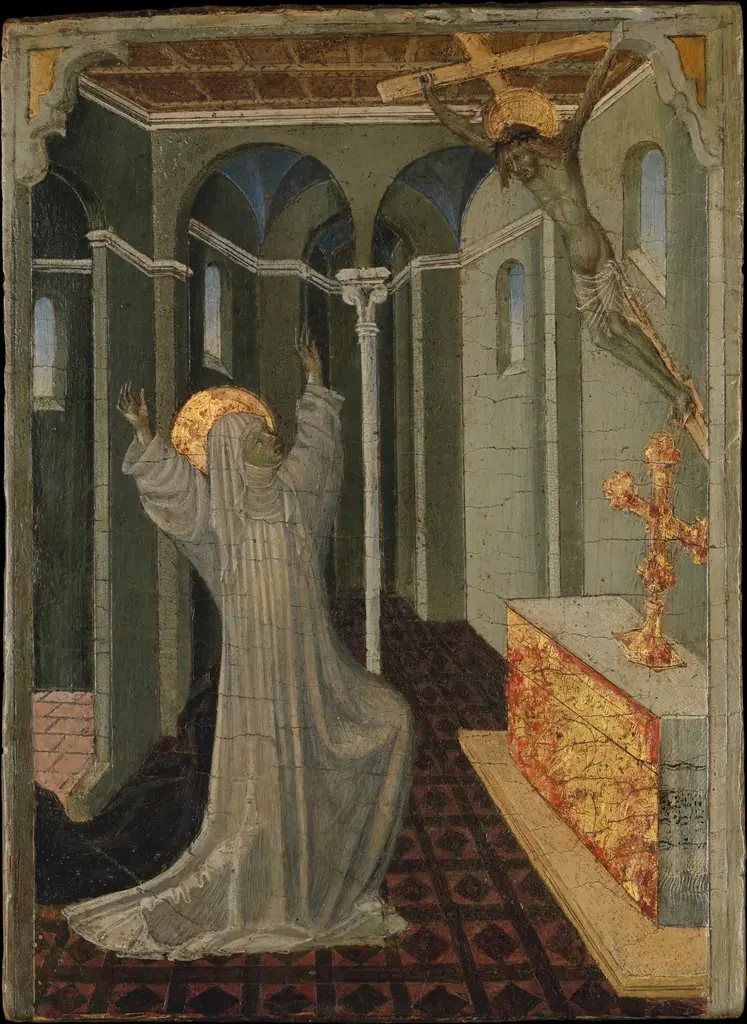 Saint Catherine of Siena Receiving the Stigmata
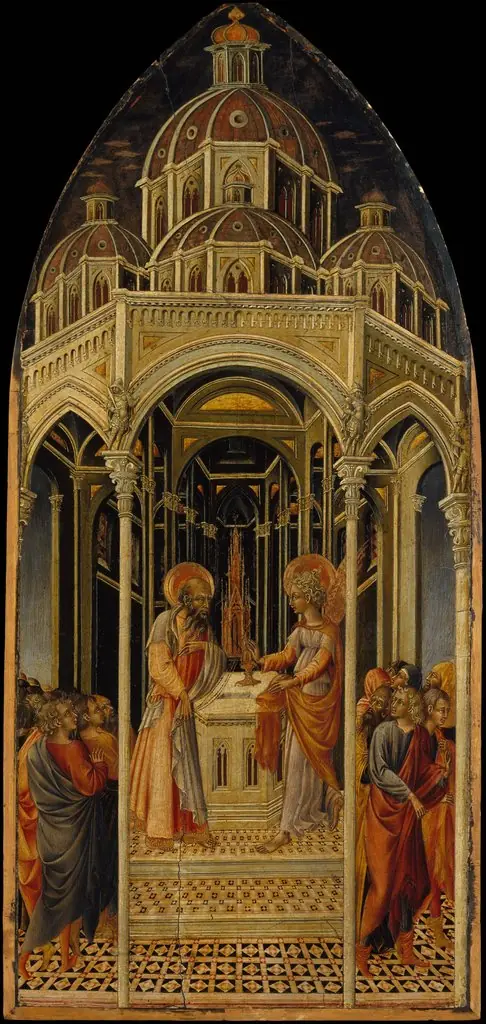 The Annunciation to Zacharias; (verso) The Angel of the Annunciation
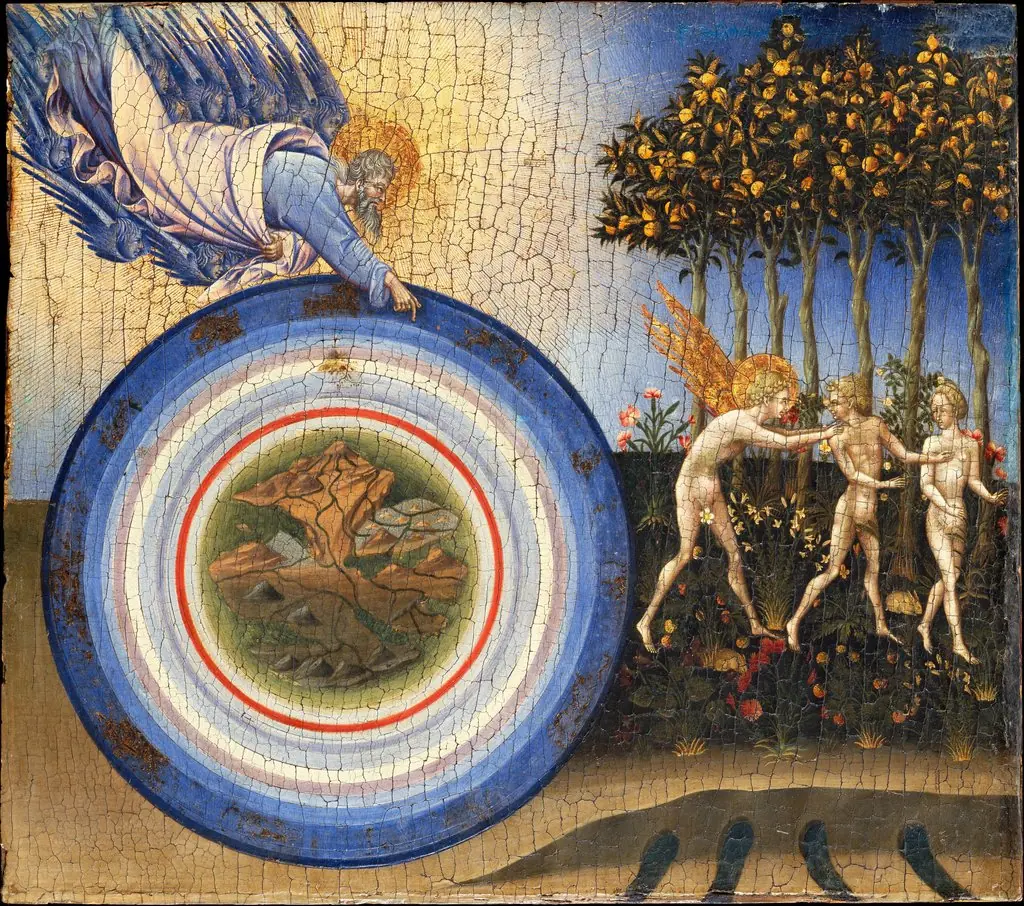 The Creation of the World and the Expulsion from Paradise
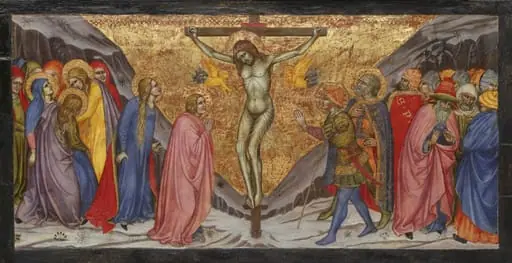 The Crucifixion
![Scenes from the Passion of Christ: The Descent into Limbo [right panel], by Andrea di Vanni](https://artifactworldgallery.com/img/andrea-di-vanni--scenes-from-the-passion-of-christ-the-descent-into-limbo-rig--9eb5d32175c31b6f-w320.webp) Scenes from the Passion of Christ: The Descent into Limbo [right panel]
Scenes from the Passion of Christ: The Descent into Limbo [right panel]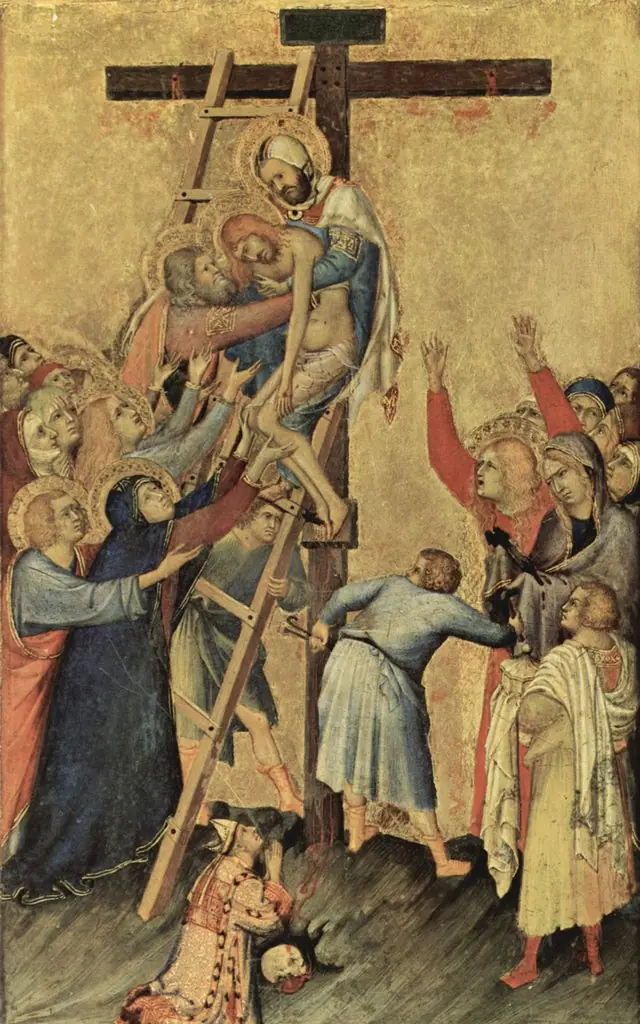 Descent from the Cross
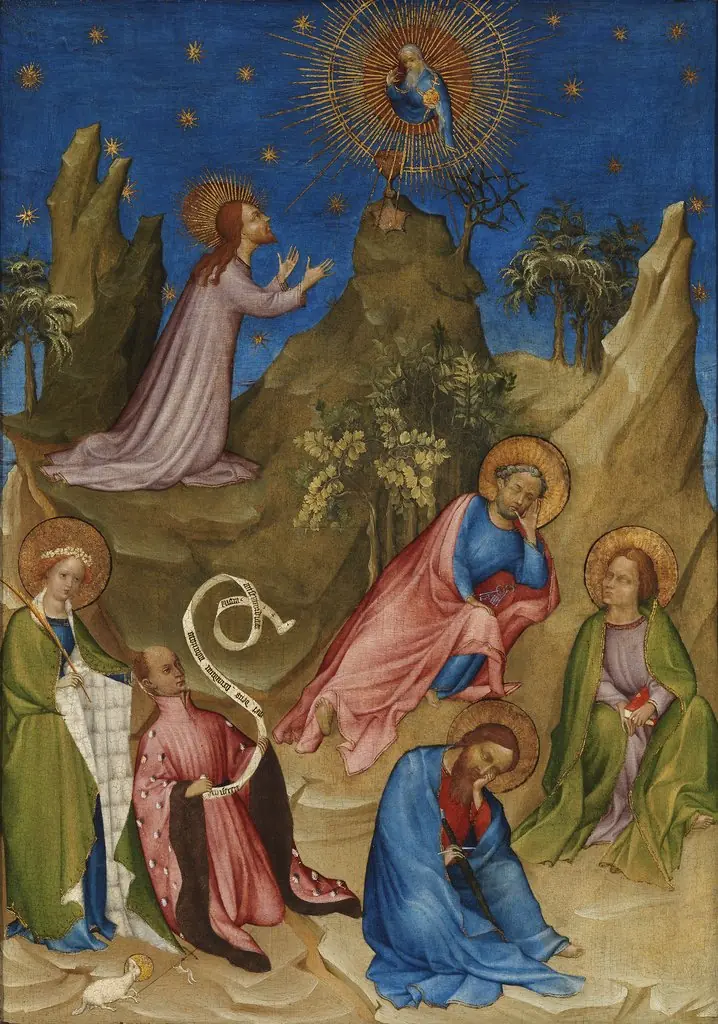 Agony in the Garden with donor Louis I of Orléans
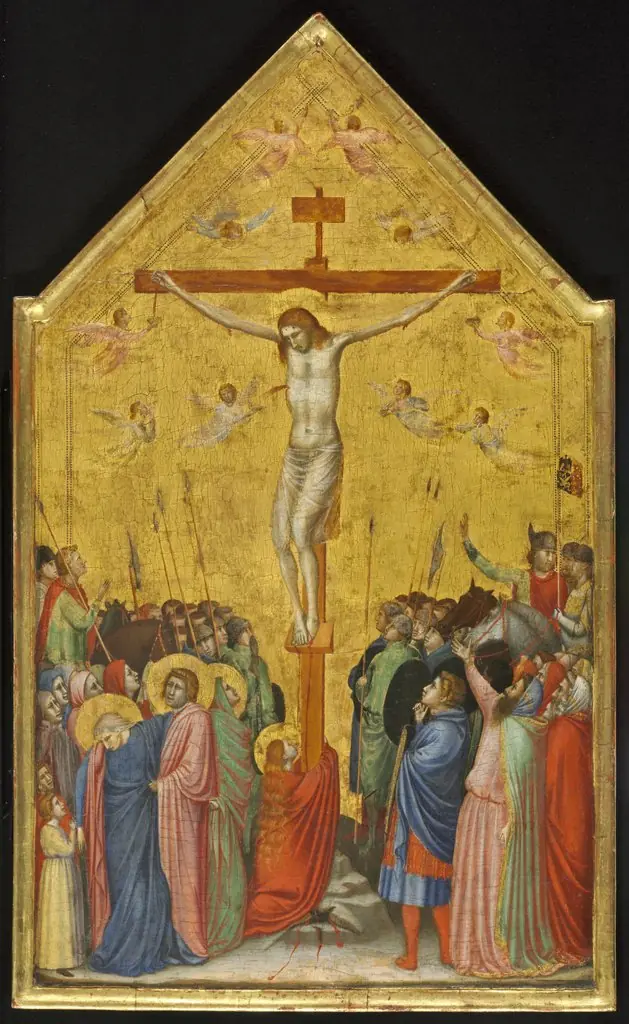 The Crucifixion of Christ
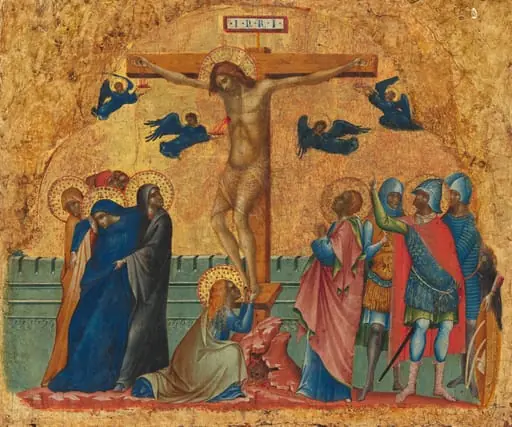 The Crucifixion
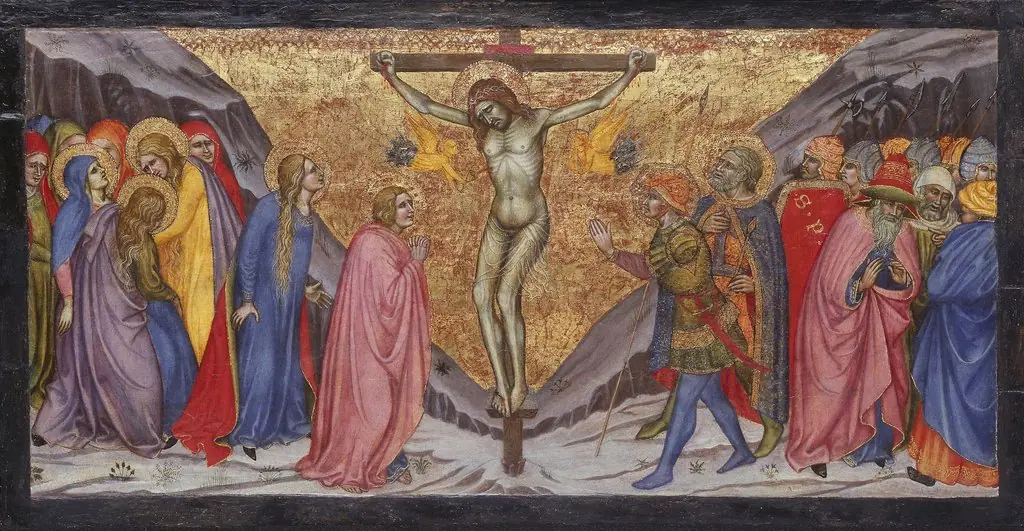 The Crucifixion
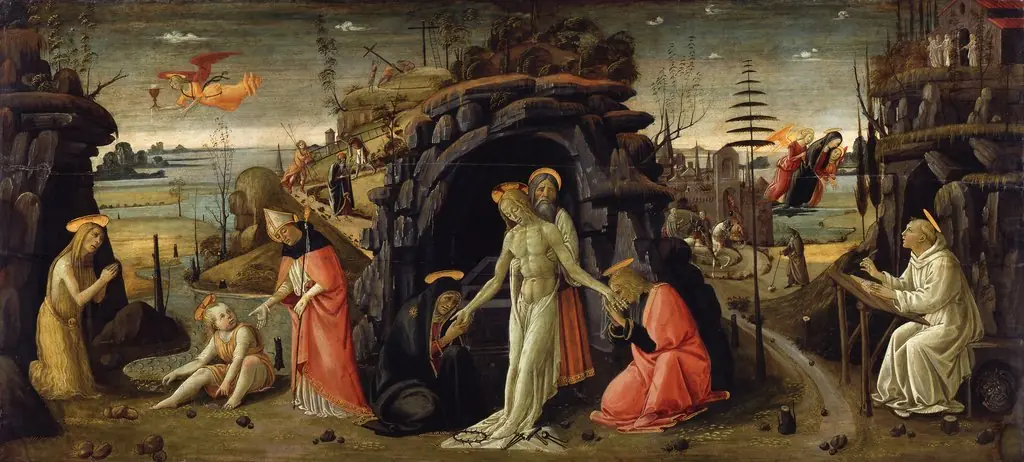 Landscape with biblical scenes and scenes from the legends of saints
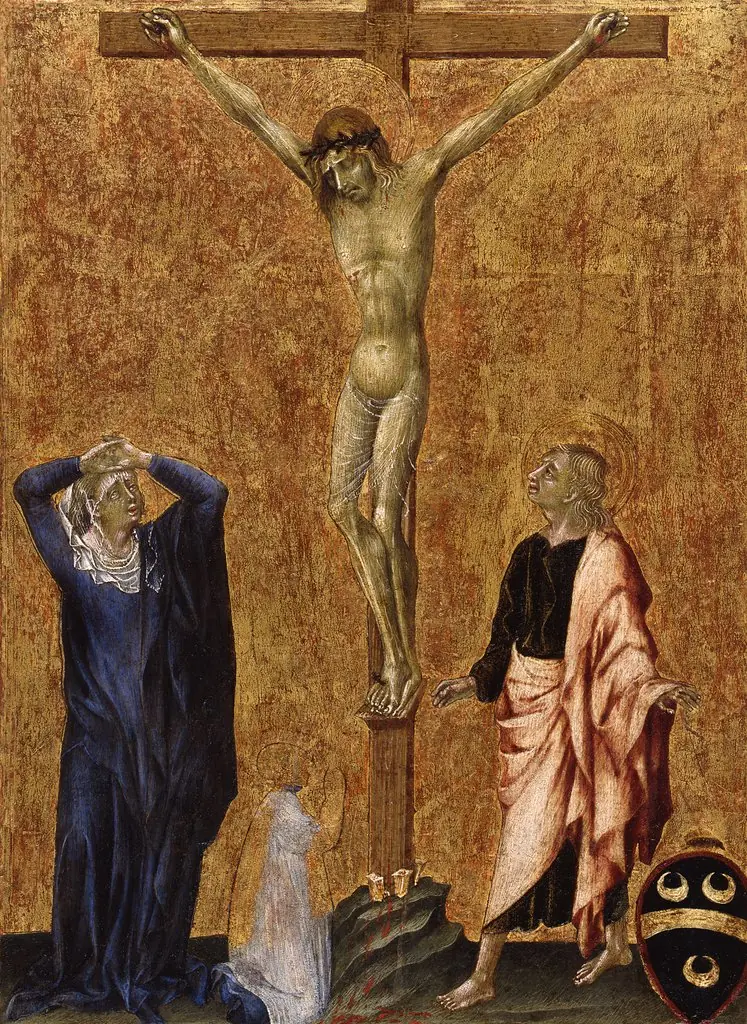 Christ on the cross between Mary and John with a kneeling Dominican
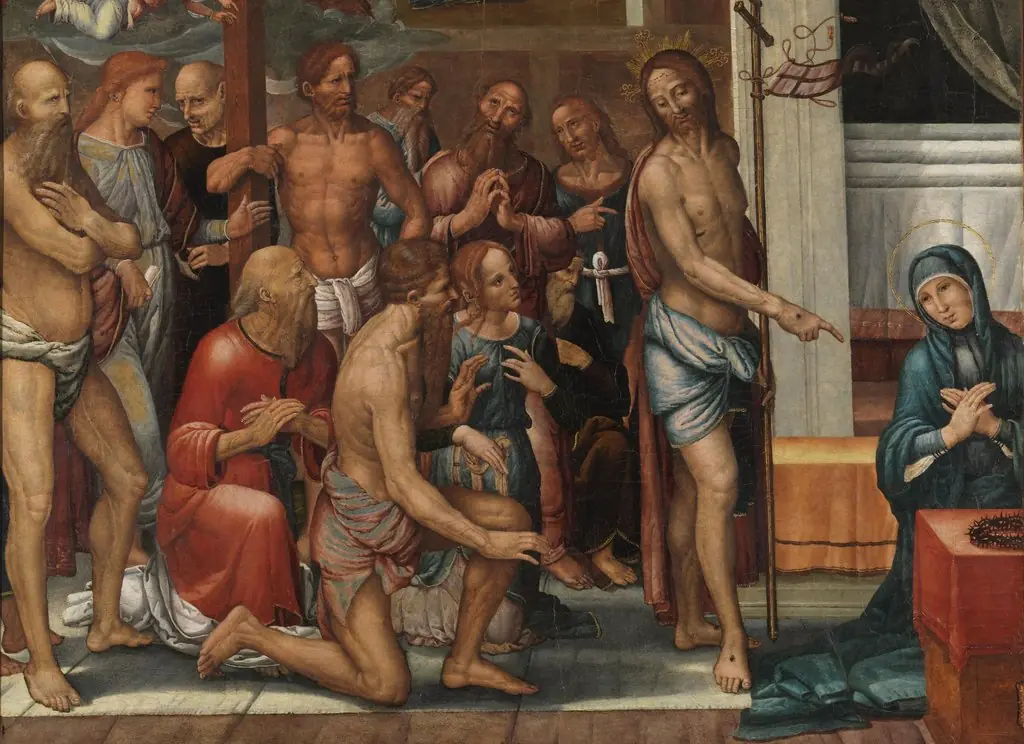 Christ presents the Redeemed from Limbo to the Virgin