Artwork
The Head of Saint John the Baptist Brought before Herod
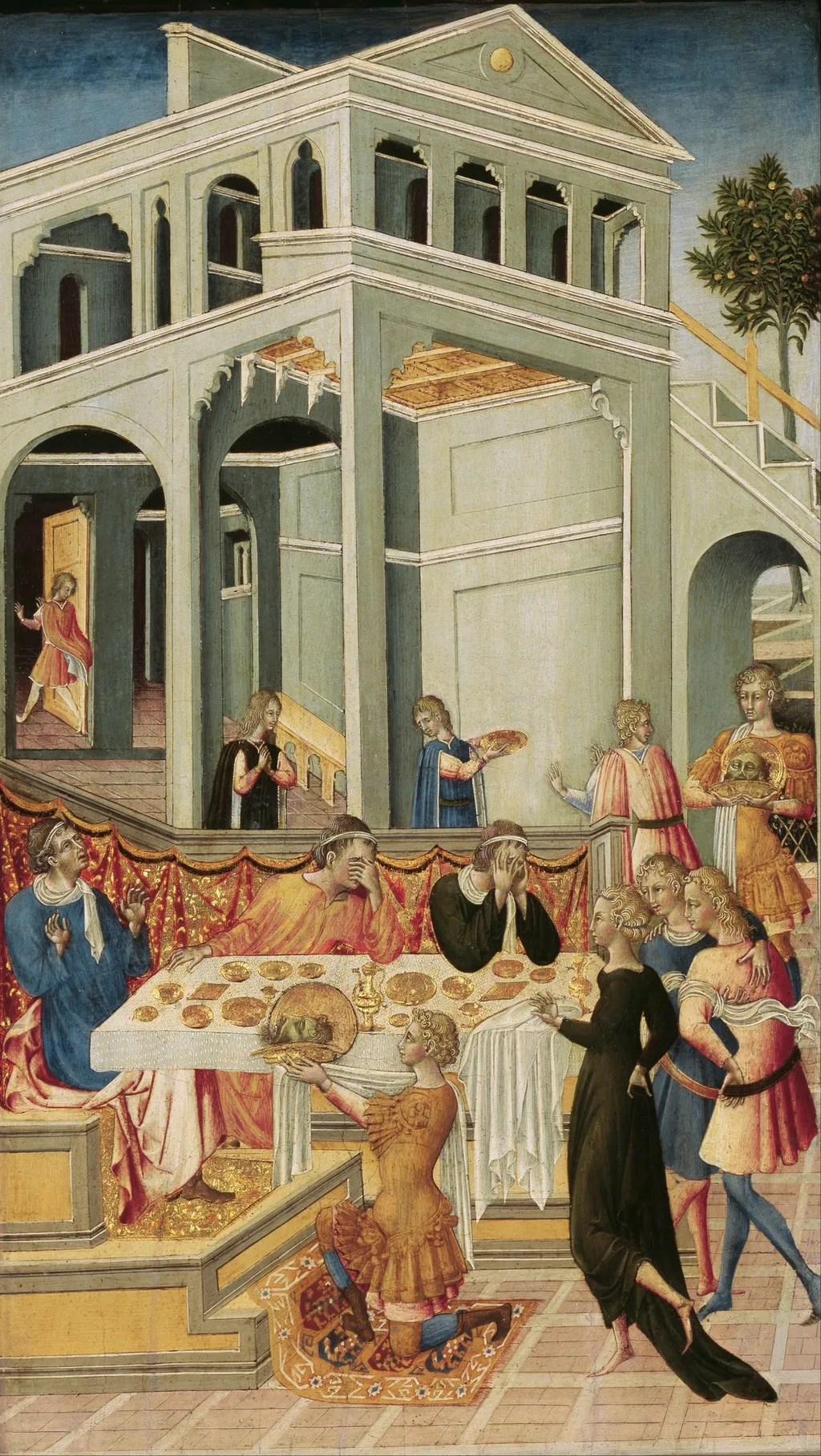
The Head of Saint John the Baptist Brought before Herod is an unspecified painting by the Early Renaissance artist Giovanni di Paolo. It dates from 1457 and is held in the collection of the Art Institute of Chicago.
About this work
Overview
Executed in tempera on panel, the scene unfolds in a crowded courtyard, where figures react to the grim offering.
Painted in 1457 by Giovanni di Paolo, this work illustrates a pivotal moment from the New Testament: the presentation of John the Baptist’s severed head to Herod. Executed in tempera on panel, the scene unfolds in a crowded courtyard, where figures react to the grim offering. The painting resides in the Art Institute of Chicago, where its vivid palette and intricate detailing reflect the devotional intensity of Sienese art in the mid-15th century.
Subject & Meaning
The scene captures the aftermath of Salome’s demand, as John’s head is presented on a platter to Herod. The figures surrounding the platter display varied reactions—shock, awe, and unease—emphasizing the moral gravity of the act. The inclusion of onlookers on a distant balcony suggests public complicity and the political weight of the moment. The composition centers the head not as a mere trophy, but as a symbol of prophetic sacrifice and divine judgment.
Technique & Style
Giovanni di Paolo employed tempera with gold leaf accents to heighten the luminosity of garments and surfaces. The figures are rendered with elongated proportions and expressive gestures typical of Sienese Gothic traditions. Background architecture is rendered with precise, almost architectural clarity, contrasting with the animated, almost chaotic foreground. The use of saturated hues—particularly the orange robe—draws the eye to the central offering, reinforcing its narrative dominance.
History & Provenance
Commissioned during the height of Sienese religious painting, the work likely served a private devotional function. It entered the Art Institute of Chicago’s collection in the 20th century, having passed through European private holdings since its creation. Its survival in relatively intact condition is notable, given the fragility of tempera panels and the disruptions of centuries of ownership transitions.
Context
In mid-15th-century Siena, depictions of John the Baptist’s martyrdom were common in religious art, reflecting the saint’s role as a forerunner of Christ and a symbol of moral integrity. The painting’s emphasis on witness and reaction aligns with contemporary devotional practices that encouraged viewers to contemplate sin, justice, and divine retribution. The domestic setting, with its flatbreads and courtyard, grounds the sacred in everyday life.
Legacy
Though overshadowed by later Renaissance naturalism, Giovanni di Paolo’s work preserves the expressive power of late Gothic narrative painting. Its emotional immediacy and symbolic density influenced regional artists who sought to convey spiritual tension through gesture and color. Today, it stands as a testament to the enduring capacity of medieval imagery to evoke moral reflection through visual storytelling.
Artist & collection

Artist
Giovanni di Paolo di Grazia was an Italian painter, working primarily in Siena, becoming a prolific painter and illustrator of manuscripts, including Dante's texts.

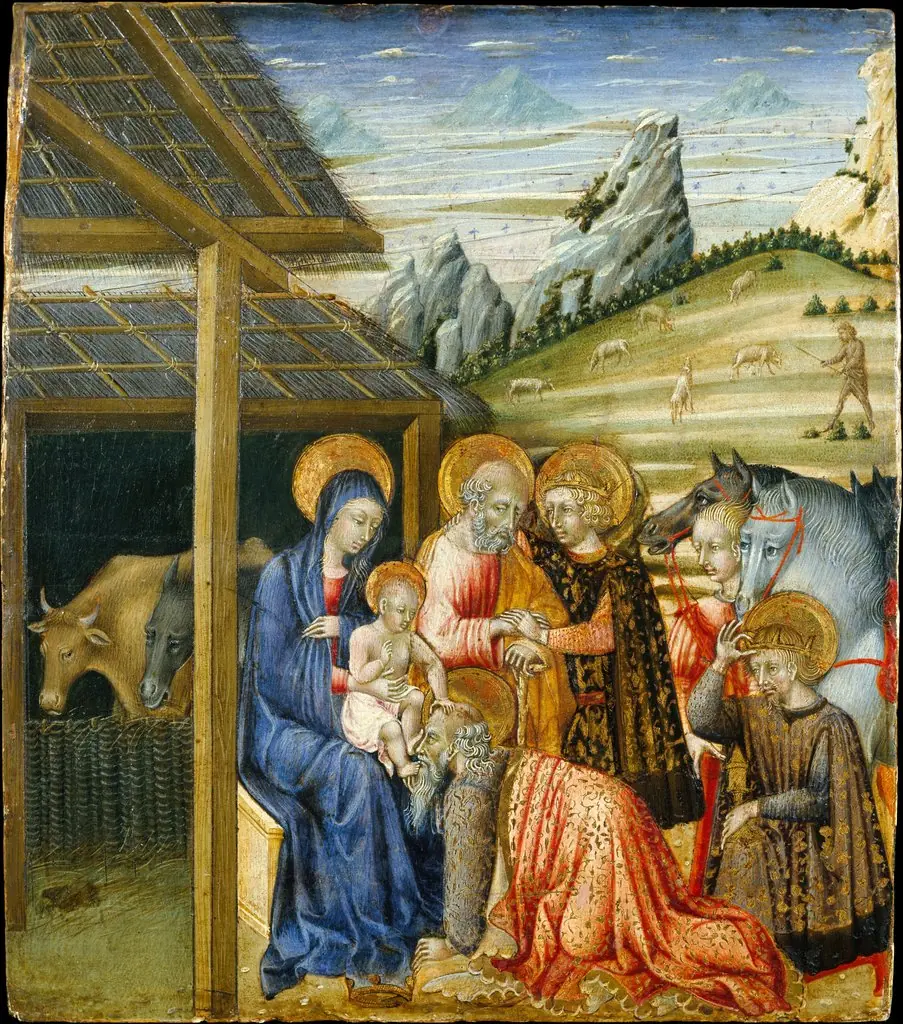 The Adoration of the Magi
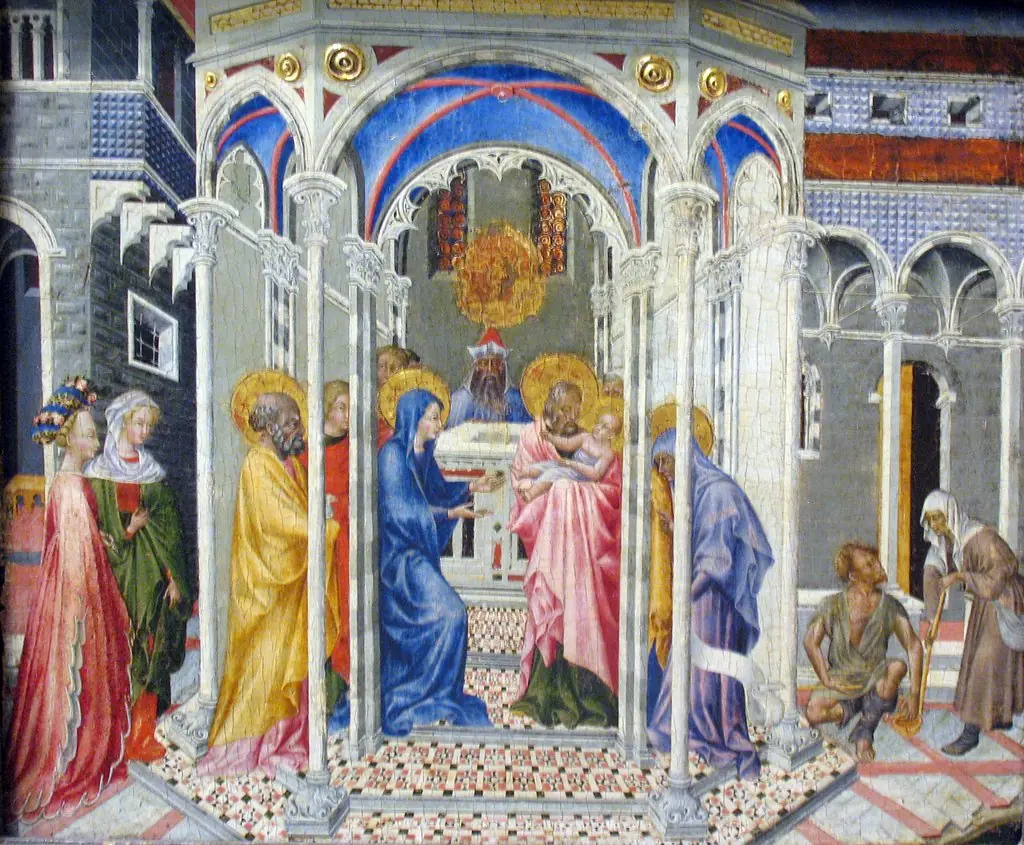 The Presentation of Christ in the Temple
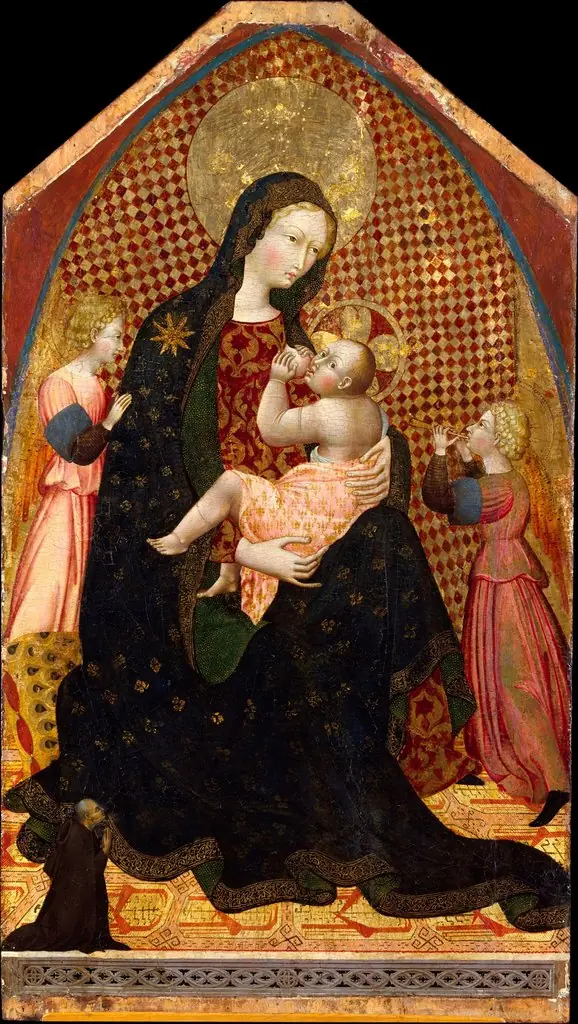 Madonna and Child with Two Angels and a Donor
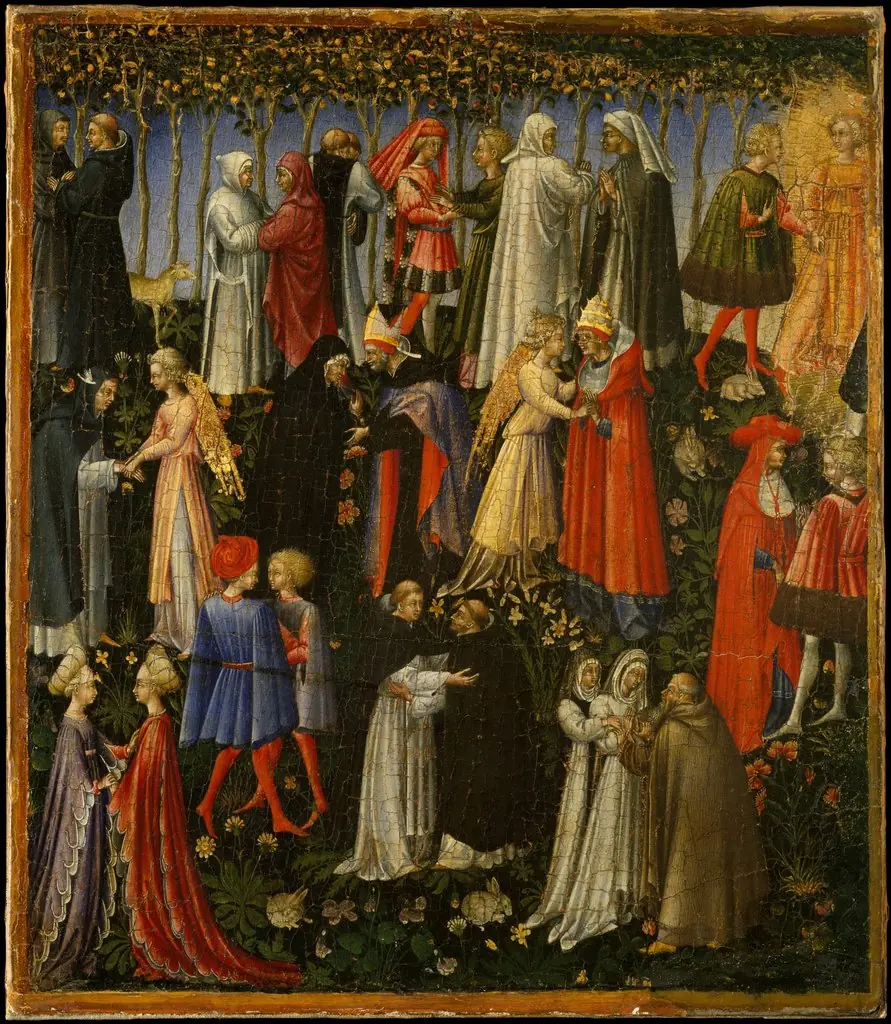 Paradise
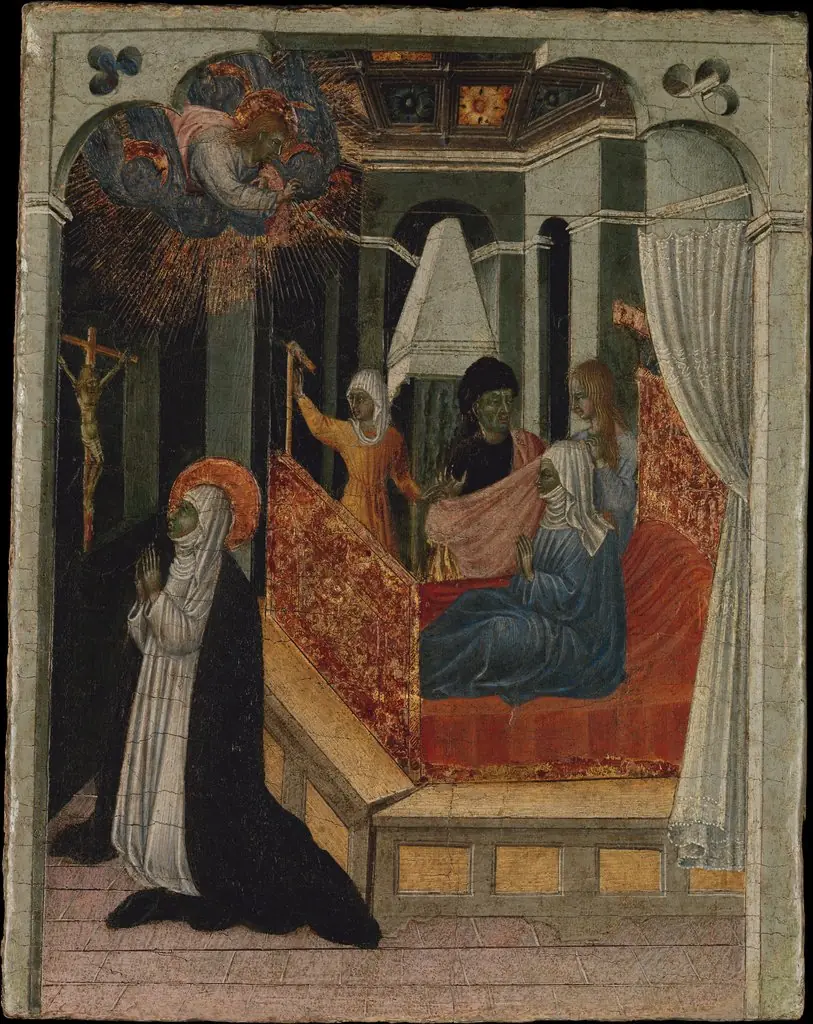 Saint Catherine of Siena Beseeching Christ to Resuscitate Her Mother
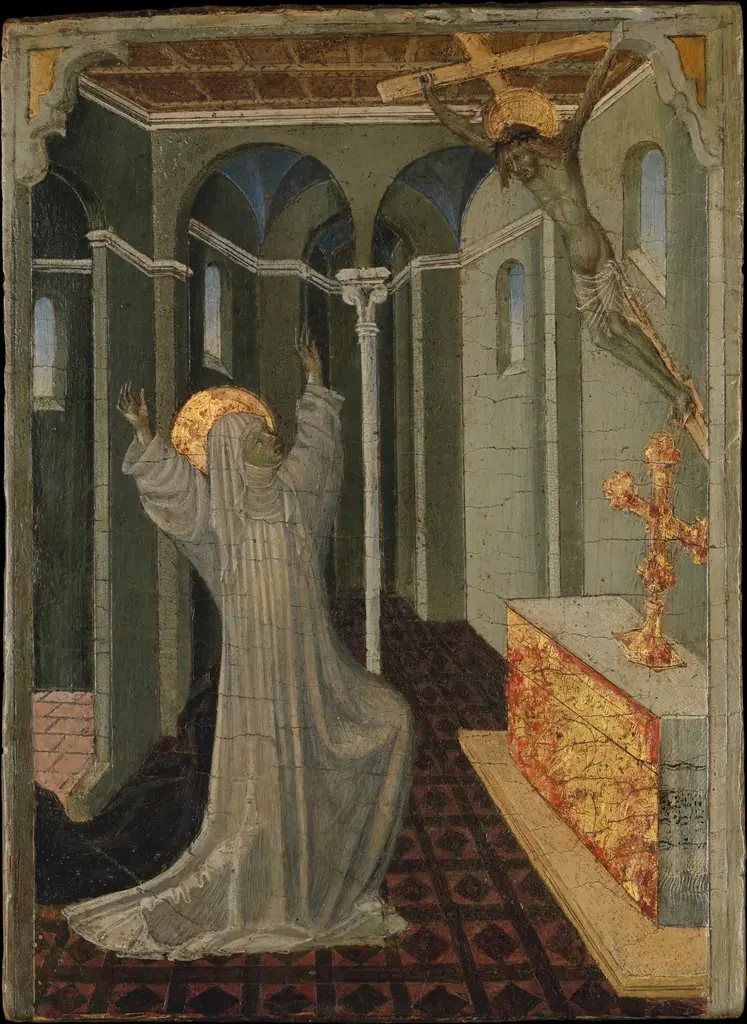 Saint Catherine of Siena Receiving the Stigmata
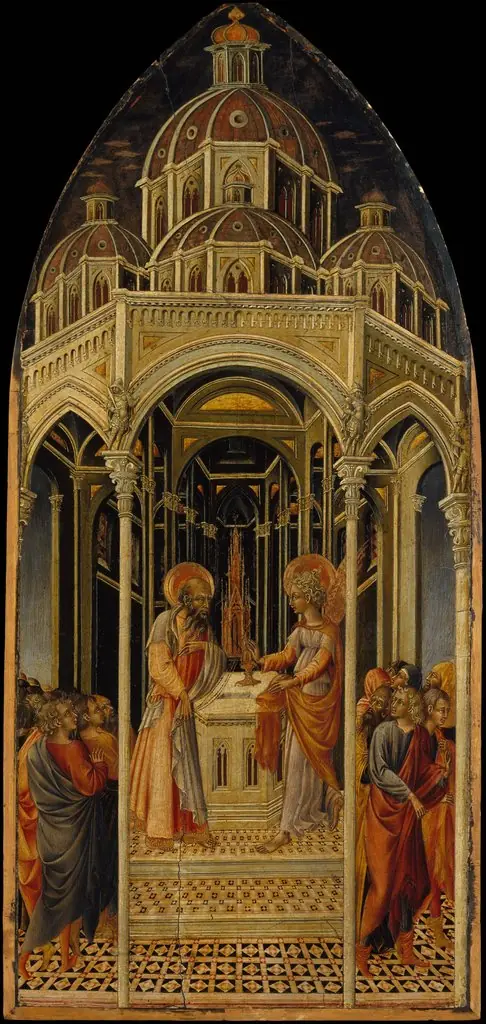 The Annunciation to Zacharias; (verso) The Angel of the Annunciation
 The Creation of the World and the Expulsion from Paradise
 The Banquet of Ahasuerus
 The Marriage at Cana
 The Feast of Herod and the Beheading of the Baptist
 Charity of St. Oswald
 The Marriage Feast at Cana
 Inner left wing of an altarpiece with the wedding feast of St Elizabeth and Louis of Thuringia in the Wartburg
 Nativity of the Virgin
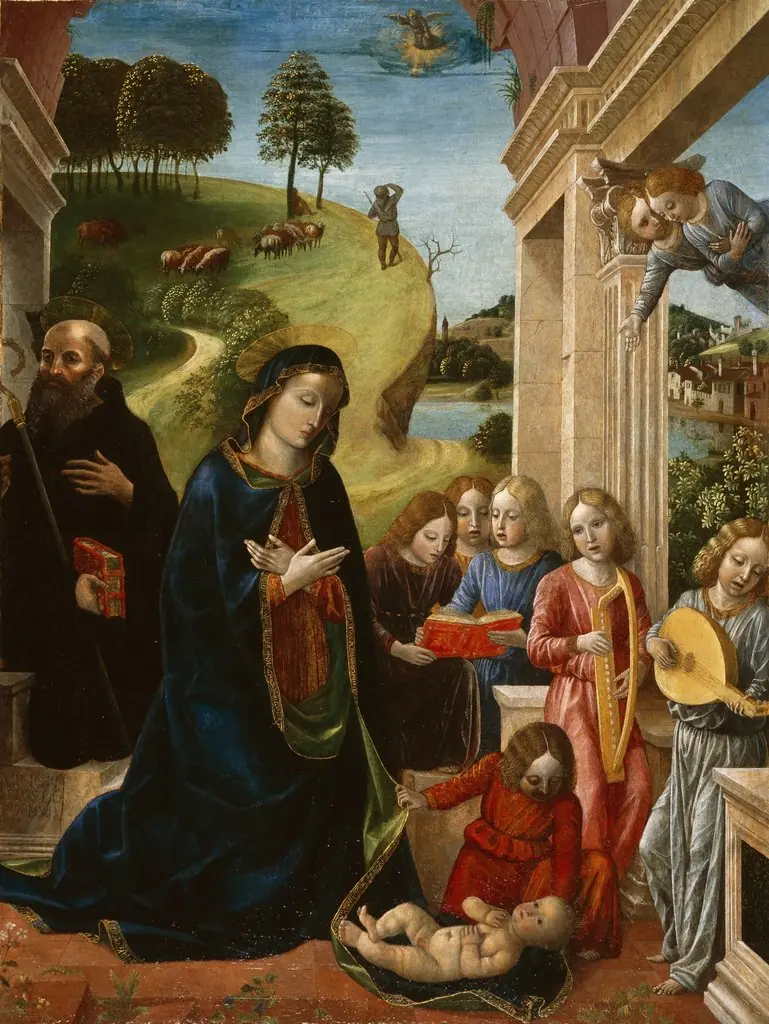 Adoration of the Child with St. Benedict and Angels
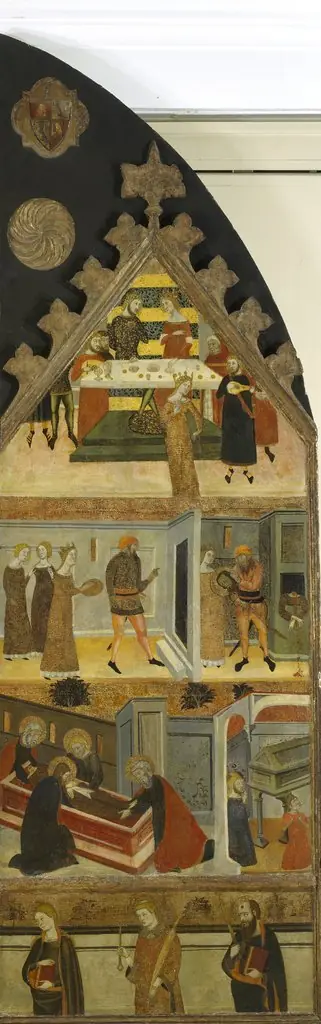 Episodes from the Lives of Mary Magdalen and Saint John the Baptist