Artwork
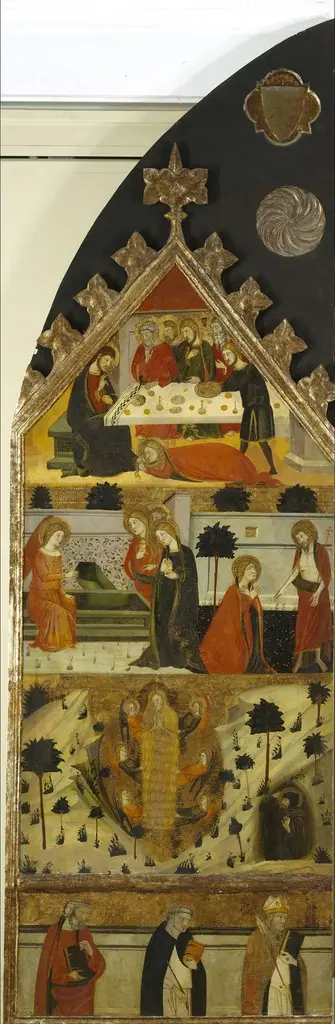
Episodes from the Lives of Mary Magdalen and Saint John the Baptist
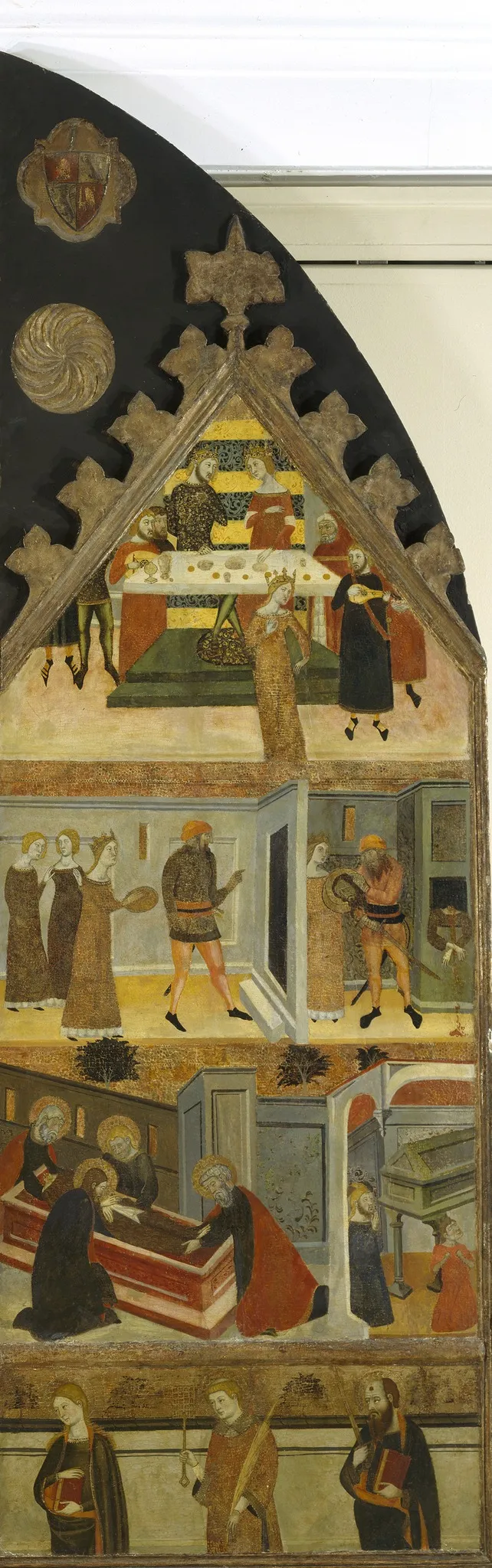
Episodes from the Lives of Mary Magdalen and Saint John the Baptist is a tempera painting by the Byzantine icon painting artist Jaume Serra. It dates from 1356 and is held in the collection of the Museo del Prado.
About this work
Overview
It is part of the collection of the Museo del Prado in Madrid.
Created in 1356 by the Catalan painter Jaume Serra, this tempera panel presents a narrative composition drawn from the lives of Mary Magdalene and Saint John the Baptist. The work is divided into distinct registers, the uppermost bearing a decorative shield and spiral motif, while the central area unfolds a sequence of episodic scenes. It is part of the collection of the Museo del Prado in Madrid.
Subject & Meaning
The central register illustrates several moments from the saints’ stories: a domestic scene shows a woman seated at a table with a man and a child, suggesting a moment of hospitality or instruction; elsewhere a figure holds a guitar, and a lute appears, linking music to the spiritual narrative. The inclusion of John the Baptist emphasizes his role as a prophetic precursor, while the presence of Mary Magdalene underscores themes of repentance and devotion.
Technique & Style
Executed in egg tempera, the painting displays the fine, linear brushwork typical of mid‑fourteenth‑century Iberian art. The medium allows for precise detailing and a luminous surface that creates subtle modeling of forms. The composition’s compartmentalized structure and ornamental borders reflect a medieval storytelling approach, where each vignette is rendered with careful attention to costume, gesture, and setting.
History & Provenance
The panel has remained in the Spanish royal collections before being transferred to the national museum. Its attribution to Jaume Serra rests on stylistic comparison with other works from his workshop, and the dated inscription confirms its creation in the mid‑1300s. The painting entered the Museo del Prado’s holdings in the 19th century, where it is displayed among other Gothic religious panels.
Context
Serra’s work belongs to a period when Catalan painters were integrating local devotional traditions with broader European iconographic trends. The combination of biblical figures with everyday objects such as musical instruments reflects a didactic intent, making sacred stories accessible to contemporary viewers. The panel’s narrative format aligns with the didactic panels found in churches and private chapels of the time.
Artist & collection
Artist
Jaume Serra painted delicate tempera panels in 1300s Spain. His Madonna and Child shows soft colors and careful folds in Mary’s robe. The same calm style appears in Episodes from the Lives of Mary Magdalen and Saint…

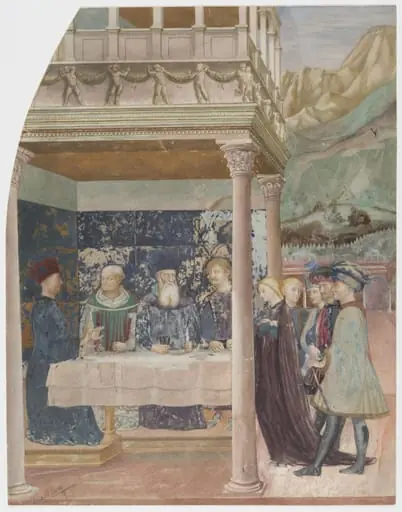 Copy after the painting The Daughter of Herodias before Herod by Masolino in Castiglione d'Olona
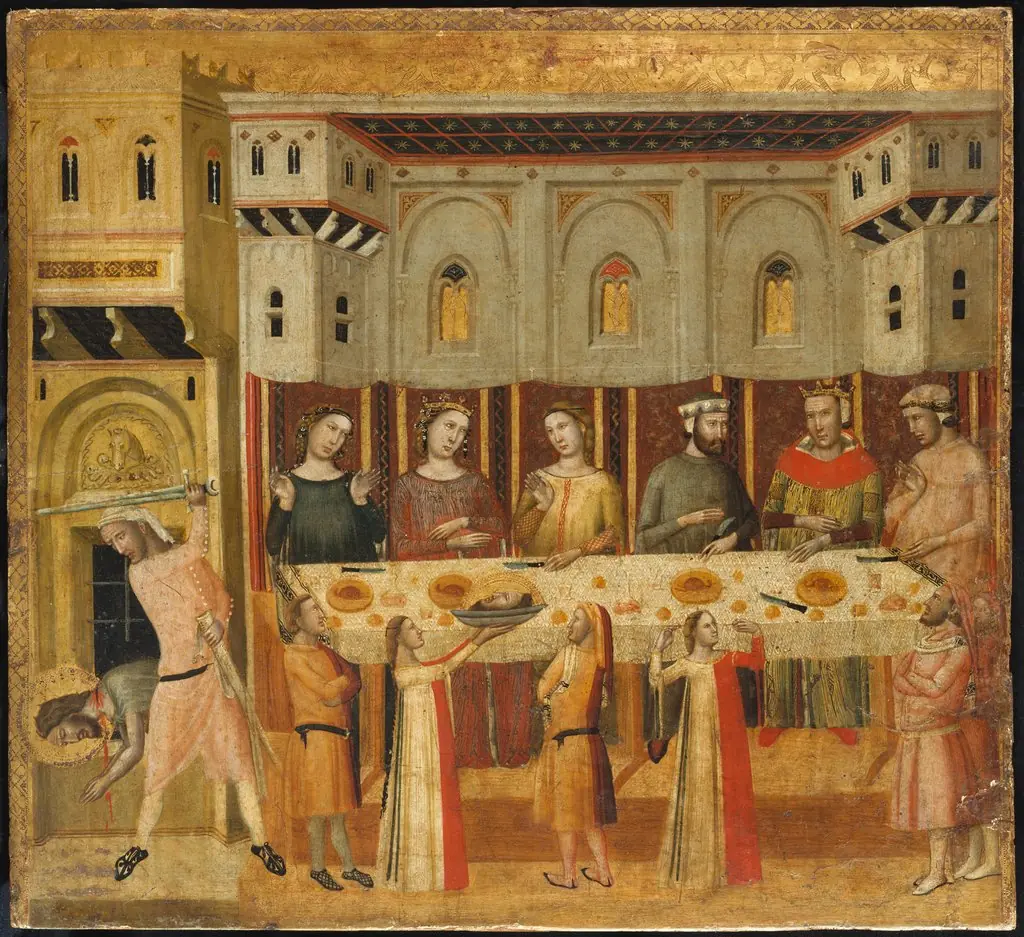 The Feast of Herod and the Beheading of the Baptist
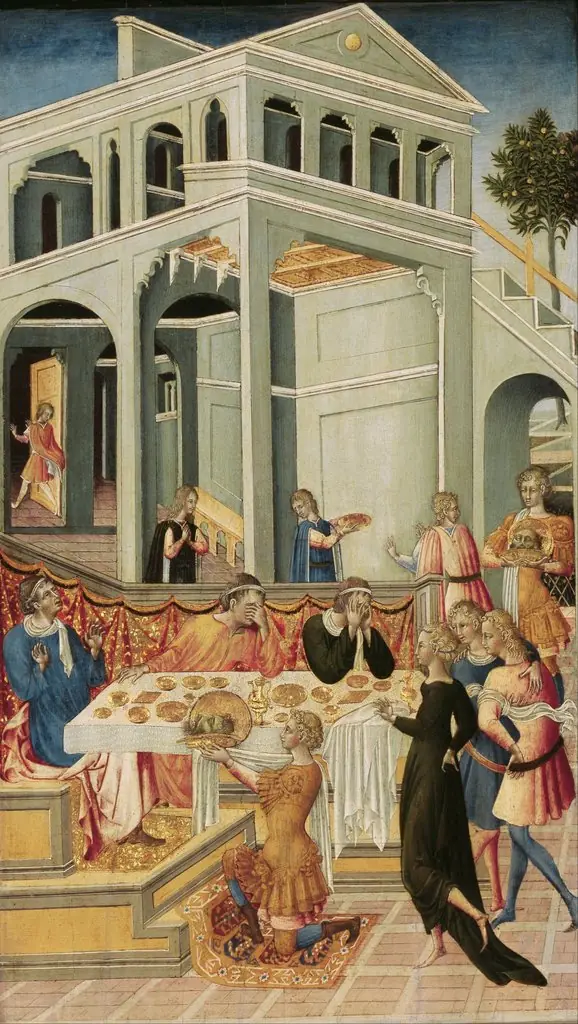 The Head of Saint John the Baptist Brought before Herod
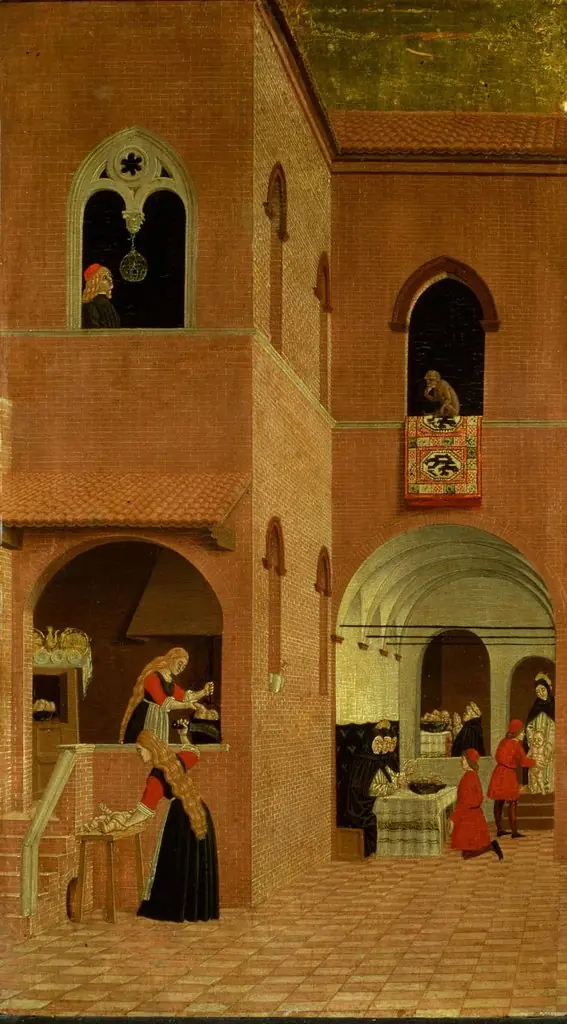 Szene aus dem Leben des Hl. Vinzenz Ferrer: Die Wiedererweckung des von seiner wahnsinnigen Mutter zerstückelten und gebratenen Kindes
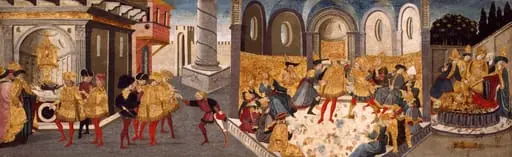 The Assassination and Funeral of Julius Caesar
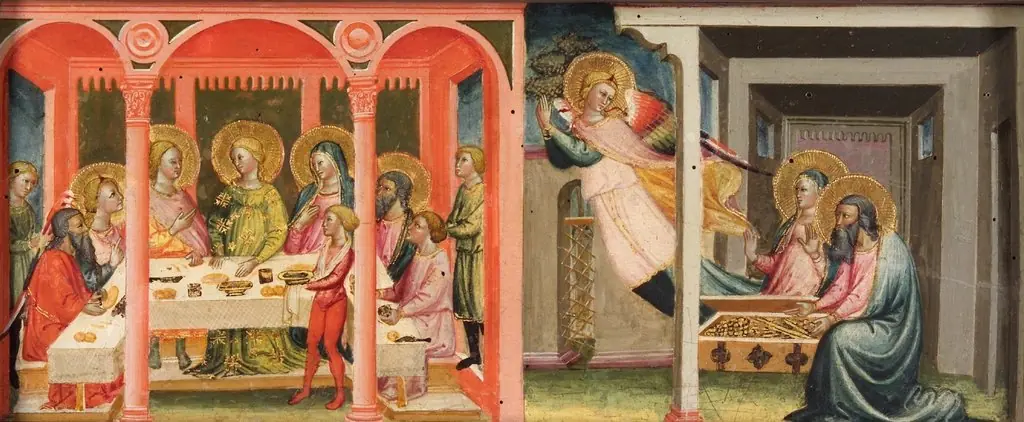 Scenes from the story of Tobias (marriage of Tobias and Sara; the archangel leaves Tobit and Anna)
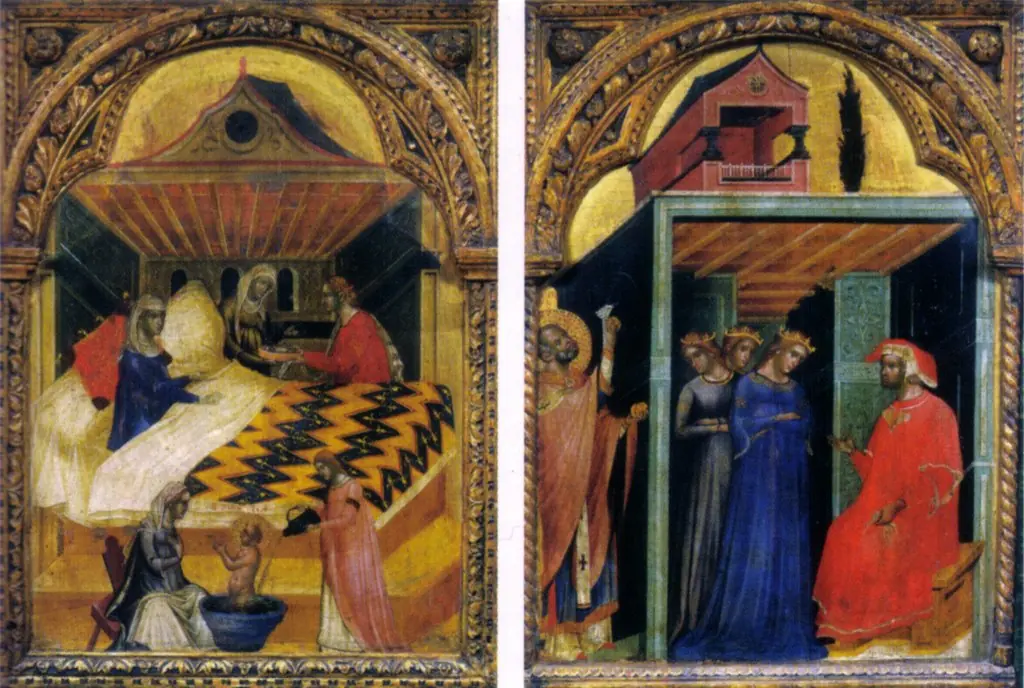 Due storie di san Nicola di Bari
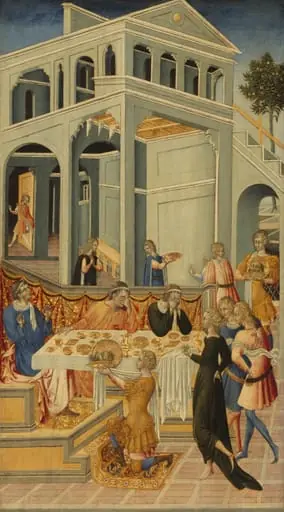 The Head of Saint John the Baptist Brought before Herod
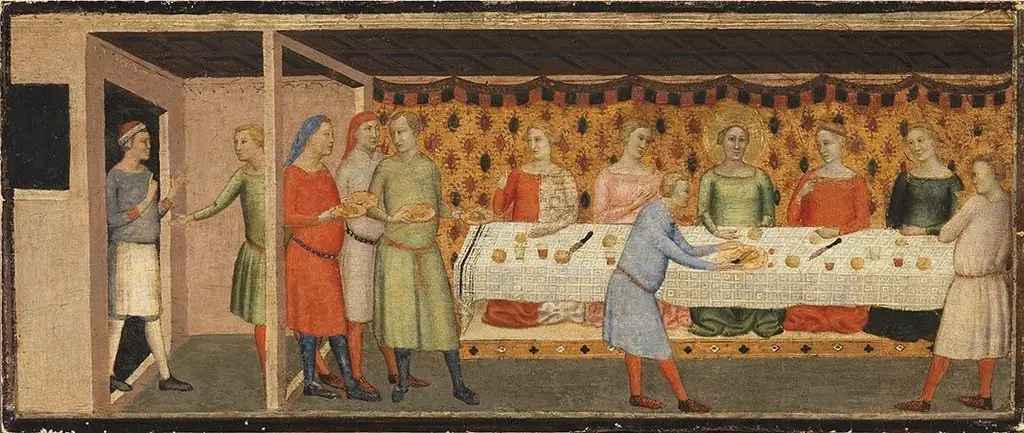 The Wedding Feast of St Cecilia
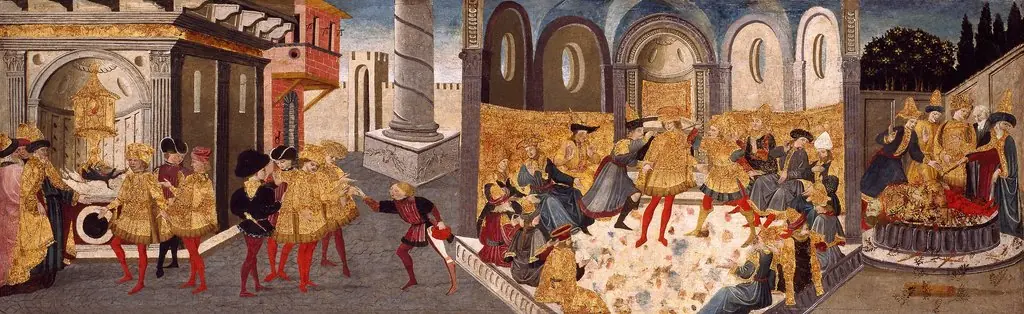 The Assassination and Funeral of Julius Caesar
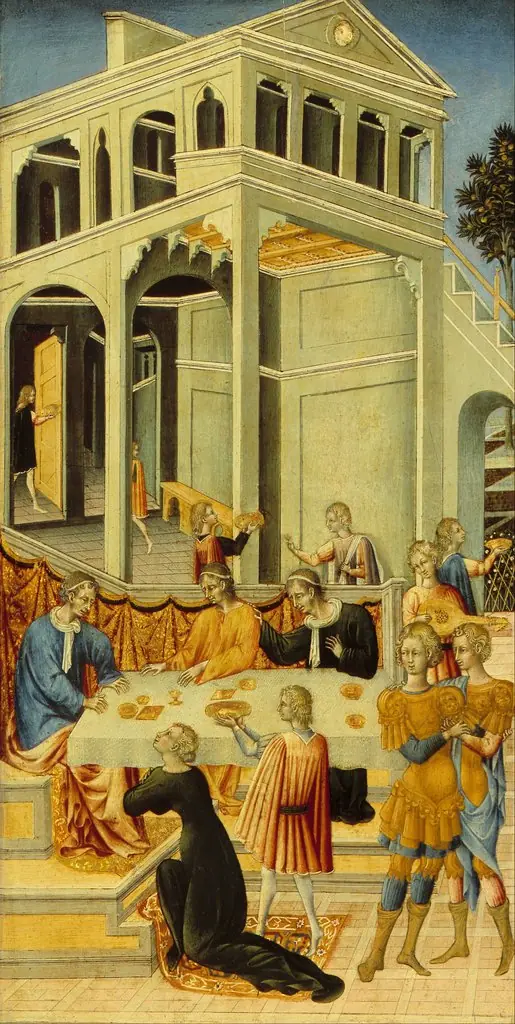 Salome Asking Herod for the Head of Saint John the Baptist
 Episodes from the Lives of Mary Magdalen and Saint John the Baptist