Artwork
Erzherzogin Claudia Felicitas (1653-1676), Kaiserin, als Diana, Gattin Kaiser Leopolds I.
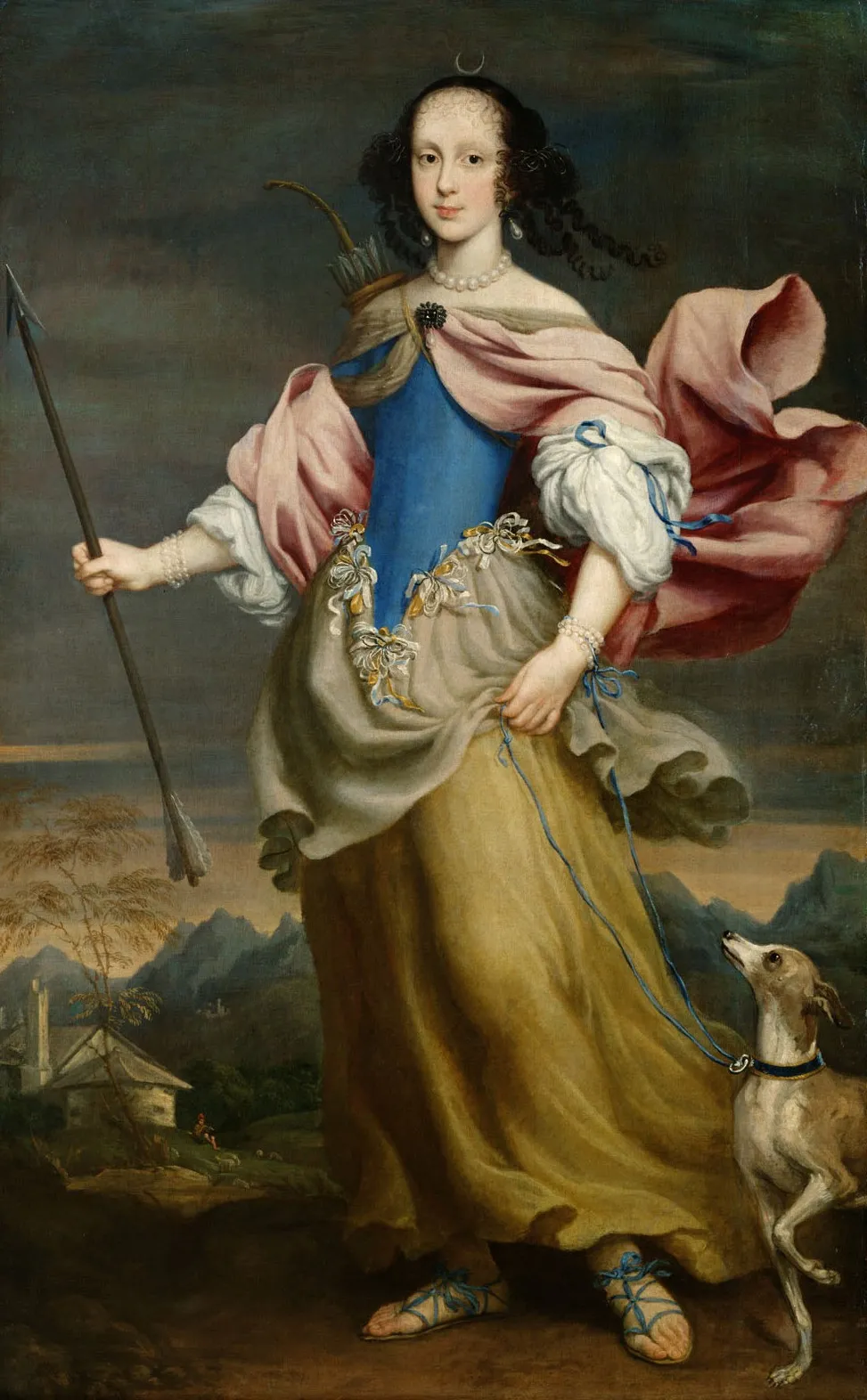
Erzherzogin Claudia Felicitas (1653-1676), Kaiserin, als Diana, Gattin Kaiser Leopolds I. is an oil painting by the Early Baroque Italian artist Giovanni Maria Morandi. It dates from 1666 and is held in the collection of the Kunsthistorisches Museum.
About this work
Overview
Painted in 1666 by Italian Baroque artist Giovanni Maria Morandi, this oil-on-canvas portrait presents Claudia Felicitas, Archduchess and Empress of the Holy Roman Empire, in allegorical guise as the goddess Diana. The work resides in the Kunsthistorisches Museum, Vienna, and exemplifies the Habsburg court’s use of classical symbolism to elevate imperial identity through visual language.
Subject & Meaning
The imagery reinforces her role as imperial consort, blending divine idealism with dynastic prestige in a manner typical of mid-17th-century court portraiture.
Claudia Felicitas is depicted as Diana, Roman goddess of the hunt and moon, to associate her with purity, sovereignty, and natural authority. The spear and leashed dog reference Diana’s attributes, while the serene expression and elegant attire soften the martial symbolism. The imagery reinforces her role as imperial consort, blending divine idealism with dynastic prestige in a manner typical of mid-17th-century court portraiture.
Technique & Style
Morandi employs chiaroscuro to model the empress’s face and hands with gentle luminosity against a dim, atmospheric background. The blue and pink silk of her gown, accented with gold thread, contrasts with the muted landscape behind her. The dog’s blue ribbon mirrors the bows on her shoes, creating subtle visual harmony. Brushwork remains refined, prioritizing texture and grace over dramatic intensity.
History & Provenance
Commissioned during Claudia Felicitas’s brief tenure as empress, the painting likely served as a diplomatic or ceremonial gift. It entered the Habsburg collection shortly after its completion and remained in imperial custody through successive generations. Its preservation in Vienna reflects its continued significance within the court’s visual archive, though it was never widely exhibited publicly until the 19th century.
Context
In the 1660s, Habsburg rulers frequently commissioned allegorical portraits to assert legitimacy and cultural refinement. Depicting noblewomen as mythological figures was common across European courts, linking them to classical virtues. Morandi, trained in Rome, brought Italian Baroque conventions to Vienna, where they merged with local tastes for restrained elegance and symbolic depth.
Legacy
The portrait stands as a representative example of how mythological allegory served political representation in early modern Europe. While Morandi is less known today than his contemporaries, this work illustrates the transnational exchange of artistic styles within Habsburg patronage networks. It remains a key artifact for understanding the visual rhetoric of female imperial identity in the late Baroque era.
Artist & collection
Artist
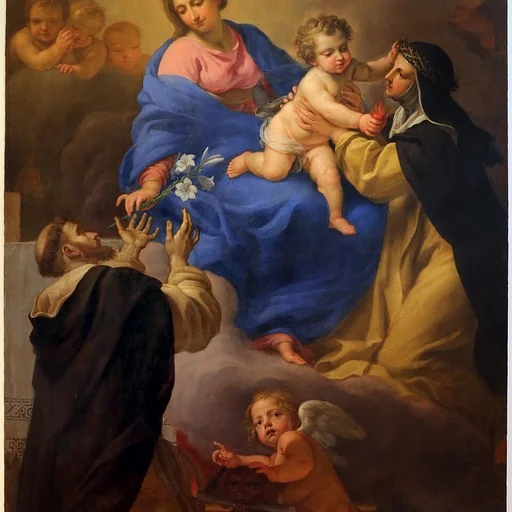
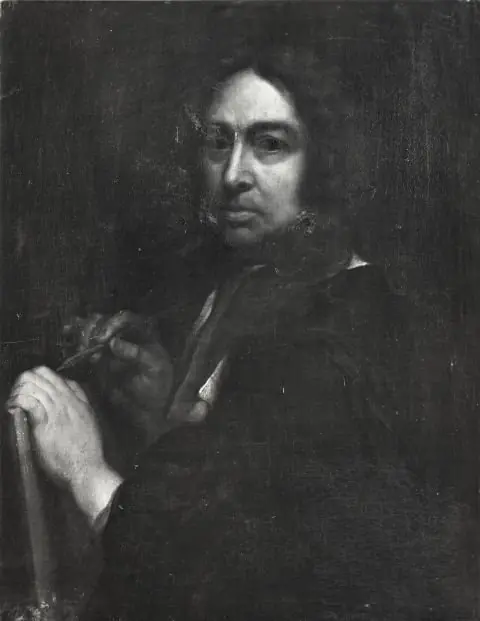
Giovanni Maria Morandi (30 April 1622 – 18 February 1717) was an Italian Baroque painter, known for altarpieces and portraits.

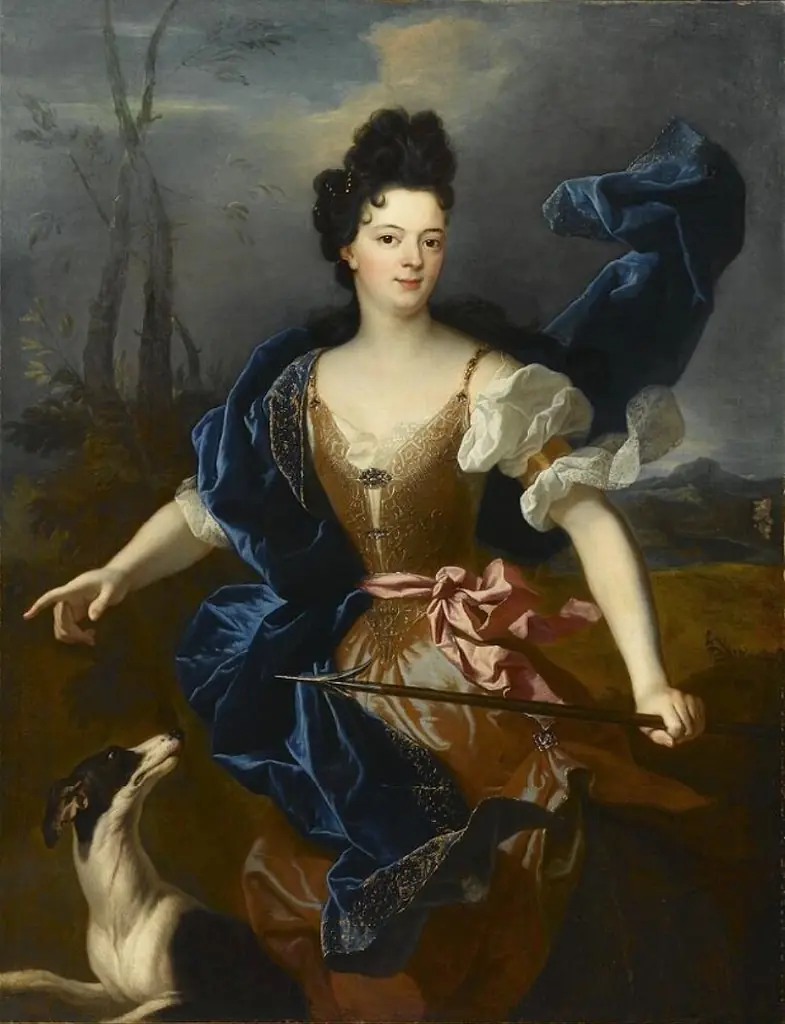 "The Duchesse de Choiseul as Diana"
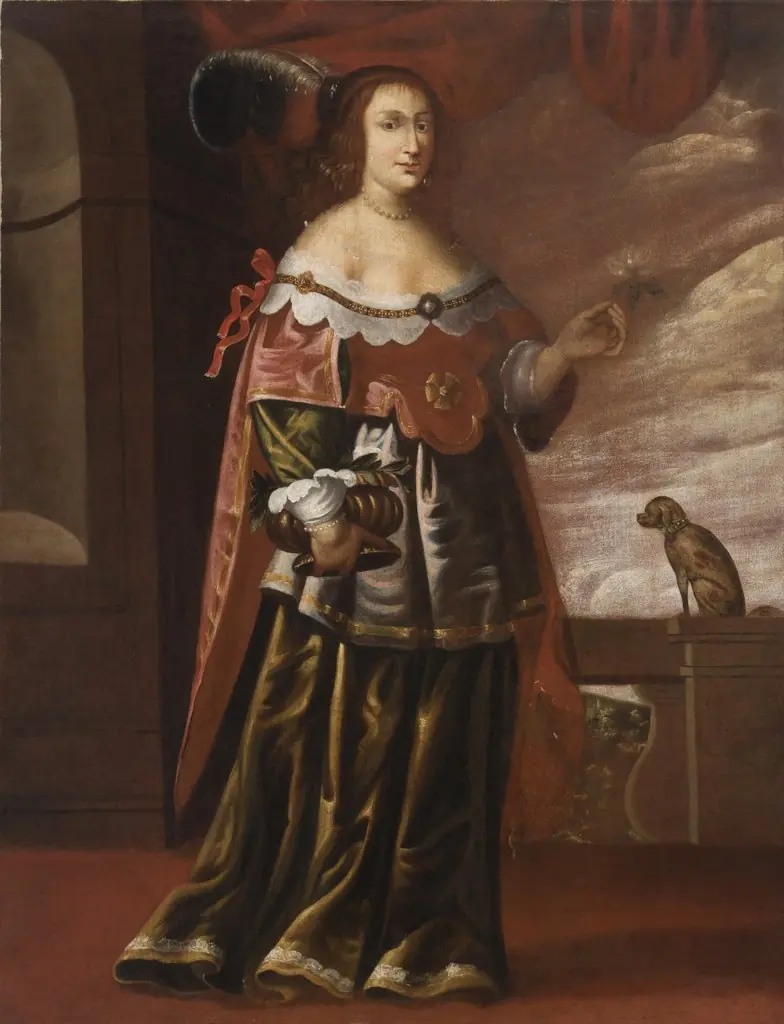 Portret kobiety (rzekomo Ostrogskiej)
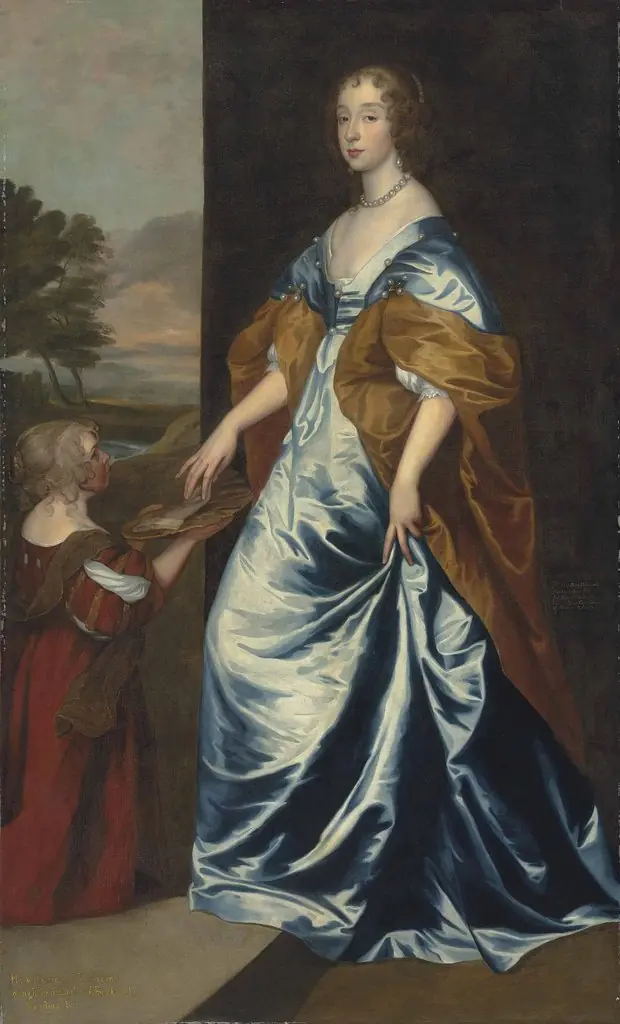 Duchess of Lennox and Richmond (1622–1685) with her lady’s maid, the dwarf, Anne Shepherd
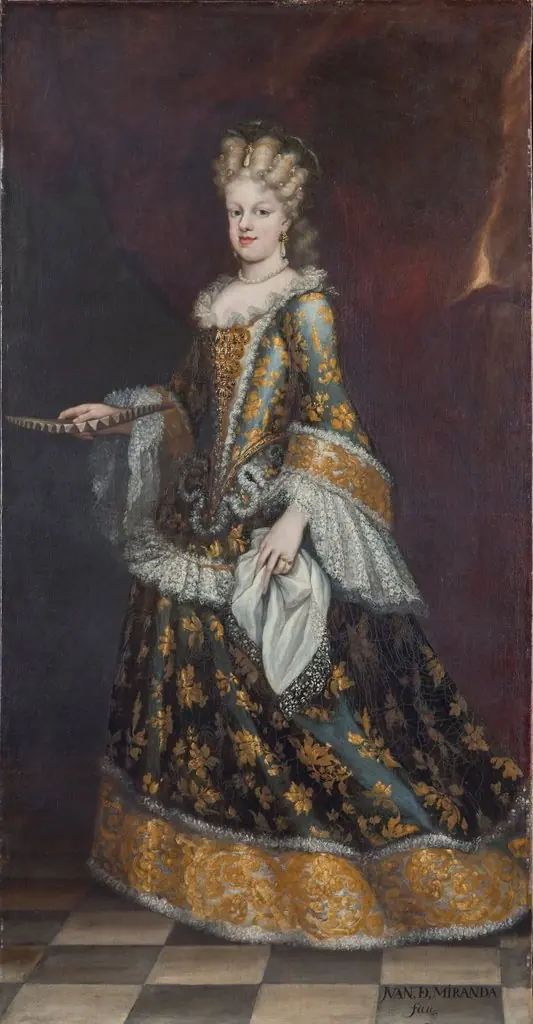 María Luisa Gabriela de Saboya primera esposa de Felipe V
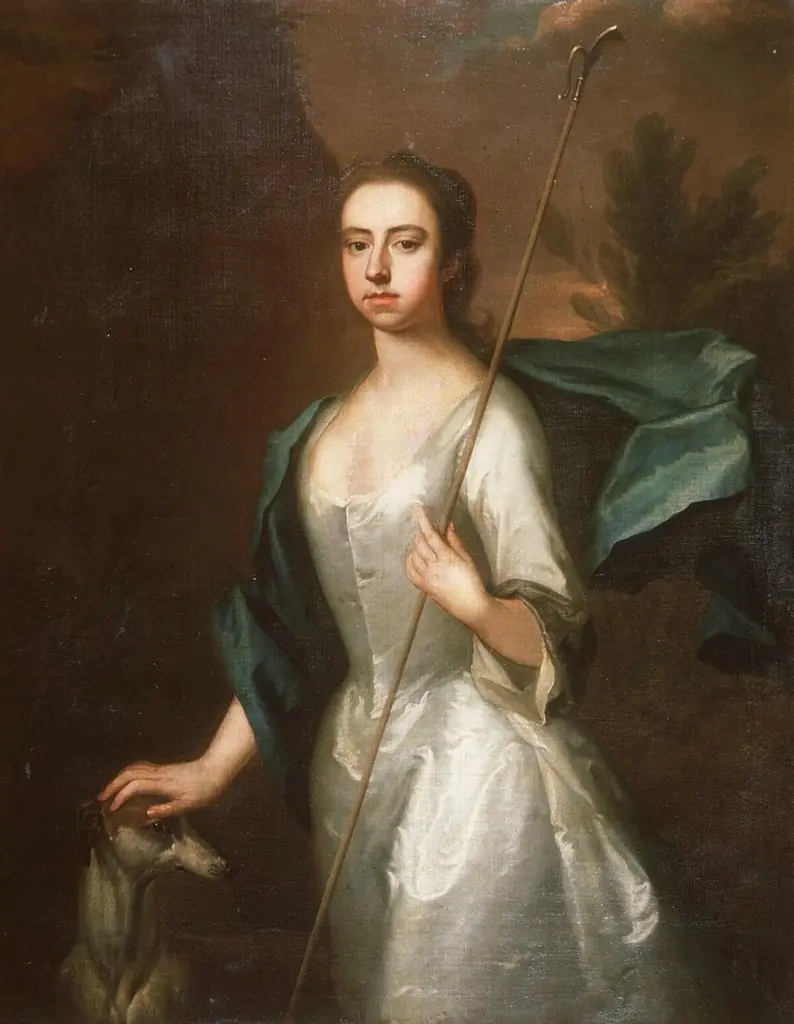 Jane Wyndham of Dunraven
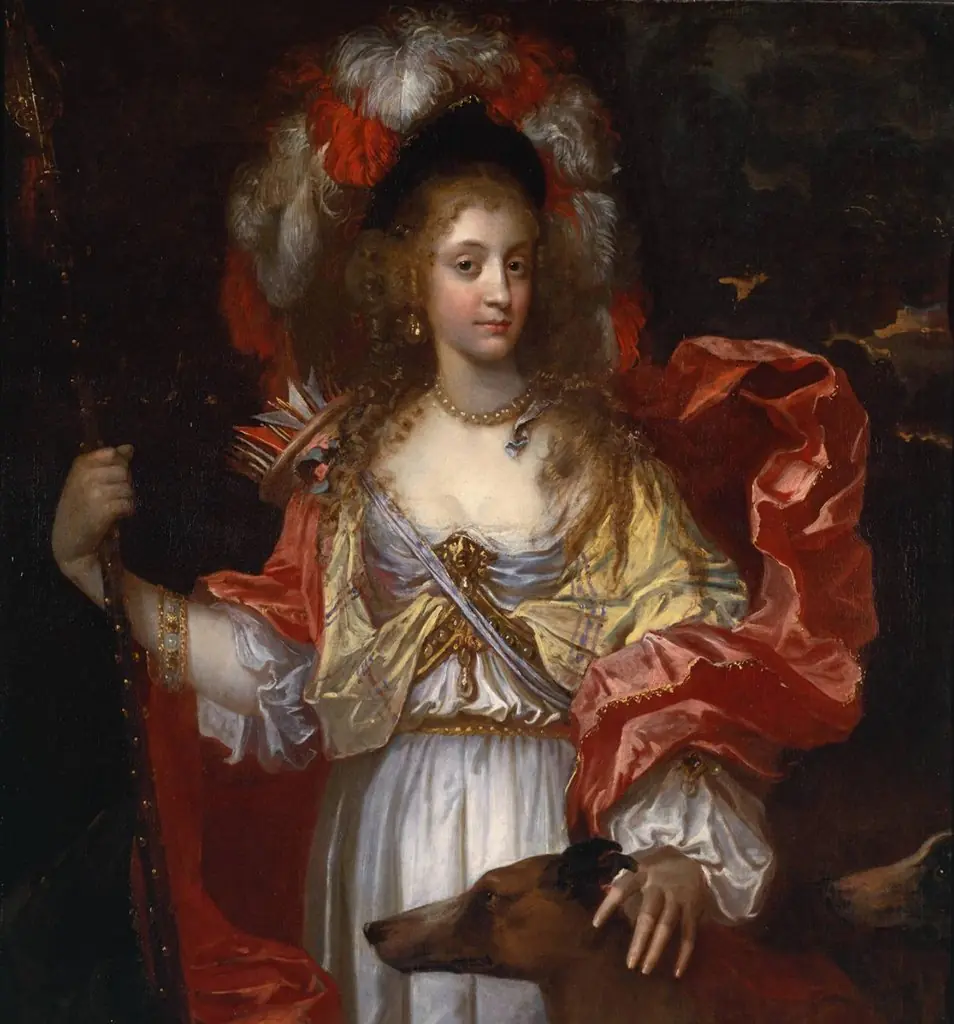 Portrait of a Lady as Diana
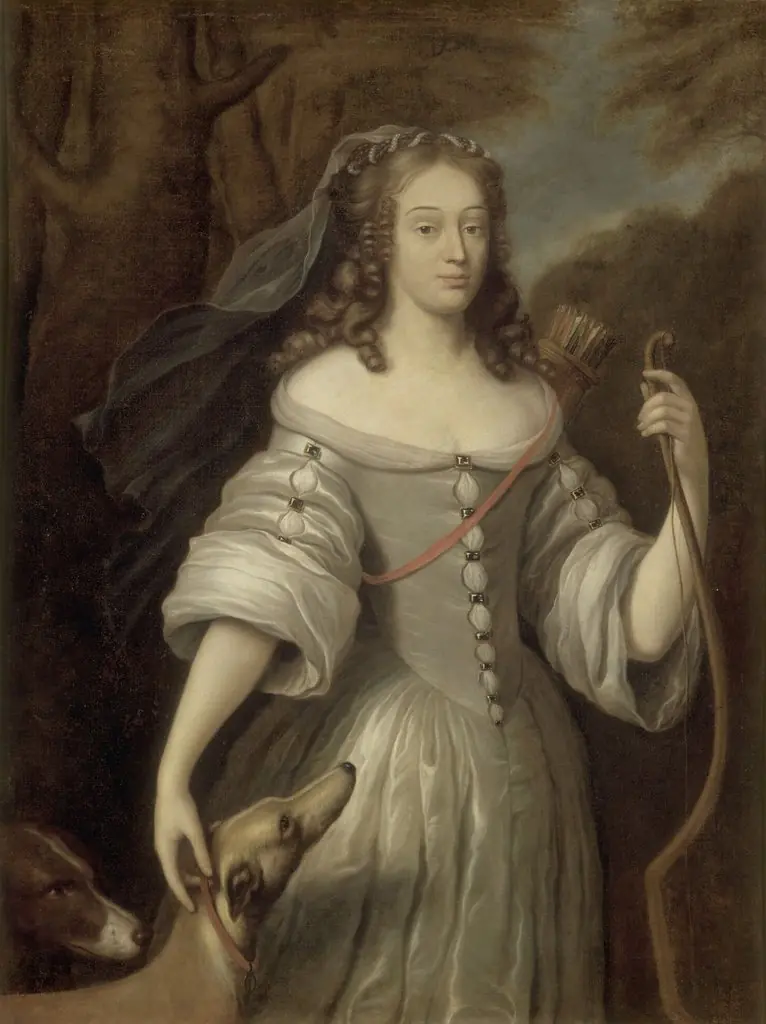 Presumed portrait of Louise-Françoise de La Baume Le Blanc, duchesse de La Vallière as Diana
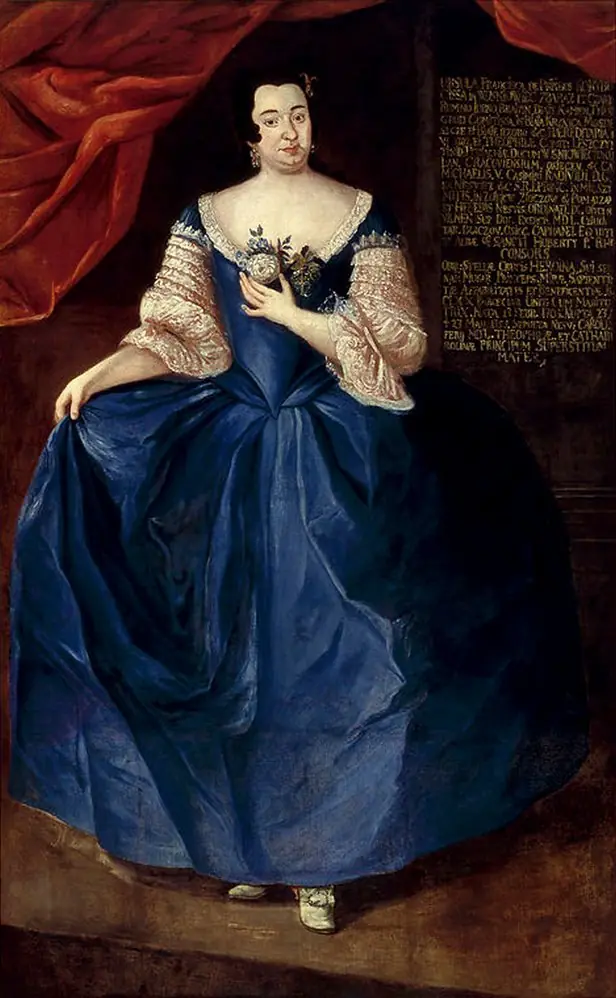 Portrait of Urszula Franciszka Radziwiłł née Wiśniowiecka (1705–1753)
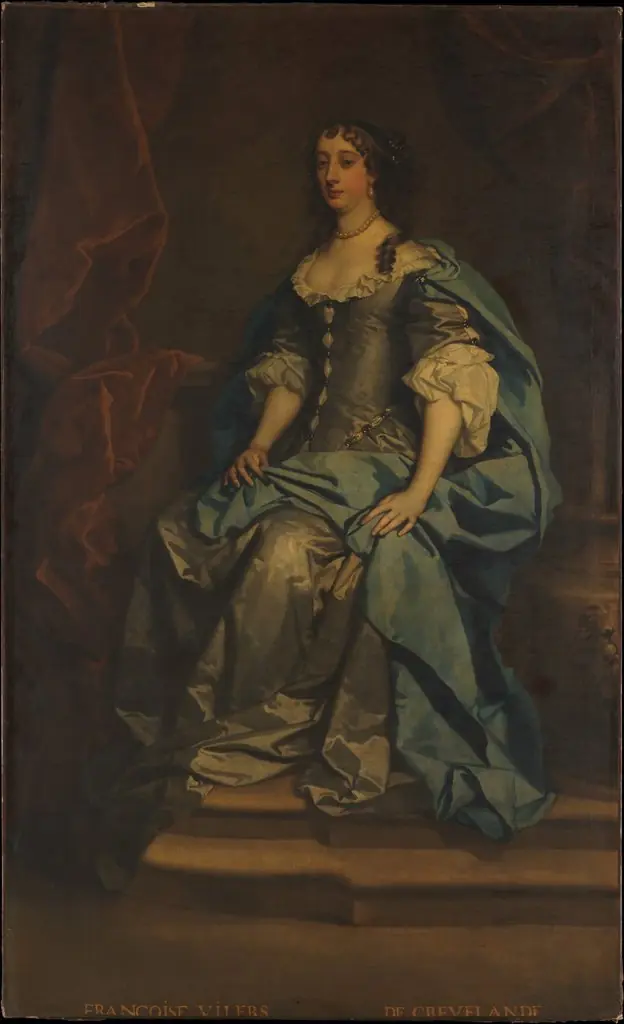 Barbara Villiers (1640–1709), Duchess of Cleveland
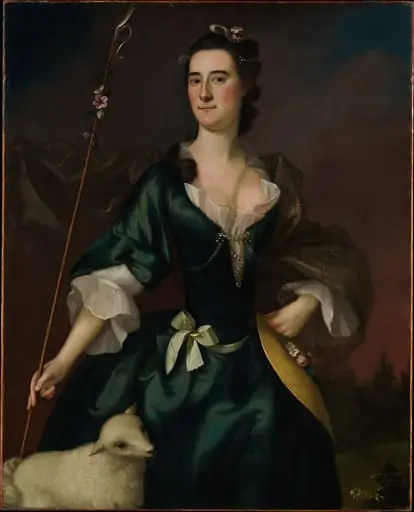 Mary Sylvester
 Henriette Adelaide
 Portrait of Lady Pembrock