Artwork
The Adoration of the Three Kings
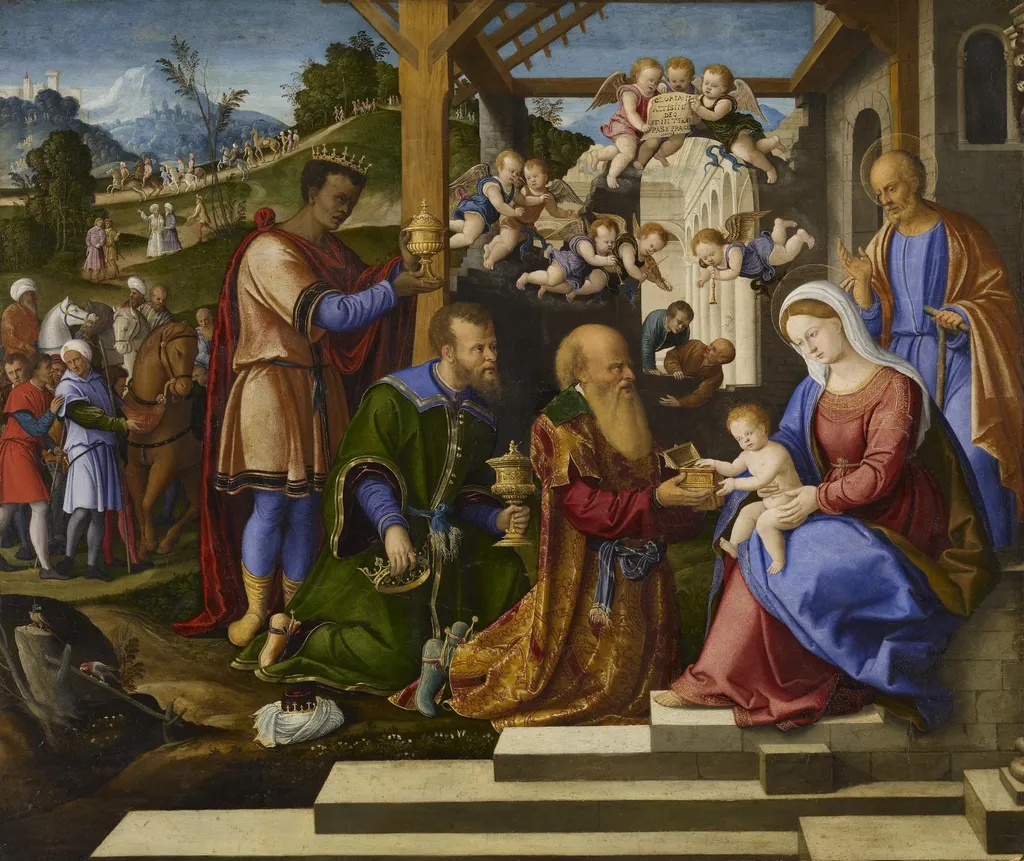
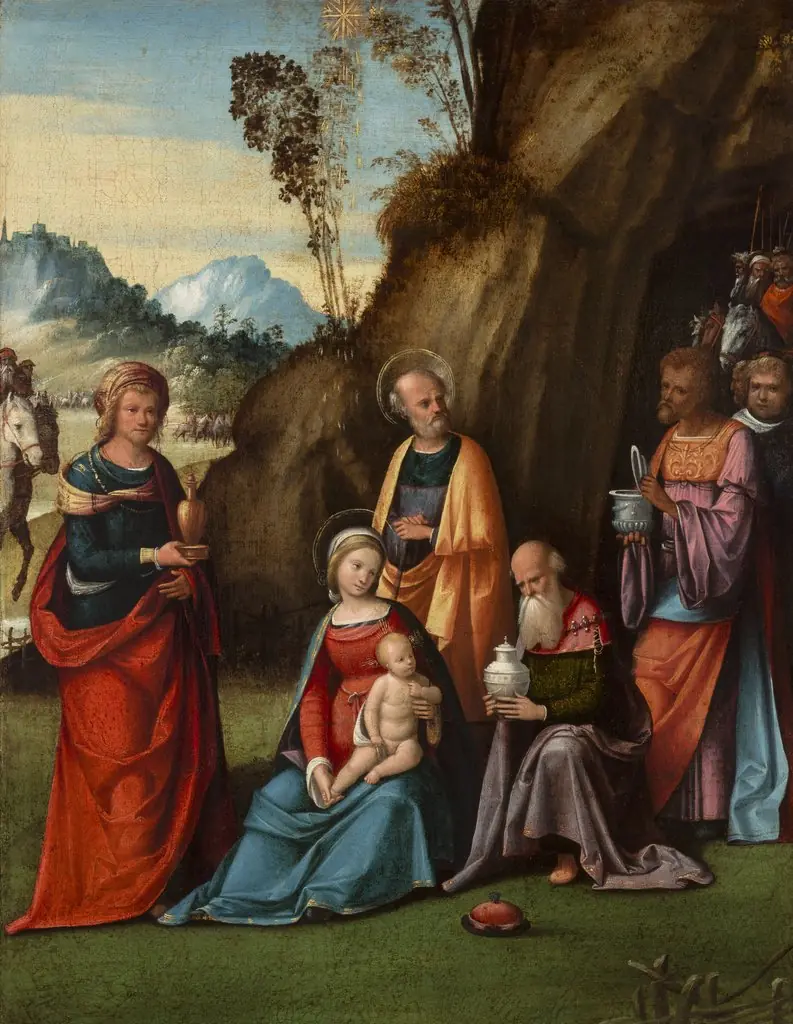
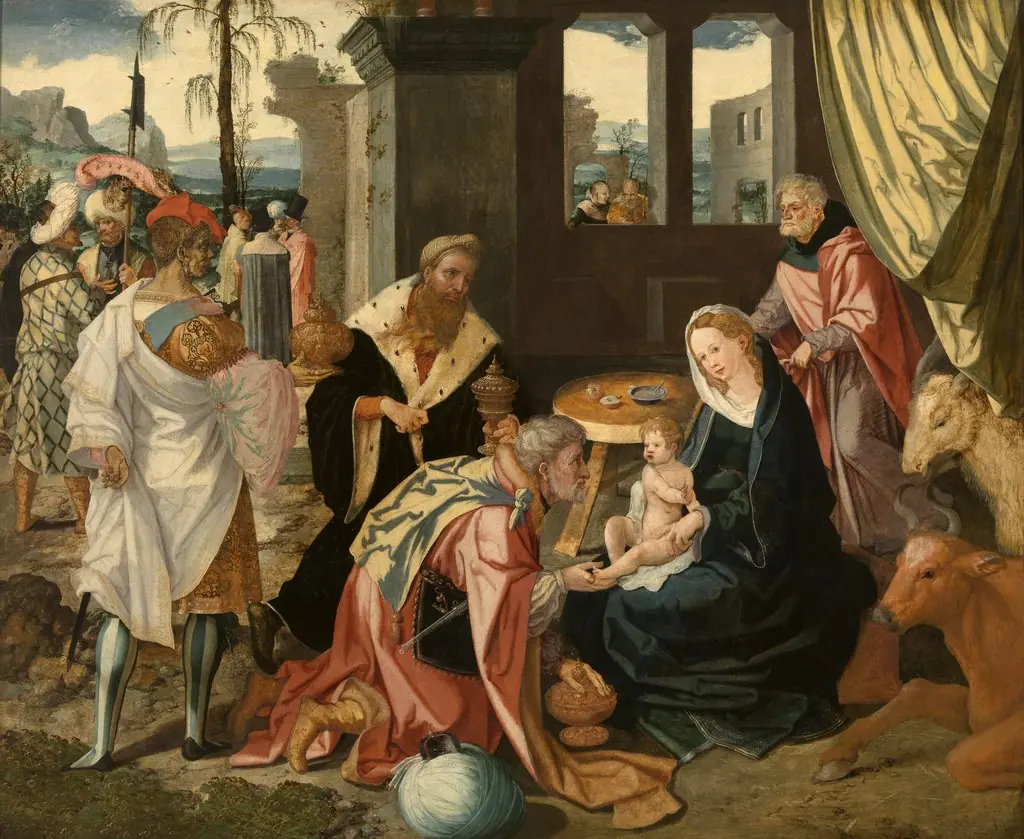
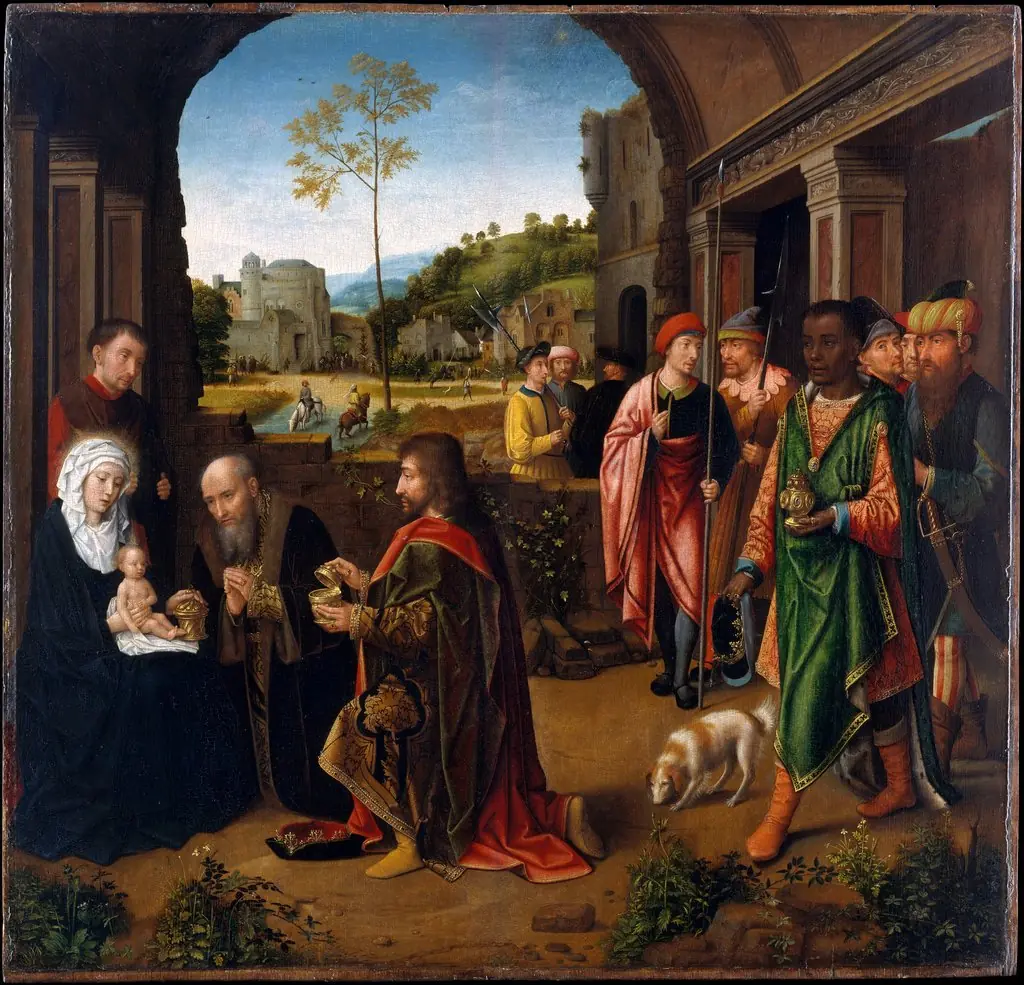
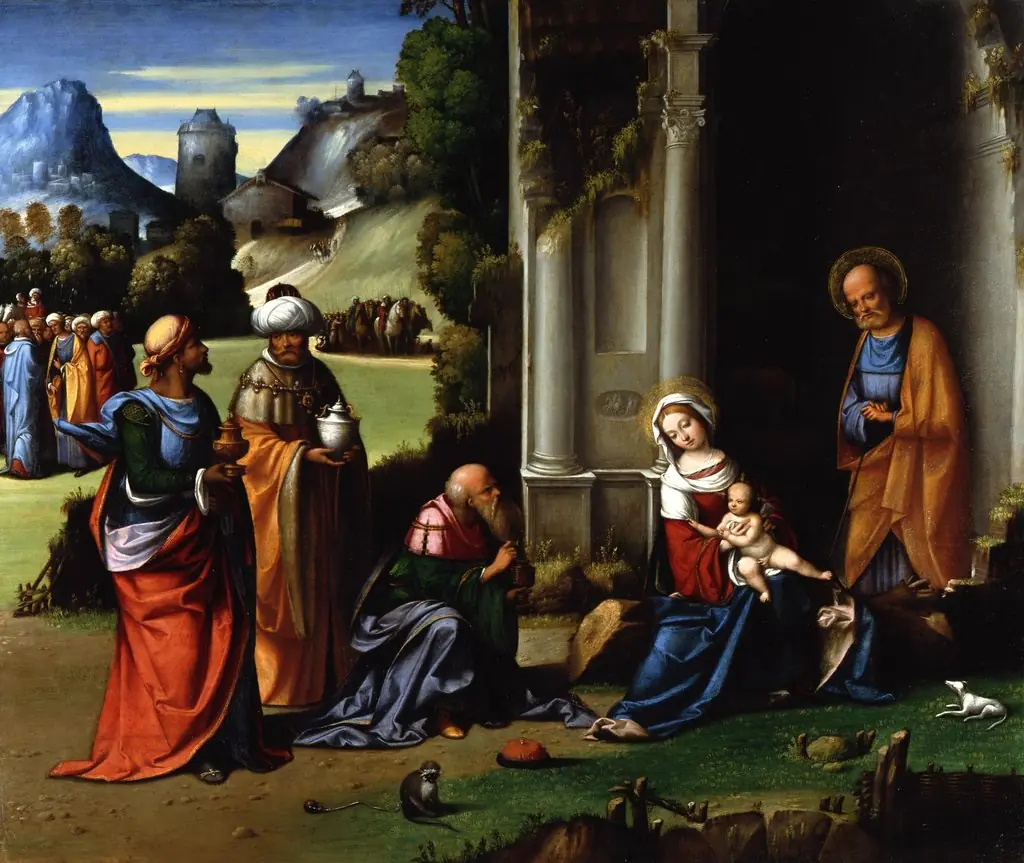
The Adoration of the Three Kings is an oil painting by the Mannerist artist Girolamo da Santacroce. It dates from 1527 and is held in the collection of the Walters Art Museum.
About this work
Overview
Created during the artist’s time in Venice, the painting reflects the transitional style of early Mannerism, blending naturalism with heightened elegance.
Painted in 1527 by Girolamo da Santacroce, this oil-on-panel work depicts the biblical moment when the Magi present offerings to the infant Jesus. Created during the artist’s time in Venice, the painting reflects the transitional style of early Mannerism, blending naturalism with heightened elegance. It remains part of the Walters Art Museum’s permanent collection, where it is recognized for its intricate composition and devotional focus.
Subject & Meaning
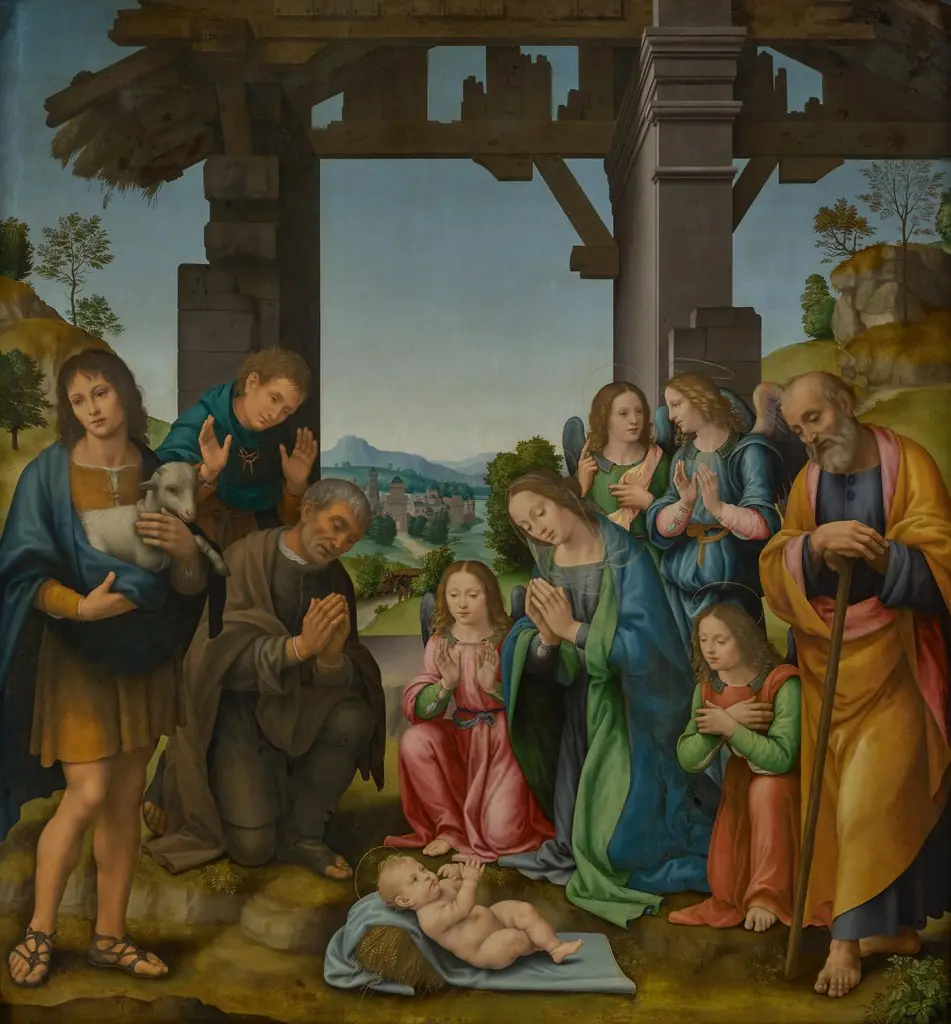
The scene centers on the Virgin Mary holding the Christ Child, surrounded by the Three Kings kneeling in homage. Each king offers a symbolic gift—gold, frankincense, and myrrh—signifying Christ’s kingship, divinity, and mortality. Angels hover above a modest altar, reinforcing the sacred nature of the moment. The crowded background, with distant figures and architecture, suggests the universal significance of the event beyond the immediate setting.
Technique & Style
Santacroce employed oil paint to achieve rich, luminous colors and fine detail, particularly in the textiles of the Magi’s garments and the delicate rendering of angelic wings. The composition is tightly organized, with figures arranged in a shallow space to emphasize hierarchy and focus. While not overtly dramatic, the use of subtle light contrasts and precise linework reflects Mannerist tendencies toward stylized grace over naturalistic harmony.
History & Provenance
Commissioned likely for private devotion or a Venetian chapel, the painting entered the Walters Art Museum’s collection in the early 20th century. Its documented history before that is limited, though its style aligns with other works by Santacroce from the 1520s. The panel’s condition suggests careful preservation, with no major restorations altering its original surface or color scheme.
Context
Created during a period of religious upheaval in Europe, the painting reflects Venice’s enduring commitment to traditional iconography despite emerging Reformation ideas. Santacroce’s work bridges the High Renaissance’s clarity and the emerging Mannerist interest in complexity and refined elegance. The inclusion of elaborate costumes and architectural detail mirrors Venetian tastes for opulence in sacred imagery.
Legacy
Though not widely exhibited outside scholarly circles, the painting exemplifies the quiet sophistication of mid-16th-century Venetian religious art. It contributes to understanding how local artists adapted broader Italian trends to serve devotional needs. Its preservation allows continued study of Mannerist composition and the persistence of biblical narrative in a changing artistic landscape.
Artist & collection
Artist
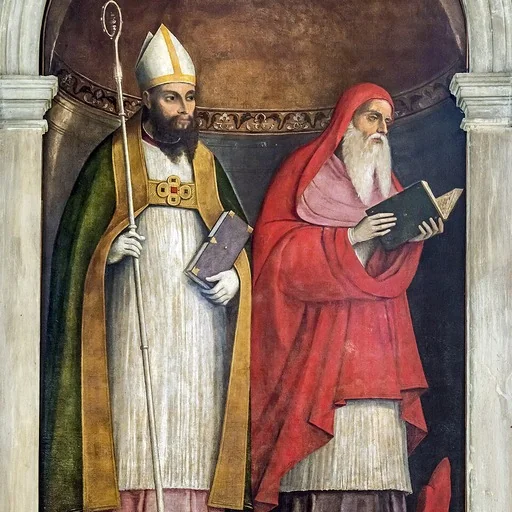
Girolamo da Santacroce (c. 1480/85 – c. 1556) was a 16th-century Italian painter of the Renaissance period, active mainly in Venice and the Venetian mainland.