Artwork
The Adoration of the Magi
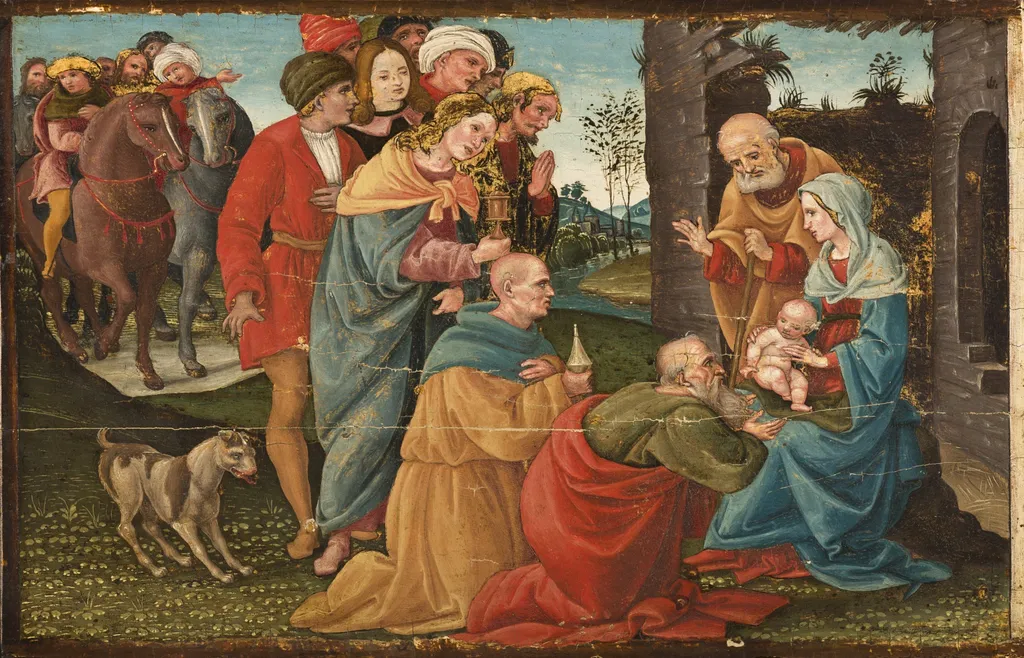
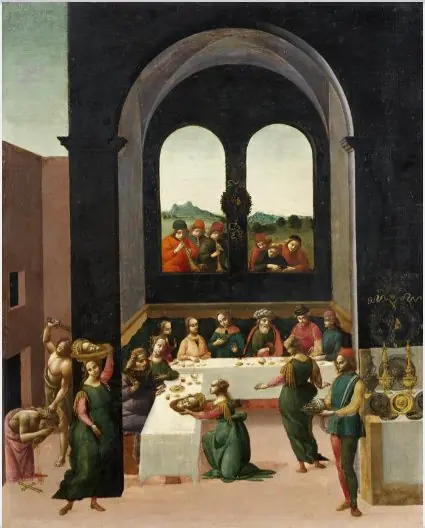
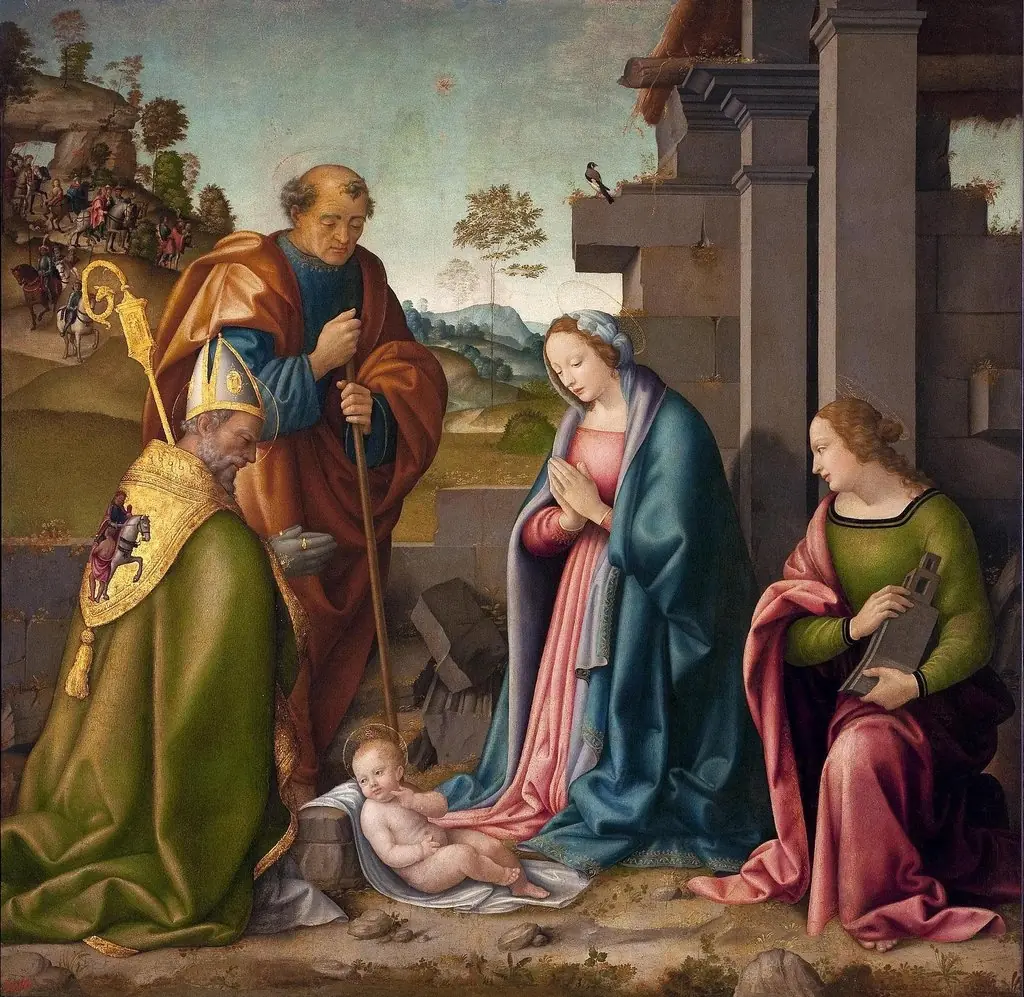
The Adoration of the Magi is an unspecified painting by the Early Renaissance artist Bartolomeo di Giovanni. It dates from 1490 and is held in the collection of the Detroit Institute of Arts.
About this work
Overview
Created in 1490, *The Adoration of the Magi* is an oil painting by Florentine artist Bartolomeo di Giovanni. Executed during the early Renaissance, the work presents the biblical episode of the three wise men honoring the infant Jesus. It is part of the collection of the Detroit Institute of Arts, where it remains on display.
Subject & Meaning
The composition centers on the Virgin Mary holding the Christ Child within a modest manger, surrounded by a gathering of figures. The three Magi, garbed in richly colored robes, approach to present their gifts, embodying themes of devotion and the recognition of Christ’s divinity. Supporting animals—a dog and a horse—add a domestic, narrative dimension.
Technique & Style
Bartolomeo employs linear perspective to generate a convincing spatial recession, guiding the eye from the foreground figures to the background landscape. A varied palette of blues, reds, and yellows enhances the visual hierarchy, while contrasting textures—smooth satin on the Virgin’s garments versus the coarse timber of the manger—demonstrate the artist’s attention to material detail.
History & Provenance
Initially identified by Bernard Berenson as the “Alunno di Domenico” because of stylistic links to Domenico Ghirlandaio, the painter’s true identity emerged from archival documentation confirming Bartolomeo di Giovanni’s authorship. The painting entered the Detroit Institute of Arts in the 20th century, where it has been conserved and exhibited as a representative work of late‑15th‑century Florentine painting.
Context
The work reflects the Florentine workshop tradition of the 1490s, when religious narratives were rendered with increasing naturalism and spatial order. Bartolomeo, a contemporary of Ghirlandaio, absorbed the prevailing interest in perspective and vivid coloration, situating the *Adoration* within a broader movement toward more lifelike, human‑scaled sacred scenes.
Own this work as a print
Artist & collection
Artist
Bartolomeo di Giovanni di Domenico (1458? – 1501) was an Italian Renaissance painter active in Florence. His works were first identified by the art historian Bernard Berenson, who did not know the painter's real name so…

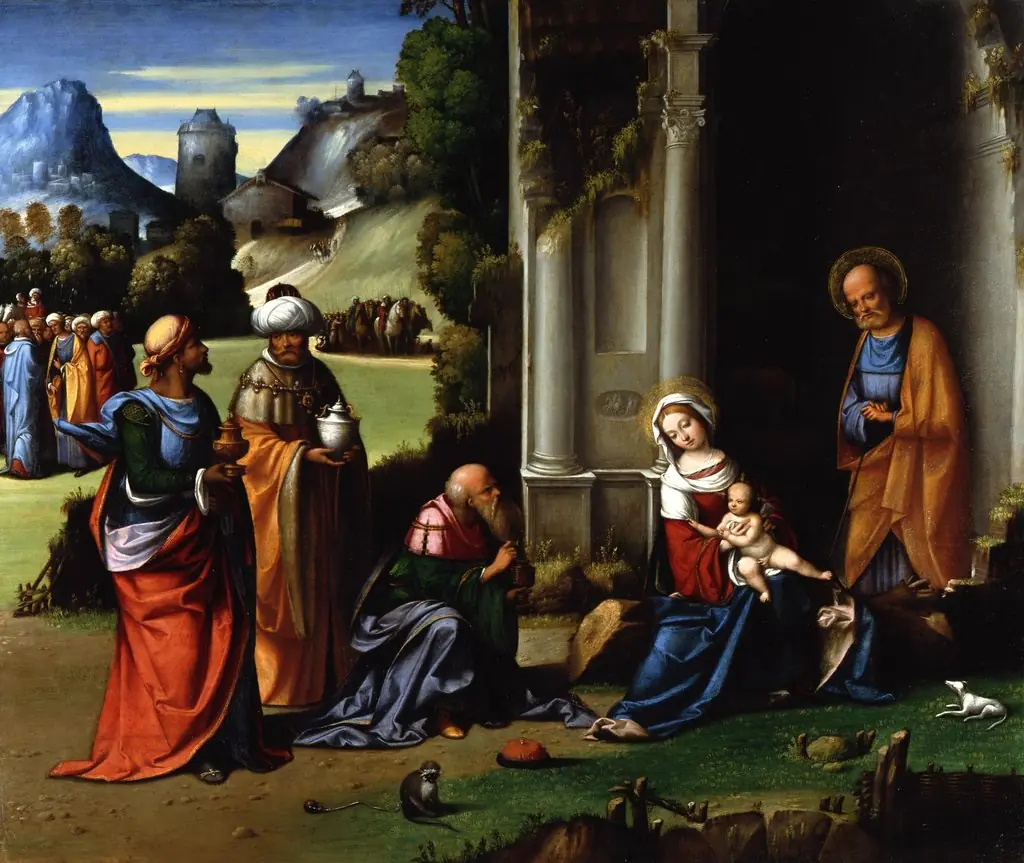 The Adoration of the Magi
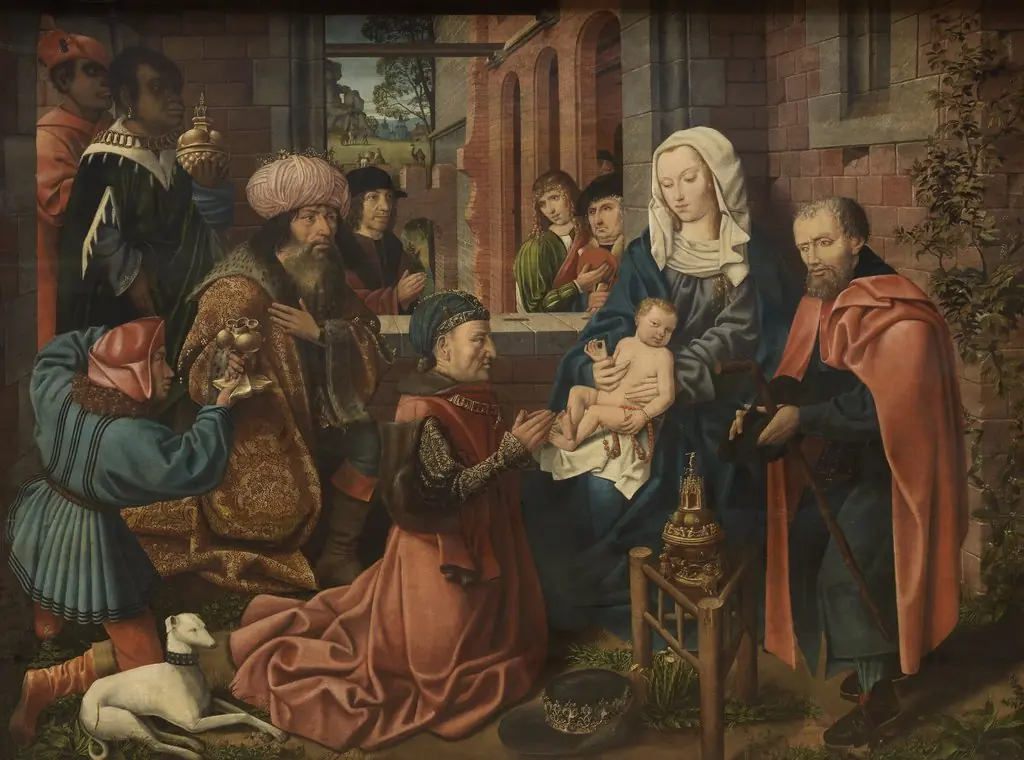 The Adoration of the Magi
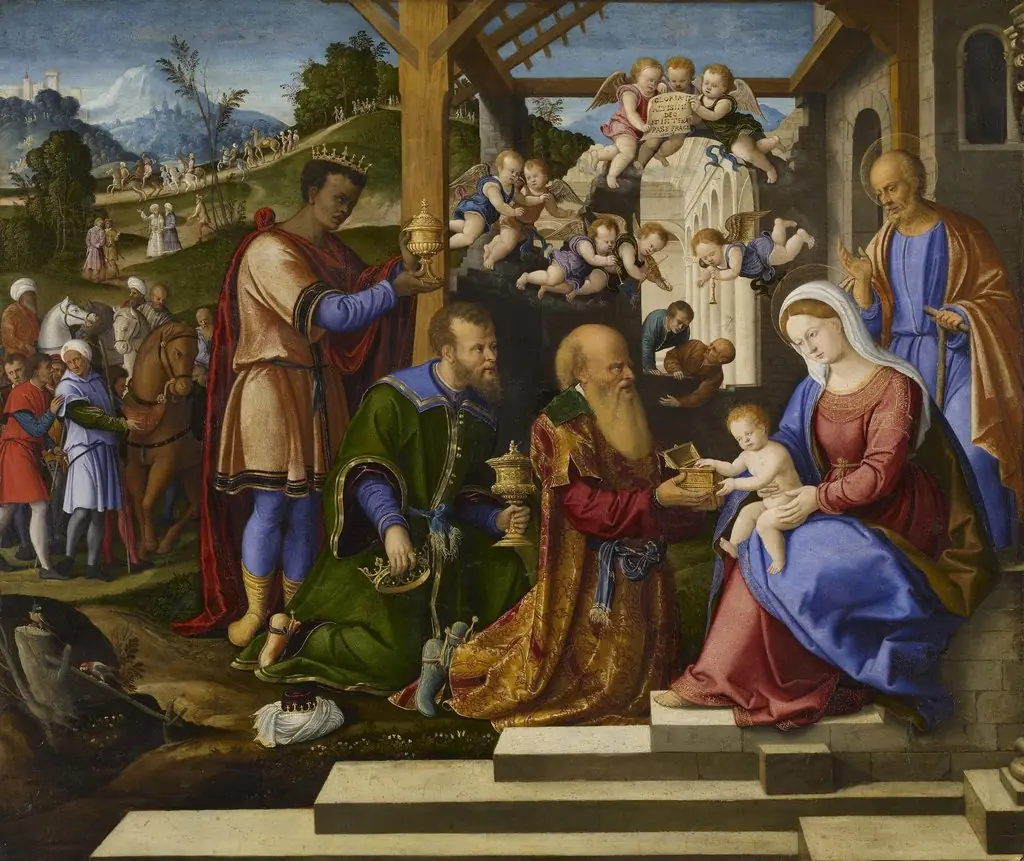 The Adoration of the Three Kings
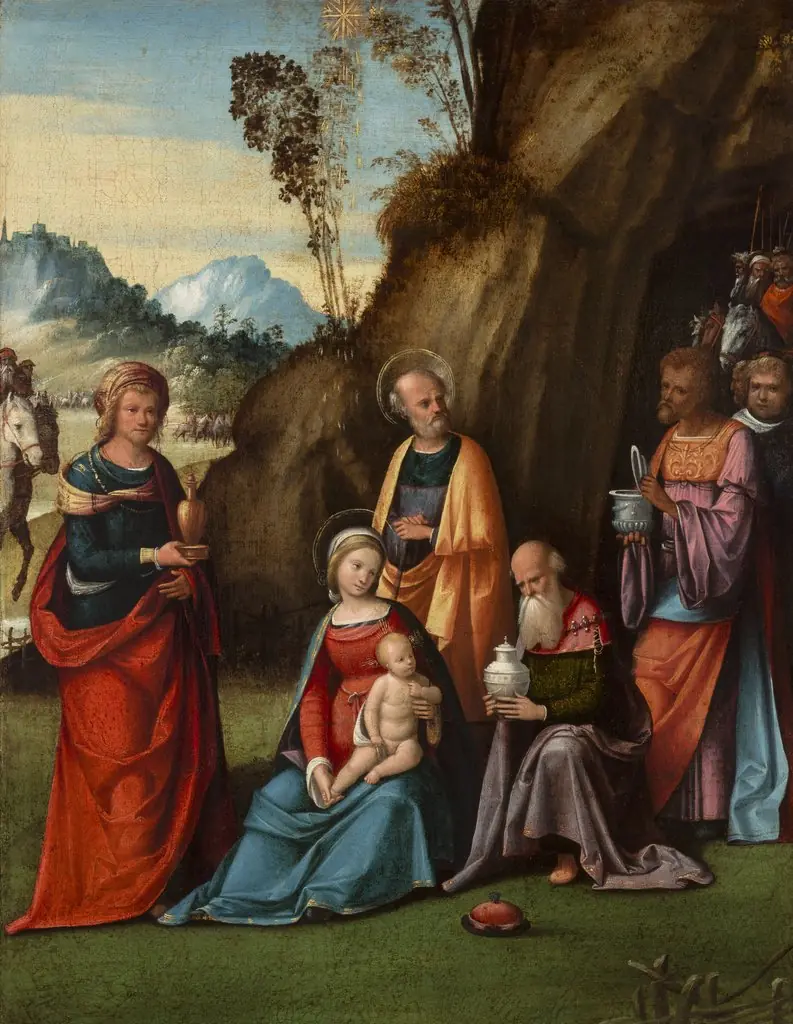 Adoration of the Magi
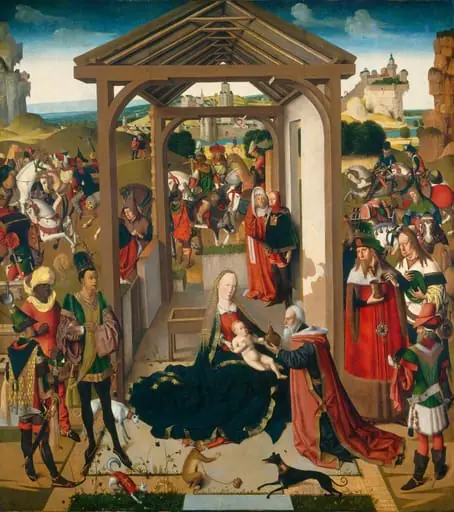 The Adoration of the Magi
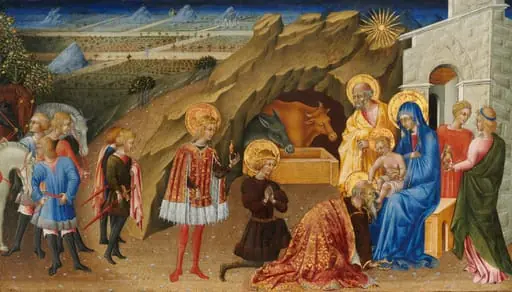 The Adoration of the Magi
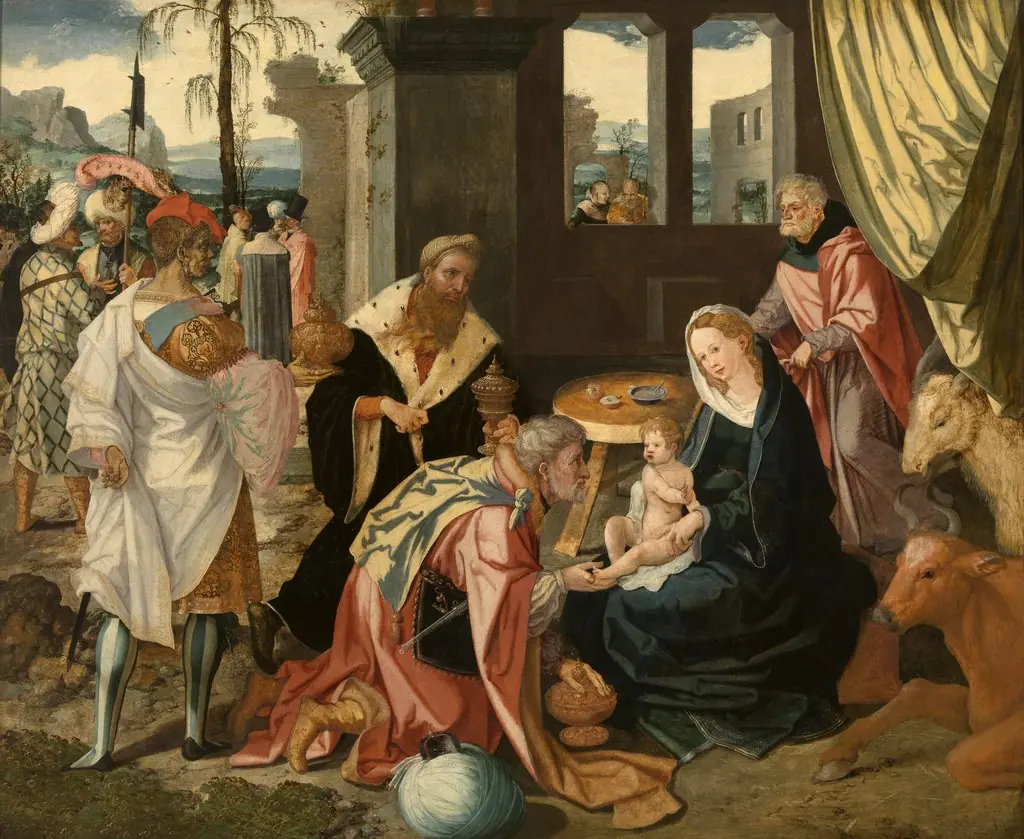 The Adoration of the Magi
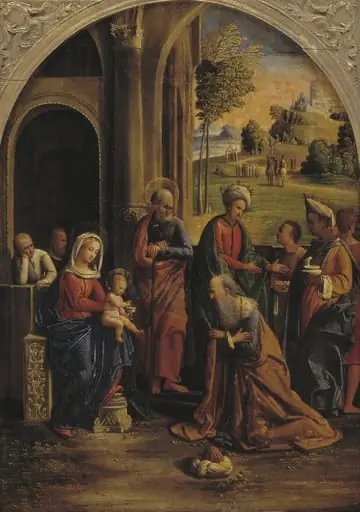 The Adoration of the Kings
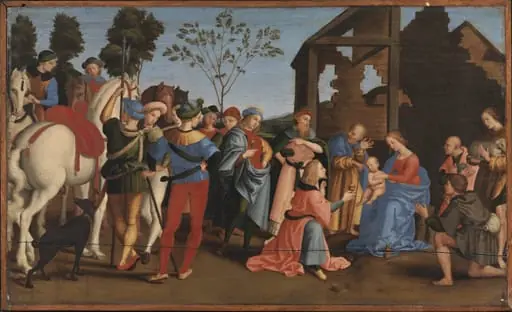 The Adoration of the Kings
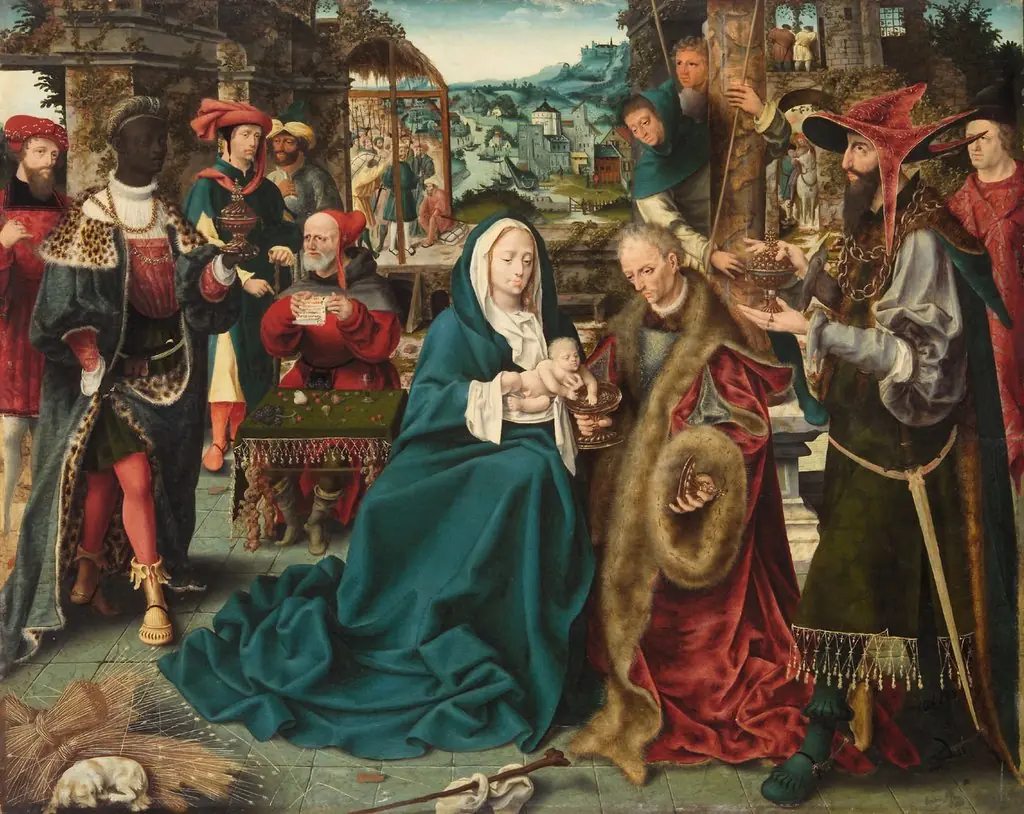 Anbetung der Könige
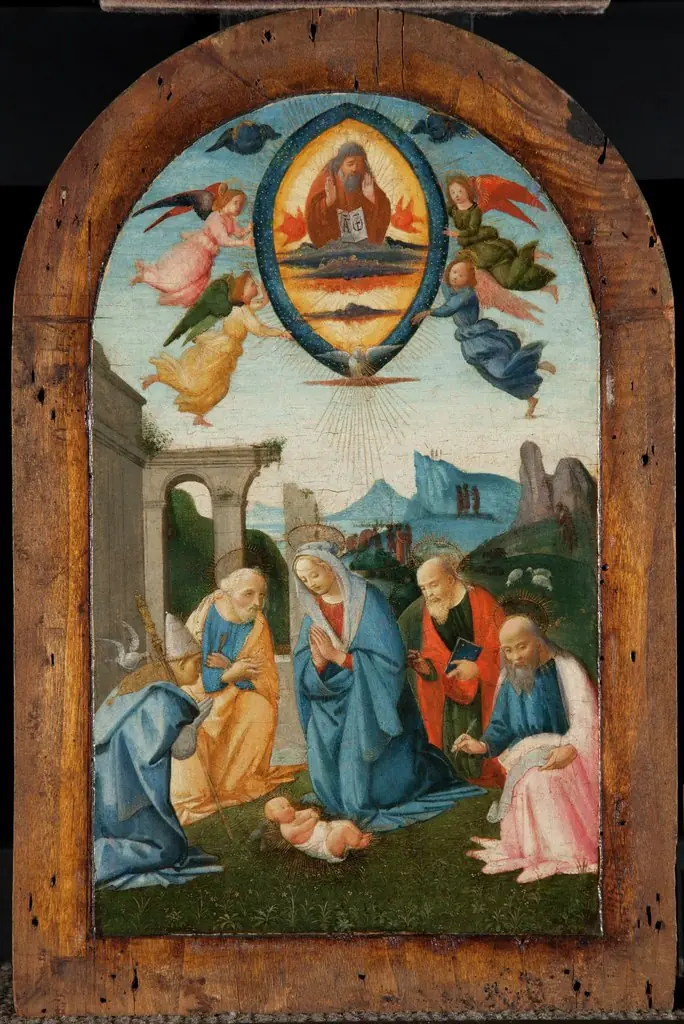
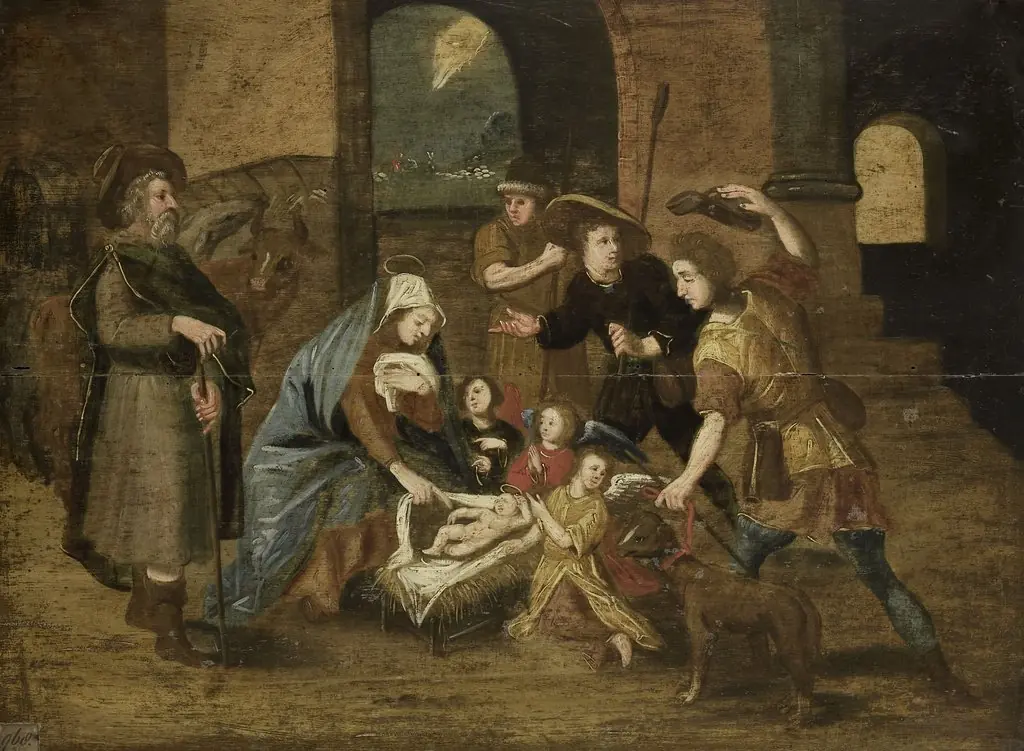 Adoration of the Shepherds
 Adoration of the Christ Child, with Sts Barbara and Martin