Artwork
St Bonaventure
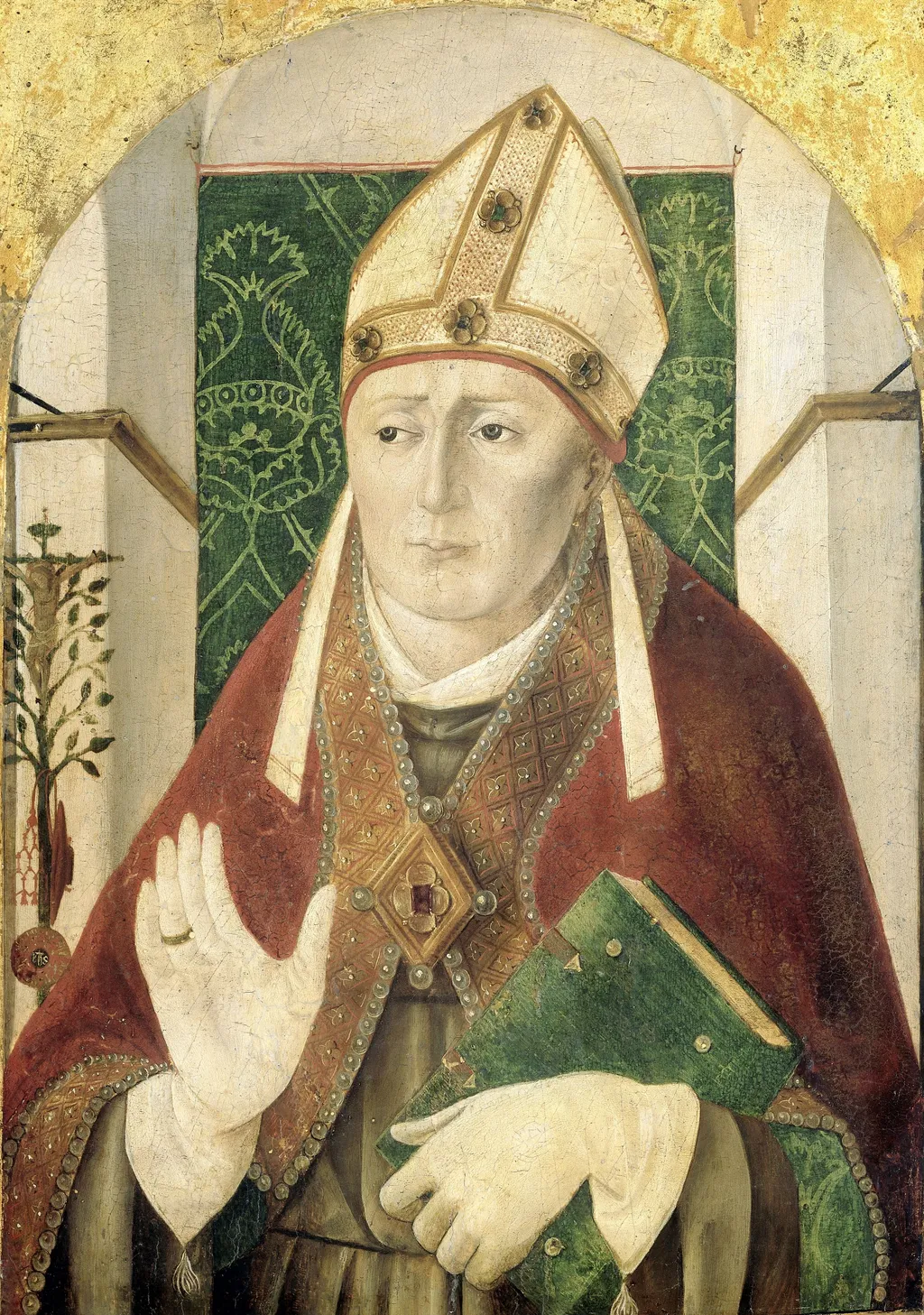
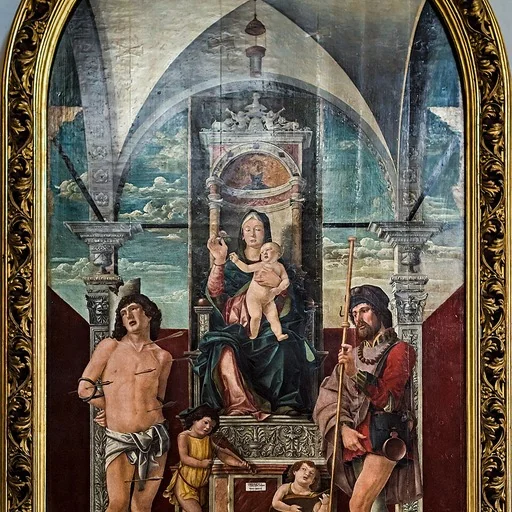
St Bonaventure is an oil painting by the Northern Renaissance artist Girolamo da Treviso the Elder. It dates from 1496 and is held in the collection of the Rijksmuseum.
About this work
Overview
Girolamo da Treviso the Elder’s oil on canvas, dated 1496, presents a portrait of the Franciscan theologian Saint Bonaventure. The work is part of the Rijksmuseum’s collection and exemplifies late‑15th‑century devotional portraiture, focusing on the saint’s contemplative presence rather than narrative action.
Subject & Meaning
The figure is identified as Bonaventure by his episcopal mitre and the chain of beads indicating his ecclesiastical rank. His composed expression and folded hands suggest a moment of prayerful meditation, reflecting the saint’s reputation as a learned and pious scholar within the Franciscan order.
Technique & Style
Girolamo employs chiaroscuro, using a strong light source to illuminate the saint’s face and upper garments while the surrounding space recedes into darker tones. The palette combines deep reds, creamy whites, and gold accents, rendering the rich fabrics and emphasizing the three‑dimensionality of the figure.
History & Provenance
Created in 1496, the painting entered the Rijksmuseum’s holdings through acquisition in the 20th century, though earlier ownership records are sparse. Its survival in a public collection ensures continued scholarly access to Girolamo’s work and to visual representations of Bonaventure from the period.
Context
The portrait aligns with a broader trend in the Italian Renaissance of depicting saints in individualized, humanized forms. By presenting Bonaventure in contemporary clerical attire, Girolamo bridges the saint’s medieval legacy with the visual language of his own time, reinforcing the ongoing relevance of theological figures in late‑quattrocento art.
Artist & collection
Artist
Girolamo da Treviso the Elder (1450–1496) was an artist, born in Treviso.