Artwork
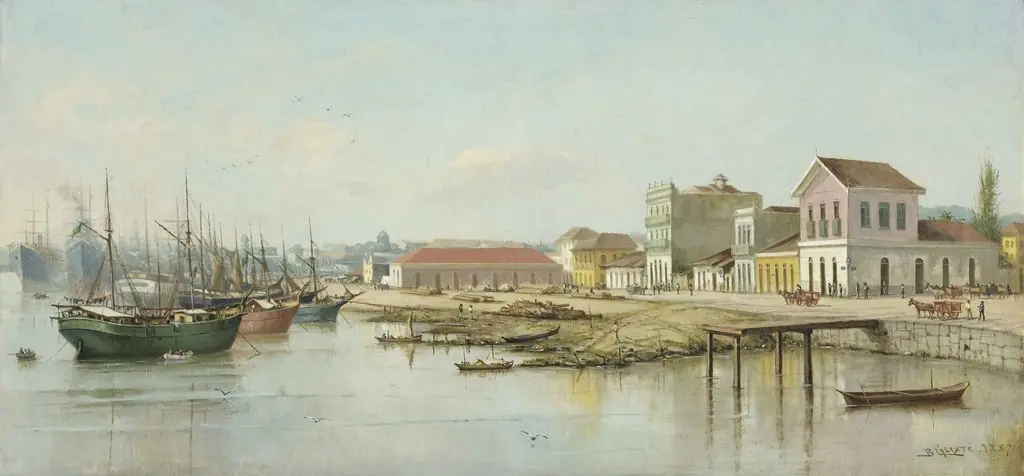
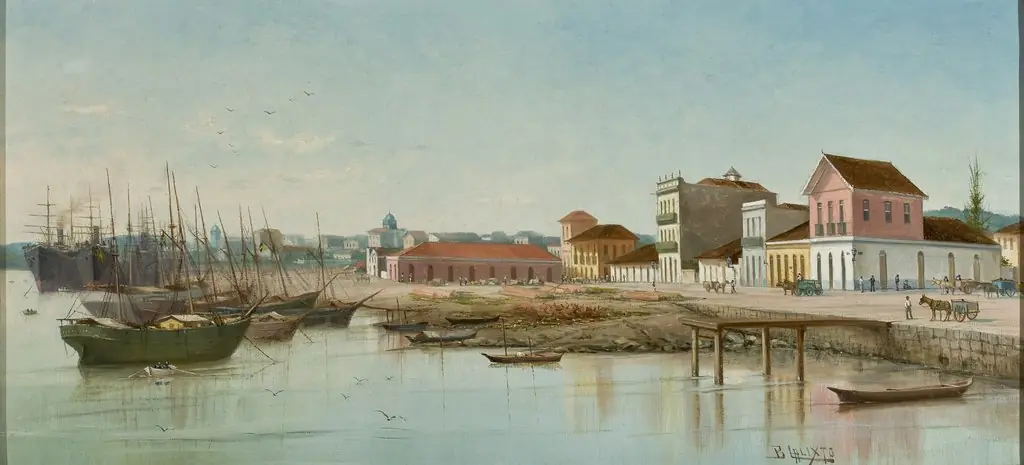
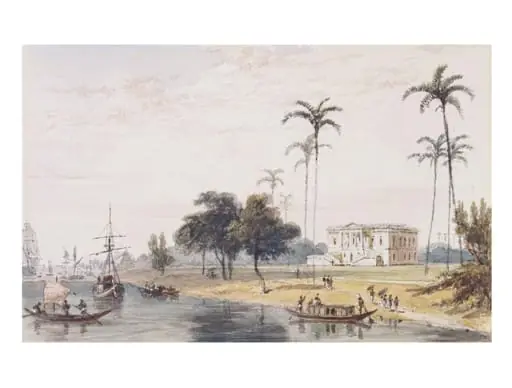
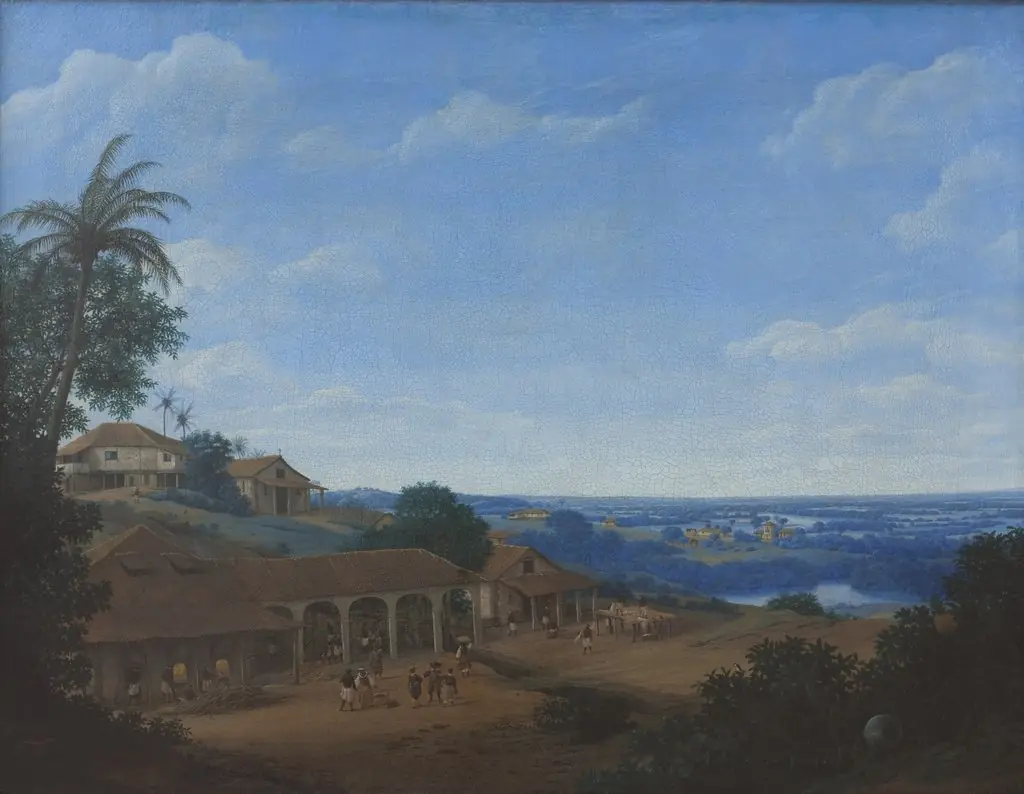
View of São Luis do Maranhão
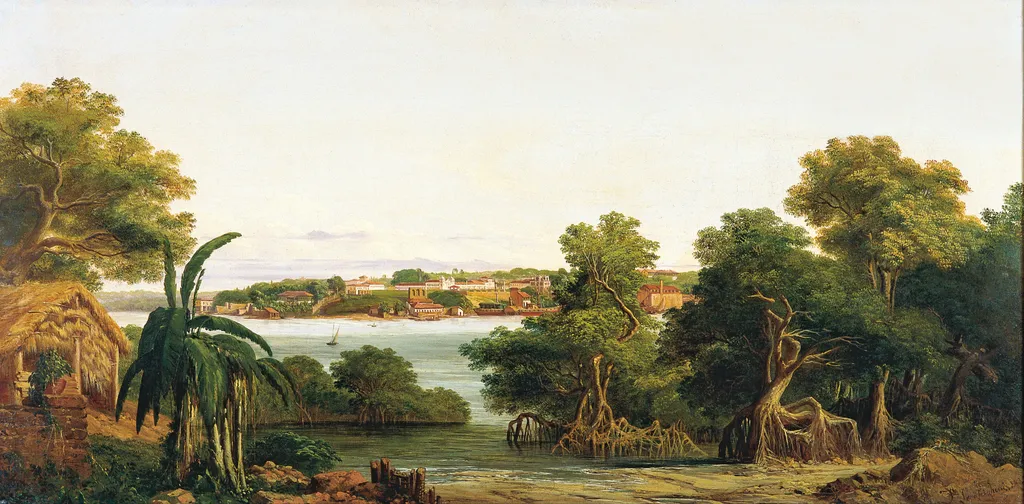
View of São Luis do Maranhão is an oil painting by the Realist artist Giuseppe Leone Righini. It dates from 1863 and is held in the collection of the Fundação Estudar collection.
About this work
Overview
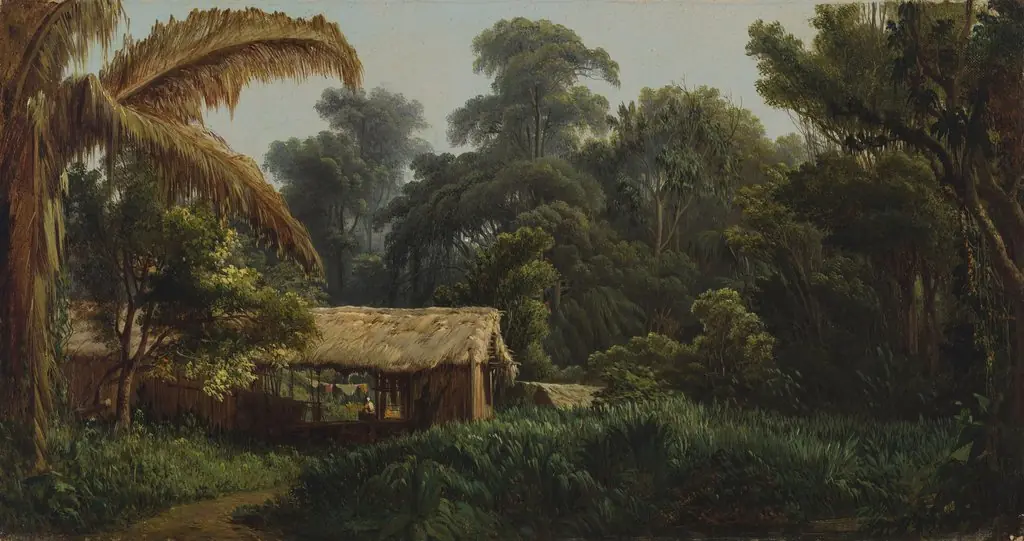
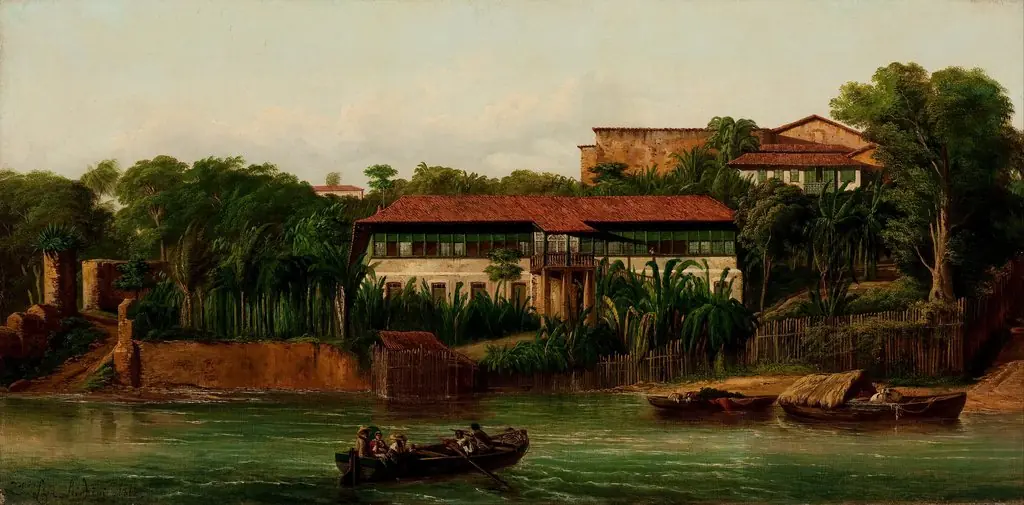
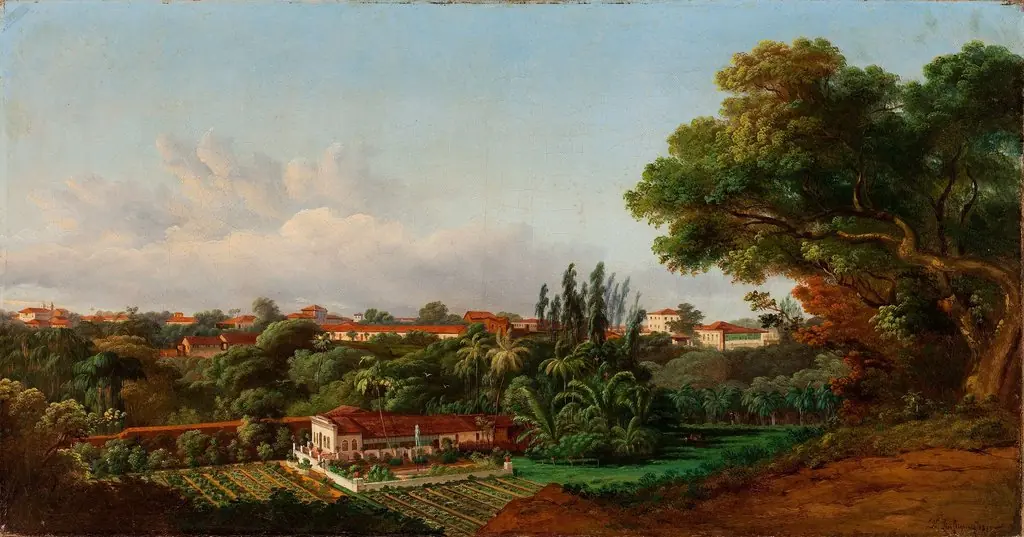
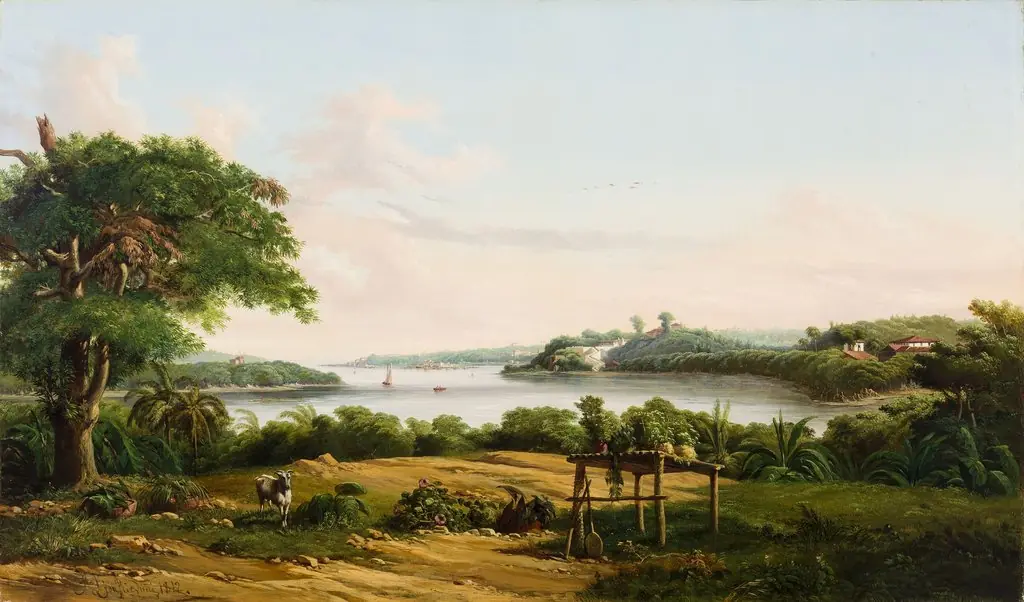
Giuseppe Leone Righini’s 1863 oil painting, View of São Luis do Maranhão, presents a tranquil coastal scene of the Brazilian city and its surrounding countryside. Executed in a modest size, the work is part of the collection of the Pinacoteca do Estado de São Paulo, where it remains on display as a representative example of mid‑nineteenth‑century landscape painting.
Subject & Meaning
The canvas captures a peaceful shoreline where verdant trees and low bushes frame a calm body of water. A small boat drifts across the surface, introducing a subtle narrative of daily life while emphasizing the serenity of the locale. The composition invites contemplation of the harmonious relationship between human presence and the natural environment.
Technique & Style
Righini employs a restrained palette of greens, blues, and earth tones, allowing light to filter across the scene and create gentle contrasts of illumination and shadow. This handling of chiaroscuro imparts depth, guiding the eye from the foreground foliage to the distant horizon, while the fluid brushwork suggests the gentle movement of water and foliage.
History & Provenance
Painted in 1863, the work entered the Pinacoteca do Estado de São Paulo’s holdings during the early 20th century as part of a broader effort to acquire European‑influenced depictions of Brazil’s geography. The museum’s records trace its acquisition to a donation from a private collector interested in documenting the nation’s visual heritage.
Context
Righini, an Italian‑born artist active in Brazil, produced several landscapes that documented the country’s diverse regions during a period of rapid expansion. View of São Luis do Maranhão reflects contemporary interest in portraying the exotic yet familiar scenery of Brazil’s colonial cities, aligning with the Romantic‑realist tendencies of the era.