Artwork
The Rest on the Flight into Egypt
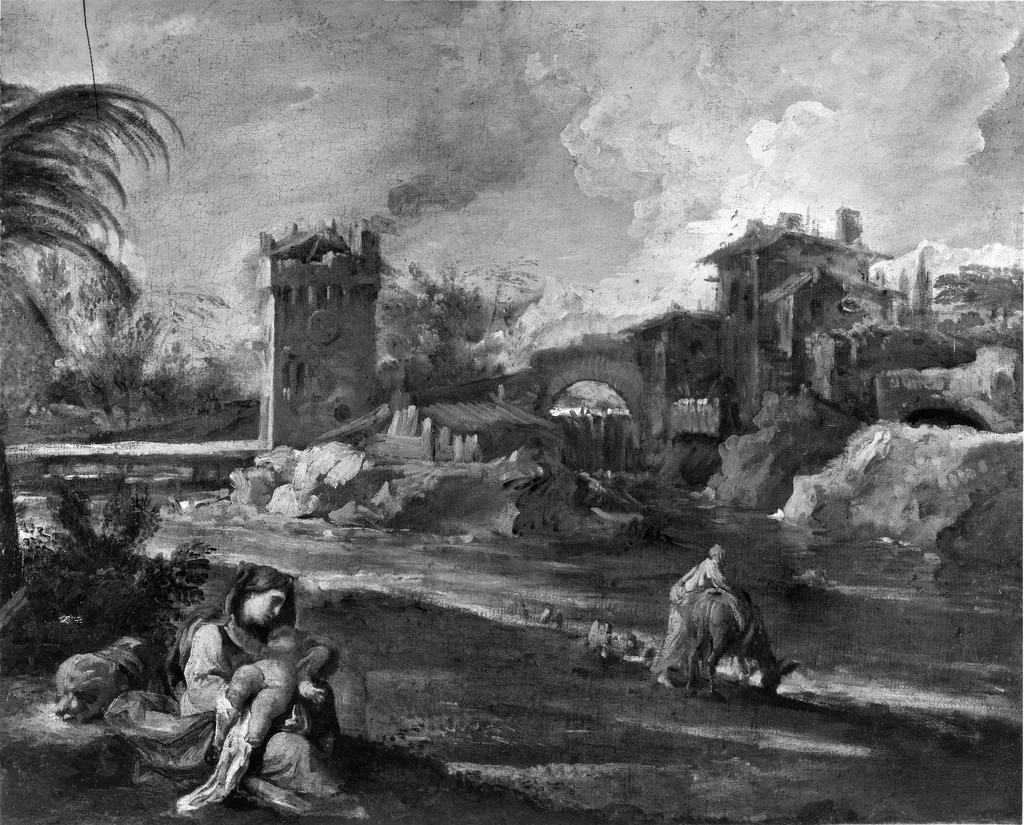
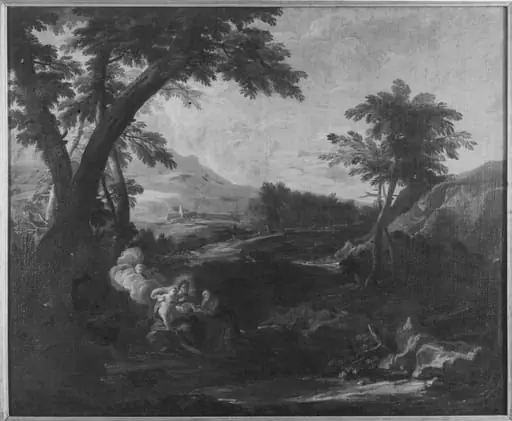
The Rest on the Flight into Egypt is an oil painting by the Rococo painting artist Giuseppe Zais. It dates from 1730 and is held in the collection of the Walters Art Museum.
About this work
Overview
The painting belongs to the Walters Art Museum’s collection, where it exemplifies the period’s blending of sacred narrative with serene outdoor settings.
Painted in 1730 by Giuseppe Zais, an Italian artist from Venice, this oil-on-canvas work portrays a quiet moment from the biblical Flight into Egypt. Zais, trained in the Venetian landscape tradition, infused the religious subject with the lightness and naturalism characteristic of the Rococo era. The painting belongs to the Walters Art Museum’s collection, where it exemplifies the period’s blending of sacred narrative with serene outdoor settings.
Subject & Meaning
The scene captures Mary seated with the infant Jesus, while Joseph stands nearby, gazing outward as if aware of their journey’s purpose. The moment of rest, drawn from apocryphal tradition, emphasizes tenderness and vulnerability amid exile. Rather than emphasizing divine drama, Zais focuses on human intimacy, transforming a theological narrative into a quiet, domestic pause within nature.
Technique & Style
Zais employed soft brushwork and warm, muted tones to evoke a gentle atmosphere. The figures are rendered with subtle detail in fabric and expression, yet remain integrated into the landscape rather than dominating it. The composition follows a horizontal rhythm, with rolling hills and dense foliage framing the group, reflecting the influence of his mentors Ricci and Zuccarelli in creating harmonious, atmospheric vistas.
History & Provenance
Created during Zais’s early career, the painting reflects his development within Venice’s thriving landscape tradition. It entered the Walters Art Museum’s collection in the 20th century, likely through the acquisition of private holdings from European collectors. No earlier documentation of its ownership is widely recorded, but its style aligns with other works from Zais’s 1730s output.
Context
In early 18th-century Venice, religious subjects were often reimagined through the lens of landscape and leisure, catering to aristocratic tastes. Zais’s approach mirrored a broader trend: sacred stories were softened into idyllic scenes, aligning with Rococo ideals of elegance and emotional restraint. This painting stands as a regional variation of a popular theme across Europe, adapted to Venetian sensibilities.
Legacy
Though Zais is less known today than his contemporaries, this work illustrates the quiet influence of Venetian landscape painters in shaping devotional imagery. His integration of naturalism and pastoral calm contributed to a genre that bridged sacred narrative and secular aesthetics, leaving a modest but discernible mark on regional painting traditions of the period.
Own this work as a print
Artist & collection
Artist
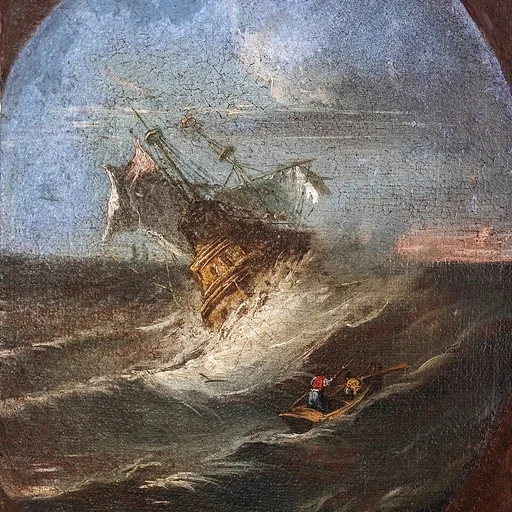
Giuseppe Zais (Italian pronunciation: ; March 22, 1709 – October 29, 1784) was an Italian painter of landscapes (vedutisti) who painted mostly in Venice.

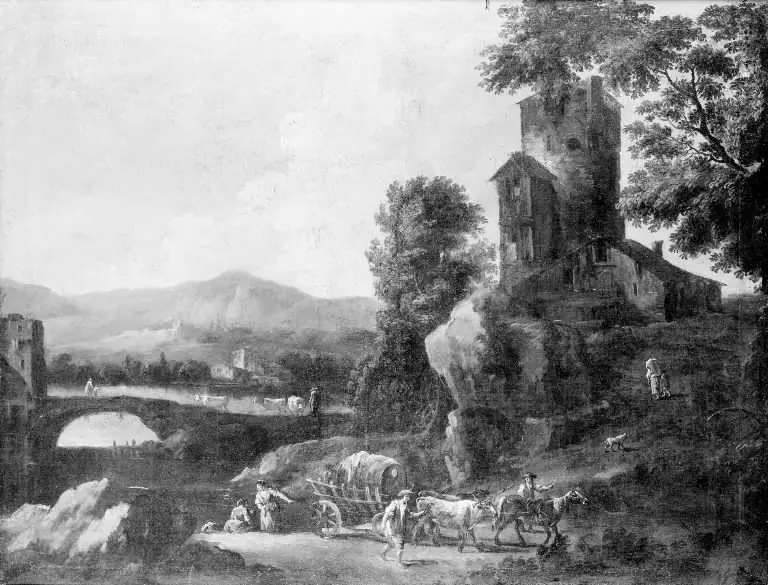
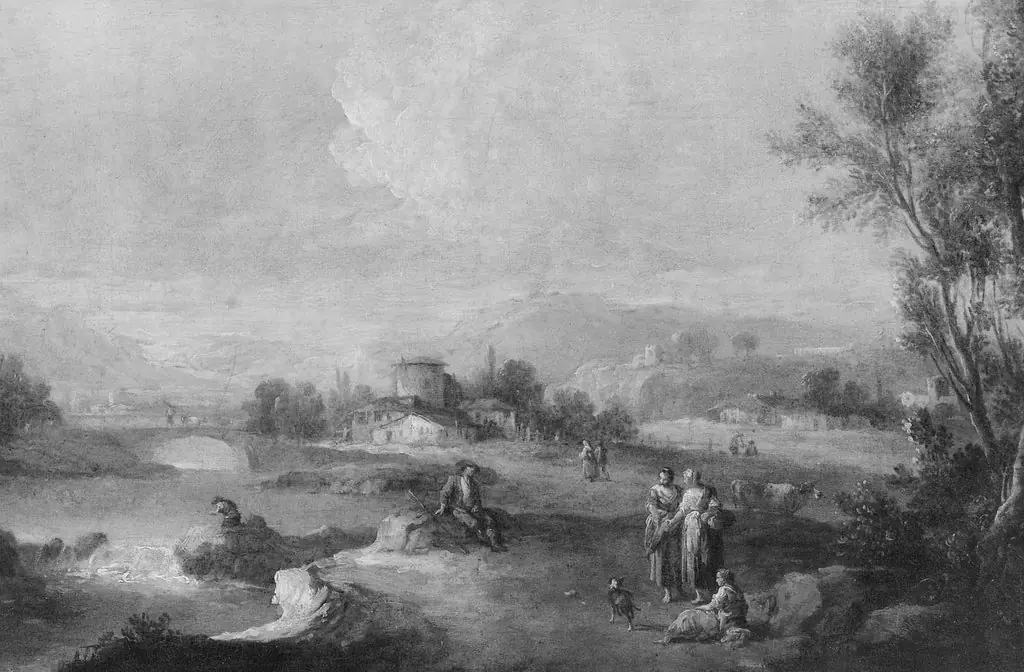
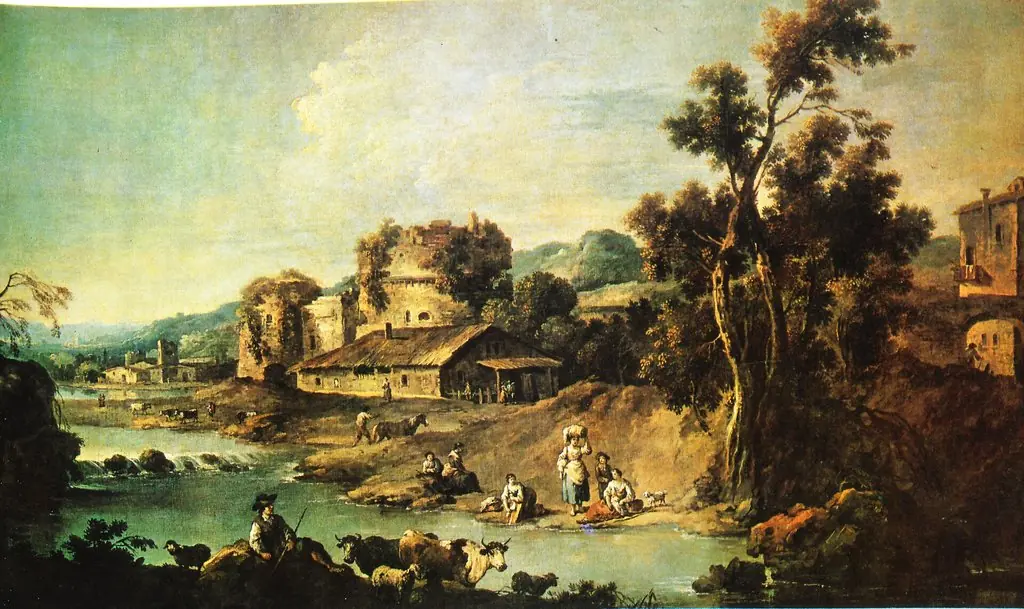
 The Rest on the Flight into Egypt
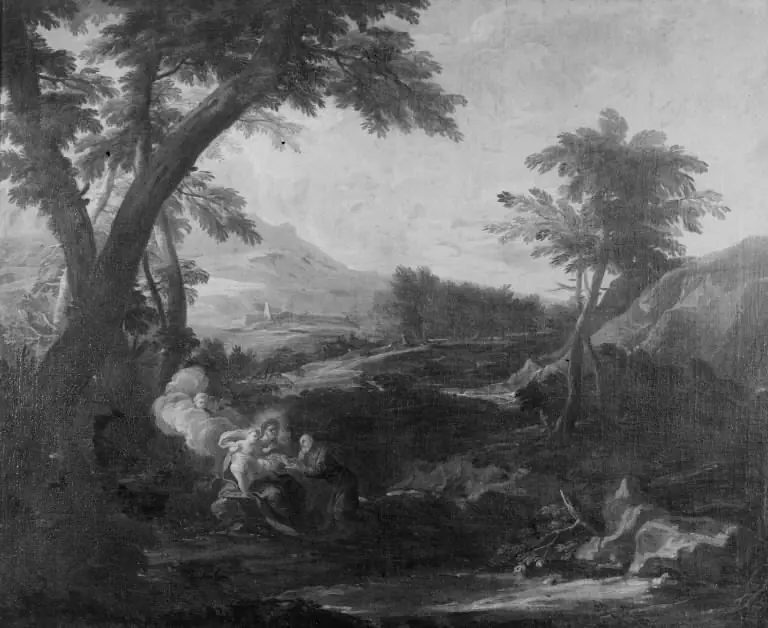 The Rest on the Flight into Egypt
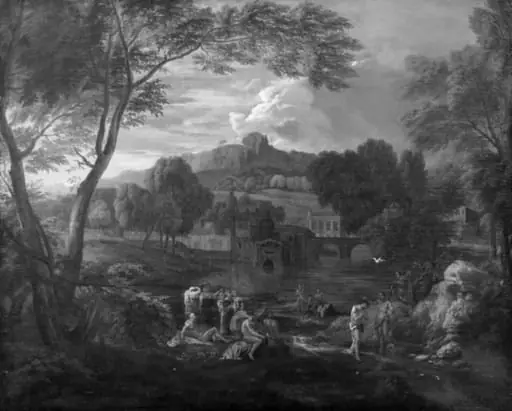 An Italian Landscape with the Baptism of Christ
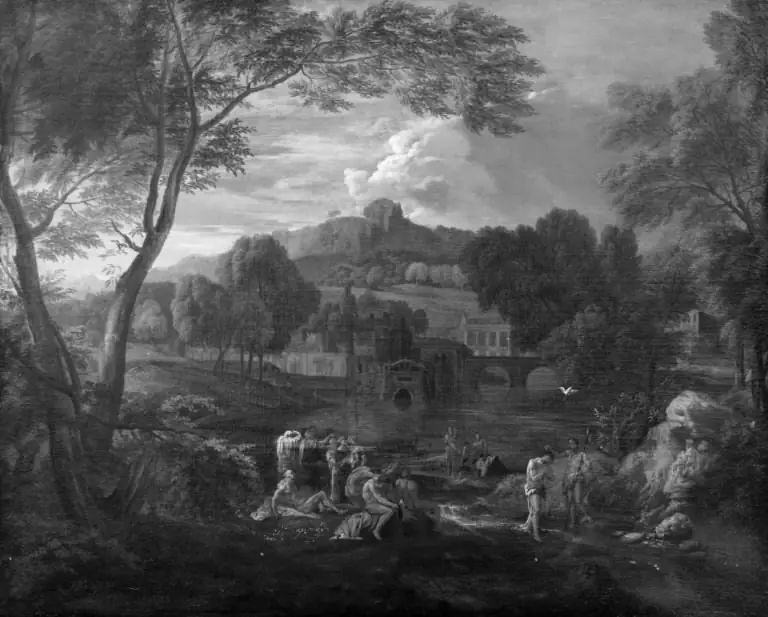 An Italian Landscape with the Baptism of Christ
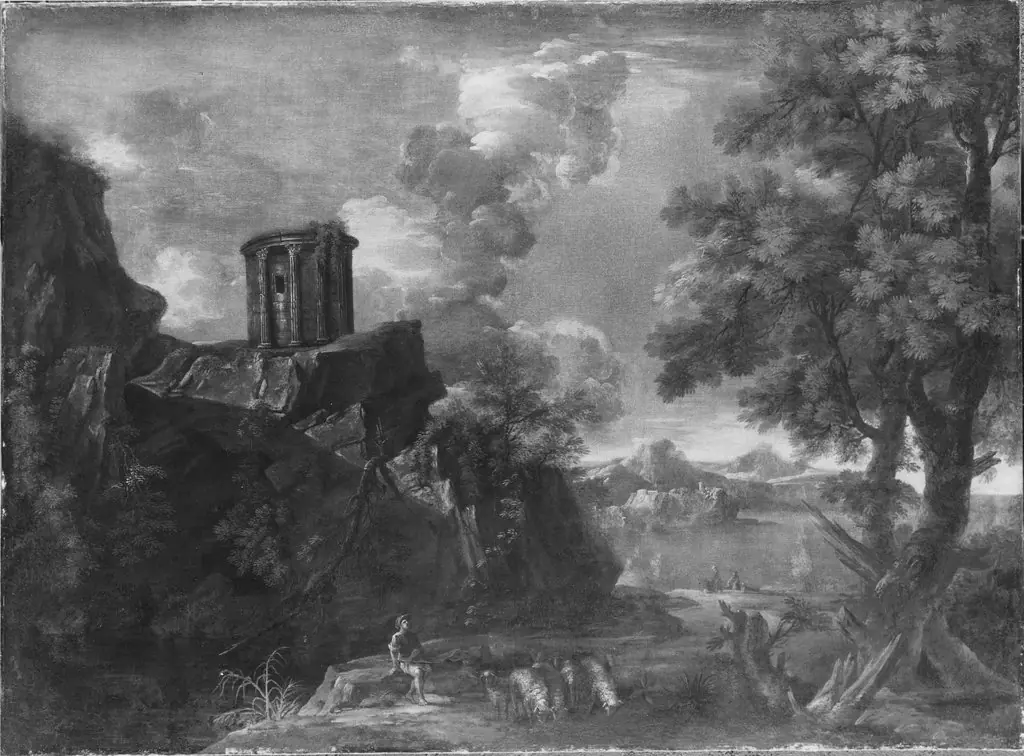 Landscape with a Circular Temple
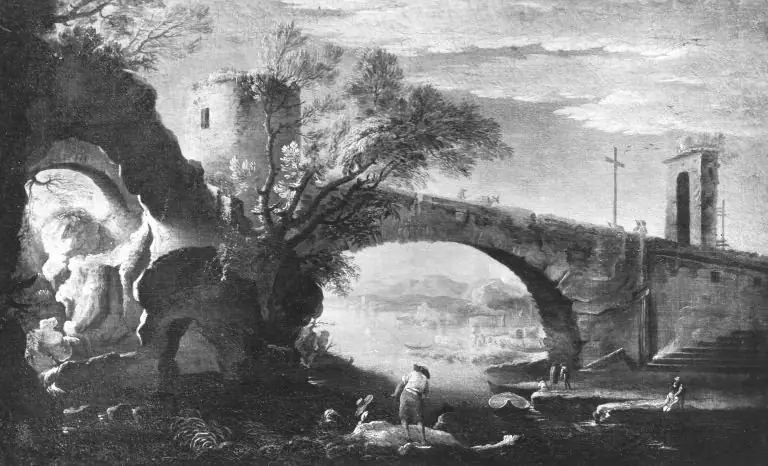 Felsenküste an einer Bucht
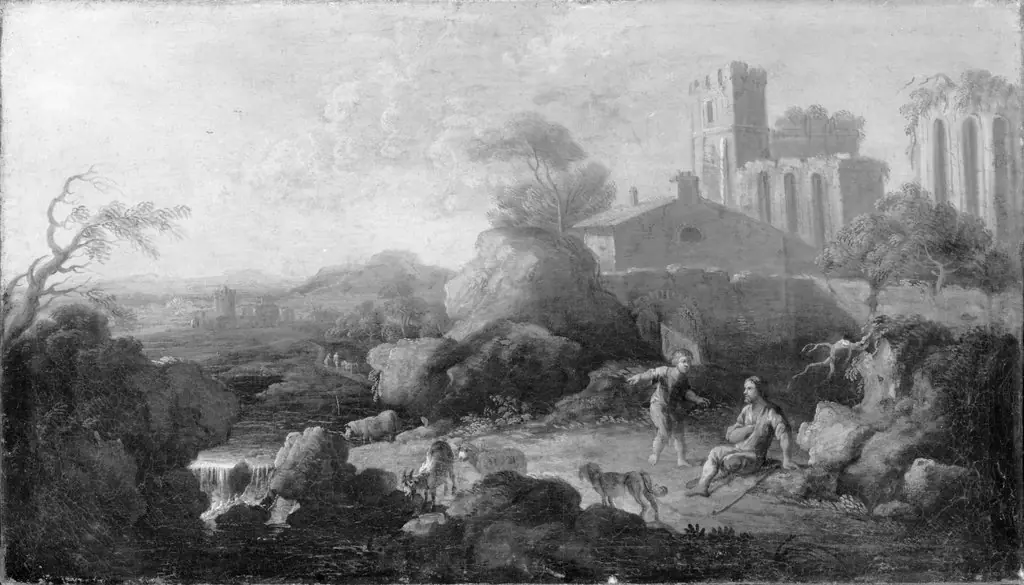 Landscape with Ruins
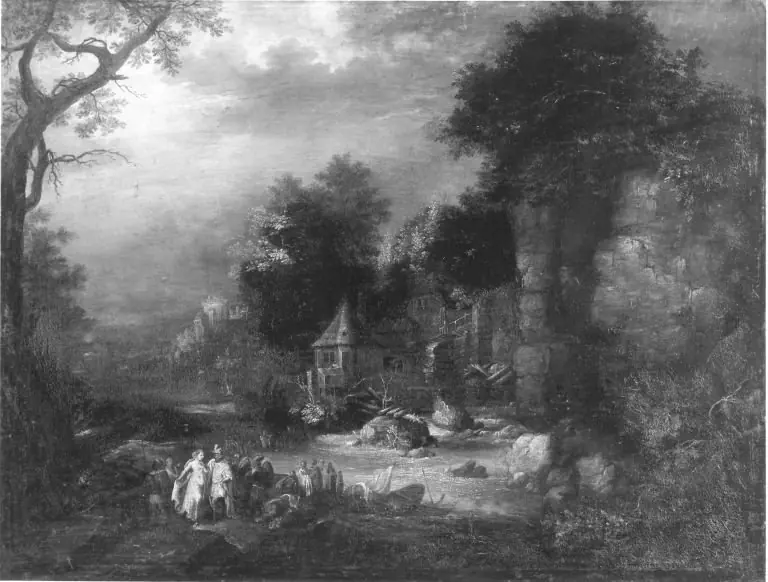 Ideallandschaft
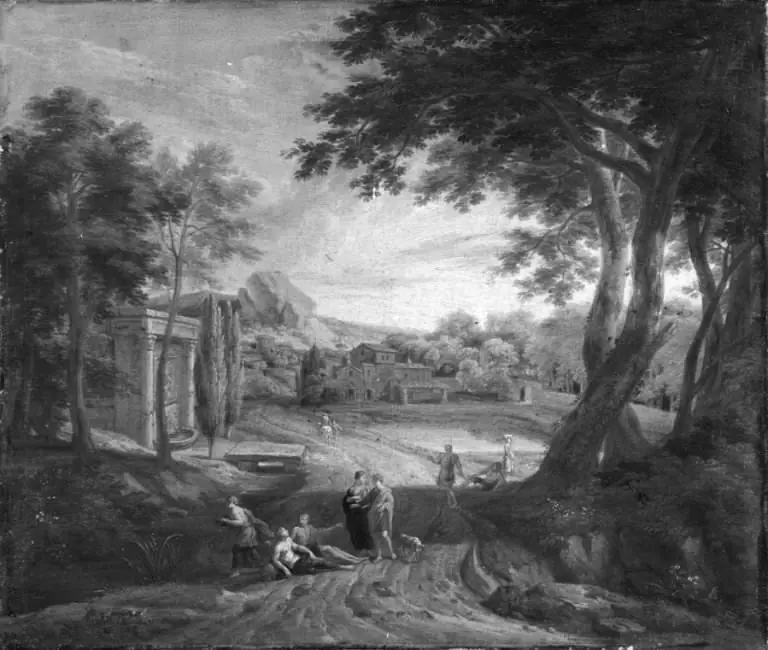 Arcadian Landscape
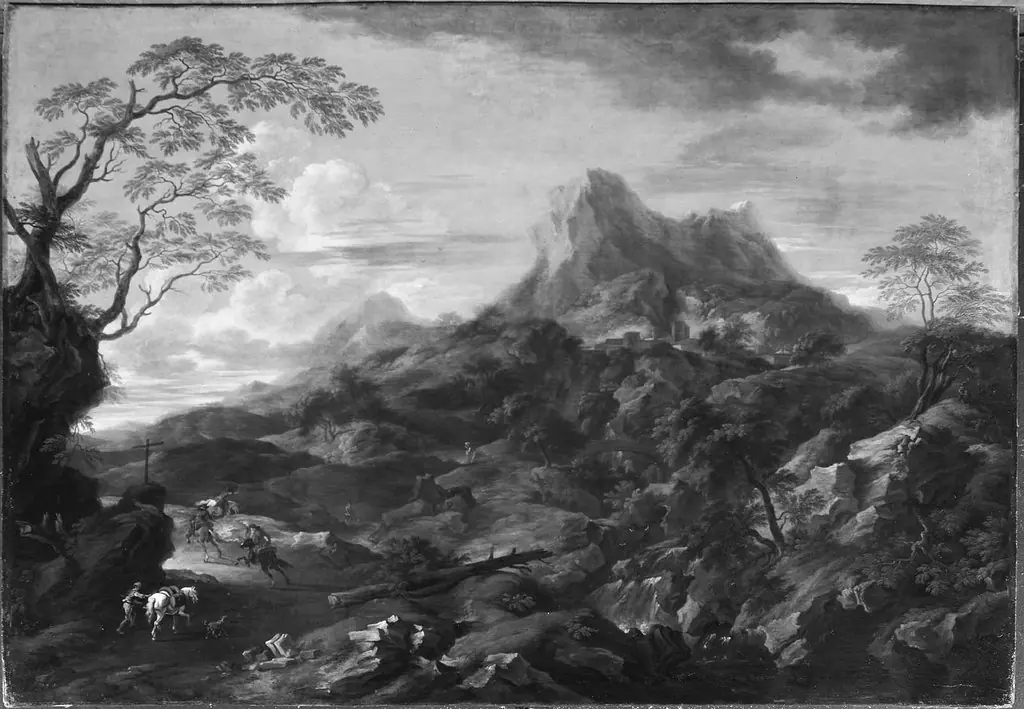 Landscape with Horsemen on a Road
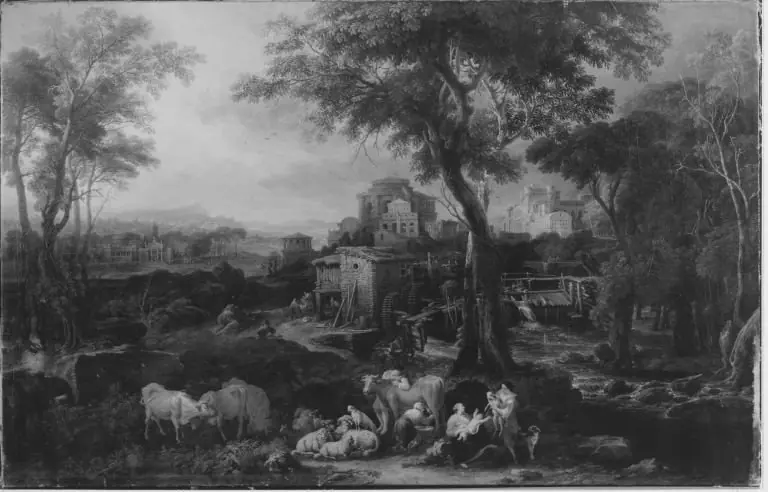 Große Landschaft
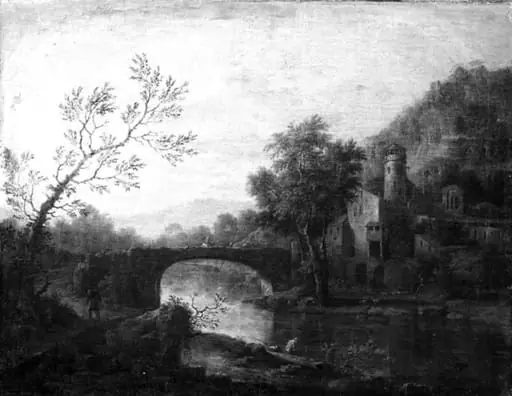 Landscape