Artwork
Untitled
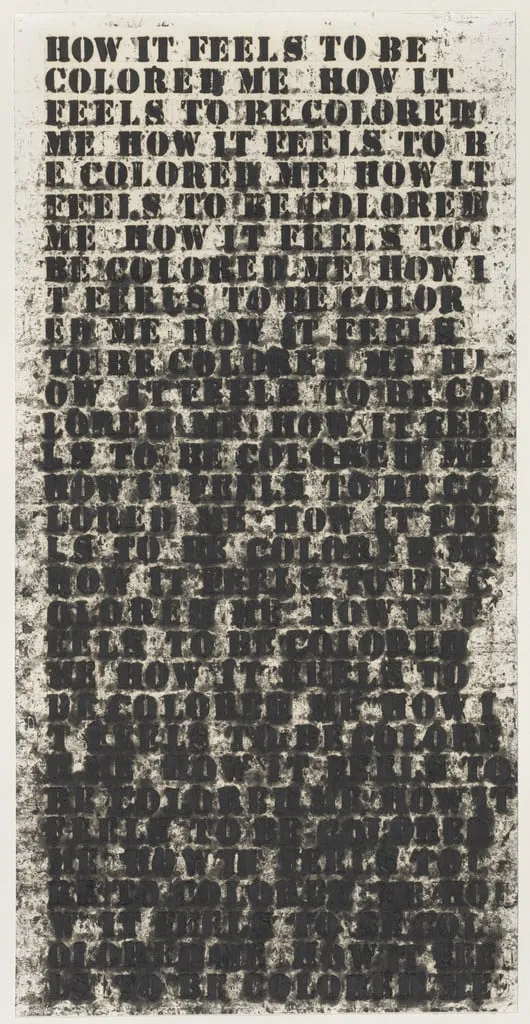
Untitled is an oil drawing by Glenn Ligon. It dates from 1991 and is held in the collection of the Museum of Modern Art.
About this work
Overview
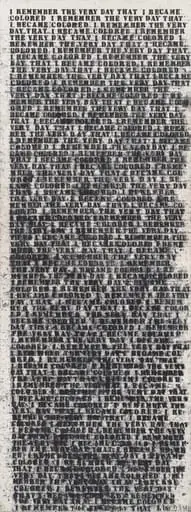
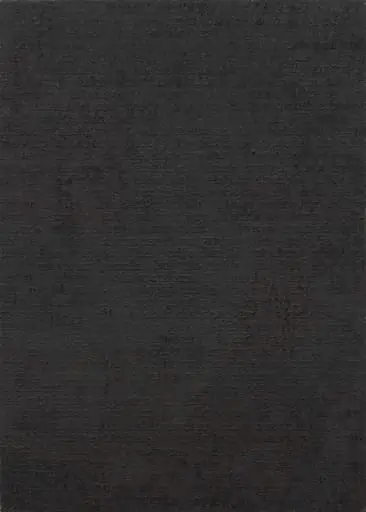
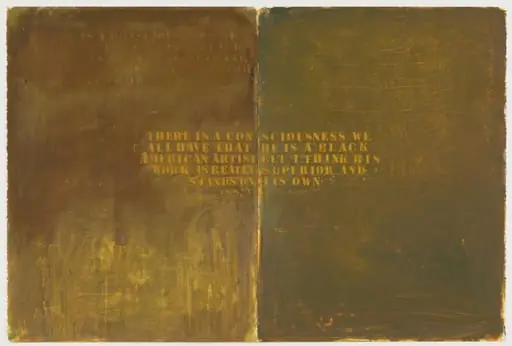
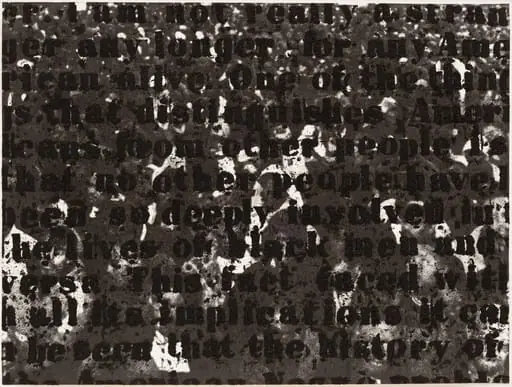
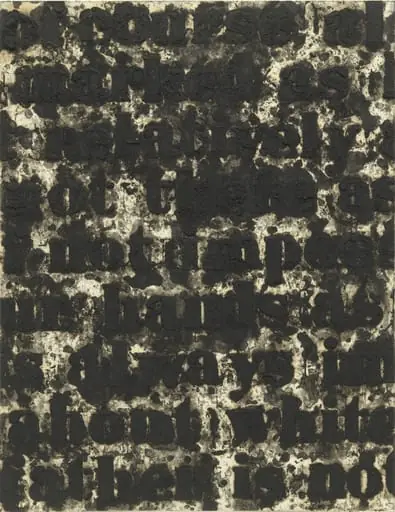
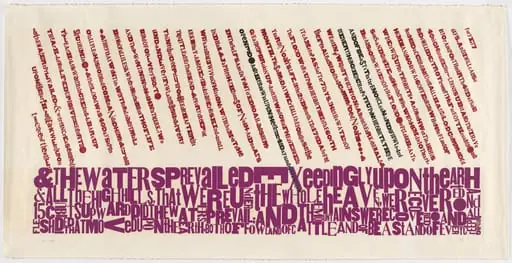
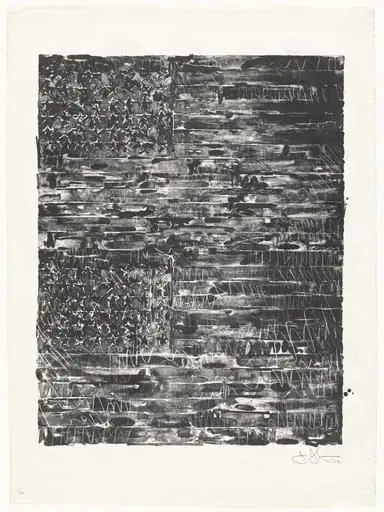
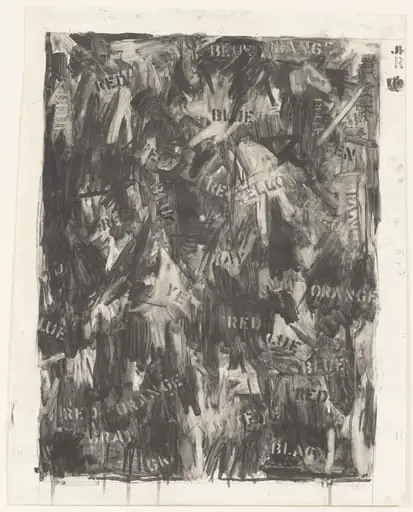
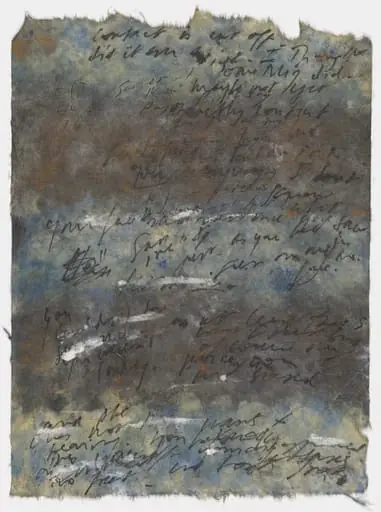
Created in 1991, this drawing by Glenn Ligon uses oilstick on paper to present a dense grid of repeated text. The work belongs to a series in which Ligon explores the weight of language in shaping racial identity. Its minimalist palette and structured layout emphasize the physical presence of words, transforming literary quotation into a visual field that demands sustained attention.
Subject & Meaning
Through relentless repetition, Ligon amplifies the emotional resonance of the statement, turning personal experience into a collective echo.
The text repeats the phrase 'HOW IT FEELS TO BE COLORED ME,' drawn from Zora Neale Hurston’s 1928 essay. Through relentless repetition, Ligon amplifies the emotional resonance of the statement, turning personal experience into a collective echo. The work interrogates how identity is constructed through language, resisting singular interpretations of Blackness while inviting viewers to confront the persistence of racialized perception.
Technique & Style
Ligon employs oilstick to render bold, block-lettered text in black against a white ground. The medium’s matte, slightly smudged quality introduces subtle imperfections, contrasting with the rigid grid structure. Text is arranged in tightly spaced horizontal lines, filling the sheet without margin. This methodical repetition creates a rhythmic visual pulse, where legibility gradually gives way to texture and tone.
History & Provenance
The work entered The Museum of Modern Art’s collection in the early 2000s, reflecting institutional recognition of Ligon’s contributions to contemporary conceptual art. It was produced during a period when his text-based drawings gained critical attention for recontextualizing African American literary voices. The piece remains part of MoMA’s permanent holdings, consistently included in exhibitions addressing race, language, and representation.
Context
Emerging in the early 1990s, this work responds to debates around Post-Blackness, a term Ligon helped articulate to describe identities that transcend fixed racial categories. It engages with the legacy of Harlem Renaissance writers while confronting the limitations of representation in mainstream culture. The piece situates itself within a broader artistic movement that treats text as both content and form.
Legacy
Ligon’s use of repetition and textual fragmentation in this work influenced subsequent generations of artists exploring identity through language. Its quiet intensity demonstrated how minimal visual means could carry profound social weight. The drawing remains a touchstone in discussions about the intersection of literature, race, and visual art in contemporary practice.
Artist & collection

Artist
Glenn Ligon (born 1960, pronounced Lie-gōne) is an American conceptual artist whose work explores race, language, desire, sexuality, and identity.