Artwork
Magdalena penitentă
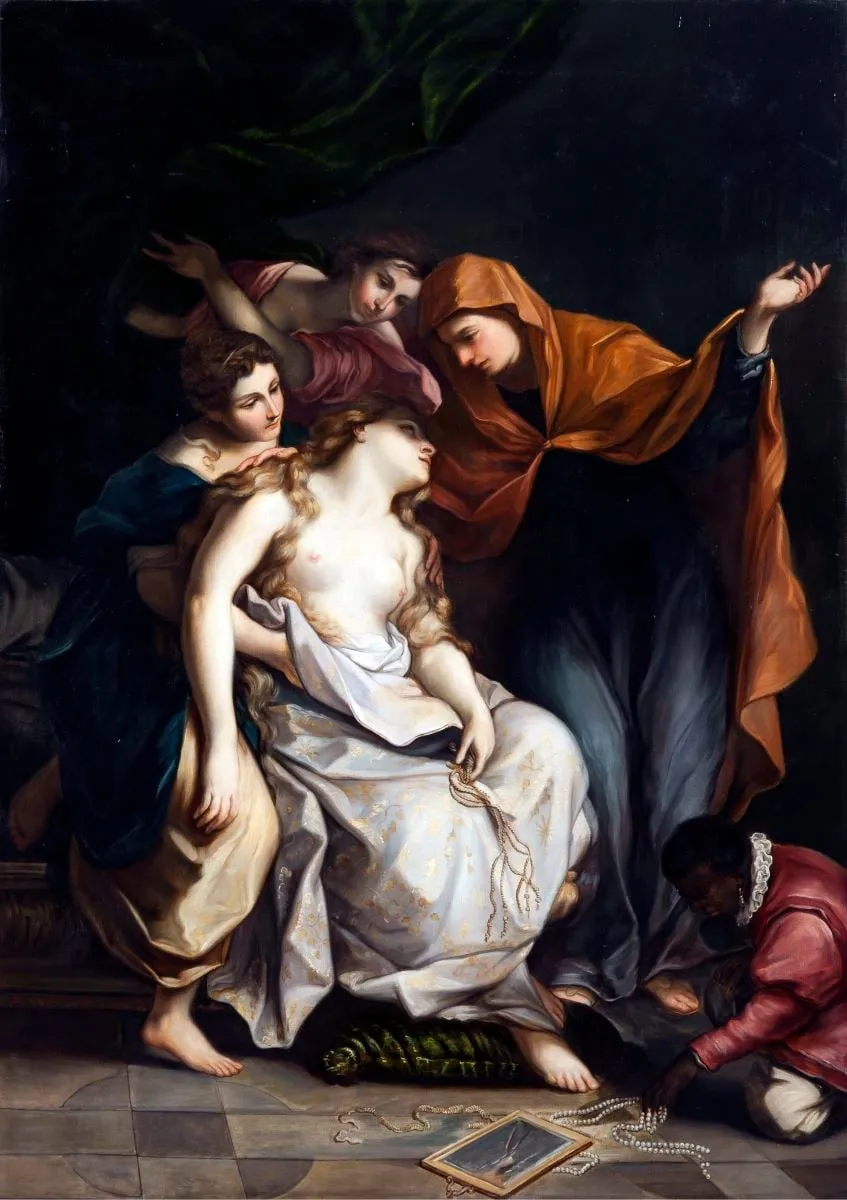
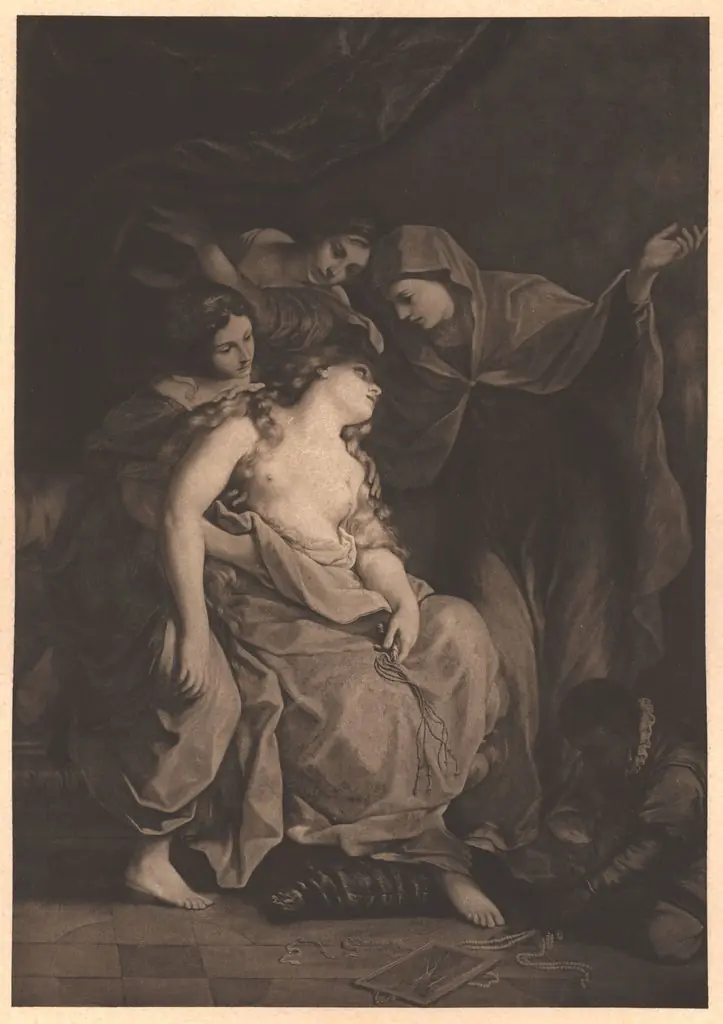
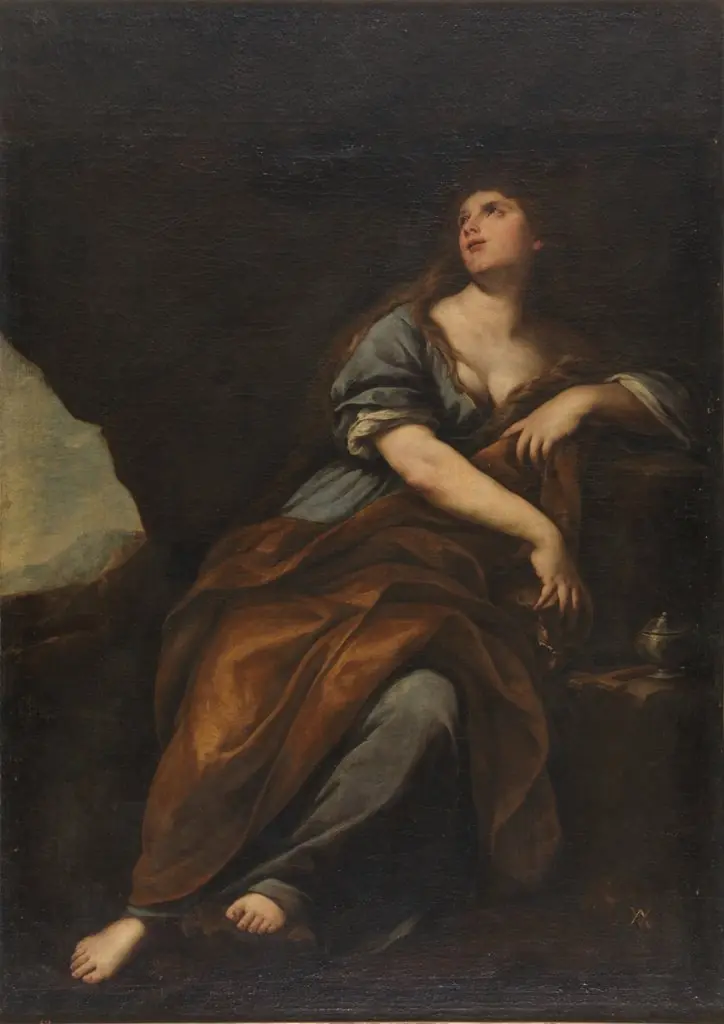
Magdalena penitentă is a print by the Baroque artist Eugen Ritter Gotha. It dates from 1897 and is held in the collection of the National Museum of Art of Romania.
About this work
Overview
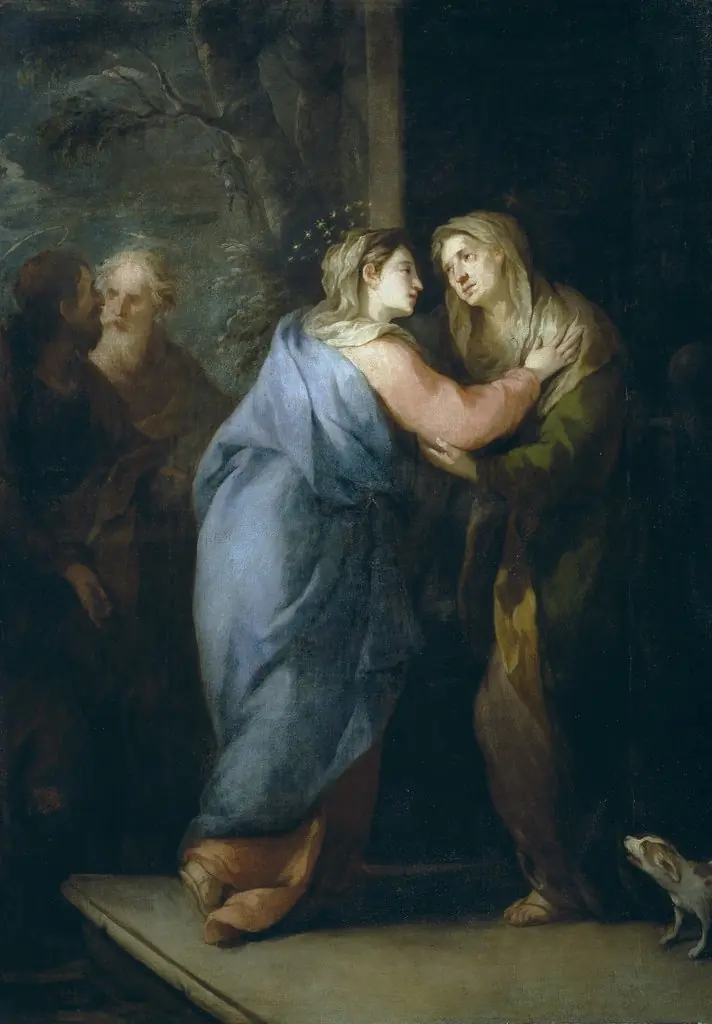
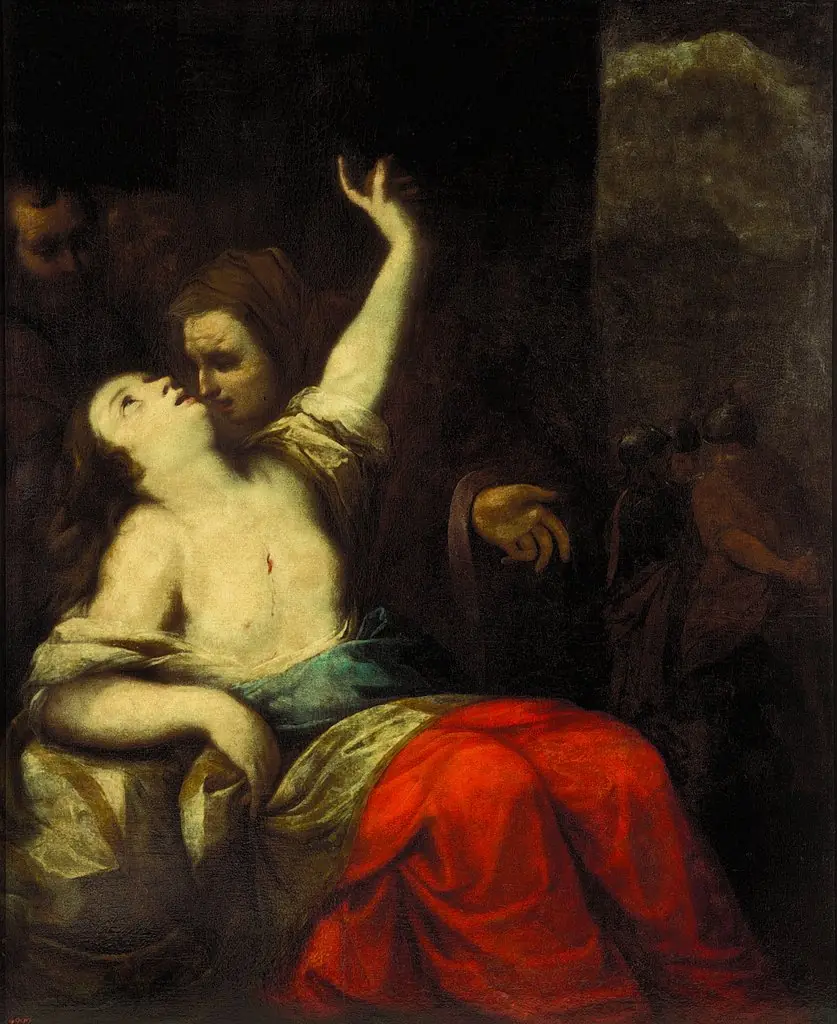
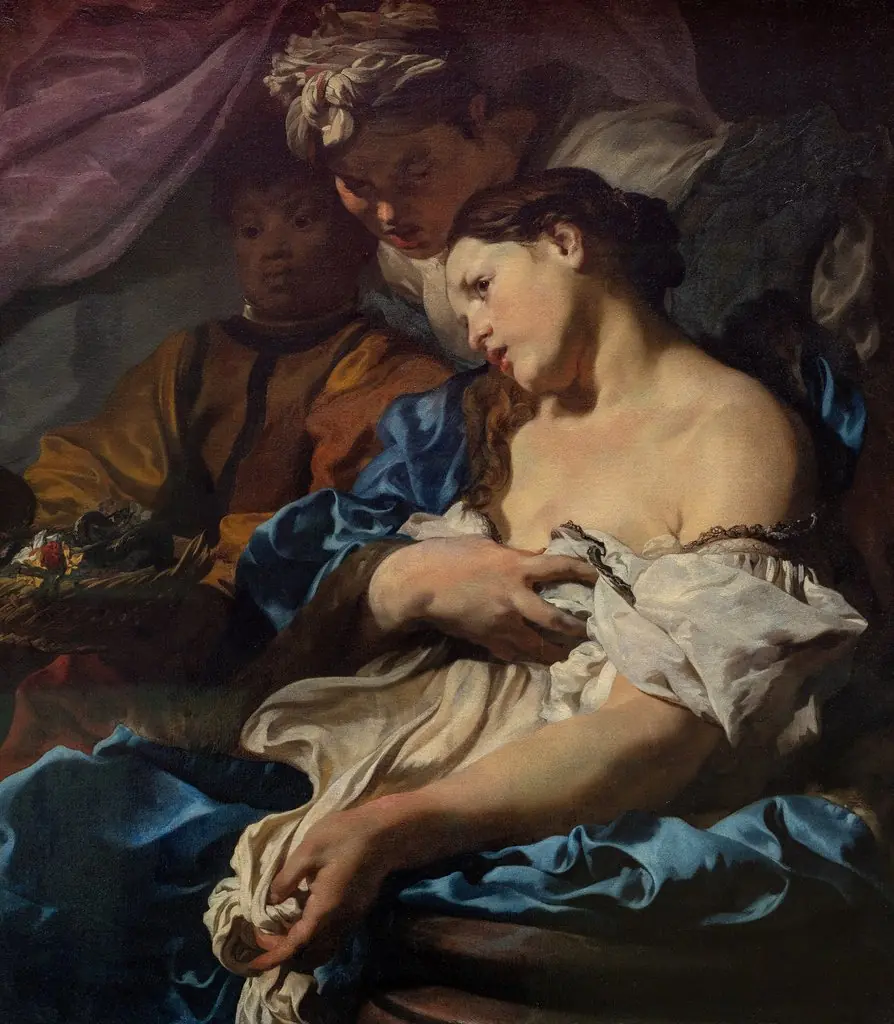
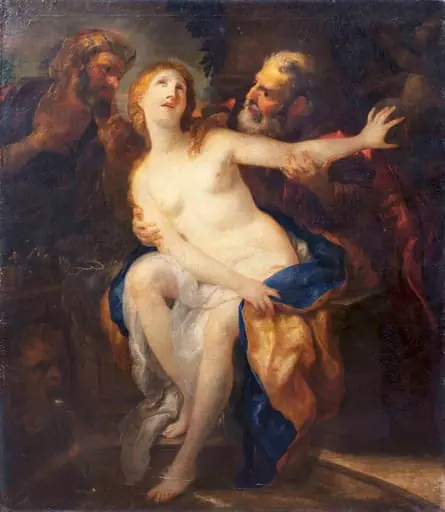
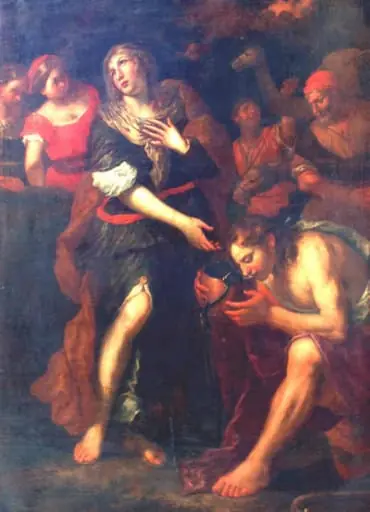
Magdalena penitentă, executed in 1897 by the Austrian painter Eugen Ritter von Gotha, presents a solitary female figure seated on a plain floor. She wears an unadorned white dress, her demeanor composed, while three surrounding characters—clad in brown, blue, and red garments—hover nearby. A kneeling child holds a shattered mirror and scattered ornaments, all set within a dimly lit interior.
Subject & Meaning
The central woman is identified as Mary Magdalene in a moment of penitence, suggested by her serene expression and modest attire. The surrounding figures, rendered with more animated gestures, may represent temptations or worldly distractions, contrasted by the child's broken mirror, a symbol of shattered vanity. The composition invites contemplation of repentance versus earthly allure.
Technique & Style
Gotha employs chiaroscuro to model the forms, allowing the illuminated faces and flowing drapery to emerge from a predominantly dark background.
Gotha employs chiaroscuro to model the forms, allowing the illuminated faces and flowing drapery to emerge from a predominantly dark background. The interplay of light and shadow creates a three‑dimensional effect, while the muted palette emphasizes the spiritual over the material. Brushwork is smooth in the central figure, becoming looser in the peripheral characters, enhancing their emotional intensity.
History & Provenance
Created at the close of the 19th century, Magdalena penitentă reflects Gotha’s interest in religious subjects during his later career. The work entered private collections shortly after its completion and was later acquired by a European museum in the early 20th century, where it remains part of the permanent collection, documented in the institution’s catalogues since the 1920s.
Artist & collection
Artist
Eugen Ritter Gotha left one print we can still see today: *Magdalena penitentă* from 1897, a single sheet pulled from an etching plate.