Artwork
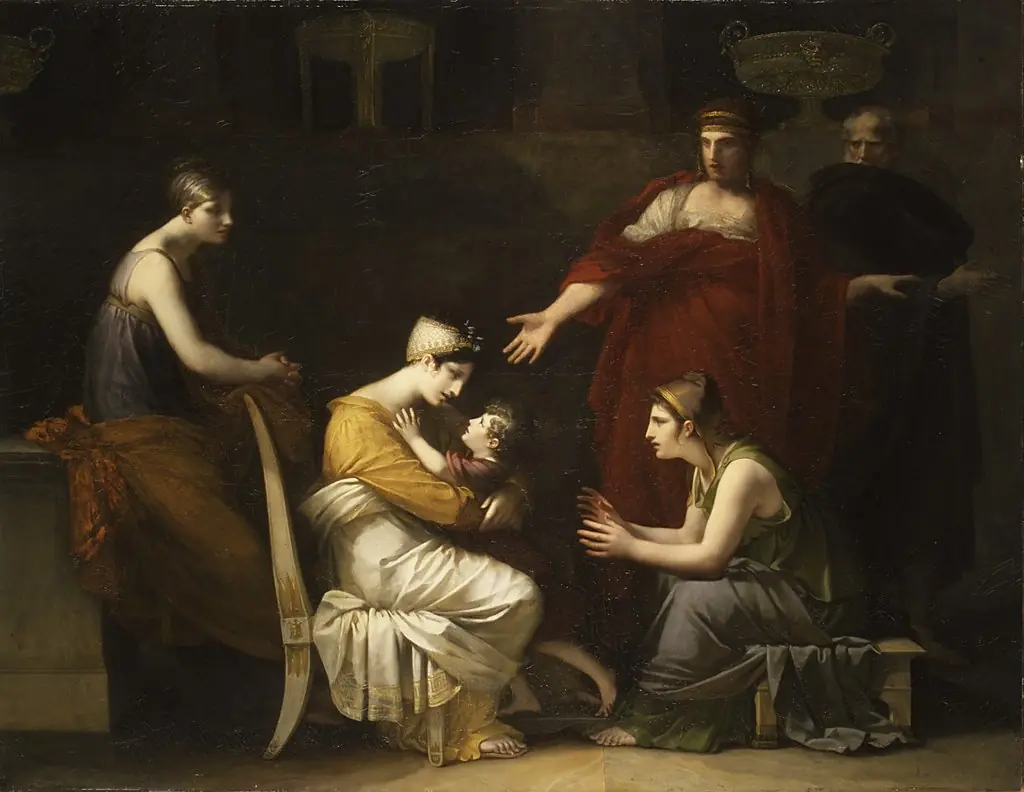
Hecuba and Polyxena
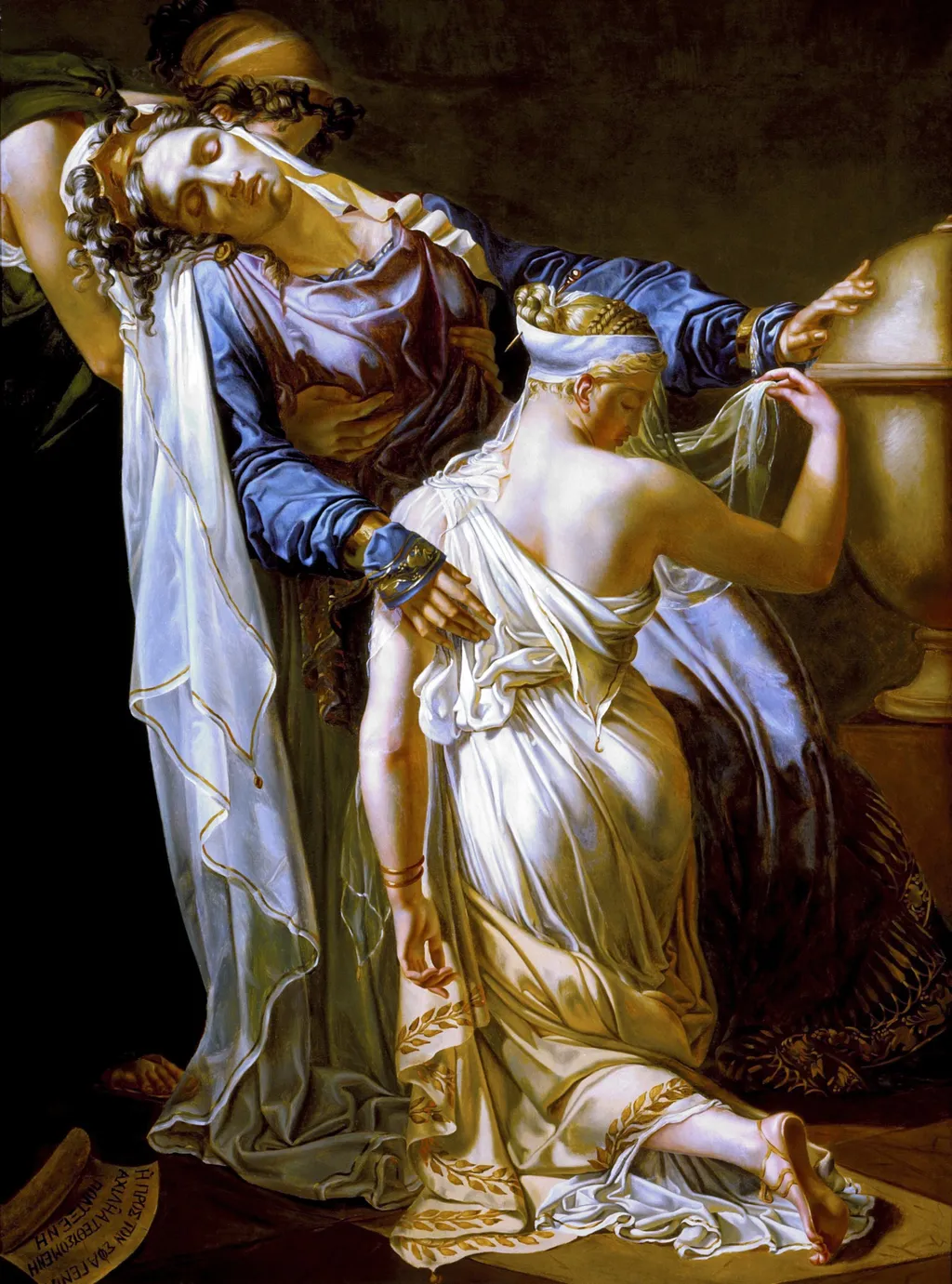
Hecuba and Polyxena is an unspecified painting by Merry-Joseph Blondel. It dates from 1814 and is held in the collection of the Los Angeles County Museum of Art.
About this work
Overview
Hecuba and Polyxena is a 1814 painting by French Neoclassical artist Merry-Joseph Blondel, depicting a scene from classical mythology.
Subject & Meaning
The painting shows Hecuba, the queen of Troy, mourning her daughter Polyxena, represented by the three women in the composition: the deceased or dying figure on the ground, a kneeling attendant, and a standing figure offering support.
Technique & Style
The work is characterized by a somber color palette, with a dark background and the deceased figure dressed in white with a blue shawl, evoking a sense of sorrow and loss, typical of Neoclassical painting.
History & Provenance
Blondel, a student of Baron Jean-Baptiste Regnault and a Prix de Rome winner in 1803, created this work early in his career, later going on to become a professor at the École nationale supérieure des Beaux-Arts and receiving the Legion of Honor in 1824.
Own this work as a print
Artist & collection
Artist
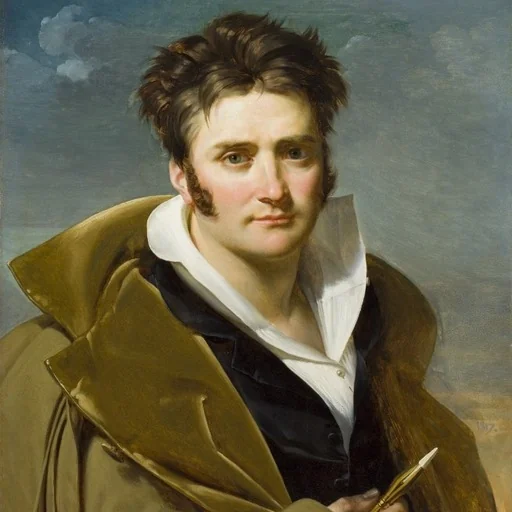
Merry-Joseph Blondel (French pronunciation: ; 25 July 1781 – 12 June 1853) was a French history painter of the Neoclassical school.

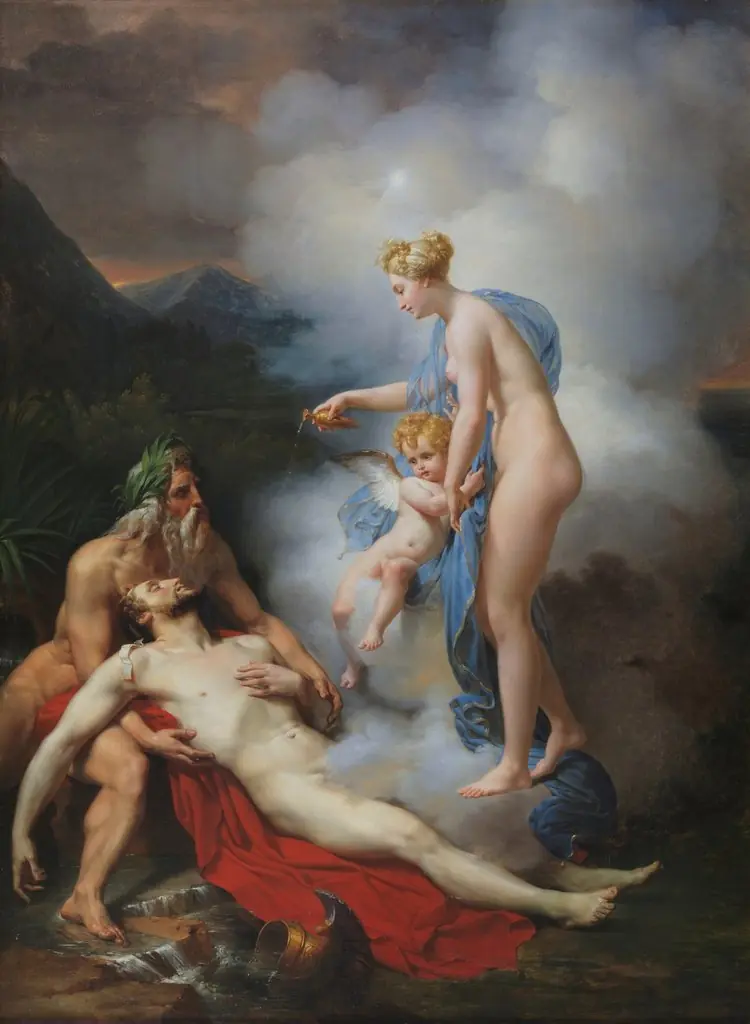 Aeneas Becomes a God
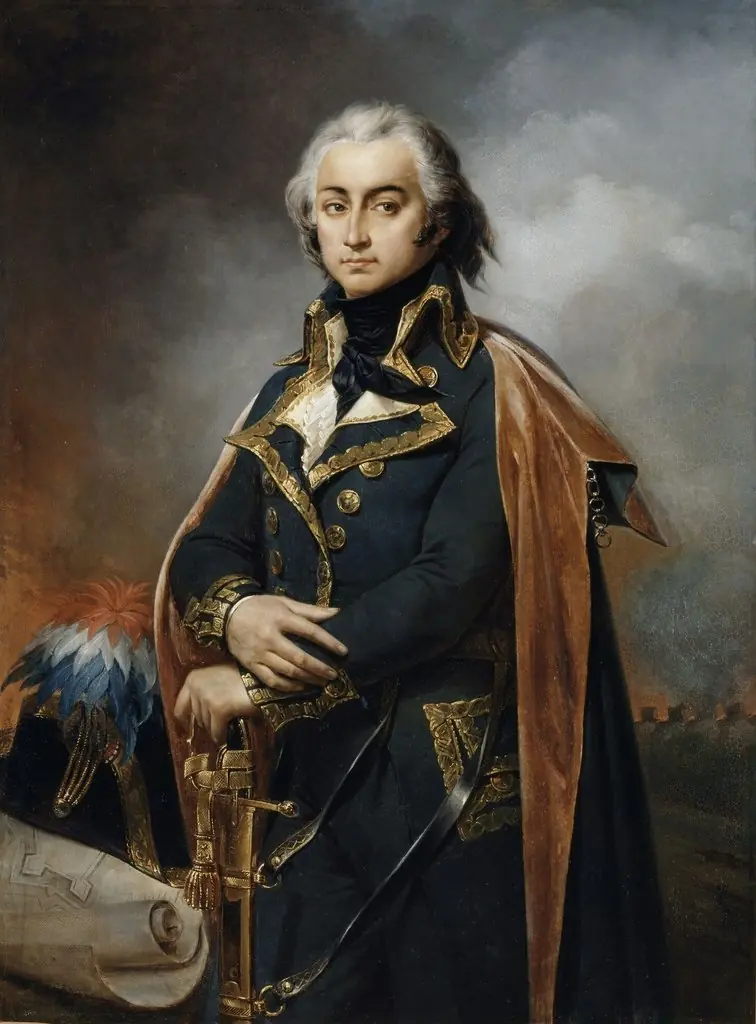 Cyrus-Marie-Adélaïde de Timbrune, Count of Valence, General-in-Chief of the Army of the Ardennes
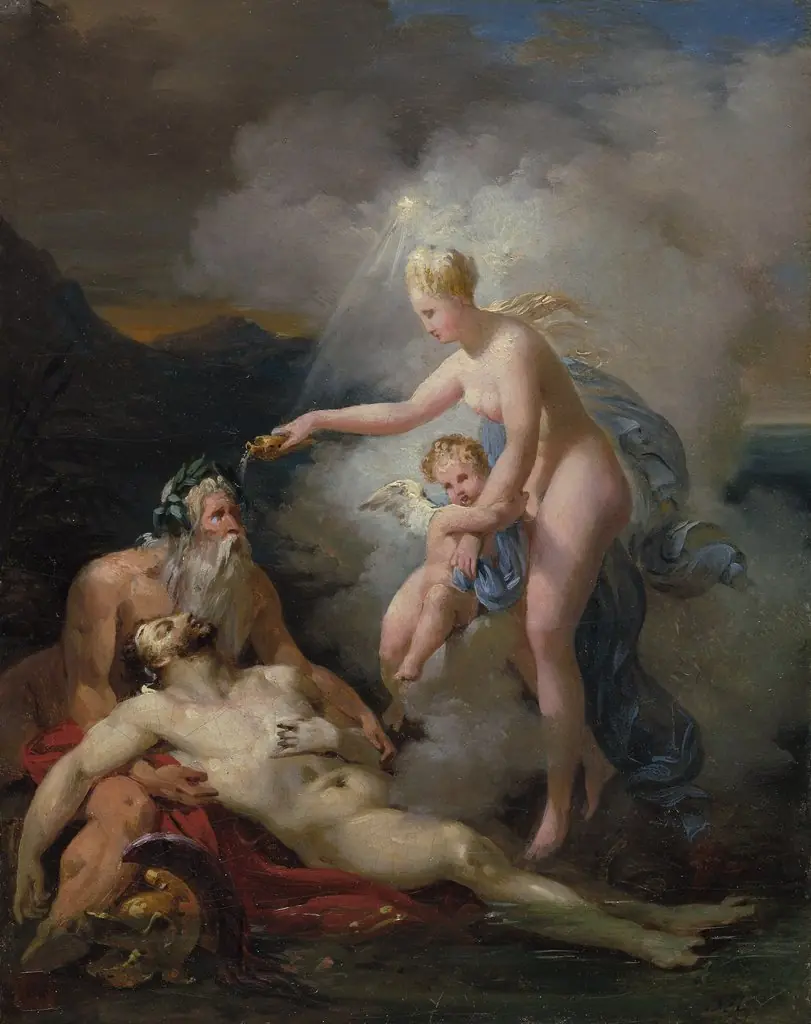 Venus Healing Aeneas
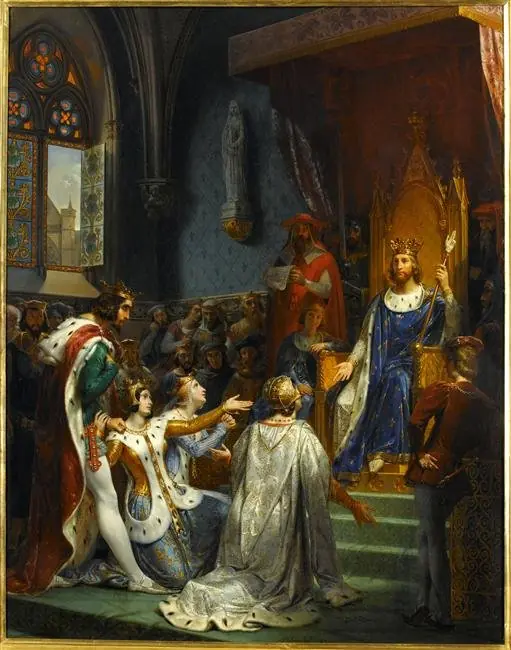 John II receives the submission of Charles II of Navarre
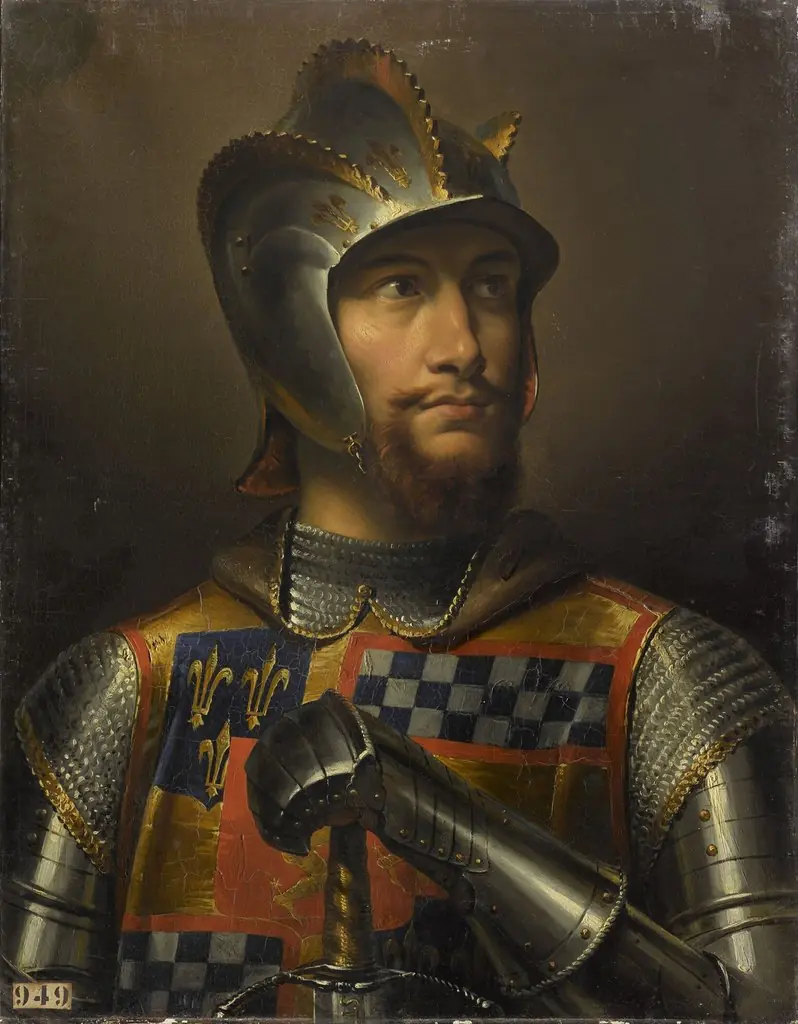 Jean II Stuart, connétable de Buchan (+ 1424)
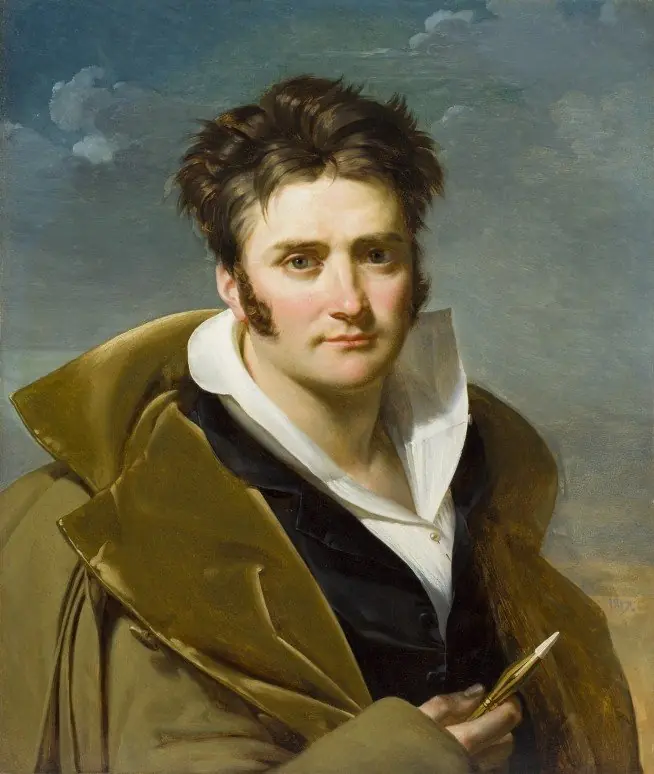 Self-portrait
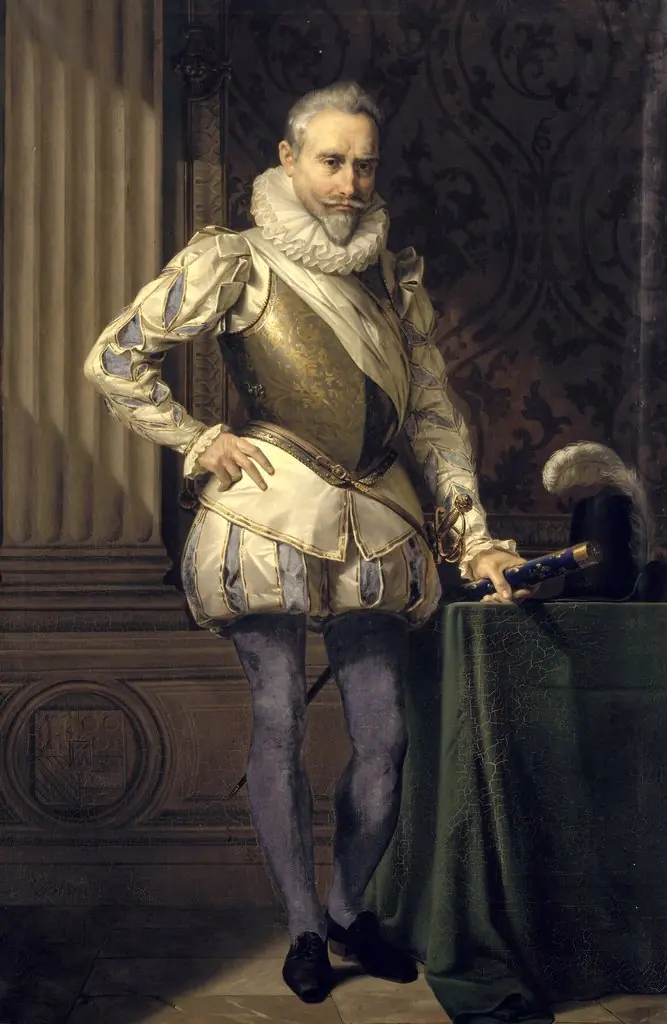 Portrait of Henri de La Tour d'Auvergne, duc de Bouillon
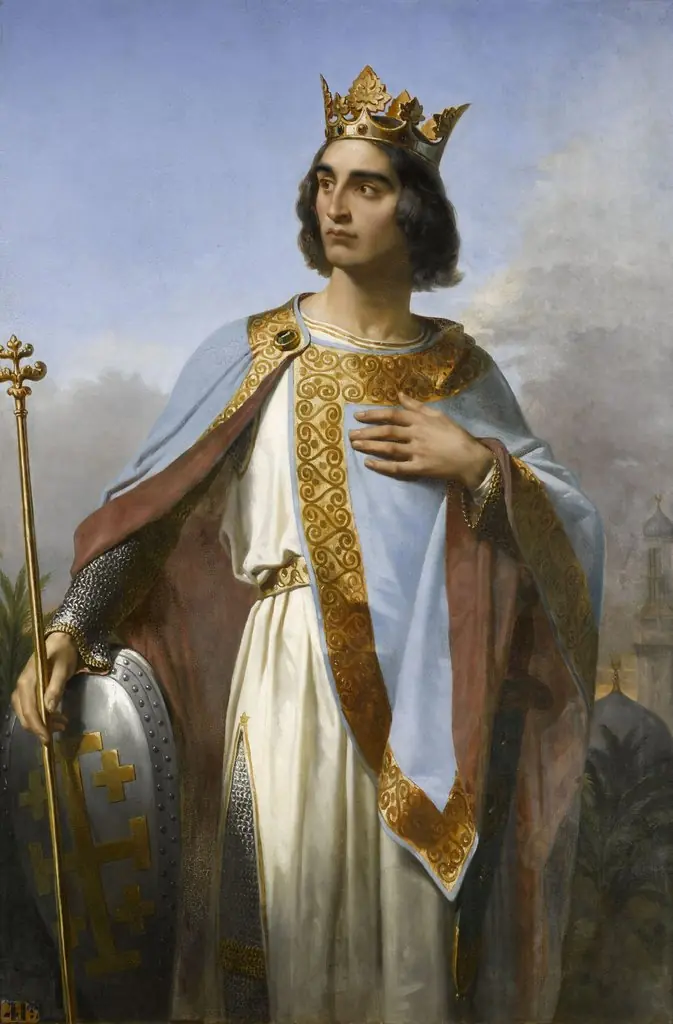 Baudouin I, King of Jerusalem
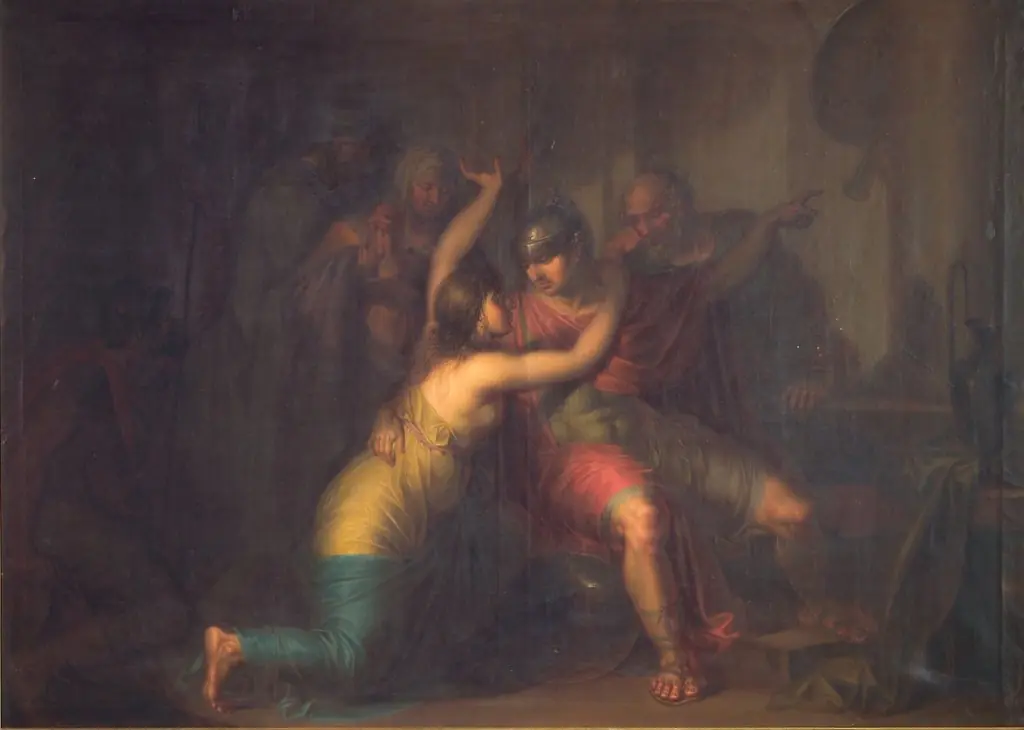 Et historisk stykke
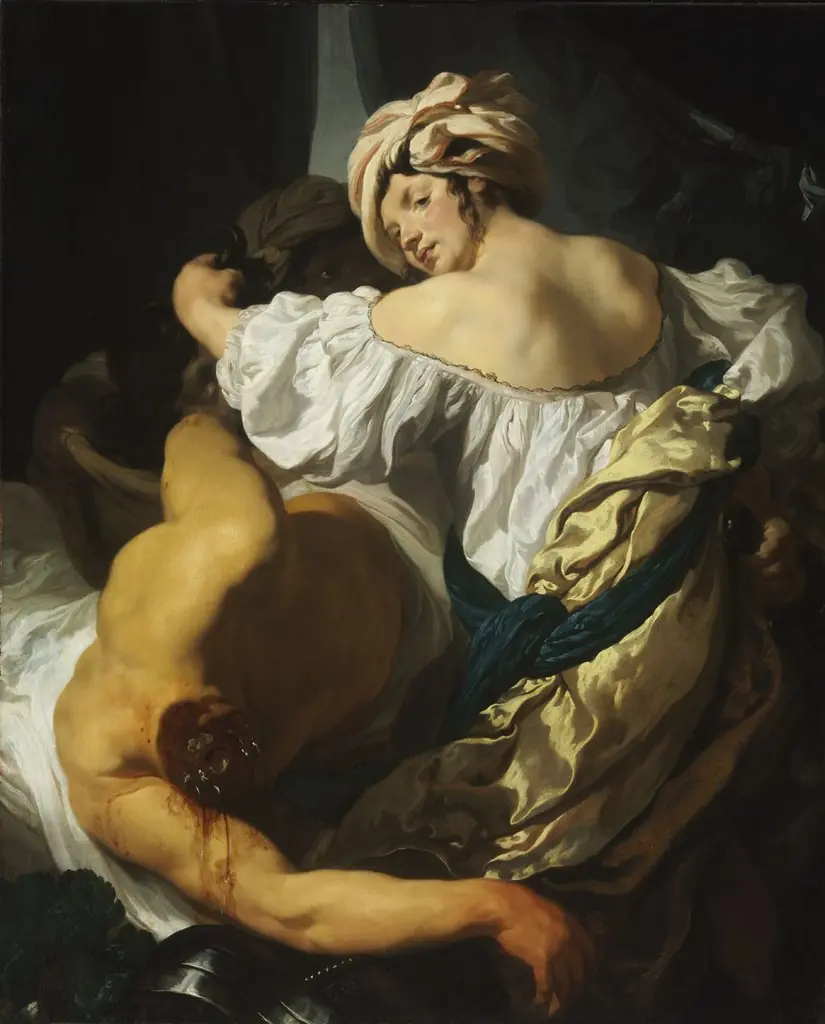 Judith in the Tent of Holofernes
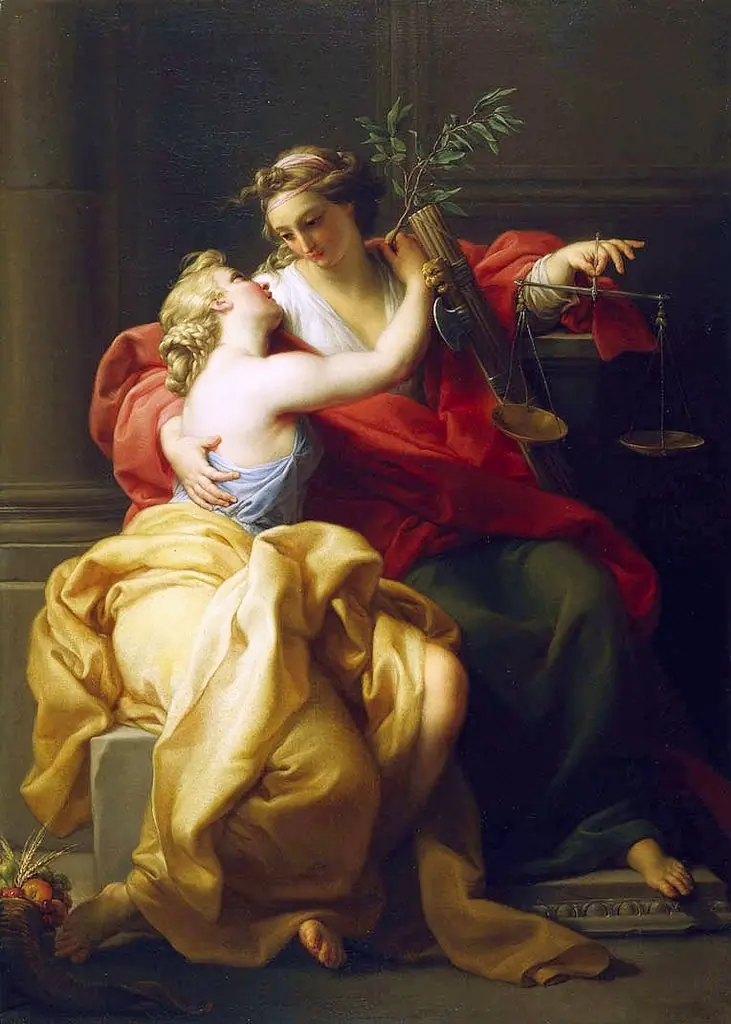 Peace and Justice
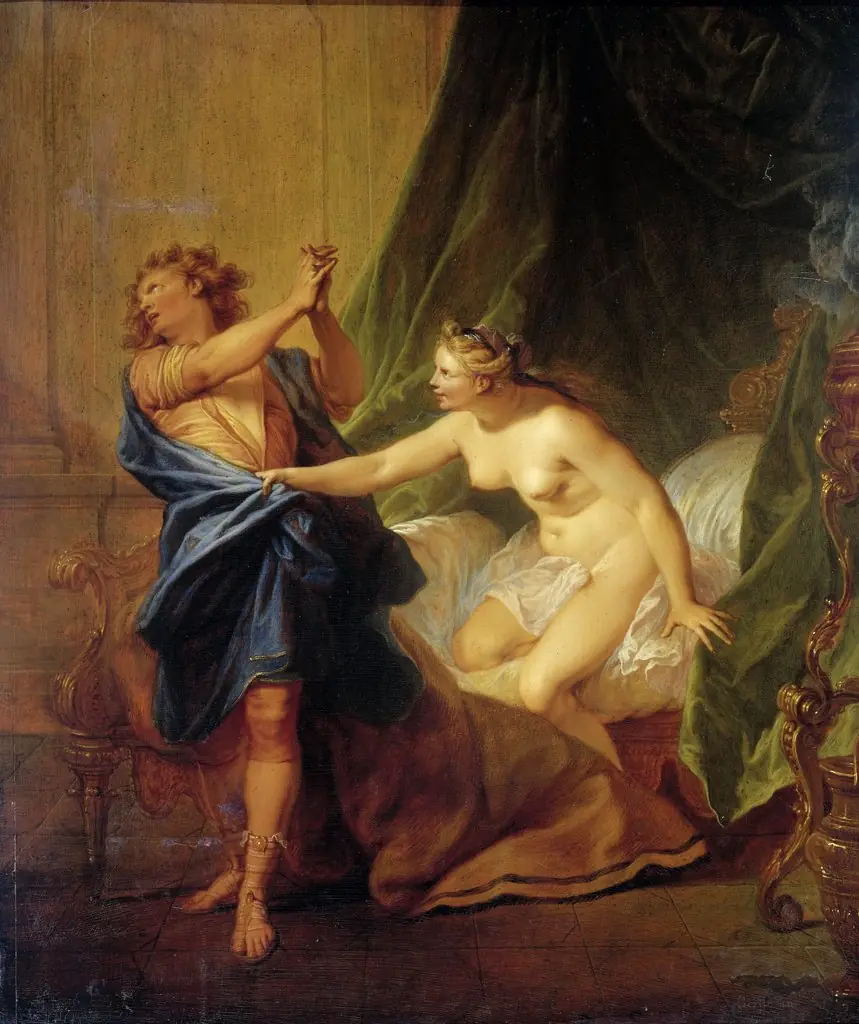 Joseph and Potiphar's Wife
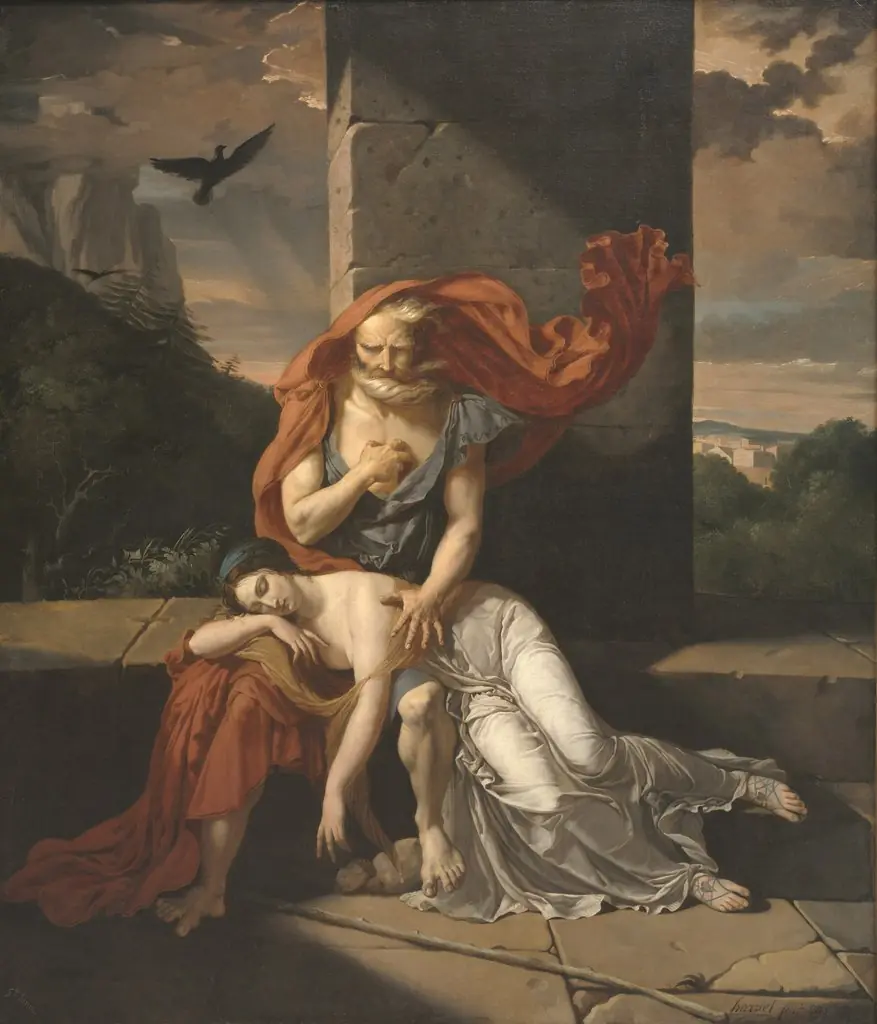 Oedipus at Colonus
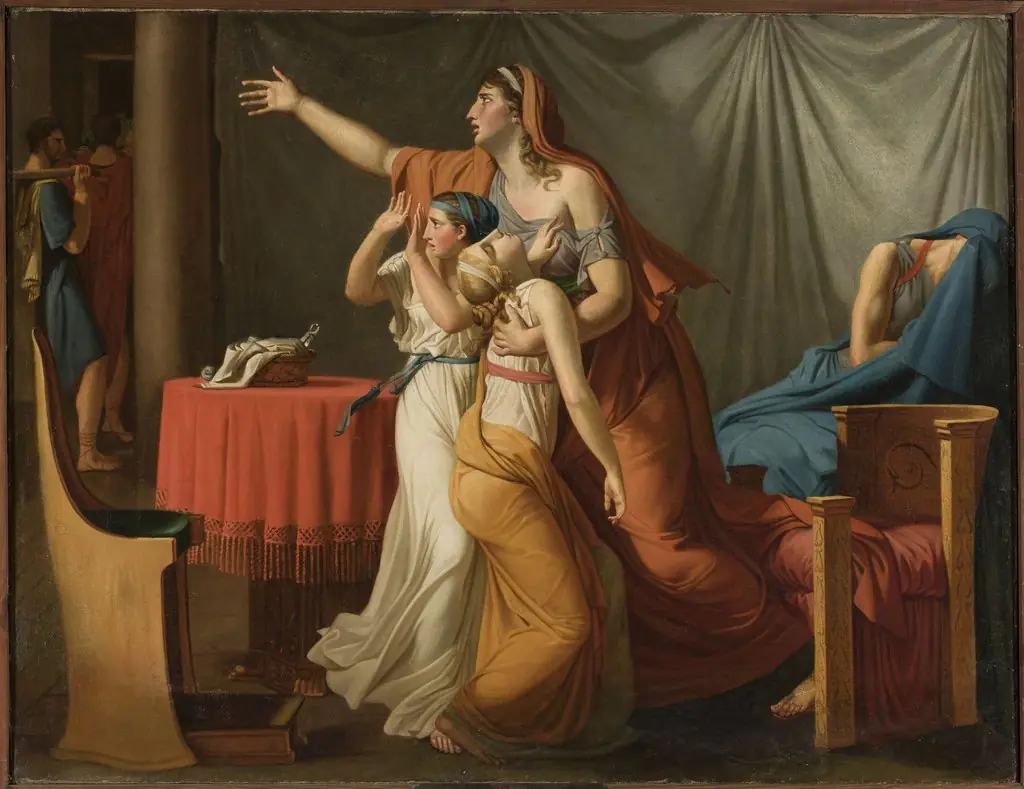 Lictors bring to Brutus the bodies of his sons
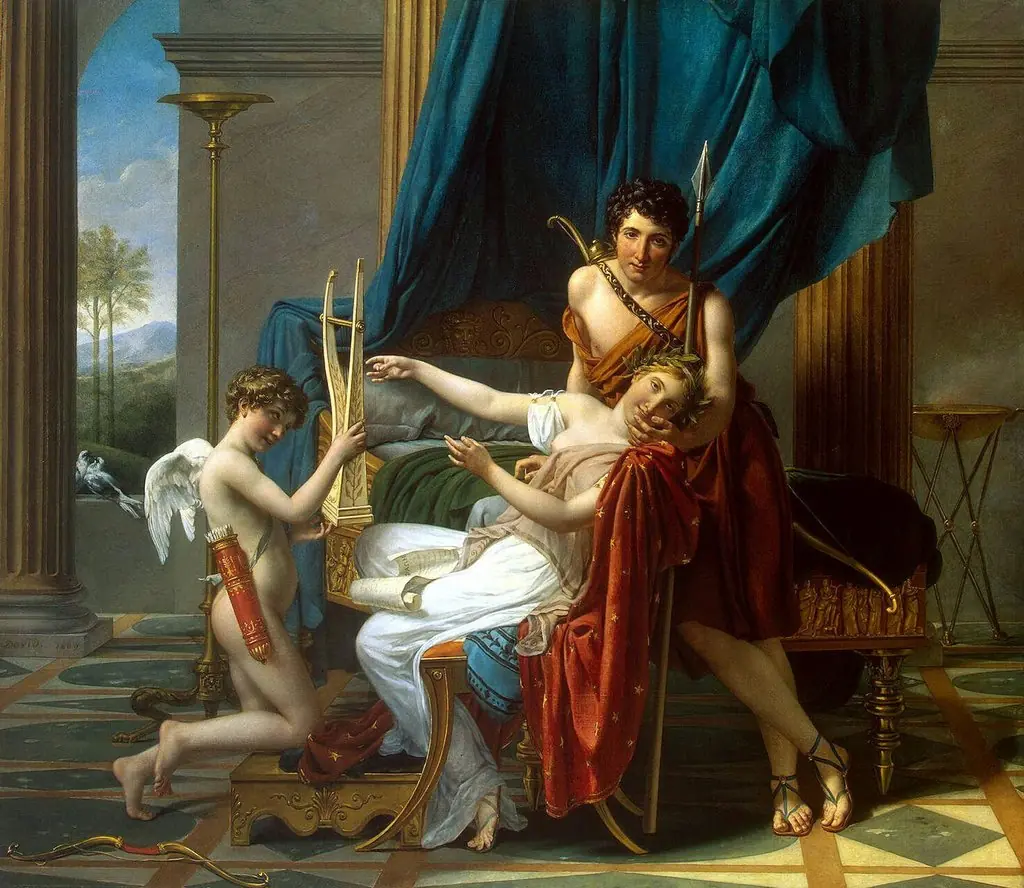 Sappho and Phaon
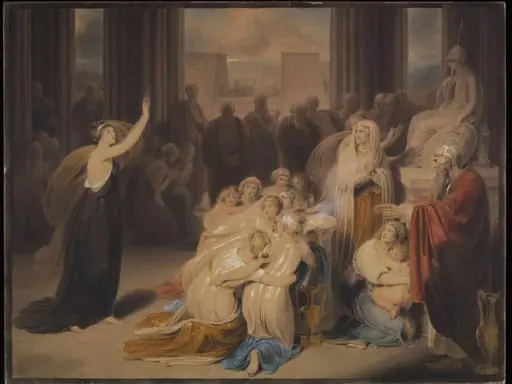 Cassandra in the Temple of Minerva
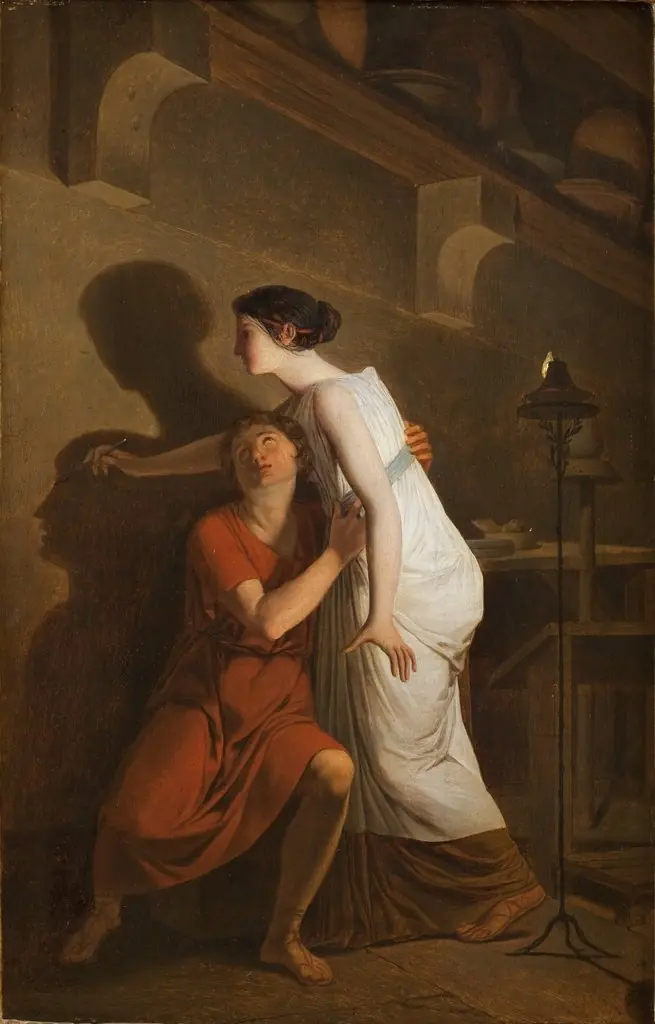 The invention of the art of drawing
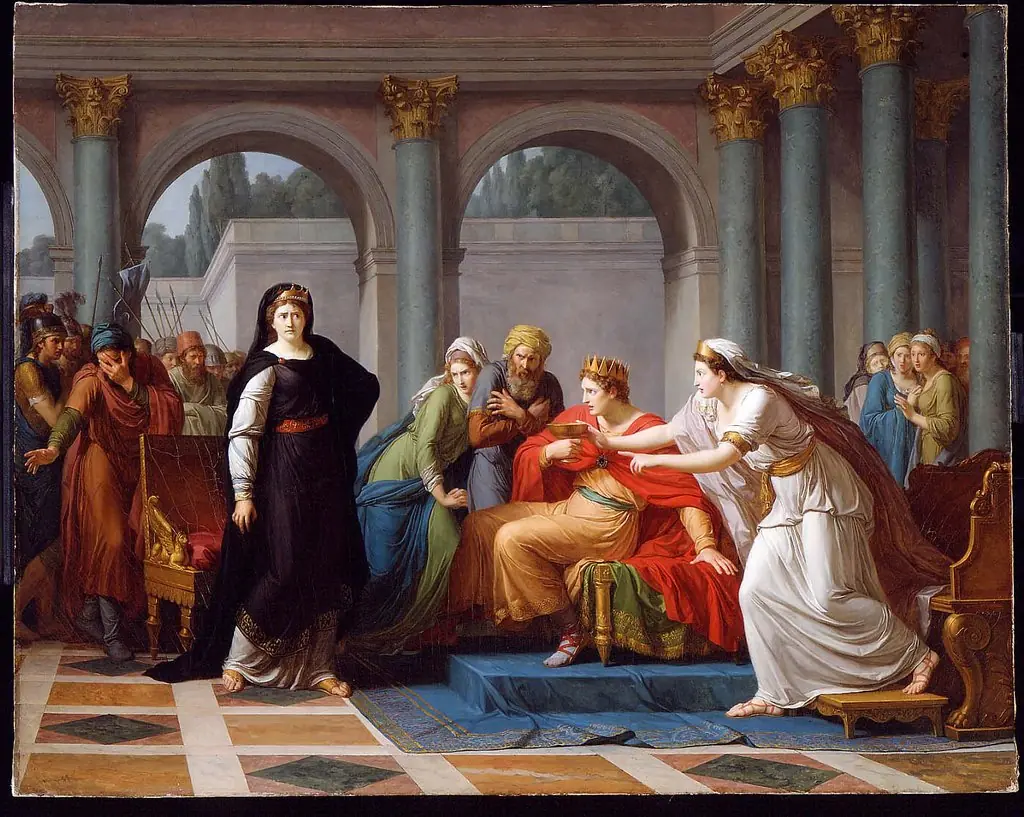 "Seigneur! Voyez ces yeux" (Cleopatra Discovered by Rodogune to Have Poisoned the Nuptial Cup)
 Andromache and Astyanax
 The Sacrifice of Polyxena