Artwork
Korsfæstelsen
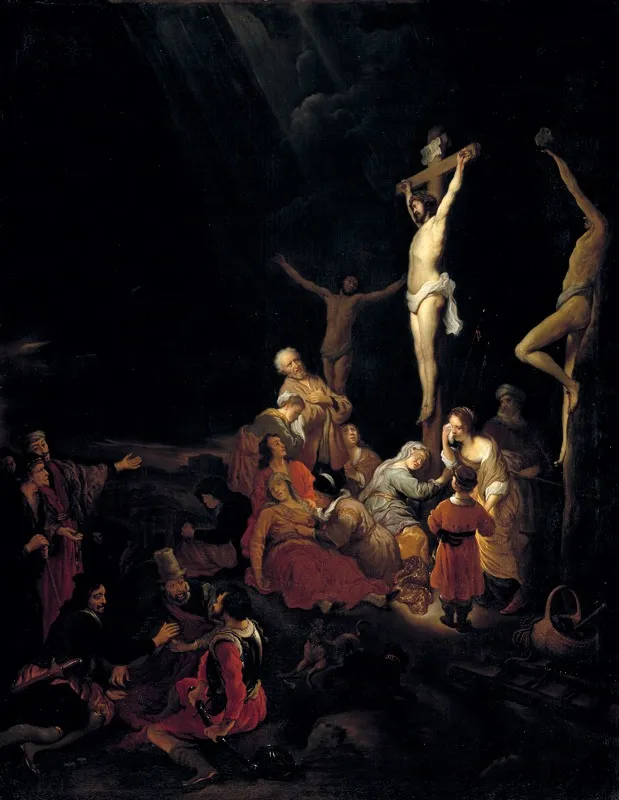
Korsfæstelsen is an oil painting by the Dutch Golden Age artist Govert Flinck. It dates from 1649 and is held in the collection of the Statens Museum for Kunst.
About this work
Overview
Govert Flinck’s 1649 oil on canvas, titled Korsfæstelsen, presents a solemn interpretation of the crucifixion. The work is part of the collection of Denmark’s Statens Museum for Kunst, where it remains on display as a representative example of mid‑seventeenth‑century Dutch religious painting.
Subject & Meaning
The central figure is the crucified Christ, his body twisted in pain and his gaze turned upward, eyes closed in resignation. To his left, a cluster of mourners—including the Virgin Mary—observe the scene with visible grief, while a solitary figure on the right suggests the presence of a Roman guard or onlooker, underscoring the narrative’s human and divine dimensions.
Technique & Style
Flinck employs a restrained palette dominated by browns, grays, and muted earth tones, creating a subdued atmosphere that emphasizes the solemnity of the event. The brushwork is careful and controlled, rendering the flesh and drapery with subtle modeling that conveys both physical suffering and spiritual contemplation.
History & Provenance
Completed in 1649, the painting entered the Statens Museum for Kunst’s holdings during the museum’s early acquisitions of Dutch Baroque works. Its provenance traces back to private collections in the Netherlands before being acquired by the Danish state, where it has been conserved as part of the national art historical narrative.
Context
Flinck, a pupil of Rembrandt, worked within the Dutch Golden Age’s tradition of biblical subjects rendered with emotional depth. Korsfæstelsen reflects contemporary theological interests, presenting the crucifixion not merely as a historical episode but as a moment for personal reflection, aligning with the period’s emphasis on devotional intimacy.
Artist & collection

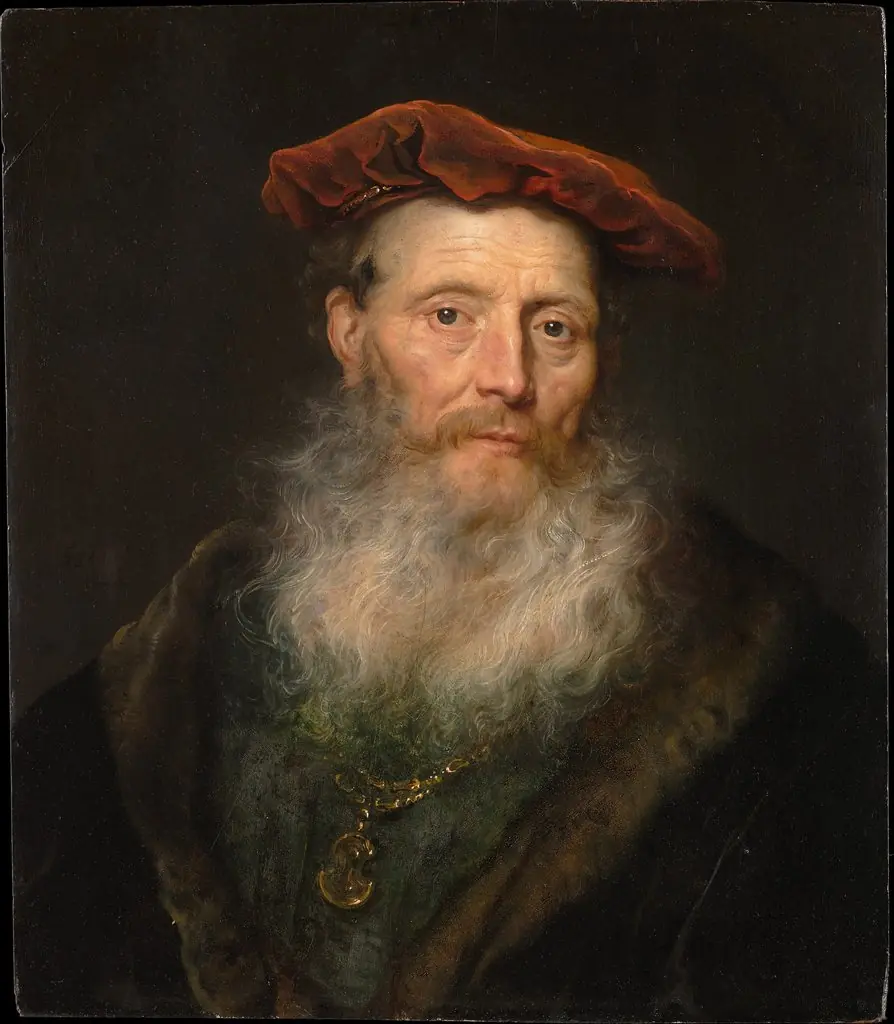 Bearded Man with a Velvet Cap
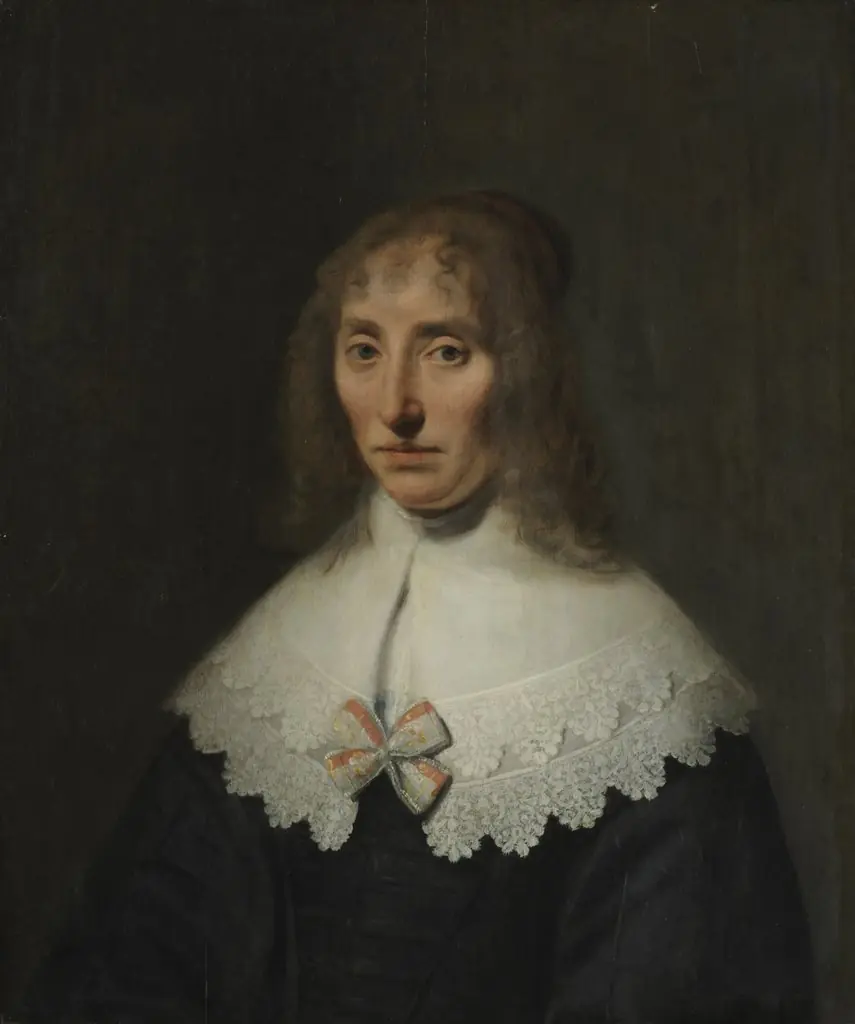 Portrait of a Woman
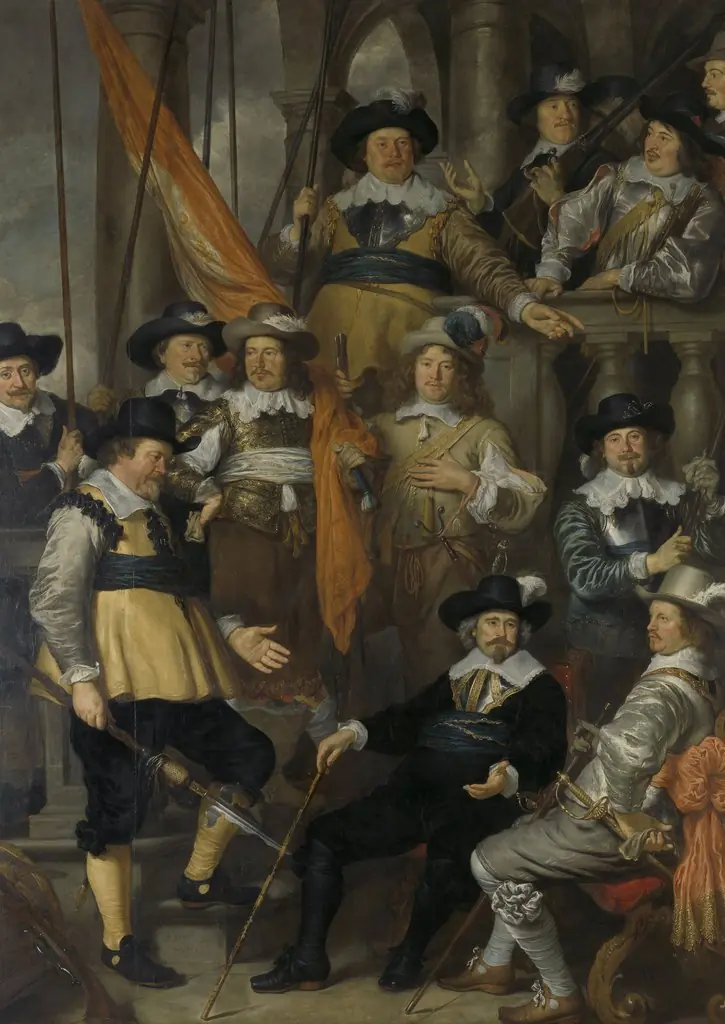 The Company of Captain Albert Bas and Lieutenant Lucas Conijn
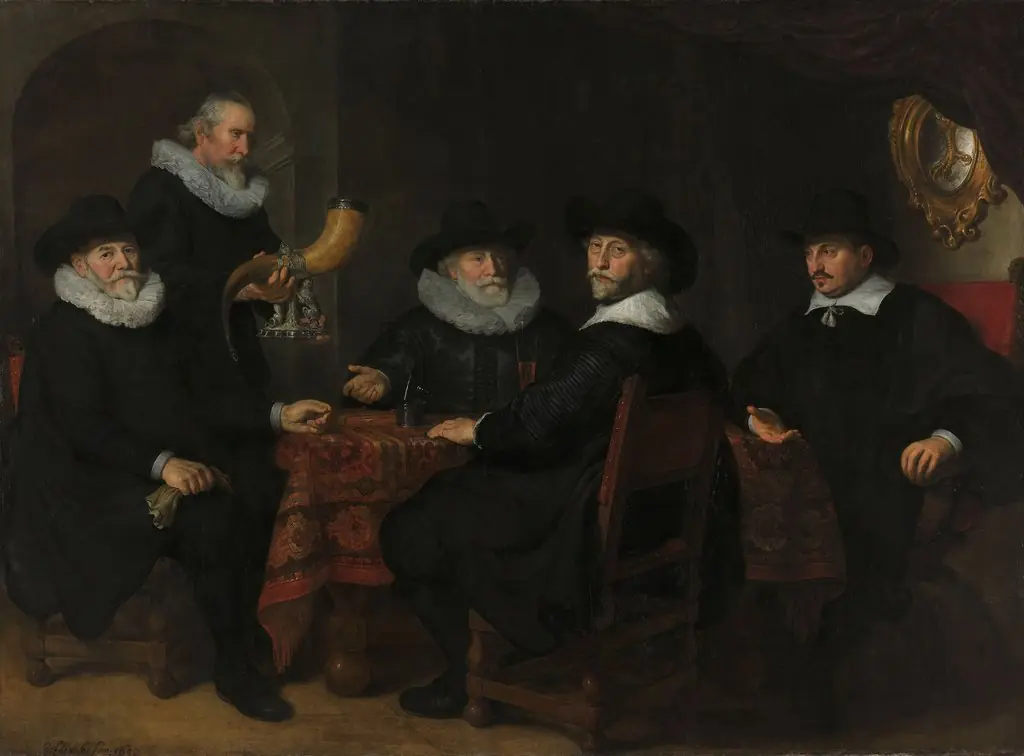 Four directors of the arquebusier's guild, Amsterdam, 1642
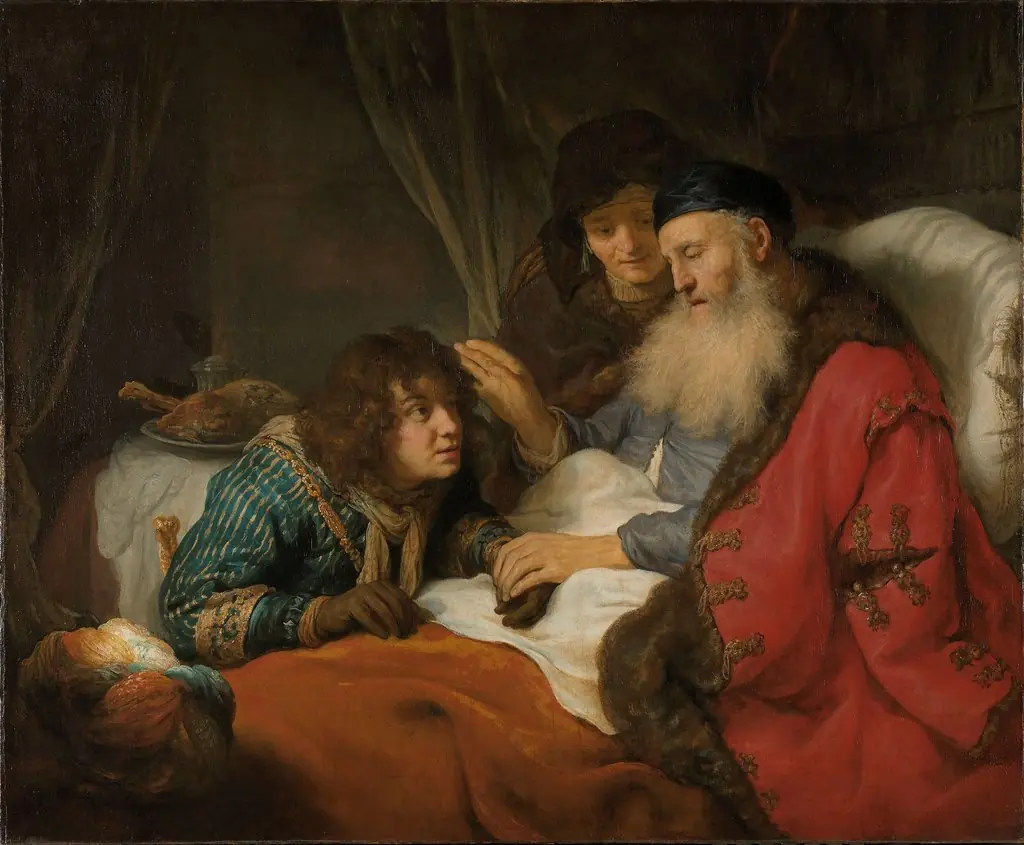 Isaac Blessing Jacob
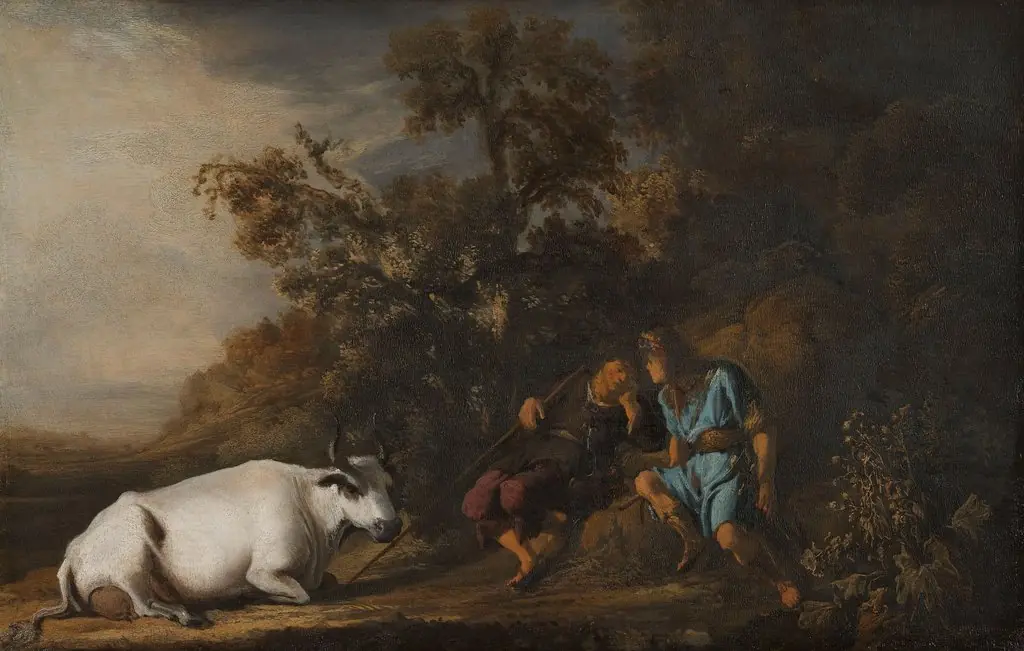 Mercury, Argus and Io
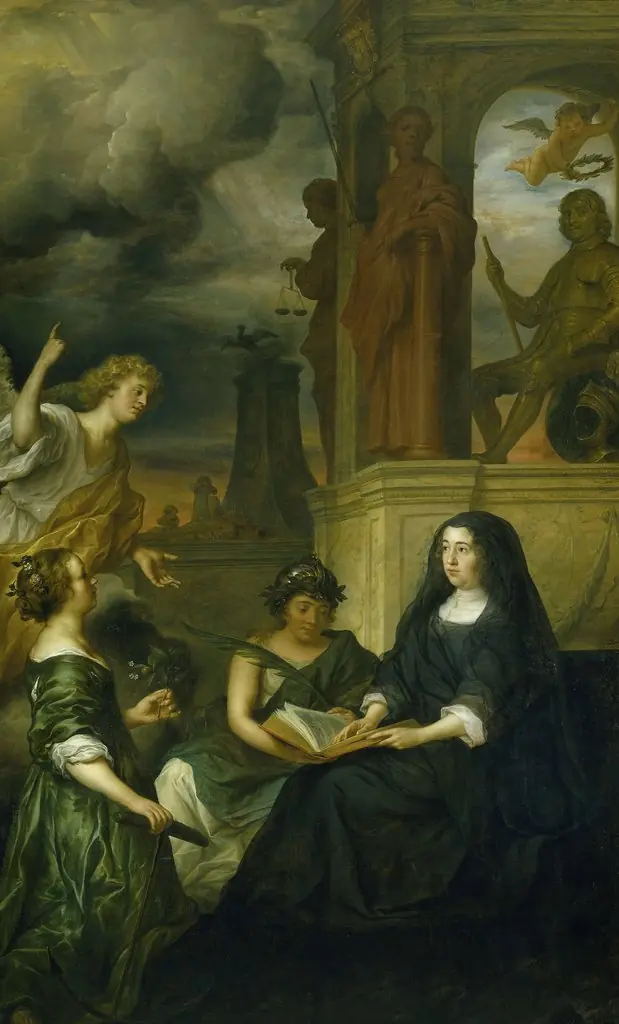 Allegory on the memory of Frederik Hendrik (1584-1647), prince of Orange, with the portrait of his widow Amalia van Solms
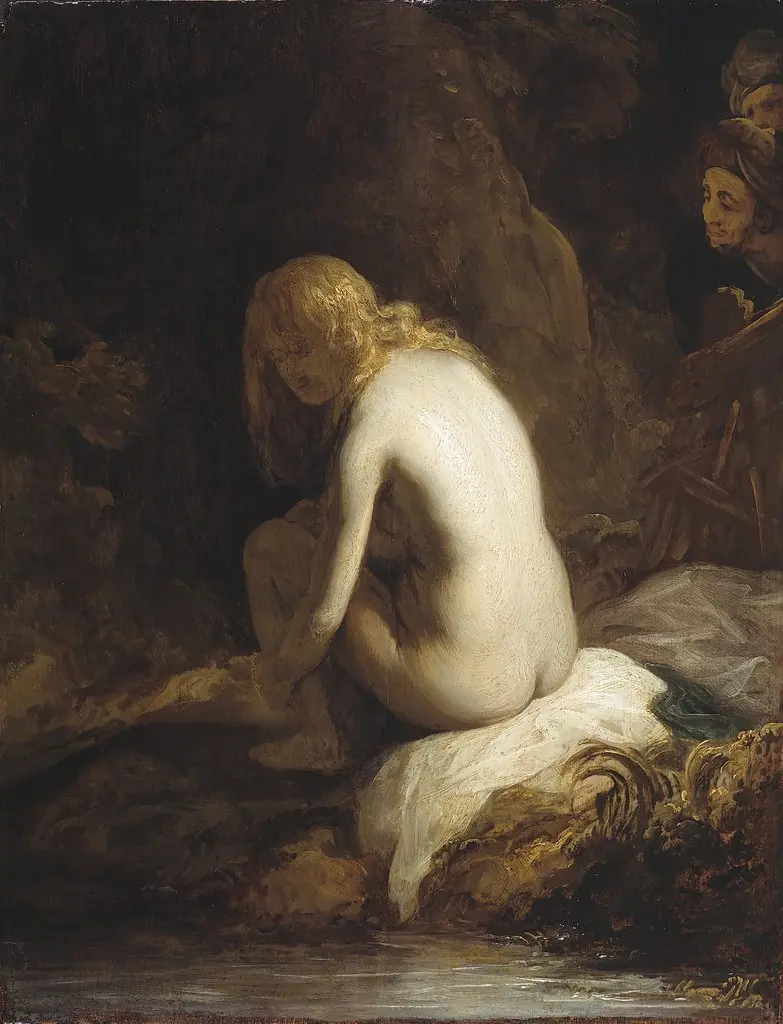 Susanna and the Elders