Artwork
The Company of Captain Albert Bas and Lieutenant Lucas Conijn
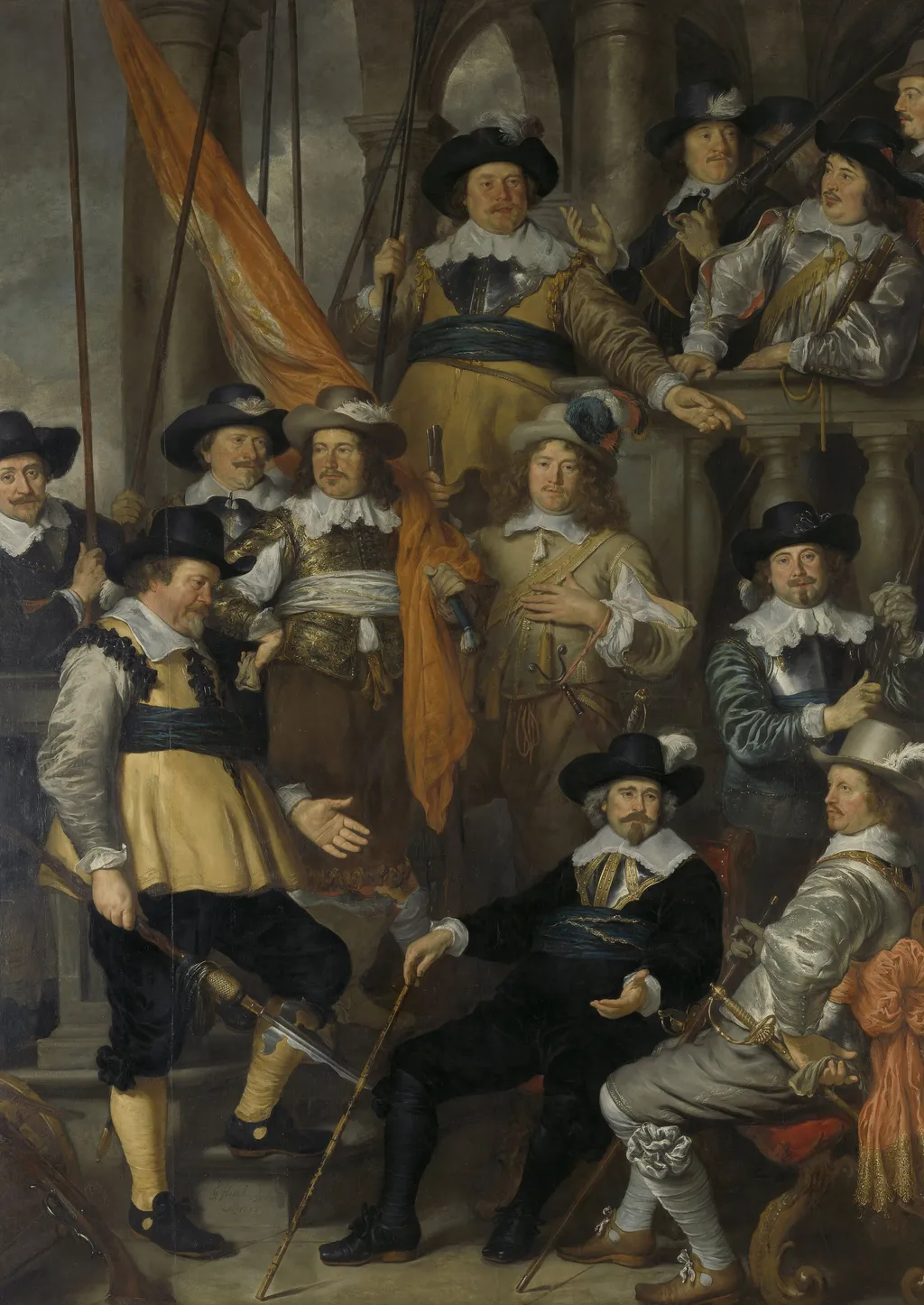
The Company of Captain Albert Bas and Lieutenant Lucas Conijn is an oil painting by Govert Flinck. It dates from 1645 and is held in the collection of the Amsterdam Museum.
About this work
Overview
The composition arranges the figures in a dynamic, informal grouping rather than a rigid row, capturing a moment of interaction among the officers and soldiers.
Govert Flinck's 'The Company of Captain Albert Bas and Lieutenant Lucas Conijn,' painted in 1645, is a civic guard group portrait executed in oil on canvas. The work depicts members of the Amsterdam civic militia gathered on the stone steps of a building, characterized by a classical architectural background featuring arches. The composition arranges the figures in a dynamic, informal grouping rather than a rigid row, capturing a moment of interaction among the officers and soldiers. The men are attired in contemporary 17th-century military dress, including wide-brimmed hats, cloaks, and boots, while several figures hold period weaponry such as rifles and halberds. A central visual anchor is provided by a figure holding a large orange flag, likely symbolizing the House of Orange and the Dutch Republic. Created during Flinck's mature period shortly after his apprenticeship with Rembrandt, the painting demonstrates the artist's ability to blend Rembrandtesque chiaroscuro with the more polished, elegant style favored by Amsterdam's elite. This commission reflects the civic pride and social status of the militia companies in the Dutch Golden Age, serving as both a historical record of the unit and a display of the artist's technical mastery in rendering varied textures and complex group dynamics.
Subject & Meaning
The painting portrays a gathering of civic guardsmen, known as Schutterij, including Captain Albert Bas and Lieutenant Lucas Conijn. Dressed in 17th-century attire, some members carry period weapons such as rifles and halberds. A prominent figure holds a large orange flag, possibly indicating the company's affiliation. The scene unfolds on the steps of a stone building with arches and columns, suggesting a formal assembly or departure of the company.
Technique & Style
Flinck's approach emphasizes meticulous detail and a rich palette, rendering the varied textures of clothing, such as cloaks and boots, and architectural elements with precision. The composition captures a dynamic, almost spontaneous moment, as if a "snapshot" of the men interacting and conversing. This style reflects the contemporary Dutch preference for lively group portraits that convey a sense of immediacy rather than static formality, with each figure contributing to the overall narrative.
History & Provenance
Created in 1645, The Company of Captain Albert Bas and Lieutenant Lucas Conijn has been a significant part of the Rijksmuseum's collection. Such large-scale civic guard portraits were typically commissioned by the companies themselves for display in their meeting halls, serving as a record of their members and a symbol of their communal identity. Its presence in a national museum underscores its historical and artistic importance as a document of 17th-century Dutch society.
Own this work as a print
Artist & collection

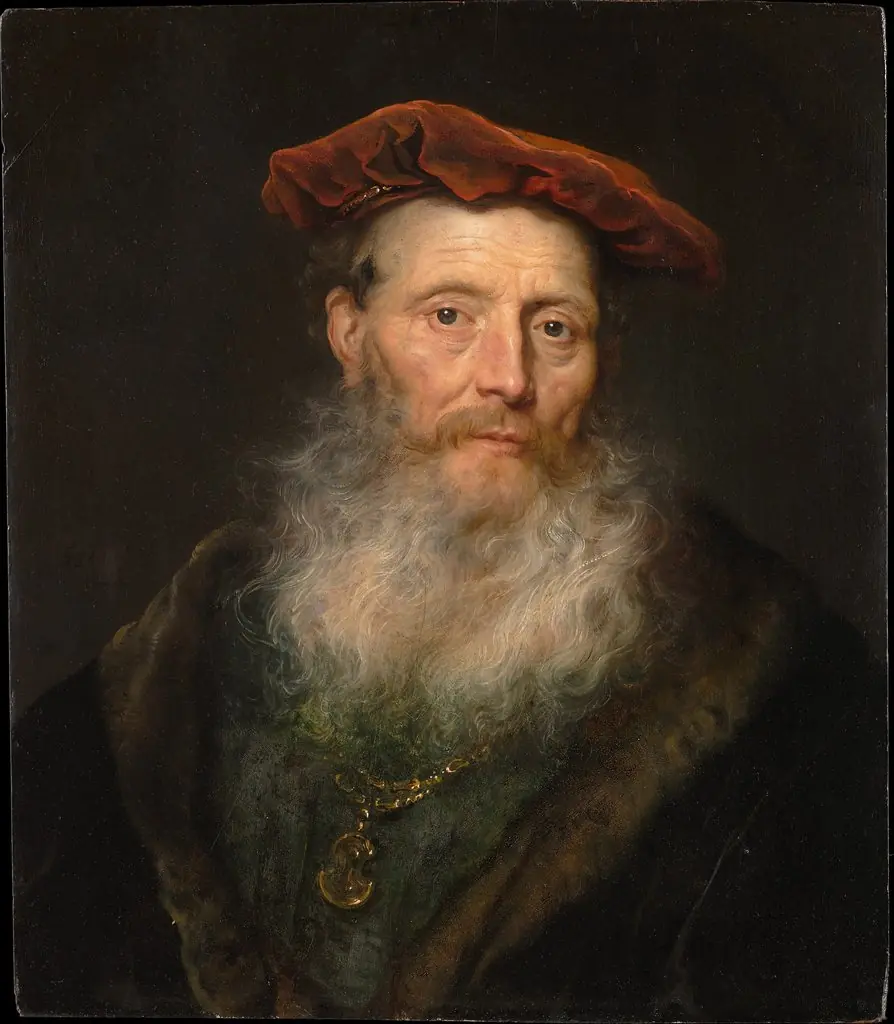 Bearded Man with a Velvet Cap
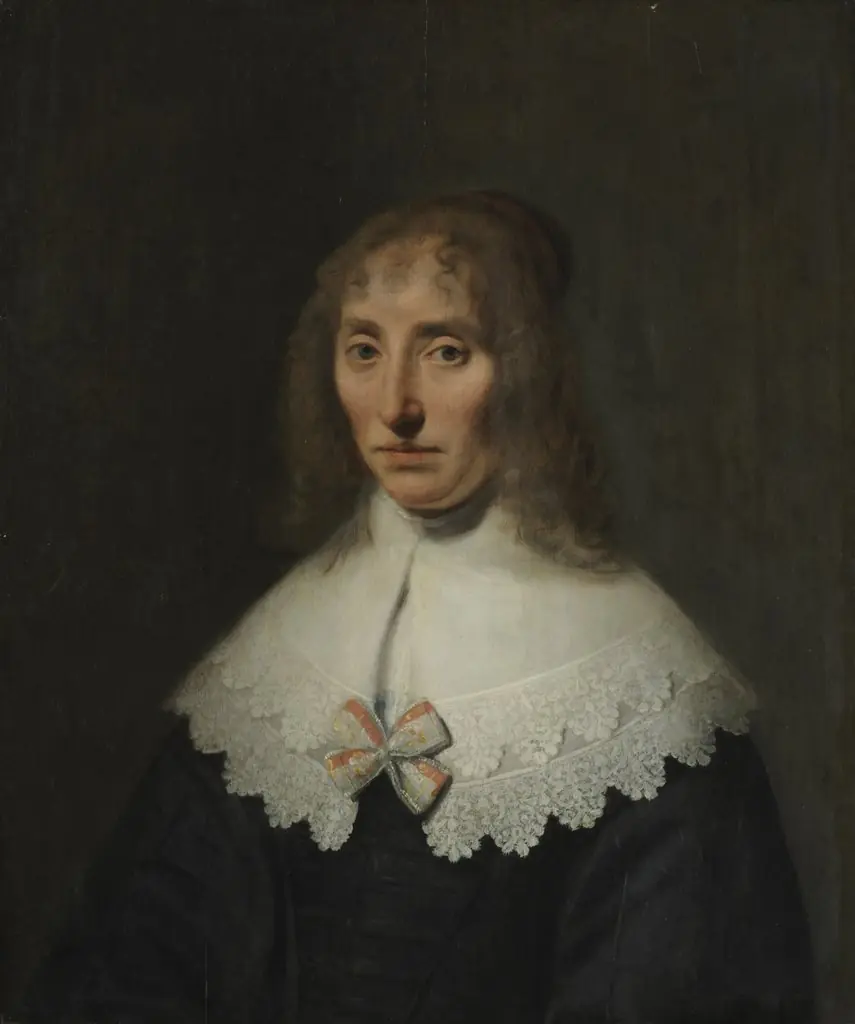 Portrait of a Woman
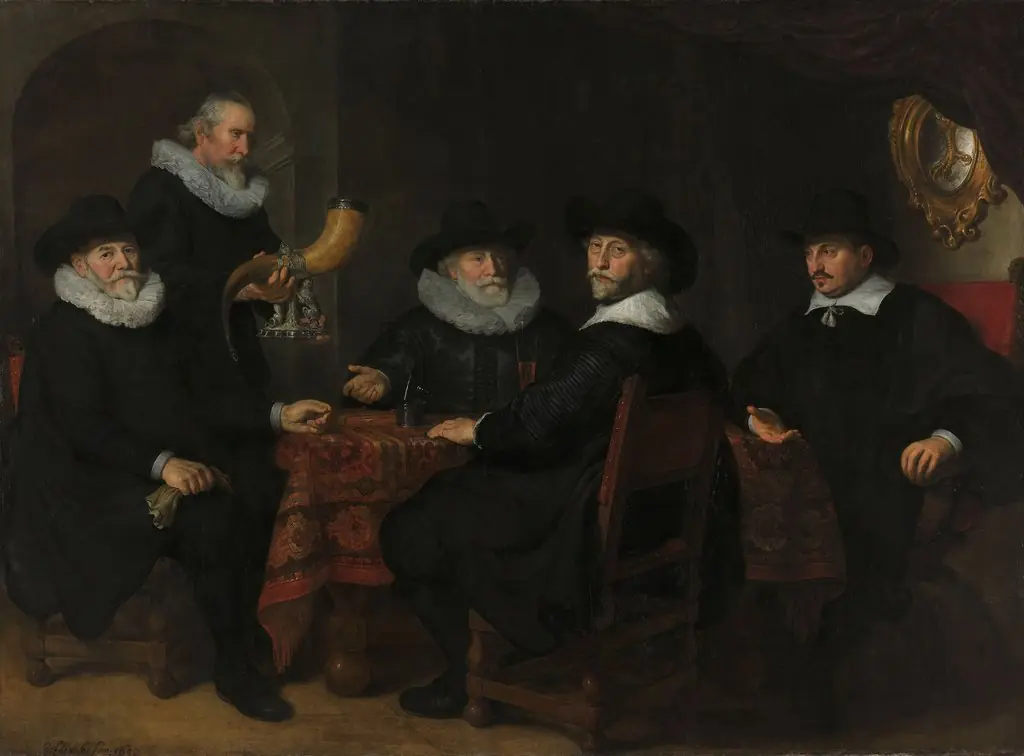 Four directors of the arquebusier's guild, Amsterdam, 1642
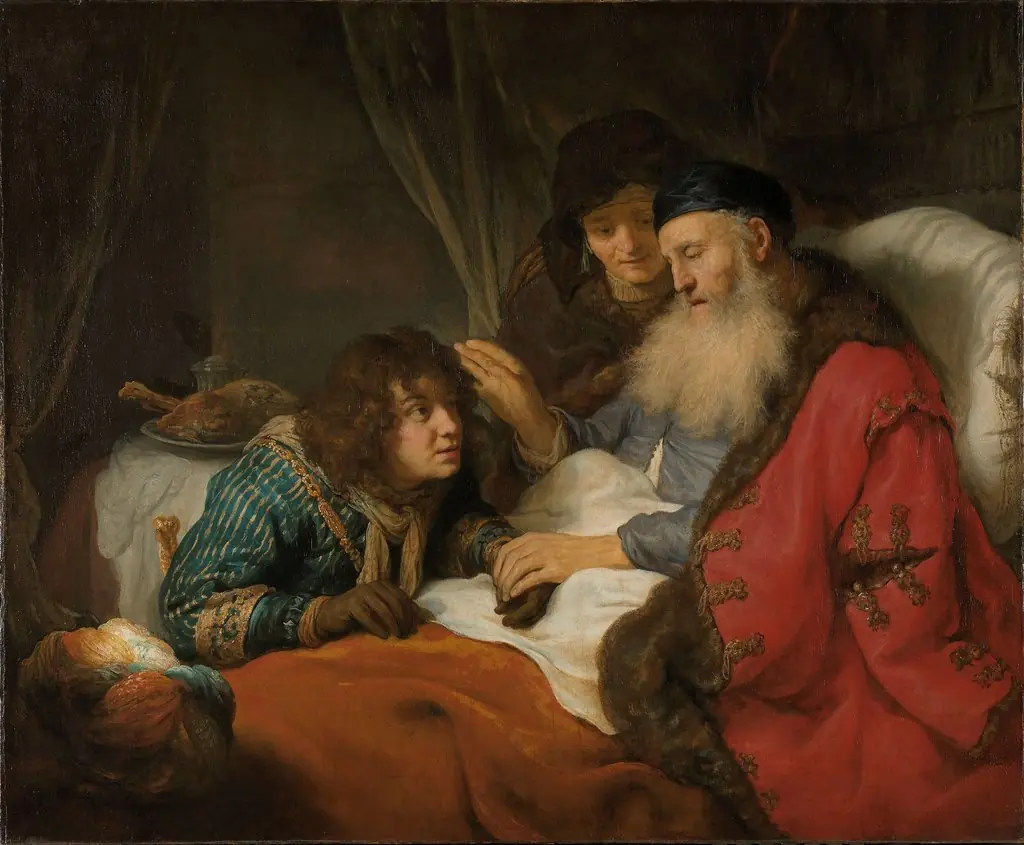 Isaac Blessing Jacob
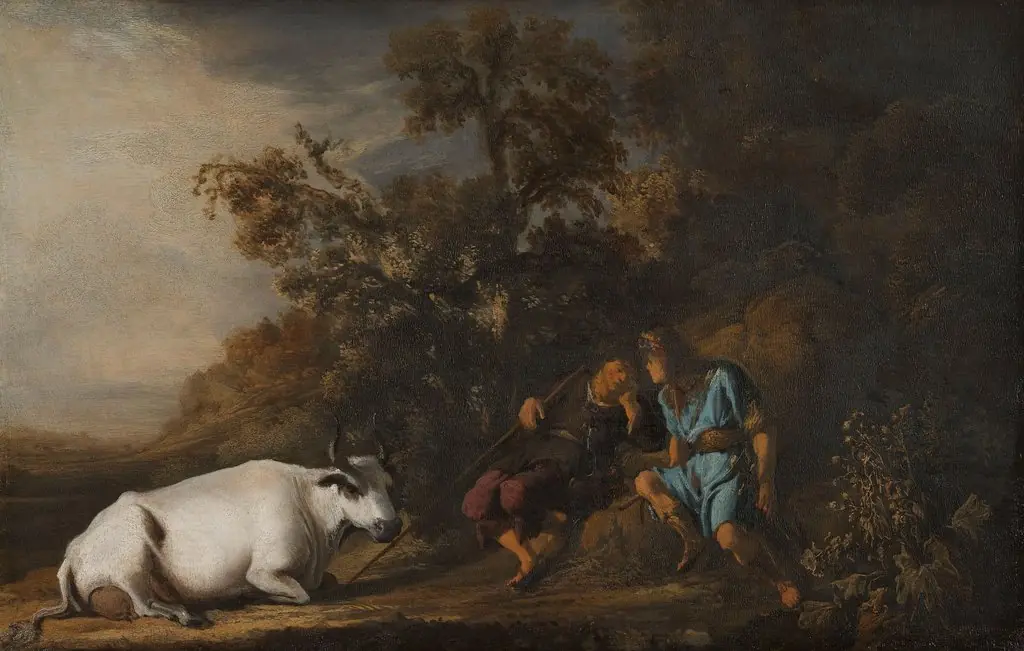 Mercury, Argus and Io
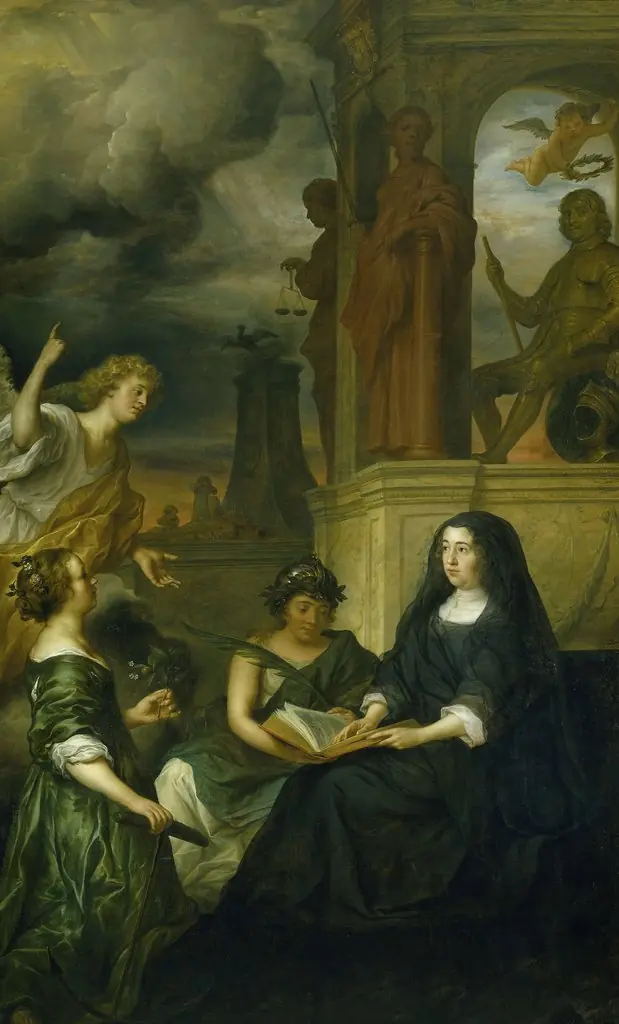 Allegory on the memory of Frederik Hendrik (1584-1647), prince of Orange, with the portrait of his widow Amalia van Solms
 Susanna and the Elders
 Korsfæstelsen
 Officers and other Civic Guardsmen of the V District in Amsterdam under the command of Captain Cornelis de Graeff and Lieutenant Hendrick Lauwrensz
 Militia Company of District XI under the Command of Captain Reynier Reael
 Militia Company of District VIII under the Command of Captain Roelof Bicker
 Officers and other civic guardsmen of the IVth District of Amsterdam, under the command of Captain Jan Claesz van Vlooswijck and Lieutenant Gerrit Hudde
 Officers and Other Civic Guardsmen of the IVth District of Amsterdam, under the Command of Captain Jan Claesz van Vlooswijck and Lieutenant Gerrit Hudde
 The Night Watch