Artwork
Port și clădiri; pandant: Peisaj marin cu clădiri
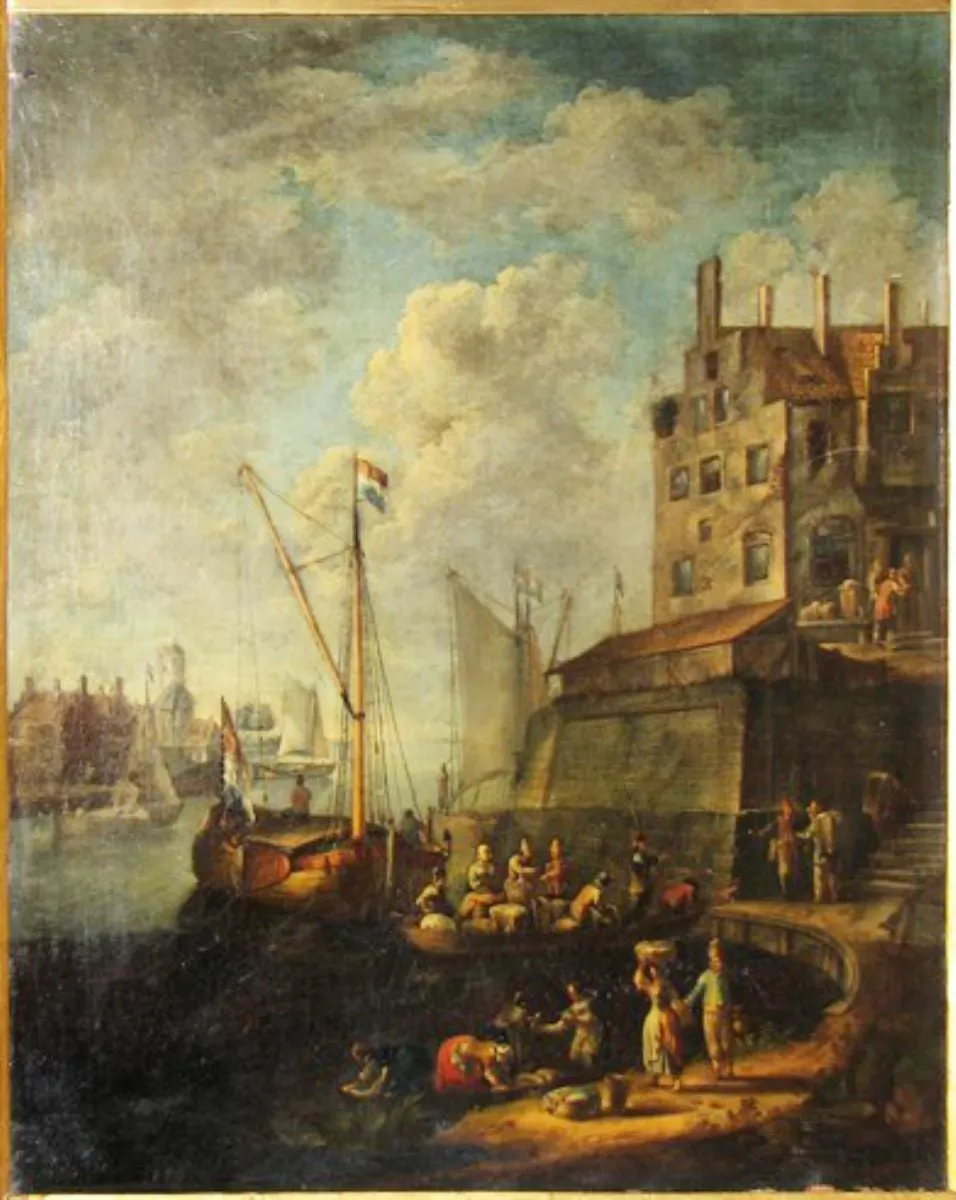
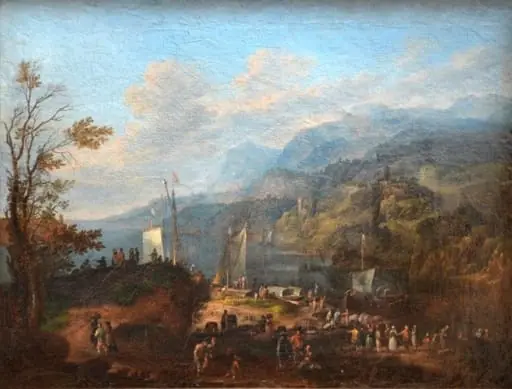
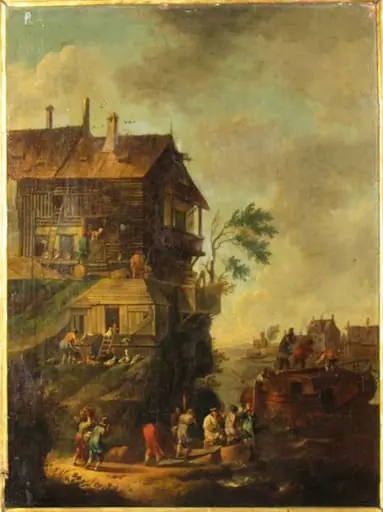
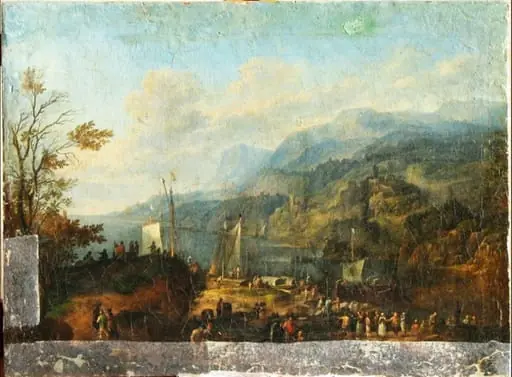
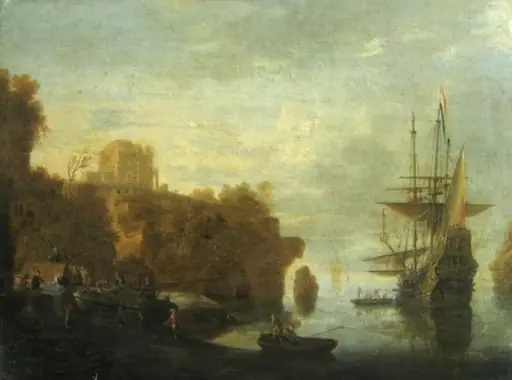
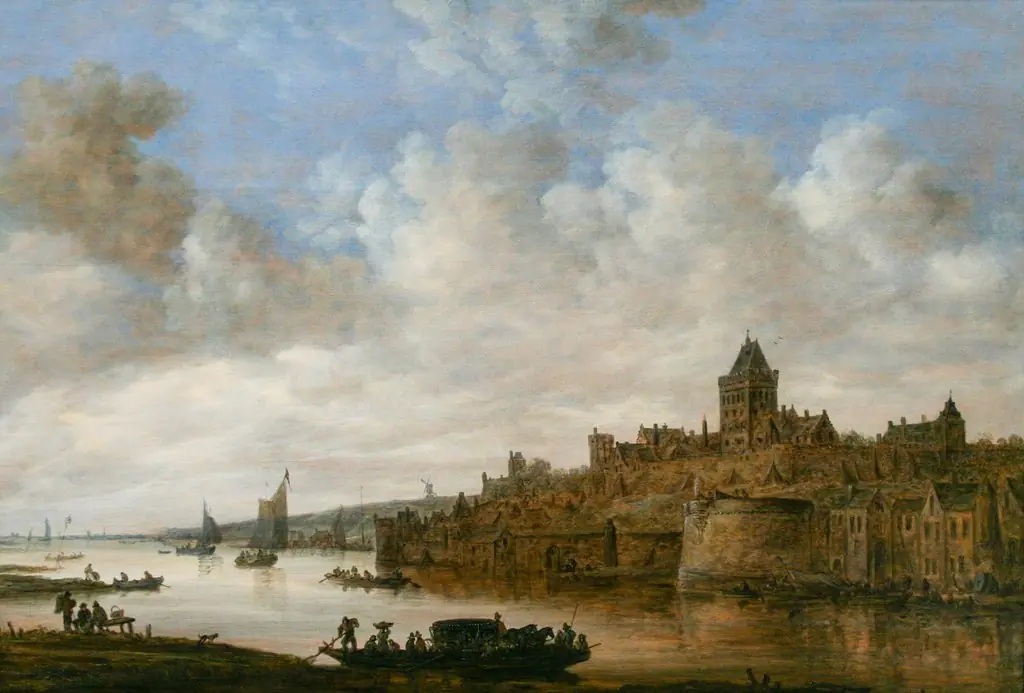
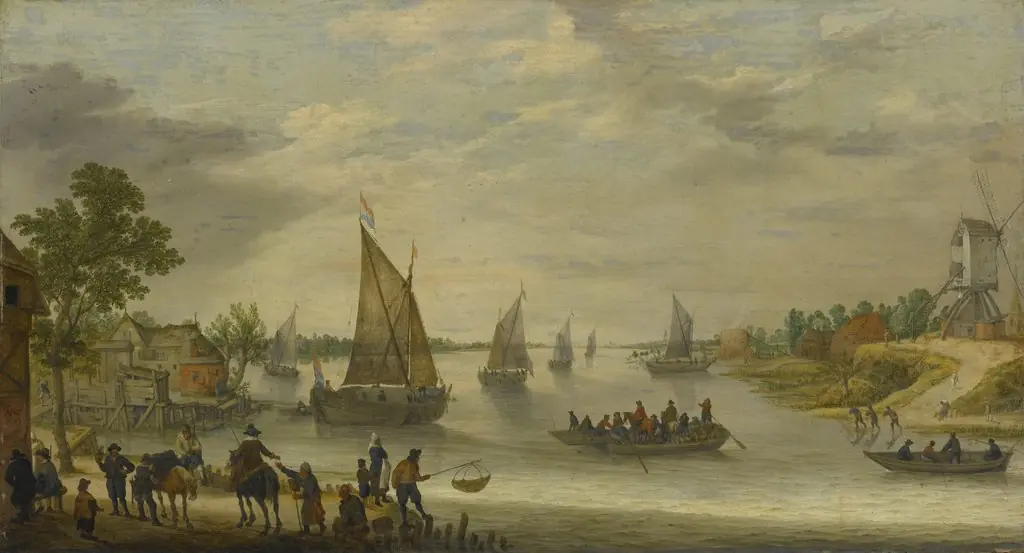
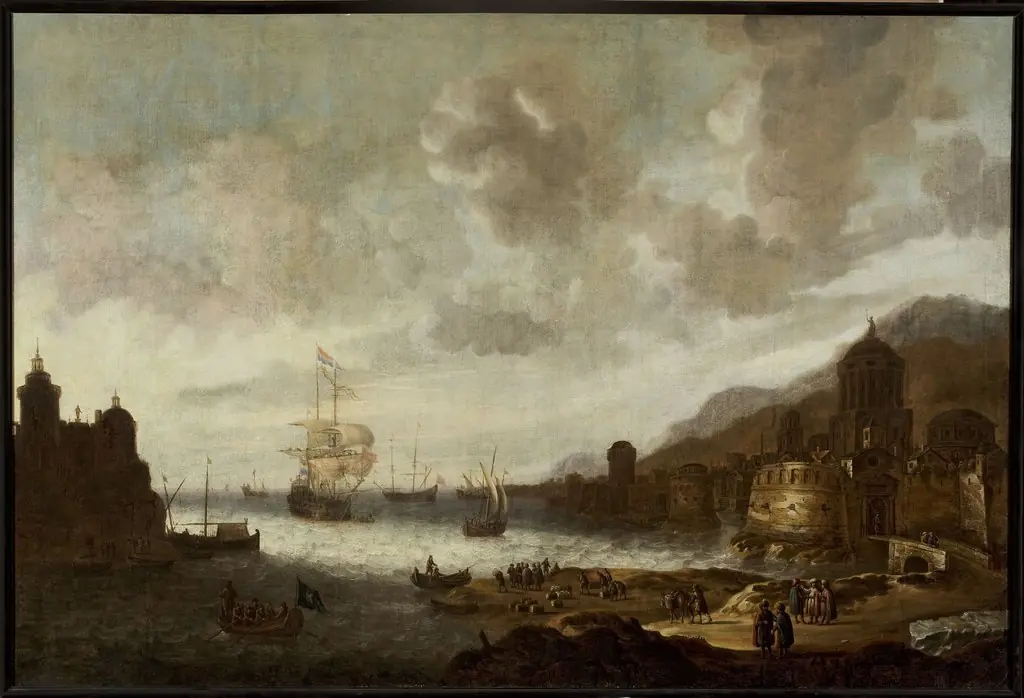
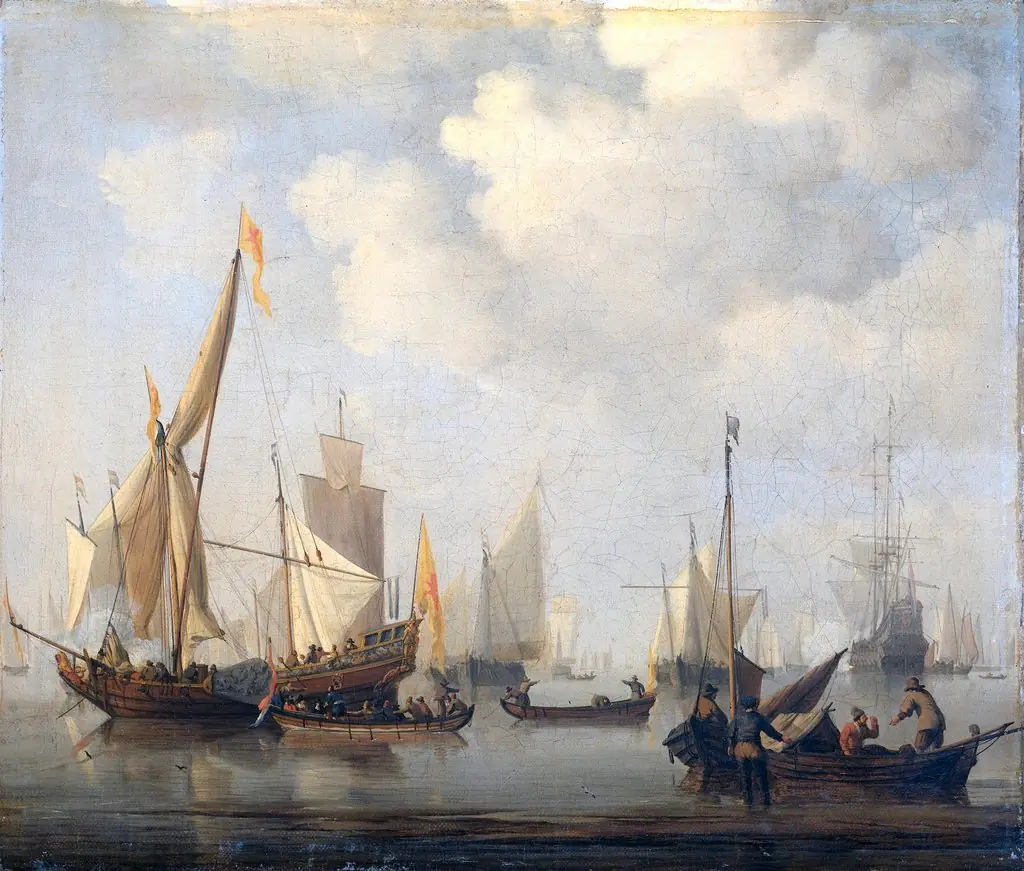
Port și clădiri; pandant: Peisaj marin cu clădiri is an unspecified painting by the Baroque artist Hans Graf. It is held in the collection of the Brukenthal National Museum. This painting presents a quiet harbor scene with architectural structures receding into the distance.
About this work
Overview
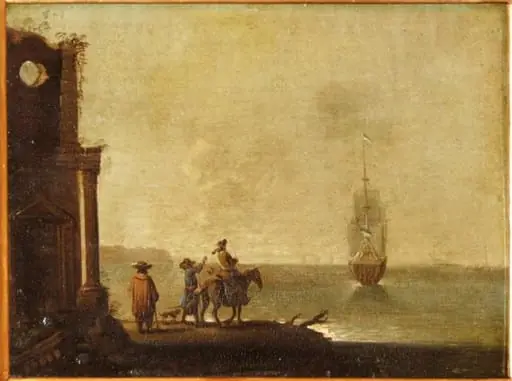
This painting presents a quiet harbor scene with architectural structures receding into the distance. Figures near the shoreline engage in everyday tasks, grounding the composition in ordinary life. The artist balances natural and built elements to evoke calm, using subtle shifts in tone to suggest spatial depth without dramatic contrast.
Subject & Meaning
The scene captures a moment of routine activity by the water—figures loitering, moving, or pausing—without narrative emphasis. The buildings behind them imply a functioning port community, suggesting economic or maritime life. The absence of overt drama or symbolism points toward an interest in atmosphere rather than story.
Technique & Style
Light is carefully modulated to define form and space, with soft transitions between shadow and illumination. The handling of surfaces—water, stone, fabric—relies on observed detail rather than stylization. The use of chiaroscuro is restrained, serving to enhance realism without drawing attention to itself.
History & Provenance
The work’s origin and early ownership are not documented in available records. It is attributed to an artist active in the late 19th or early 20th century, likely within a regional tradition of coastal landscape painting. No exhibition history or collector lineage is publicly established.
Context
The painting aligns with broader 19th-century European tendencies to depict everyday port life with quiet dignity. Similar works by contemporaries emphasize atmosphere over spectacle, reflecting a shift from romanticized seascapes to more intimate, observational approaches to maritime environments.
Legacy
The painting contributes to a modest but persistent body of work focused on unidealized harbor scenes. While not widely reproduced or studied, it reflects a regional aesthetic that valued tranquility and observational fidelity over grandeur or innovation.
Artist & collection