Artwork
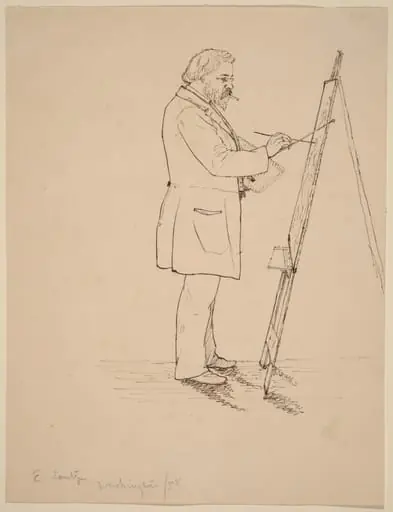
The Artist's Brother - Richard Greenough (?)
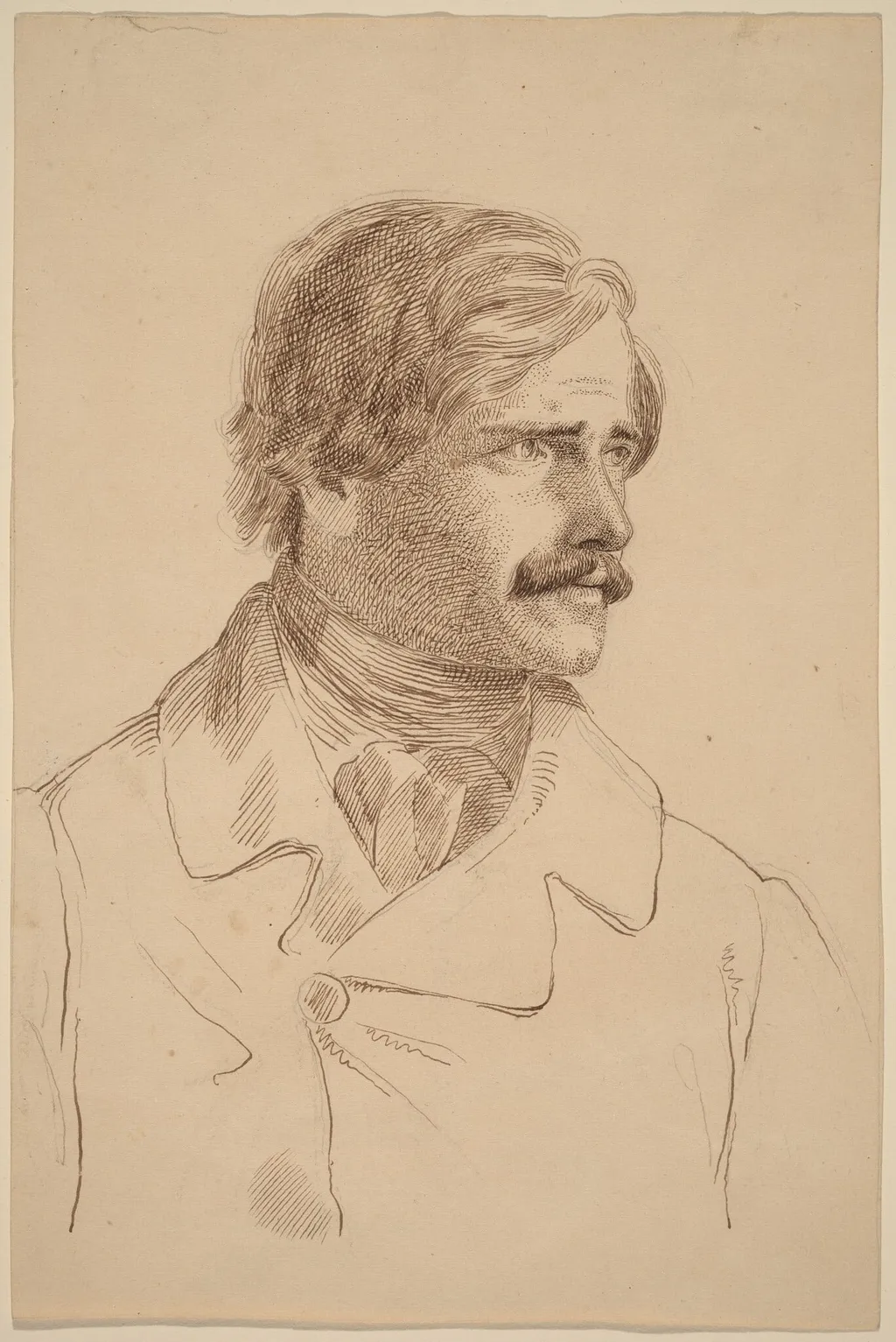
The Artist's Brother - Richard Greenough (?) is an ink drawing by the Impressionist artist Horatio Greenough. It dates from 1850 and is held in the collection of the National Gallery of Art.
About this work
Overview
This drawing, executed in pen and brown ink over graphite on wove paper, is attributed to the American sculptor Horatio Greenough and dates to approximately 1850. The work depicts a male figure identified as the artist’s brother, though the sitter’s identity as Richard Greenough remains tentative.
Subject & Meaning
The portrait focuses on an individual rendered with intimate immediacy, suggesting a familial connection. The sitter’s relaxed posture and direct gaze convey a personal rather than formal engagement, reinforcing the likelihood of a close relationship between artist and subject.
Technique & Style
Greenough employs a restrained yet confident line, combining delicate graphite underdrawing with assured ink strokes. The medium allows for both precision and spontaneity, capturing subtle tonal variations while maintaining a sense of fluidity characteristic of preparatory or private studies.
History & Provenance
Little is documented about the drawing’s early history. Its attribution to Greenough and the tentative identification of the sitter derive from stylistic comparisons and circumstantial evidence. The work has likely remained in private or institutional collections since its creation.
Context
Created mid-nineteenth century, the drawing reflects a period in which American artists increasingly explored domestic and personal subjects. Greenough, primarily known for sculpture, occasionally turned to drawing, possibly for study or as a means of recording those close to him.
Artist & collection

Artist
Horatio Greenough (September 6, 1805 – December 18, 1852) was an American sculptor best known for his United States government commissions The Rescue (1837–1850) and George Washington (1840).

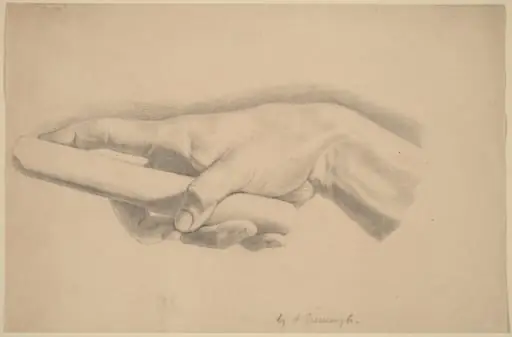
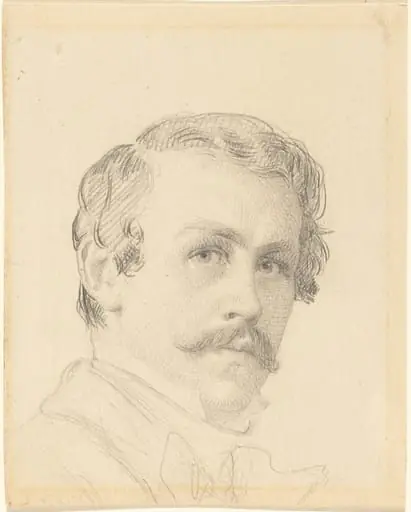 Self-Portrait
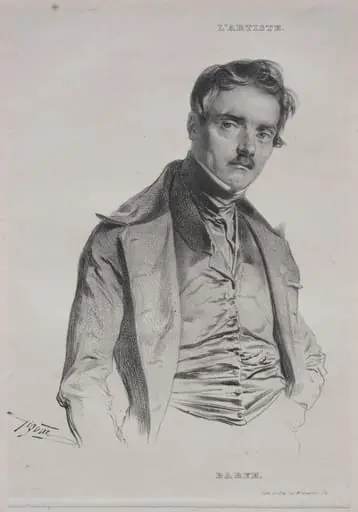 Antoine-Louis Barye
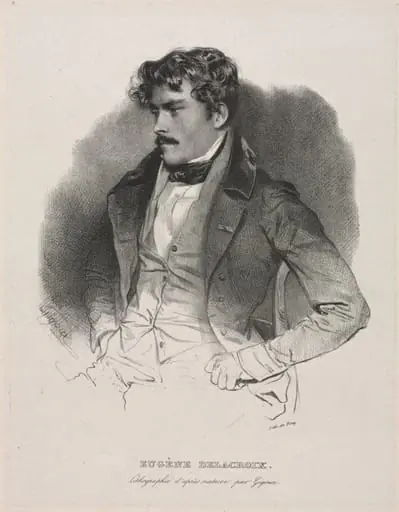 Eugène Delacroix
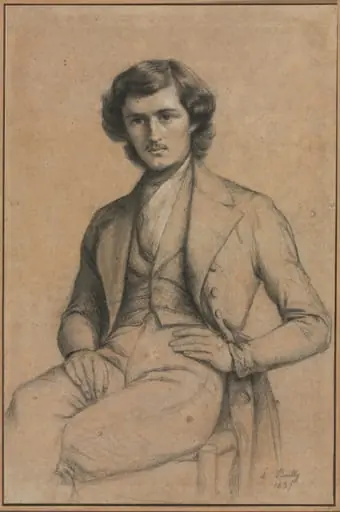 Portrait of a Young Man
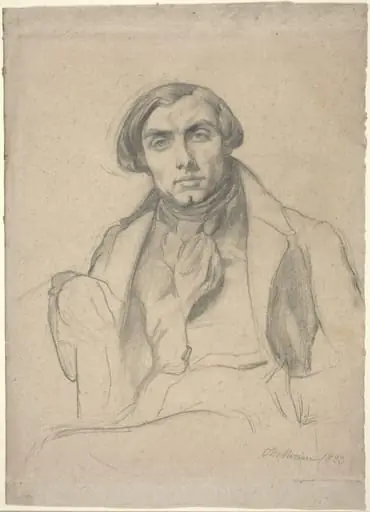 Auguste Ottin
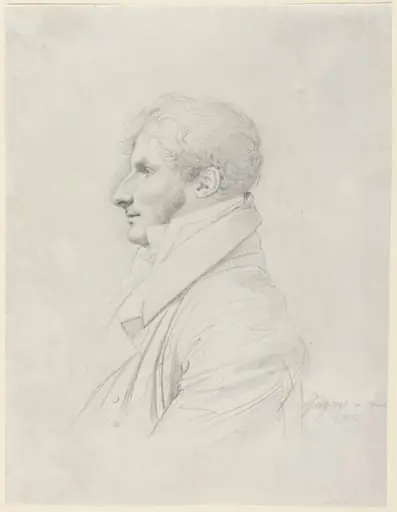 Philippe Mengin de Bionval
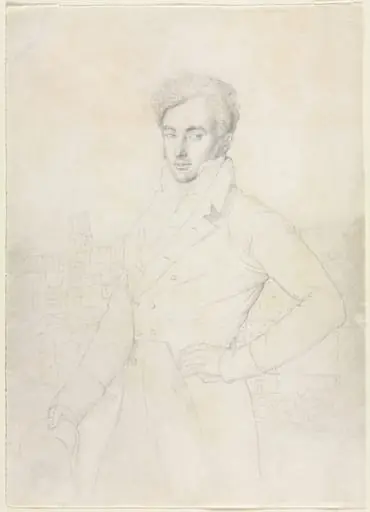 Portrait of a Young Man Standing on the Quirinal with the Turris Comitum in the Background
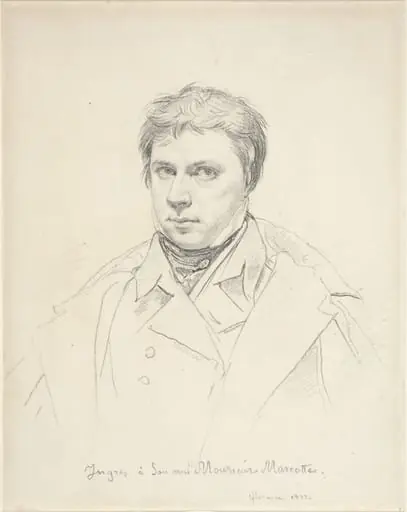 Self-Portrait
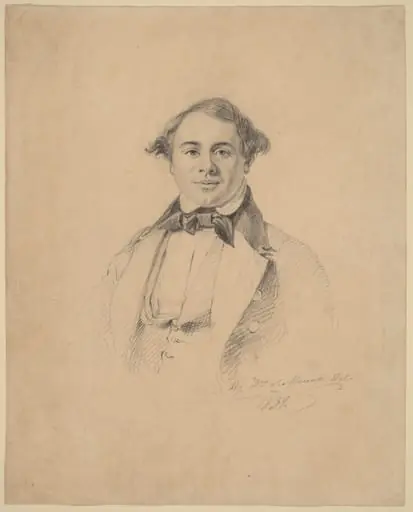 Nelson Mathewson
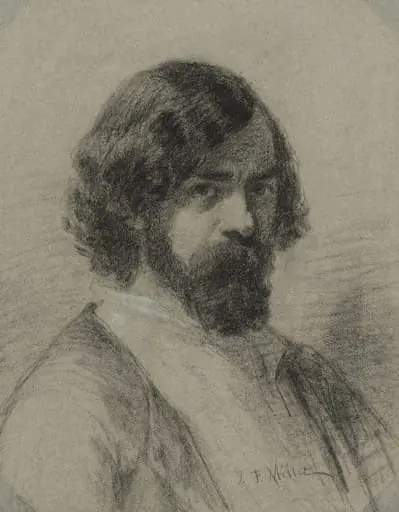 Portrait of Narcisse Virgile Diaz de la Peña
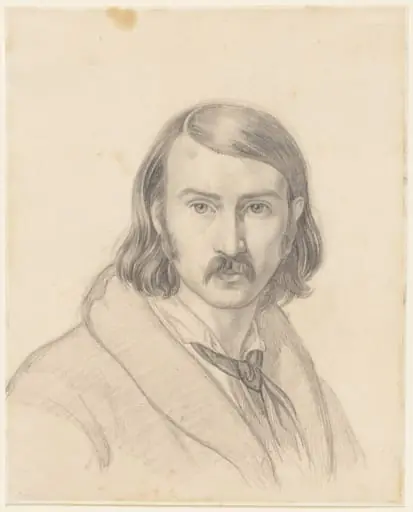 Self-Portrait
 Sketching - Emanuel Leutze