Artwork
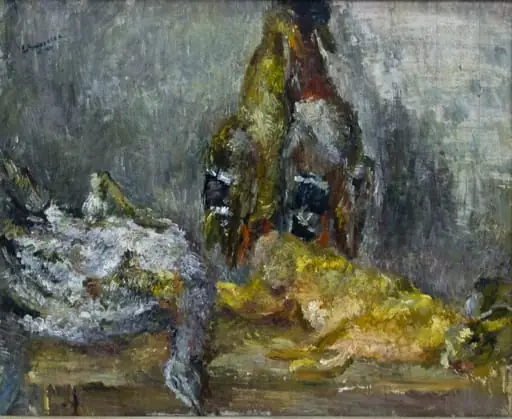
Natură statică cu pești și sticlă
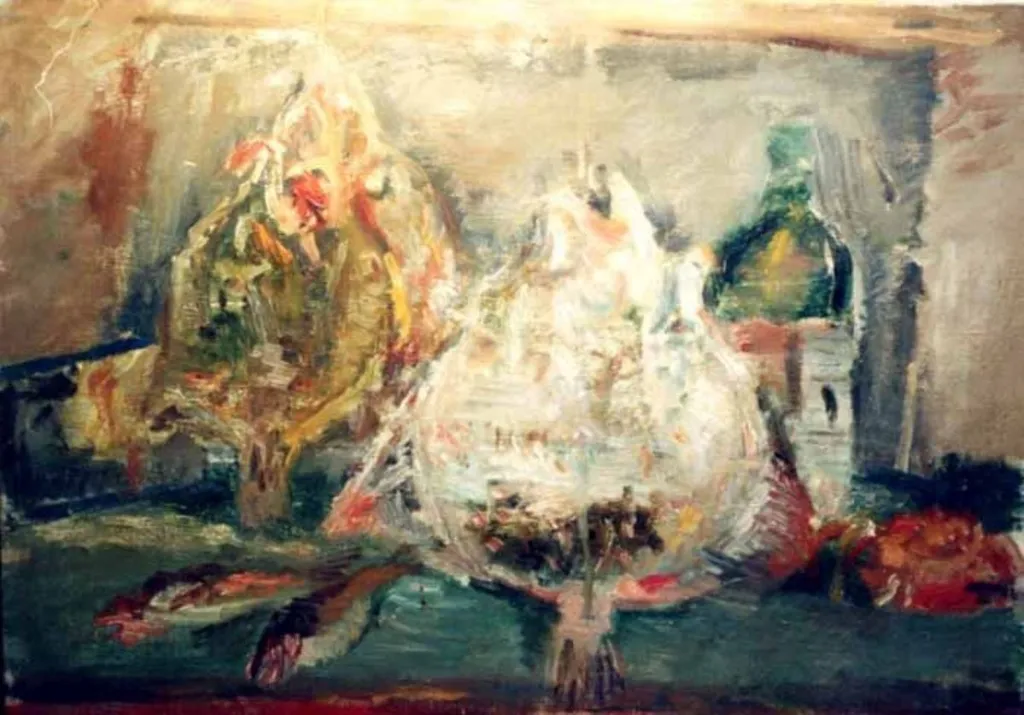
Natură statică cu pești și sticlă is an unspecified painting by Lucian Grigorescu. It dates from 1939 and is held in the collection of the Bucharest Municipality Museum.
About this work
Overview
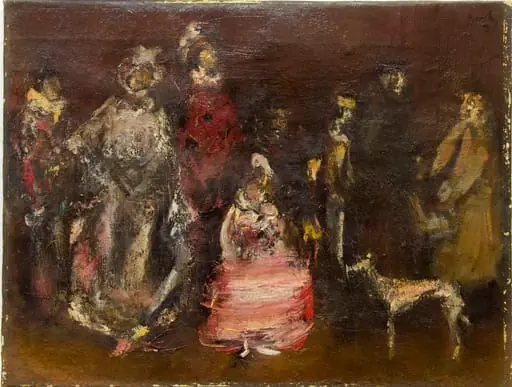
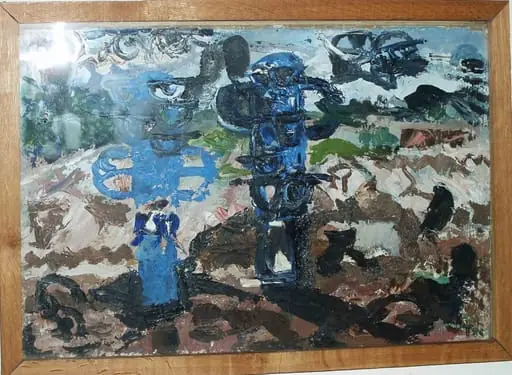
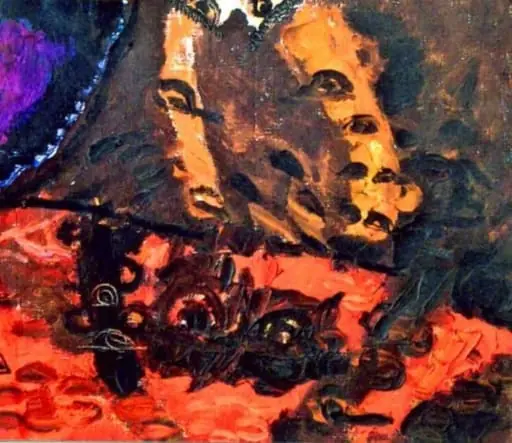
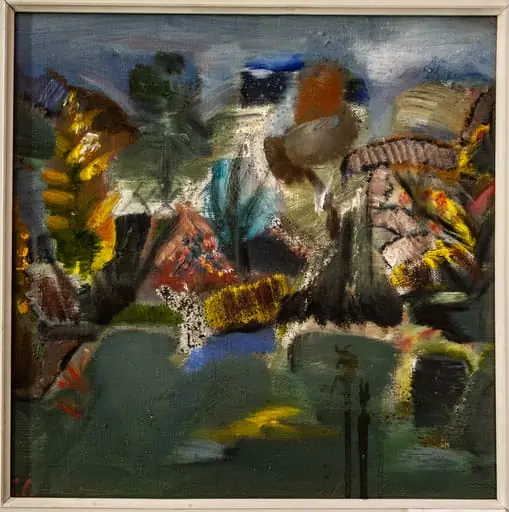
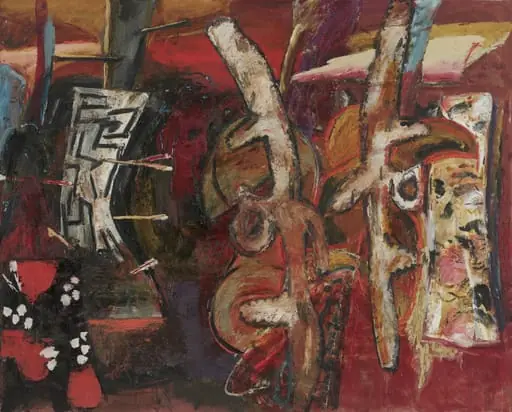
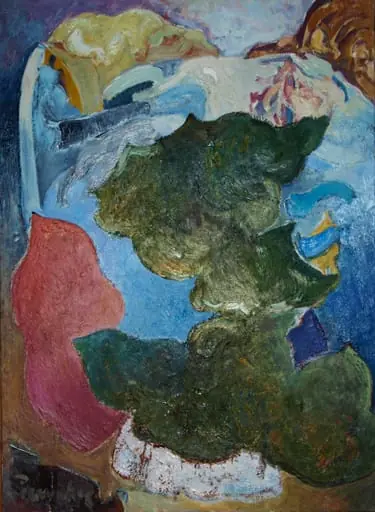
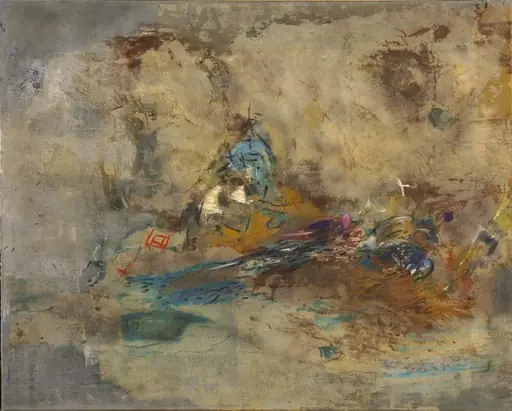
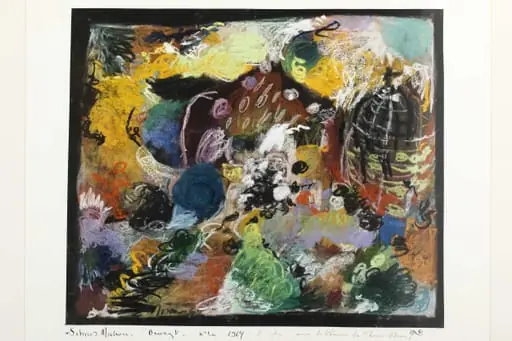
Painted around 1939 by Romanian artist Lucian Grigorescu, this still life presents a modest arrangement of fish and glassware on a cluttered surface.
Painted around 1939 by Romanian artist Lucian Grigorescu, this still life presents a modest arrangement of fish and glassware on a cluttered surface. Executed in oil, the work reflects the artist’s post-impressionist approach, emphasizing material presence over idealized form. It resides in the collection of the Museum of Ethnography in Romania, where it contributes to a broader understanding of interwar Romanian painting beyond official academic norms.
Subject & Meaning
The composition centers on everyday objects—fish, a glass bottle, and unidentified items—arranged without ceremony on a table. There is no narrative or symbolic intent; instead, the focus lies in the quiet observation of mundane reality. The fish, likely domestic or market-bought, suggest a domestic setting, while the glassware hints at ordinary use. The scene conveys a sense of unembellished, transient life.
Technique & Style
Grigorescu employed thick, uneven brushwork to build texture across the surface, a method known as impasto. Paint is applied generously in places, creating ridges and shadows that give the objects a tactile, almost sculptural quality. The palette is subdued, dominated by muted earth tones and dark recesses, punctuated by occasional highlights. The rough handling rejects smooth finish, favoring physicality and immediacy over polish.
History & Provenance
The painting entered the Museum of Ethnography’s holdings at some point after its creation, likely through acquisition or donation during the mid-20th century. Grigorescu, recognized for his role in Romanian modernism, was elected a corresponding member of the Romanian Academy in 1948, though this work predates that honor. Its preservation in a museum focused on cultural artifacts underscores its value as a record of everyday visual culture rather than high art.
Context
Created during a period of political and cultural transition in Romania, the painting resists the grand themes favored by state-sanctioned art. Instead, it aligns with quieter, introspective tendencies among Romanian modernists who turned to domestic subjects. Grigorescu’s approach echoes broader European post-impressionist trends, yet remains grounded in local experience—observing the ordinary with unadorned honesty.
Legacy
Though not widely reproduced or publicly celebrated, the work remains a significant example of Grigorescu’s personal style and his commitment to material realism. It contributes to scholarly understanding of Romanian interwar art that operated outside institutional frameworks. Its presence in a museum of ethnography signals its role as a cultural artifact, valued for its documentation of visual habits rather than aesthetic prestige.
Artist & collection
Artist
Lucian Grigorescu (Romanian pronunciation: ; 1 February 1894, Medgidia – 28 October 1965, Bucharest) was a Romanian post-impressionist painter.