Artwork
Nuduri
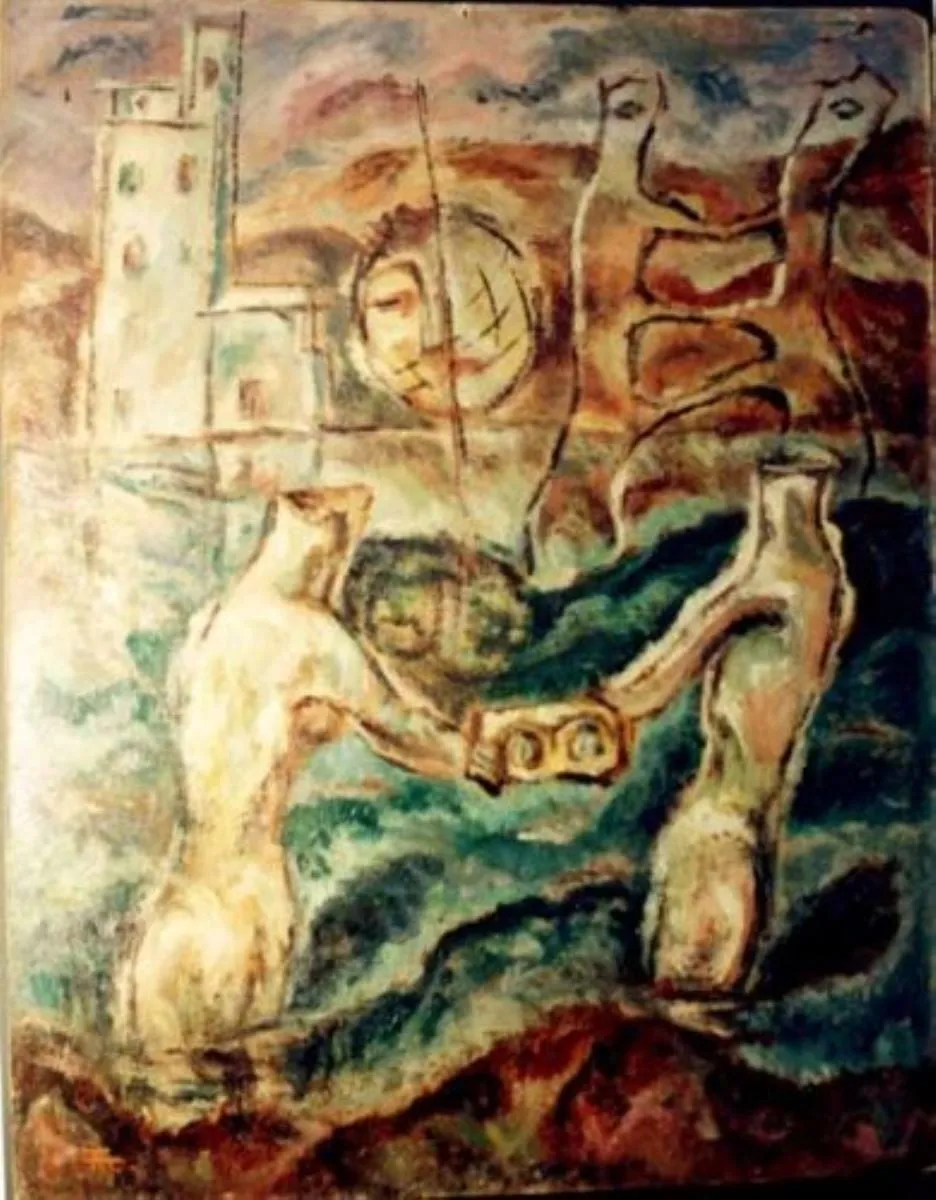
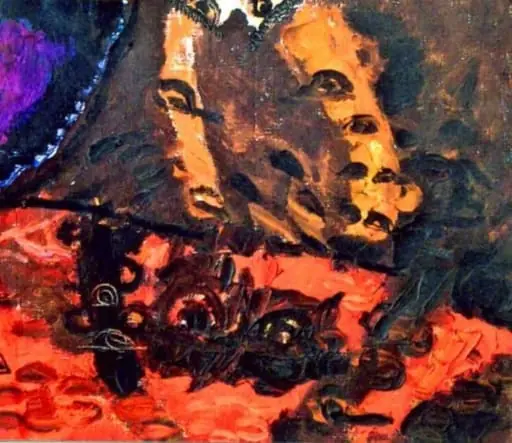
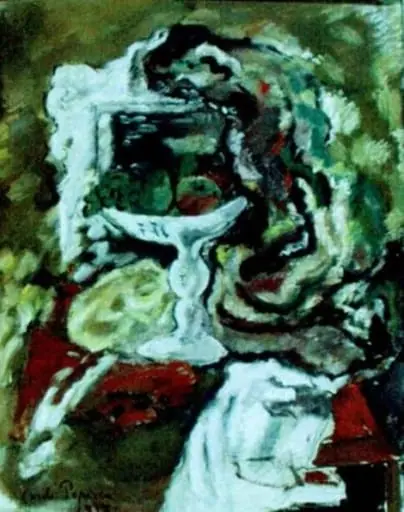
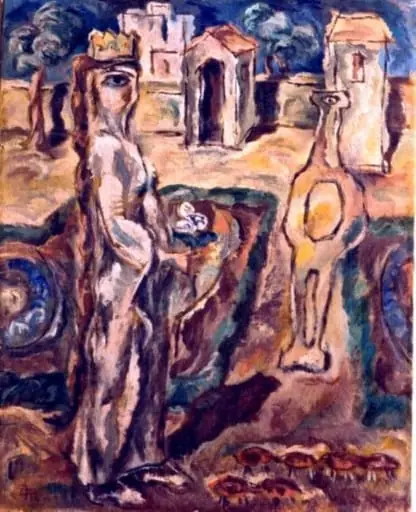
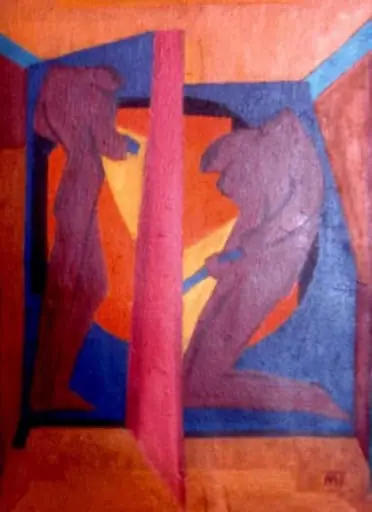
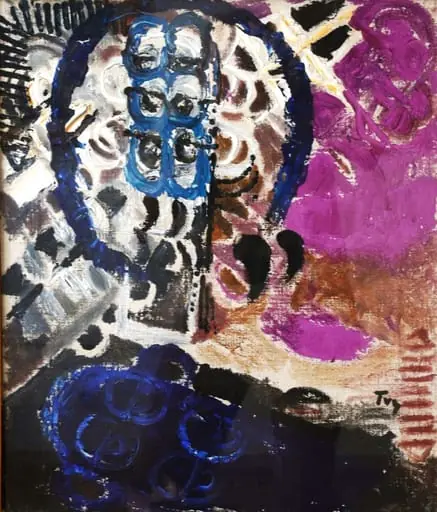
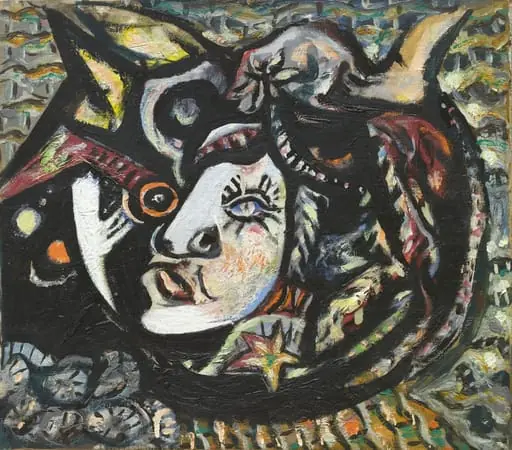
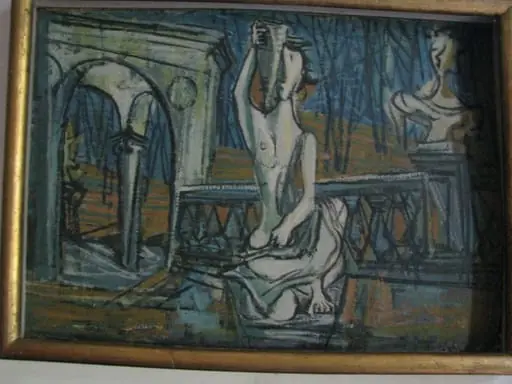
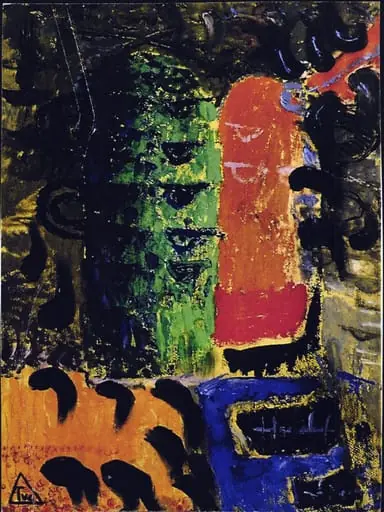
Nuduri is an unspecified painting by Corneliu Michăilescu. It dates from 1936 and is held in the collection of the Bucharest Municipality Museum.
About this work
Overview
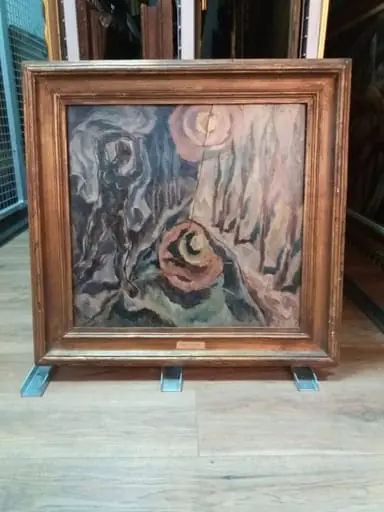
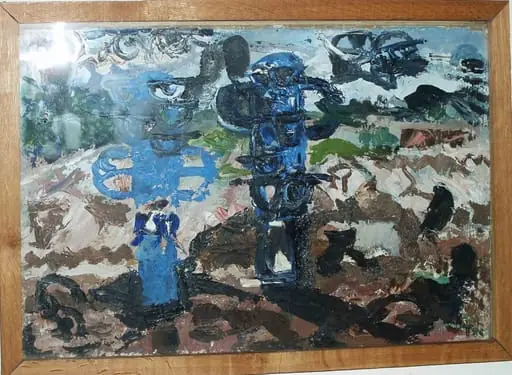
Earthy tones dominate the surface, while darker outlines define certain faces and bodies, creating a sense of movement within a blurred, storm‑like background.
Corneliu Michăilescu’s painting titled Nuduri, dated around 1936, is part of the collection at the Museum of Ethnography. The work presents a densely packed tableau of human figures and animals intertwined in a turbulent, almost hallucinatory setting. Earthy tones dominate the surface, while darker outlines define certain faces and bodies, creating a sense of movement within a blurred, storm‑like background.
Subject & Meaning
The composition suggests a narrative of entanglement, where people and beasts appear caught in a shared, chaotic moment. The lack of a clear storyline invites viewers to interpret the scene as a metaphor for collective struggle or communal experience, emphasizing the tension between individual identities and the surrounding tumult.
Technique & Style
Michăilescu employs a muted palette of browns, greens and soft blues, allowing the darker contour lines to punctuate the scene. The brushwork blends colors into one another, producing a fluid, almost smoky atmosphere. Though the surface is not heavily textured, the overlapping forms and blurred background convey a sense of depth and kinetic energy reminiscent of early 20th‑century expressionist tendencies.
History & Provenance
Created circa 1936, Nuduri entered the Museum of Ethnography’s holdings sometime after its completion, though precise acquisition details remain undocumented. Its presence in an ethnographic institution highlights the work’s relevance to cultural or social themes rather than purely aesthetic concerns, aligning it with the museum’s broader mission to explore human experience.
Context
The mid‑1930s marked a period of social and political upheaval in Eastern Europe, a backdrop that may inform the painting’s chaotic visual language. Michăilescu’s choice to merge figures with animals reflects a broader modernist interest in blurring the boundaries between humanity and nature, echoing contemporary artistic explorations of collective identity.