Artwork
Ciobănaș
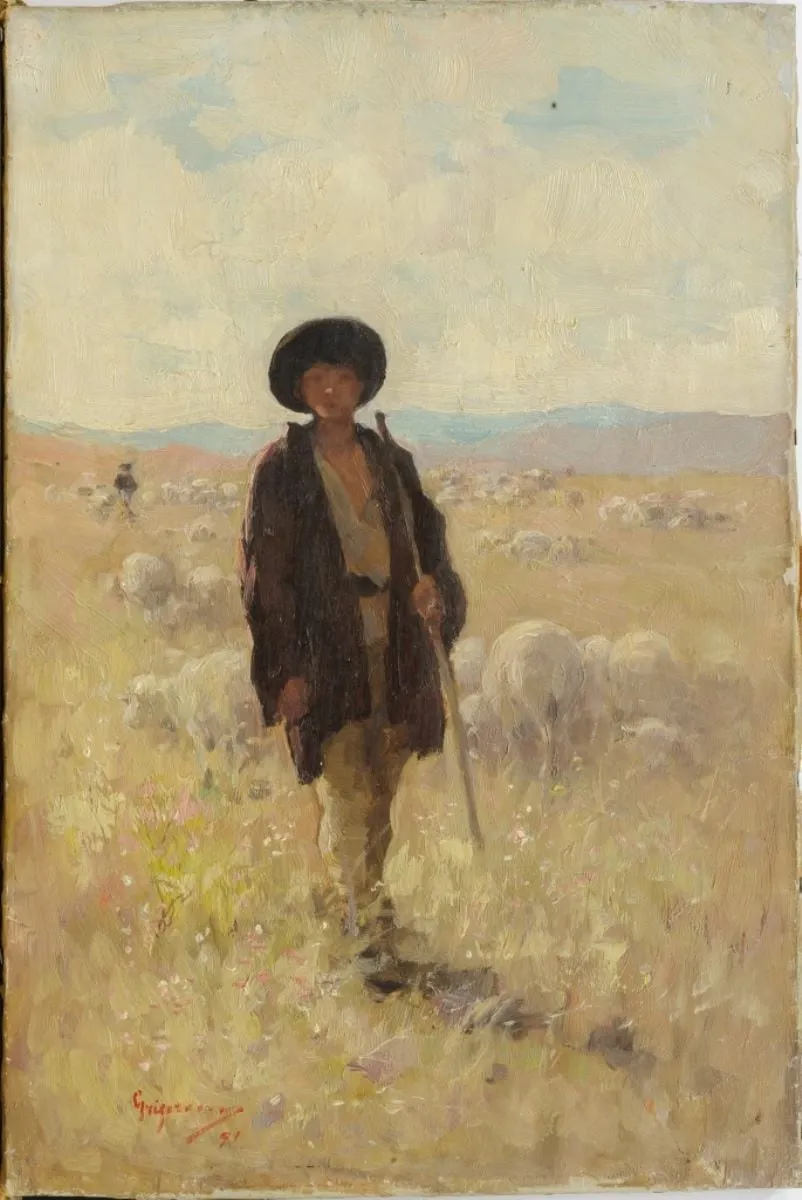
Ciobănaș is a print by the Impressionist artist Nicolae Grigorescu. It dates from 1891 and is held in the collection of the National Museum of Art of Romania.
About this work
Overview
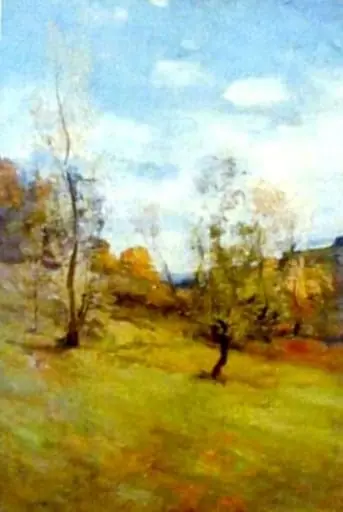
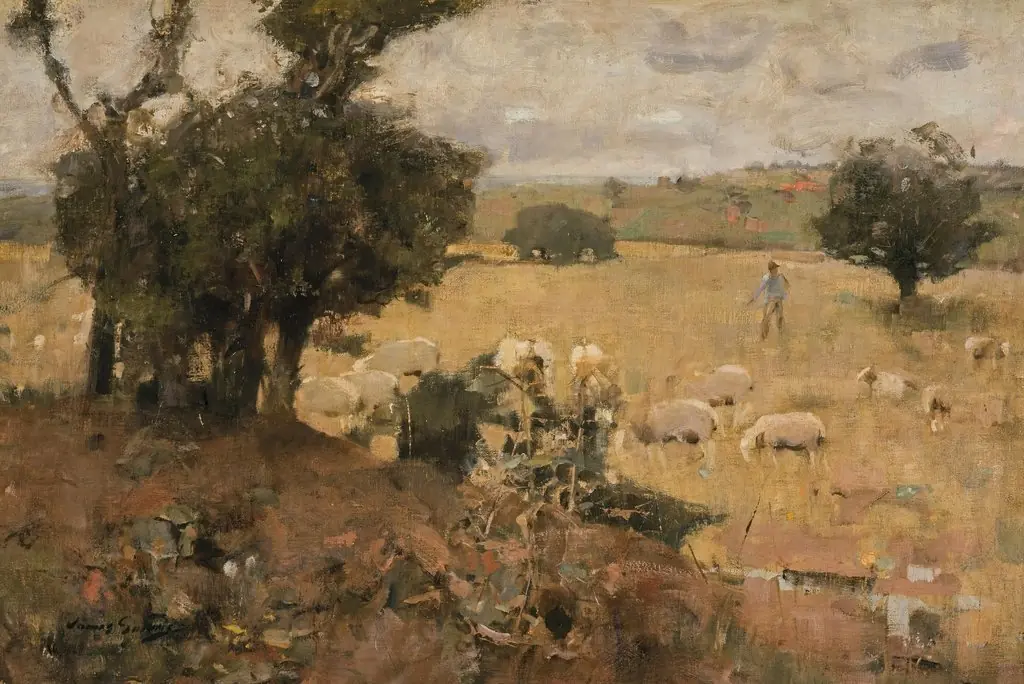
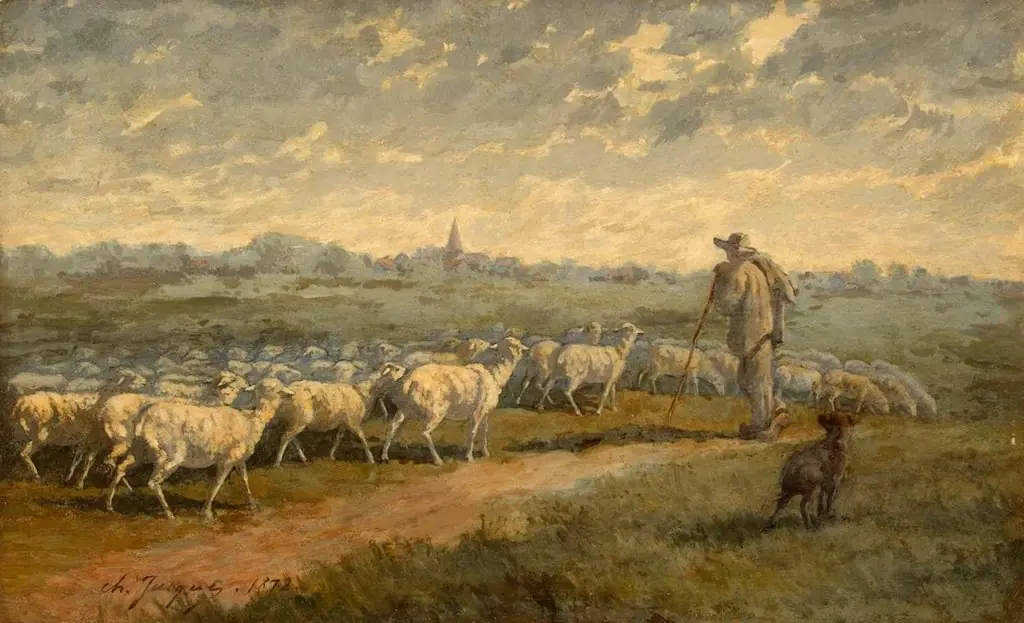
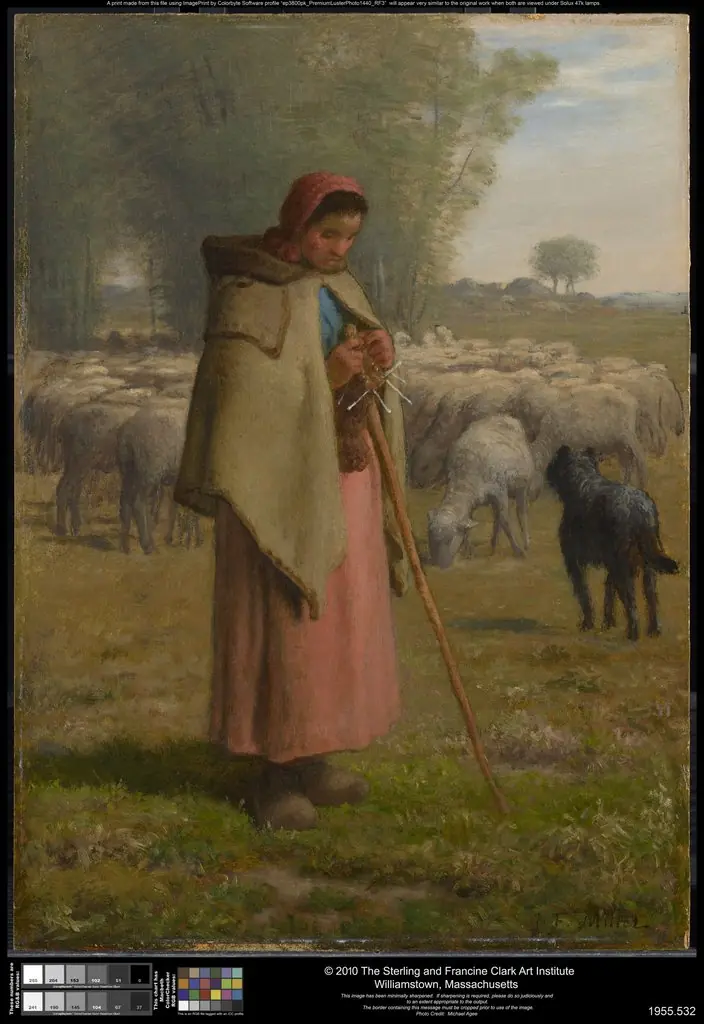
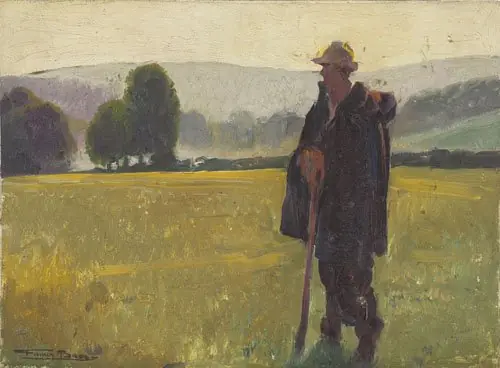
Painted in 1891 by Nicolae Grigorescu, Ciobănaș depicts a shepherd in a rural Romanian landscape. The figure stands alone amid a field of dry grass, surrounded by a small flock of sheep. The composition emphasizes stillness and solitude, with no narrative action, focusing instead on the quiet presence of the shepherd within the natural environment.
Subject & Meaning
The figure represents a rural laborer, dressed in modest, dark garments and a broad hat, holding a staff typical of shepherds in the region.
The figure represents a rural laborer, dressed in modest, dark garments and a broad hat, holding a staff typical of shepherds in the region. The painting avoids idealization, presenting the shepherd as part of the land rather than a heroic figure. It reflects an interest in the dignity of everyday rural life, common in 19th-century Romanian art seeking to define national identity through ordinary subjects.
Technique & Style
Grigorescu employed loose, visible brushwork and a muted palette to convey atmosphere over detail. The sky and grass are rendered with soft, blended strokes, suggesting light and movement without sharp definition. This approach aligns with plein air practices and shows influence from French Impressionism, though adapted to local conditions and subject matter rather than copied directly.
History & Provenance
Created during Grigorescu’s mature period, the work emerged from his deep engagement with Romanian countryside scenes after years of study in France. It was likely painted on-site, as part of his broader effort to document rural life. The painting entered the collection of the National Museum of Art of Romania in Bucharest, where it remains today as part of its core 19th-century holdings.
Context
In late 19th-century Romania, artists like Grigorescu sought to move away from academic traditions and depict authentic national life. Ciobănaș reflects this shift, aligning with broader European trends that valued direct observation and everyday subjects. The work contributes to a cultural project of defining Romanian identity through its people and landscapes, distinct from urban or foreign models.
Legacy
Ciobănaș is recognized as a key example of Romanian modernism’s early phase. Grigorescu’s synthesis of Impressionist techniques with local themes influenced subsequent generations of Romanian painters. The painting’s quiet realism and emphasis on light and atmosphere helped establish a visual language for depicting rural life that remains culturally resonant.
Artist & collection

Artist
Nicolae Grigorescu was one of the founders of modern Romanian painting. He is considered by Romanians the greatest Romanian painter, and one of the founders of modern Romanian art. He is most known for paintings…