Artwork
Peisaj
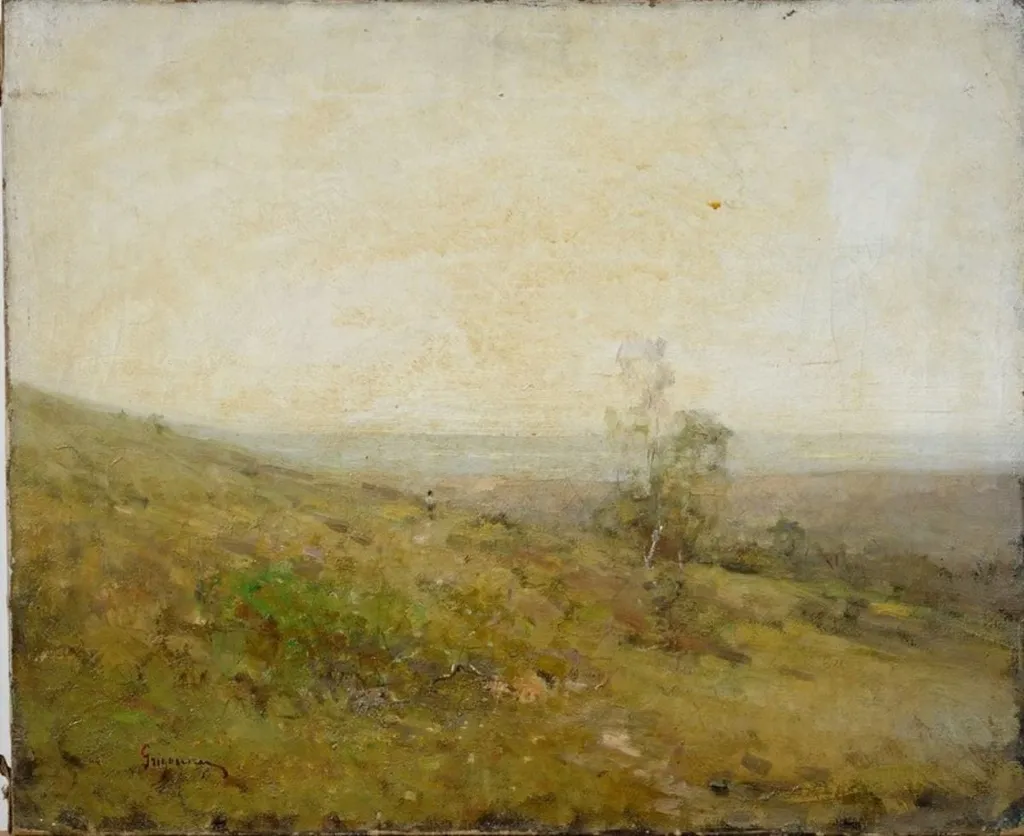
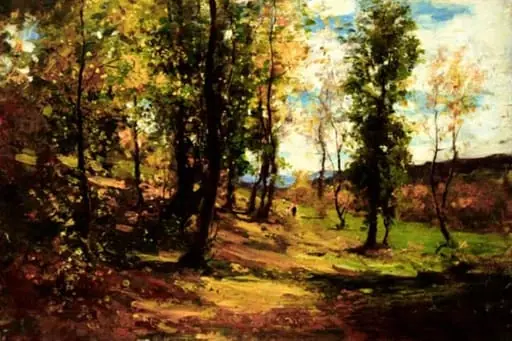
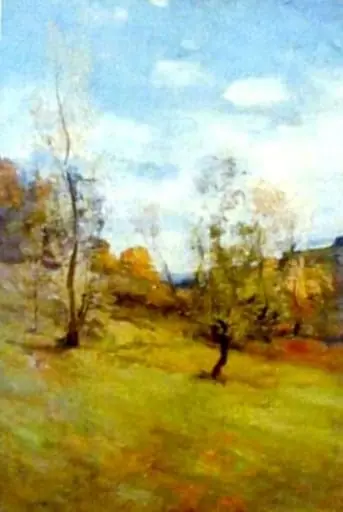
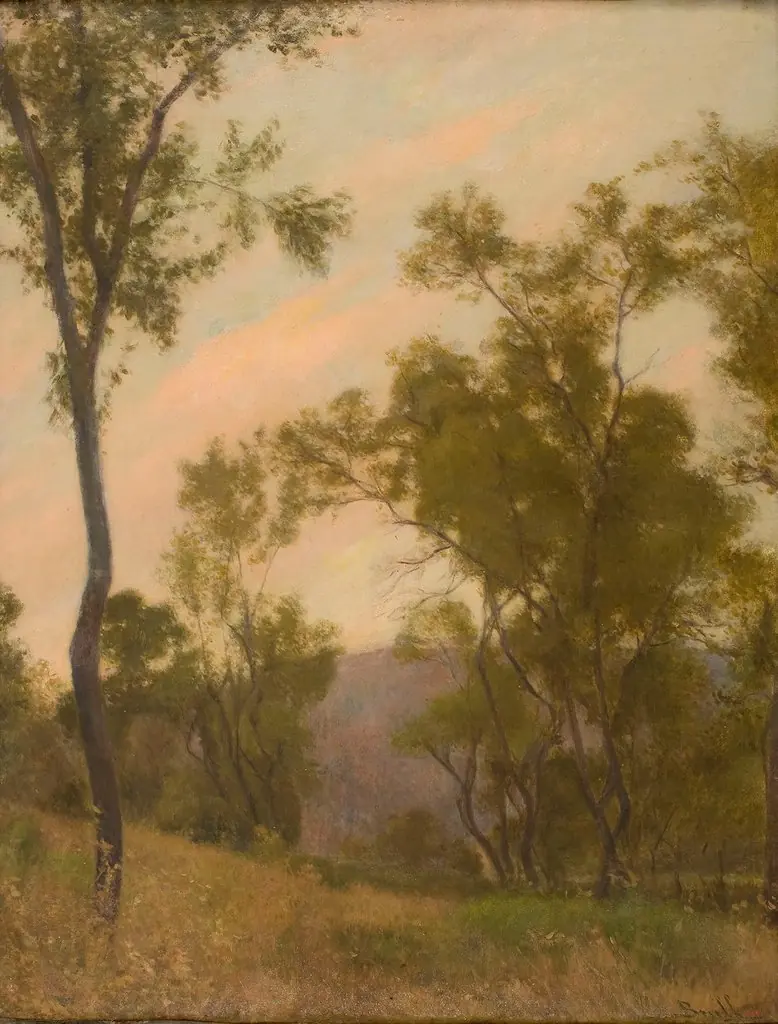
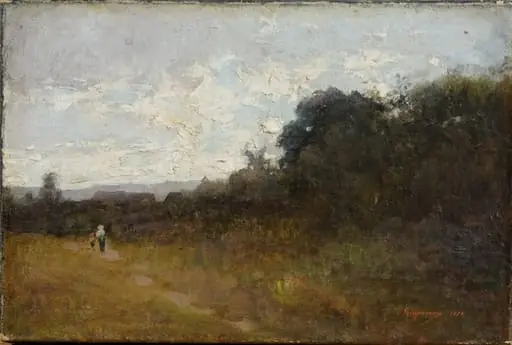
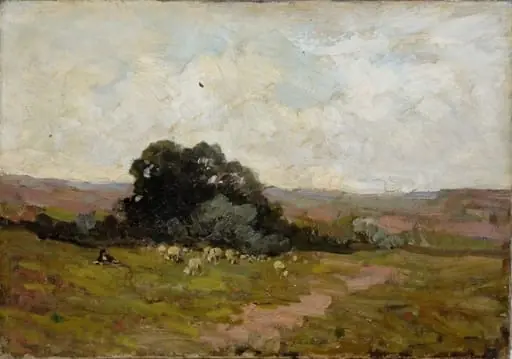
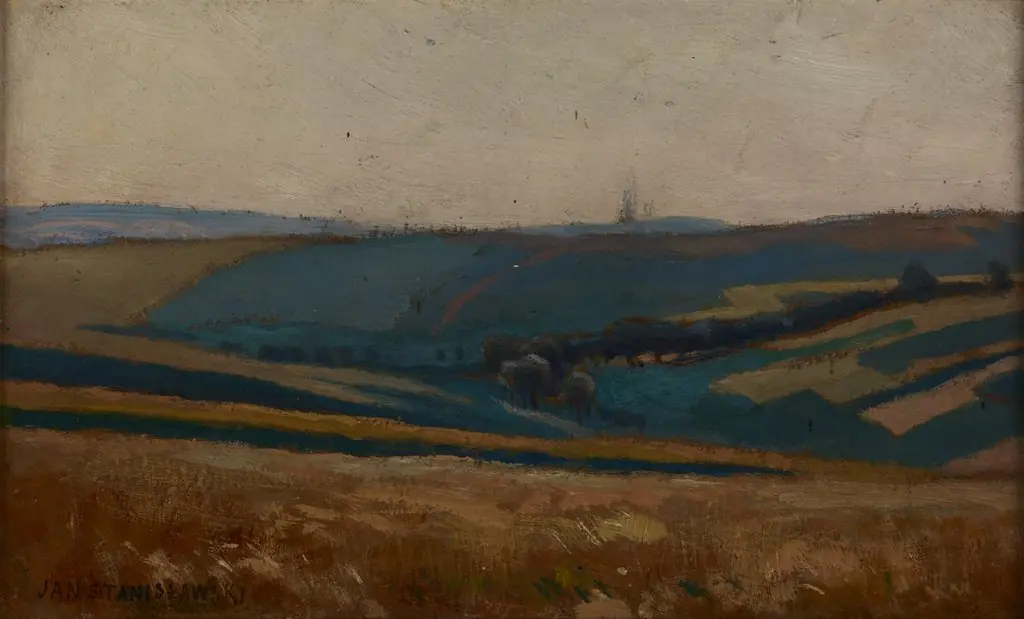
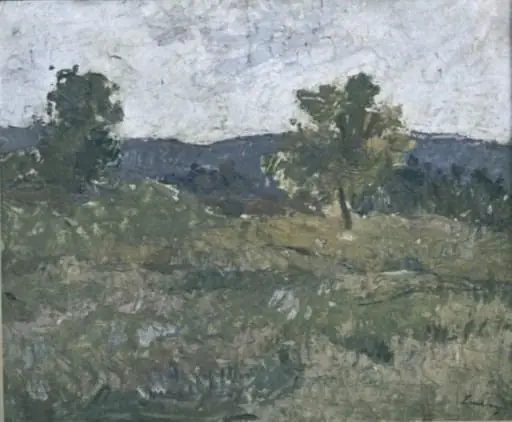
Peisaj is a print by Nicolae Grigorescu. It dates from 1890 and is held in the collection of the National Museum of Art of Romania.
About this work
Overview
The artist avoids dramatic elements, instead focusing on the quiet rhythm of the land under a diffuse sky.
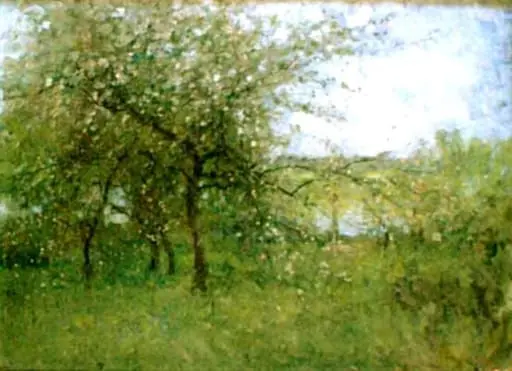
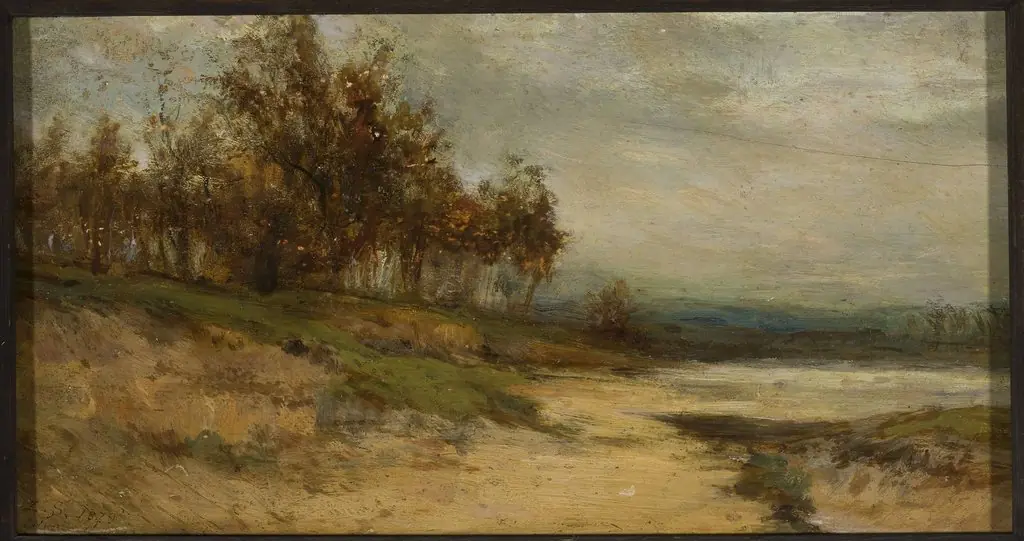
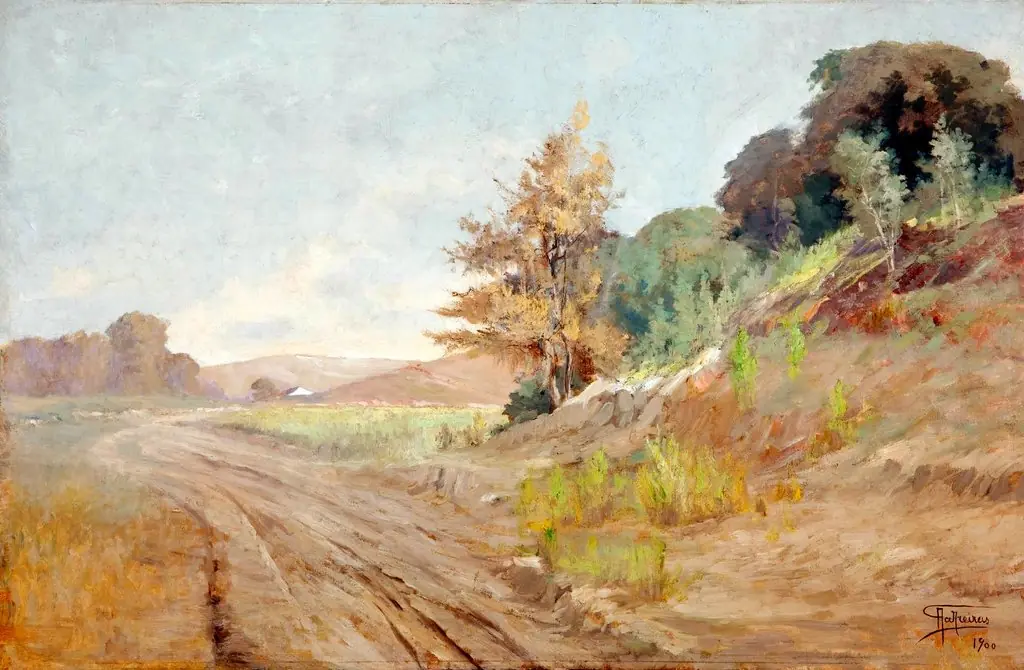
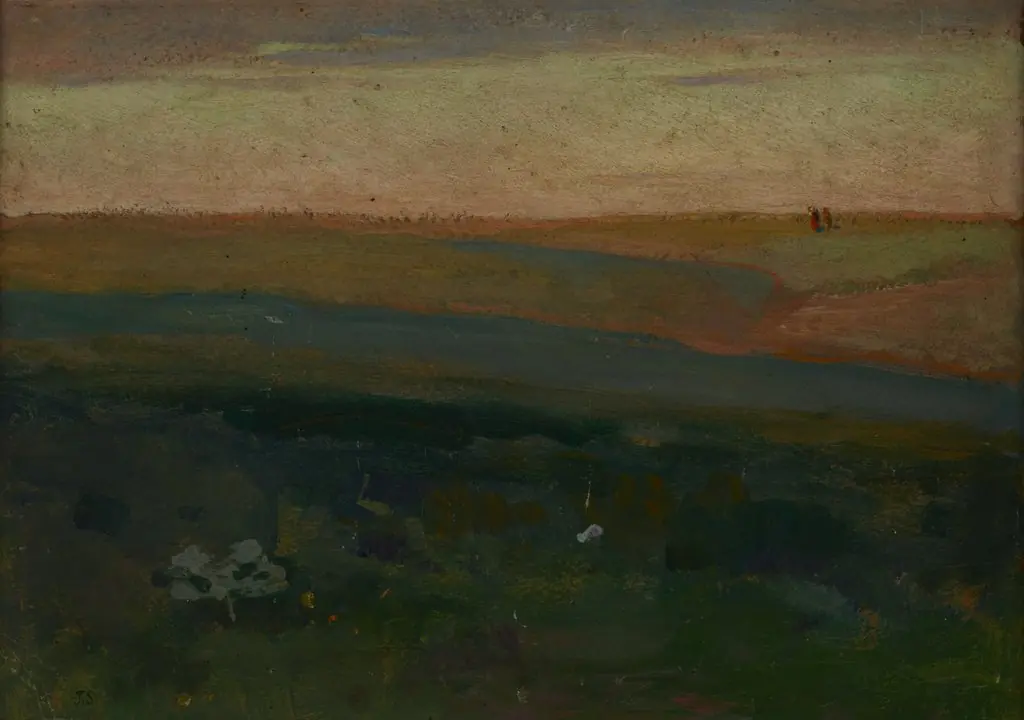
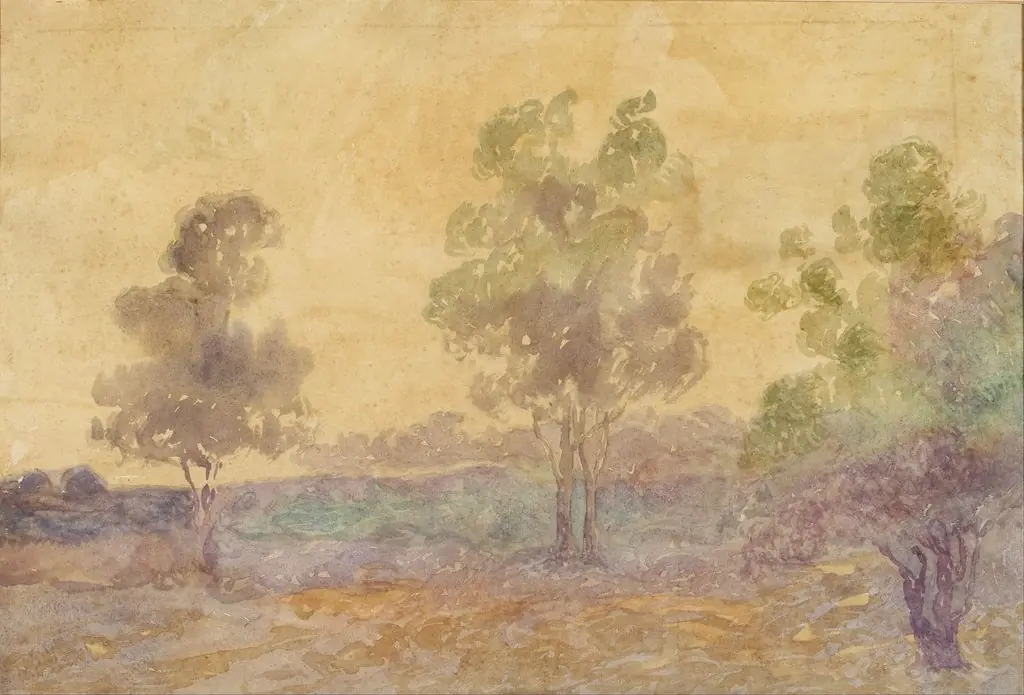
Painted around 1890 by Nicolae Grigorescu, this landscape captures a tranquil rural scene in Romania. The composition emphasizes stillness and solitude, with minimal detail and a restrained palette. The artist avoids dramatic elements, instead focusing on the quiet rhythm of the land under a diffuse sky. The work reflects a shift toward intimate, observational painting rather than idealized scenery.
Subject & Meaning
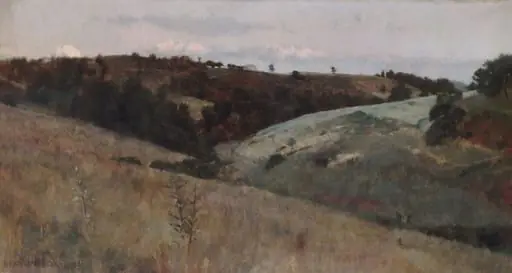
A solitary human figure, rendered small and indistinct, stands amid an expansive, barren field. The figure’s insignificance against the landscape suggests themes of solitude and human transience. There is no narrative or event—only presence. The stillness invites contemplation, aligning the work with a broader 19th-century interest in the emotional resonance of ordinary nature.
Technique & Style
Grigorescu employed loose, rapid brushwork that borders on sketch-like, rejecting polished finish in favor of immediacy. Colors are subdued: ochres, muted greens, and pale grays dominate, with no sharp contrasts. The sky merges softly with the hills, and forms are suggested rather than defined. This approach reflects an affinity with plein air practices and early modern tendencies toward atmospheric suggestion.
History & Provenance
Created during Grigorescu’s mature period, the work emerged from his deep engagement with Romanian countryside scenes. It likely originated from one of his extended stays in rural areas, where he painted directly from observation. The piece remained within Romanian collections after its creation, eventually entering a public institution, though its exact early ownership remains undocumented.
Context
In the late 19th century, Romanian artists increasingly turned from academic traditions to depict local landscapes with personal sensitivity. Grigorescu was central to this movement, influenced by French Impressionism but grounded in national identity. This work aligns with a broader regional trend: rejecting grand historical themes in favor of quiet, authentic moments in the natural world.
Legacy
The painting exemplifies Grigorescu’s role in shaping modern Romanian art through his emphasis on direct observation and emotional restraint. Its understated quality influenced later generations who sought to capture the essence of the land without embellishment. Though not widely exhibited abroad, it remains a touchstone in discussions of national artistic identity and the evolution of landscape painting in Eastern Europe.
Artist & collection

Artist
Nicolae Grigorescu was one of the founders of modern Romanian painting. He is considered by Romanians the greatest Romanian painter, and one of the founders of modern Romanian art. He is most known for paintings…