Artwork
Peisaj de câmp
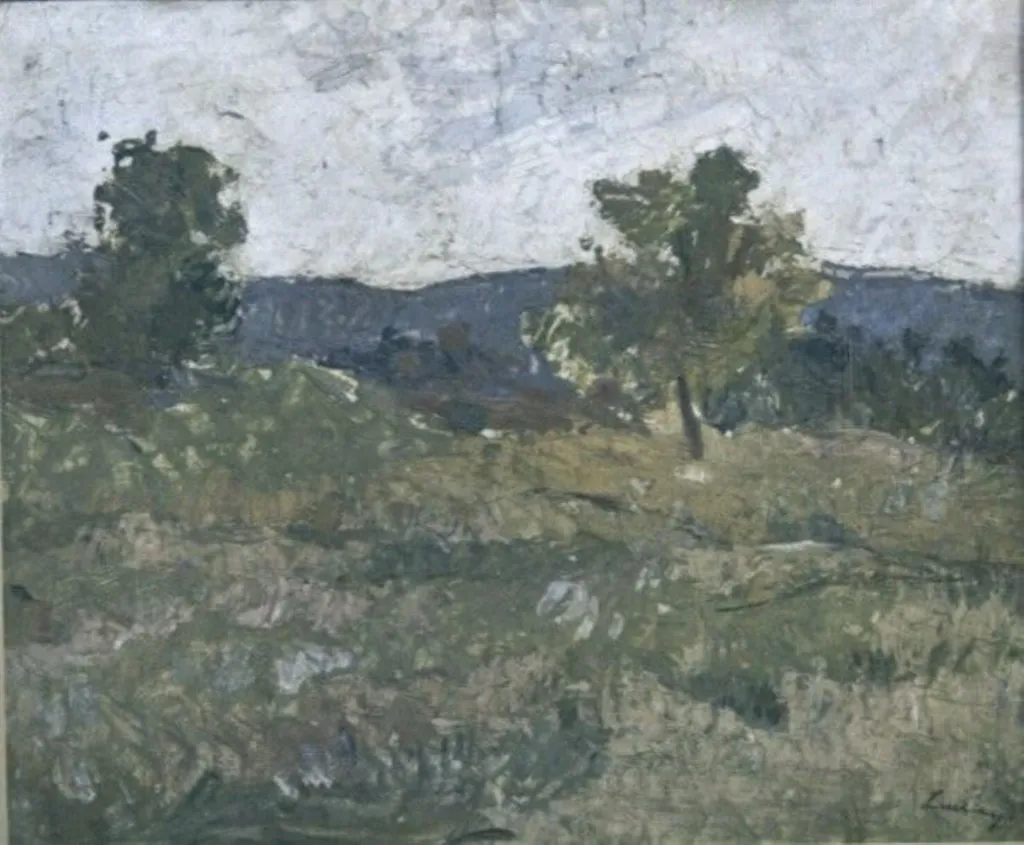
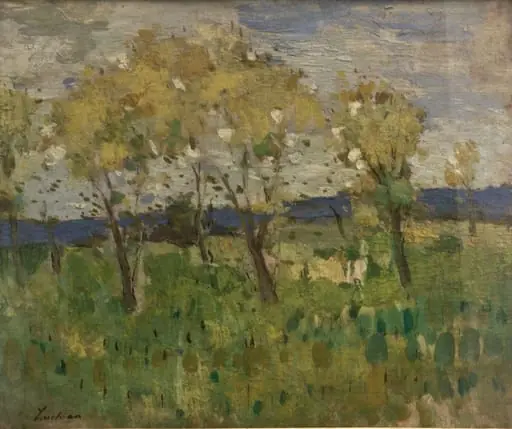
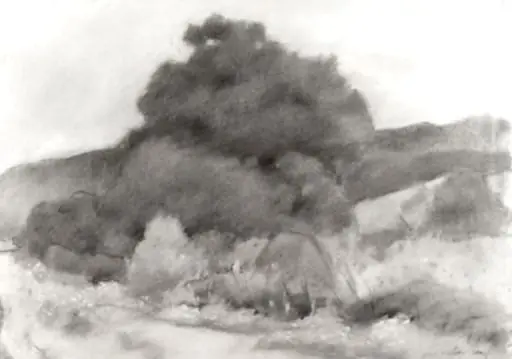
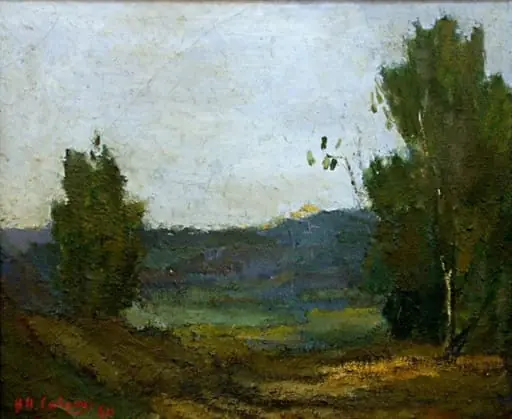
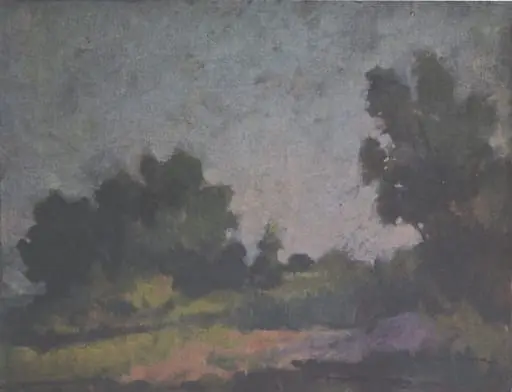
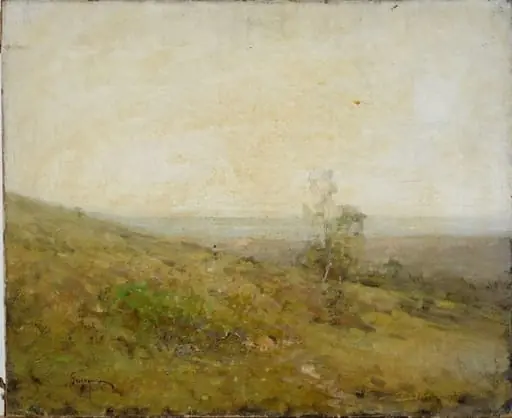
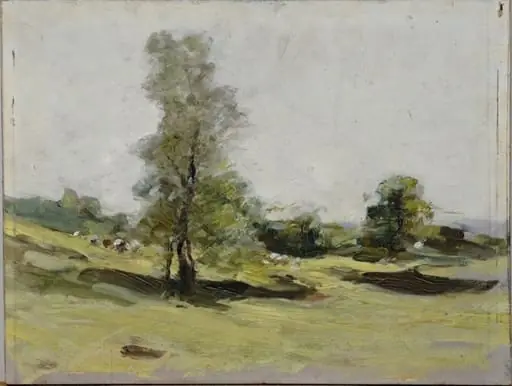
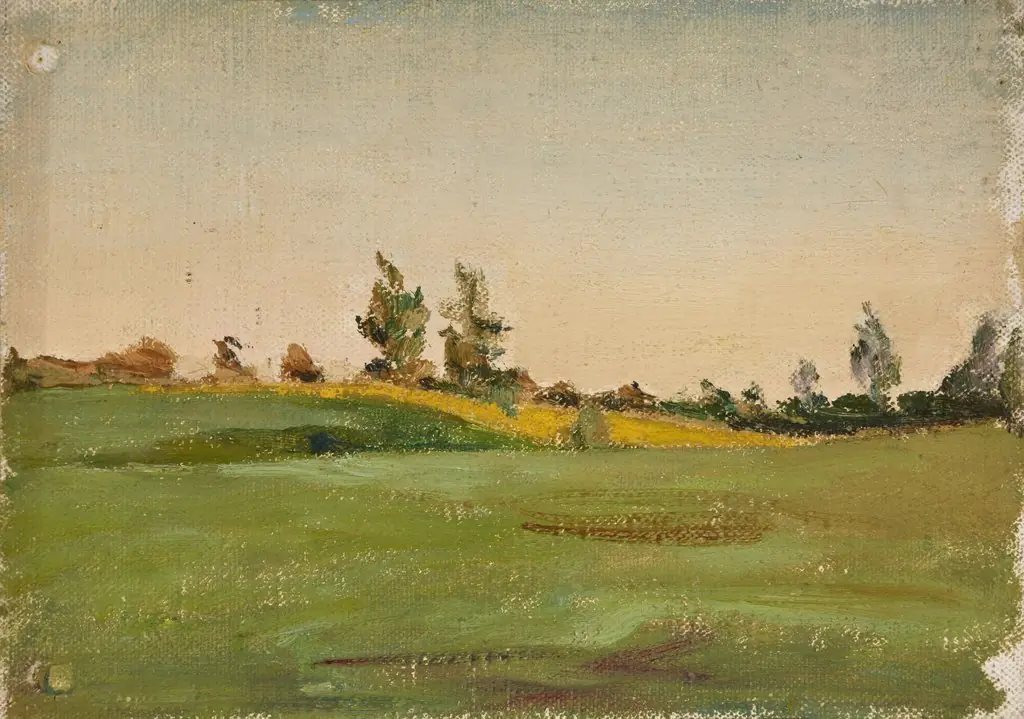
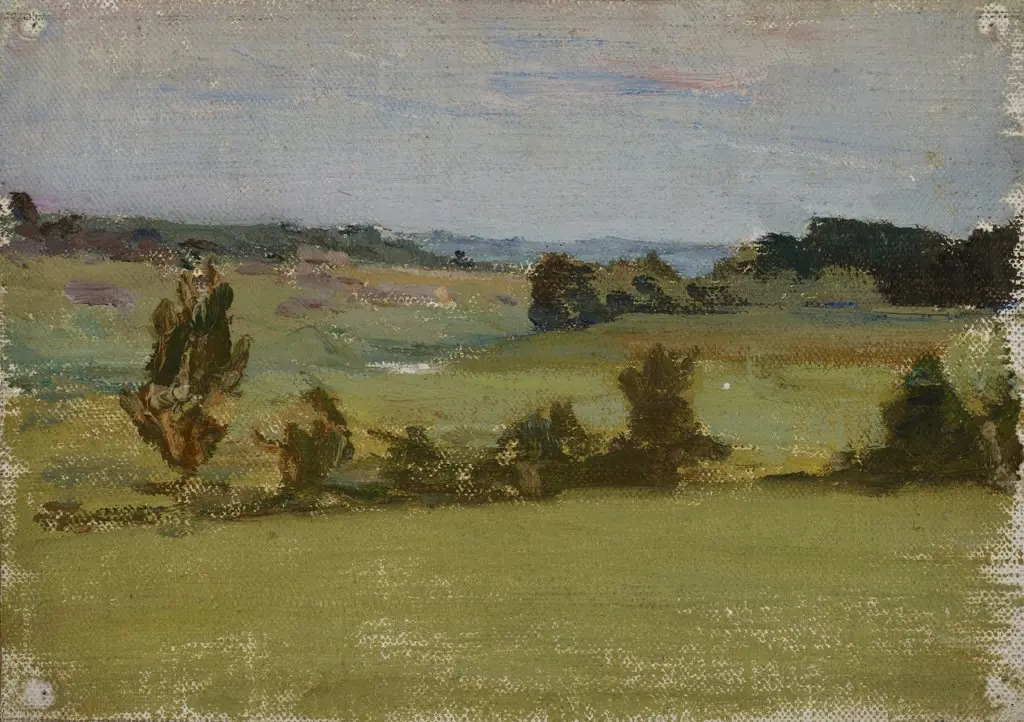
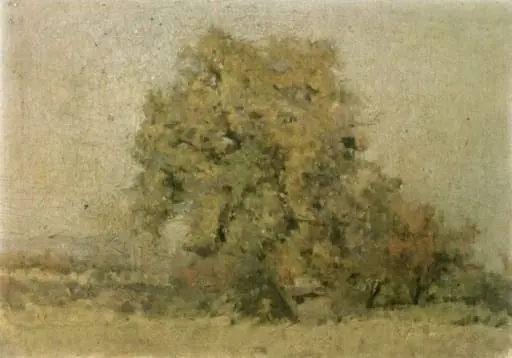
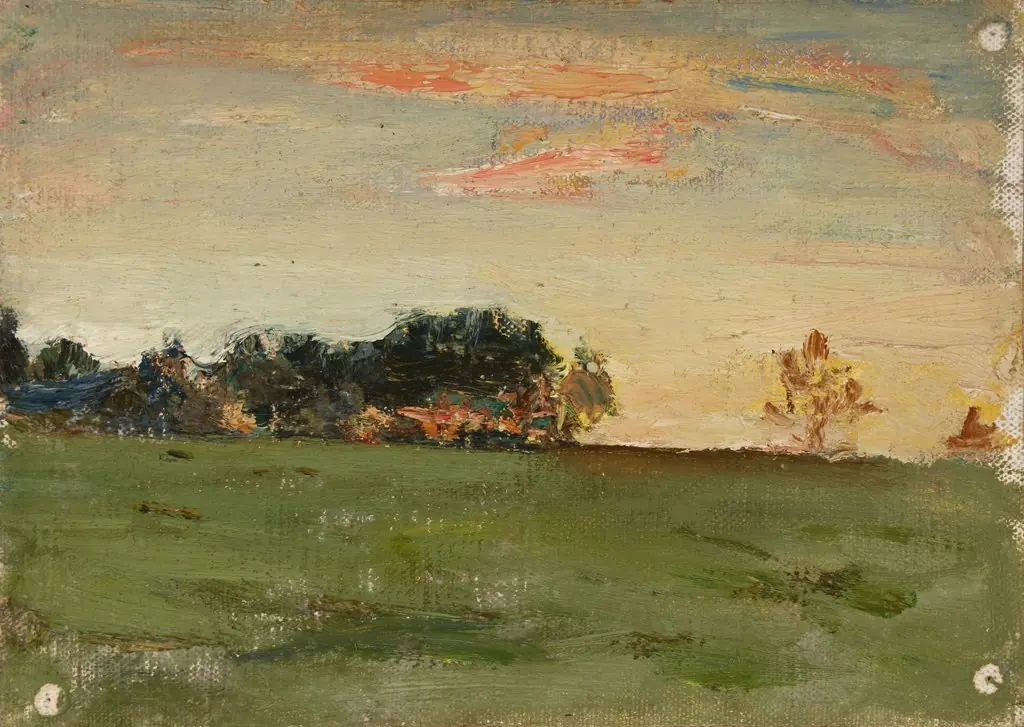
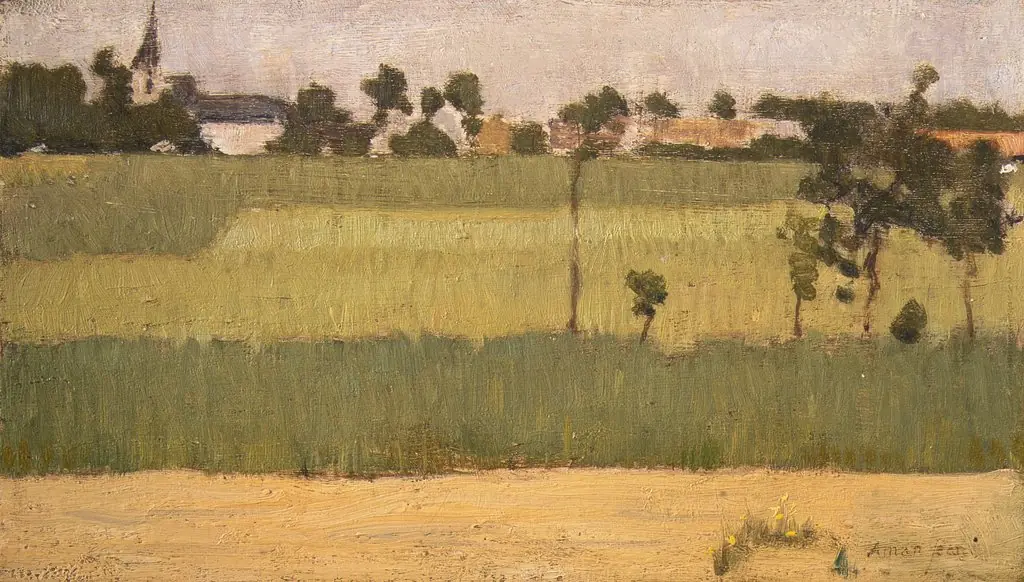
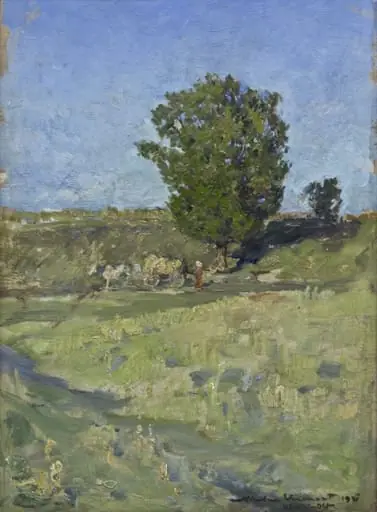
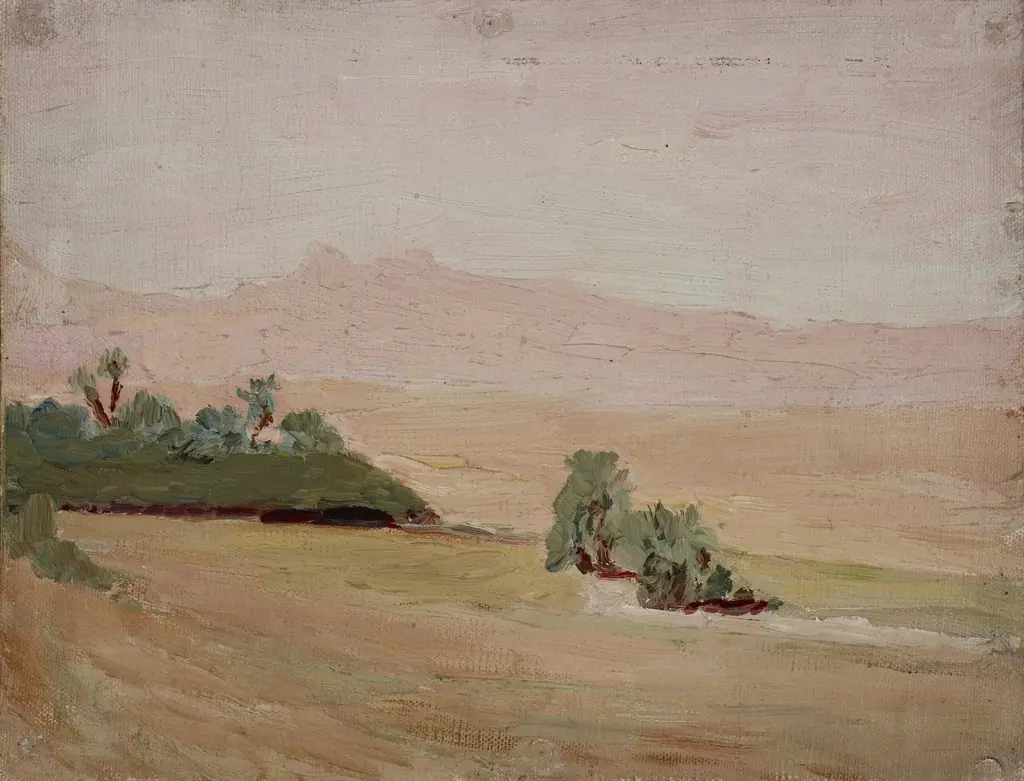
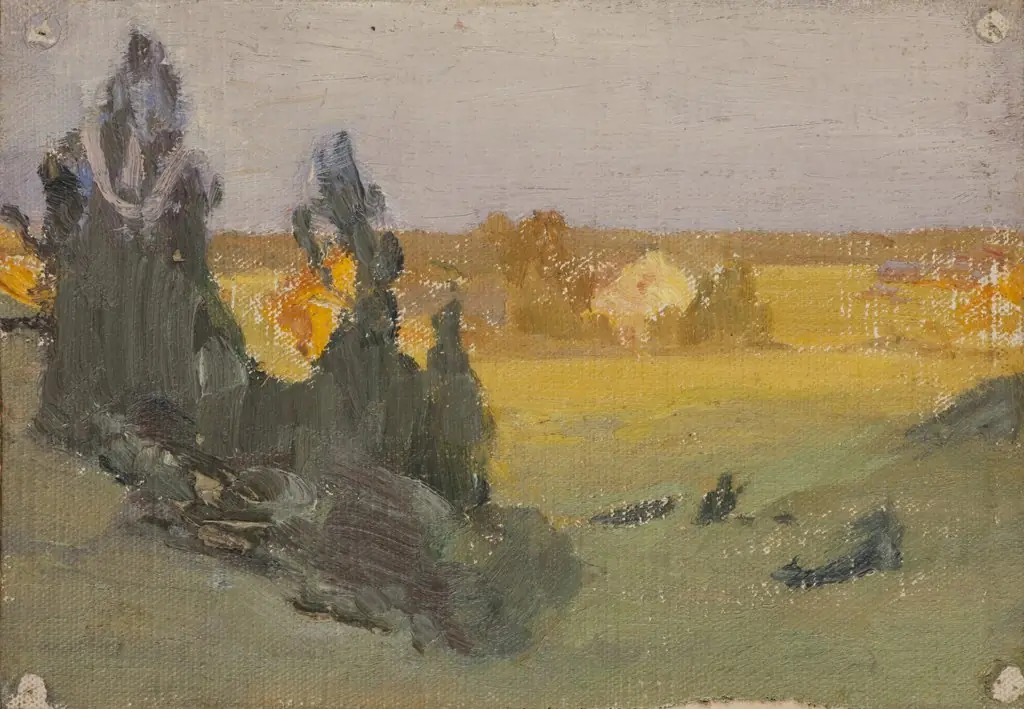
Peisaj de câmp is an unspecified painting by Ștefan Luchian. It is held in the collection of the National Museum of Art of Romania. This landscape painting depicts a rural scene with gently rolling hills, scattered trees, and a hazy distant horizon.
About this work
Overview
This landscape painting depicts a rural scene with gently rolling hills, scattered trees, and a hazy distant horizon. The surface is built up with dense, uneven layers of paint, creating a tactile quality that emphasizes texture over refinement. The palette blends light greens and blues with deeper tones, enhancing the sense of depth without idealizing the terrain.
Subject & Meaning
The subject is an unadorned stretch of countryside, devoid of human figures or architectural elements. Its quiet simplicity suggests an observation of nature rather than a narrative. The raw handling of paint conveys a direct, unmediated response to the land, prioritizing sensory presence over symbolic meaning.
Technique & Style
The artist employs impasto to build thick, irregular strokes that catch light and cast subtle shadows. Paint is applied with visible urgency, leaving ridges and peaks on the canvas. Color transitions are abrupt yet intentional, avoiding blending to preserve the physicality of the medium and the immediacy of the moment.
History & Provenance
The work’s origin is undocumented in available records, but its style aligns with late 19th- to early 20th-century regional practices that favored expressive brushwork over academic precision. It likely emerged from a local artist’s direct engagement with the surrounding countryside, though no exhibition or ownership history is publicly recorded.
Context
This piece reflects a broader trend among artists who turned away from idealized landscapes toward more personal, tactile interpretations of nature. In regions where academic training dominated, such works signaled a shift toward individual perception and material experimentation, often influenced by emerging modernist sensibilities.
Legacy
Though not widely exhibited or reproduced, the painting exemplifies a quiet but persistent strain in regional art that valued texture and emotional resonance over polish. Its approach anticipates later movements that embraced the physicality of paint, influencing local artists who sought authenticity in direct observation and material expression.
Artist & collection
Artist
Ștefan Luchian painted quiet scenes of daily life in late-1800s Romania: sunlit houses, country roads, and a single studio work called Atelierul from 1894.