Artwork
The Billet Doux
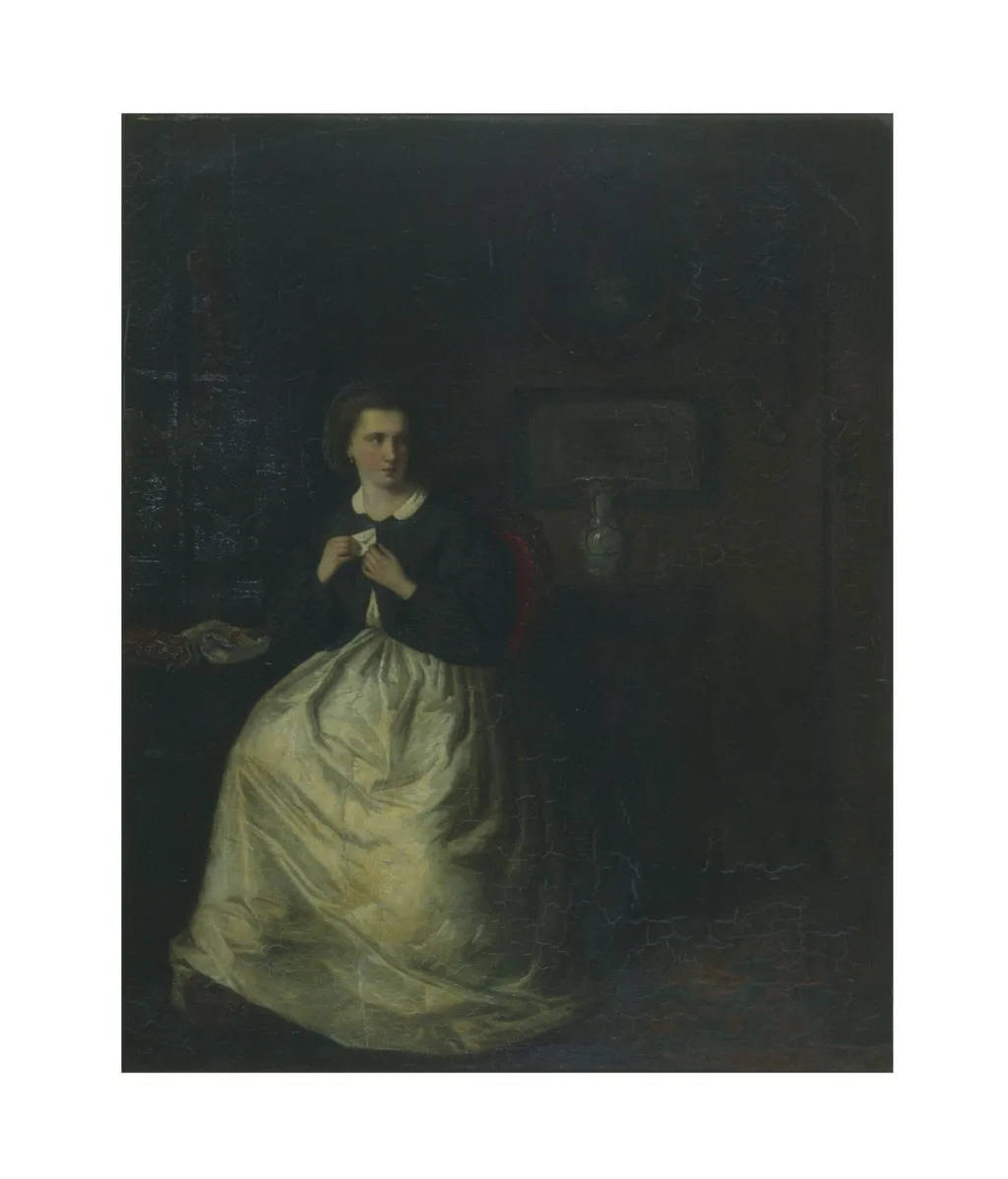
The Billet Doux is an oil painting by the Biedermeier artist Joseph de Groot. It dates from 1867 and is held in the collection of the Victoria and Albert Museum.
About this work
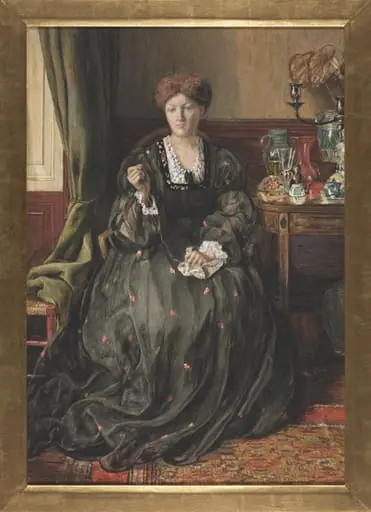
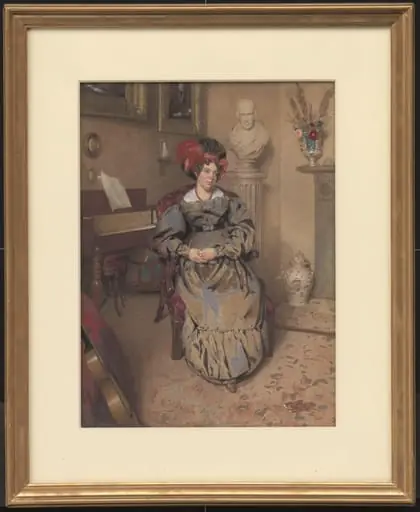
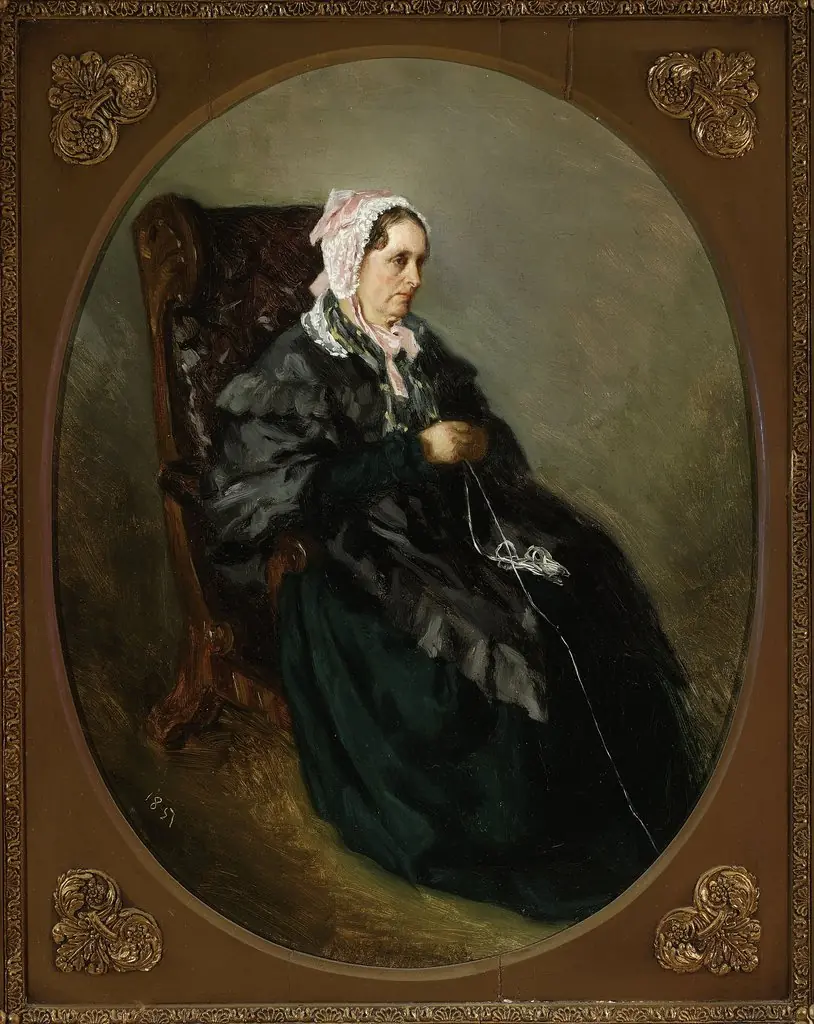
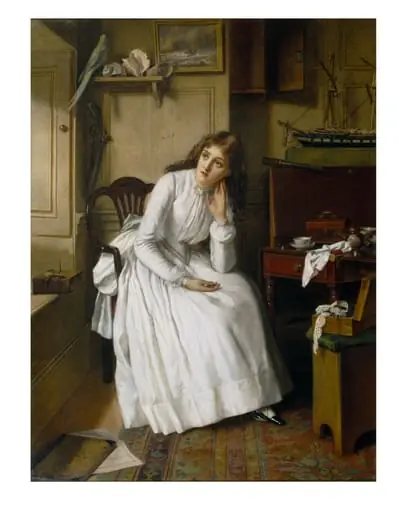
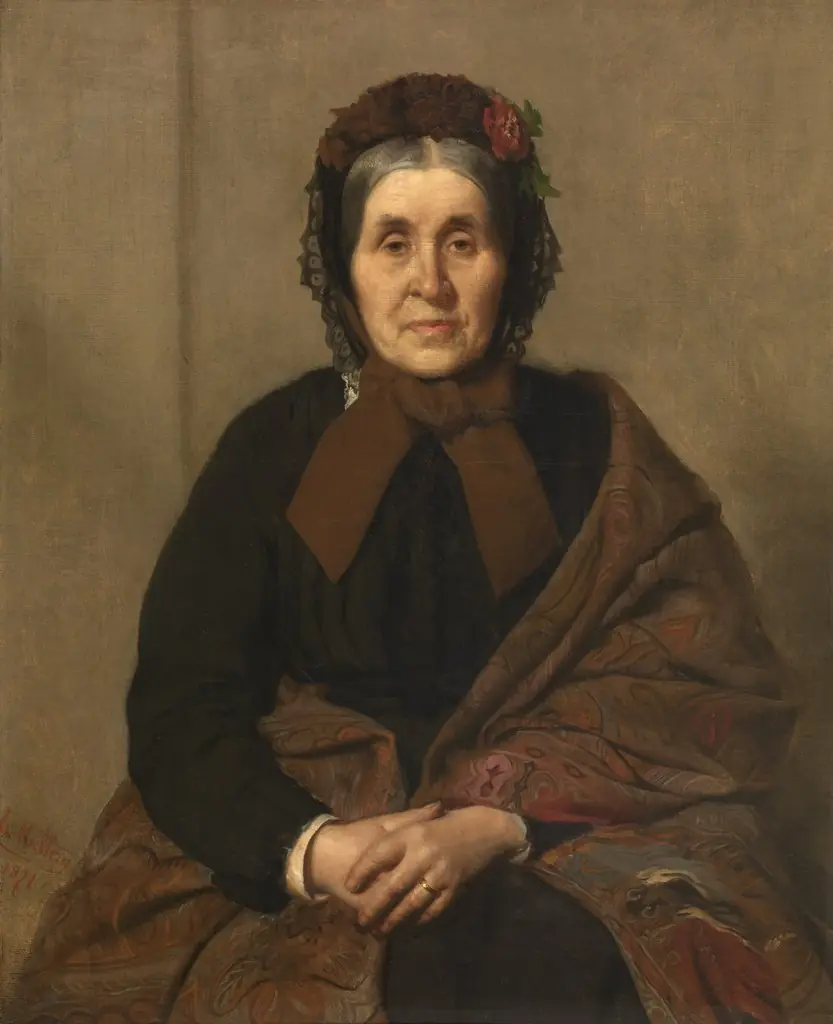
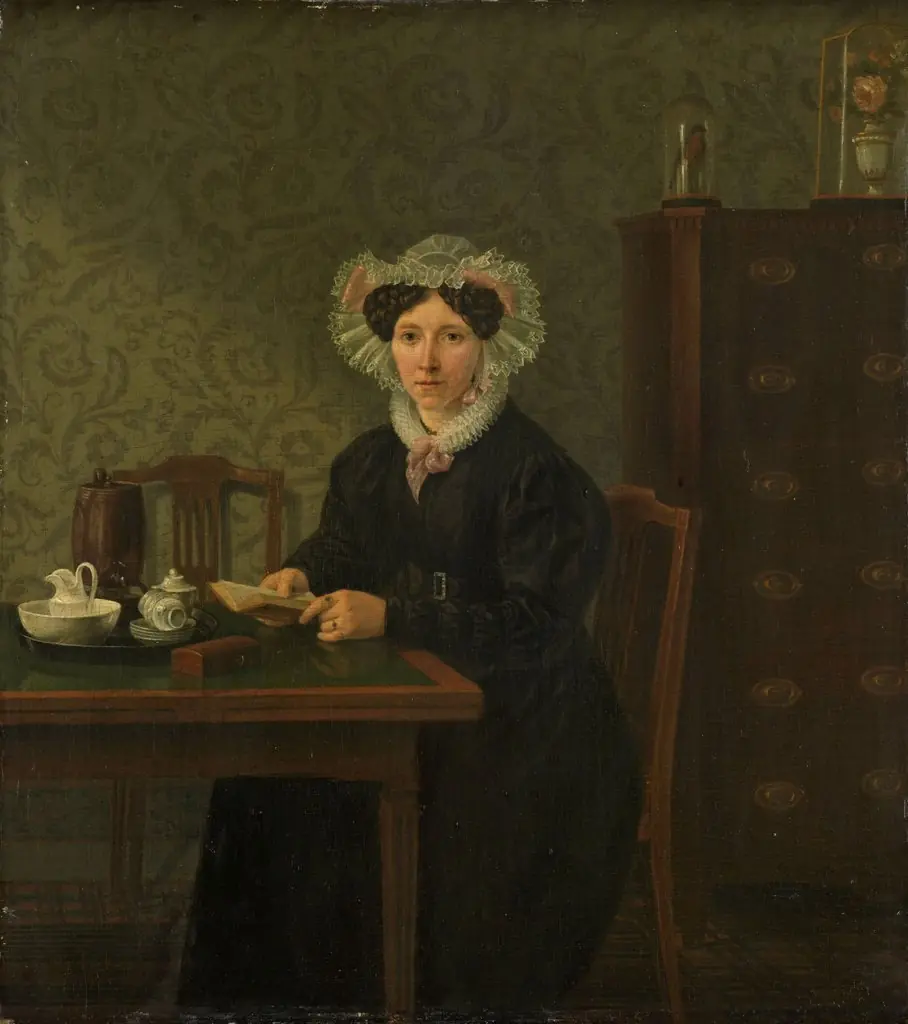
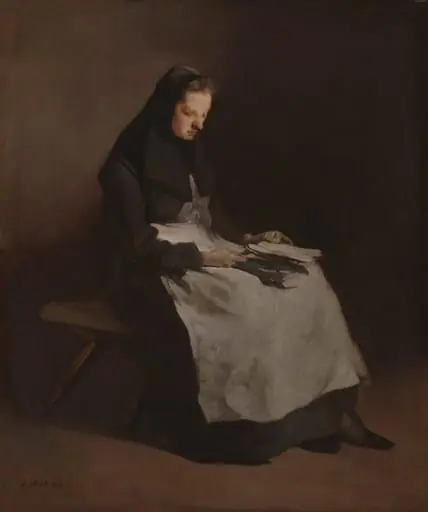
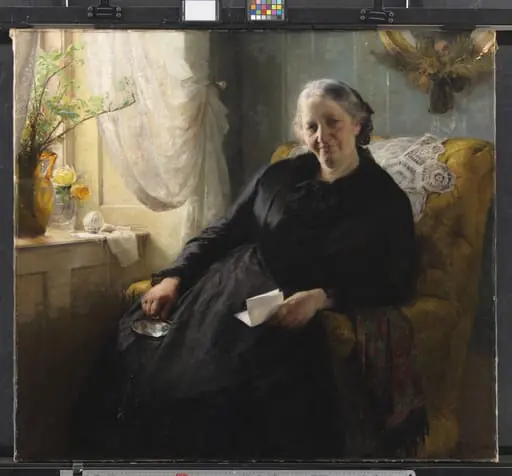
This painting shows a woman in a dark room reading a letter. Her face glows in soft light. A small dog sleeps at her feet.
De Groot copied old Dutch genre scenes but added a quiet modern twist. He painted this before 1867, when Impressionism was just starting.
Look for his work next to paintings by Jozef Israëls at the Victoria and Albert Museum.
Overview
This oil painting, completed before 1867, reflects his focus on quiet, everyday moments, avoiding overt symbolism while drawing on historical visual language.
Joseph de Groot, born in Amsterdam in 1828, trained at the Rijksakademie and became known for intimate domestic scenes echoing 17th-century Dutch genre painting. He was an active member of Arti et Amicitiae, a longstanding Amsterdam artists’ society. This oil painting, completed before 1867, reflects his focus on quiet, everyday moments, avoiding overt symbolism while drawing on historical visual language.
Subject & Meaning
The painting depicts a woman in a dimly lit interior, absorbed in reading a letter, its presence implied by the title. She subtly conceals it beneath her clothing, suggesting private emotion. A small dog rests at her feet, adding stillness to the scene. No allegory or moral lesson is present; the work captures a fleeting, personal moment with restrained dignity.
Technique & Style
De Groot employed soft, directional lighting to illuminate the woman’s face, creating a gentle contrast against the dark interior. His brushwork is precise yet unobtrusive, favoring texture over dramatic effect. The composition mirrors Dutch Golden Age interiors but strips away symbolic objects, emphasizing mood over narrative. The modernity lies in its psychological subtlety, not in stylistic innovation.
History & Provenance
Painted prior to 1867, the work predates the rise of Impressionism and reflects de Groot’s adherence to traditional genre conventions. It was likely created during his early career, when he was refining his signature style. The painting remains within the lineage of Dutch domestic scenes, with no documented public exhibition history prior to its inclusion in institutional collections.
Context
De Groot worked alongside contemporaries like Jozef Israëls, who similarly explored domestic life with emotional nuance. While his imagery recalls 17th-century predecessors, his approach was contemporary in its avoidance of moralizing. His work emerged in a period when Dutch artists were re-engaging with national artistic heritage, seeking authenticity in ordinary life rather than historical grandeur.
Legacy
De Groot’s paintings, including this one, contributed to a late 19th-century revival of Dutch genre traditions. Though not radical in technique, his focus on quiet intimacy influenced later artists interested in psychological realism. His works are occasionally displayed alongside those of his peers at institutions such as the Victoria and Albert Museum, where they serve as quiet counterpoints to more dramatic contemporary styles.
Own this work as a print
Artist & collection
Artist
Joseph de Groot painted quiet, intimate scenes of daily life before the 1800s, with soft light and careful detail.