Artwork
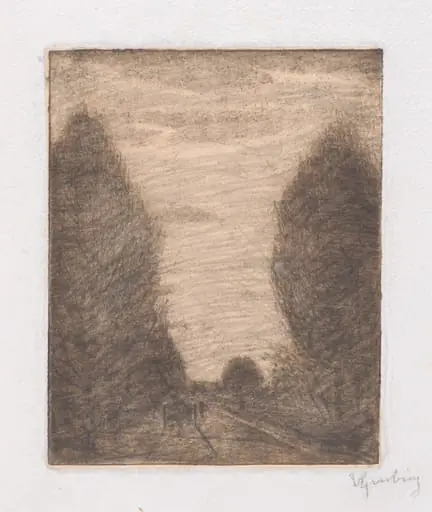
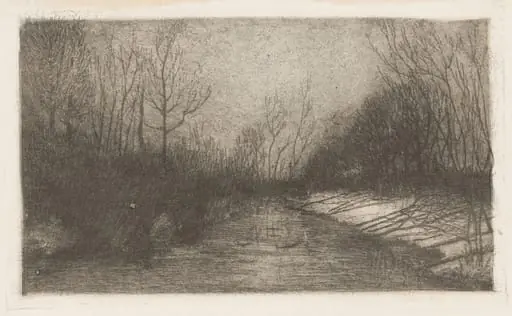
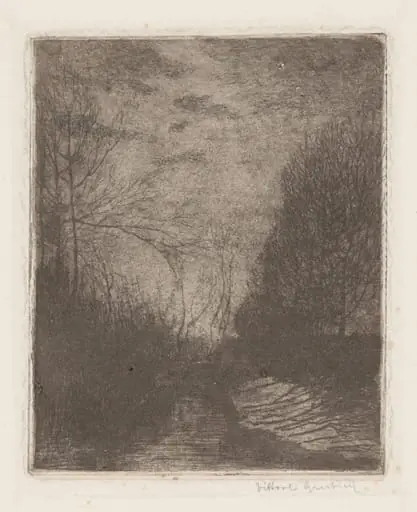
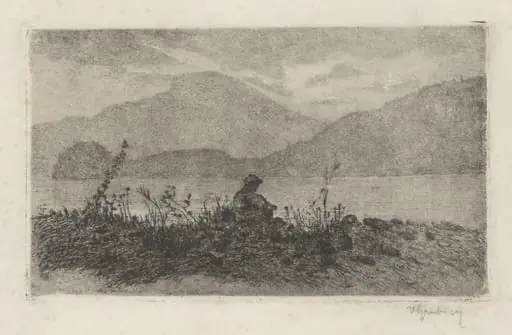
Antwerp: Sunset [Anversa: Tramonto]
![Antwerp: Sunset [Anversa: Tramonto], by Vittore Grubicy, graphite, 1894](https://artifactworldgallery.com/img/vittore-grubicy--antwerp-sunset-anversa-tramonto--1a80a00e4543adeb-w1024.webp)
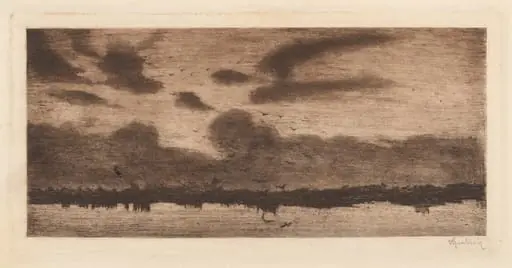
Antwerp: Sunset [Anversa: Tramonto] is a graphite print by the Impressionist artist Vittore Grubicy. It dates from 1894 and is held in the collection of the National Gallery of Art.
About this work
Overview
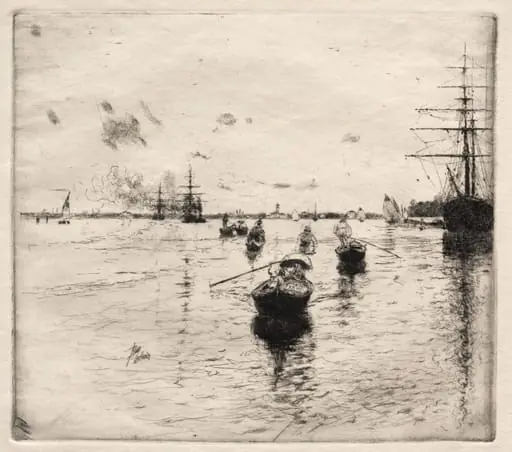
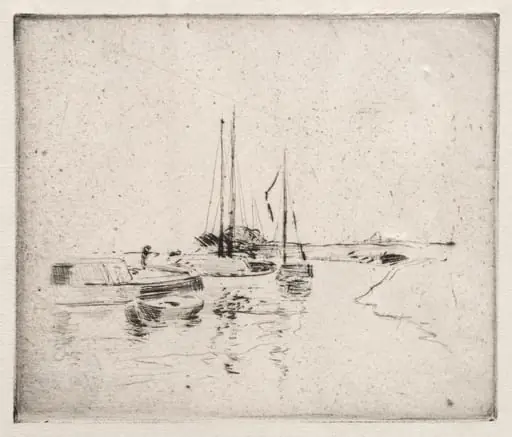
The work captures a quiet moment in Antwerp’s harbor at twilight, blending printmaking methods to evoke a sense of stillness and transience.
Created in 1894 by Vittore Grubicy, this print combines aquatint, softground etching, and monotype techniques on chine collé paper. Subtle touches of graphite and blue pencil enhance the atmospheric tone. The work captures a quiet moment in Antwerp’s harbor at twilight, blending printmaking methods to evoke a sense of stillness and transience. Its delicate layering reflects Grubicy’s interest in merging technical precision with poetic mood.
Subject & Meaning
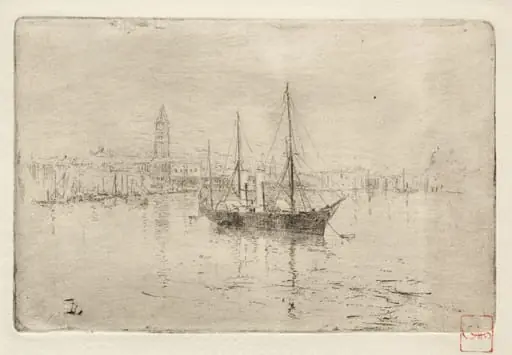
The scene depicts a calm evening harbor with three stationary vessels: two small rowboats near the bank and a larger sailboat with a tall mast. The dark, blurred shoreline and wispy clouds suggest the fading light of dusk. The absence of human figures and motion emphasizes solitude and quietude. The image conveys a contemplative mood, evoking the passage of time and the quiet rhythm of port life at day’s end.
Technique & Style
Grubicy employed aquatint for soft tonal gradations and softground etching to capture delicate textures. Monotype inking introduced unpredictable ink effects, while graphite and blue pencil added fine, hand-drawn accents. The chine collé support allowed for thinner, more responsive paper, enhancing the ethereal quality. Water is rendered with faint, irregular lines that suggest subtle reflections, avoiding sharp definition to preserve the hazy, dreamlike atmosphere.
History & Provenance
This work is one of several prints Grubicy produced during his time in northern Europe, where he explored urban and maritime landscapes. As a key figure in the Italian Divisionist movement, he often experimented with printmaking to extend his painterly concerns into graphic form. The piece likely circulated among collectors and artists familiar with his innovative approach, though its early ownership records remain limited.
Context
In the 1890s, Grubicy was part of a broader European shift toward intimate, mood-driven landscapes, influenced by Impressionism and Symbolism. While his contemporaries painted en plein air, he translated these observations into prints, favoring subtlety over boldness. This work aligns with his interest in capturing fleeting moments of light and stillness, reflecting a quiet rebellion against academic grandeur in favor of personal, sensory experience.
Legacy
Grubicy’s prints, including this one, helped redefine printmaking as a medium for lyrical expression rather than mere reproduction. His fusion of techniques influenced later Italian graphic artists seeking to merge painting’s emotional depth with print’s tactile qualities. Though less widely known than his paintings, this work remains a quiet testament to his innovative approach to capturing atmosphere through layered, hand-altered processes.
Artist & collection