Artwork
Snowy Mountains
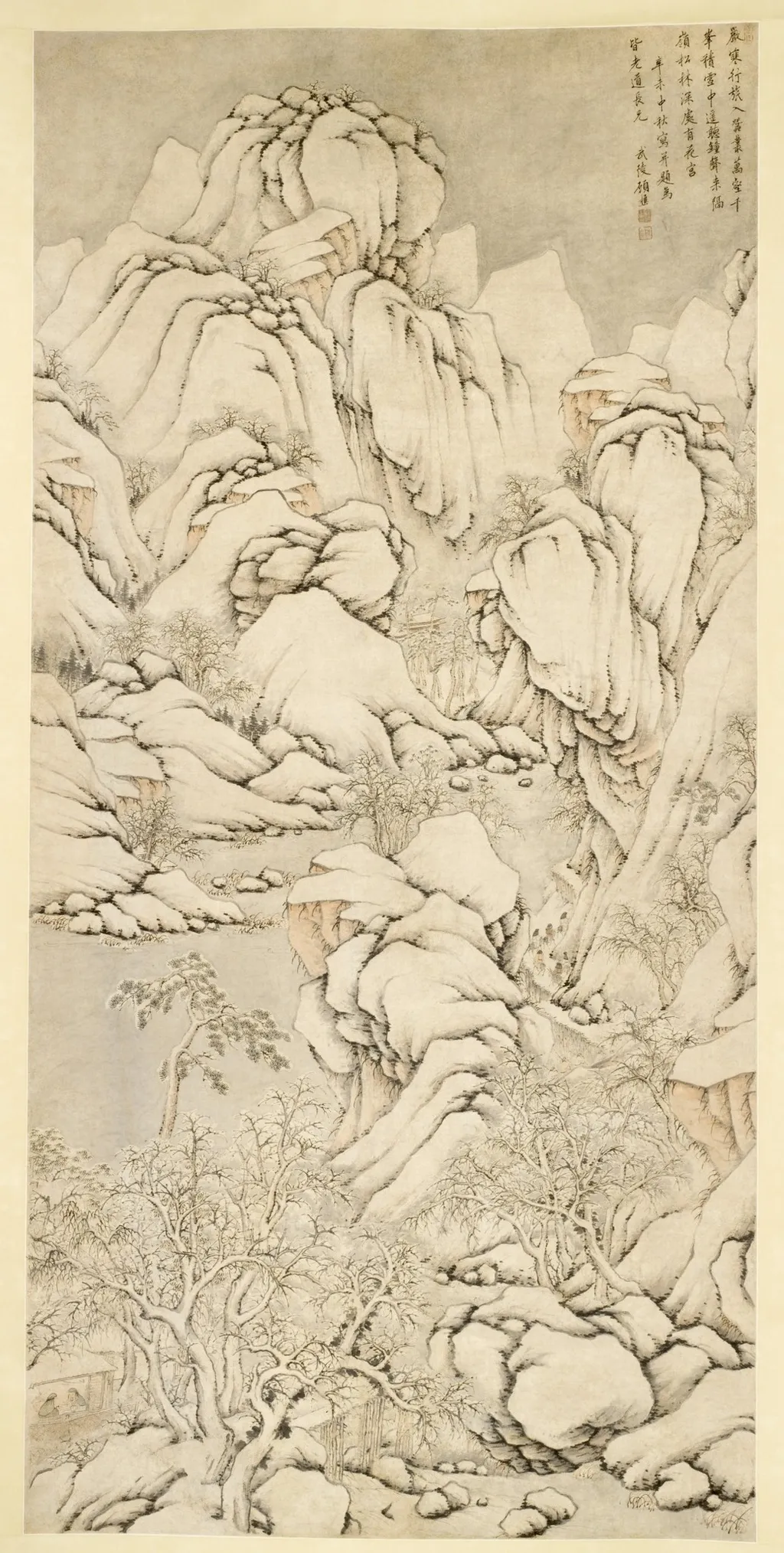
Snowy Mountains is an unspecified painting by Gu Qiao. It dates from 1696 and is held in the collection of the Los Angeles County Museum of Art.
About this work
Overview
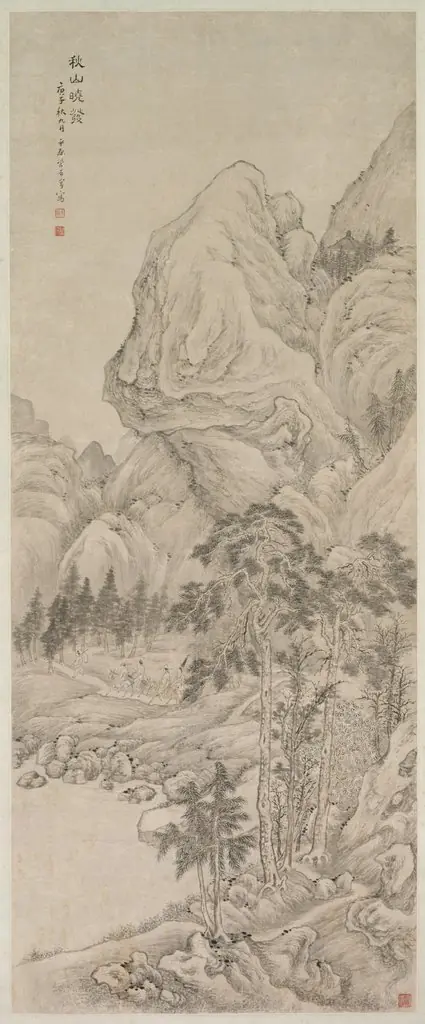
The composition presents a winter scene with distant peaks and foreground trees, rendered with restrained tonality and subtle brushwork.
Painted in 1696 by Gu Qiao, Snowy Mountains is a landscape work executed in ink and light color on paper. It resides in the collection of the Los Angeles County Museum of Art. The composition presents a winter scene with distant peaks and foreground trees, rendered with restrained tonality and subtle brushwork. The painting reflects the literati tradition of Chinese ink painting, emphasizing atmosphere over detailed representation.
Subject & Meaning
The painting portrays a quiet, snow-laden mountain range under a hazy sky, with bare trees standing in the foreground. These elements evoke solitude and the passage of time, common themes in Chinese scholarly painting. The absence of human figures and the stillness of the scene invite reflection, aligning with Daoist and Confucian ideals of harmony with nature and inner calm.
Technique & Style
Gu Qiao employed fine, controlled brushstrokes to outline the skeletal branches of trees, contrasting with soft, diluted ink washes that suggest snow and mist. The muted palette relies on grayscale tones, with minimal color accents. This technique, rooted in Song and Yuan dynasty traditions, prioritizes expressive economy, where suggestion replaces description, and space becomes an active element of the composition.
History & Provenance
Created during the early Qing dynasty, the painting reflects the continued influence of Ming literati aesthetics despite political change. Its journey to the Los Angeles County Museum of Art is not fully documented, but it entered the museum’s collection through established acquisitions of East Asian art in the 20th century, likely from a private or institutional source in North America or Europe.
Context
Gu Qiao worked within a tradition of scholar-artists who valued personal expression over courtly decoration. His work emerged during a period when many literati retreated from public service, turning to painting as a form of spiritual retreat. Snowy Mountains aligns with this trend, embodying the ideal of the recluse immersed in nature, a theme recurrent in poetry and painting of the era.
Legacy
Though not widely known outside specialist circles, Gu Qiao’s work contributes to the broader understanding of late 17th-century Chinese ink painting. Snowy Mountains exemplifies the enduring appeal of minimalist landscape aesthetics, influencing later collectors and scholars who sought to preserve the quiet, introspective qualities of literati art beyond the imperial court.
Artist & collection
Artist
Gu Qiao painted delicate ink landscapes of China’s winter peaks. One scroll, Snowy Mountains, traces jagged ridges caught in a blizzard, ink pooling like fresh snow. His brushwork stays quiet, trusting ink’s depth over…

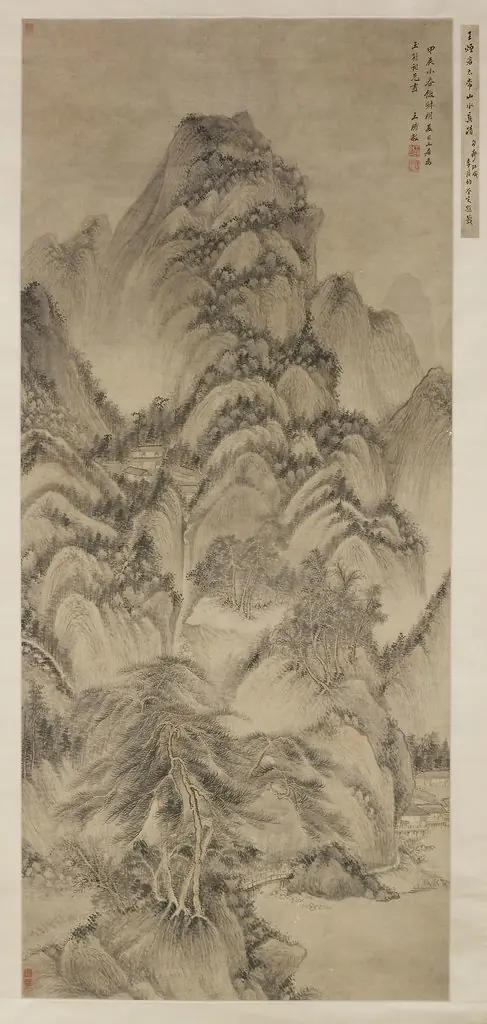 Landscape after Wang Meng
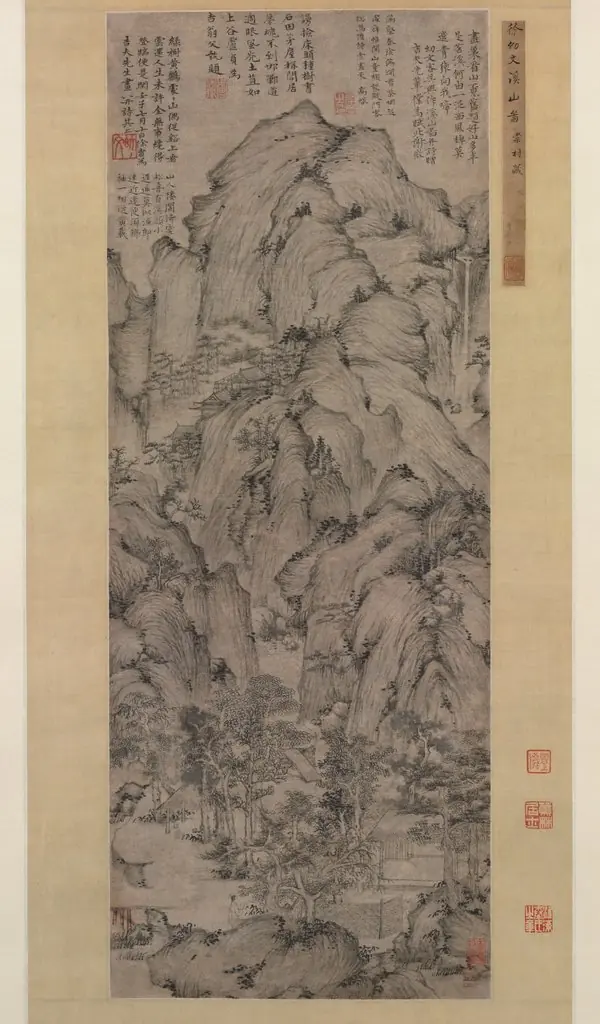 Streams and Mountains
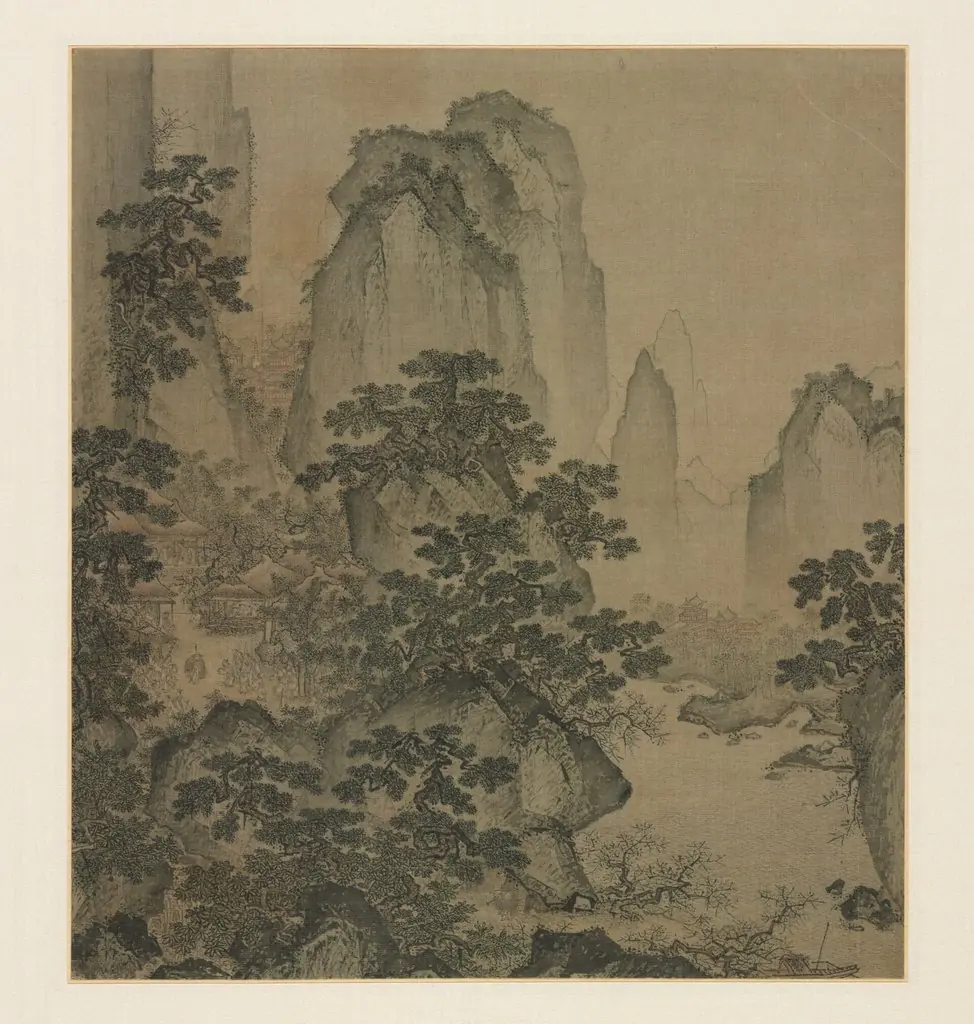 The Haven of the Peach-Blossom Spring
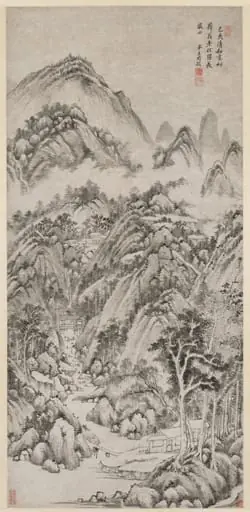 Mountain Village Embraced by the Summer
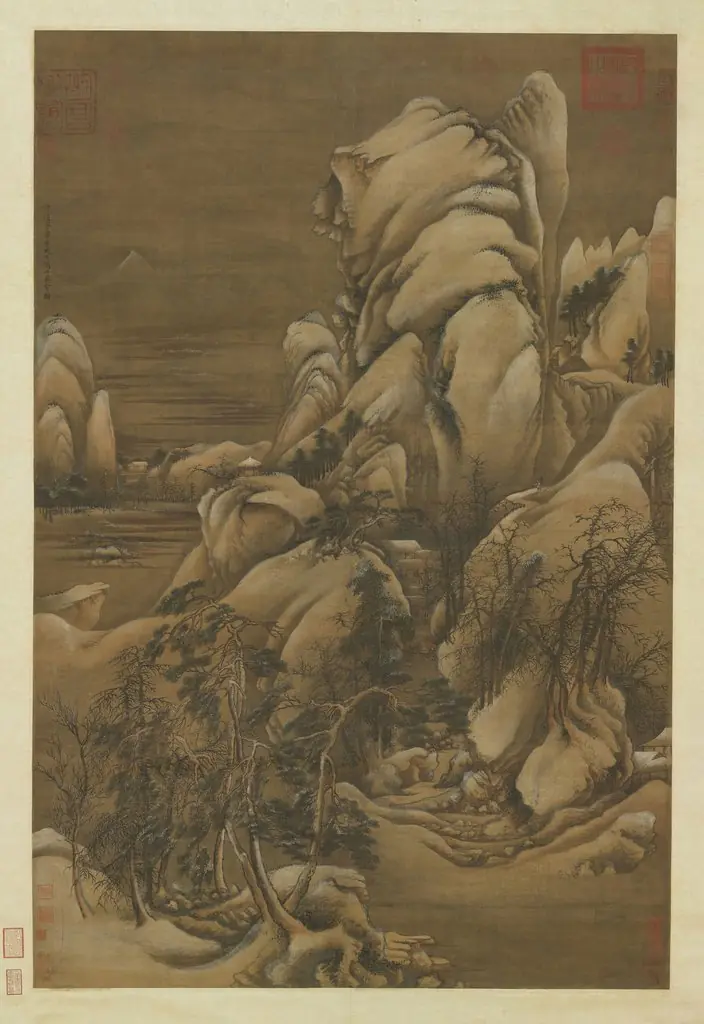 Heavy Snow on a Mountain Pass
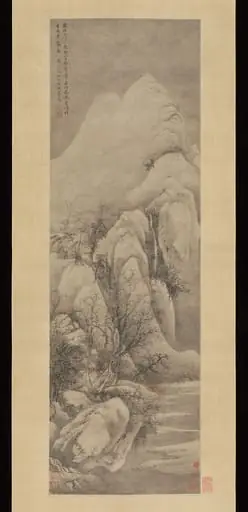 清 王翬 倣李成雪霽圖 軸|Snow Clearing: Landscape after Li Cheng
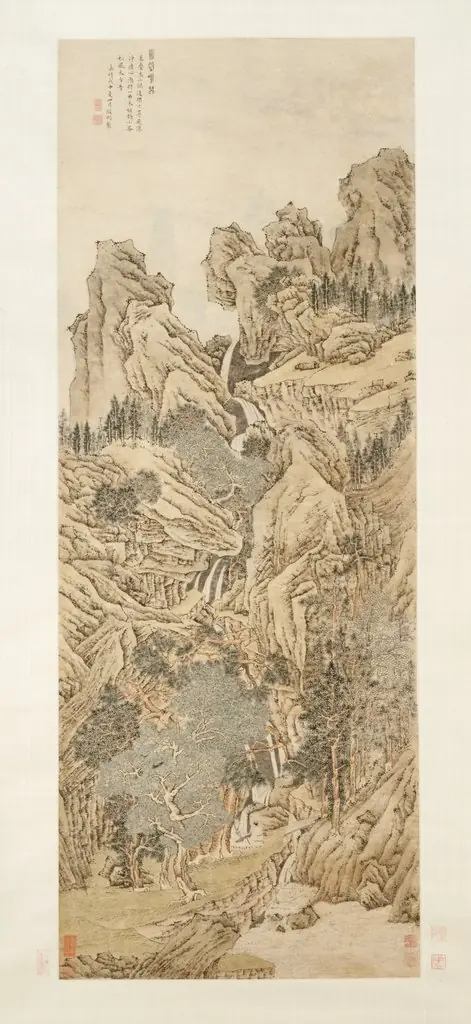 Playing the Qin in a Secluded Valley
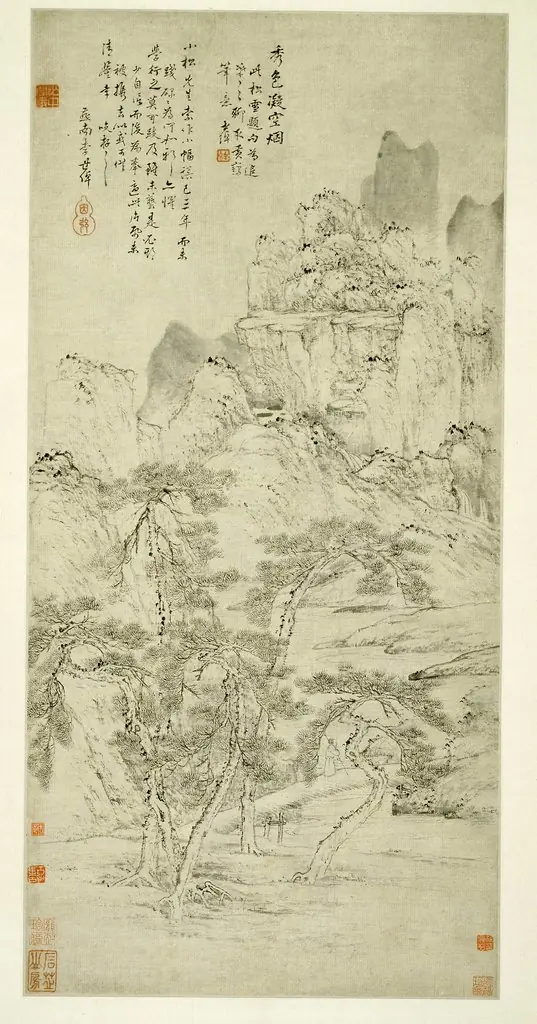 Landscape: Beautiful Scenery Frozen in Mist
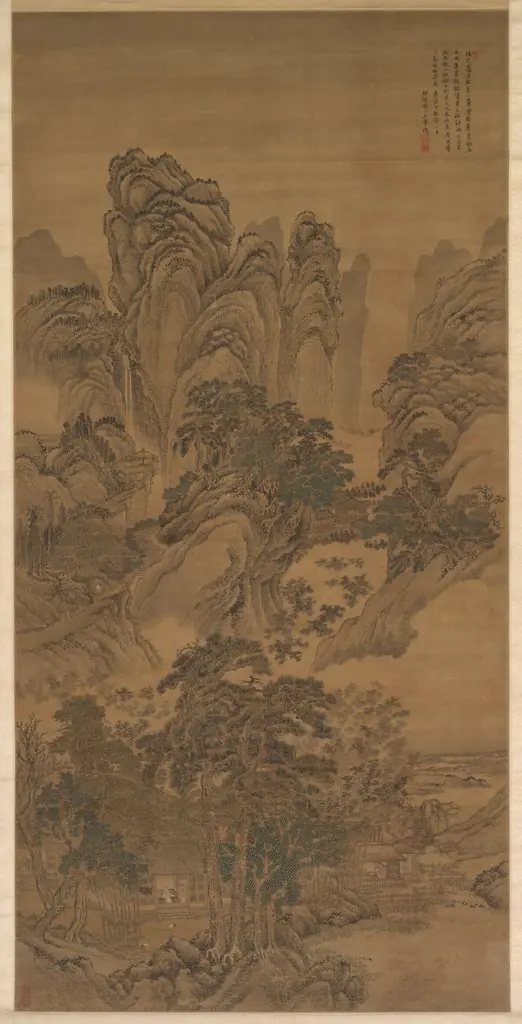 Landscape
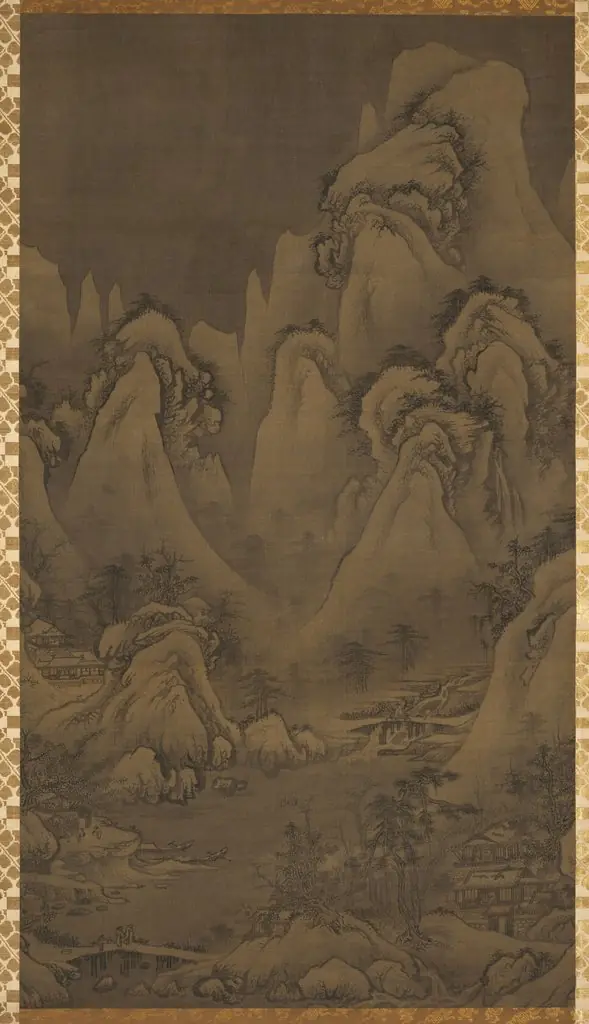 Winter Landscape
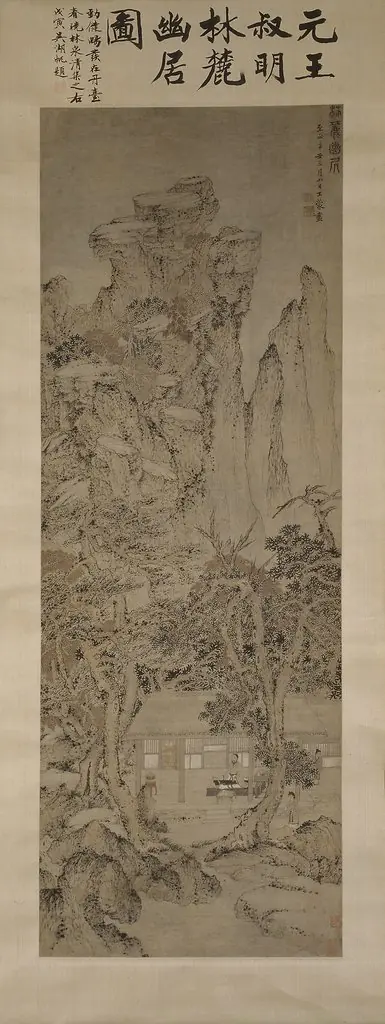 Quiet Life in a Wooded Glen
 Landscape