Artwork
Essai de bois gravé
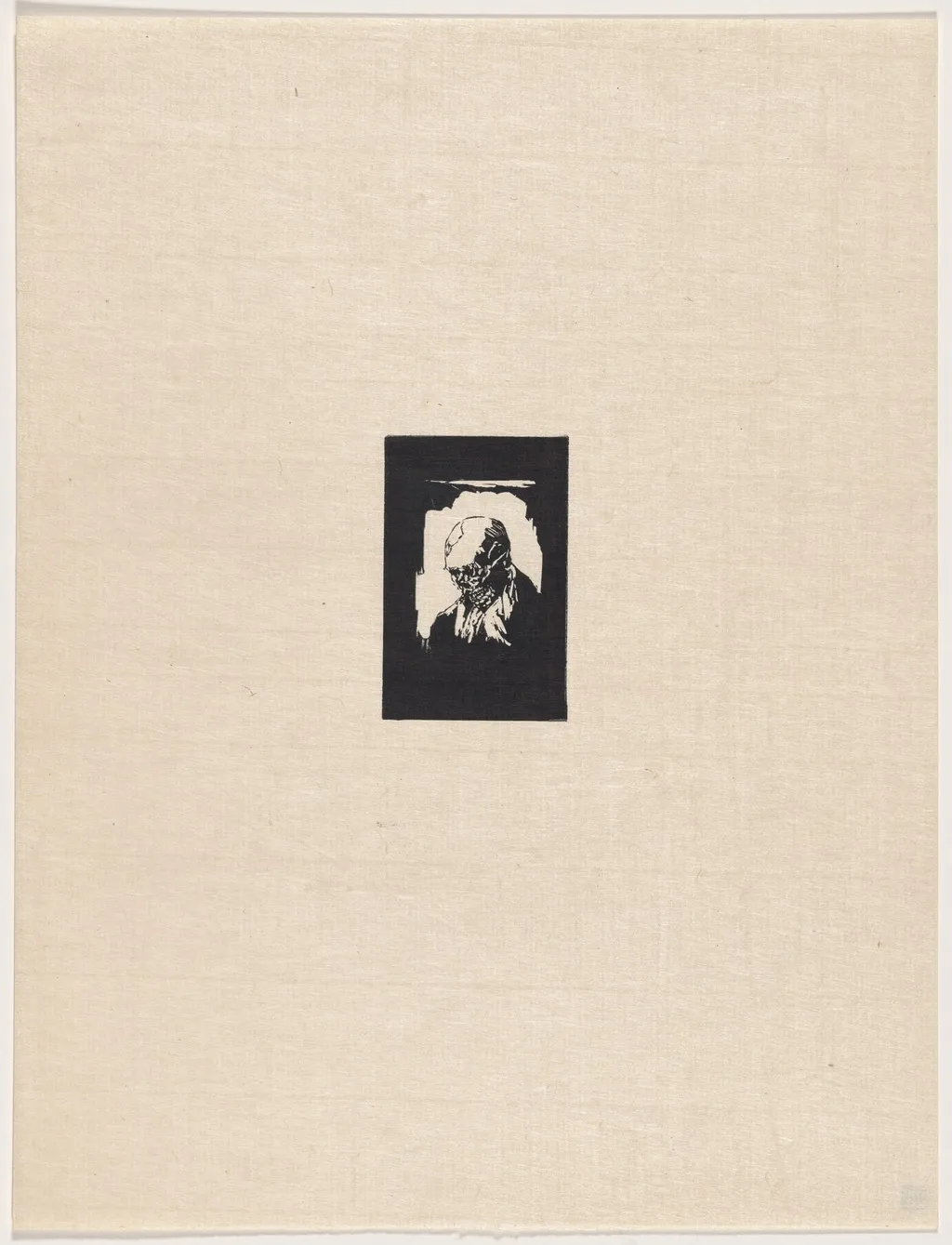
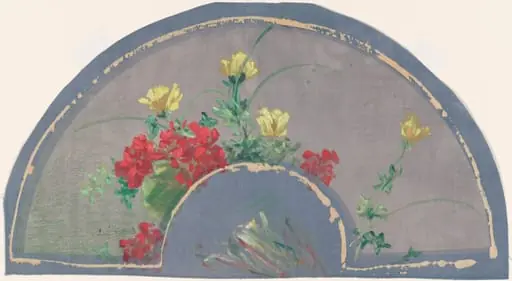
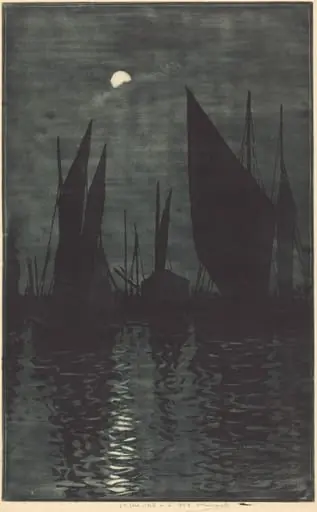
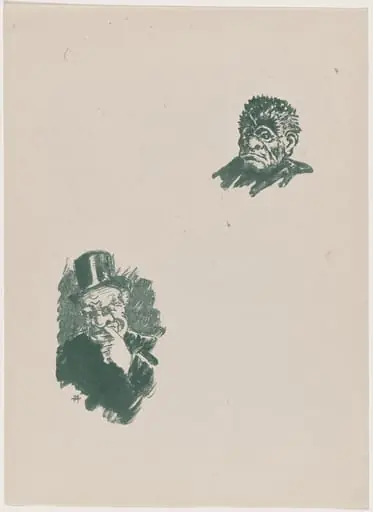
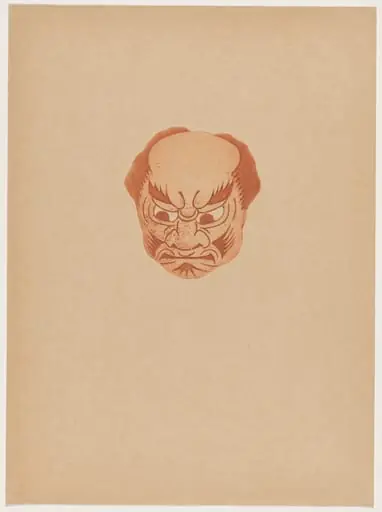
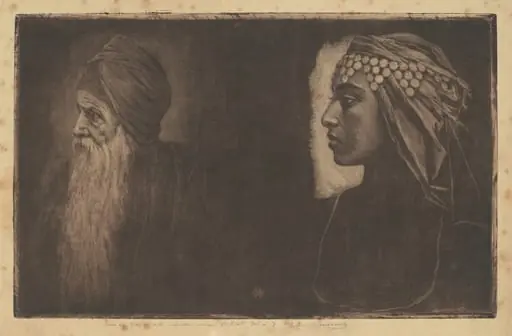
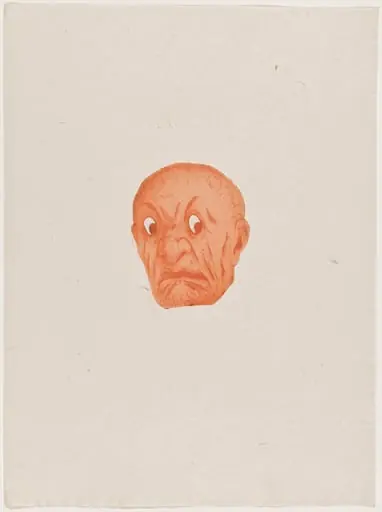
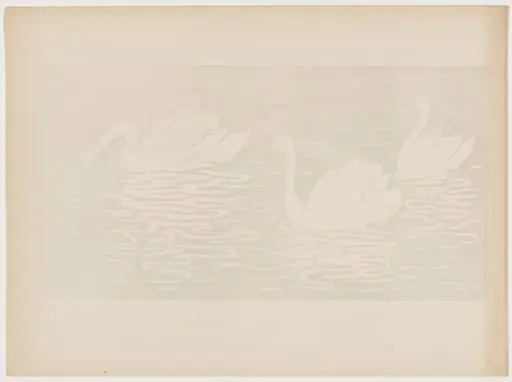
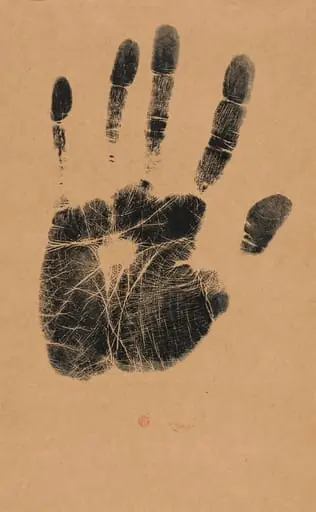
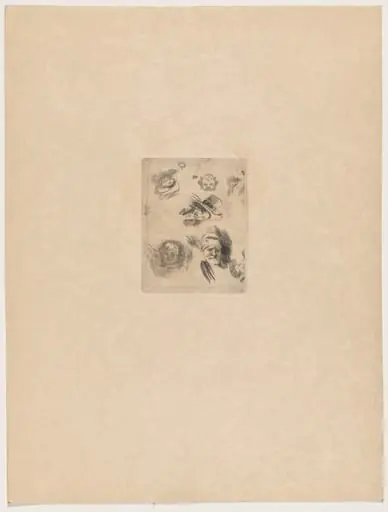
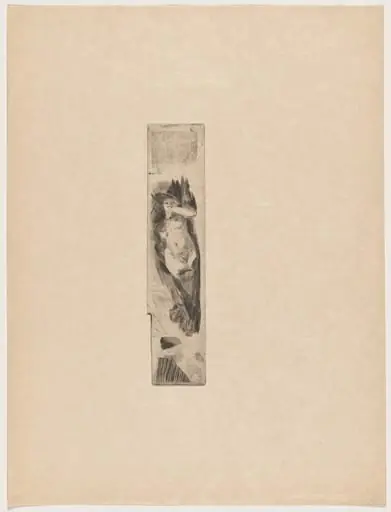
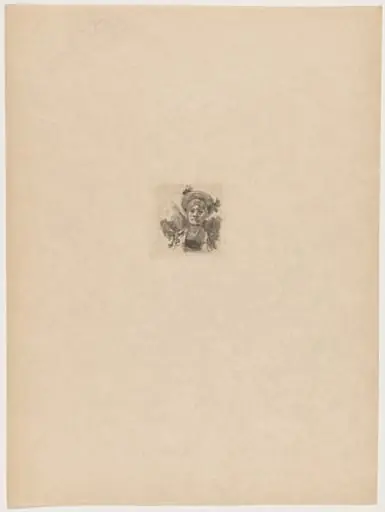
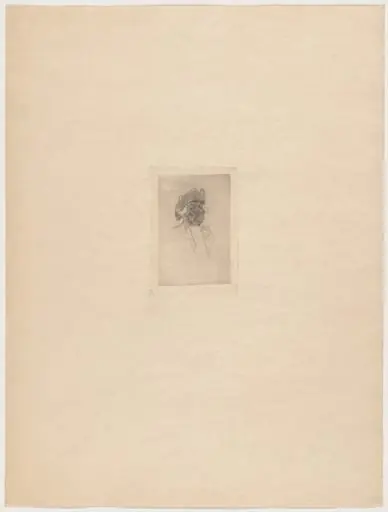
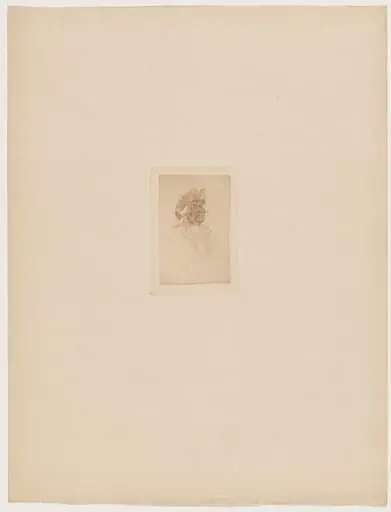
Essai de bois gravé is an ink print by the Impressionist artist Henri-Charles Guérard. It dates from 1895 and is held in the collection of the National Gallery of Art.
About this work
Overview
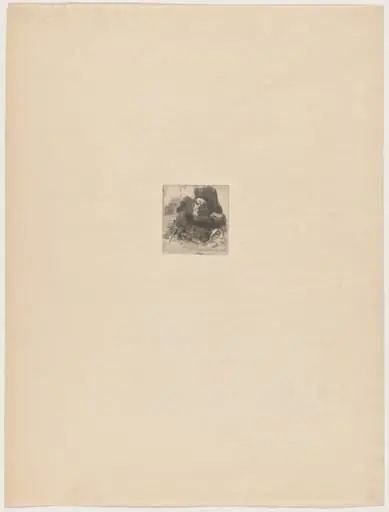
Essai de bois gravé is a wood engraving on thin japan paper, created by Henri-Charles Guérard in 1895. The piece showcases the artist's exploration of printmaking techniques alongside his primary practice as a painter.
Subject & Meaning
The engraving depicts a figure seated at a table, engaged with a piece of paper, set against a predominantly dark background with a subtle hint of illumination above. The subject's face is obscured, focusing attention on the activity rather than the individual.
Technique & Style
Guérard utilized wood engraving to achieve sharp, clean lines, characteristic of the medium. The use of black ink on thin japan paper enhances the overall clarity and depth of the image.
History & Provenance
Created in 1895, Essai de bois gravé exemplifies Guérard's experimentation with print media during a period of innovative printmaking in Paris. The artist's background in etching and lithography informs his approach to wood engraving.
Context
This work is situated within the late 19th-century Parisian printmaking revival, where artists like Guérard explored novel techniques and materials, contributing to the era's rich print culture.
Legacy
While specific legacy details of Essai de bois gravé are not provided, it reflects Guérard's contributions to the broader experimentation in late 19th-century French printmaking, influencing subsequent generations of artists.
Artist & collection
Artist
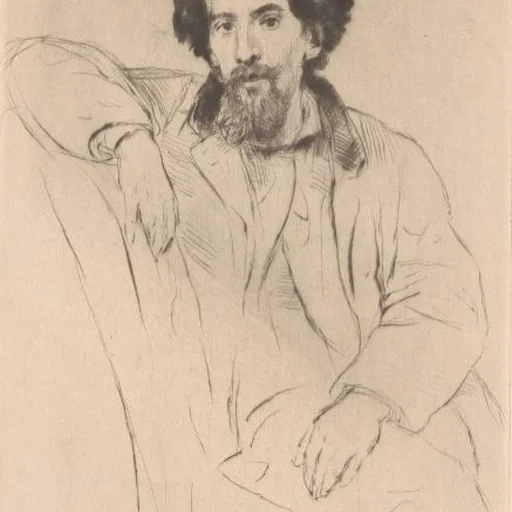
Henri Charles Guérard (26 April 1846, Paris - 24 March 1897, Paris) was a French painter and printmaker, particularly in etching and lithography.