Artwork
Naisen pää
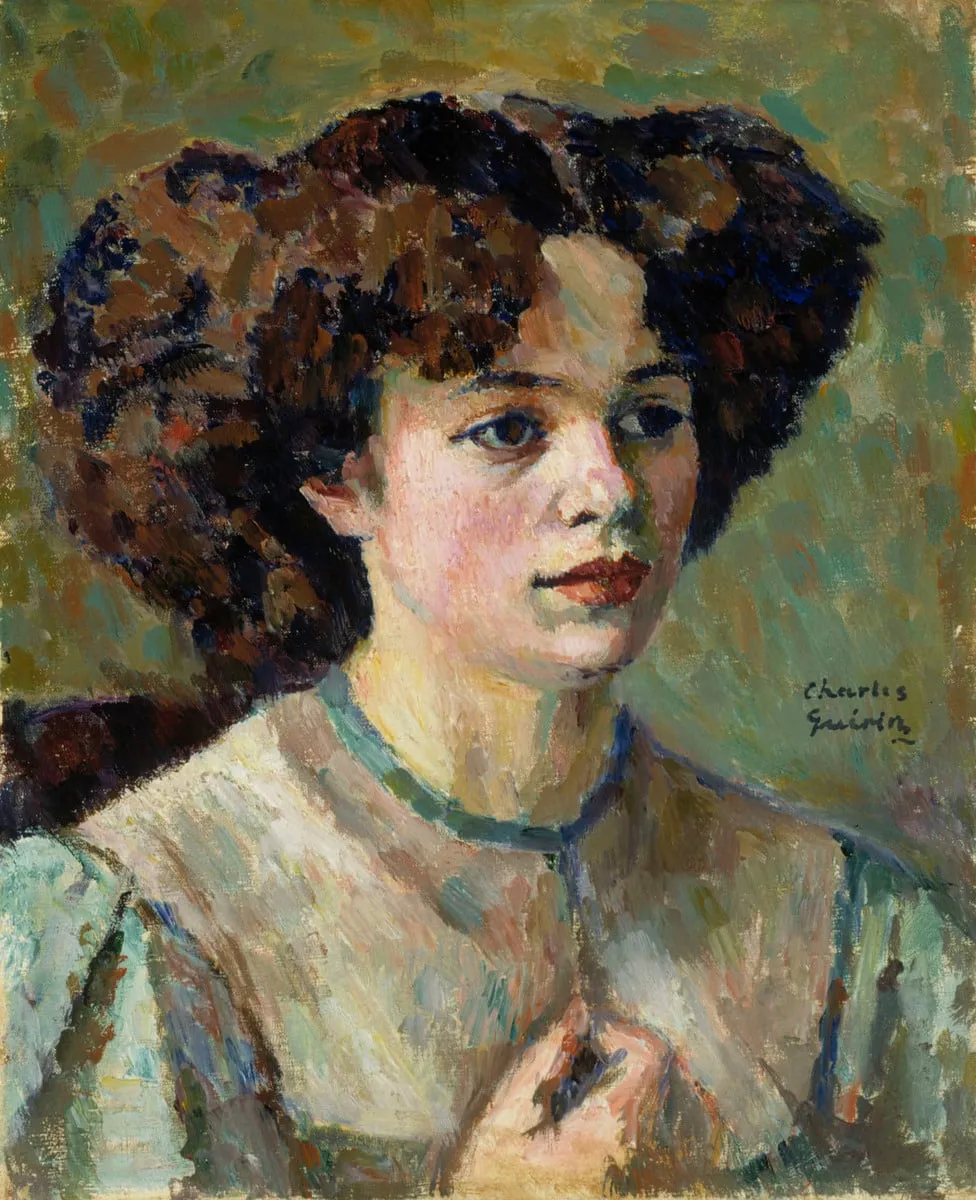
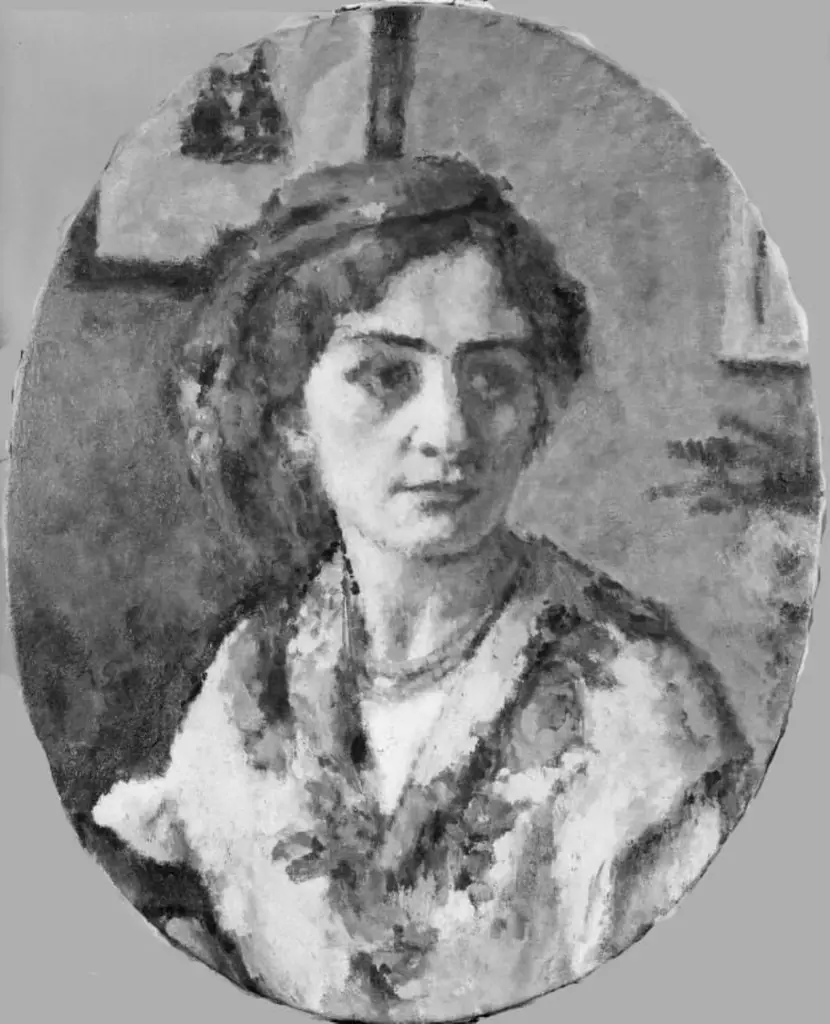
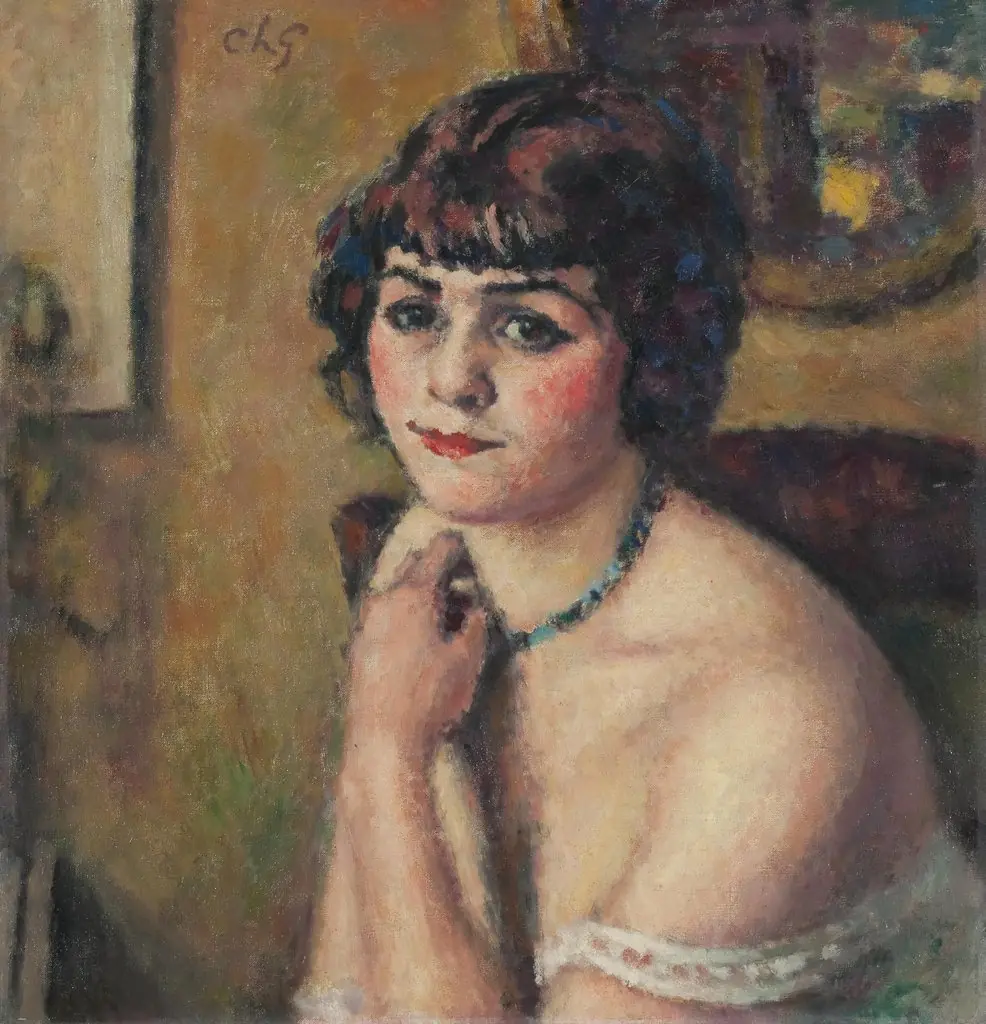
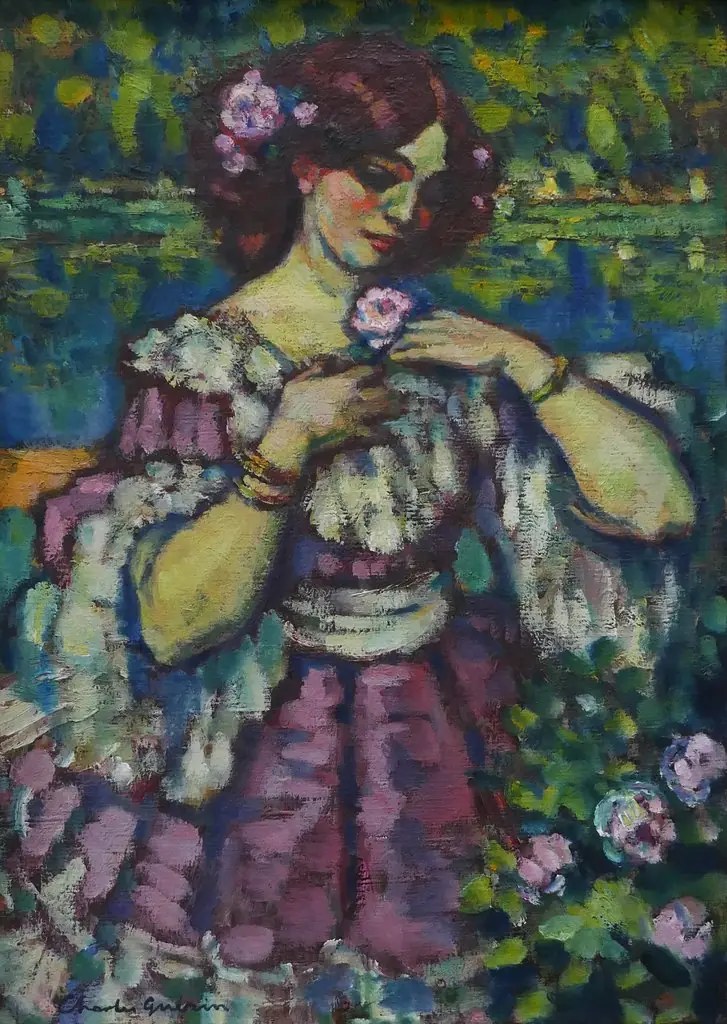
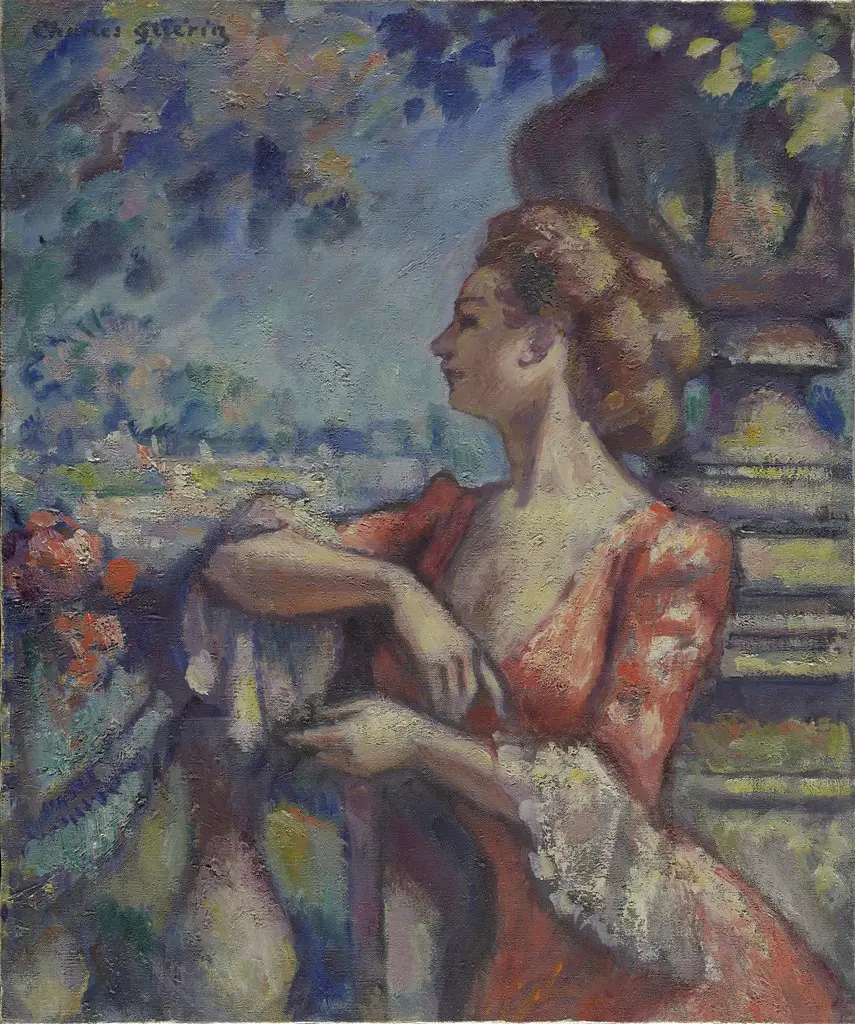
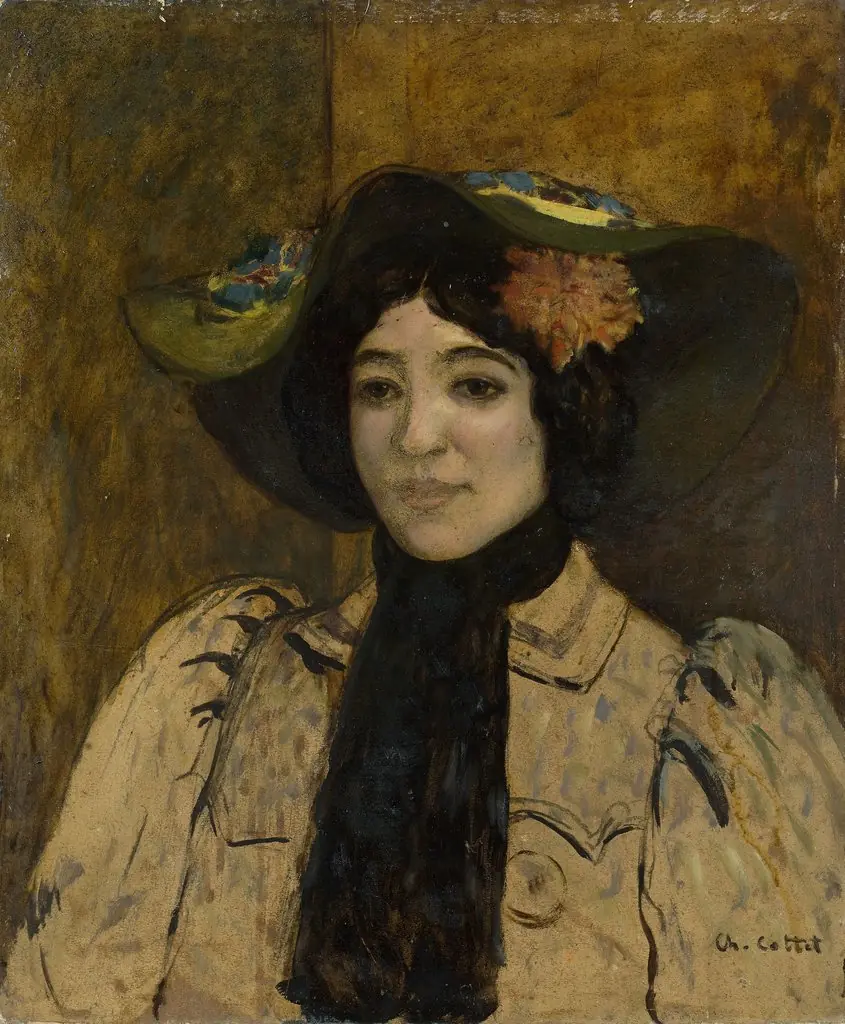
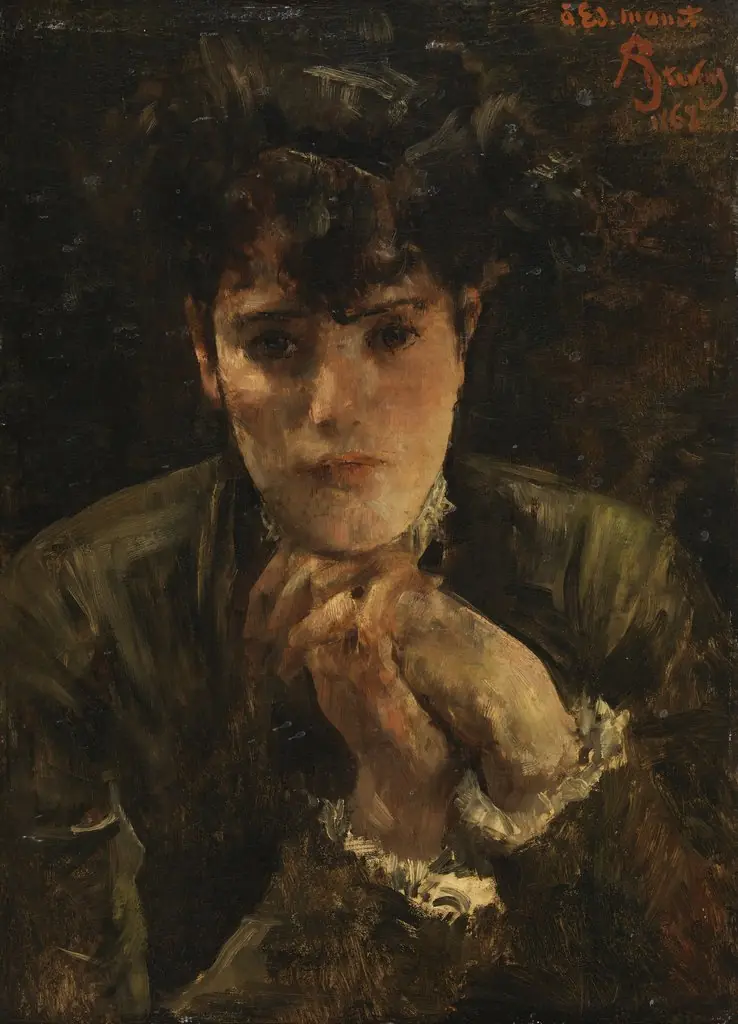
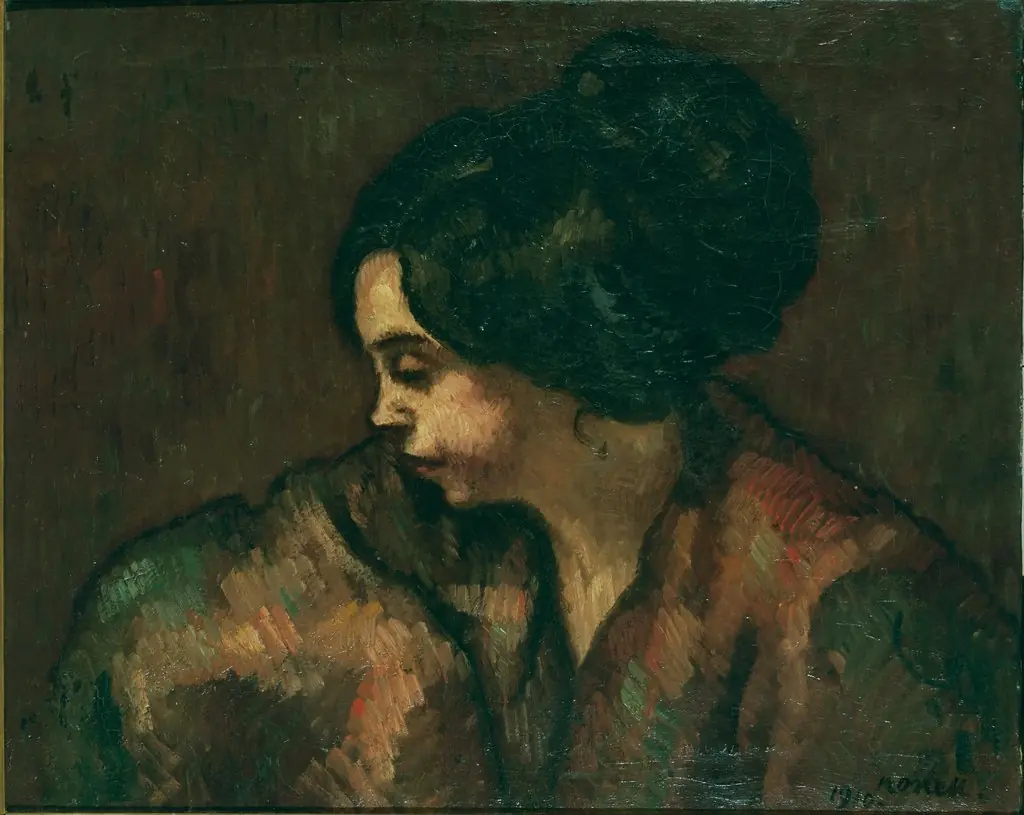
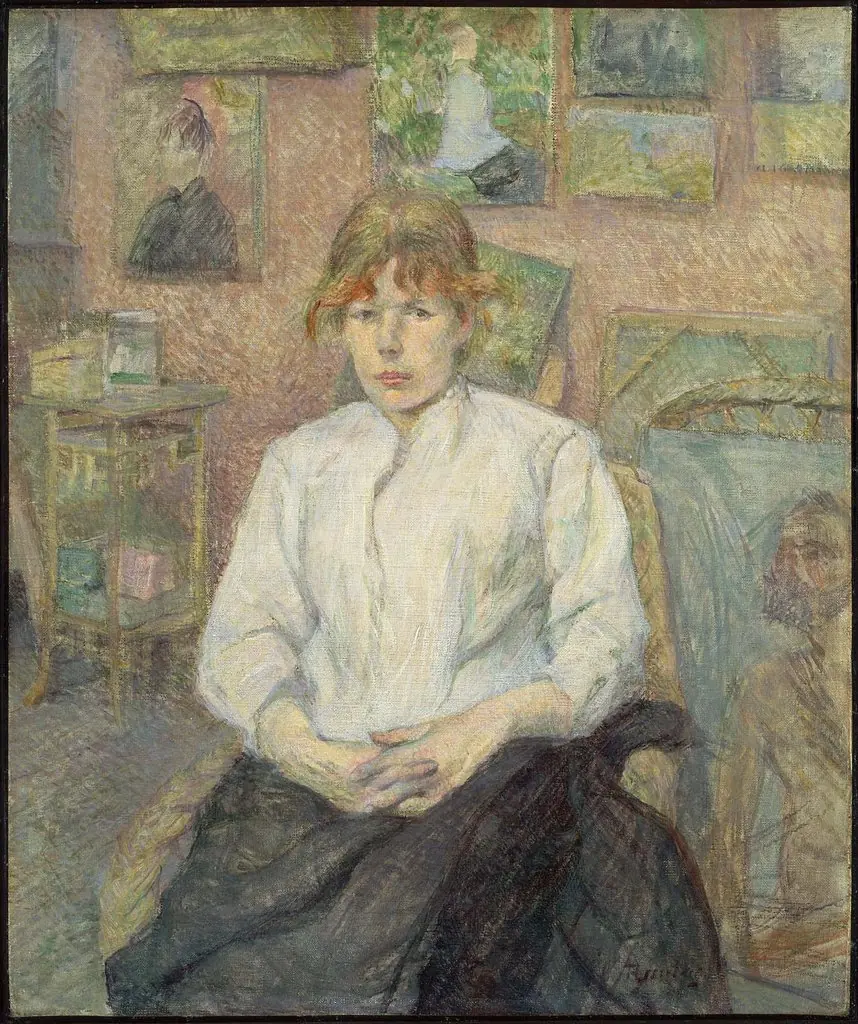
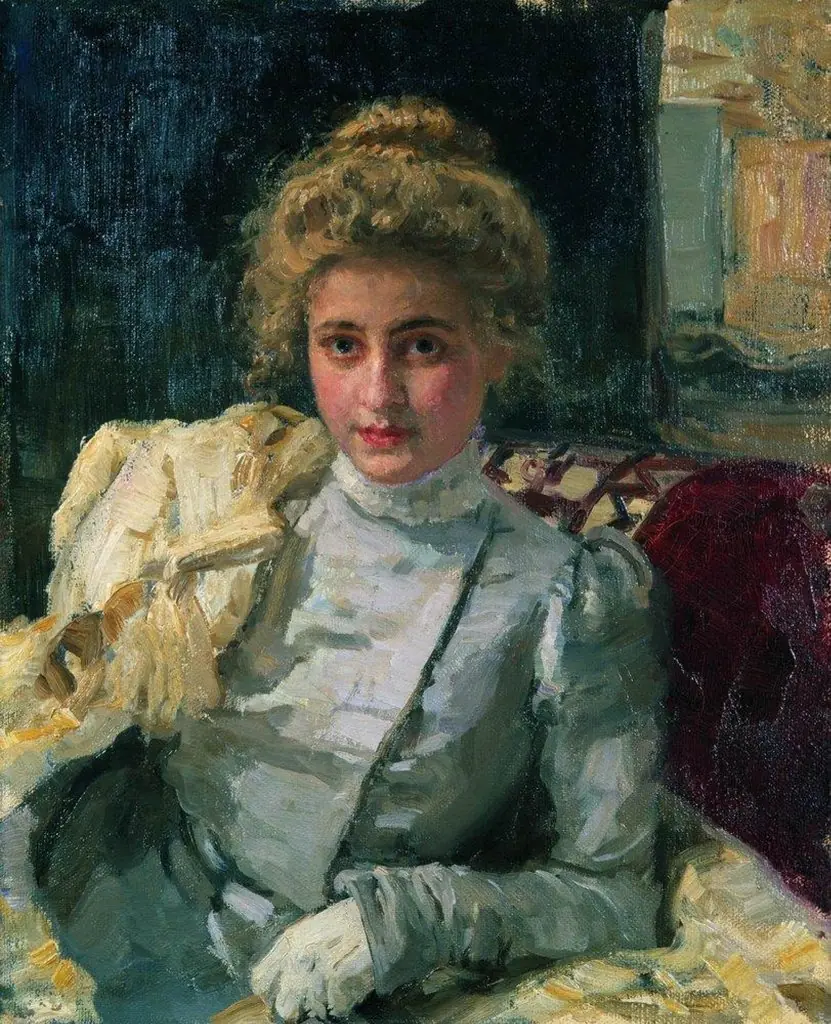
Naisen pää is an unspecified painting by Charles-François-Prosper Guérin. It is held in the collection of the Finnish National Gallery. This portrait depicts a woman wearing a large, tilted brown hat and a light dress with a dark collar.
About this work
Overview
The painting is executed with thick, expressive brushstrokes, particularly in the hair and background, where greens and earth tones blend dynamically.
This portrait depicts a woman wearing a large, tilted brown hat and a light dress with a dark collar. Her hands rest near her chin, creating a quiet, introspective posture. The painting is executed with thick, expressive brushstrokes, particularly in the hair and background, where greens and earth tones blend dynamically. The signature 'Charles Guérin' appears in the corner, identifying the artist and anchoring the work in his oeuvre.
Subject & Meaning
The woman’s gaze is directed slightly away from the viewer, suggesting contemplation rather than engagement. Her attire and posture convey a sense of everyday dignity, avoiding theatricality. The absence of narrative context invites focus on her presence alone, emphasizing quiet individuality over storytelling. The tilted hat adds a subtle asymmetry, reinforcing a sense of naturalism rather than formal portraiture.
Technique & Style
The painting employs impasto, applying paint in thick, textured layers that catch light and create physical depth. Brushwork is energetic and visible, especially in the rendering of hair and the background, where color transitions are built through layered strokes rather than blending. This approach prioritizes tactile presence over smooth finish, aligning with late 19th-century tendencies toward expressive brushwork.
History & Provenance
The work is attributed to Charles Guérin, a French painter active in the late 1800s, though detailed records of its early ownership are limited. It likely originated from his personal studio practice, possibly as a study or informal portrait. Its survival suggests it was retained by the artist or a close associate, rather than commissioned, reflecting its intimate character.
Context
Created during a period when artists increasingly turned from academic precision to sensory immediacy, this portrait reflects broader shifts in French painting. Similar approaches appear in the works of contemporaries who valued brushwork and light over idealized form. Guérin’s focus on a solitary figure aligns with emerging interest in everyday subjects, outside grand historical or mythological themes.
Legacy
Though not widely exhibited or reproduced, the painting exemplifies the quiet experimentation of regional French artists in the late 19th century. Its emphasis on materiality through impasto and its unidealized subject matter resonate with later modernist concerns. It remains a modest but instructive example of how personal vision could flourish outside mainstream artistic institutions.
Artist & collection
Artist
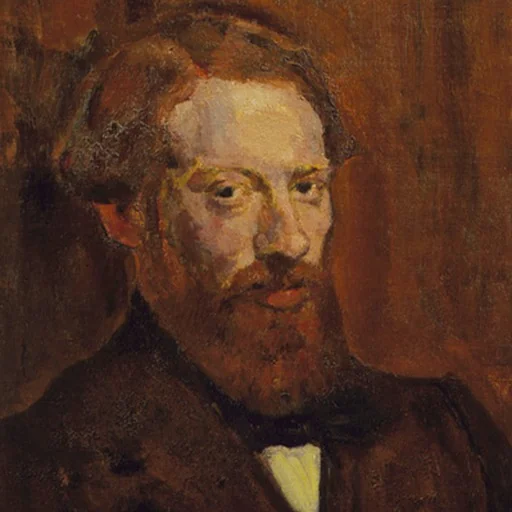
Charles-François-Prosper Guérin
Charles-François-Prosper Guérin (1875 in Sens – 1939) was a French Post-Impressionist painter.