Artwork
Carmen Gaudin in the Artist's Studio
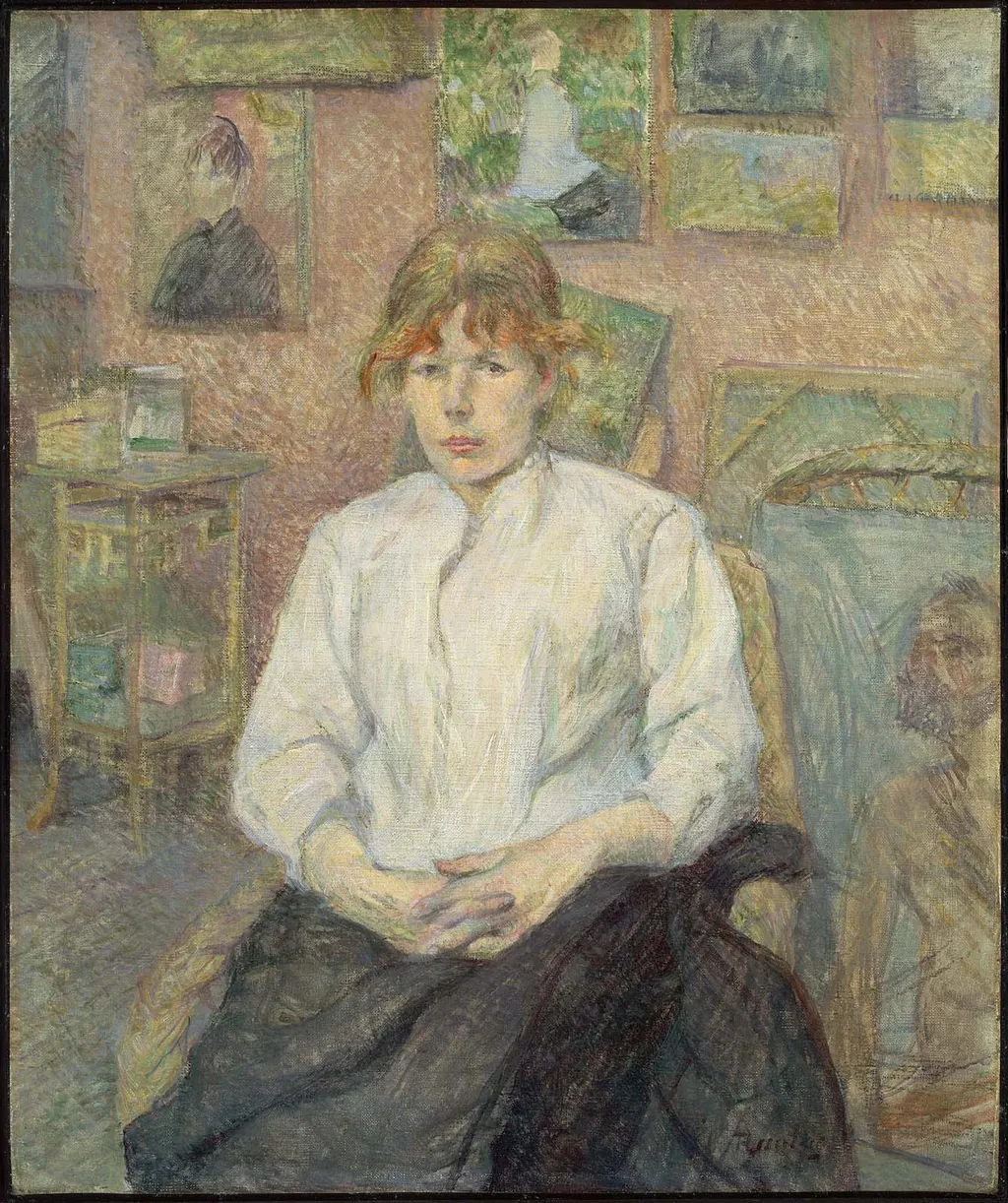
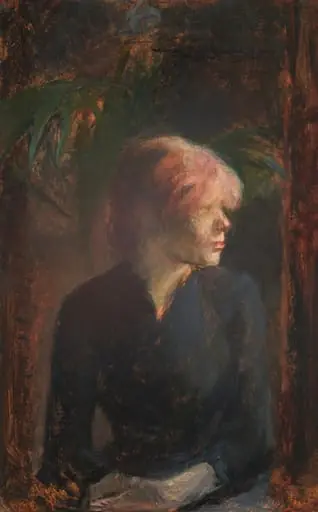
Carmen Gaudin in the Artist's Studio is an oil painting by the Post-Impressionist artist Henri de Toulouse-Lautrec. It dates from 1894 and is held in the collection of the Museum of Fine Arts Boston.
About this work
Overview
The painting is part of the permanent collection at the Museum of Fine Arts, Boston, where it has been held since its acquisition.
Painted in 1894, *Carmen Gaudin in the Artist's Studio* is an oil-on-canvas portrait by Henri de Toulouse-Lautrec. It captures a quiet moment in a studio environment, focusing on a woman seated calmly before the viewer. Unlike his more vibrant scenes of nightlife, this work emphasizes stillness and introspection. The painting is part of the permanent collection at the Museum of Fine Arts, Boston, where it has been held since its acquisition.
Subject & Meaning
The subject, Carmen Gaudin, was a model and dancer known to Toulouse-Lautrec during his time in Montmartre. Here, she is depicted not as a performer but as a composed figure in a private space, her neutral gaze and clasped hands suggesting contemplation rather than theatricality. The absence of overt narrative invites interpretation of her role beyond the studio—perhaps as a collaborator, muse, or simply a person observed with quiet dignity.
Technique & Style
Toulouse-Lautrec employed oil paint with restrained brushwork, favoring flat planes of color and subtle tonal shifts over dramatic chiaroscuro. The composition is deliberately sparse, with minimal furnishings and muted wall tones that draw attention to the figure. His use of line, influenced by Japanese prints, defines form with clarity, while the soft modeling of the face and hands adds a sense of quiet realism without sentimentality.
History & Provenance
The painting was created during a period when Toulouse-Lautrec frequently worked from life in his studio, often using models from the Parisian entertainment scene. It remained in private hands until acquired by the Museum of Fine Arts, Boston, in the early 20th century. Its provenance reflects the growing interest in Toulouse-Lautrec’s lesser-known domestic and portrait works beyond his famous posters and cabaret scenes.
Context
In the 1890s, Toulouse-Lautrec shifted from documenting nightlife to more intimate studies of individuals in private settings. This painting aligns with a broader trend among post-impressionists to explore psychological presence over spectacle. The studio as a subject—neutral, unadorned—reflects a move away from theatricality toward observation grounded in everyday reality, mirroring contemporary shifts in artistic priorities.
Legacy
Though less celebrated than his posters, *Carmen Gaudin in the Artist's Studio* exemplifies Toulouse-Lautrec’s capacity for understated portraiture. It contributes to a nuanced understanding of his engagement with models beyond their public personas. The work remains a quiet reference point in studies of modern portraiture, valued for its restraint and psychological subtlety rather than its visual drama.
Own this work as a print
Artist & collection
Artist
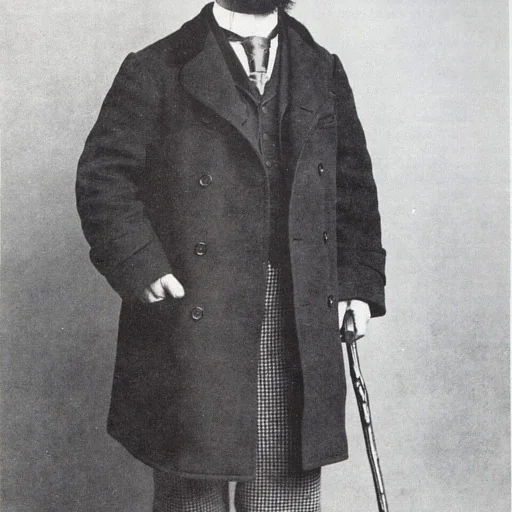
Comte Henri Marie Raymond de Toulouse-Lautrec-Montfa (24 November 1864 – 9 September 1901), known as Toulouse-Lautrec (French: ), was a French painter, printmaker, draughtsman, caricaturist, and illustrator.

 Portrait of Mrs Getter – two-sided painting
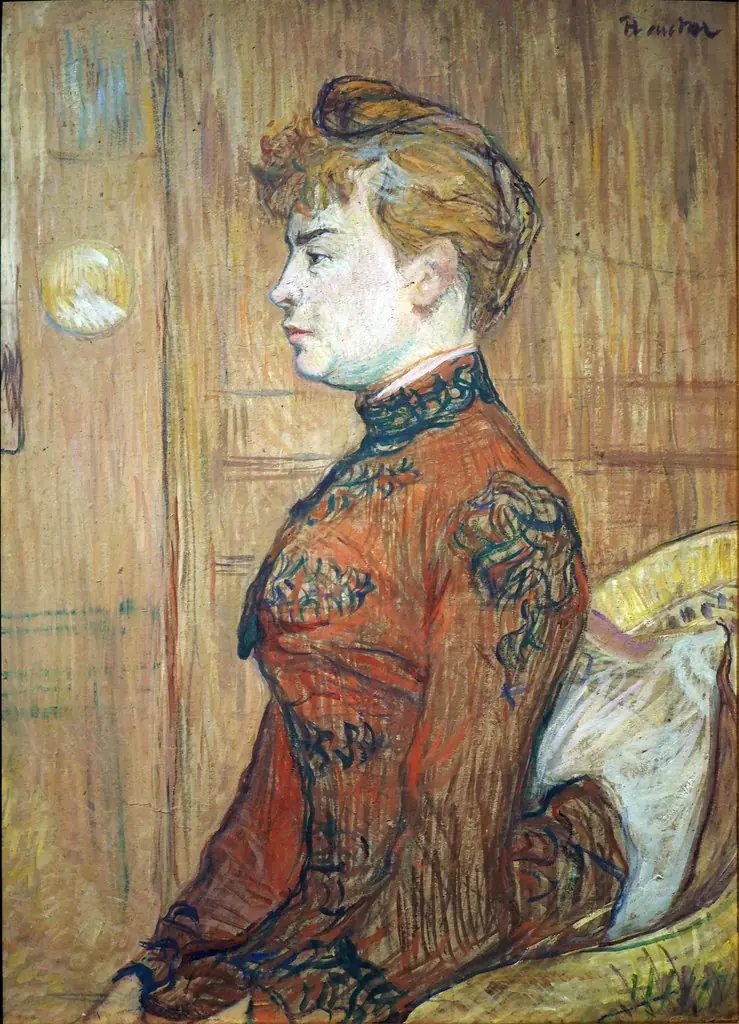 Portrait Study of a Woman in Profile
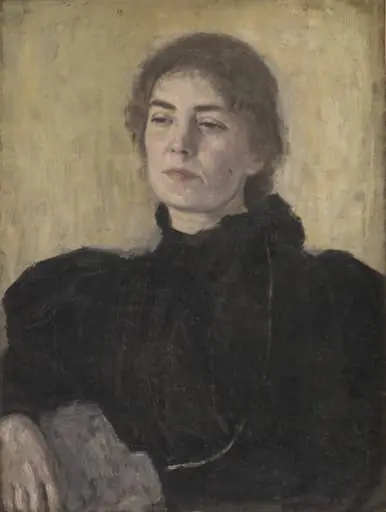 Thora Bendix, née Anne Victoria Sundberg
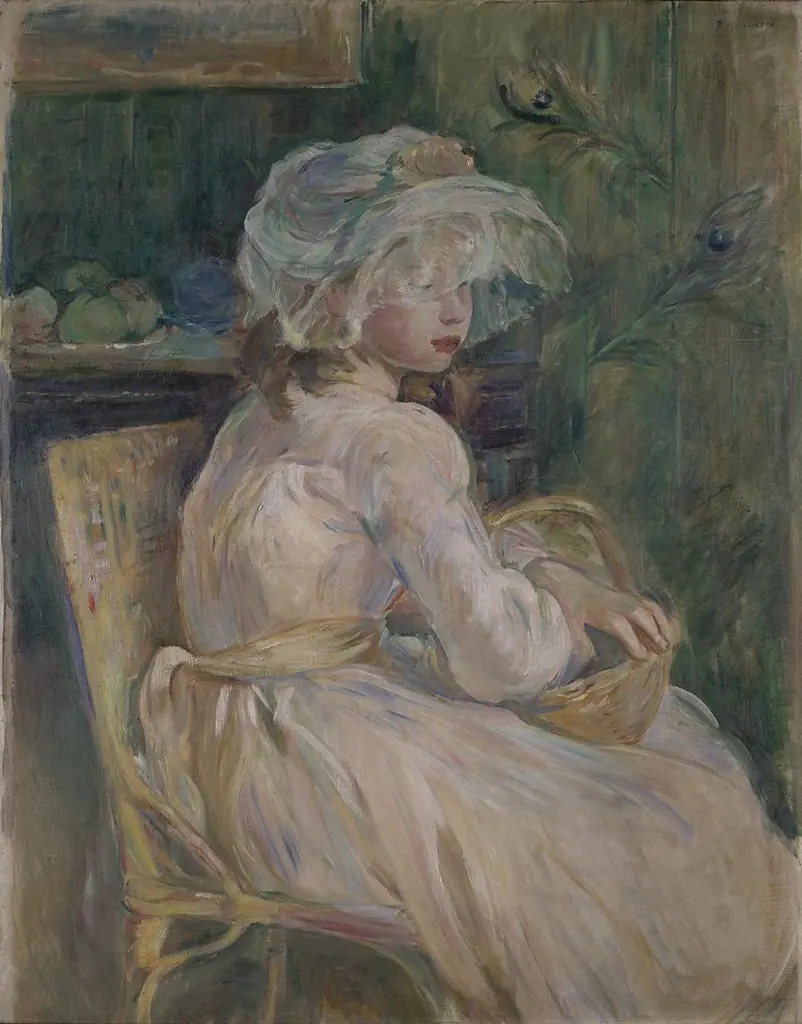 Young Girl with Basket
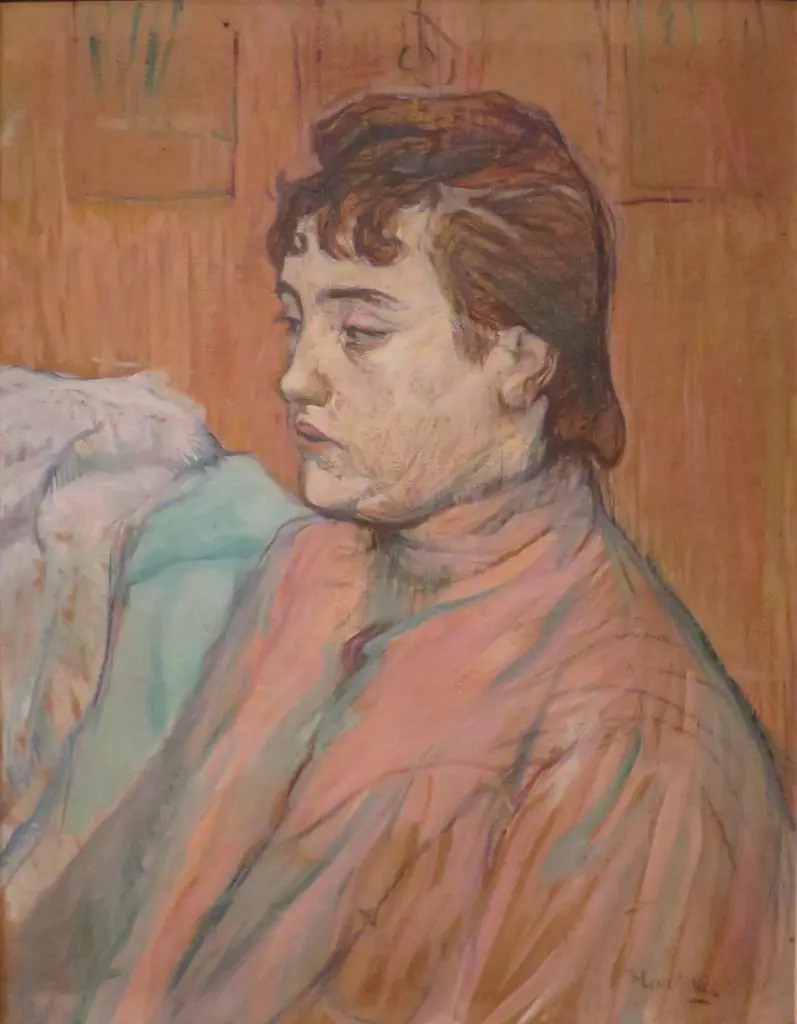 The Streetwalker
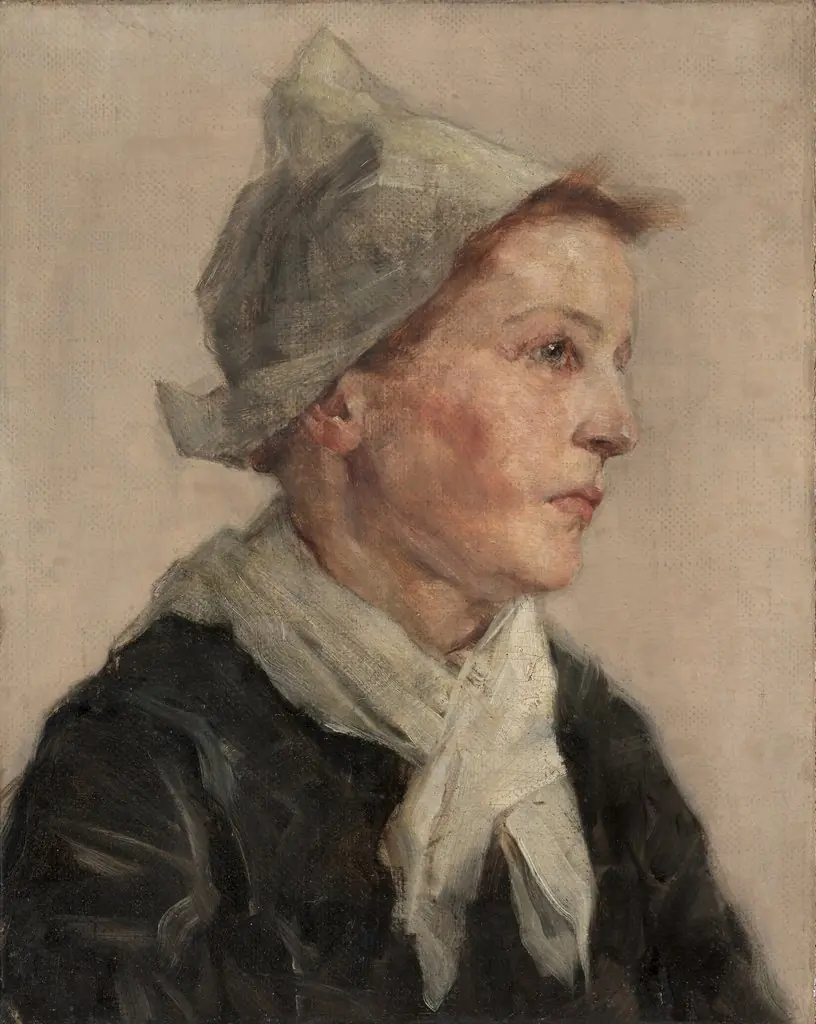 Head of a Woman
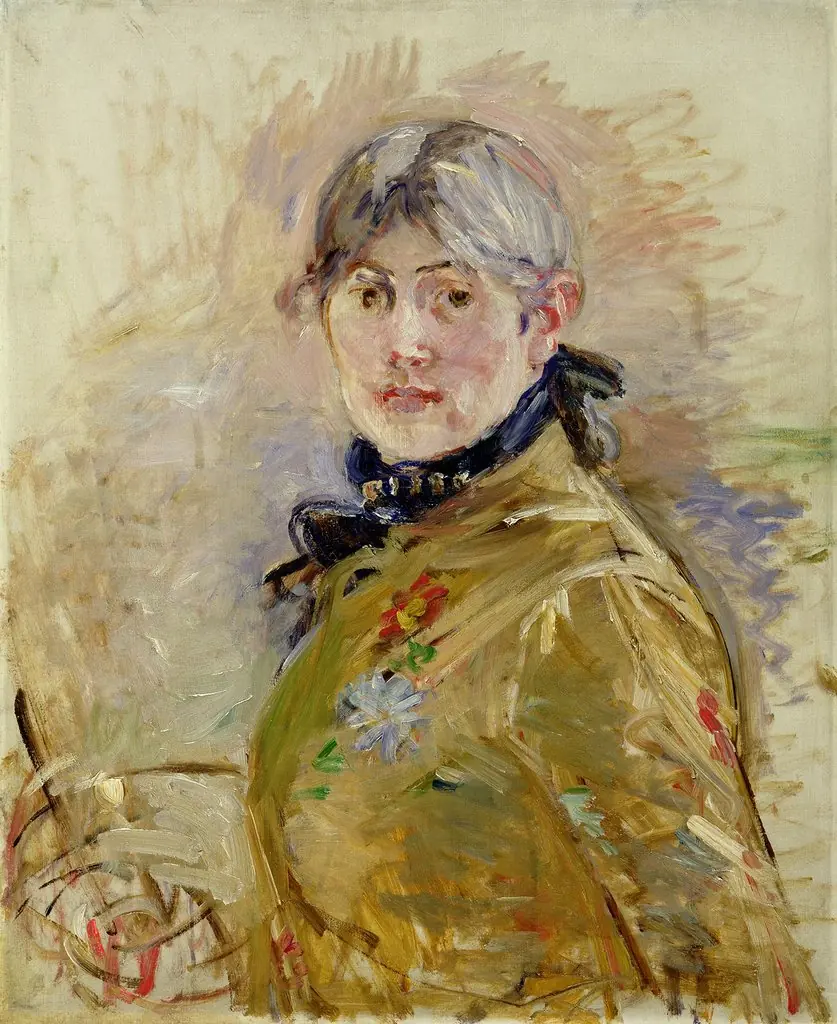 Autoportrait
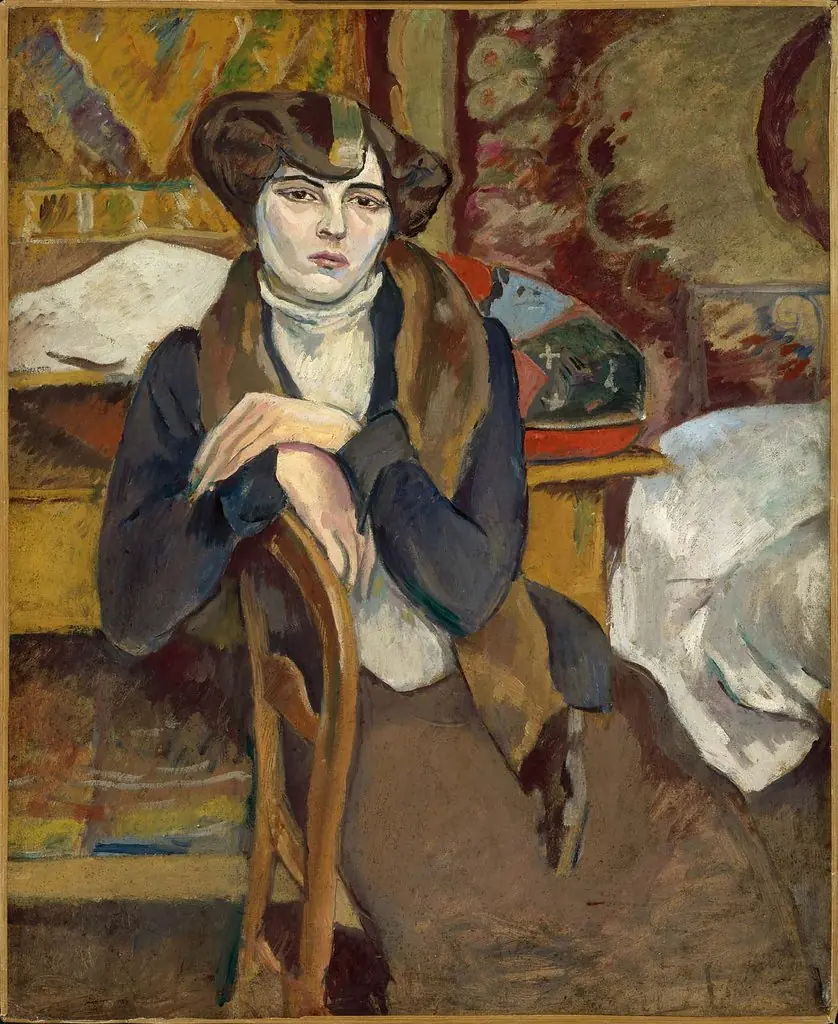 La Mélancolique
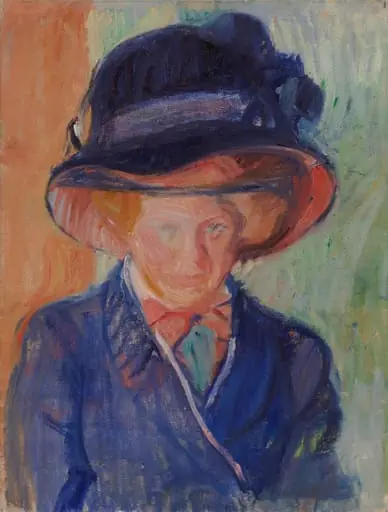 Nainen sinisessä (Helga Nordström)
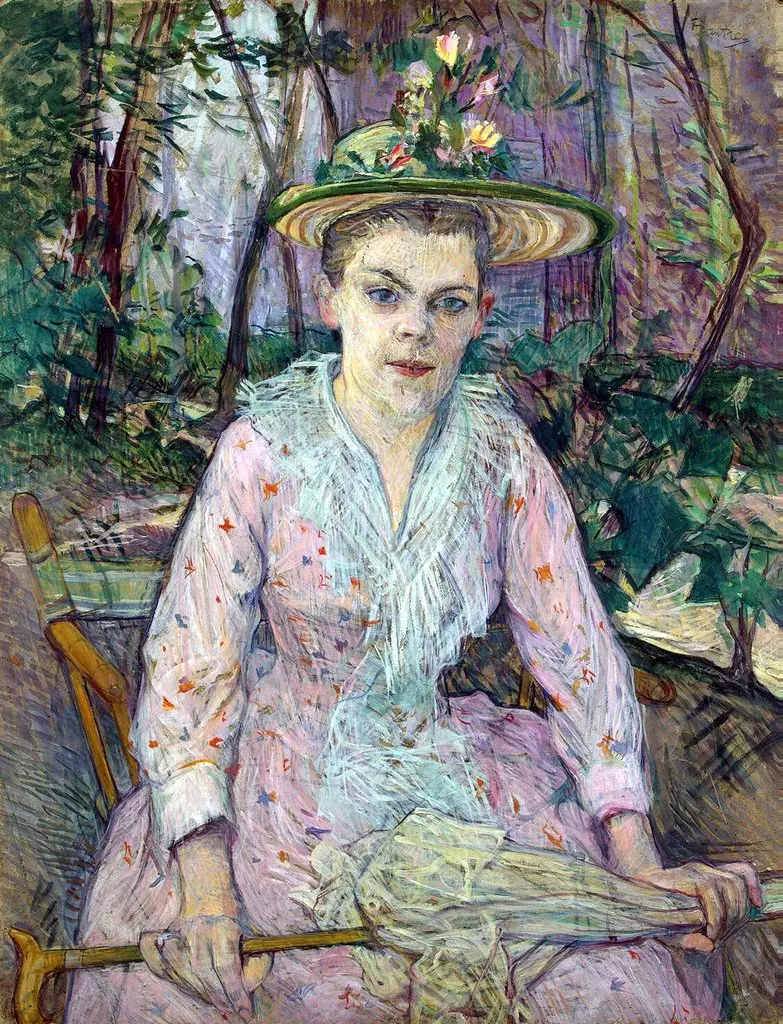 Woman with a parasol
 Madame Cézanne in Blue
 Portrait de madame Cézanne