Artwork
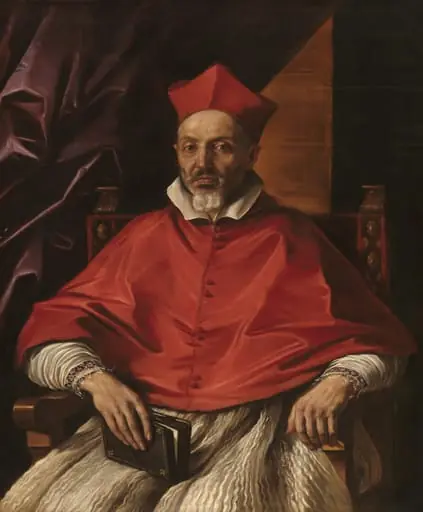
Portrait of Pope Gregory XV
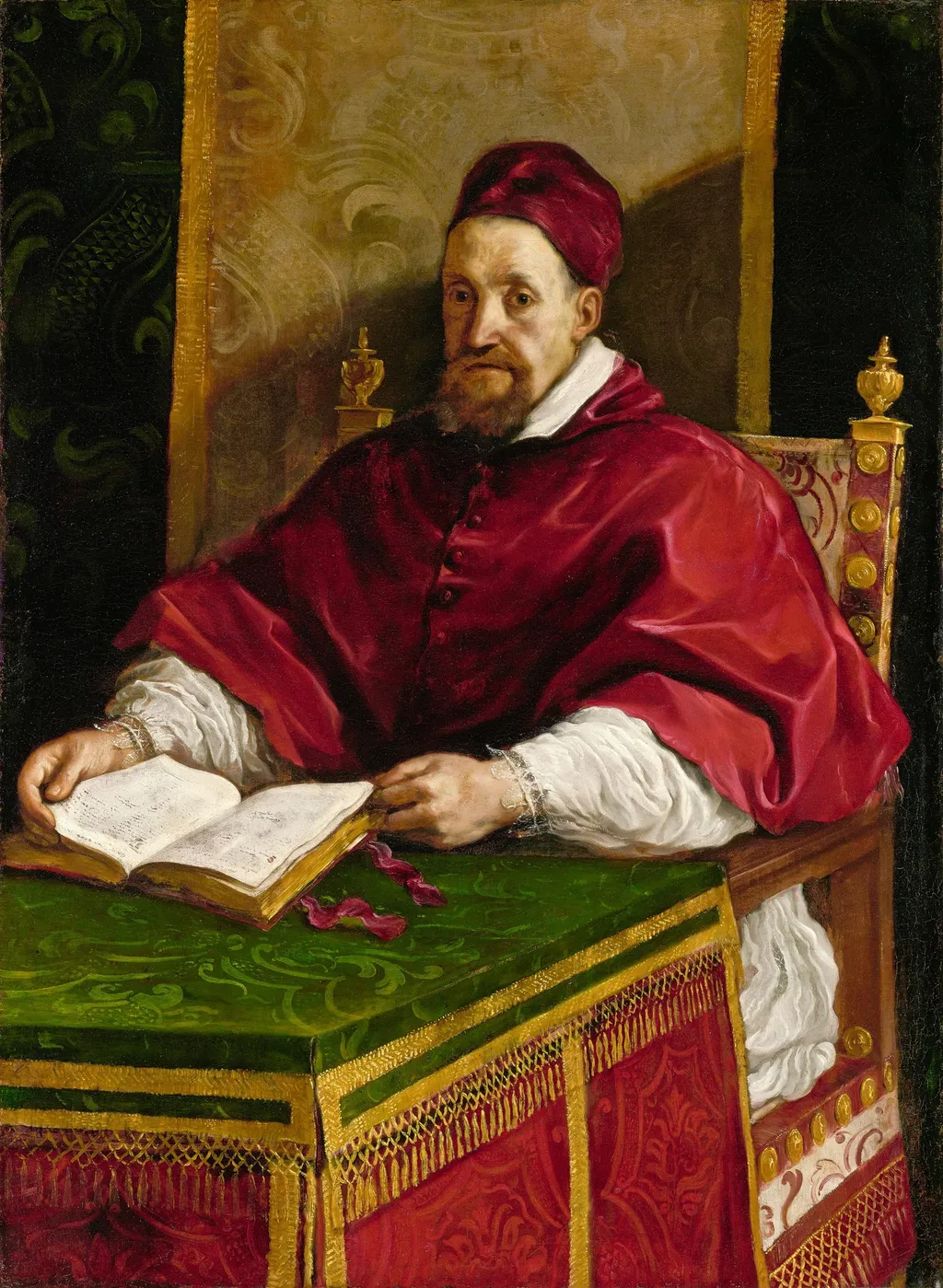
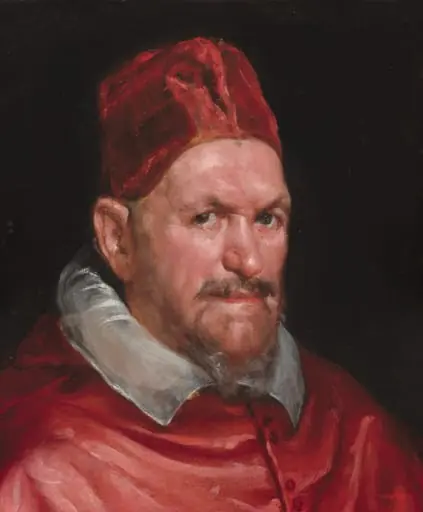
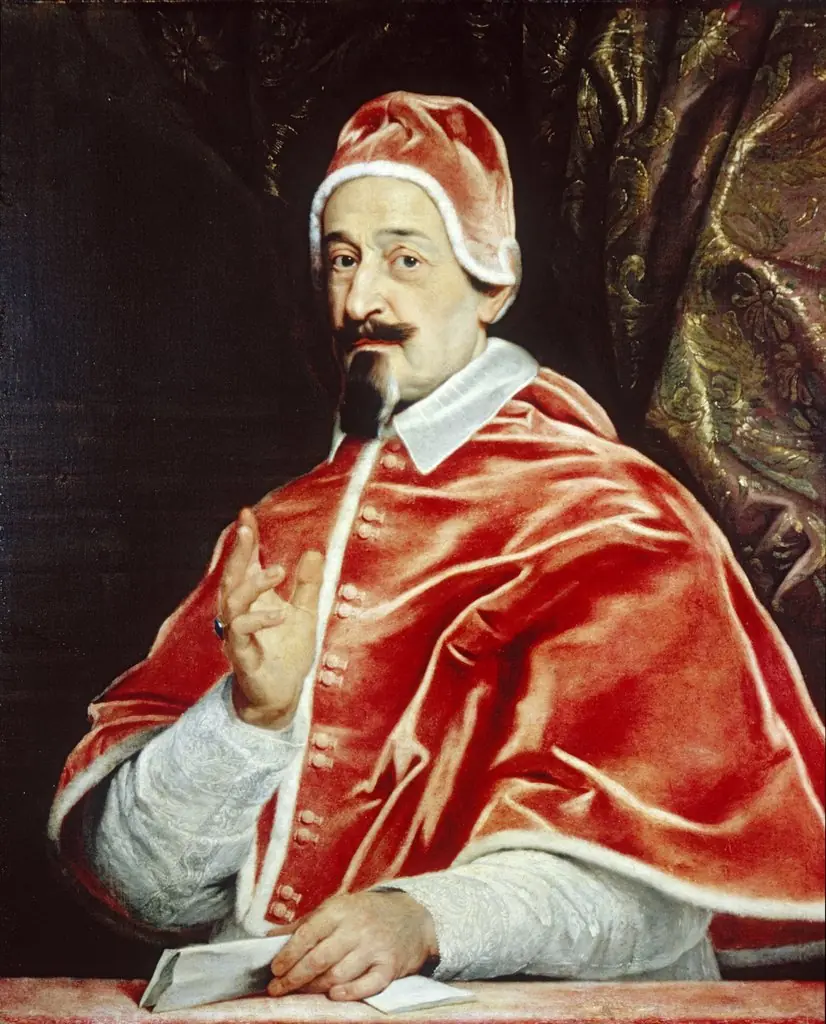
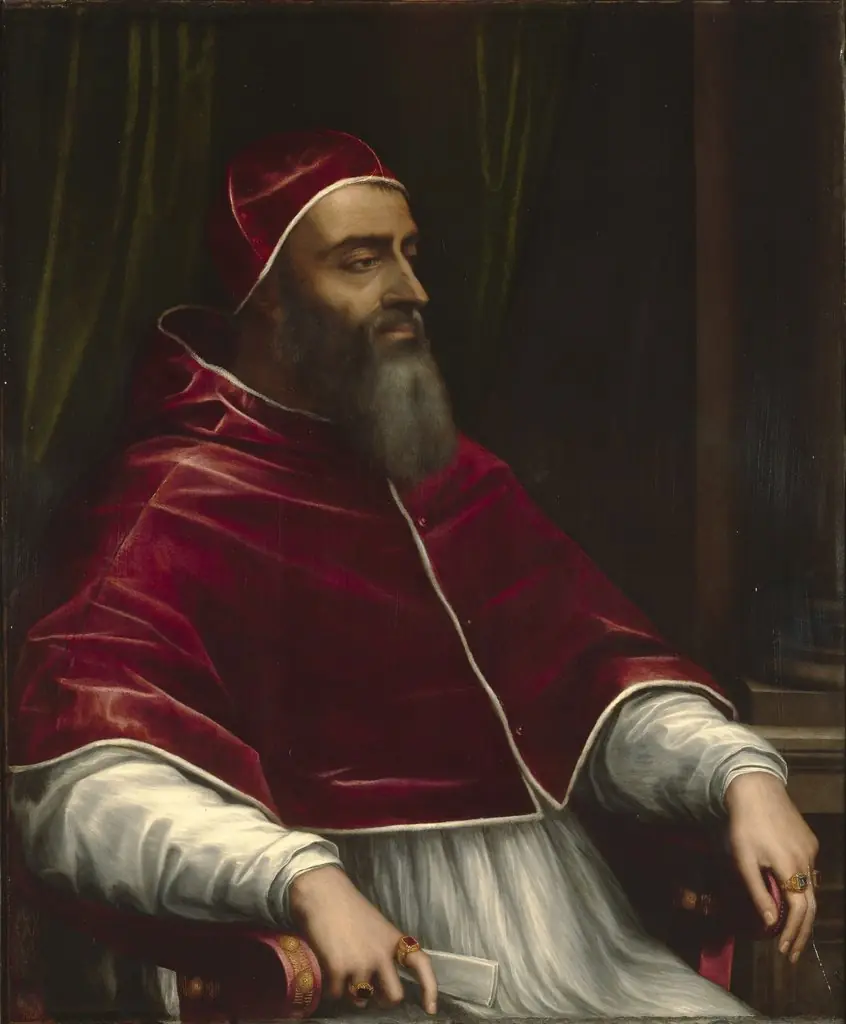
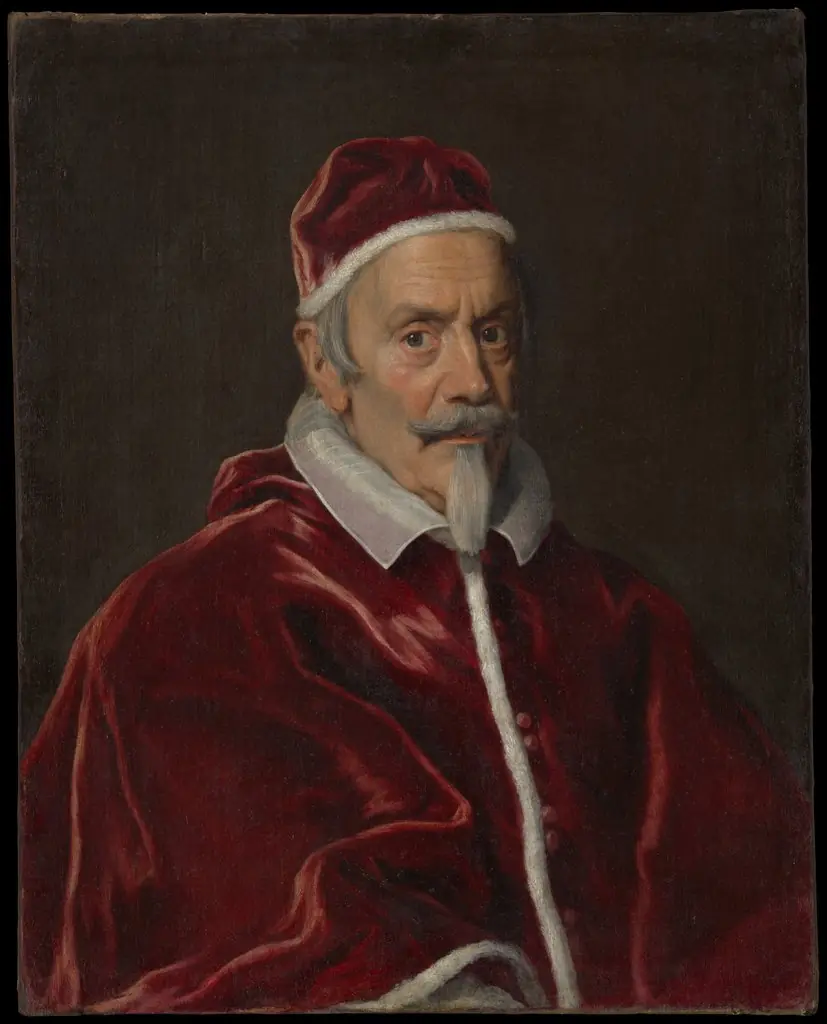
Portrait of Pope Gregory XV is an oil painting by the Early Baroque Italian artist Guercino. It dates from 1622 and is held in the collection of the J. Paul Getty Museum. Painted in 1622, this oil portrait captures Pope Gregory XV shortly after his election to the papacy.
About this work
Overview
Paul Getty Museum’s permanent collection, where it serves as a key example of early Baroque ecclesiastical portraiture.
Painted in 1622, this oil portrait captures Pope Gregory XV shortly after his election to the papacy. Created by the Bolognese artist Giovanni Francesco Barbieri, known as Guercino, the work reflects the transitional phase of his style—moving from the dramatic naturalism of his youth toward a more restrained, classical approach. The painting is part of the J. Paul Getty Museum’s permanent collection, where it serves as a key example of early Baroque ecclesiastical portraiture.
Subject & Meaning
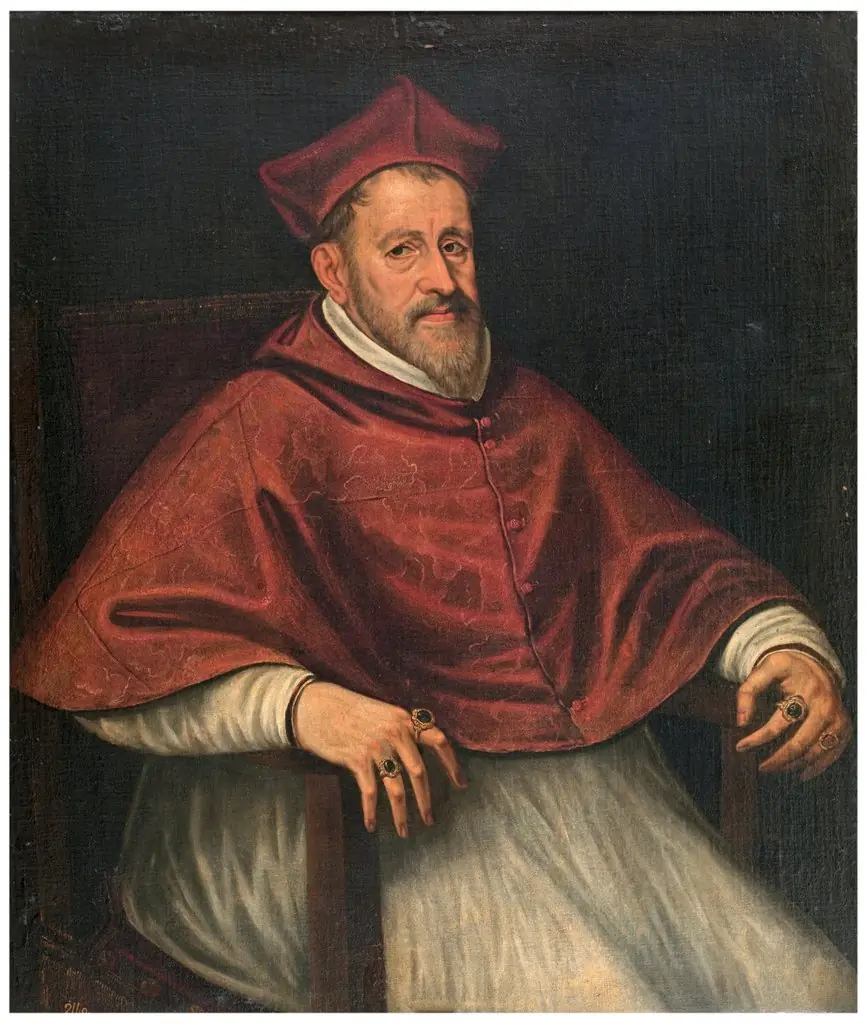
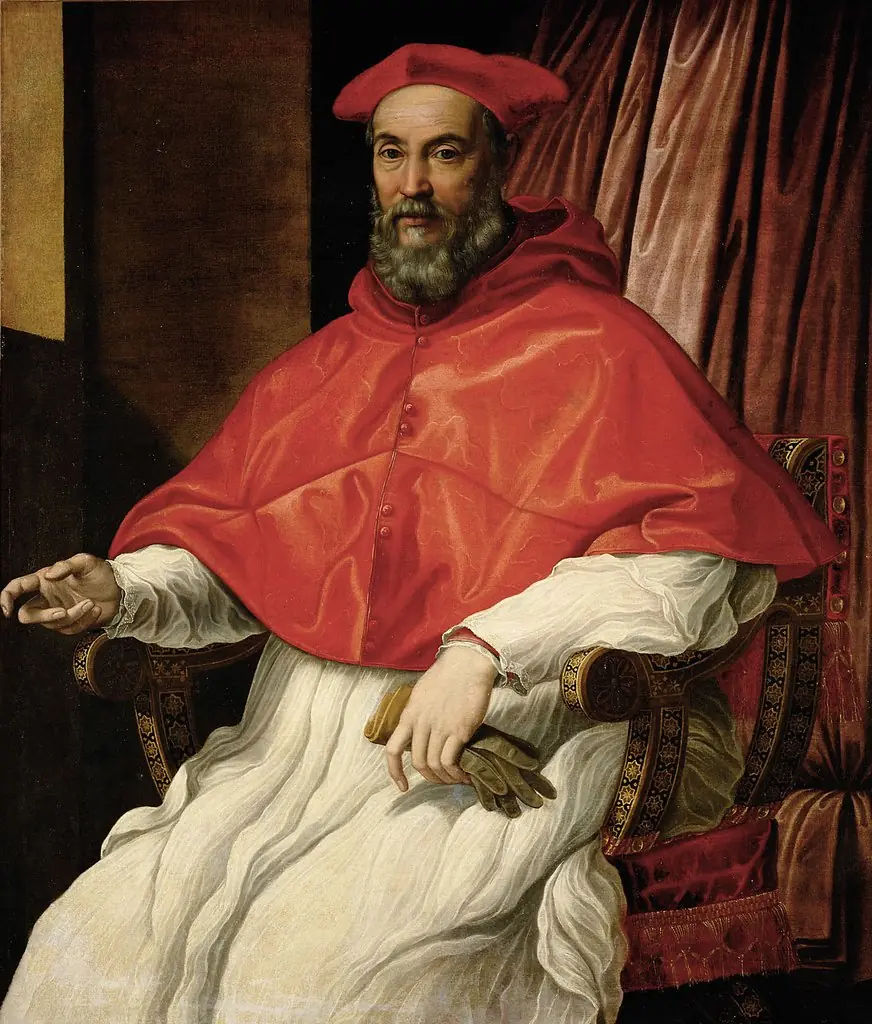
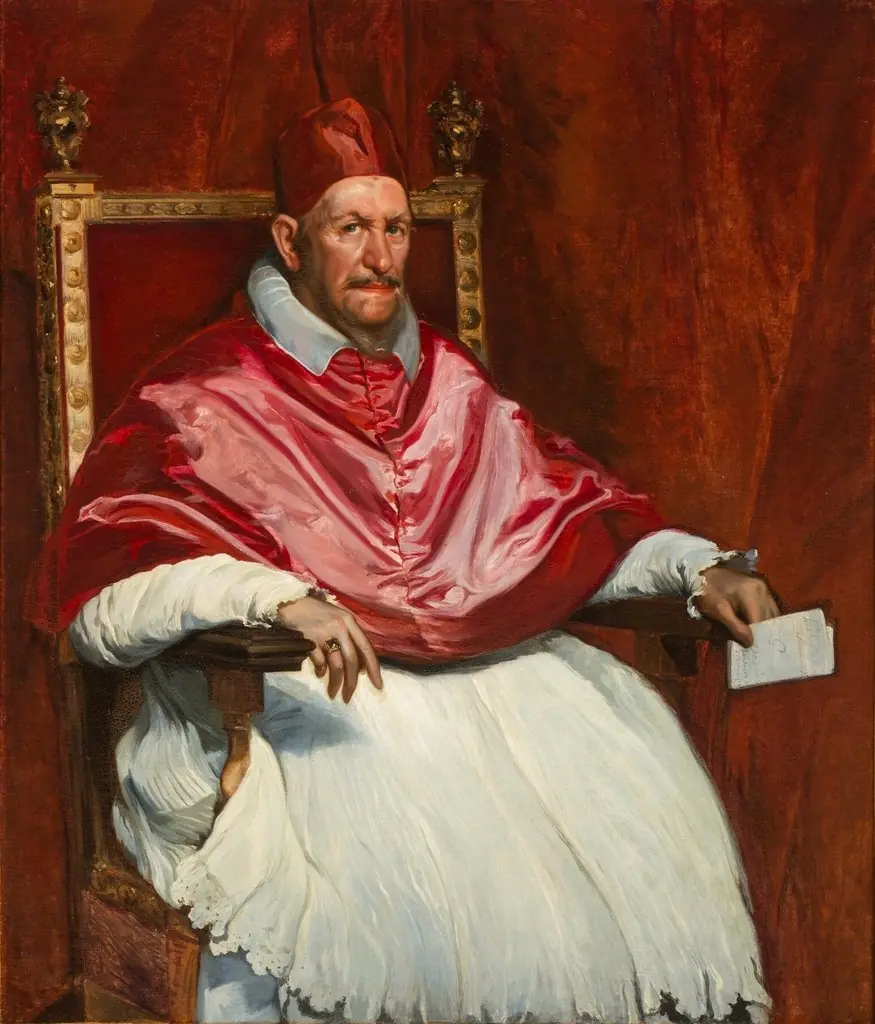
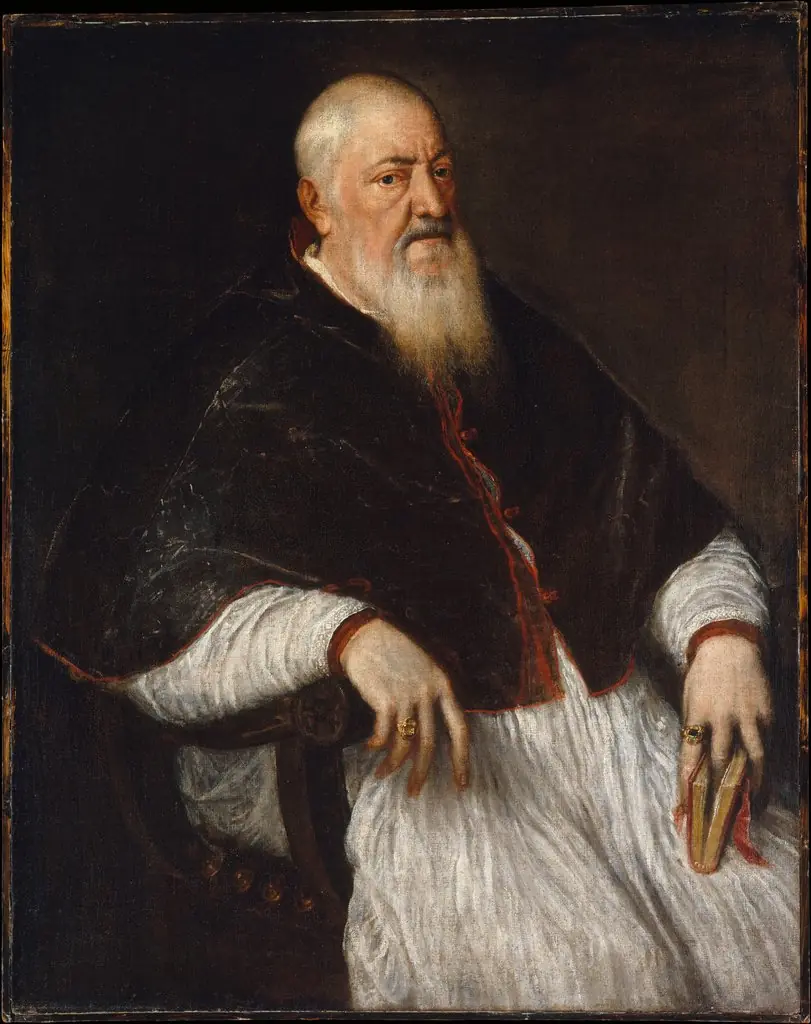
The pope is depicted seated, dressed in the ceremonial red robes and zucchetto of his office, with a long white beard that underscores his age and authority. He holds a closed book, likely a liturgical text, symbolizing his role as guardian of doctrine and tradition. The composed, frontal pose and direct gaze convey solemnity and spiritual gravitas, aligning with the Counter-Reformation ideal of papal dignity and moral leadership.
Technique & Style
Guercino employs chiaroscuro to model the pope’s face and hands with subtle gradations of light and shadow, enhancing their three-dimensionality. The dark, unbroken background isolates the figure, focusing attention on his expression and attire. The rendering of fabric—rich red silk and white lace—is precise yet restrained, avoiding excessive ornamentation. The brushwork is controlled, reflecting a shift toward classical harmony over the energetic brushstrokes of his earlier works.
History & Provenance
Commissioned soon after Gregory XV’s accession in 1621, the portrait was likely intended for official use or as a diplomatic gift. It remained in papal collections before entering private hands in the 18th century. Acquired by the J. Paul Getty Museum in the late 20th century, it is now one of the few surviving portraits of Gregory XV painted during his lifetime, offering a rare visual record of his papacy.
Context
Created during the height of the Counter-Reformation, the portrait aligns with the Catholic Church’s effort to project authority and stability through imagery. Guercino, though not based in Rome, was sought after for his ability to blend emotional immediacy with formal dignity. This work reflects the broader trend of papal portraiture as a tool of political and religious messaging, emphasizing continuity and spiritual legitimacy.
Legacy
Though less celebrated than Guercino’s mythological or religious scenes, this portrait exemplifies his skill in capturing psychological presence within a formal context. It influenced later ecclesiastical portraiture by balancing individuality with symbolic restraint. The painting remains a reference point for understanding how Baroque artists negotiated realism and authority in service of institutional power.
Own this work as a print
Artist & collection
Artist
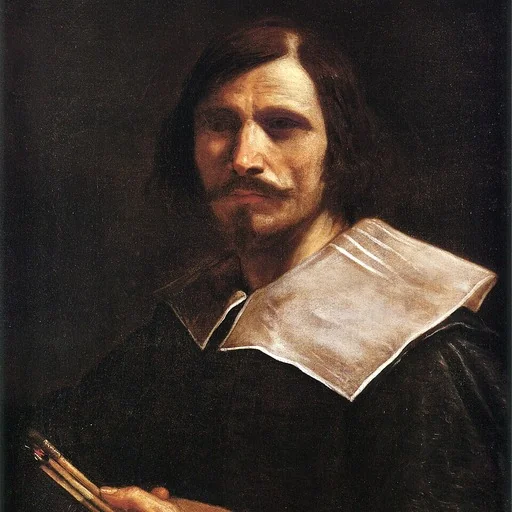
Giovanni Francesco Barbieri (8 February 1591 – 22 December 1666), better known as (il) Guercino (Italian pronunciation: ), was an Italian Baroque painter and draftsman from Cento in the Emilia region, who was active in Rome and Bologna.