Artwork
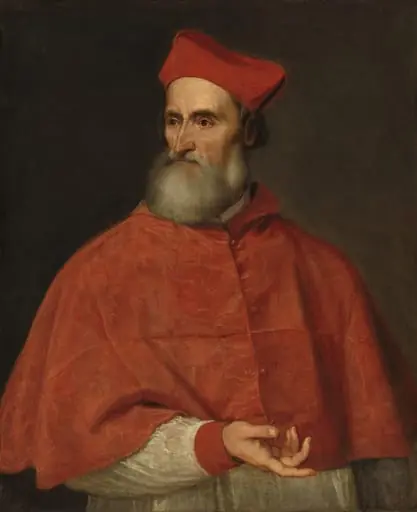
Bildnis eines Kardinals
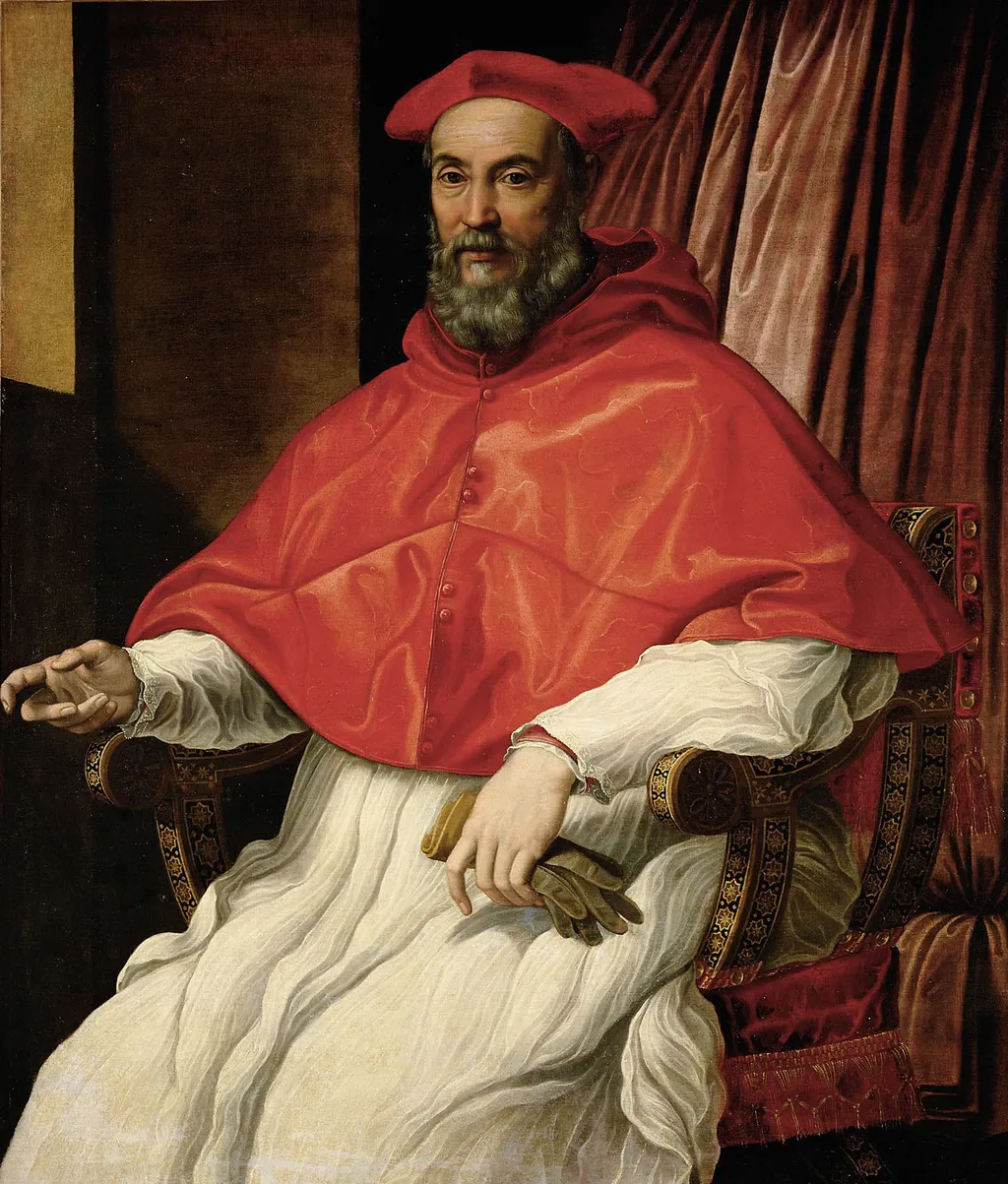
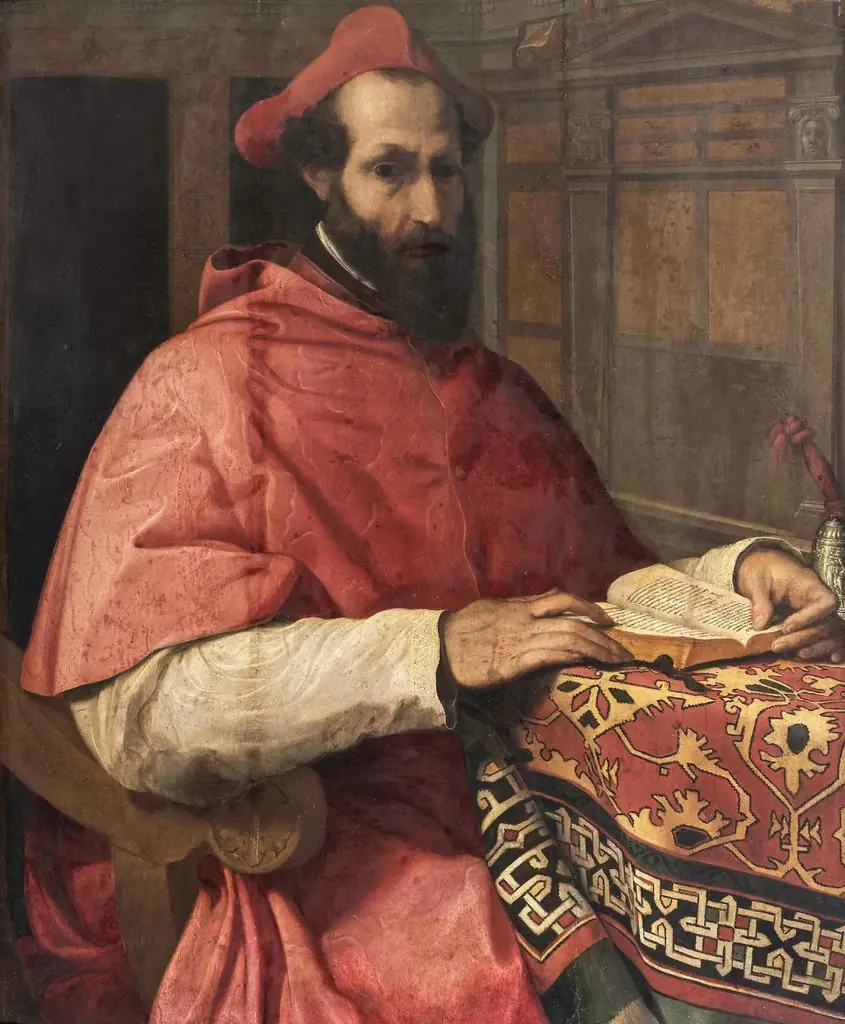
Bildnis eines Kardinals is an unspecified painting by Jacopino del Conte. It dates from 1545 and is held in the collection of the Kunsthistorisches Museum.
About this work
Overview
The composition reflects the conventions of mid-16th-century Italian portraiture, balancing dignity with quiet intensity.
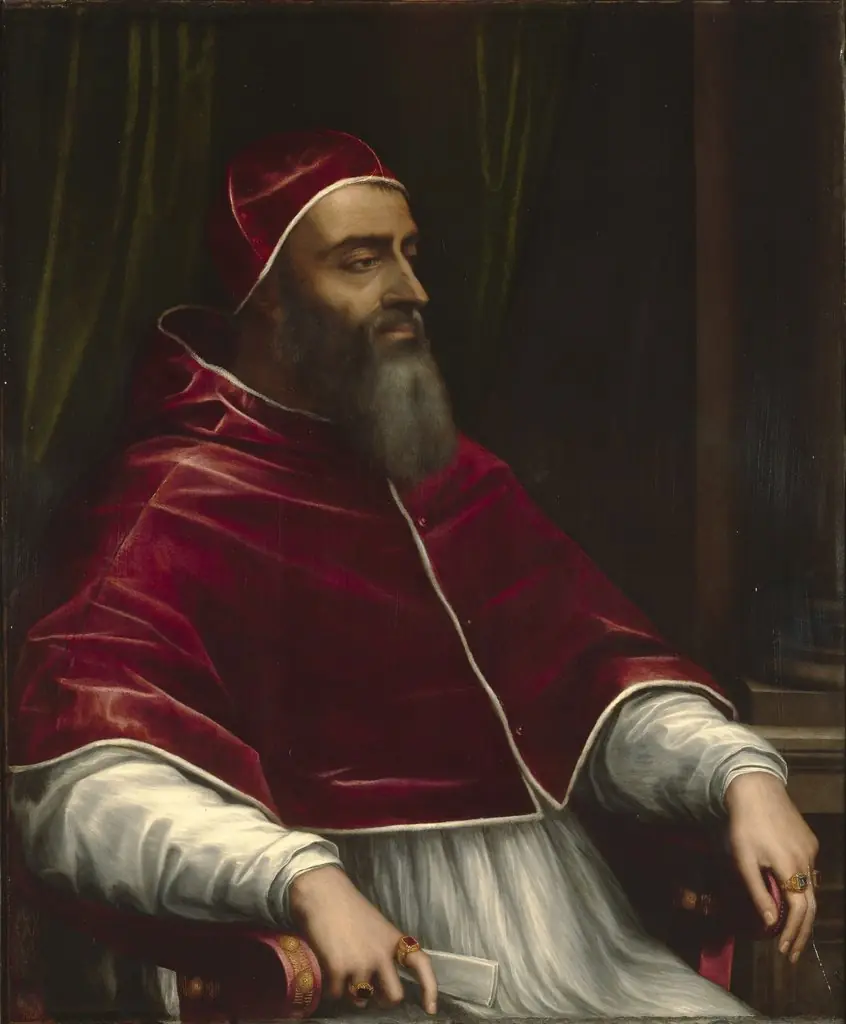
Painted around 1545 by Jacopino del Conte, this portrait captures a cardinal in formal ecclesiastical dress. The work resides in the Kunsthistorisches Museum in Vienna. It presents a seated figure against a dark, curtained background, emphasizing the subject’s presence through controlled lighting and meticulous rendering of texture. The composition reflects the conventions of mid-16th-century Italian portraiture, balancing dignity with quiet intensity.
Subject & Meaning
The figure is identified by his red cardinal’s hat and cloak, symbols of high rank within the Catholic Church. His white robe and long beard suggest age and spiritual authority. The outstretched left hand may imply speech or blessing, while the resting right arm conveys composure. The portrait does not aim for individual likeness alone but rather projects the gravitas and institutional presence expected of a senior church official.
Technique & Style
Del Conte employs subtle chiaroscuro to model the cardinal’s face and garments, enhancing volume without dramatic contrast. Brushwork is precise on the fabric folds and beard, yet retains a tactile quality. The dark background and red curtain create a framed, intimate setting, directing focus to the figure. The rendering of textures—velvet, linen, skin—demonstrates a refined attention to material detail characteristic of Roman Mannerist portraiture.
History & Provenance
The painting entered the Kunsthistorisches Museum’s collection through the Habsburg imperial holdings, likely acquired during the 16th or early 17th century. Its presence in Vienna suggests it was valued by patrons connected to the Church or the imperial court. No documented commission or original owner is known, but its preservation indicates sustained recognition of its artistic merit within aristocratic collections.
Context
Created during the Counter-Reformation, this portrait aligns with a period when the Church emphasized visual representations of authority and piety. Italian artists like del Conte, trained in Rome, responded to demands for dignified ecclesiastical imagery. The work reflects the influence of Raphael and later Roman Mannerists, blending naturalism with an idealized sense of solemnity suited to religious leadership.
Legacy
Though not widely exhibited outside academic circles, the portrait remains a representative example of mid-16th-century Roman portraiture. It contributes to the understanding of how ecclesiastical power was visually constructed during the Reformation era. Del Conte’s restrained approach, avoiding theatricality, offers insight into the quieter, more introspective side of religious portraiture of the time.
Own this work as a print
Artist & collection


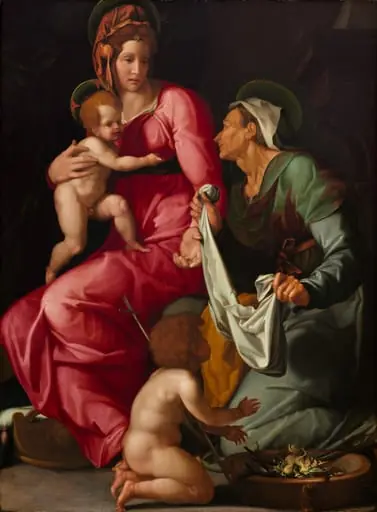 Madonna and Child with Saint Elizabeth and Saint John the Baptist
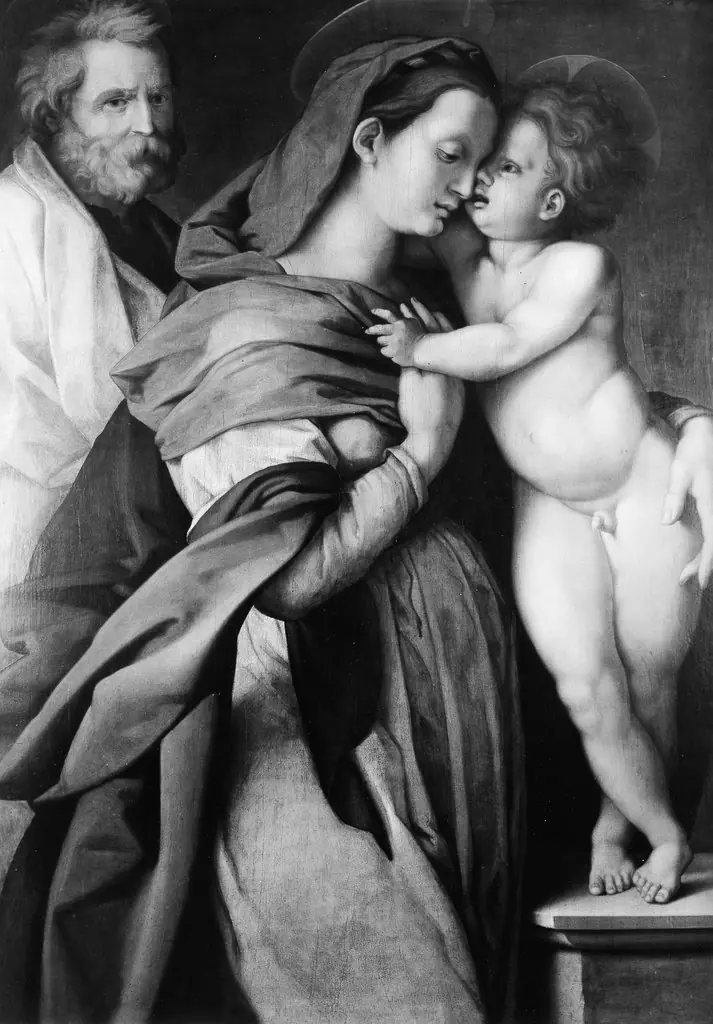 Holy Family
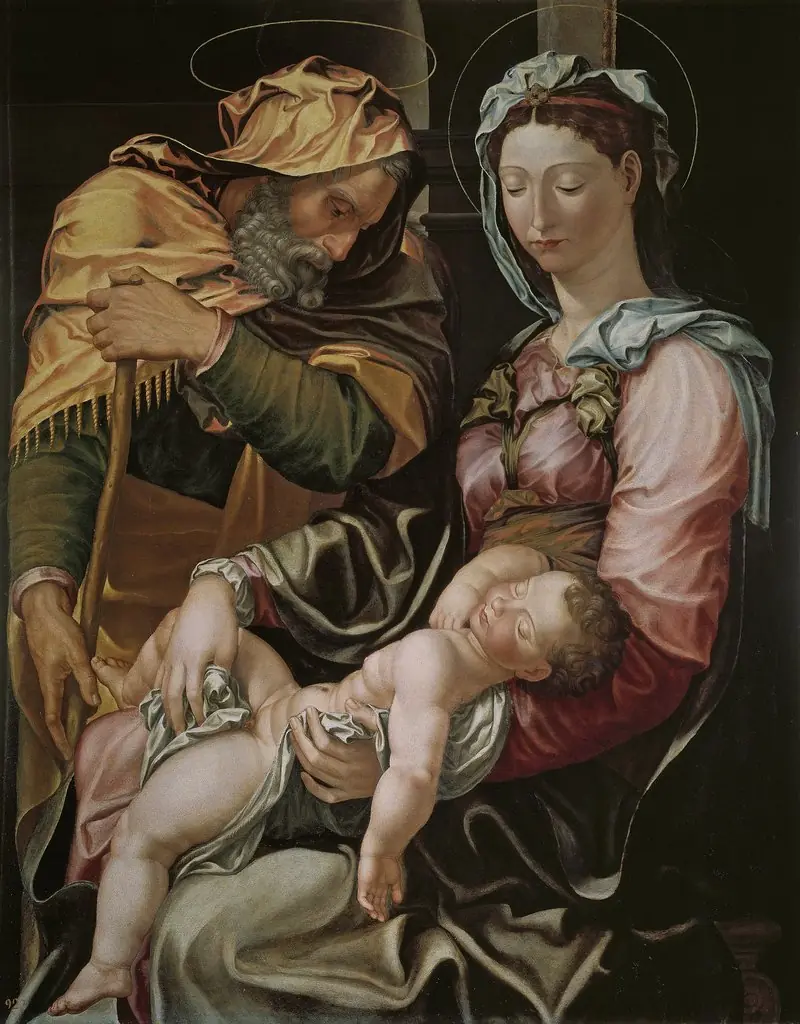 La Sagrada Familia
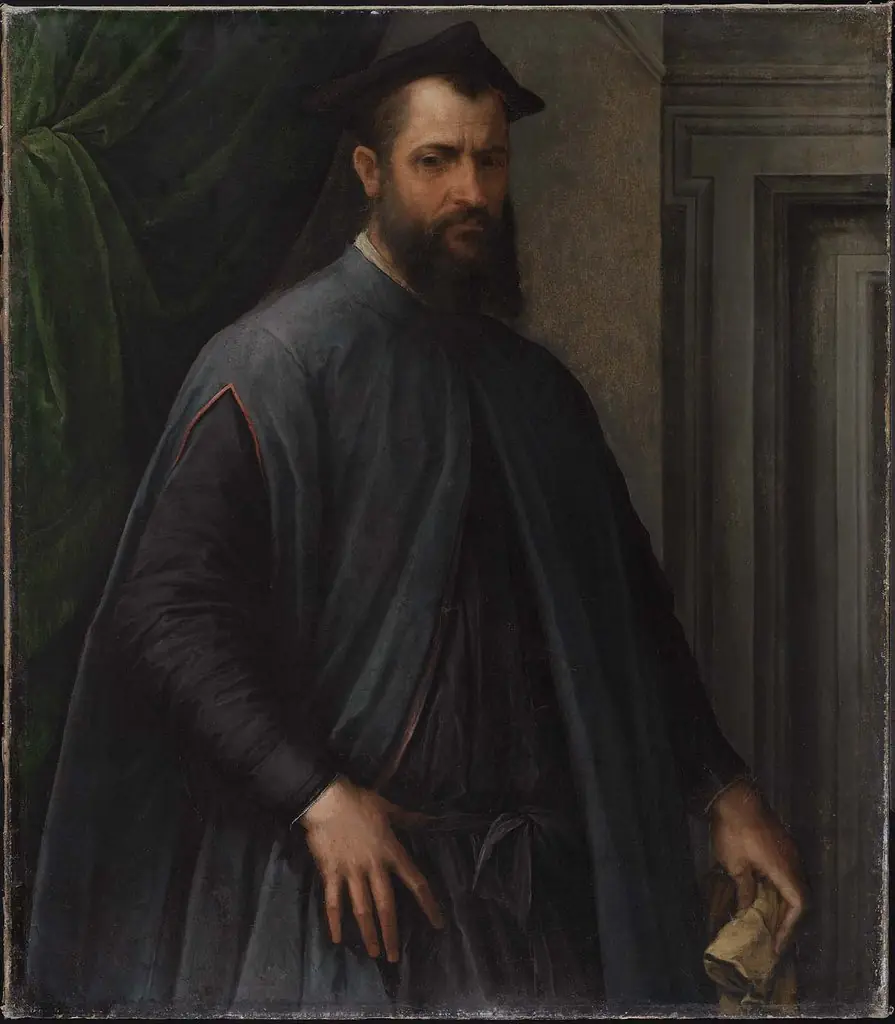 Portrait of a Prelate
 Portrait of F.De Pisia, a Papal Notary
 Portrait of Cardinal Marcello Cervini degli Spannocchi
 Madonna with Child and Saint John the Baptist on clouds
 The Virgin and Child with St Elizabeth and the infant Baptist