Artwork
H Beard Print Collection
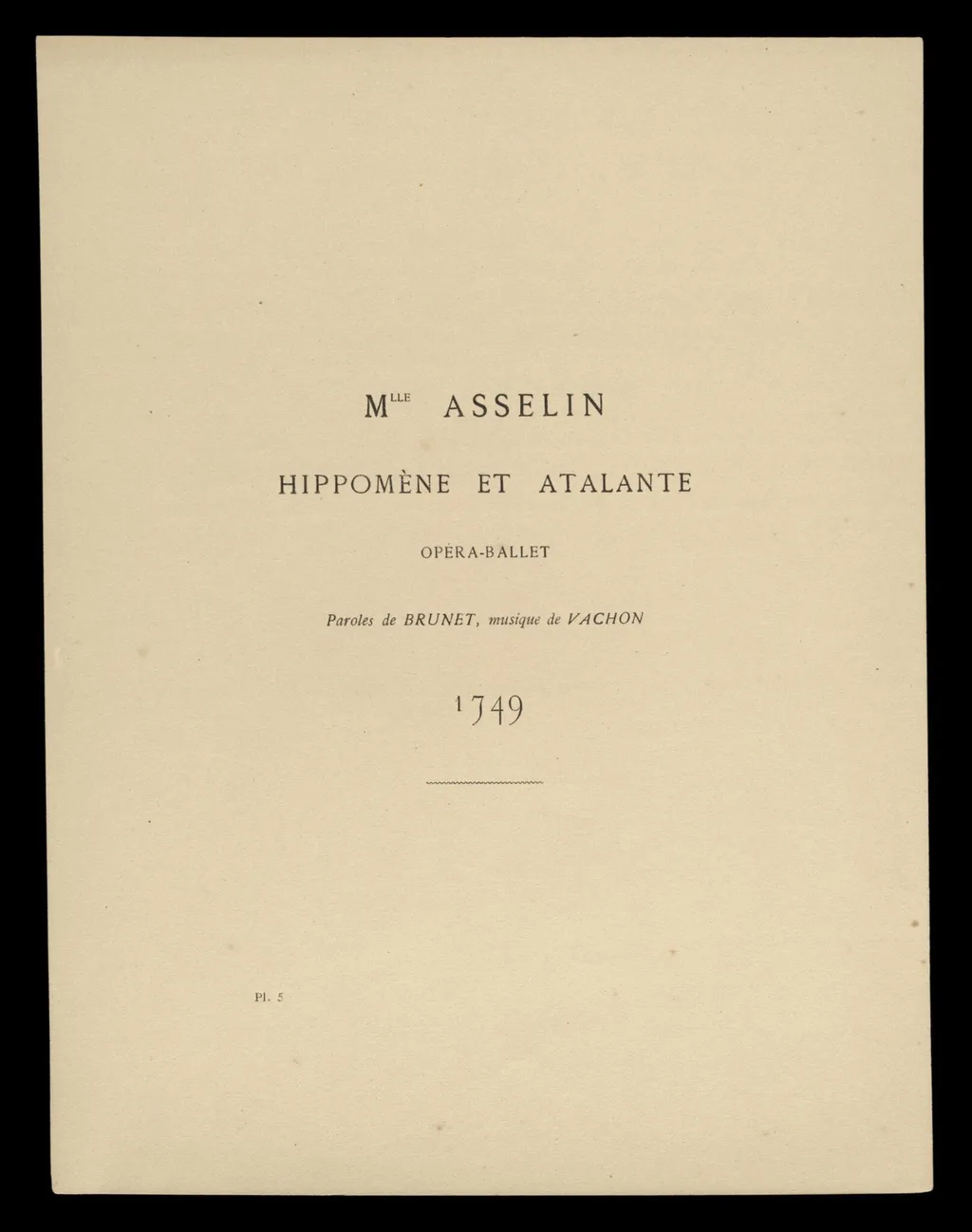
H Beard Print Collection is a print by the Impressionist artist A Guillaumot. It dates from 1885 and is held in the collection of the Victoria and Albert Museum.
About this work
This print from 1885 is the cover page for an opera-ballet. It pairs a visual image with text about Hippomène et Atalante, first staged in 1749.
The print ties two centuries together. It shows a design from 1749 being reprinted in 1885. The opera-ballet featured words by Brunet and music by Vachon.
Next time you’re at the Victoria and Albert Museum, look for the Harry Beard Print Collection.
Overview
The piece is a printed cover page created in 1885 for Plate Number 5, titled “Mlle Asselin,” which accompanies the opera‑ballet Hippomène et Atalante. The print functions as a visual and textual introduction to the work, linking a 1749 stage production with a nineteenth‑century collector’s edition.
Subject & Meaning
Hippomène et Atalante was originally presented in 1749 as an opera‑ballet, combining dance, music, and sung dialogue. The libretto was authored by Brunet, while the score was composed by Vachon. The cover page references these creators and situates the work within its historical performance context.
Technique & Style
Executed as a single‑sheet print, the 1885 version reproduces the original 1749 design, preserving its typographic layout and illustrative elements. The print’s style reflects mid‑nineteenth‑century reproduction methods, likely employing intaglio or lithographic processes typical of the Harry Beard Print Collection.
History & Provenance
The print forms part of the Harry Beard Print Collection, a compilation of historic prints assembled by the collector Harry Beard. Though the original opera‑ballet dates to the mid‑eighteenth century, this particular cover was produced more than a century later, illustrating the continued interest in the work’s visual heritage.
Context
Opera‑ballets such as Hippomène et Atalante occupied a prominent place in French court entertainment during the Rococo period, blending mythological narratives with elaborate choreography. The 1885 cover serves as a retrospective artifact, documenting the enduring appeal of such productions beyond their initial performance era.
Artist & collection
Artist
This artist made prints in the late 1800s, a time when illustrations were used for books and magazines.

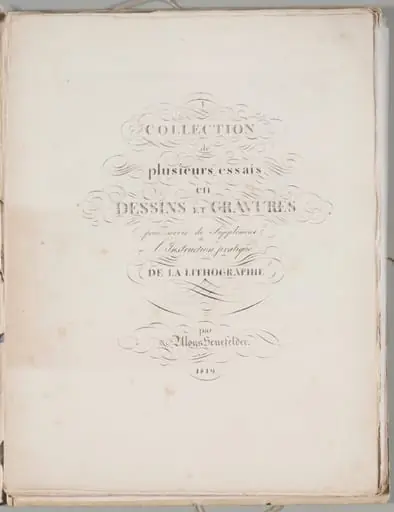 Art of the Lithograph: Title Page, Plate I
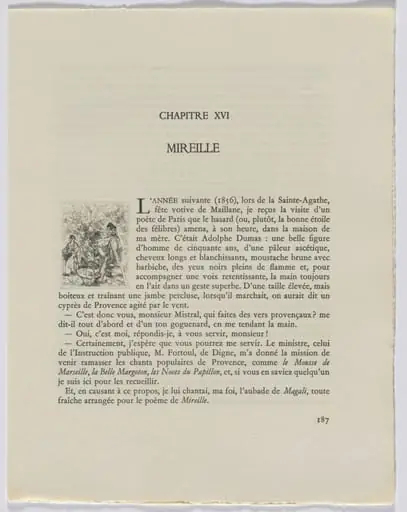 Frédéric Mistral: Mémoires et Recits by Frédéric Mistral: figures outside (page 187)
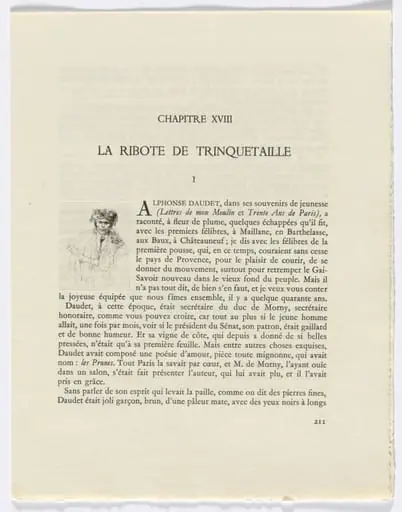 Frédéric Mistral: Mémoires et Recits by Frédéric Mistral: man (page 211)
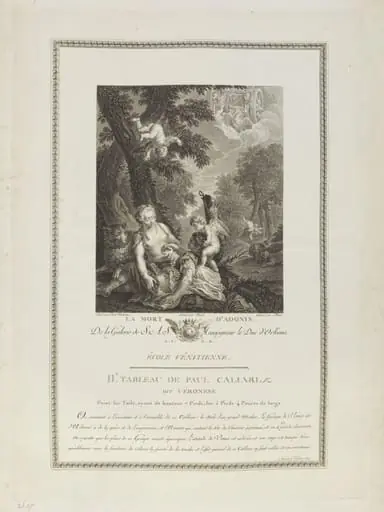 Death of Adonis
 Zeichnungen nach dem gemeinen Volke besonders Der Kaufruf in Wien
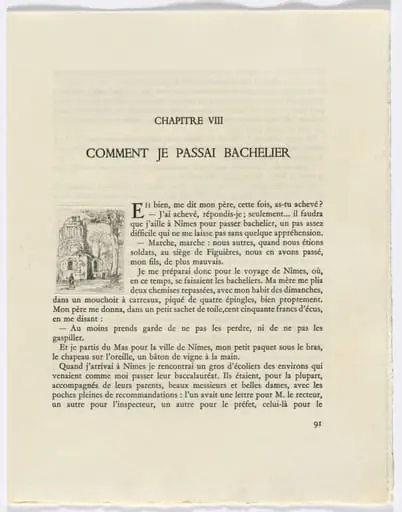 Frédéric Mistral: Mémoires et Recits by Frédéric Mistral: building and tree (page 91)
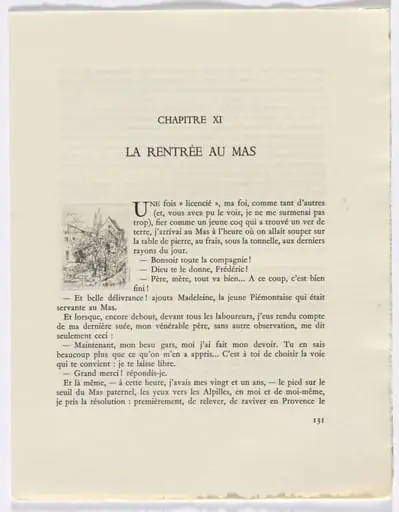 Frédéric Mistral: Mémoires et Recits by Frédéric Mistral: buildings and trees (page 131)
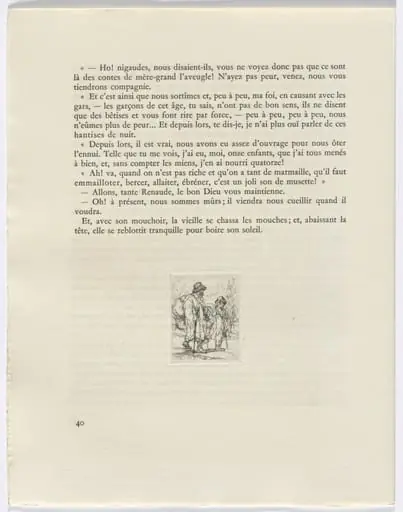 Frédéric Mistral: Mémoires et Recits by Frédéric Mistral: two figures walking (page 40)
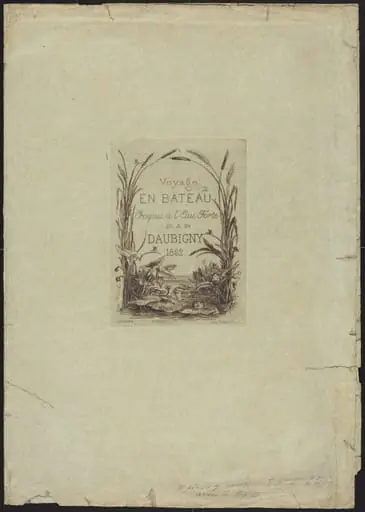 Wrapper for "Voyage en bateau"
 Adressi Anatole Francelle
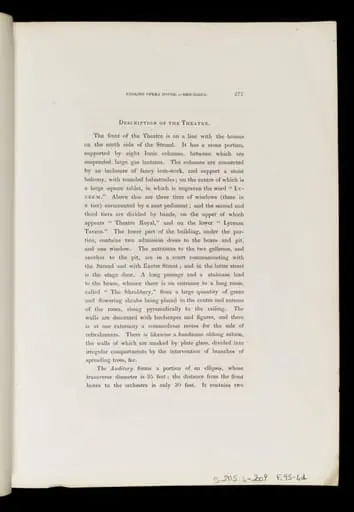 H Beard Print Collection
 H Beard Print Collection